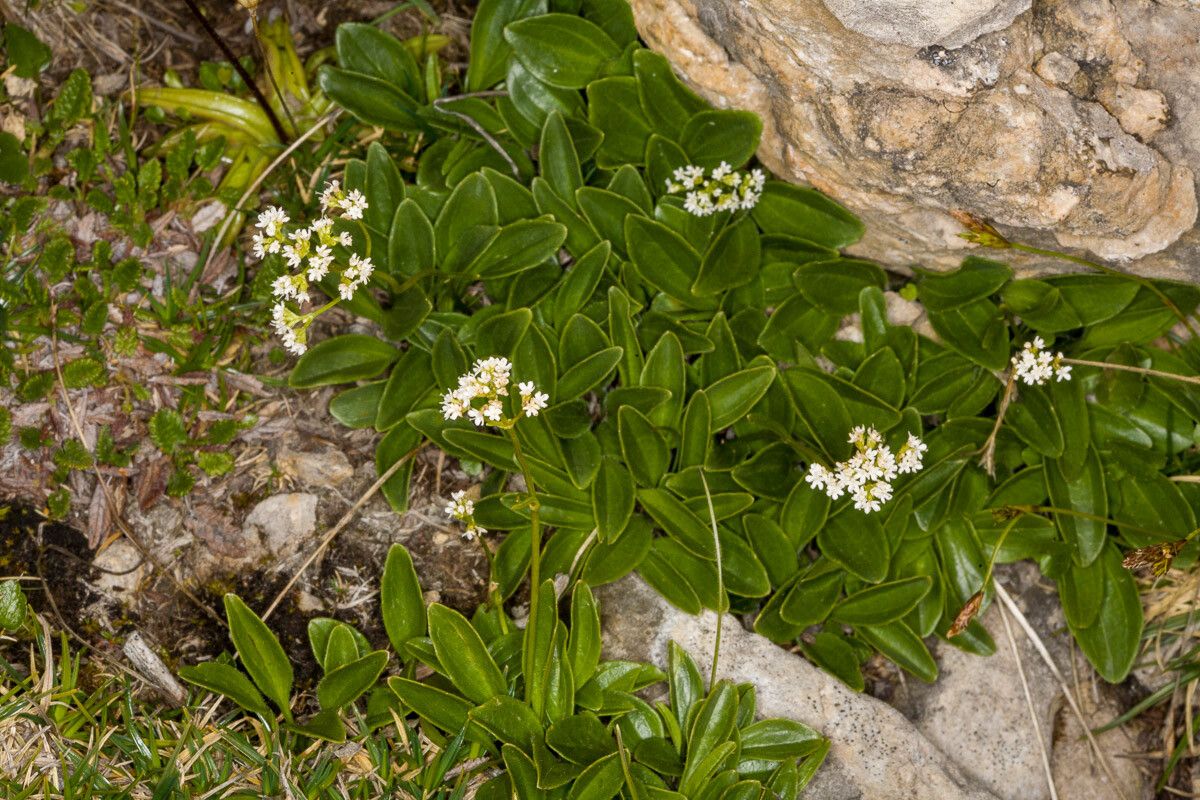
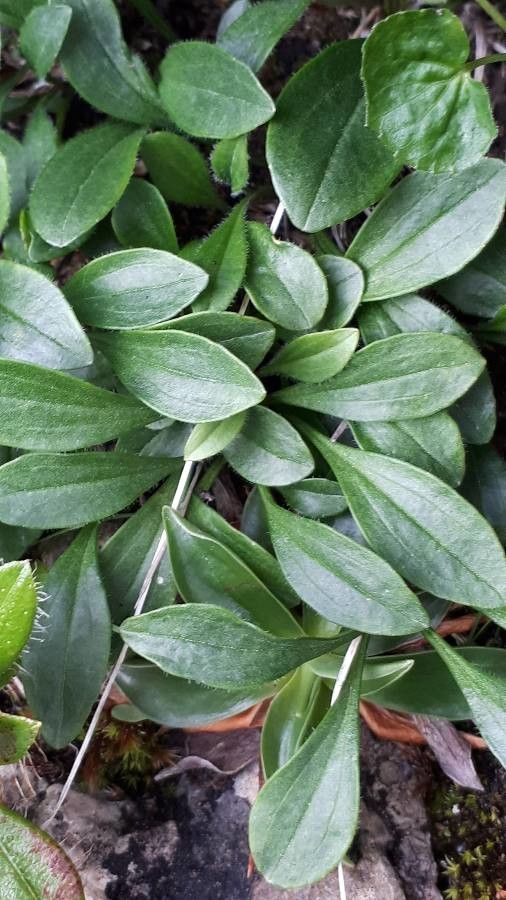
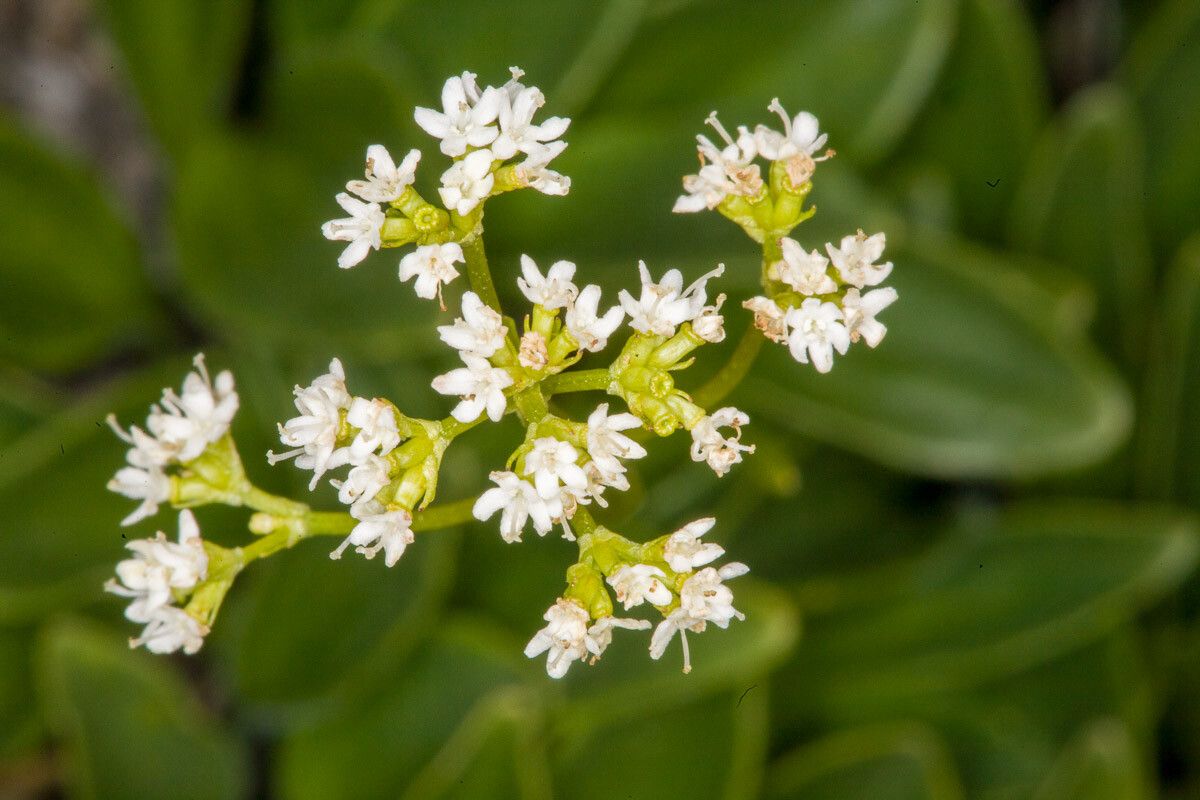
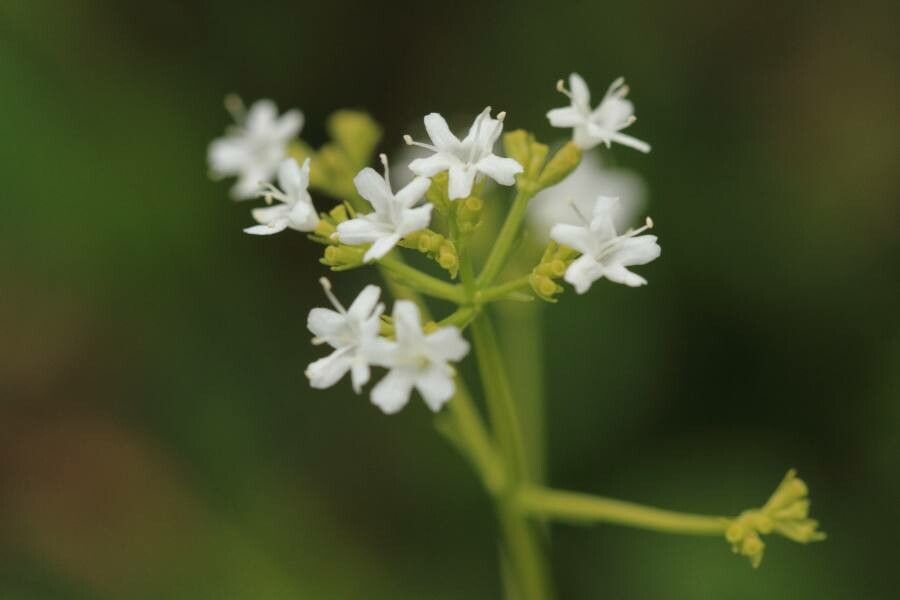
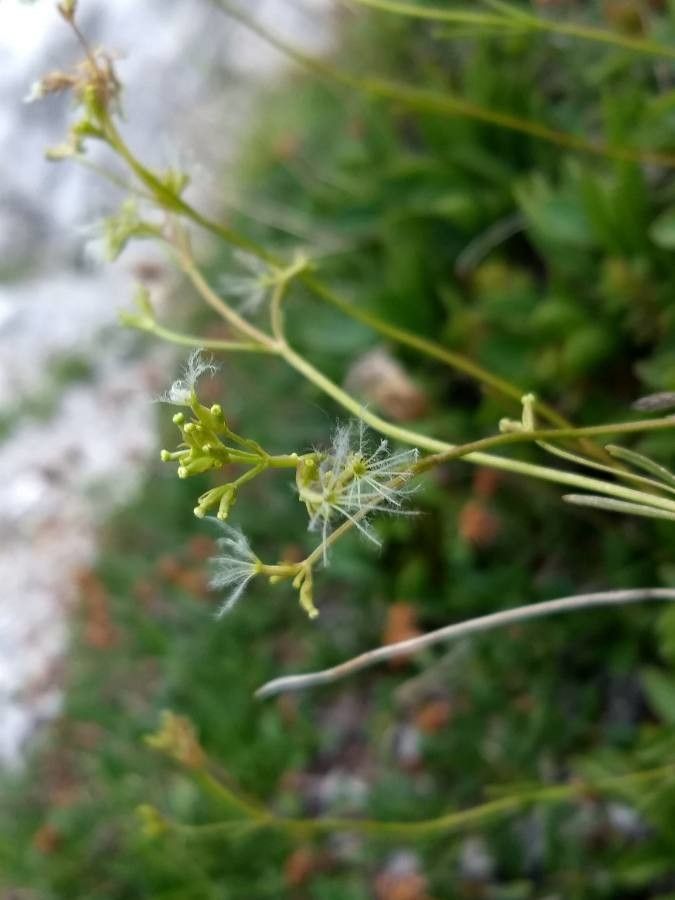
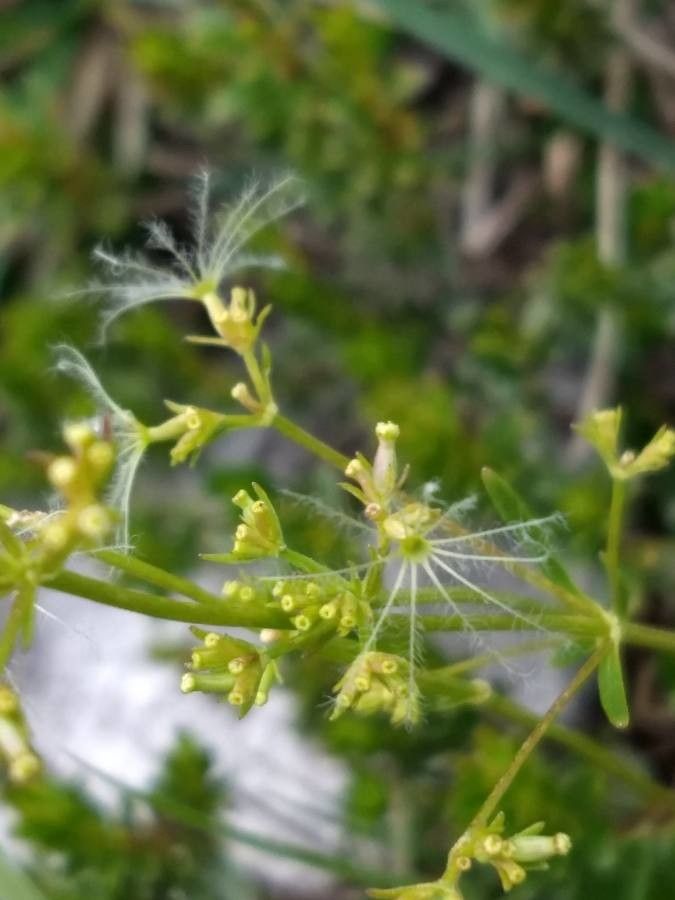
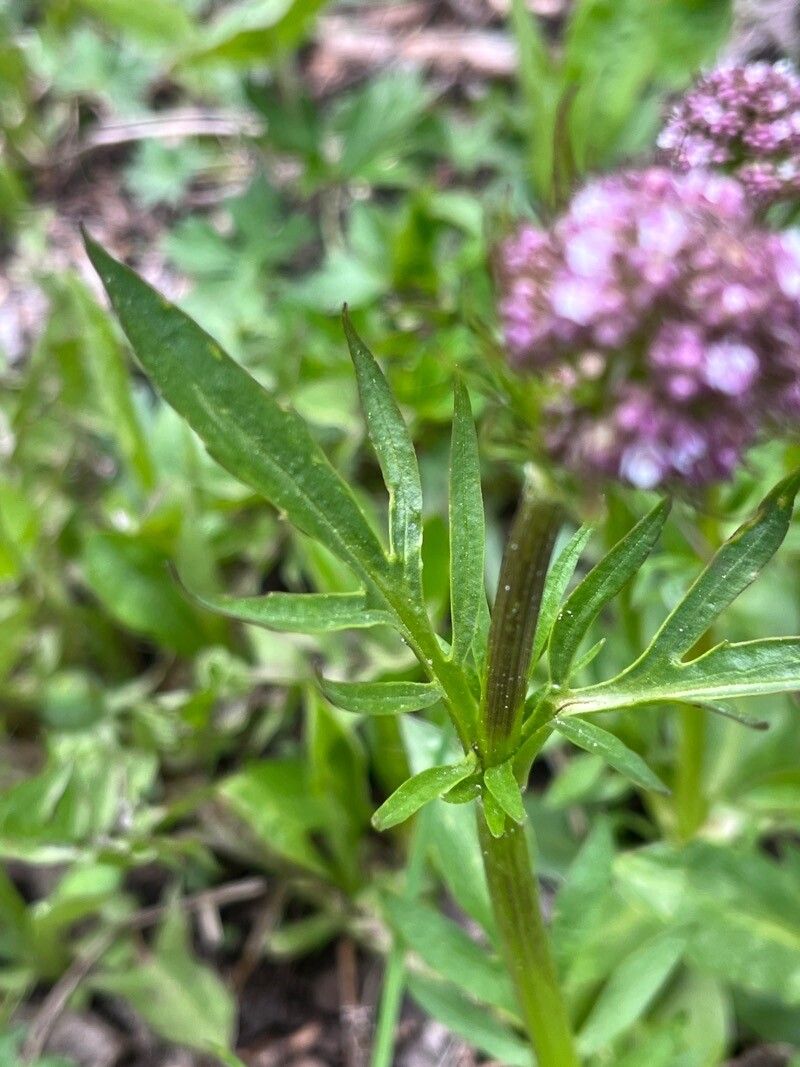
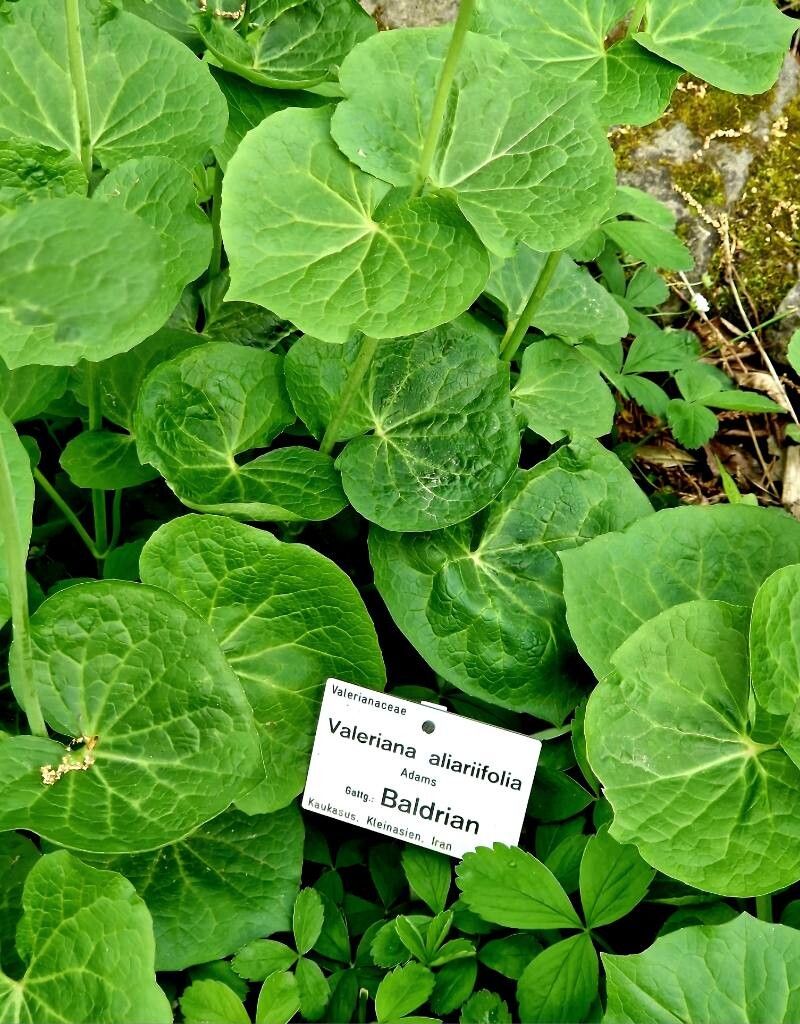
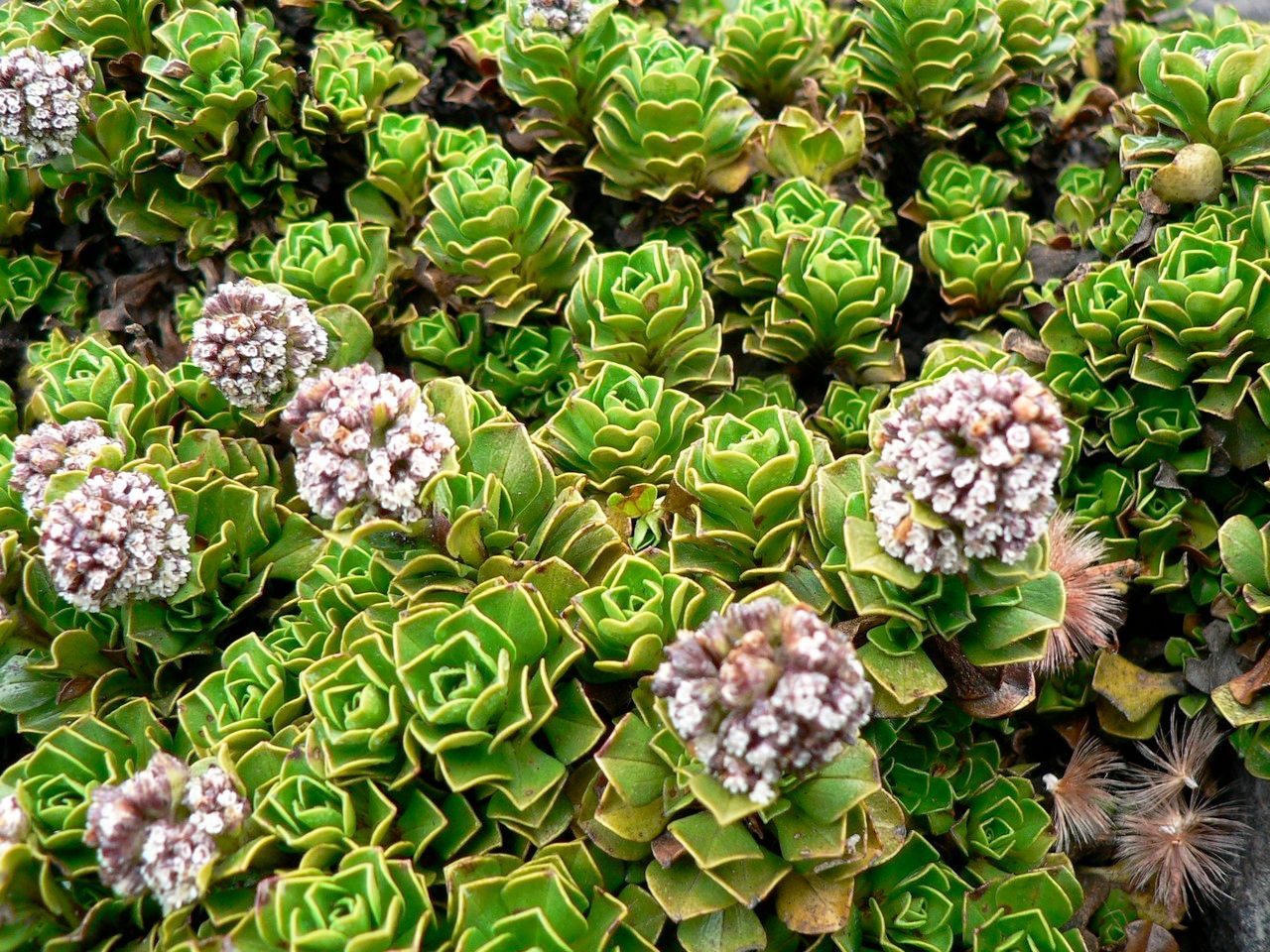
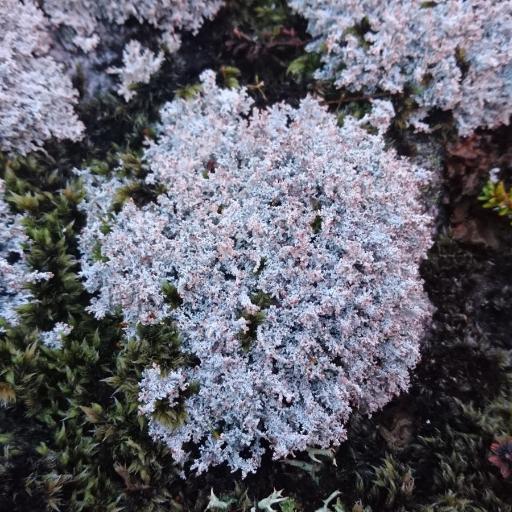
Valeriana is a genus of flowering plants in the family Caprifoliaceae, members of which may by commonly known as valerians. It contains many species, including the garden valerian, Valeriana officinalis. Species are native to all continents except Antarctica, with centers of diversity in Eurasia and South America (especially in the Andes).
Rock valerian is fairly resistant to disease and generally does not suffer from many illnesses. However, it can be vulnerable to pests and diseases that exist in its environment. These problems are usually mild. Regarding care, this plant needs moderate attention. It should be pruned regularly to keep a neat appearance and encourage healthy growth. Fertilizing can also help stimulate flowering. Rock valerian is suitable for anyone with outdoor space, such as a garden or patio, and does not demand extensive care experience. It may need more attention when grown indoors.
How to keep Valeriana Saxatilis.
Temperature
Rock valerian can tolerate a wide range of temperatures, yet its distribution may still be restricted by specific combinations of moisture and heat. It does best in warm summer climates with sufficient rainfall or watering. Long periods of cloudy, rainy weather or extended high temperatures can increase the chance of Rock valerian dying. In winter, adequate protection from cold can boost the plant's survival.
Fertilizer
Typically one fertilizer application in spring is enough for Rock valerian, though repeated feedings can boost growth. Apply fertilizer about every month to a month and a half. Fertilizing improves the leaves' appearance and function, helping maintain even color and a healthy texture, and it also encourages root growth and nutrient uptake for long-term plant health.
Botanical profile.
- Plant Type
- Herb
- Life Cycle
- Perennial
- Genus
- Valeriana
- Family
- Caprifoliaceae
- Hardiness Zone
- 4-9
Other names.