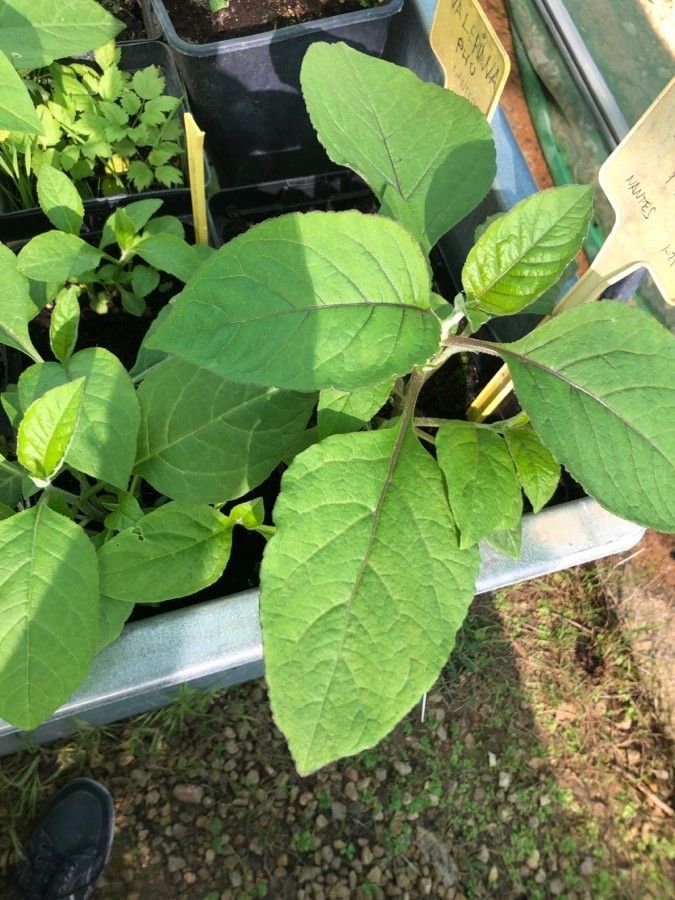
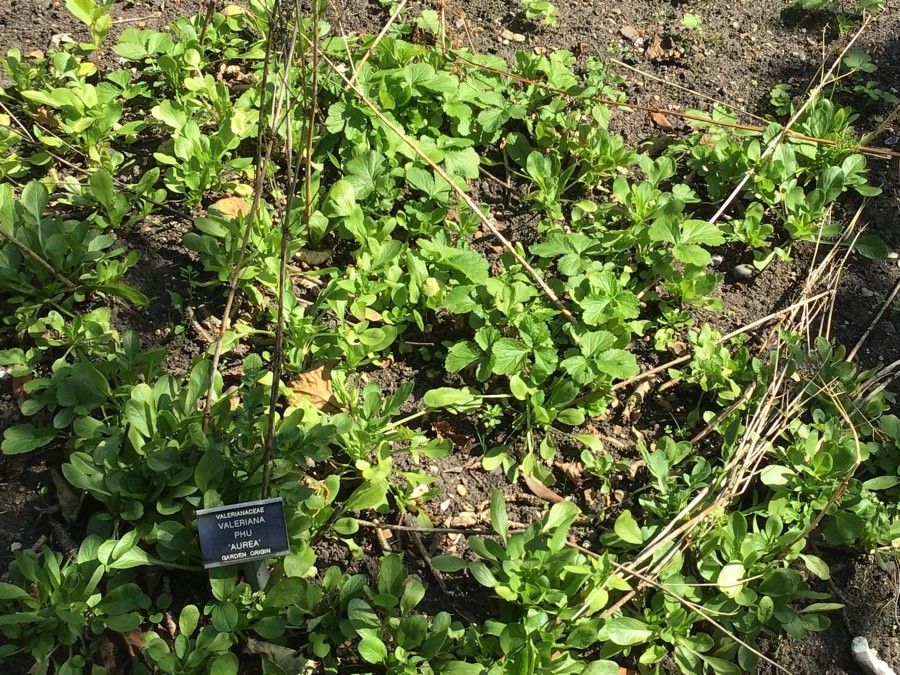
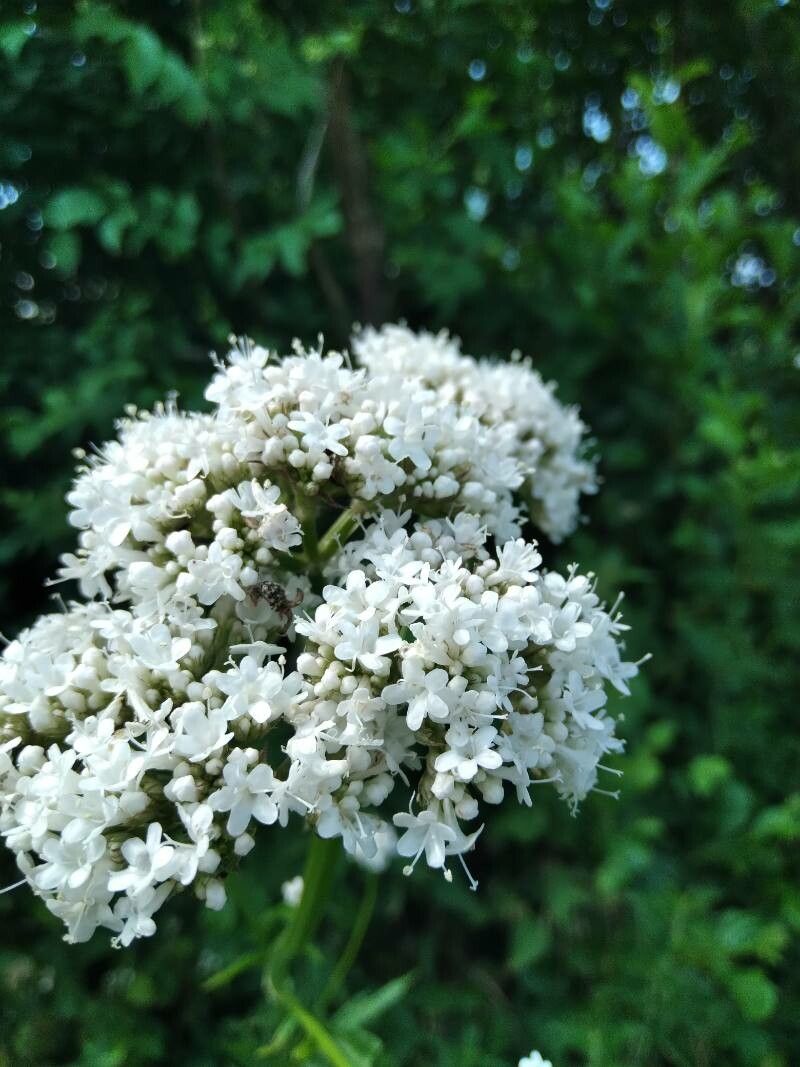
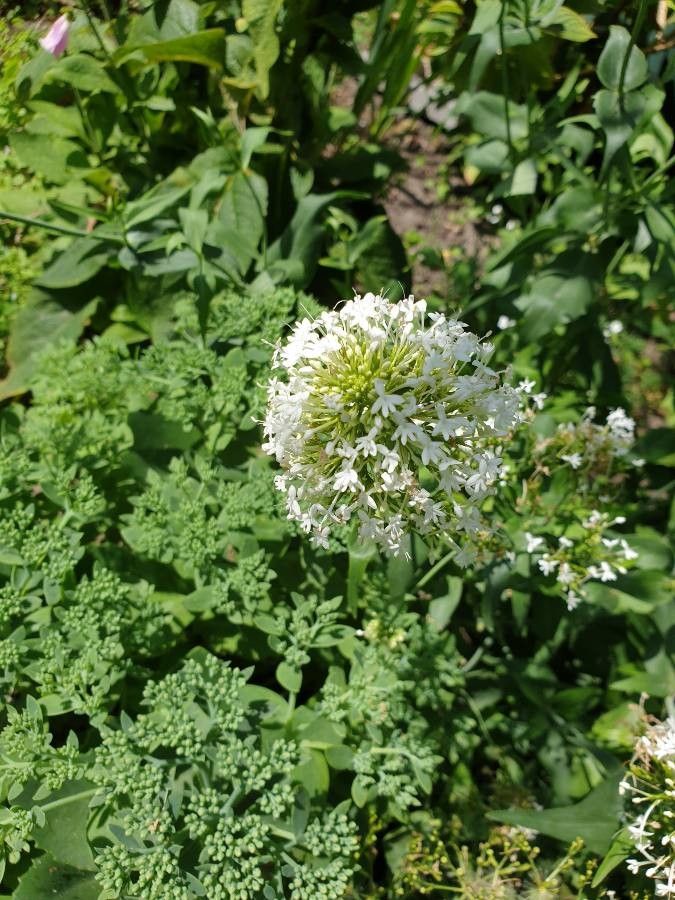
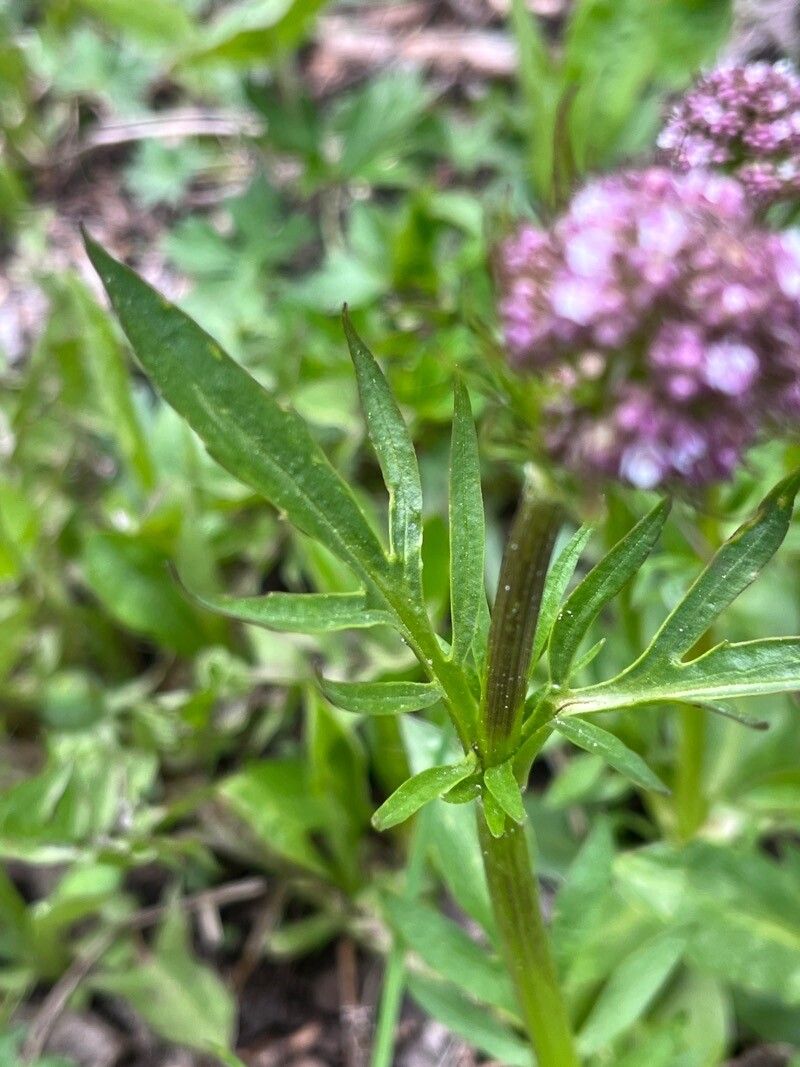
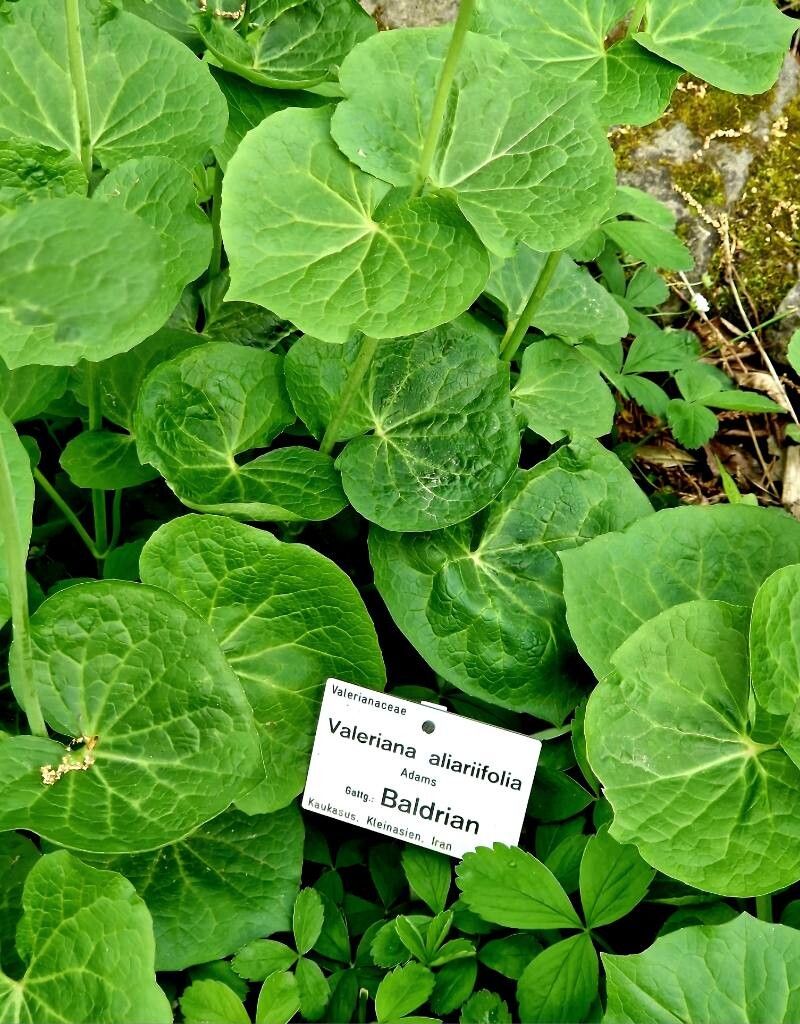
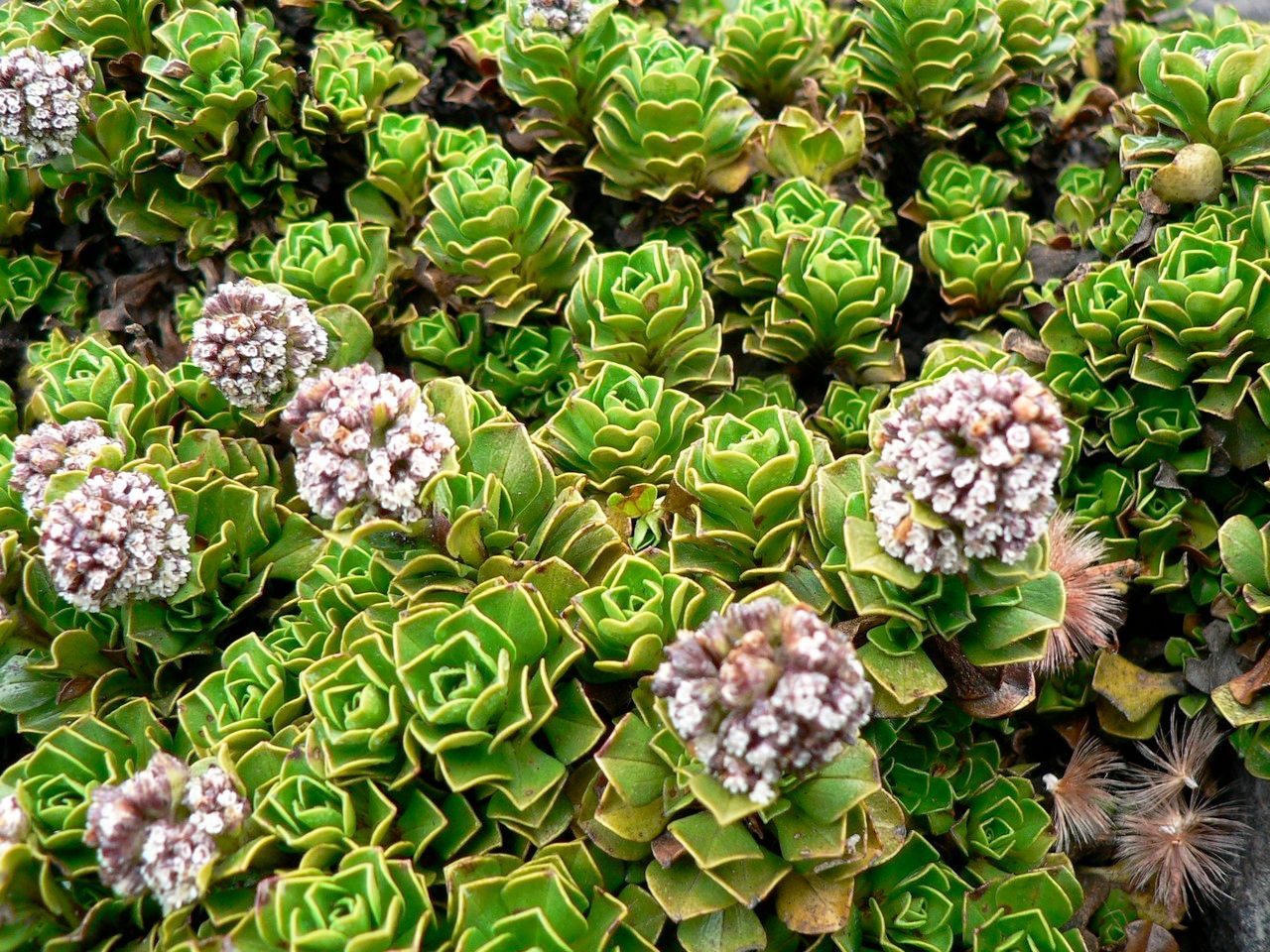
Valeriana phu, the golden spikenard, is a species of flowering plant in the family Caprifoliaceae, native to northern Turkey. A rhizomatous geophytic perennial reaching 1 to 1.5 m, it has a cultivar, 'Aurea', that is widely available from commercial suppliers.
Mountain valerian is fairly resistant to disease and generally not prone to illness. Still, it can be affected by pests and diseases present in its environment. Such infections are usually mild. In terms of care, this plant needs a moderate level of attention. It should be pruned regularly to keep a tidy appearance and support healthy growth. Fertilizing can also help encourage flowering. Mountain valerian is suitable for anyone with outdoor space, like a garden or patio, and does not require extensive experience in plant care. It may demand more attention when grown indoors.
How to keep Valeriana Phu.
Light
Mountain valerian performs best when exposed to abundant light. It can tolerate a little shade, but constant sun exposure encourages healthier, more vigorous growth. Native to well-lit habitats, it is adapted to those conditions. Excessive sun can cause it to dry out, while insufficient light can limit its development.
Temperature
Mountain valerian is native to regions with mild climates and grows best when temperatures range from 41 to 89.6 °F (5 to 32 °C). Taking steps to avoid extreme temperatures, especially in summer and winter, is essential for its health.
Fertilizer
The best time to fertilize a Mountain valerian is in early spring, as it comes out of dormancy and begins active growth. Fertilizing supplies essential nutrients needed for healthy development. While Mountain valerian has relatively low fertilizer requirements, an annual application can improve its survival and encourage better, longer-lasting flowers.
Pruning
Pruning Valeriana phu in early spring offers several benefits. Start by focusing on removing any dead or damaged stems to encourage growth and maintain the plant’s shape. Thinning out dense areas improves air circulation, which helps reduce the risk of disease. Be careful not to prune too heavily, as this can stress the plant. Additionally, removing lower leaves can enhance the plant's appearance and prevent rot.
Botanical profile.
- Plant Type
- Herb
- Life Cycle
- Perennial
- Genus
- Valeriana
- Family
- Caprifoliaceae
- Hardiness Zone
- 4-7
- Mature Height
- 40 cm
- Mature Spread
- 30 cm
- Leaf Color
- Green
- Leaf Type
- Deciduous
- Flower Color
- Pink, White
- Flower Size
- 0.25 cm to 0.51 cm
- Bloom Time
- Late spring, Early summer, Mid summer
- Planting Time
- Summer
- Harvest Time
- Late summer, Early fall
- Native Area
- Germany, Portugal, Austria, Italy, Spain, Switzerland, Romania, France, Montenegro, Bulgaria, Albania, Greece, Croatia, Slovenia, Serbia
Other names.