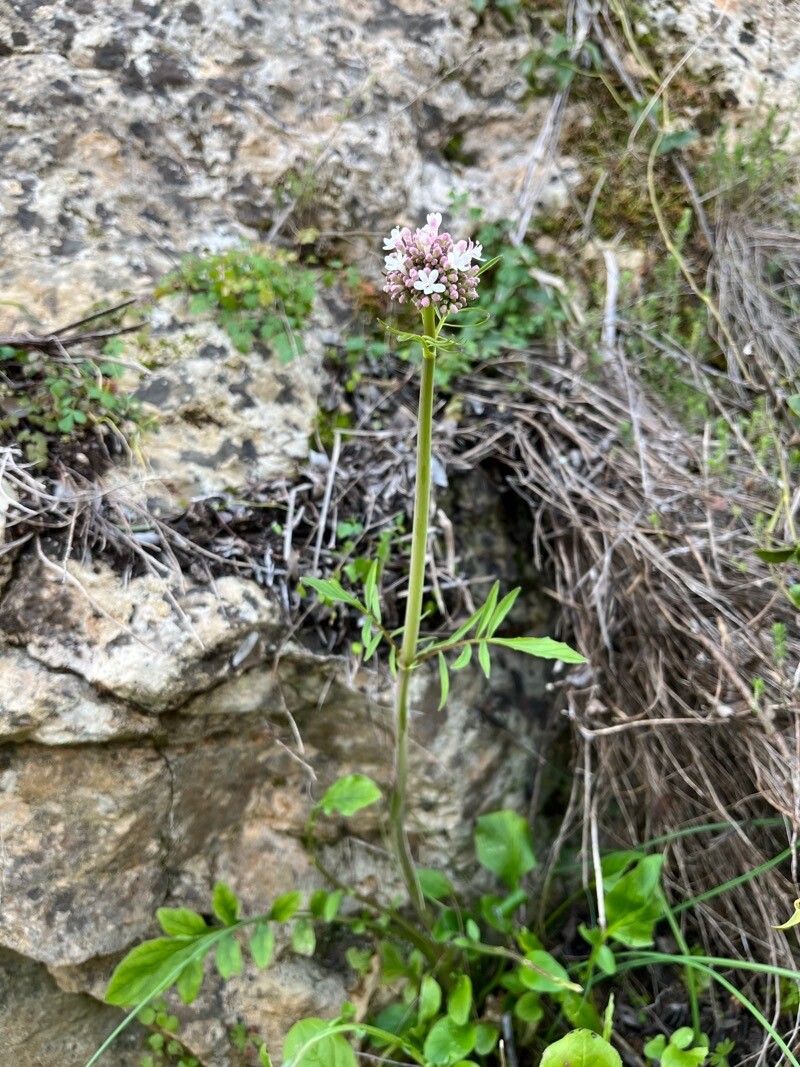
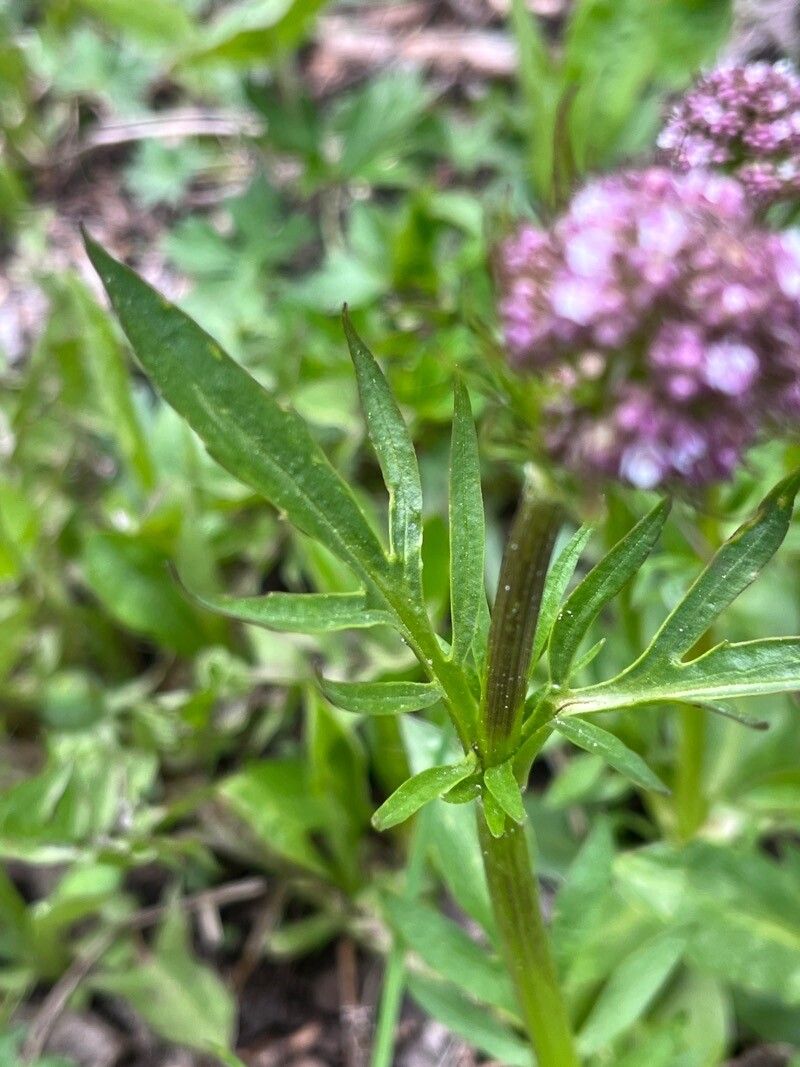
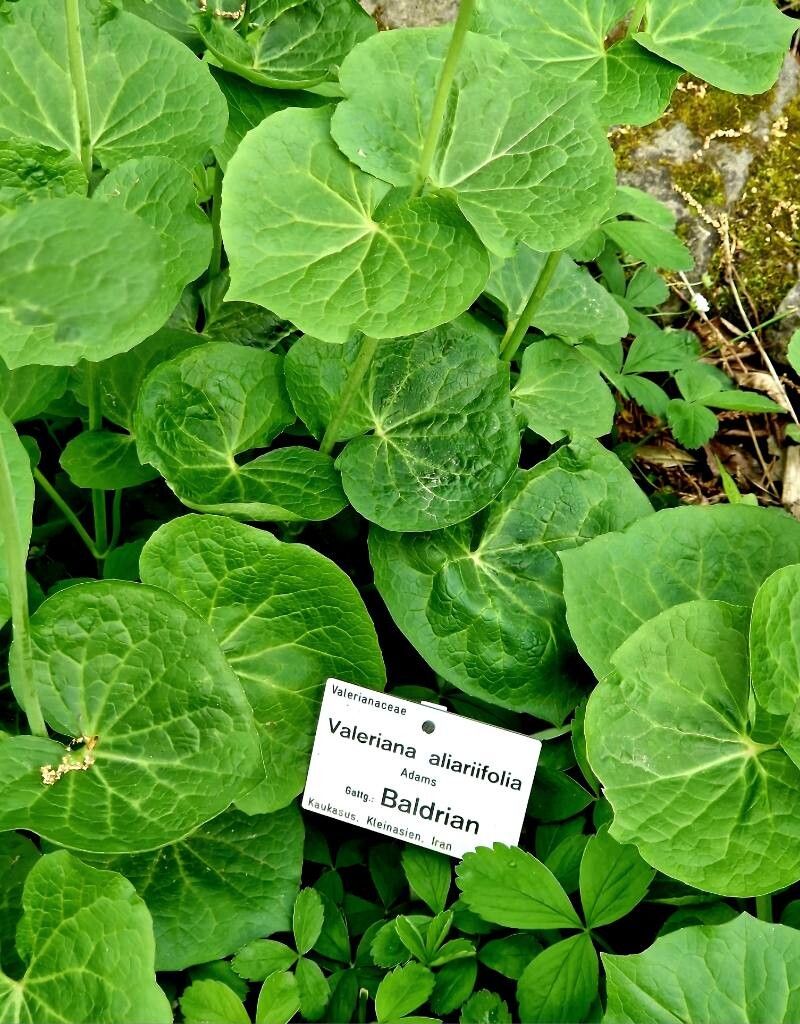
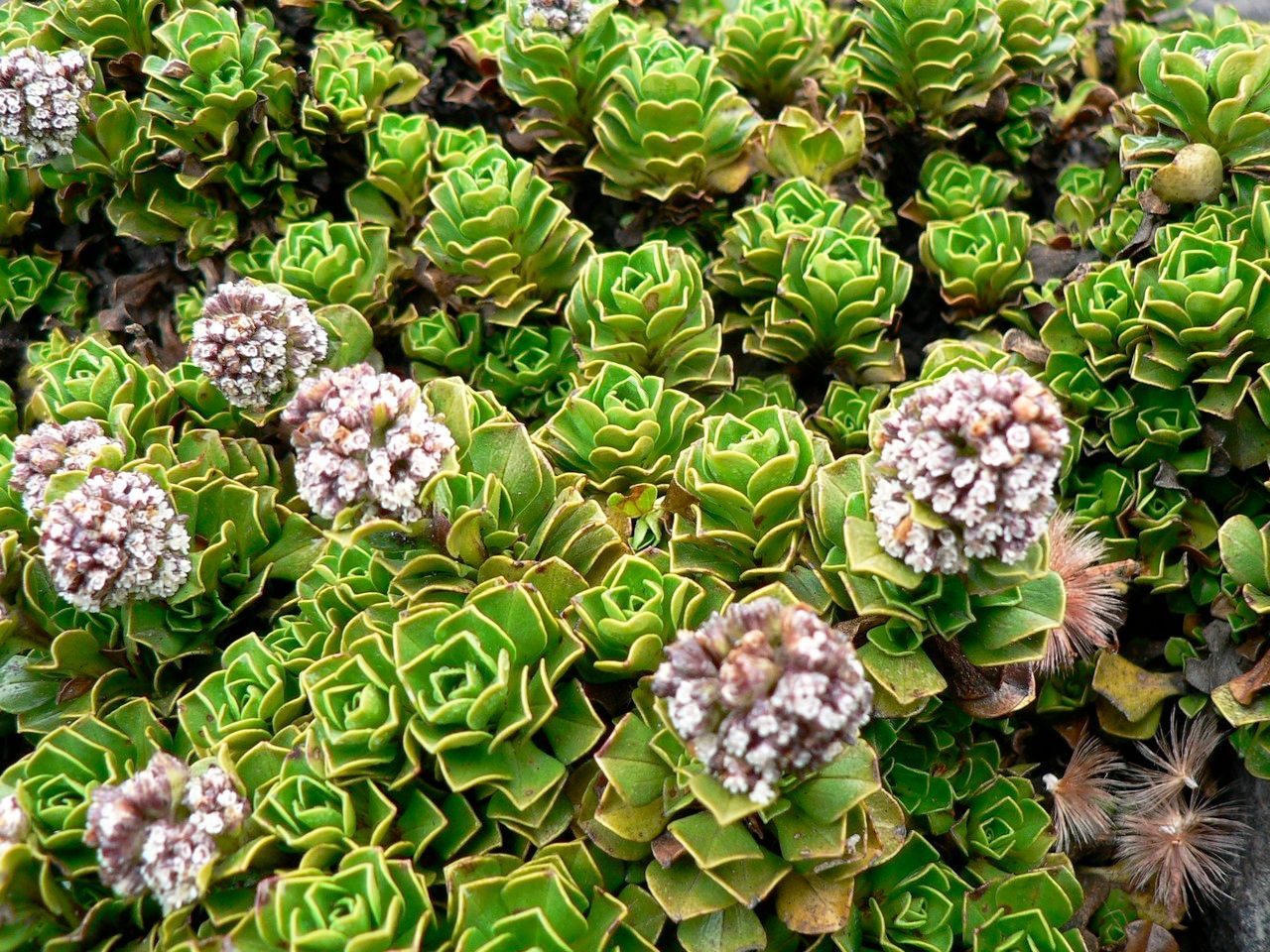
Valeriana dioscoridis is fairly disease-resistant and generally does not tend to get sick. Nevertheless, it can be vulnerable to pests and diseases present in its surroundings. Such infections are typically mild. Care-wise, the plant requires moderate maintenance. It should be pruned regularly to maintain a neat appearance and healthy growth. Applying fertilizer can also help encourage flowering. Valeriana dioscoridis is suitable for anyone who has outdoor space, like a garden or patio, and does not demand extensive care experience. It may need more attention when cultivated indoors.
How to keep Valeriana Italica.
Light
Valeriana dioscoridis occurs naturally in habitats like forest understories and rocky sites, where it is exposed to natural shade. It prefers partial sun but can tolerate full sun or full shade, showing its versatility and hardiness.
Fertilizer
Applying fertilizer once in spring is generally adequate for Valeriana dioscoridis, although repeated feedings can maximize growth. Provide nutrients roughly every month to six weeks. Fertilization improves the leaves' appearance and function, helping maintain even color and a healthy texture. It also encourages root development and nutrient uptake, supporting the plant's long-term health.
Botanical profile.
- Plant Type
- Herb
- Life Cycle
- Perennial
- Genus
- Valeriana
- Family
- Caprifoliaceae
- Hardiness Zone
- 5-9
- Mature Height
- 30 cm to 61 cm
- Mature Spread
- 20 cm to 30 cm
- Leaf Color
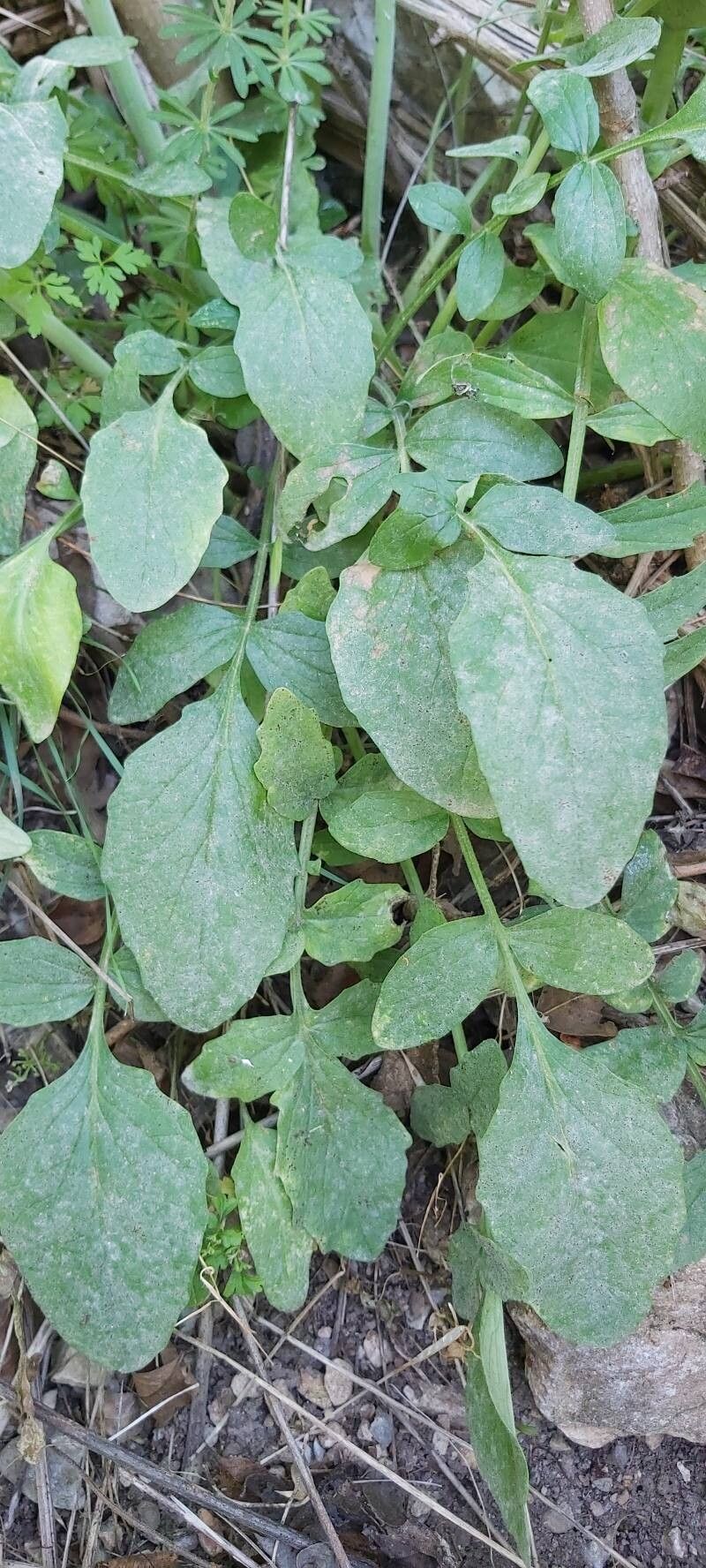
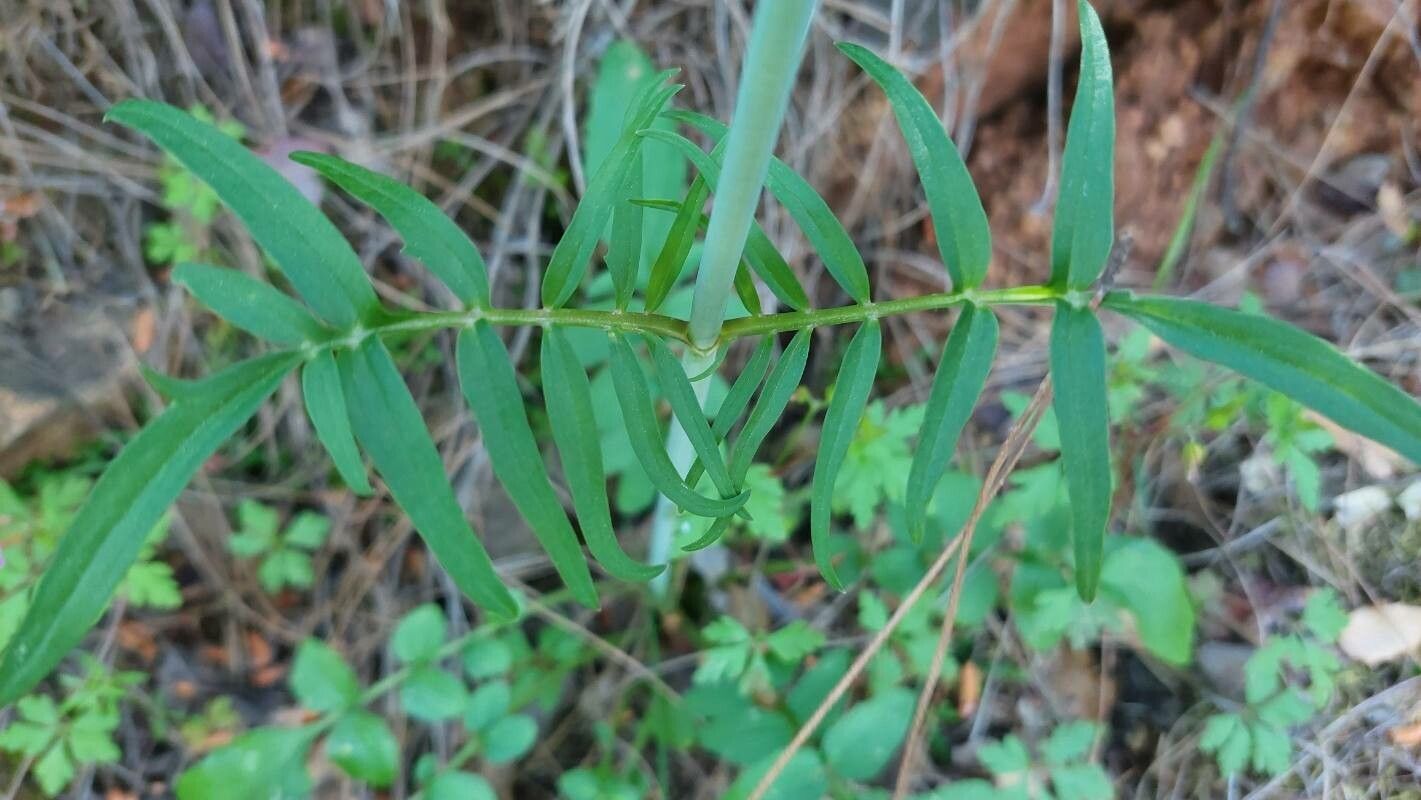
- Green
- Leaf Type
- Deciduous
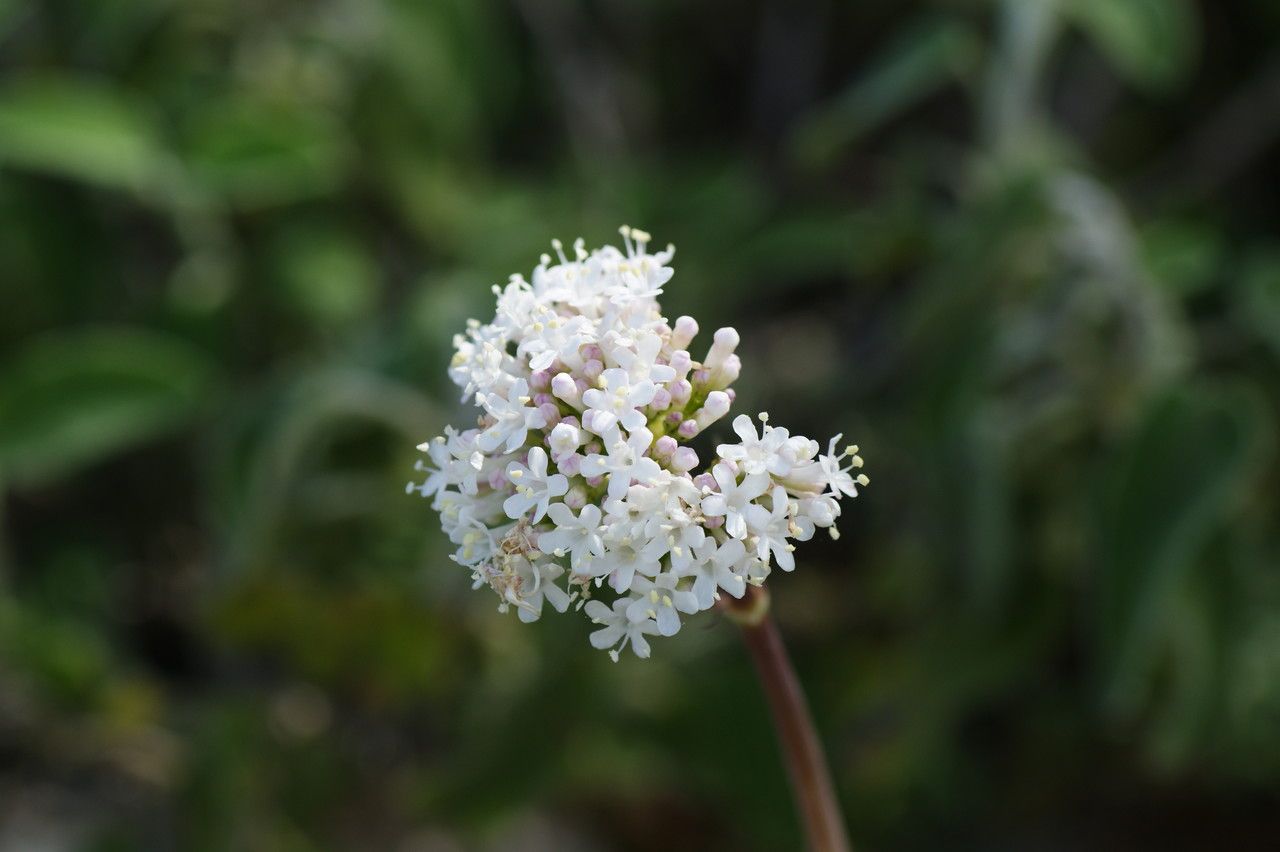
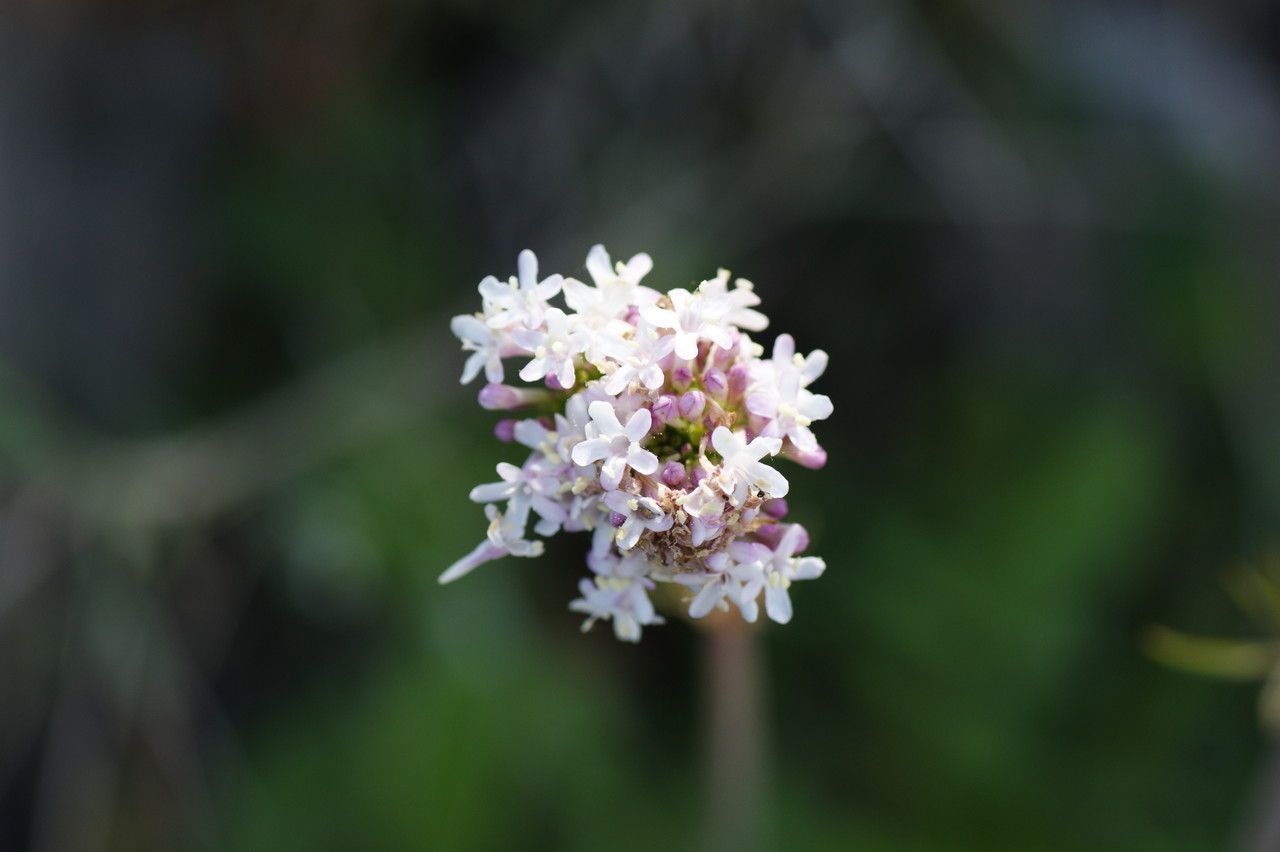
- Flower Size
- 0.25 cm to 0.51 cm
- Bloom Time
- Early spring, Mid spring
- Planting Time
- Autumn
- Harvest Time
- Late spring, Early summer
- Native Area
- Turkey, Syria, Bulgaria, Montenegro, Cyprus, Albania, Greece, Lebanon