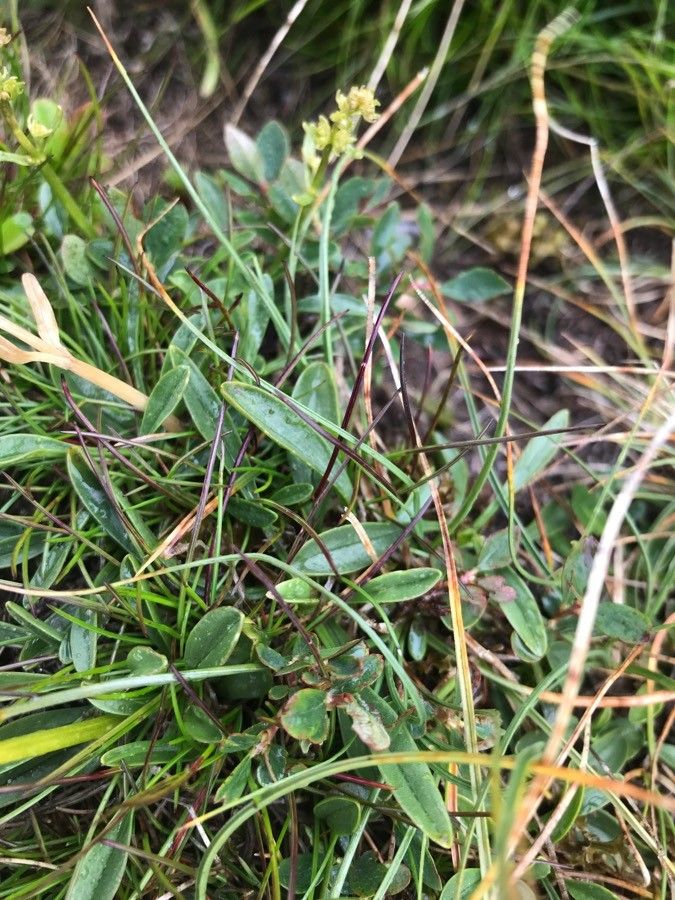
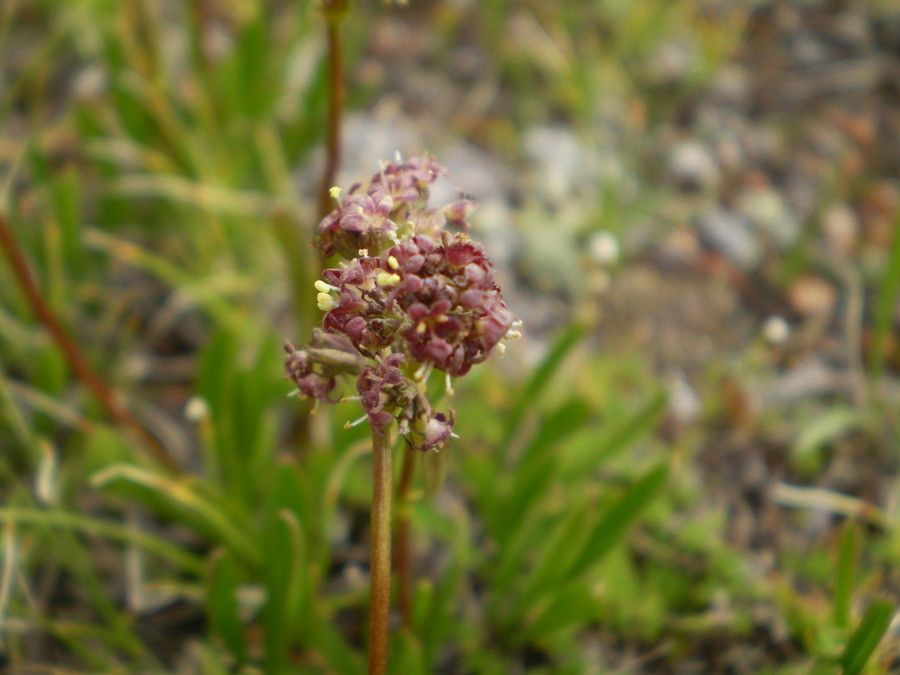
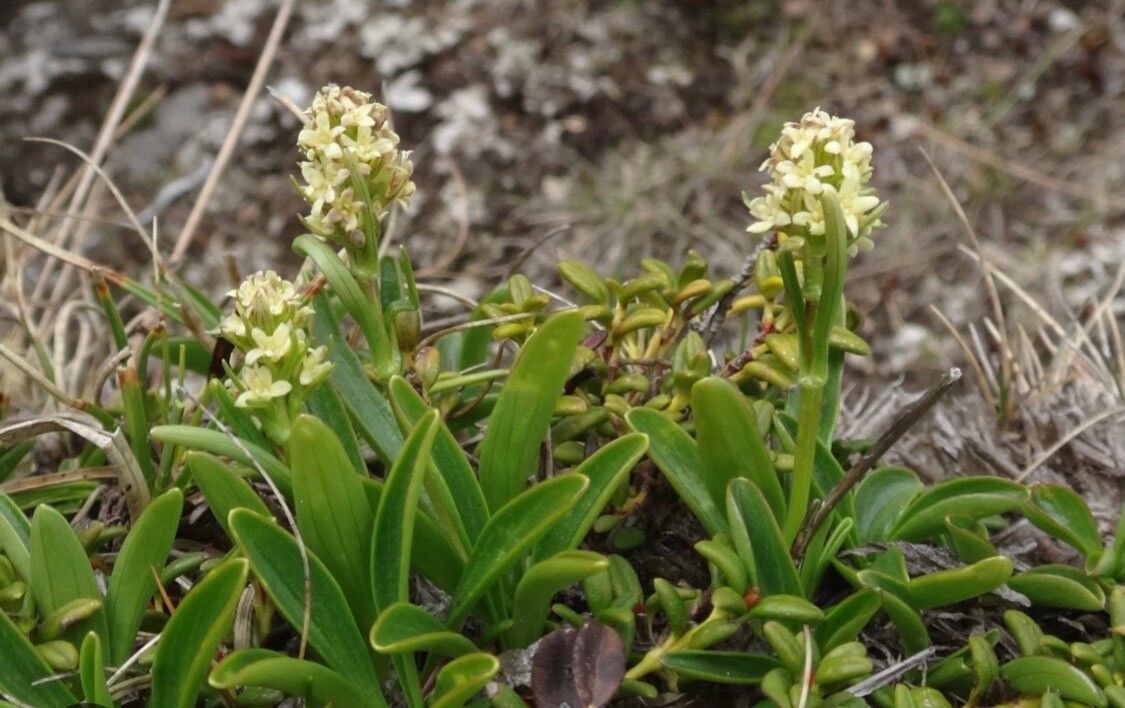
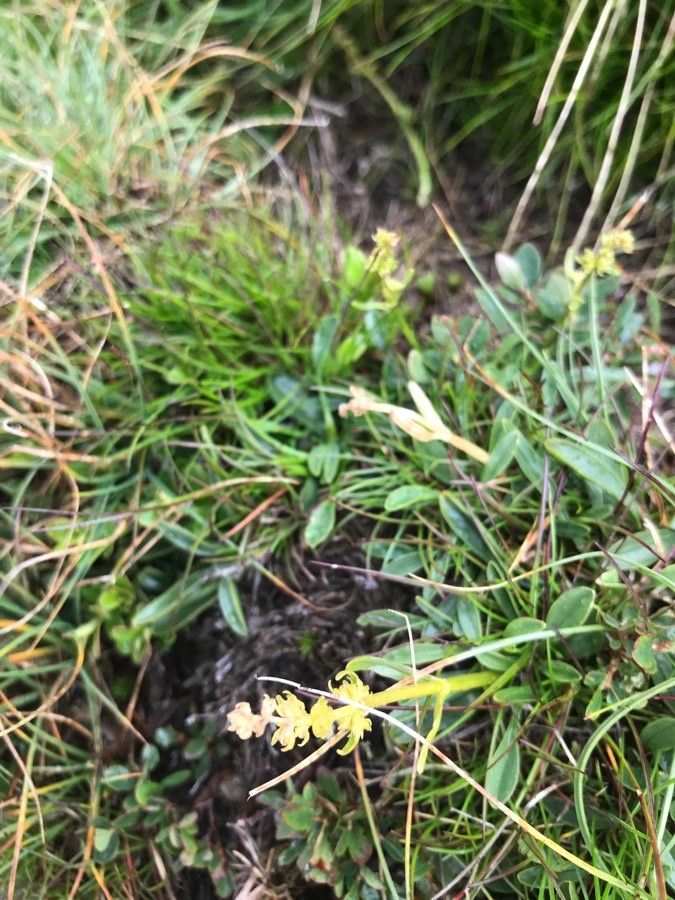
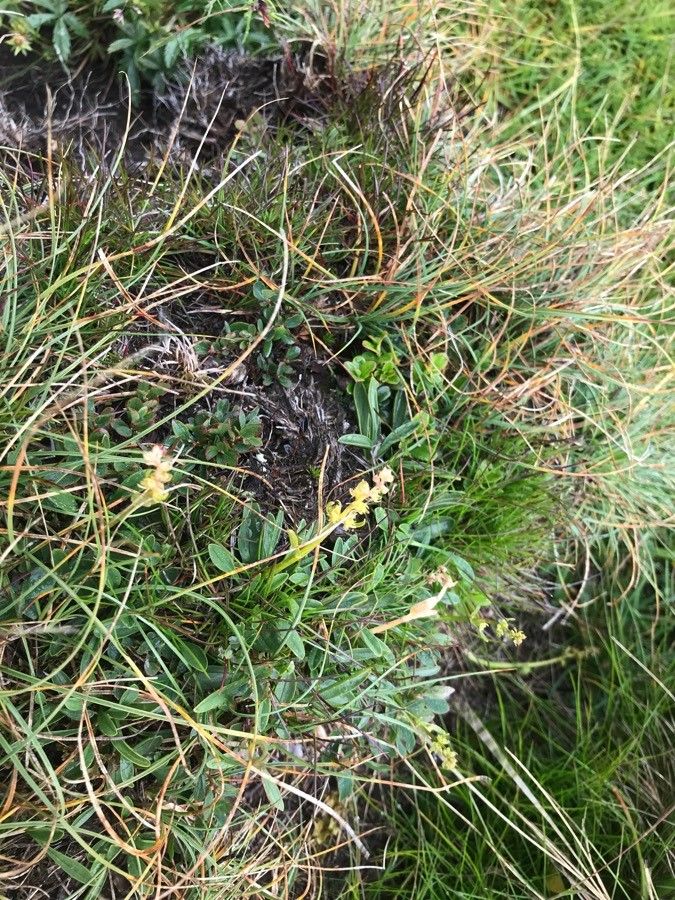
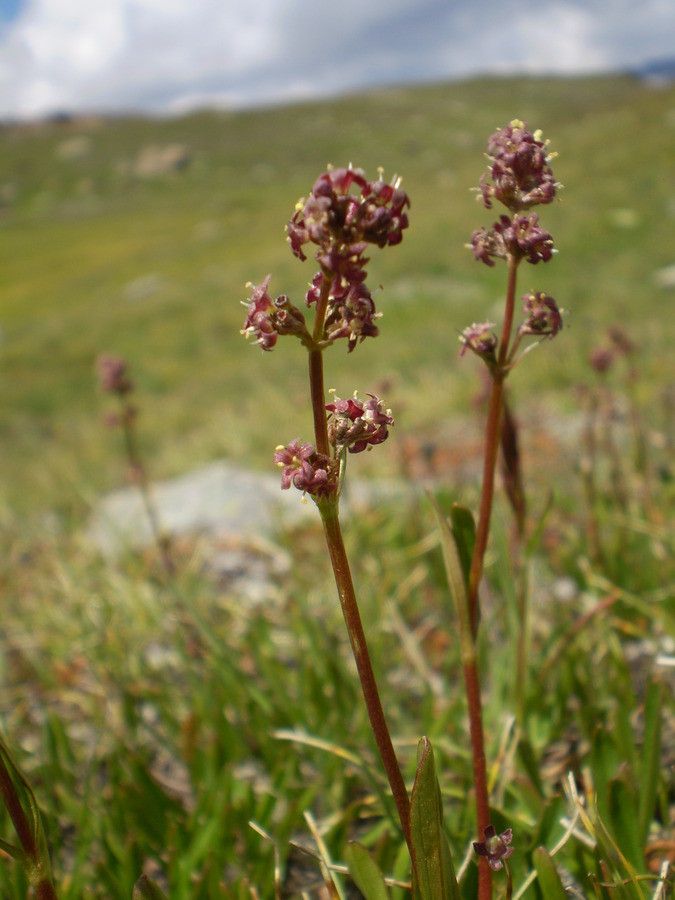
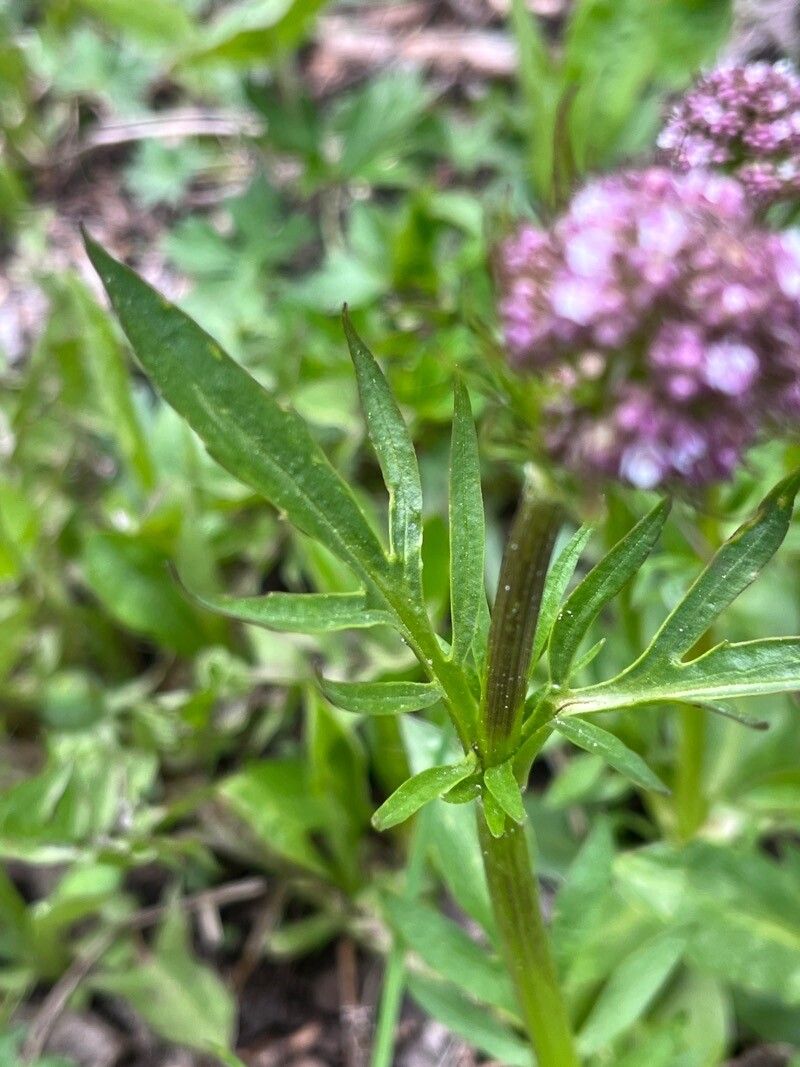
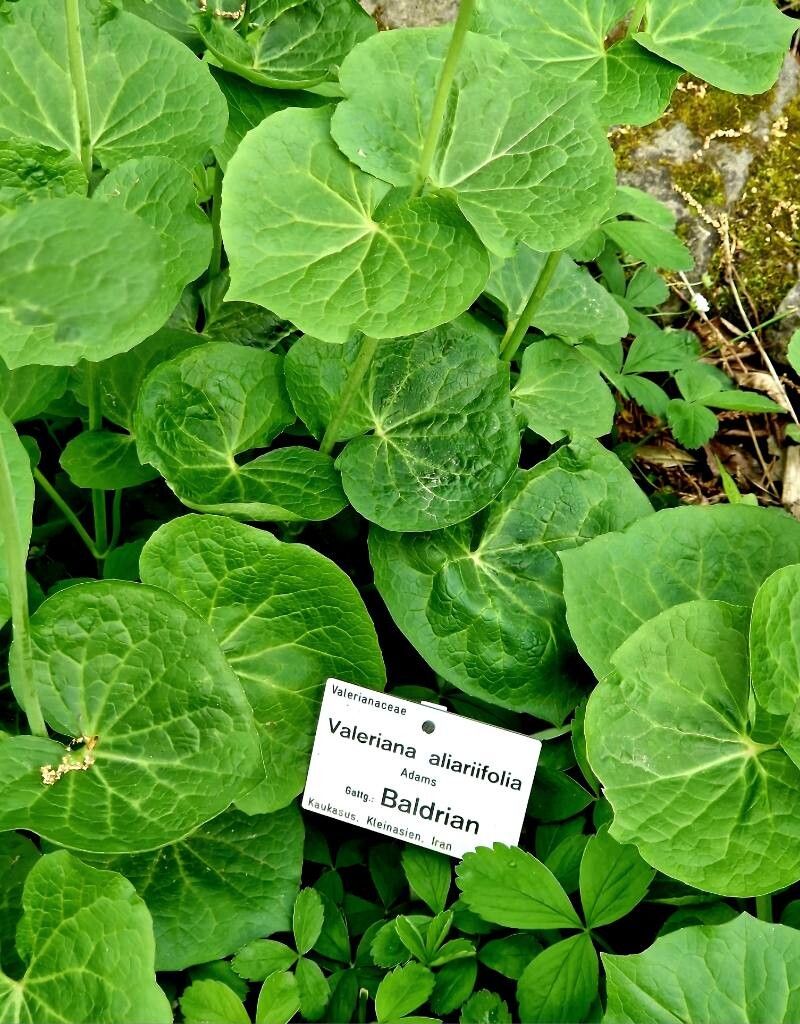
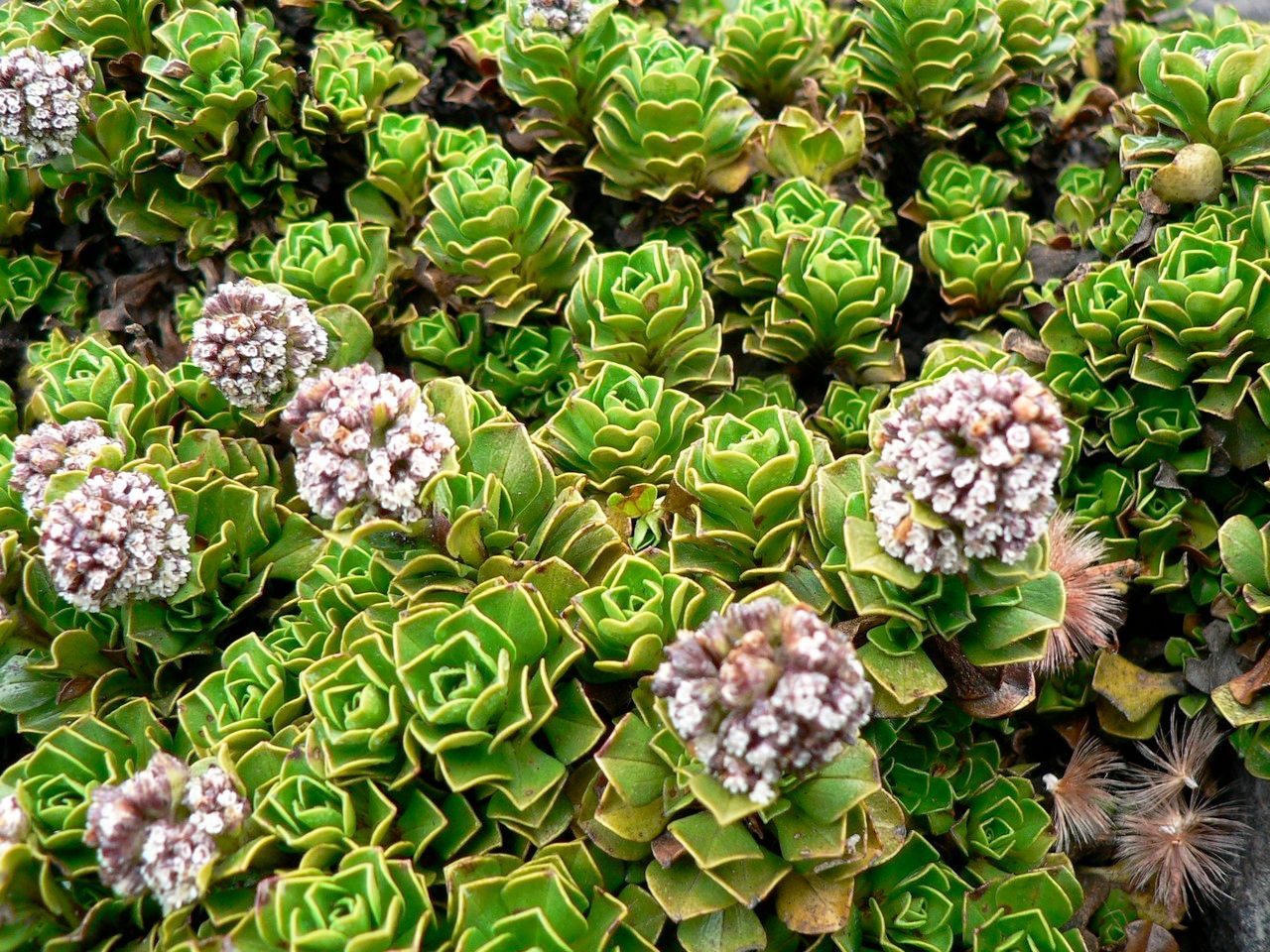
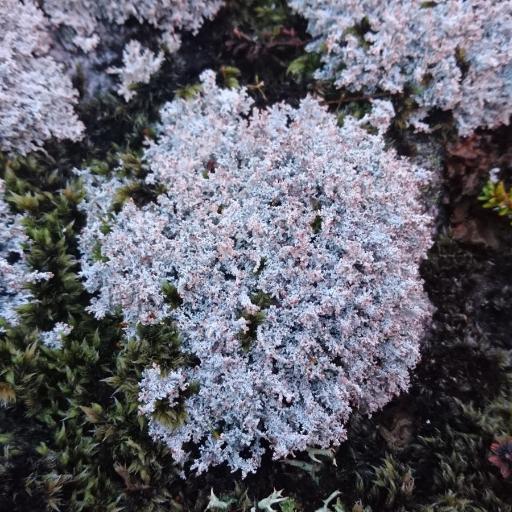
Valeriana celtica is a species of plant in the family Caprifoliaceae. It is also known as Alpine valerian and valerian spikenard. It is endemic to the Eastern Alps (V. celtica subsp. norica) and to the Graian and Pennine Alps. It grows as a perennial herb 5 to 15 cm (2.0–5.9 in) tall. Along with Valeriana saxatilis and Valeriana elongata, it forms a clade of dioecious plants. Until the 1930s, it was extensively harvested for export to Asia for use in perfumes. The root has been used as a folk remedy as a nerve tonic.
Celtic valerian is quite resistant to disease and generally does not readily develop illnesses. Still, it can be affected by pests and diseases present in its environment. These problems are generally not serious. For care, the plant needs moderate maintenance. It should be pruned regularly to retain a tidy appearance and support healthy growth. Fertilizing can also help encourage flowering. Celtic valerian is a good choice for anyone with outdoor space, such as a garden or patio, and does not require extensive experience to care for. It can demand more attention if grown indoors.
How to keep Valeriana Celtica.
Light
Celtic valerian occurs naturally in habitats like forest understories or rocky areas, where it is exposed to natural shade. It prefers partial sun but can also adapt to full sun or full shade, illustrating its versatility and hardiness.
Water
Celtic valerian flourishes in alpine meadows, where it prefers moderate moisture without becoming waterlogged. For optimal growth, water it weekly. This plant grows well outdoors, showing resilience to temperature fluctuations and adapting to varying rainfall patterns throughout the growing season.
Fertilizer
One fertilizer application in spring is typically enough for Celtic valerian, though additional feedings can boost growth to its fullest. Apply fertilizer every one to one-and-a-half months. Fertilizing improves the appearance and function of the leaves, helping maintain uniform color and a healthy texture. It also promotes root development and enhances nutrient uptake for the plant’s long-term health.
Pruning
Celtic valerian is known for its aromatic roots and pinkish-white flowers. To keep the plant healthy and looking its best, it's important to prune it between early and late spring. Remove any dead stems to encourage healthier growth, and trim the plant after it has finished flowering to maintain its shape. Proper pruning improves air circulation and vigor, ensuring the optimal health and beauty of Celtic valerian.
Botanical profile.
- Plant Type
- Herb
- Life Cycle
- Perennial
- Genus
- Valeriana
- Family
- Caprifoliaceae
- Hardiness Zone
- 4-8
- Mature Height
- 5 cm to 15 cm
- Mature Spread
- 5 cm to 10 cm
- Leaf Color
- Dark Green
- Leaf Type
- Semi-evergreen
- Flower Color
- White
- Flower Size
- 0.25 cm to 0.51 cm
- Bloom Time
- Early summer, Mid summer
- Planting Time
- Spring, Summer, Autumn
- Harvest Time
- Late summer, Early fall
Other names.
Reader questions.
What are the sunlight requirements for Celtic Valerian (Valeriana celtica)?
Celtic Valerian (Valeriana celtica) thrives in locations that receive full sun, meaning it requires more than 6 hours of sunlight daily. It's important to observe how sunlight moves through your garden throughout the day to choose the best spots that offer a perfect balance of light and shade, ensuring your Celtic Valerian plants are happy and healthy. Keep in mind the plant's need for sufficient light when planning your garden to provide the optimal growing conditions for this species.