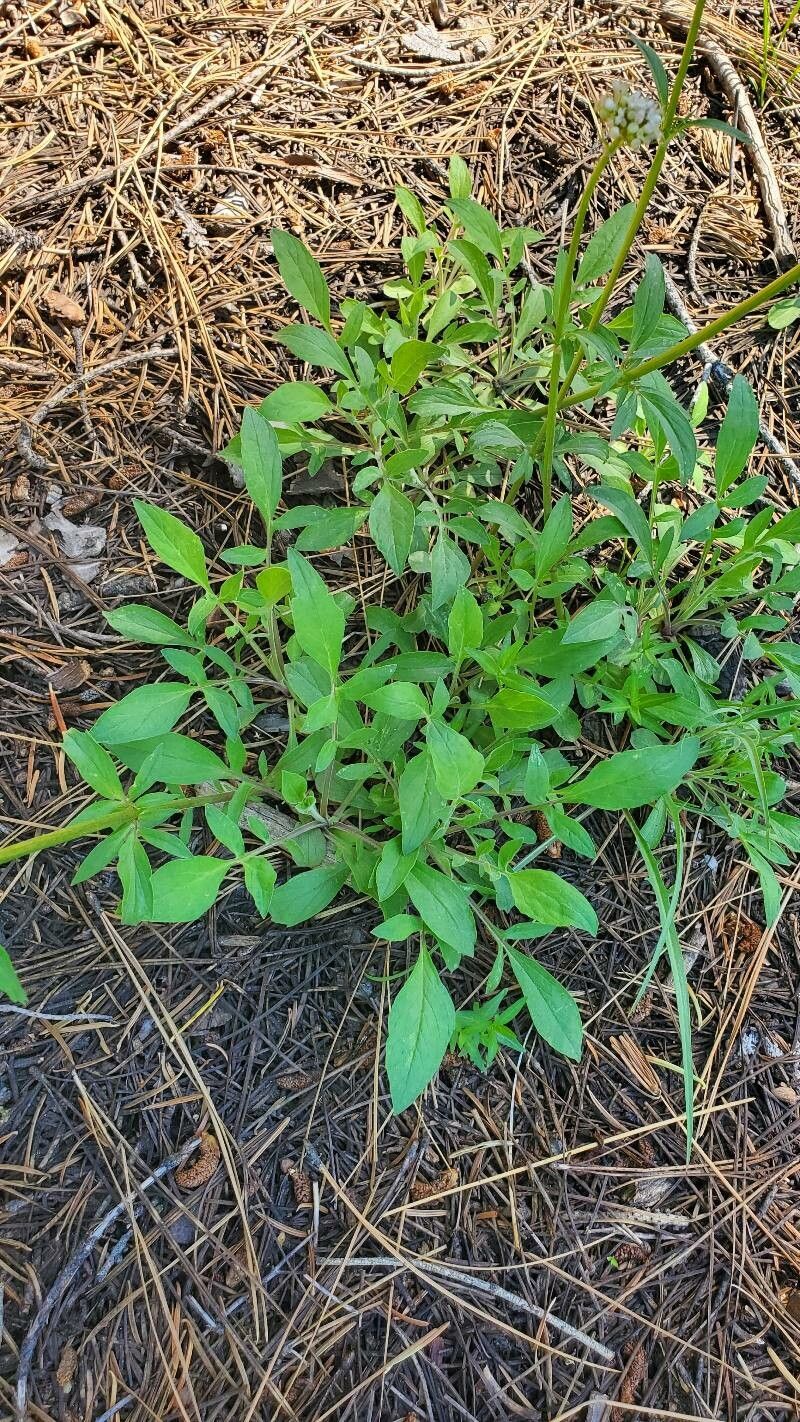
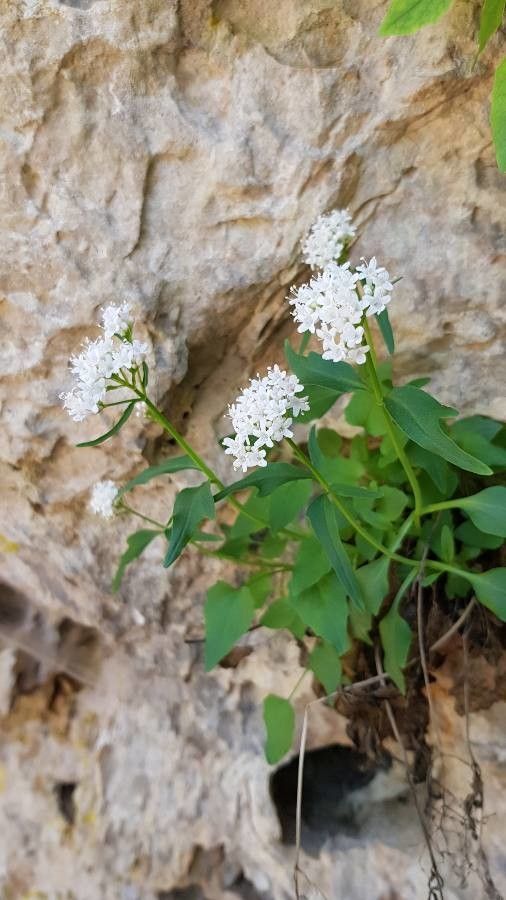
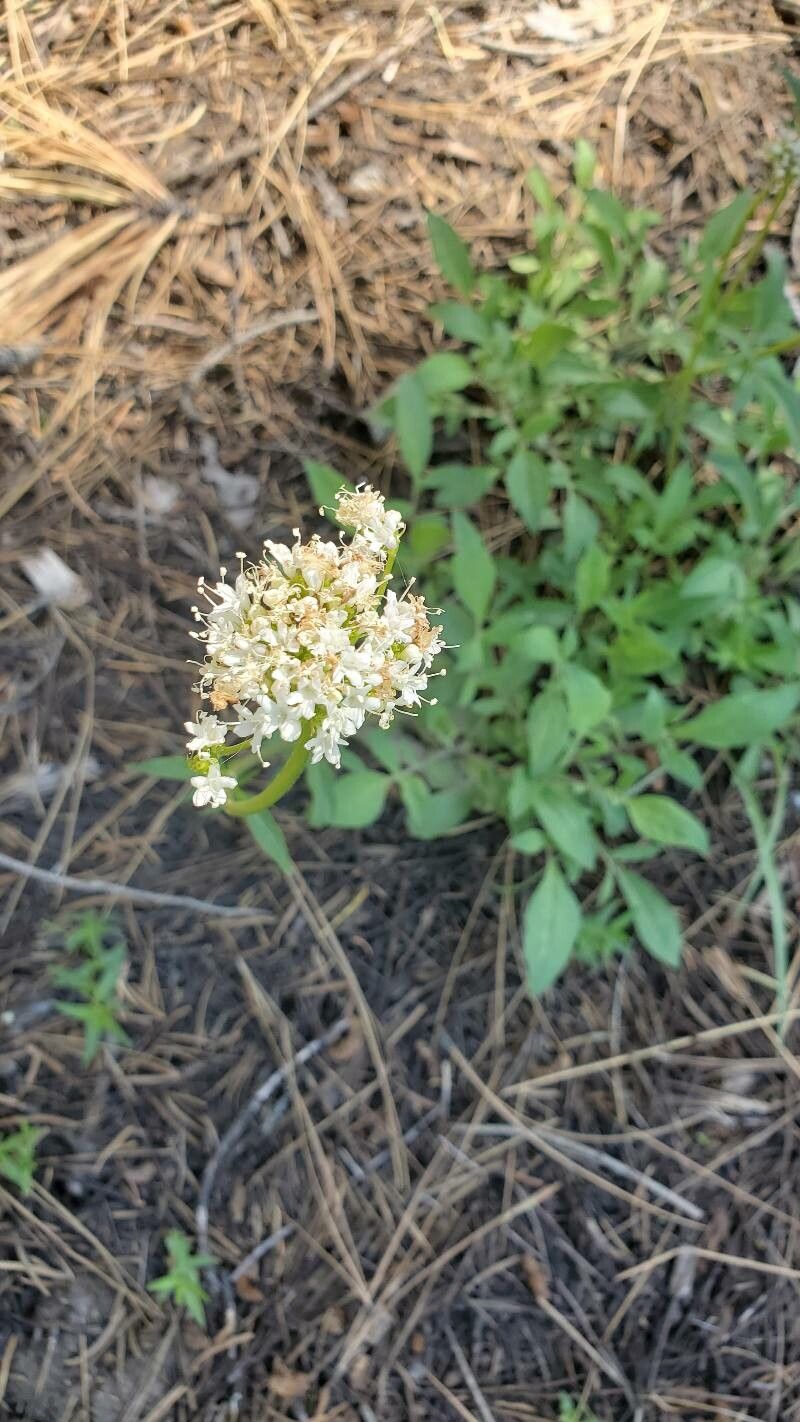
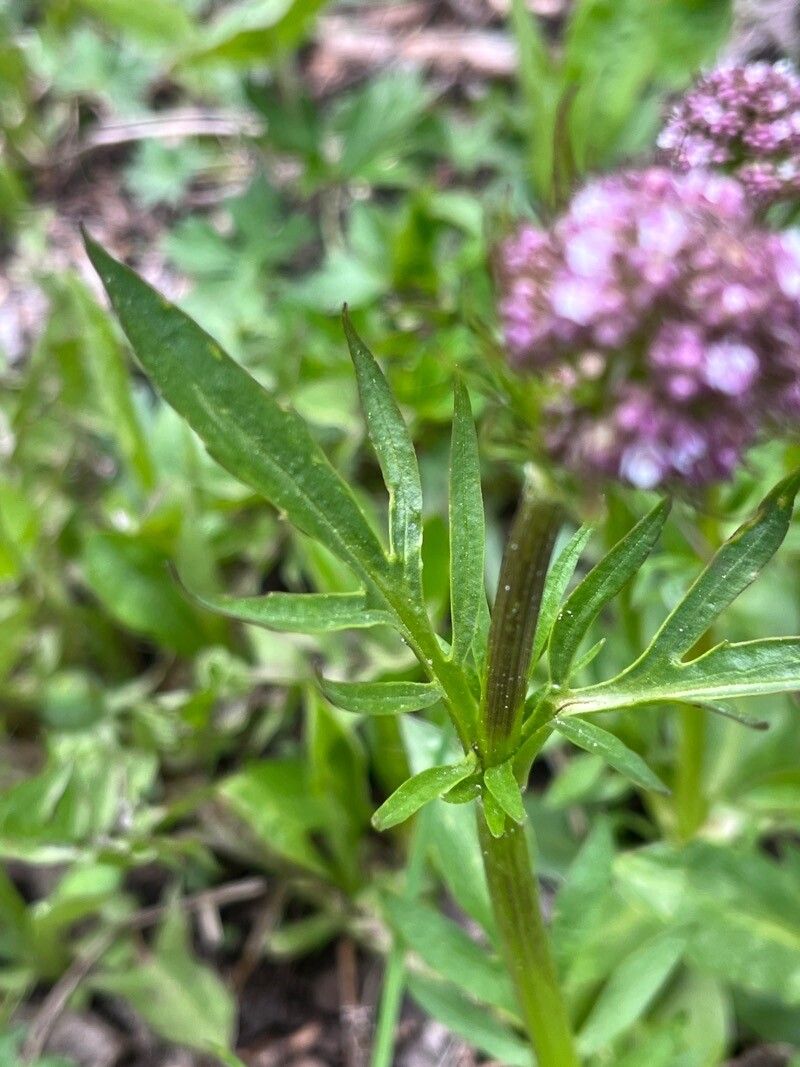
Valeriana californica is a species of flowering plant in the honeysuckle family known by the common name California valerian. It is native to Oregon, northeastern California, and Nevada, where it occurs in moist, forested mountain habitat. It is an erect herb up to half a meter tall with whorls or opposite pairs of deeply lobed leaves at intervals along stem. The inflorescence is a cyme of many funnel-shaped white or pink-tinged flowers each about half a centimeter long with three long, protruding stamens. The fruit is a ribbed achene about half a centimeter long which may be tipped with the featherlike remains of the flower sepals.
How to keep Valeriana Californica.
Pruning
California valerian is an aromatic perennial herb. To encourage better growth and blooms, prune it in early spring by removing dead stems and tidying up last year's growth. Light pruning throughout the growing season will help control its height and improve air circulation, which in turn enhances the plant's overall health and lowers the risk of disease.
Botanical profile.
- Life Cycle
- Perennial
- Genus
- Valeriana
- Family
- Caprifoliaceae
Other names.
Reader questions.
What are the sunlight requirements for California valerian?
California valerian (Valeriana californica) thrives in locations that receive more than 6 hours of sunlight daily. It's important to observe the patterns of sunlight through your garden to find the ideal balance of light and shade that will make your plants happy. Adequate sunlight is crucial for the optimal growth and health of California valerian.