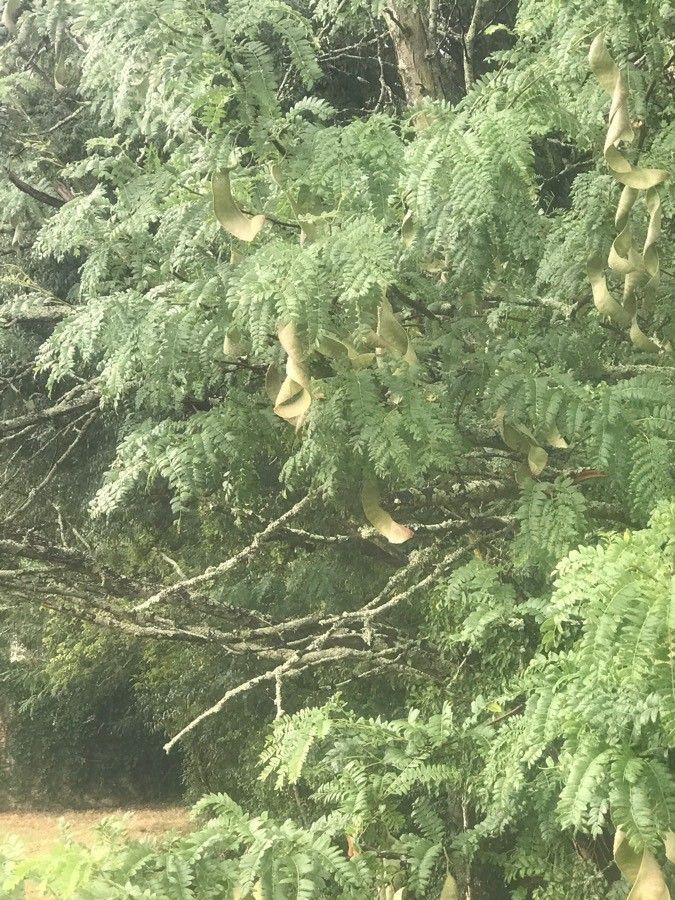
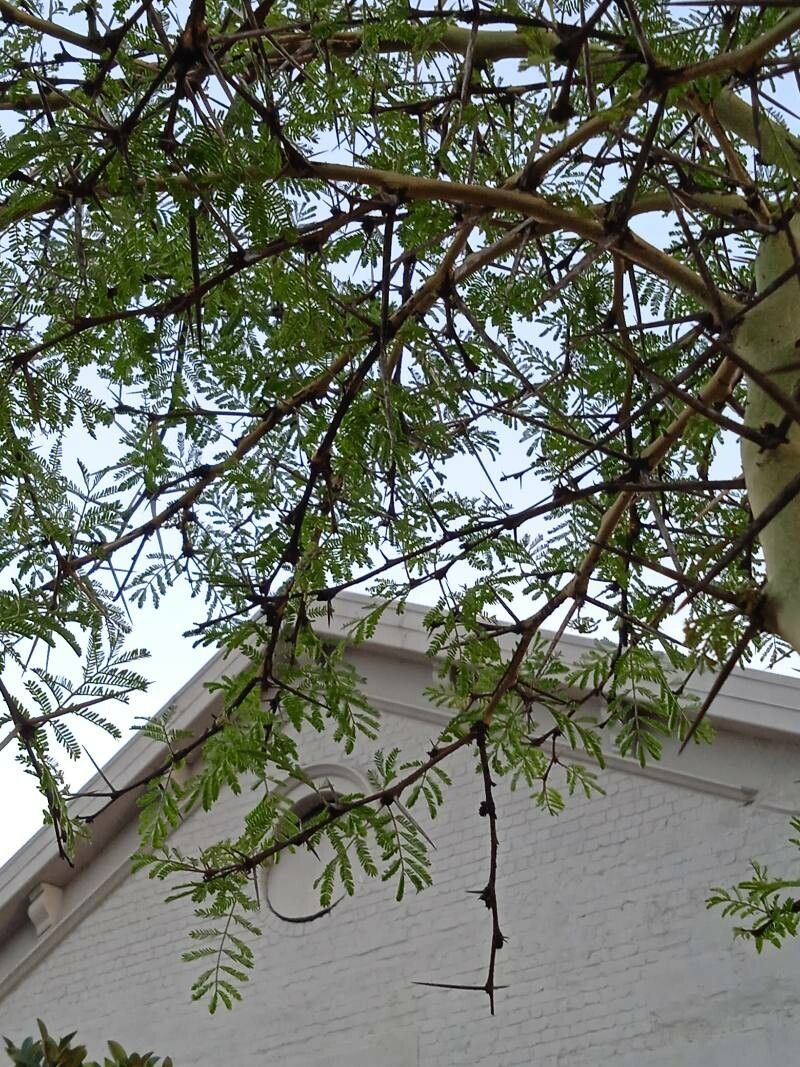
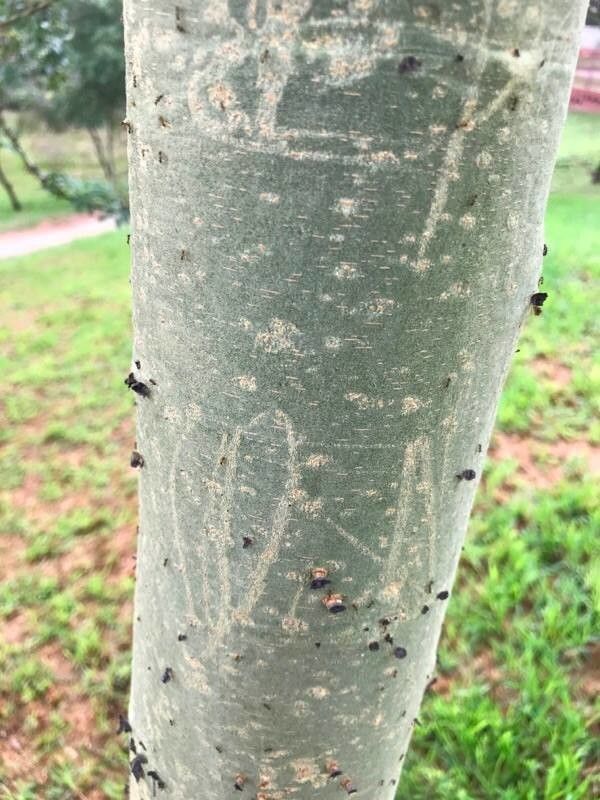
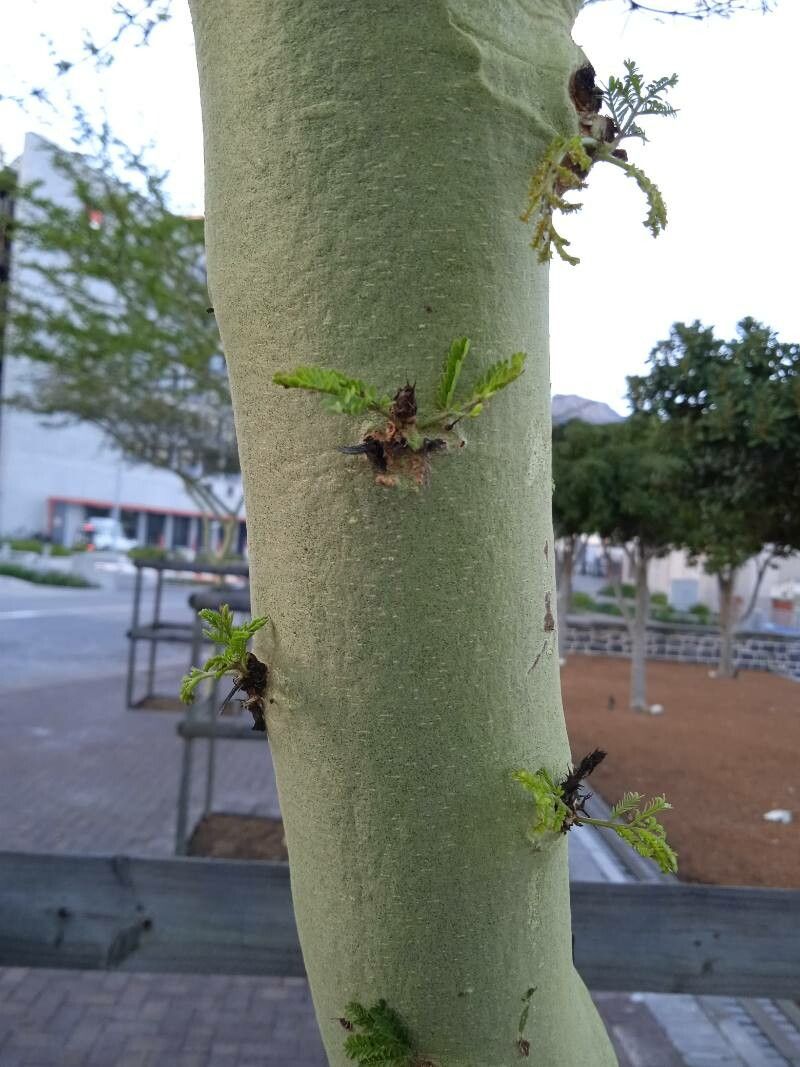
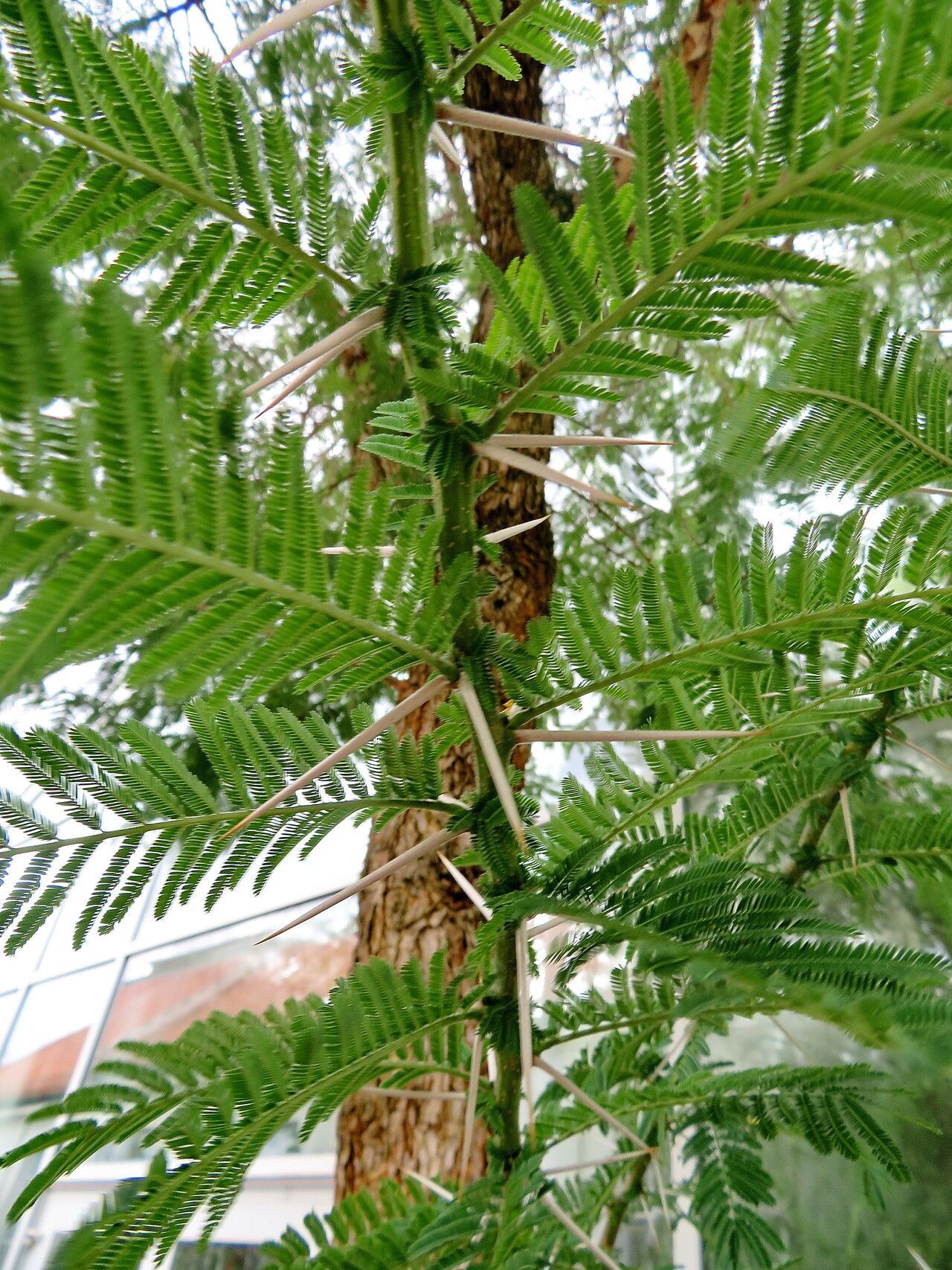
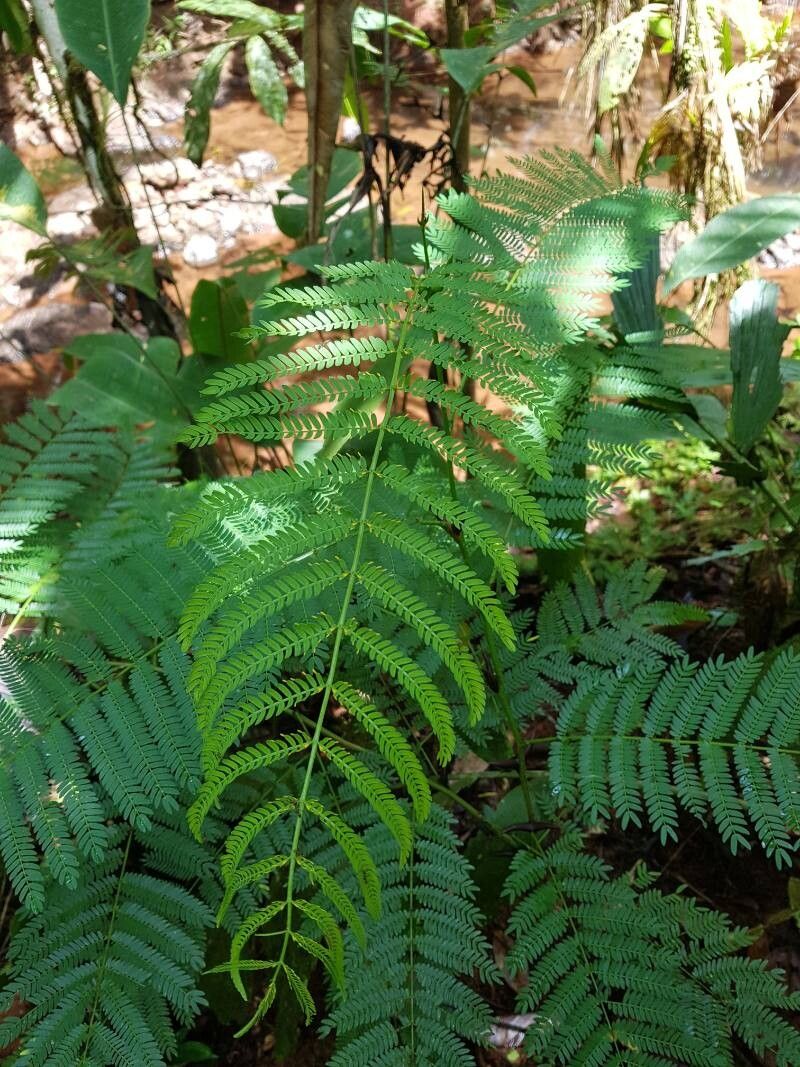
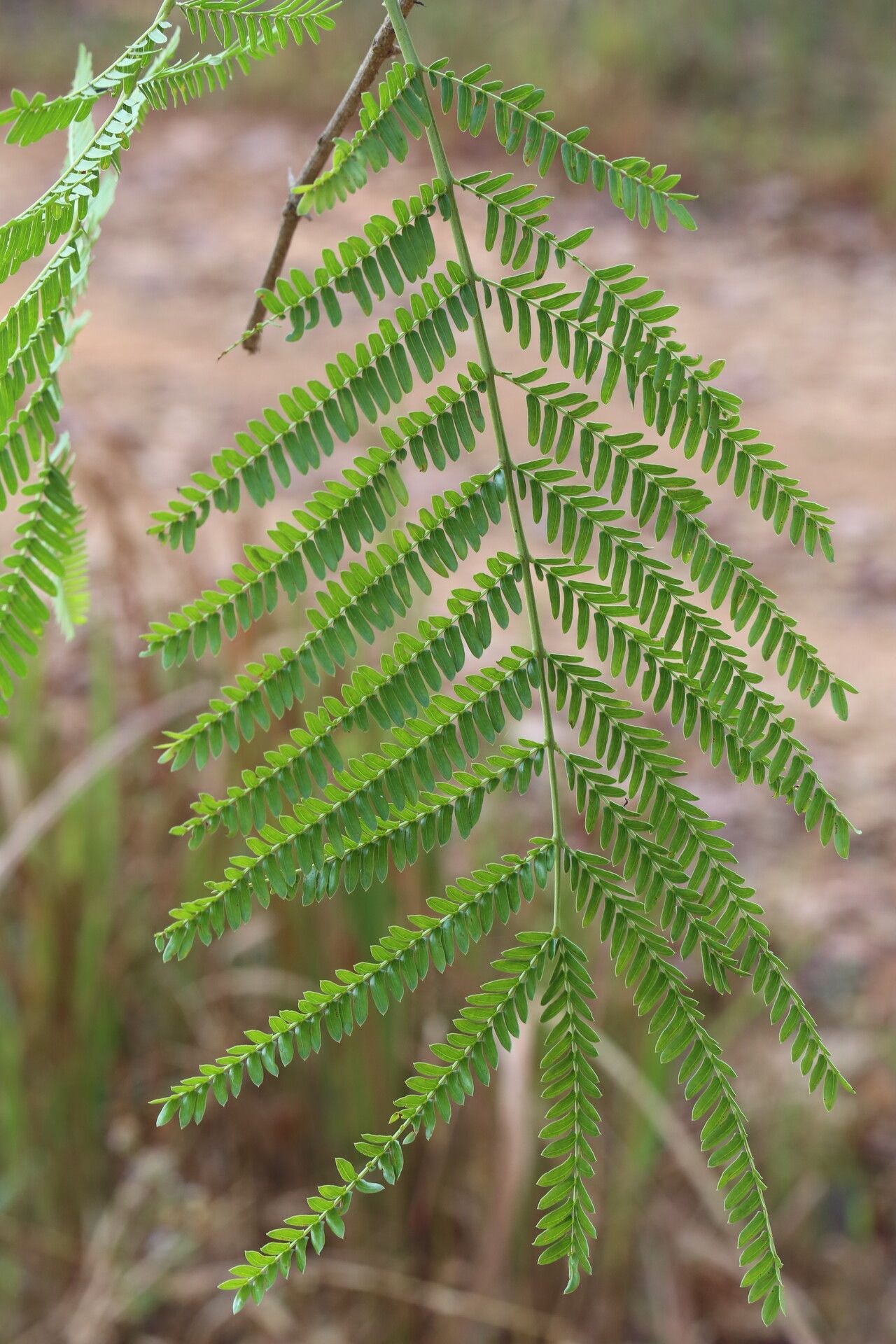
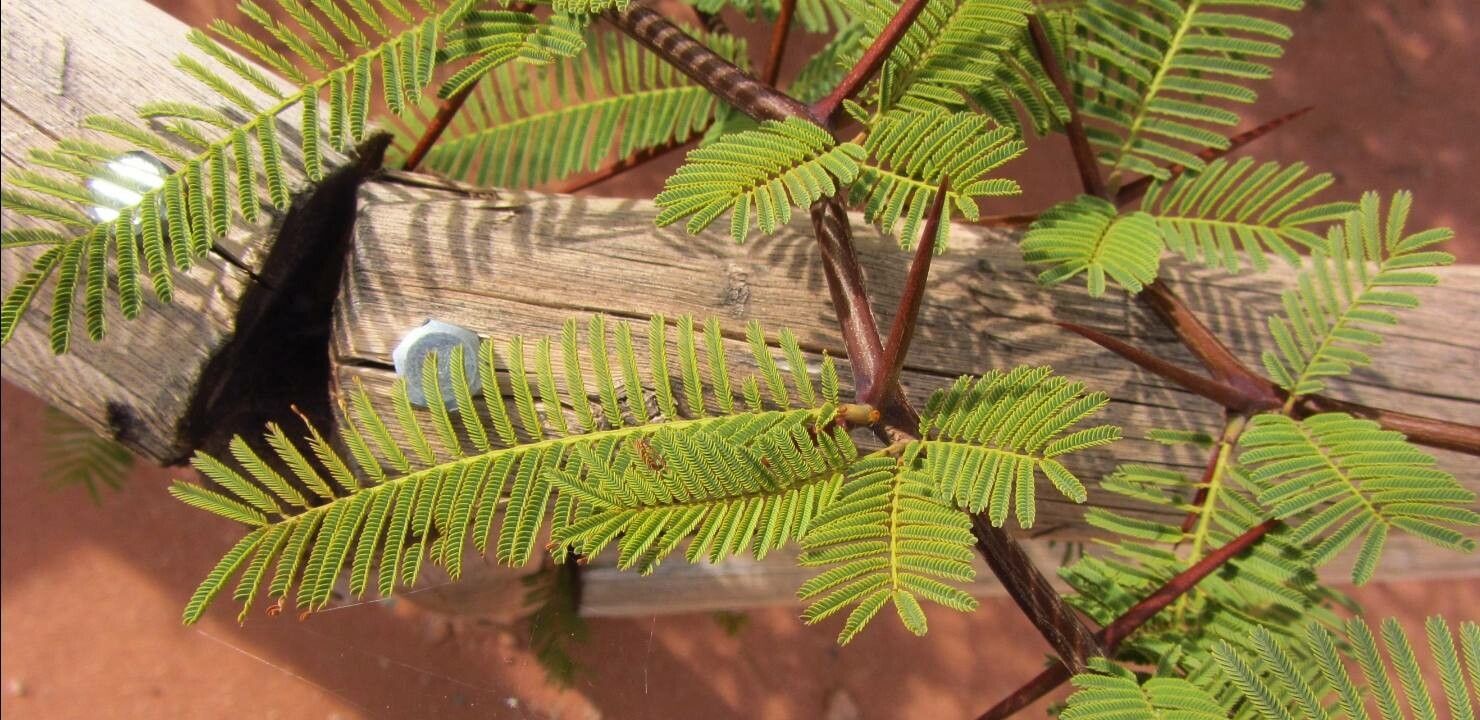
Vachellia xanthophloea is a tree in the family Fabaceae, commonly known in English as the fever tree. This species of Vachellia is native to eastern and southern Africa (Botswana, Kenya, Malawi, Mozambique, Somalia, South Africa, Eswatini, Tanzania, Zambia, Zimbabwe). It has also become a landscape tree in other warm climates, outside of its natural range.
Fever tree has strong resistance to disease and is typically not susceptible to illnesses. Regarding care, this plant is fairly low-maintenance. When grown outdoors it needs little watering, and larger specimens generally do not require pruning. Smaller plants, however, should be pruned after they have finished blooming. Fever tree is suitable for anyone with an outdoor area, such as a garden or deck, and does not require extensive experience in plant care.
How to keep Vachellia Xanthophloea.
Light
Fever tree is native to open habitats, such as sunny meadows and forest edges, that provide abundant light. It performs best in Full Sun but can tolerate Partial Sun, adapting well to various sunlight conditions.
Water
The fever tree thrives in savanna habitats by relying on efficient water use. It prefers drier conditions and demonstrates drought tolerance. To mimic natural precipitation, water the tree once a week. Typically grown outdoors, the fever tree responds vigorously to seasonal rains during its active growing season.
Temperature
The fever tree comes from tropical regions, where the climate is generally warm and humid, so it is well adapted to high heat and humidity. It is sensitive to abrupt temperature changes and prefers a stable thermal environment, which means avoiding temperature fluctuations indoors is important. It typically cannot tolerate cold and needs relatively high temperatures to grow; if the ambient temperature falls too low, the plant may stop growing or even die.
Fertilizer
Fertilization is essential for the Fever tree's care. Regular feeding during the growing season keeps up the energy for its showy leaves and aids overall growth. Skipping fertilization can cause unhealthy foliage, reduced ornamental value, and stunted or weak growth that is prone to breaking.
Pruning
Fever trees benefit from being pruned early in the spring. Start by removing dead branches and shaping the tree to improve its overall structure. This not only enhances air circulation and light penetration but also reduces the risk of disease. Be careful to avoid heavy pruning, as this can stress the tree. Always use clean, sharp tools to encourage quick healing during the tree's growth cycle.
Botanical profile.
- Plant Type
- Tree
- Life Cycle
- Perennial
- Genus
- Vachellia
- Family
- Fabaceae
- Hardiness Zone
- 9-11
- Mature Height
- 14.94 m to 24.99 m
- Mature Spread
- 10.06 m to 14.94 m
- Leaf Color
- Light Green
- Leaf Type
- Deciduous
- Flower Color
- Yellow
- Flower Size
- 1.02 cm to 1.52 cm
- Bloom Time
- Late spring, Summer
- Planting Time
- Spring
- Harvest Time
- Late summer, Fall
- Native Area
- Malawi, Mozambique, South Africa, Eswatini, Kenya, Tanzania, Zimbabwe
Other names.
Reader questions.
What are the sunlight requirements for a Fever tree?
The Fever tree, botanically known as Vachellia xanthophloea, thrives under specific sunlight conditions. It requires 'Full sun' which means it should receive above 6 hours of sunlight daily. There's also the option for 'Partial sun' indicating about 3-6 hours of sunlight each day. It's essential to observe how sunlight moves through your garden, ensuring you pick a location that provides an ideal balance of light and shade catering to the needs of the Fever tree, promoting its health and happiness.
What is the name of the tree?
The tree is commonly known as the Fever tree.
What is the botanical name of the Fever tree?
The botanical name of the Fever tree is Vachellia xanthophloea.