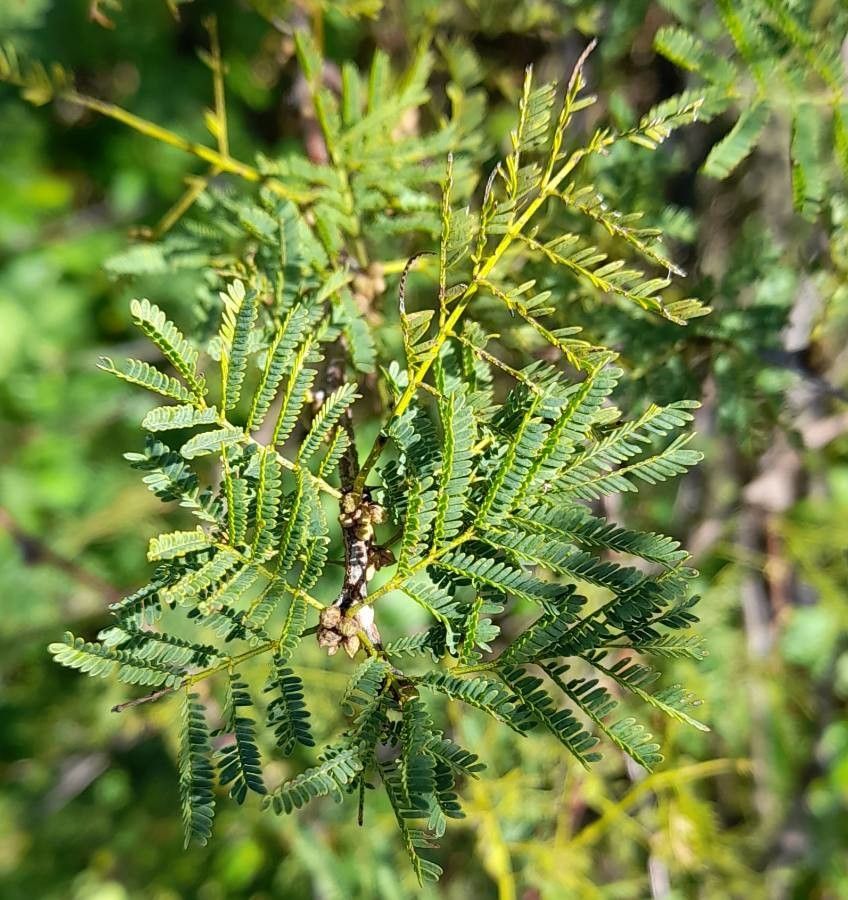
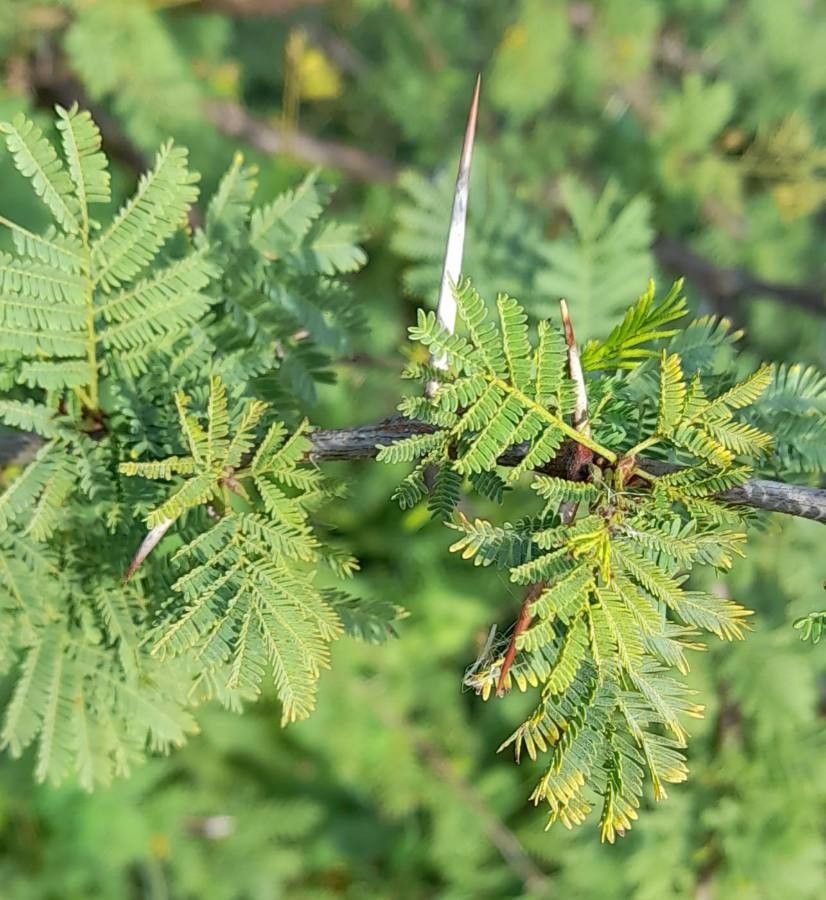
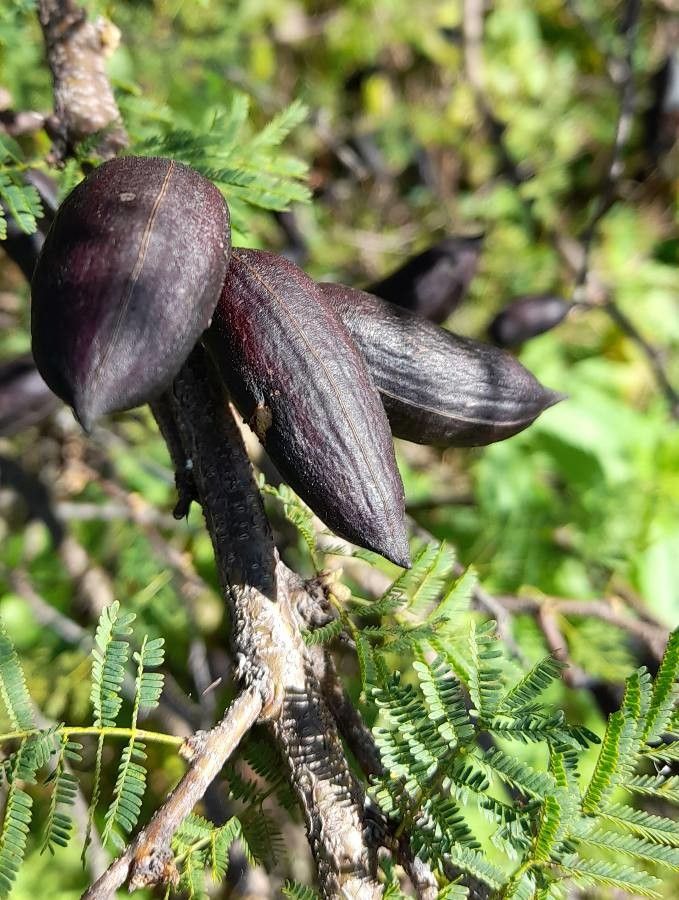
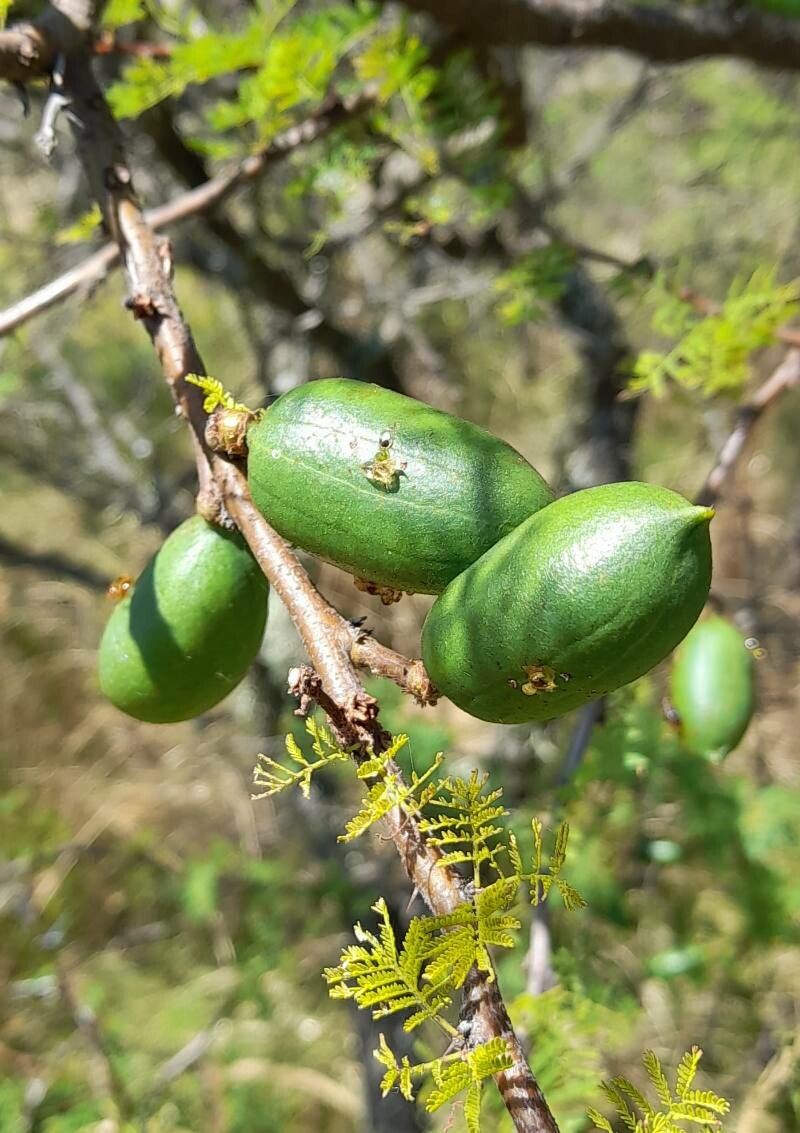
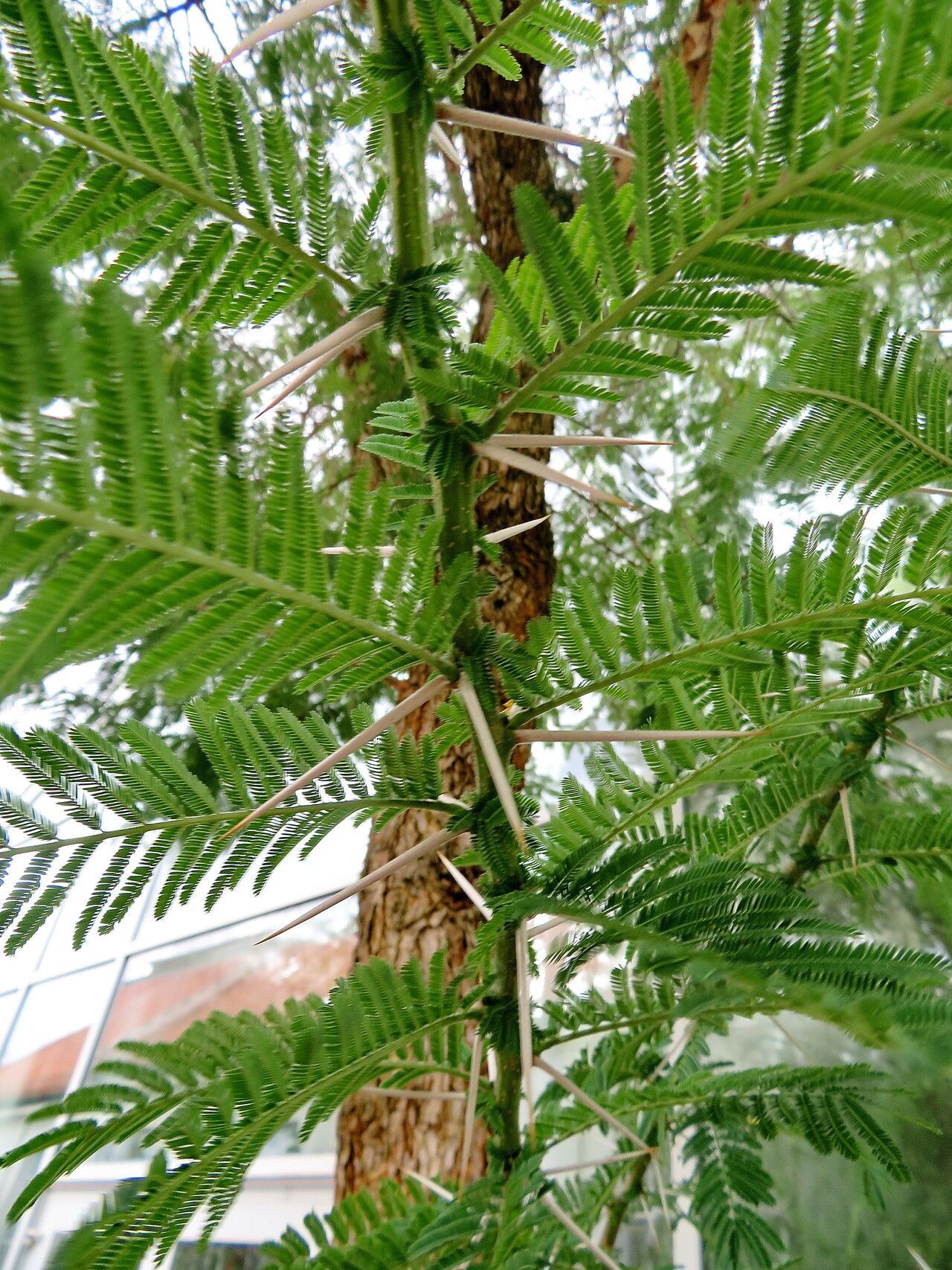
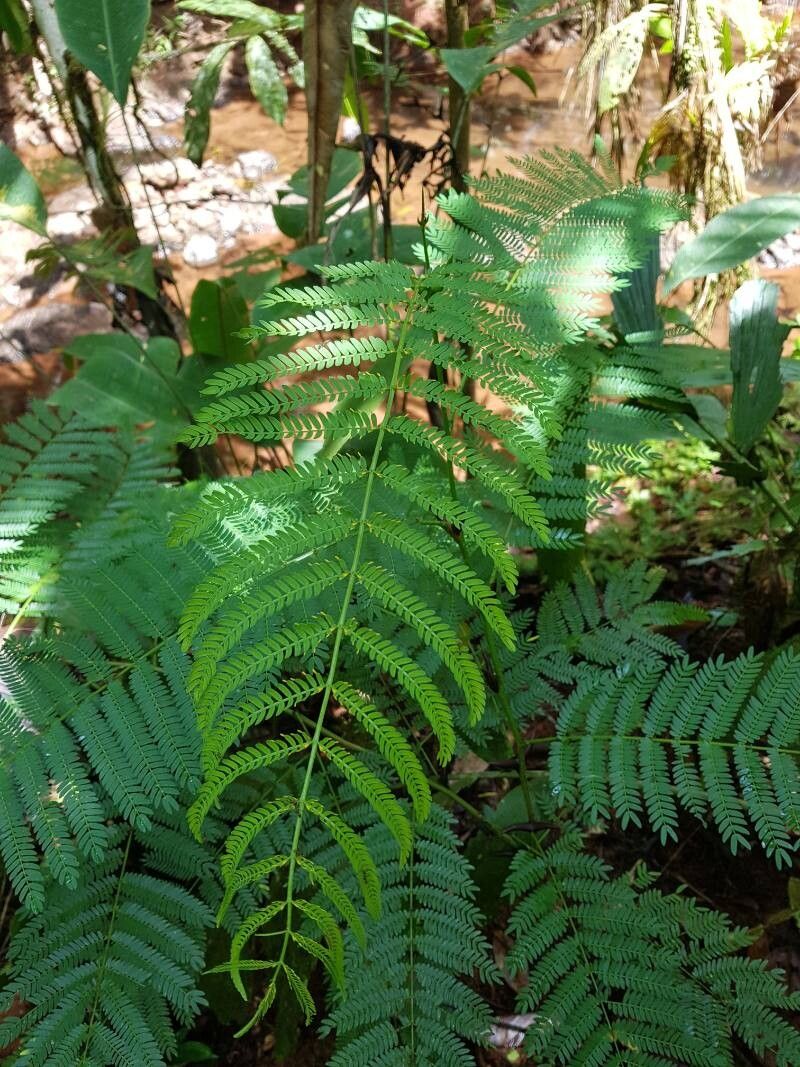
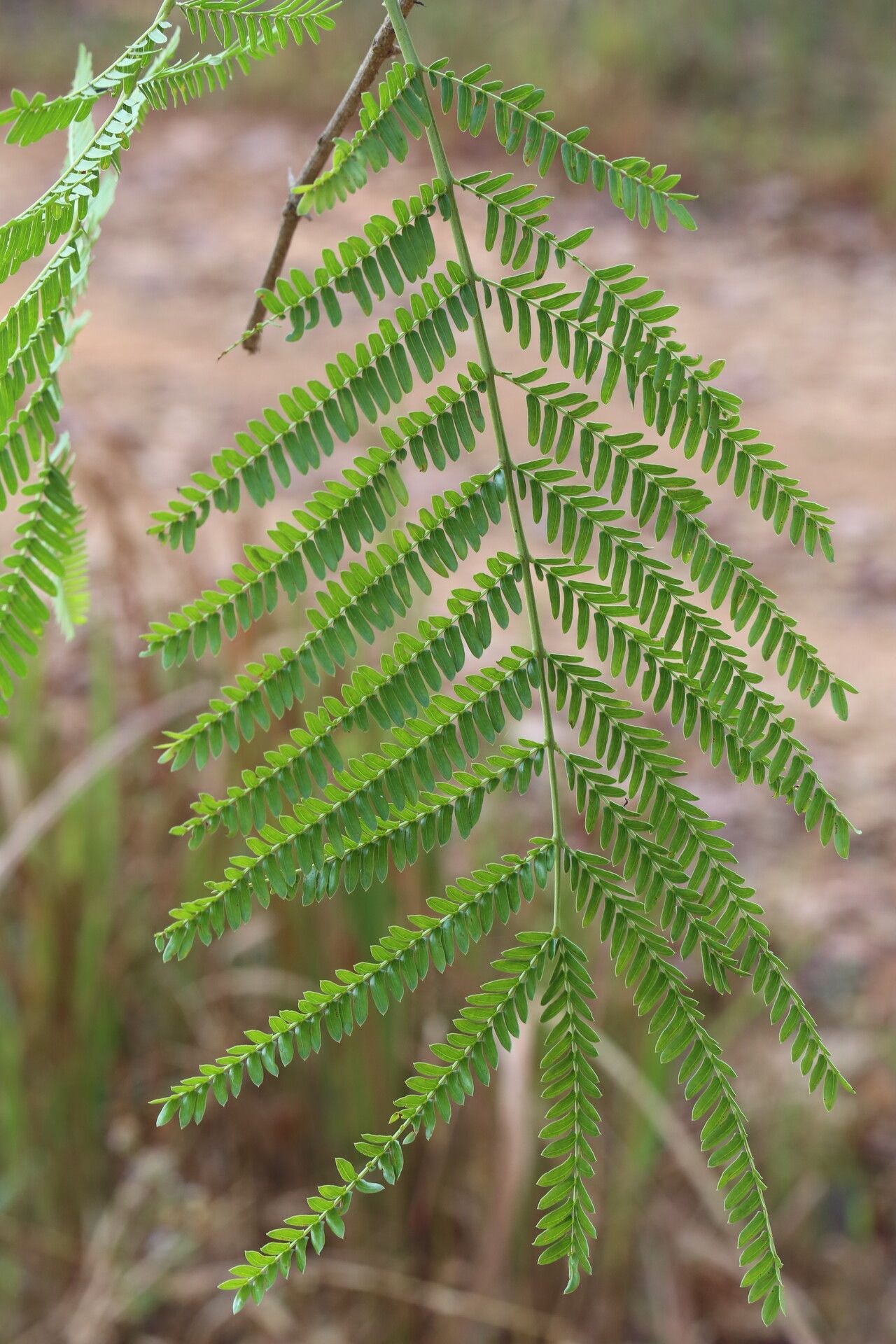
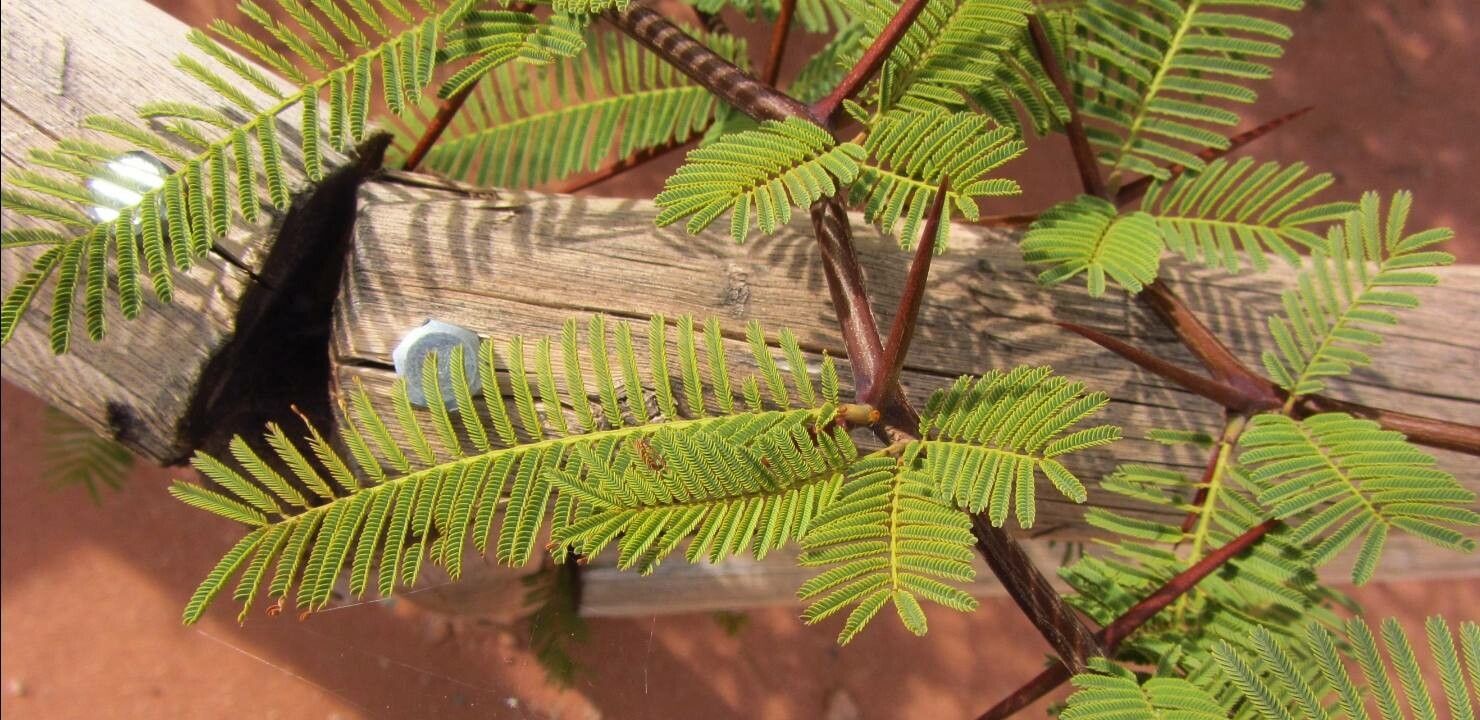
Vachellia caven, commonly known as the Espinillo tree, is a flowering tree native to South America. It belongs to the Fabaceae family and is typically found in Argentina, Chile, Uruguay, and Peru. The tree can grow up to 10 meters tall with a trunk diameter of up to 50 cm. It has a distinctive appearance, marked by its thorny branches and small green leaves, which are shed during the winter months.
Indigenous communities have utilized the Vachellia caven for various purposes for centuries. The bark of the tree contains tannins that are used in traditional medicine as an antiseptic and anti-inflammatory agent. Additionally, the wood is highly valued for its durability and resistance to decay.
Beyond its practical uses, Vachellia caven plays a significant ecological role in South American ecosystems by providing habitat for various species of birds and insects. Its thorny branches also offer protection against grazing animals.
Despite its wide distribution throughout South America, Vachellia caven faces threats from deforestation due to agricultural expansion and urbanization. Conservation efforts are underway in some areas where it grows naturally, but more needs to be done on a larger scale to preserve this important plant species for future generations.
Roman cassie has strong disease resistance and is generally not susceptible to illnesses. In terms of care, this plant is fairly low-maintenance. When planted outdoors it needs minimal watering, and larger plants typically do not require pruning. Smaller plants, however, should be pruned after they finish blooming. Roman cassie is suitable for anyone with outdoor space, like a garden or deck, and does not demand much experience in plant care.
How to keep Vachellia Caven.
Light
Roman cassie comes from open habitats, like sunny meadows and forest margins, where light is plentiful. It thrives in Full Sun but can also tolerate Partial Sun, adjusting well to a range of sunlight conditions.
Temperature
Roman cassie comes from tropical areas, where the climate is usually warm and humid. Consequently, it is well suited to high temperatures and humidity. It does not tolerate sudden temperature shifts and prefers a steady temperature, so avoiding indoor temperature fluctuations is important. It typically cannot withstand cold and needs relatively high temperatures to grow. If the surrounding temperature falls too low, the plant may stop growing or even die.
Fertilizer
The best time to fertilize a Roman cassie is in early spring as it breaks dormancy. This encourages overall growth and flower development. Fertilizing improves the foliage, stems, and branches, and supports the production of large, bright, long-lasting blooms. It helps transport nutrients from the roots to the flowers and enhances the plant’s health and resistance to disease.
Pruning
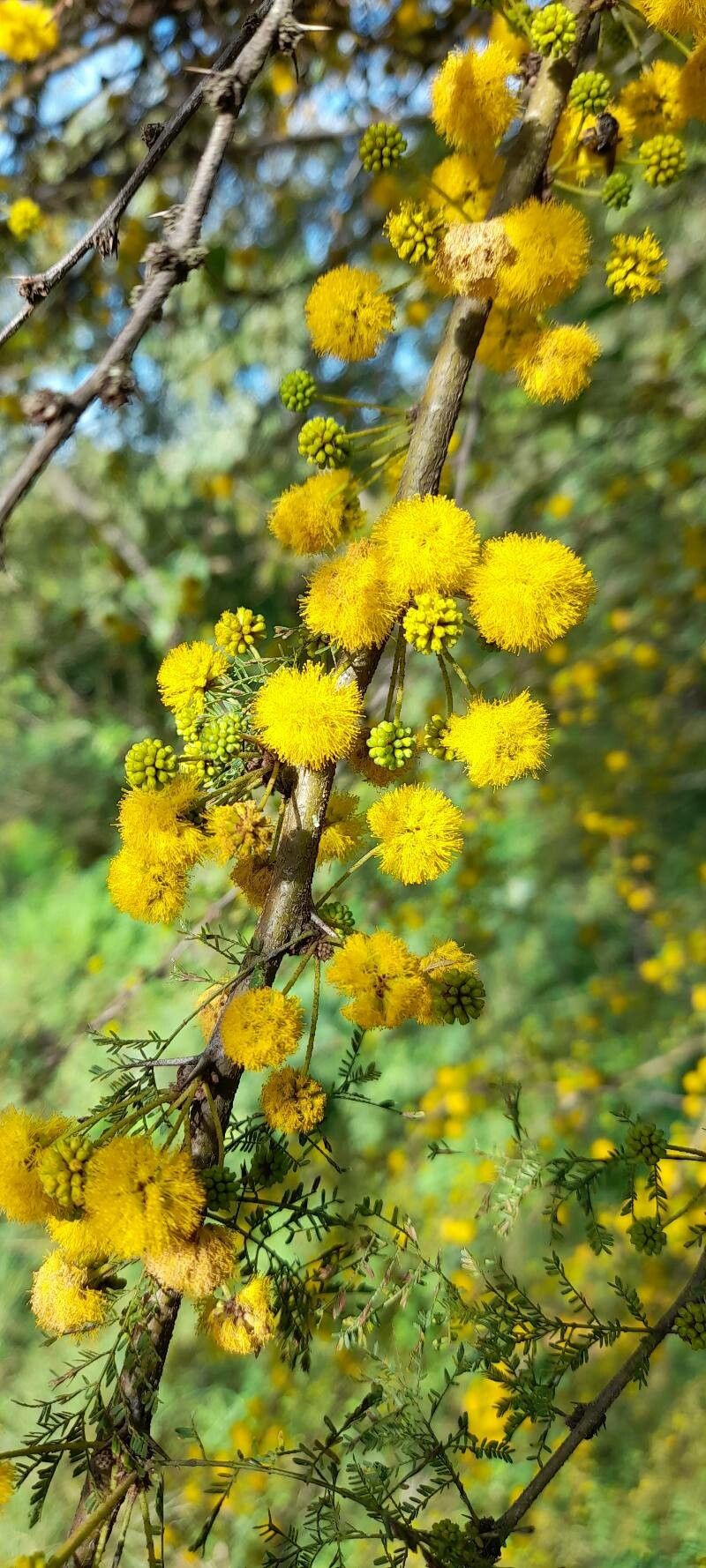
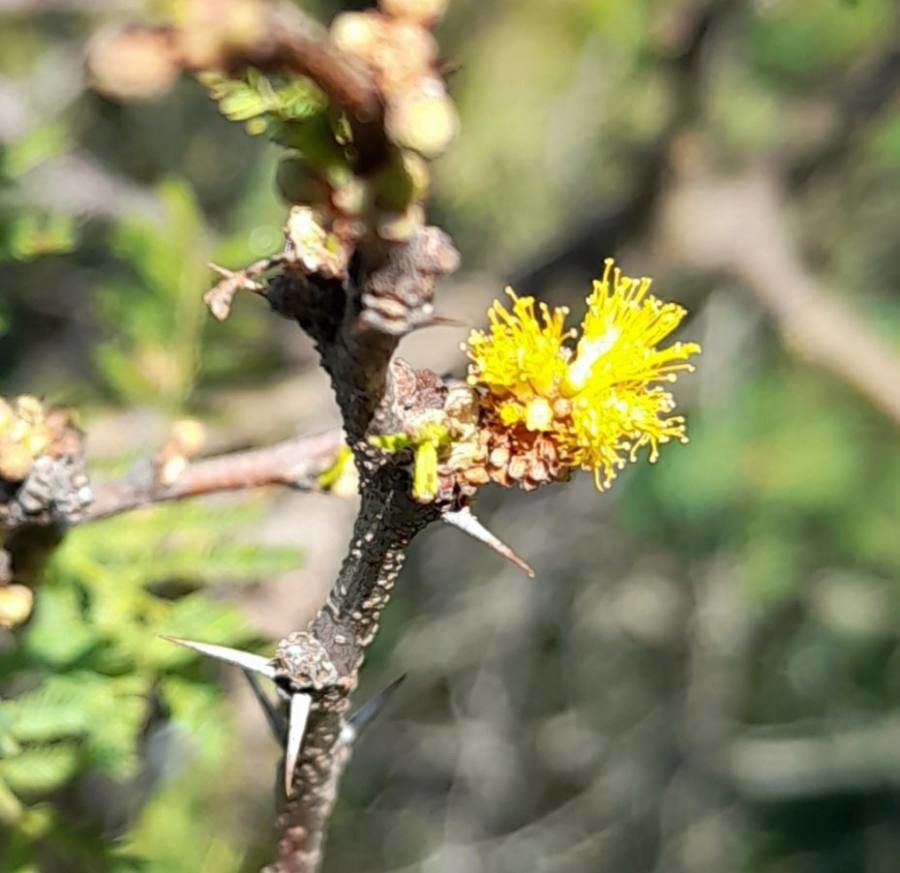
Roman cassie plants are characterized by their thorny branches and bright yellow flowers. To keep them healthy, it's important to prune them in early spring. This helps remove any dead wood and thin out dense areas, improving air circulation. Regular pruning not only promotes better health and flowering but also prevents the plants from becoming overcrowded. Be sure to use clean, sharp tools for effective maintenance.
Botanical profile.
- Plant Type
- Tree, Shrub
- Life Cycle
- Perennial
- Genus
- Vachellia
- Family
- Fabaceae
- Hardiness Zone
- 9-11
- Mature Height
- 3.05 m to 6.1 m
- Mature Spread
- 3.96 m to 7.92 m
- Leaf Color
- Dark Green, Green
- Leaf Type
- Evergreen
- Flower Color
- Yellow
- Flower Size
- 1.02 cm to 2.03 cm
- Bloom Time
- Early fall, Mid fall
- Planting Time
- Spring, Summer, Autumn
- Harvest Time
- Late fall, Early winter, Mid winter
- Native Area
- Brazil, Bolivia, Ecuador
Other names.
Reader questions.
What are the sun requirements for Roman cassie (Vachellia caven)?
Roman cassie (Vachellia caven) thrives under specific sunlight conditions. For optimal growth, it requires 'Full sun,' which means it should receive above 6 hours of sunlight daily. There's also the option for 'Partial sun,' suitable for areas where the plant can get about 3-6 hours of sunlight. It's essential to observe how sunlight moves through your garden, selecting locations that offer a perfect balance of light and shade. This consideration will ensure the plants are happy and healthy.
What is Roman Cassie?
Roman Cassie, also known by its botanical name 'Vachellia caven', is a plant species. There is no additional information provided regarding its essentials or symptoms related to it.