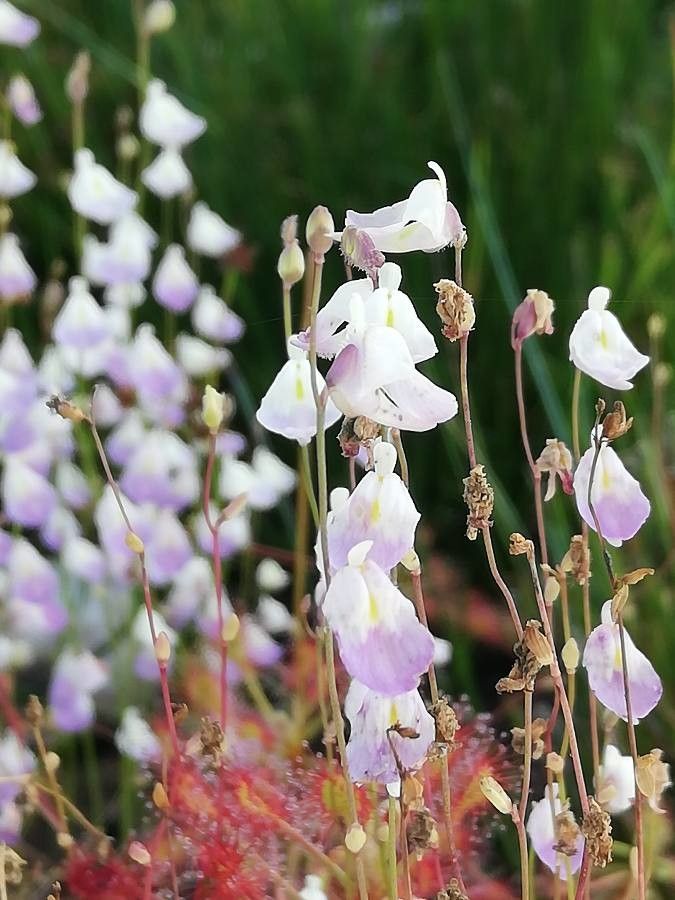
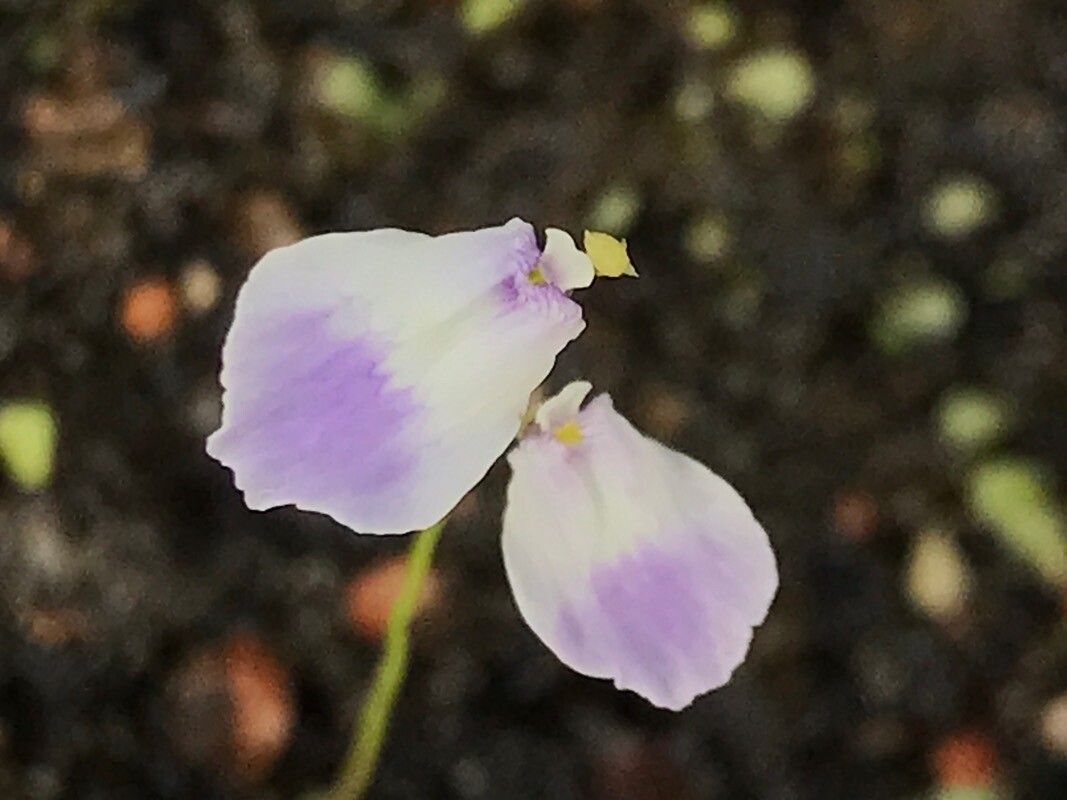
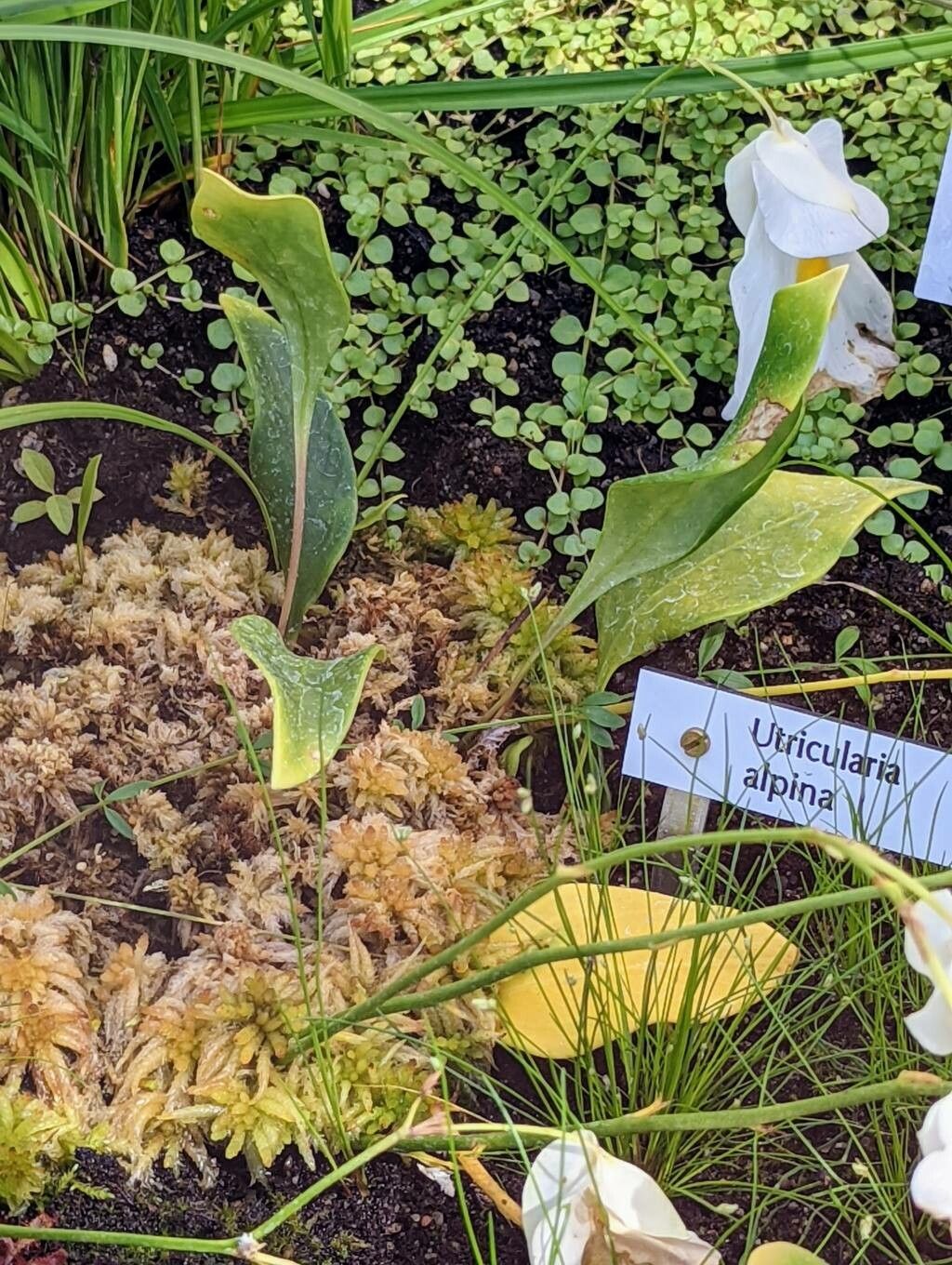
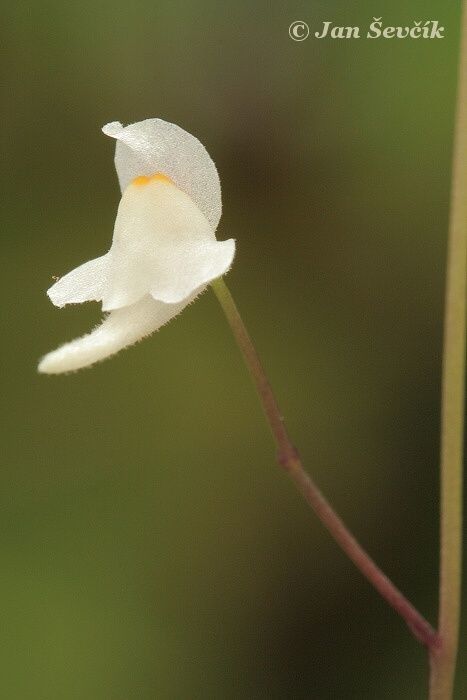
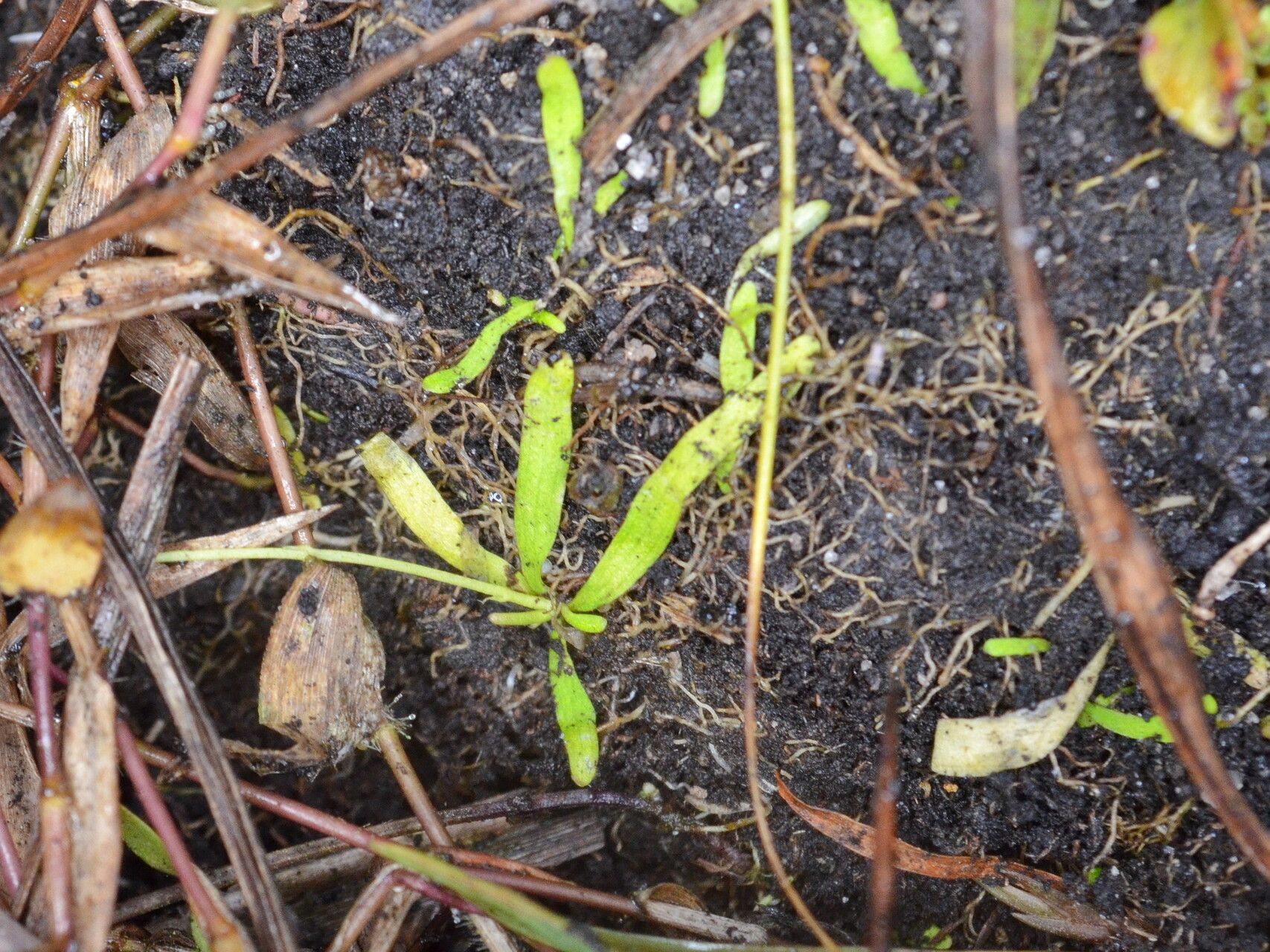
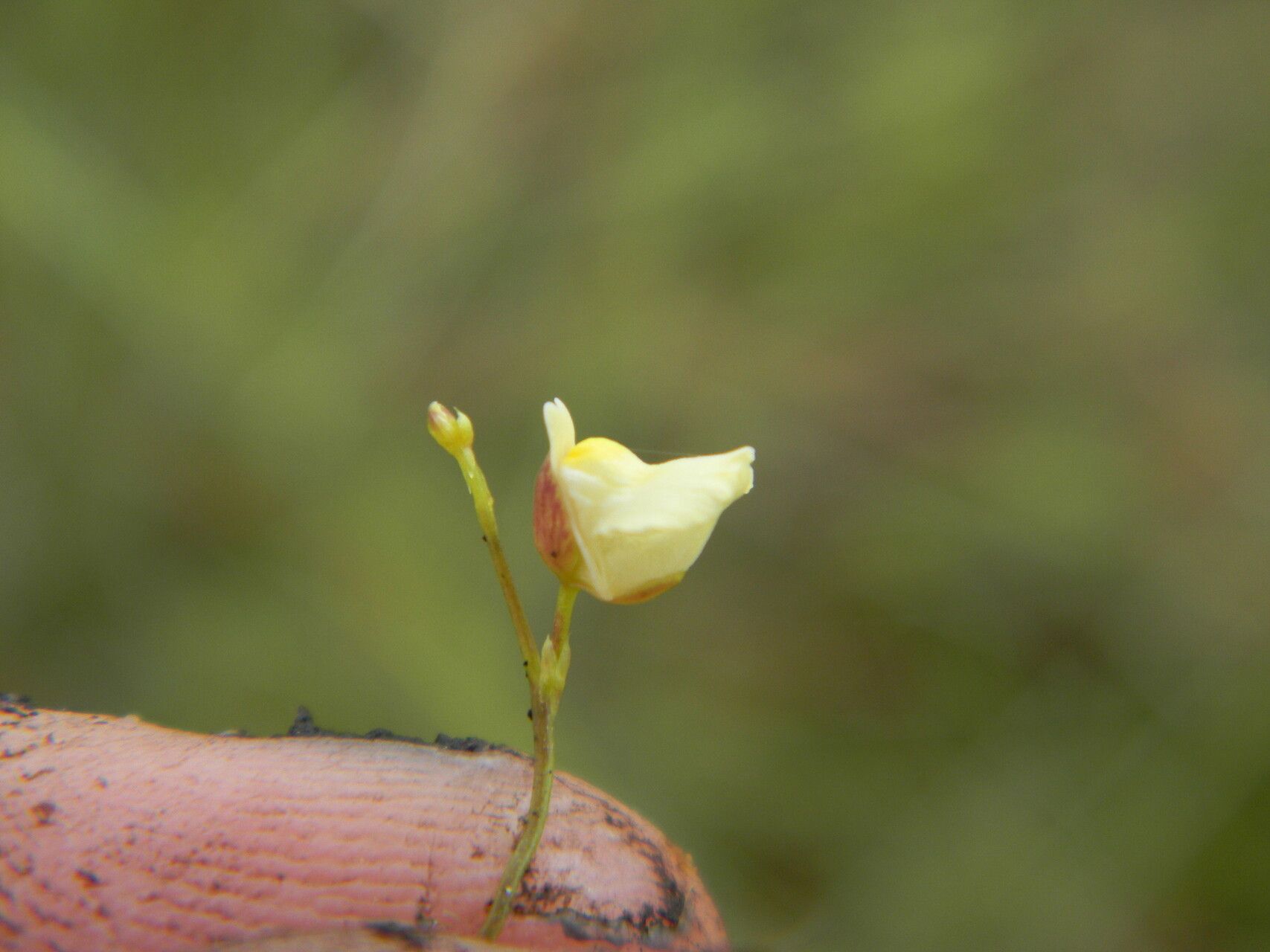
Utricularia livida, the leaden bladderwort, is a species of flowering plant in the bladderwort family, native to central and southern Africa, and Mexico. Growing to 50 cm (20 in) tall and broad, it is a carnivorous perennial. It was originally described and published by Ernst Heinrich Friedrich Meyer in 1837.
Livida Bladderwort has moderate resistance to disease and needs a high-humidity environment. However, if ventilation is poor it can be prone to rot. The plant’s care is considered difficult, since it requires continuous humidification to keep humidity levels high. Livida Bladderwort is also highly prone to rot when the environment lacks proper ventilation and becomes too hot. It is suited to growers with more experience who can provide an appropriate growing environment.
How to keep Utricularia Livida.
Light
Livida Bladderwort comes from habitats with abundant sunlight, such as open bogs and sunny wetlands. It prefers full sun but can also tolerate partial sun.
Water
The Livida Bladderwort thrives in consistently moist, high-humidity environments and can tolerate moderate drought. To keep it healthy, water it twice a week. Although it's typically grown indoors, it does best in soil that mimics its native wetland habitat, which supports its carnivorous nature.
Temperature
Livida Bladderwort occurs in areas originally characterized by temperate climates, where average temperatures naturally range from 68 to 95 °F (20 to 35 ℃). The plant prefers a moderately warm environment and needs careful regulation of temperature across seasons to optimize growth.
Pruning
The Livida Bladderwort is a carnivorous plant known for its unique bladder-like traps. To rejuvenate the plant and maintain its compact form, it is best to prune it in early to mid-spring. Regular pruning not only promotes healthy growth but also enhances the plant's aesthetic appeal. Be sure to use clean, sharp tools when pruning to prevent disease and optimize the plant's vitality and appearance.
Pot & Repot
When repotting Livida Bladderwort, pick a container 1–2 inches (2.5–5.1 cm) larger with good drainage. Use a well-draining potting mix. Repot in spring or fall, making sure the root ball sits slightly below the rim of the flower pot. Water thoroughly after repotting and place in a warm spot with indirect sunlight.
Botanical profile.
- Plant Type
- Herb
- Life Cycle
- Perennial
- Genus
- Utricularia
- Family
- Lentibulariaceae
- Hardiness Zone
- 10
- Mature Height
- 49 cm
- Mature Spread
- 10 cm to 49 cm
- Leaf Color
- Green
- Leaf Type
- Semi-evergreen
- Flower Color
- Lavender
- Flower Size
- 1.02 cm
- Bloom Time
- All year round
- Planting Time
- Spring
- Harvest Time
- All year round
- Native Area
- Malawi, Somalia, Lesotho, Angola, Mexico, South Africa, Zambia, Madagascar, Rwanda, Eritrea, Sudan, Kenya, Uganda, Tanzania, Zimbabwe, Mozambique, Eswatini, Ethiopia, Congo (DRC)
Reader questions.
What are the sunlight requirements for Livida Bladderwort?
Livida Bladderwort, or Utricularia livida, thrives in partial sun, needing about 3-6 hours of sunlight daily. It's important to observe how sunlight moves through your garden to identify spots that offer a balanced environment of light and shade. Selecting the right location ensures the plant's wellbeing and contributes to its healthy growth.
What is the optimal temperature range for the growth of Livida Bladderwort?
The optimal temperature range for the growth of Livida Bladderwort, scientifically known as Utricularia livida, is between 68 to 95 °F (20 to 35 °C). Originating from regions with temperate climates, this plant thrives in a medium-warm environment. To optimize its growth, it is crucial to regulate the temperature wisely across different seasons.