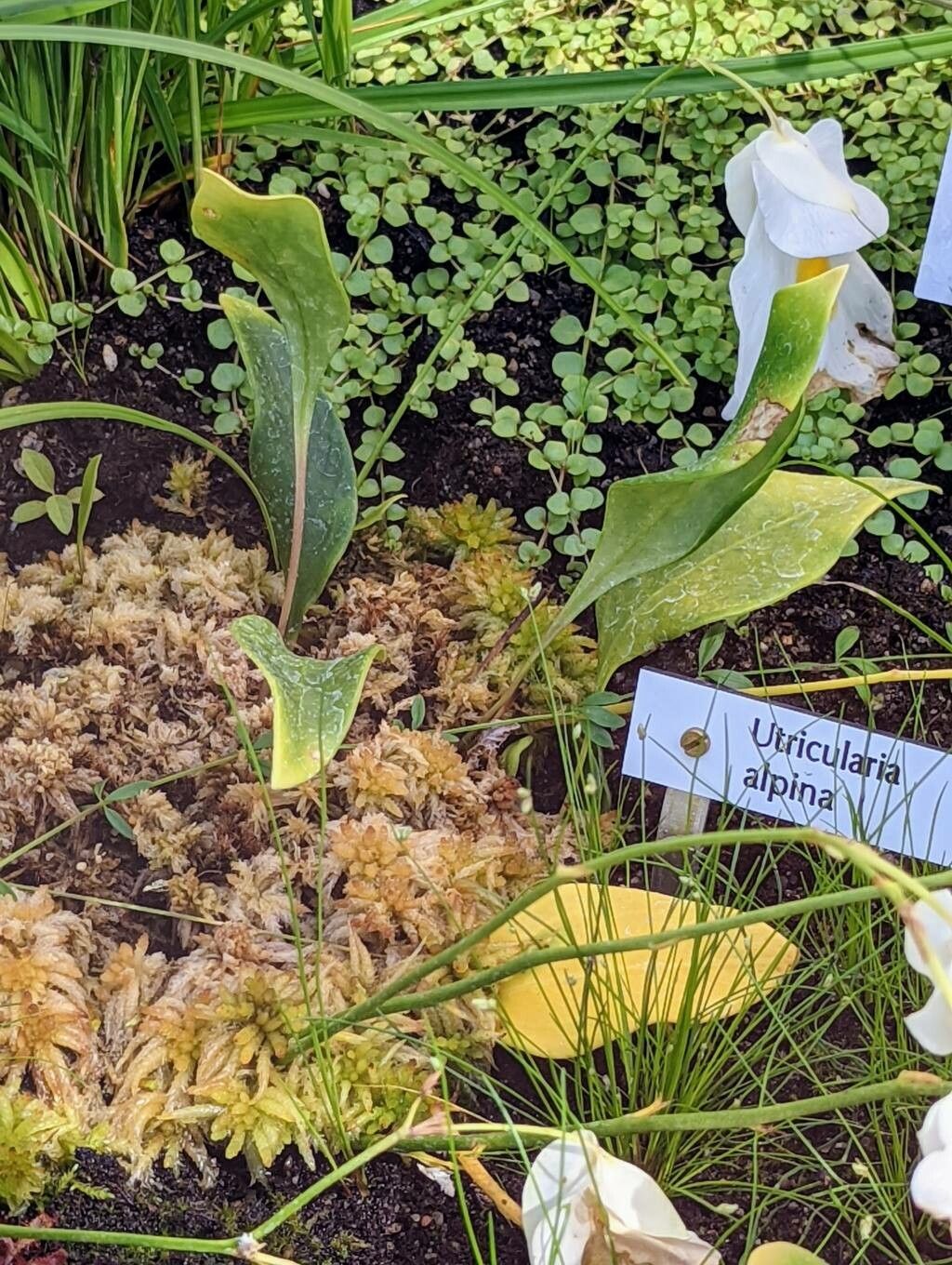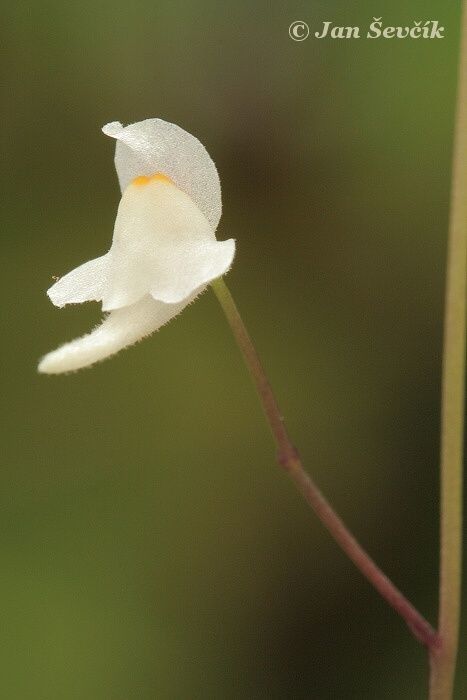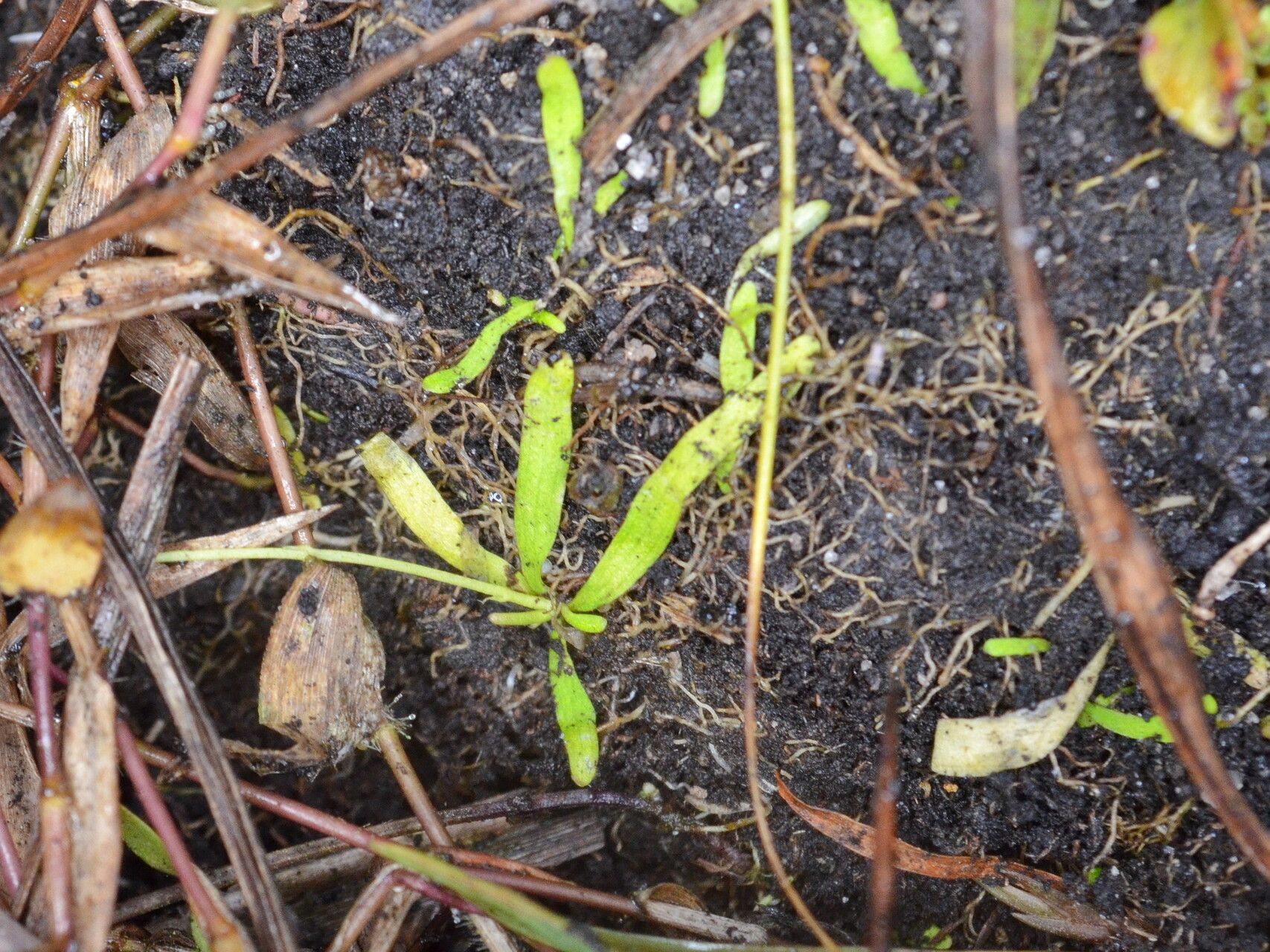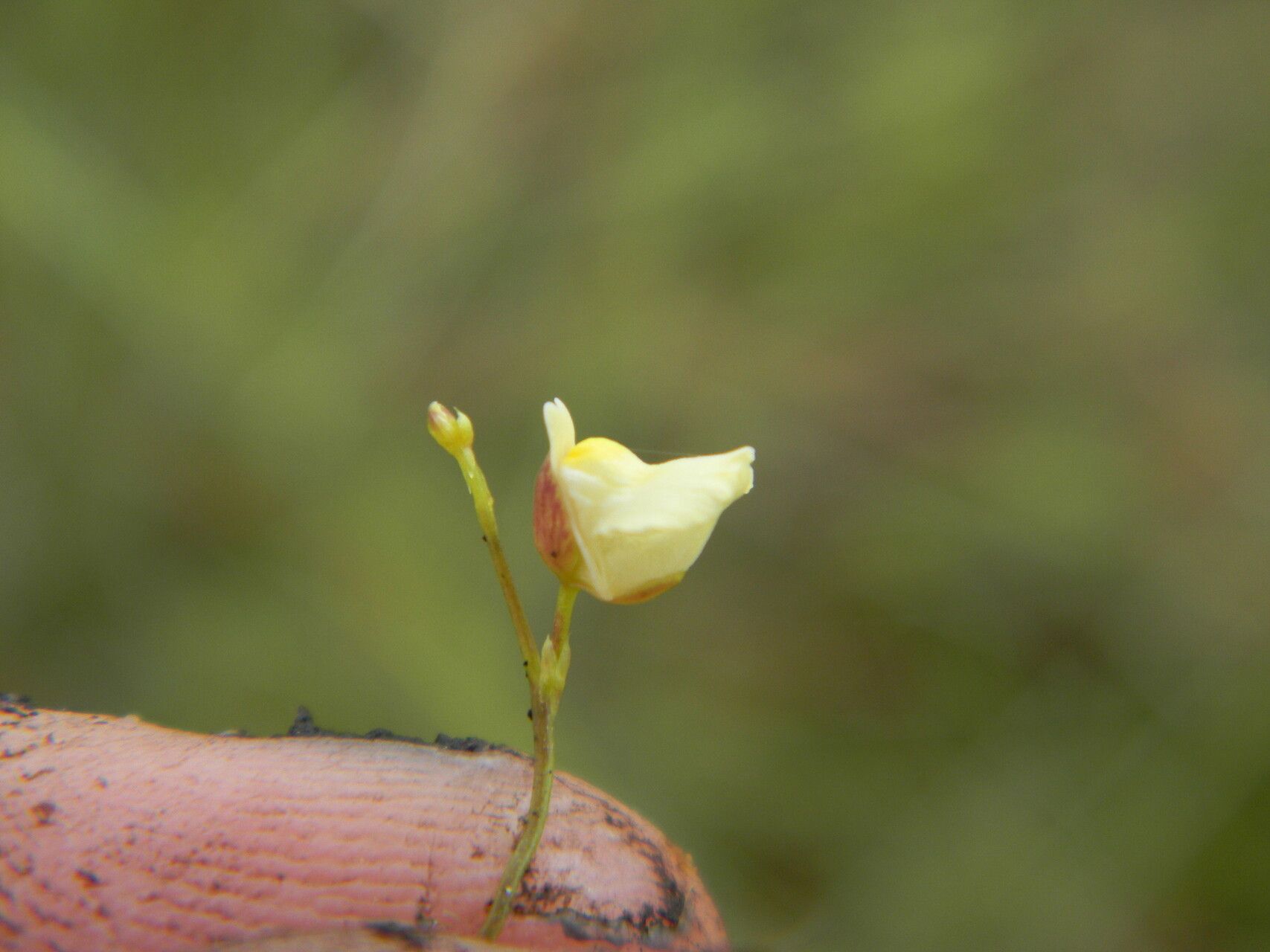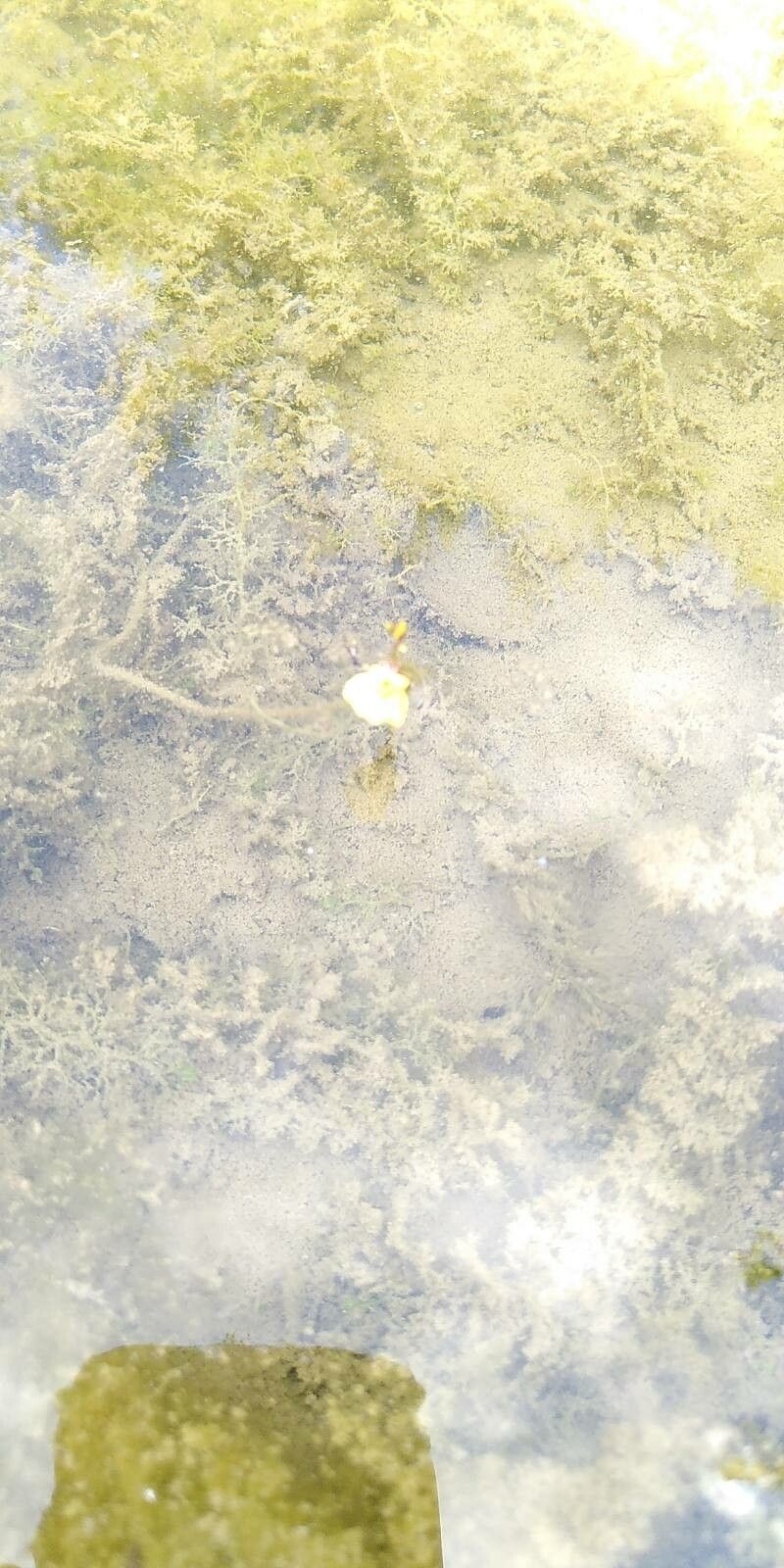
Utricularia bremii is a small, suspended or affixed aquatic carnivorous plant that belongs to the genus Utricularia (family Lentibulariaceae). It is a perennial plant that was named in honour of Jacob Bremi. Its native distribution includes central and western Europe.
New forest bladderwort has moderate resistance to disease and requires a high-humidity environment. However, if ventilation is poor it can be prone to rot. Its care level is regarded as difficult because it needs constant humidification to maintain elevated humidity. It is also highly prone to rot when the environment lacks good ventilation and becomes too hot. New forest bladderwort is appropriate for growers with more experience who can provide a suitable growing environment.
How to keep Utricularia Bremii.
Light
New forest bladderwort comes from habitats with plentiful sunlight, such as open bogs and sunlit wetlands. It prefers full sun but can tolerate partial sun as well.
Temperature
For New forest bladderwort, moderate temperatures are best, roughly the range most people find comfortable. It grows well in conditions that are neither overly hot nor too cold. The main problem with high temperatures is the risk of sunburn, so giving some shade in summer is recommended to prevent excessive heat. When temperatures fall, New forest bladderwort becomes dormant. If continuous growth is wanted, higher temperatures must be kept during winter. Frost can damage the plant and should be avoided.
Pot & Repot
When repotting New forest bladderwort, select a container 1-2 inches (2.5–5.1 cm) larger with ample drainage. Use a well-draining potting mix. Repot in spring or fall, making sure the root ball sits slightly below the rim of the flower pot. Water thoroughly after repotting and place it in a warm spot with indirect sunlight.
Botanical profile.
- Life Cycle
- Perennial
- Genus
- Utricularia
- Family
- Lentibulariaceae
- Hardiness Zone
- 8-10
- Leaf Type
- Semi-evergreen
- Native Area
- Russia, Germany, Italy, Switzerland, Czech Republic, Denmark, Slovakia, Japan, Hungary, Slovenia, Belgium, Ukraine, France