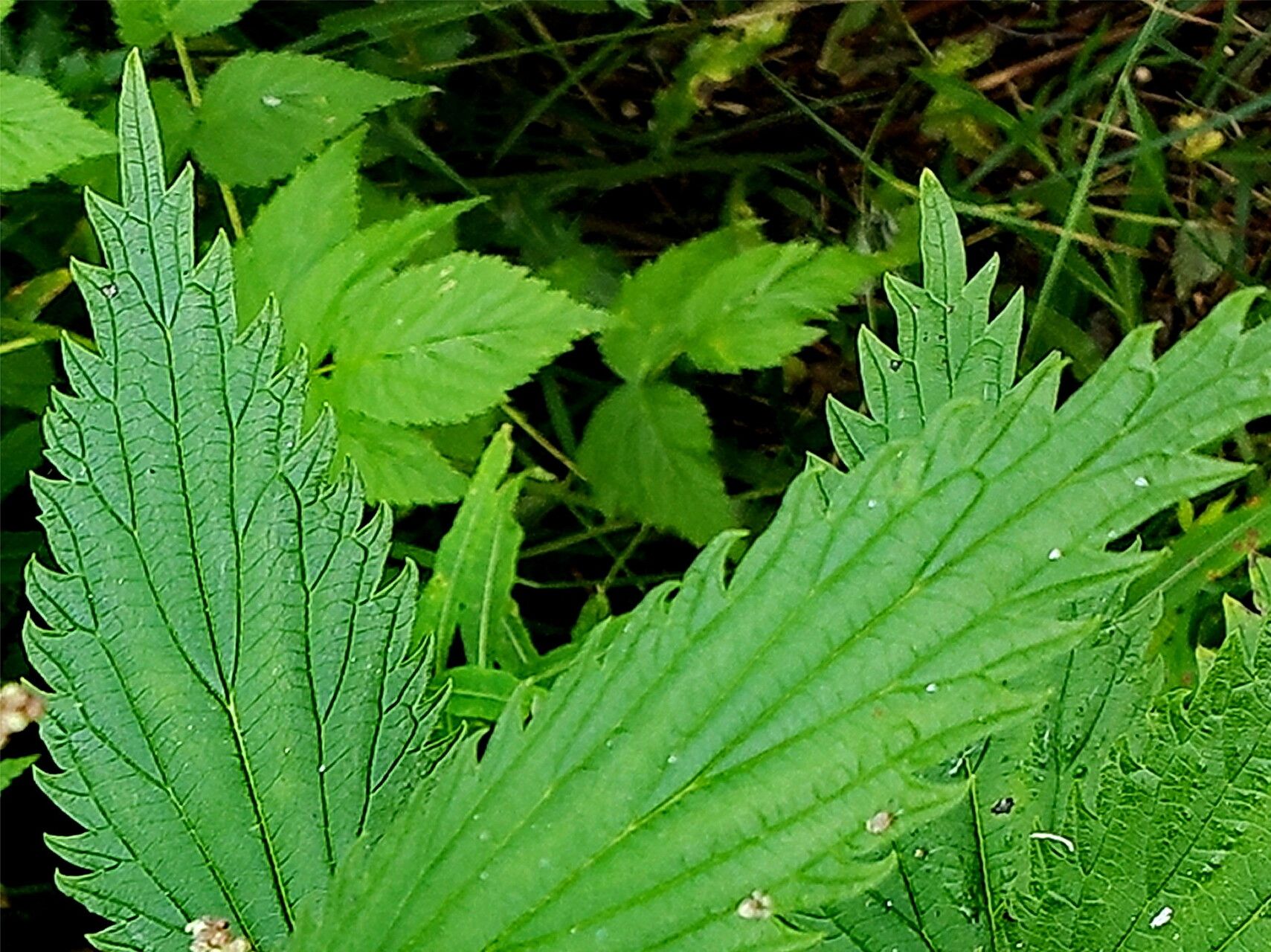
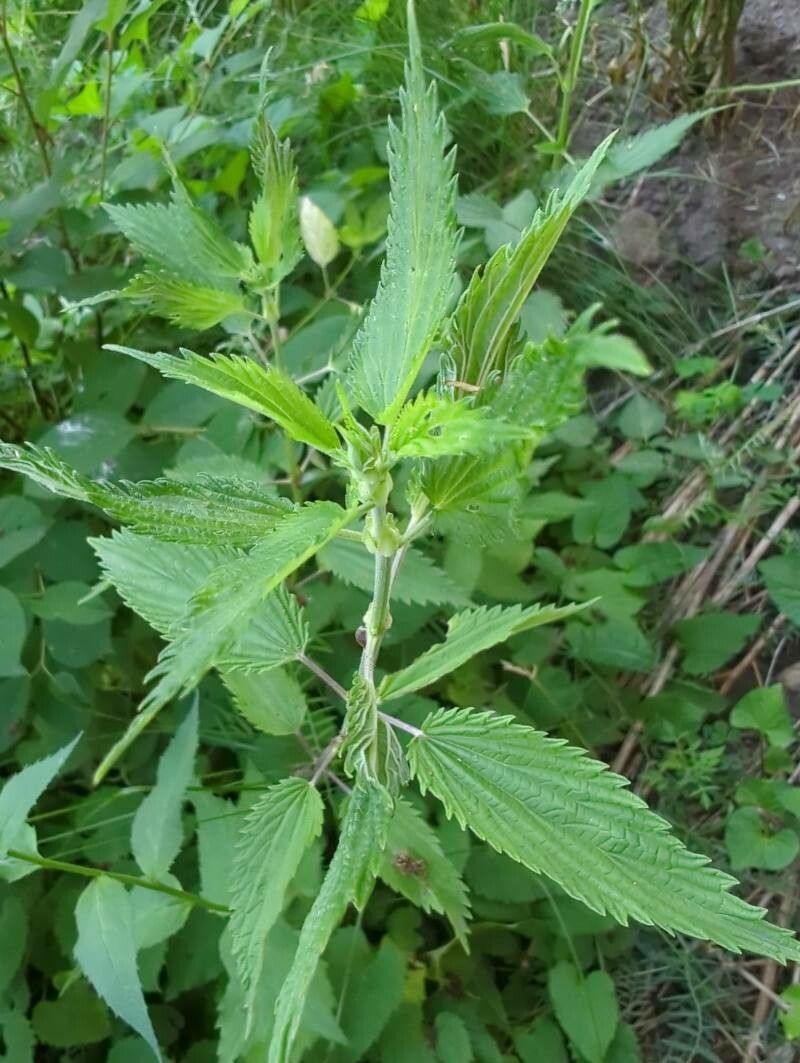
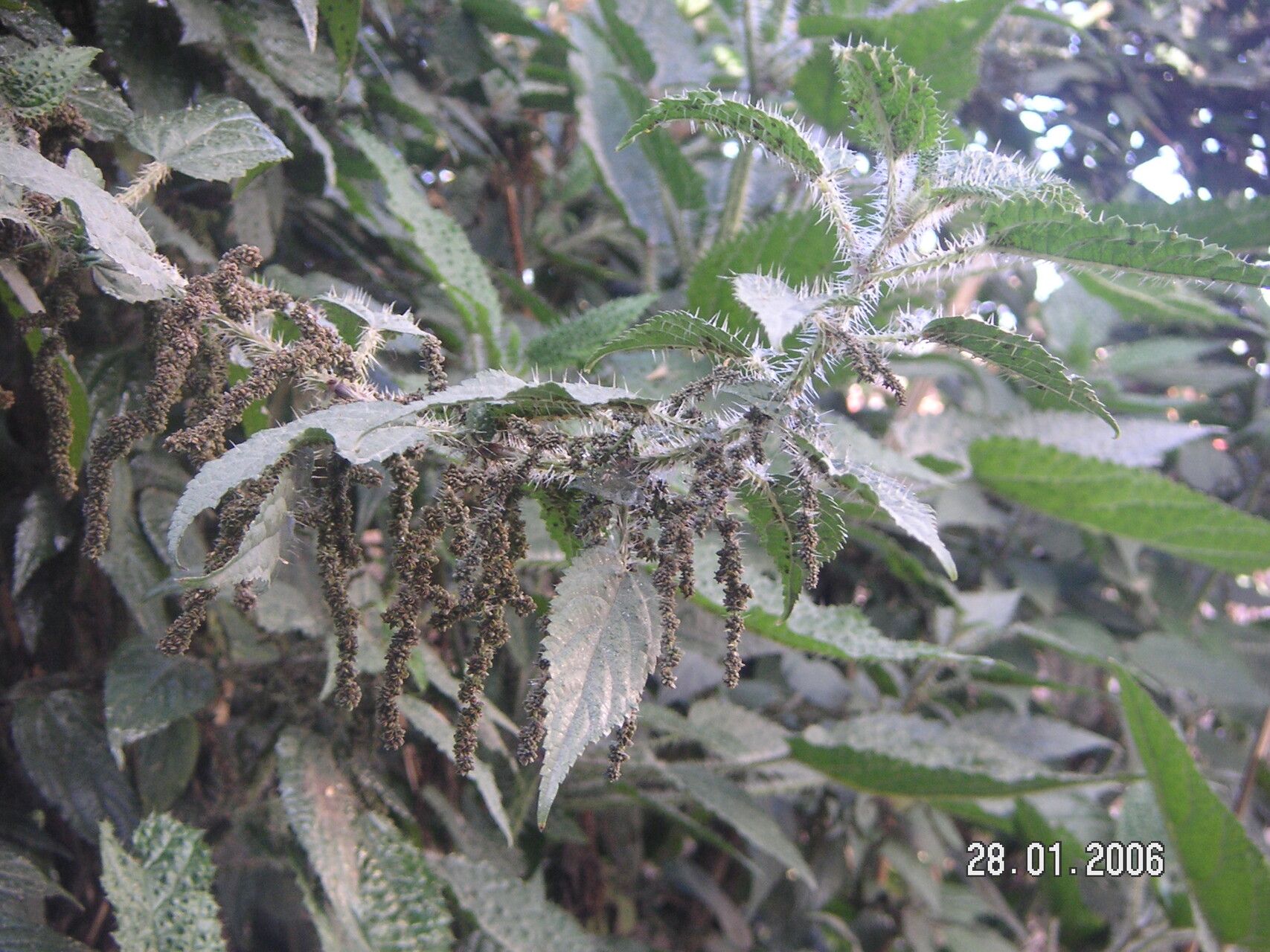
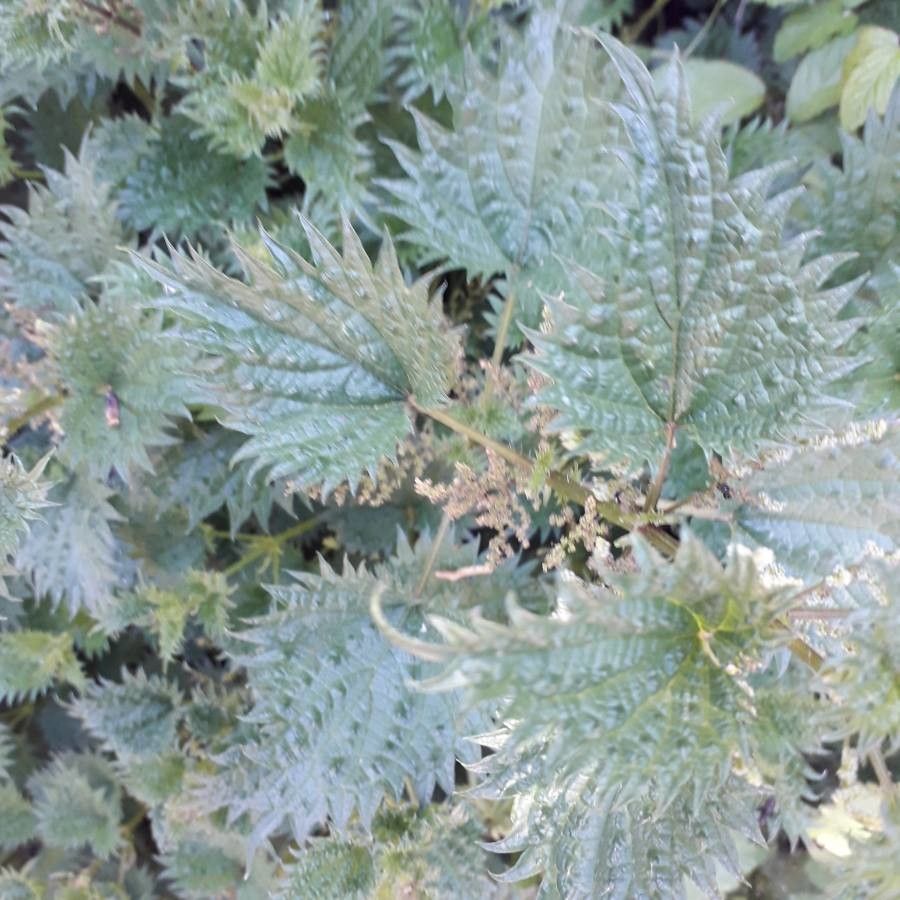
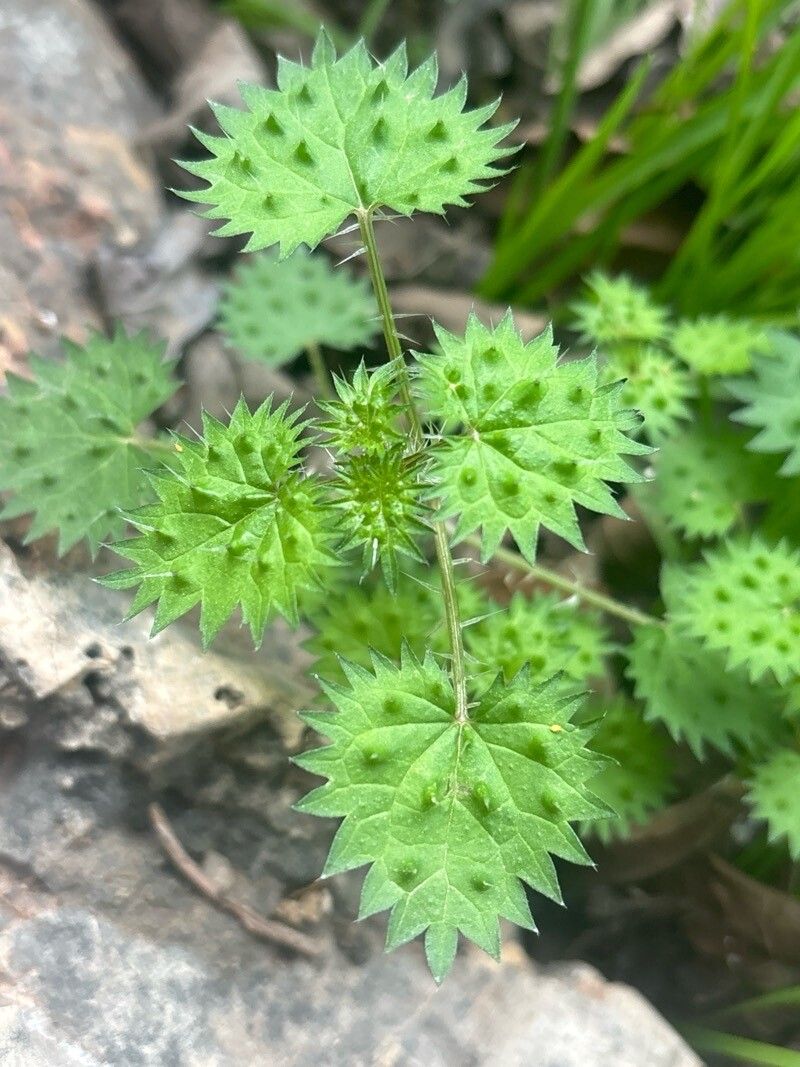
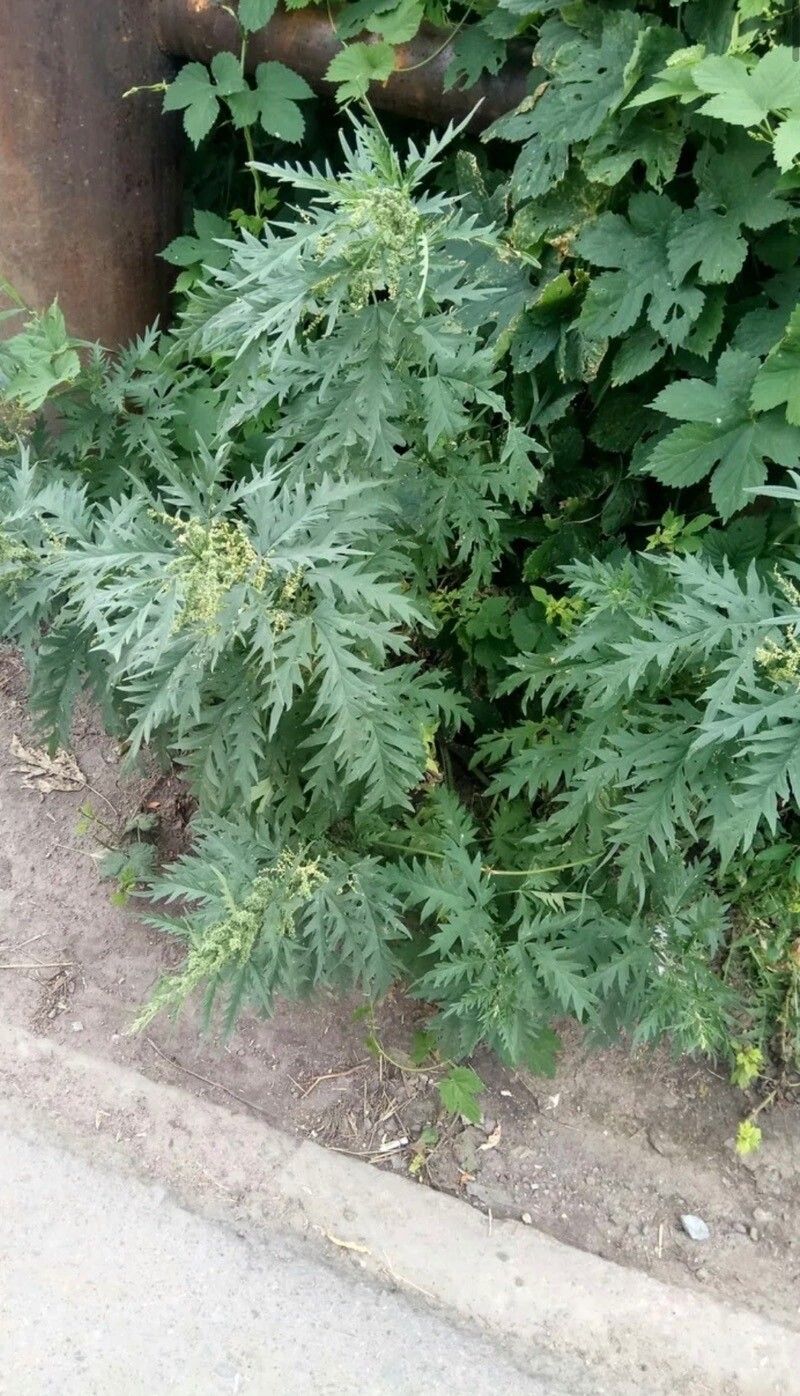
Urtica gracilis, commonly known as the slender nettle, tall nettle, or American stinging nettle, is a perennial plant without woody stems that is well known for the unpleasant stinging hairs on its leaves and stems. It is native to much of the North American continent from Guatemala northwards and temperate areas of South America. It is easily confused with the visually very similar Eurasian species Urtica dioica and is still listed in some resources as a subspecies of this plant. However, genetic analysis and experiments show that they are genetically distinct.
California nettle has good disease resistance and is generally not prone to illnesses. However, it can be affected by pests and diseases present in its surroundings. These infections are usually not serious. In terms of care, this plant requires moderate maintenance. It needs regular pruning to maintain a good appearance and healthy growth. Fertilization can also help encourage flowering. California nettle is suitable for anyone with an outdoor space, such as a garden or patio, and does not require a lot of care experience. It may need more attention when grown indoors.
How to keep Urtica Gracilis.
Light
California nettle naturally grows in habitats like forest understories or rocky sites, where it receives natural shade. It prefers partial sun but can adapt to full sun or full shade, showing its hardy, versatile nature.
Temperature
California nettle can tolerate a broad range of temperatures, but its distribution may still be constrained by varying combinations of moisture and heat. It performs best in warm summer climates with sufficient rainfall or watering. Extended periods of cloudy, rainy weather or prolonged high temperatures increase the risk of the plant dying. In winter, protecting it from cold can raise its chances of survival.
Fertilizer
A single application of fertilizer in spring is generally enough for California nettle, although several feedings can enhance growth. Fertilize about once every month to six weeks. Feeding improves the leaves' appearance and function, helping maintain even color and a healthy texture. It also encourages root development and nutrient uptake for the plant's long-term health.
Botanical profile.
- Plant Type
- Herb
- Life Cycle
- Perennial
- Genus
- Urtica
- Family
- Urticaceae
- Hardiness Zone
- 3-8
- Mature Height
- 0.49 m to 2.13 m
- Mature Spread
- 30 cm to 61 cm
- Leaf Color
- Green, Dark Green
- Leaf Type
- Deciduous
- Flower Color
- White, Yellow, Green
- Flower Size
- 0.10 cm to 0.20 cm
- Bloom Time
- Summer
- Planting Time
- Autumn, Winter
- Harvest Time
- Late summer, Early fall, Mid fall
Other names.