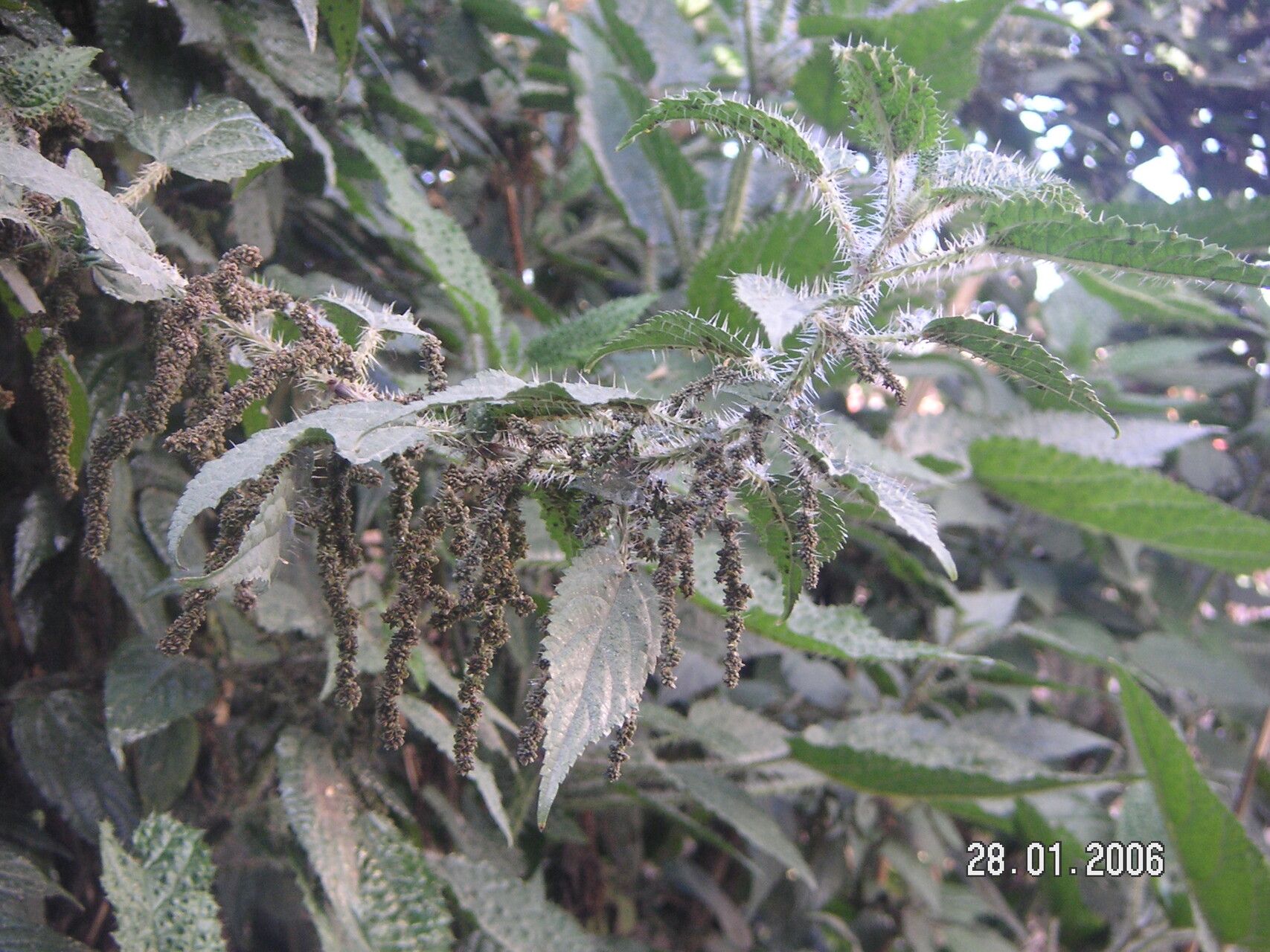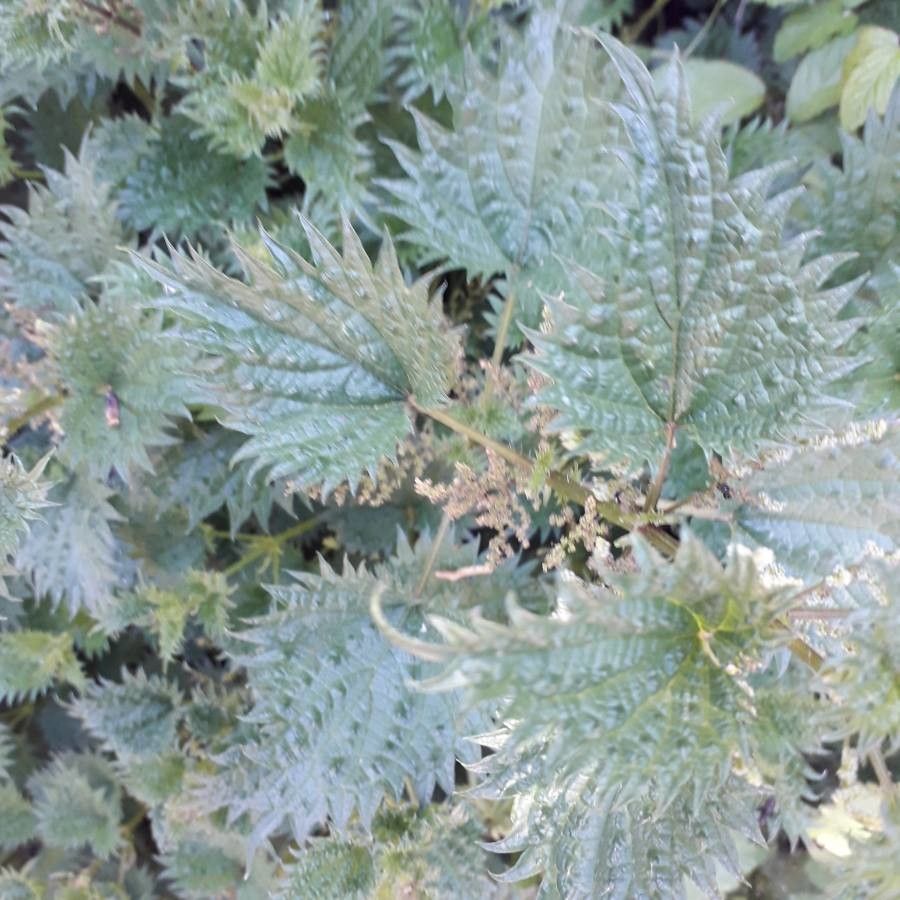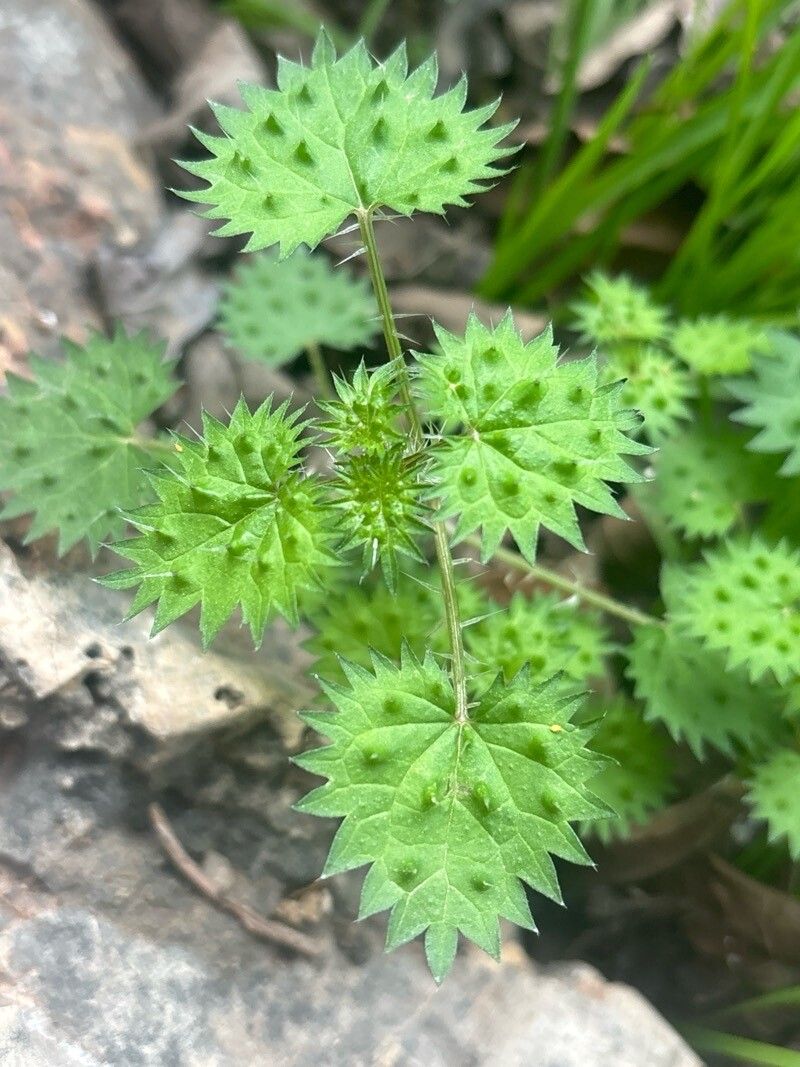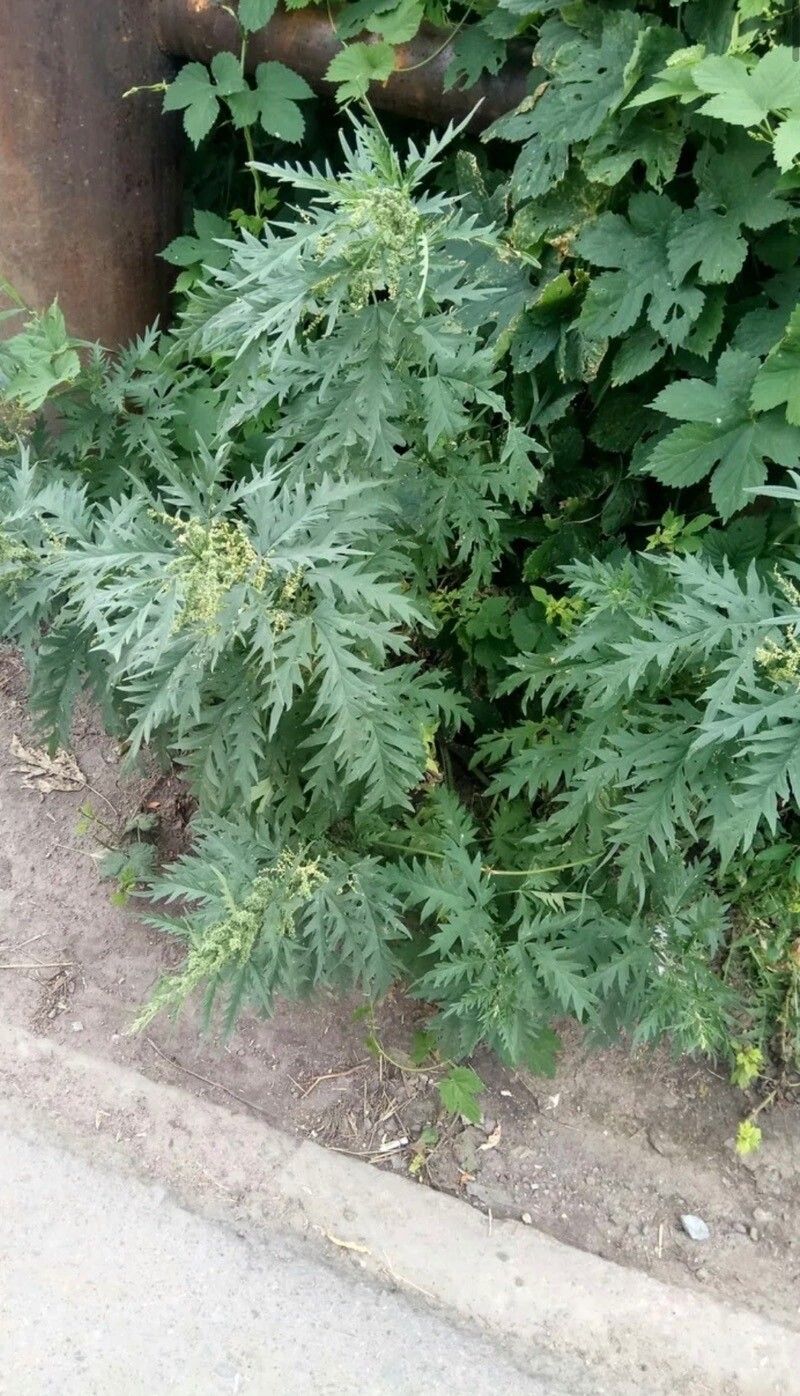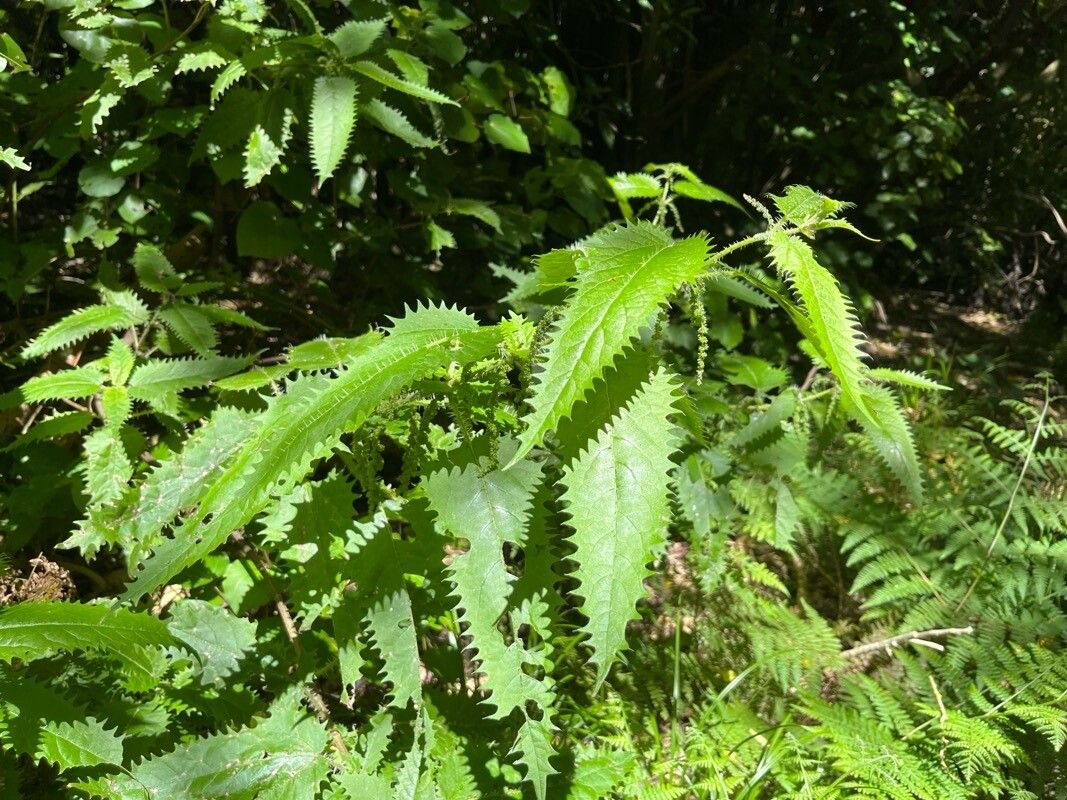
Urtica ferox, commonly known as tree nettle and ongaonga, is a species of nettle endemic to New Zealand. A member of the Urticaceae, U. ferox is covered in spines or trichomes, which contain numerous toxins that are poisonous to humans. U. ferox is a large woody shrub that can grow to a height of 3 metres, with the base of the stem reaching 12 cm (5 in) in thickness. Its large spines can result in a painful sting that can last several days or weeks, and has even resulted in one recorded human death. U. ferox is found throughout New Zealand.
Tree nettle resists disease well and is generally unlikely to suffer from illnesses. Care-wise, this plant is relatively low-maintenance. Planted outdoors, it needs only minimal watering, and larger specimens typically do not require pruning. Smaller plants, however, should be trimmed after they have finished blooming. Tree nettle is appropriate for anyone with an outdoor area, such as a garden or deck, and does not need extensive care experience.
How to keep Urtica Ferox.
Light
Tree nettle does best in locations where it receives unobstructed sunlight all day. It does not have a specific tolerance for different light levels, and sunlight is crucial for its nourishment and strong growth. Its natural habitat also features plentiful sunlight. Too much or too little sunlight can negatively affect its growth.
Water
Tree nettle, a plant native to regions with moderate humidity, is surprisingly drought-tolerant. It generally requires watering only every 2-3 weeks. In temperate climates, when grown outdoors, the tree nettle synchronizes its growth cycle with the seasonal rainfall. This helps it to maintain a balance between moisture retention and dryness.
Temperature
Tree nettle originates from temperate regions and does well in temperatures of 59 to 100 °F (15 to 38 ℃). To remain healthy year-round, alter its sunlight exposure to accommodate moderate temperature fluctuations.
Fertilizer
To encourage healthy development, apply fertilizer to your Tree nettle in early spring. Consistent feeding boosts its overall health, producing strong growth, better tolerance of challenging conditions, and enhanced resistance to diseases and pests. Follow a regular fertilization routine for your Tree nettle to keep the foliage vivid with deep color and a full, lush look.
Pruning
To promote healthier growth, enhance structural integrity, and improve the appearance of tree nettles, it is best to prune them in early spring. This timing helps to remove dead branches and improve air circulation, which minimizes the risk of disease. Regular pruning techniques can greatly benefit the overall health of the plant.
Botanical profile.
- Plant Type
- Shrub
- Life Cycle
- Perennial
- Genus
- Urtica
- Family
- Urticaceae
- Hardiness Zone
- 8-11
- Mature Height
- 3.05 m
- Mature Spread
- 2.13 m
- Leaf Color
- Dark Green
- Leaf Type
- Deciduous
- Flower Color
- White
- Flower Size
- 0.10 cm to 0.20 cm
- Bloom Time
- Mid fall, Late fall, Early winter
- Planting Time
- Winter, Spring
- Harvest Time
- Winter
- Native Area
- New Zealand