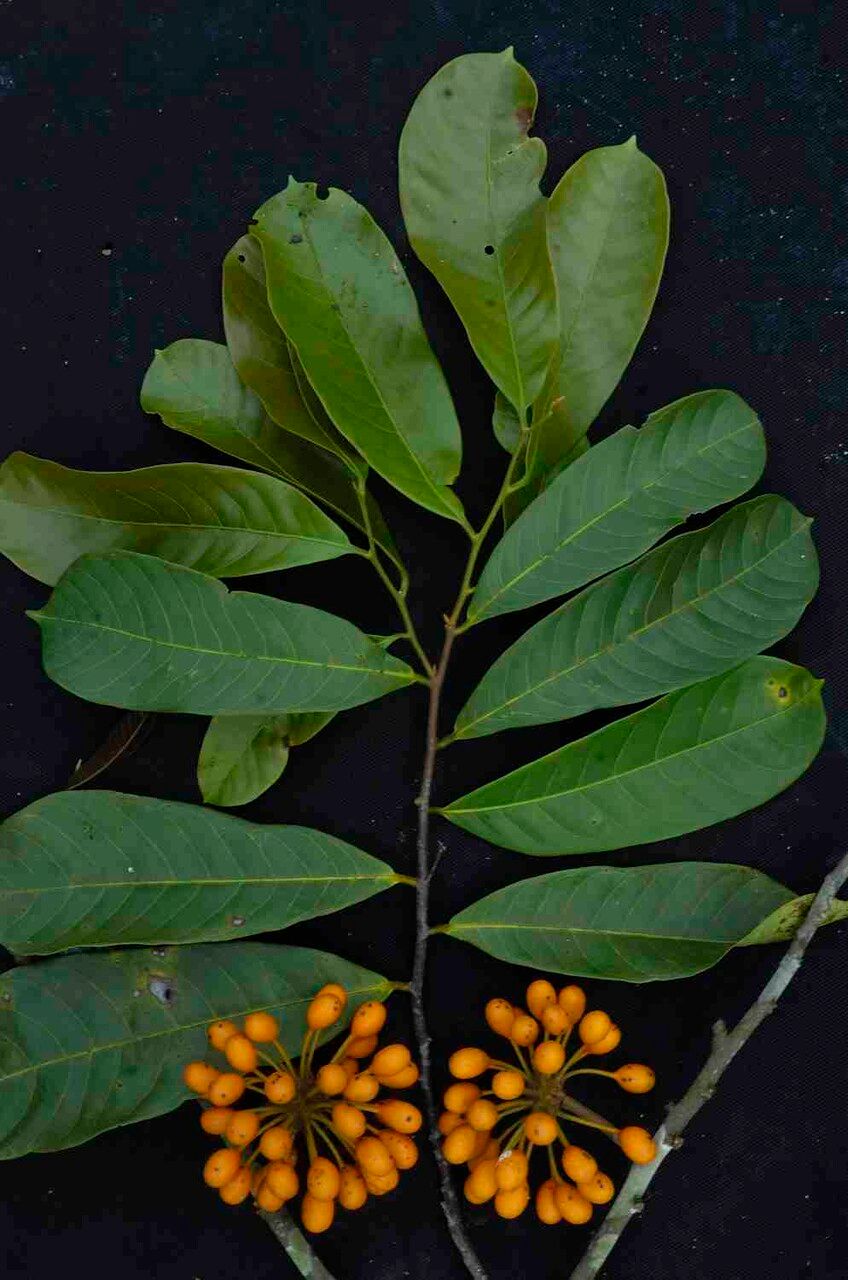
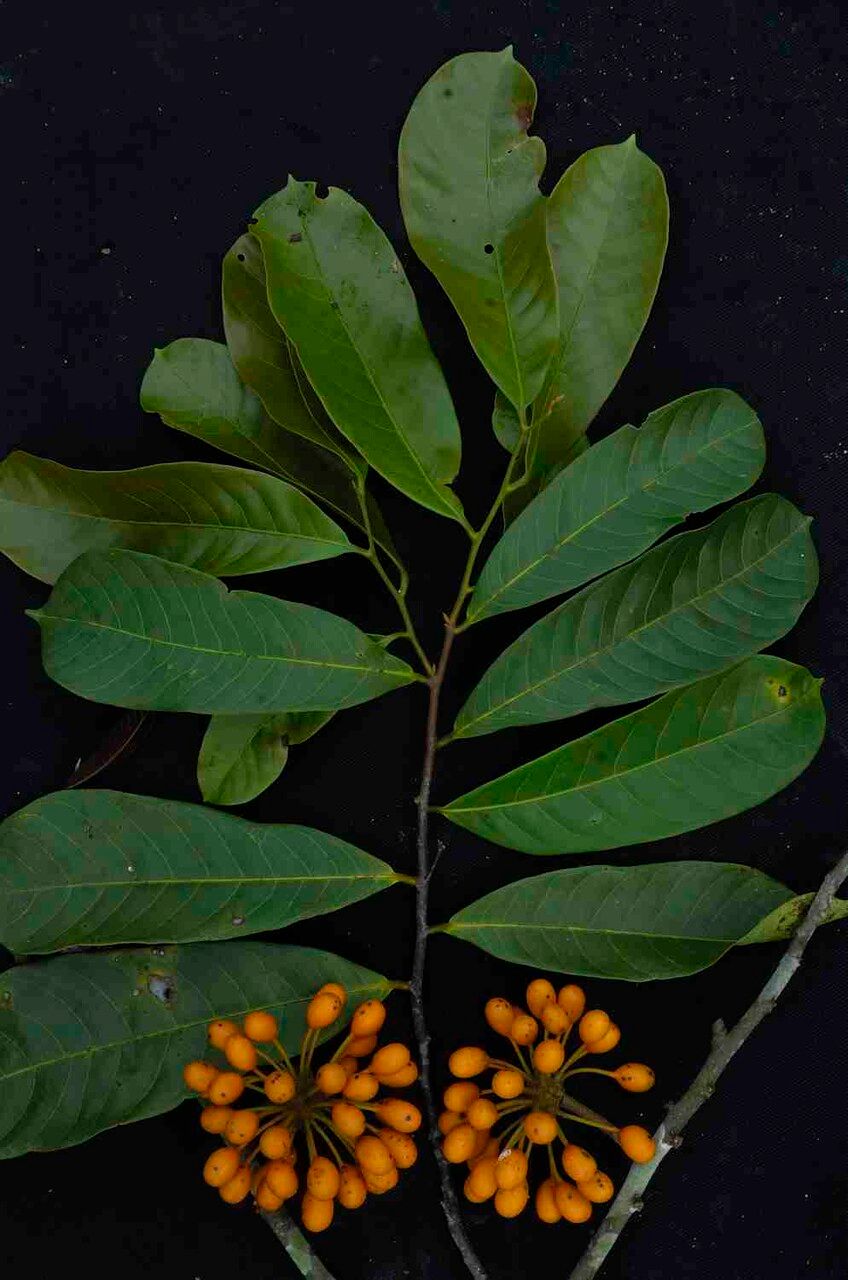
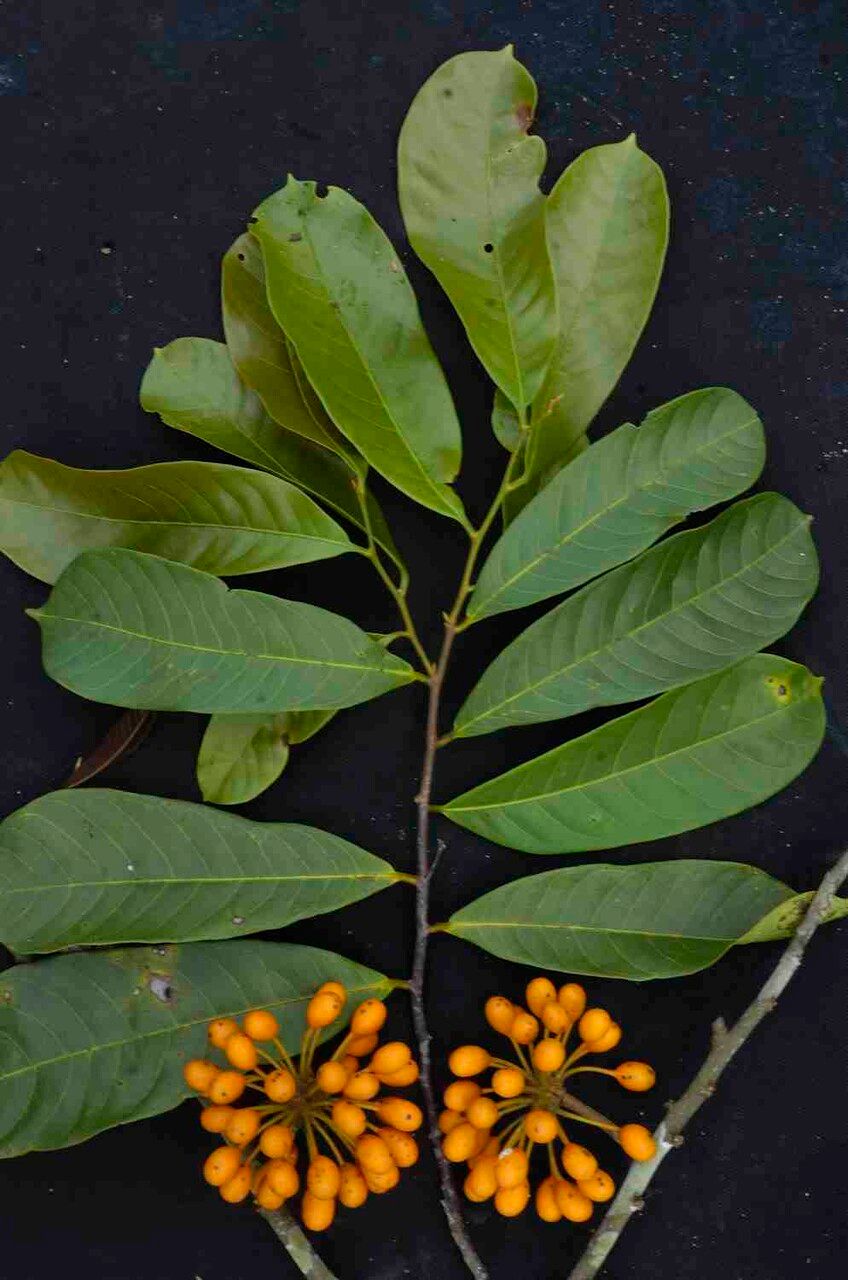
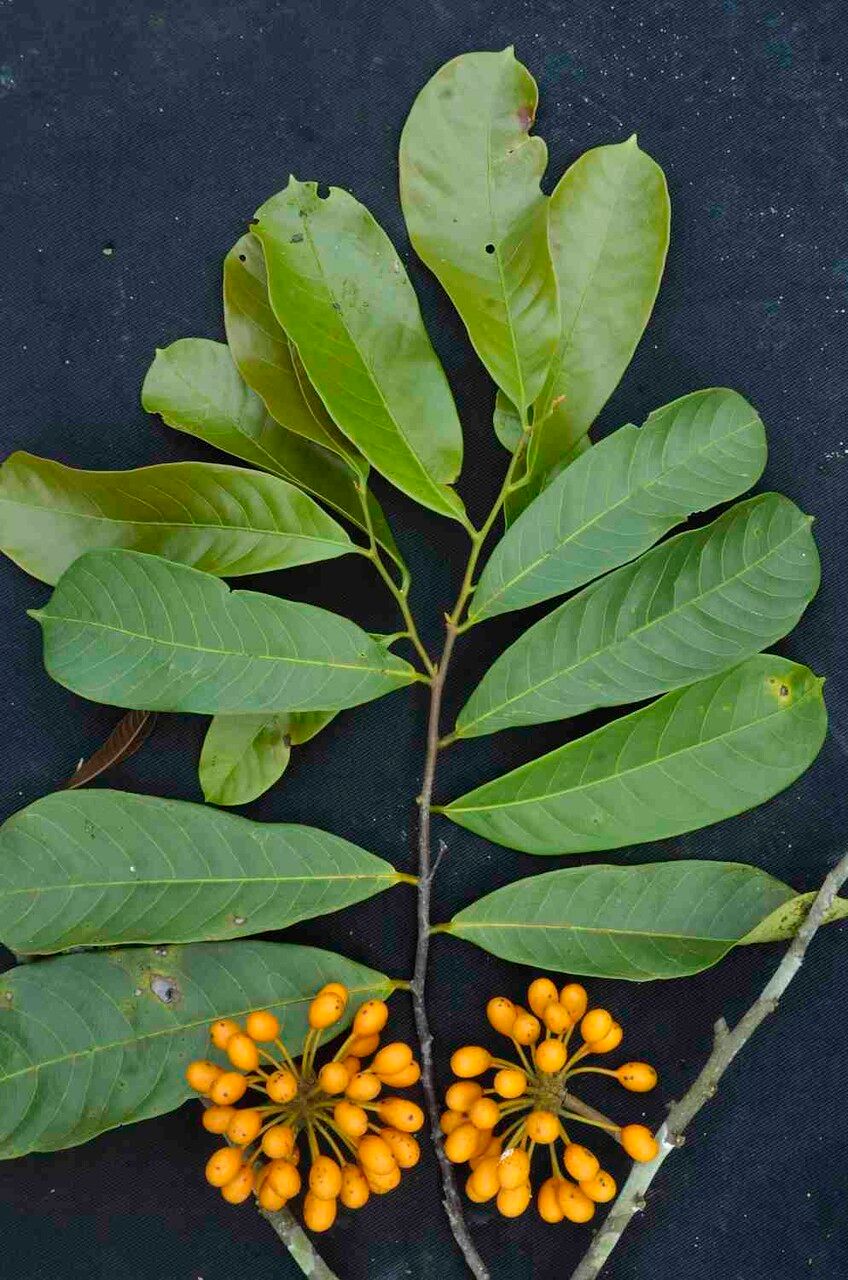
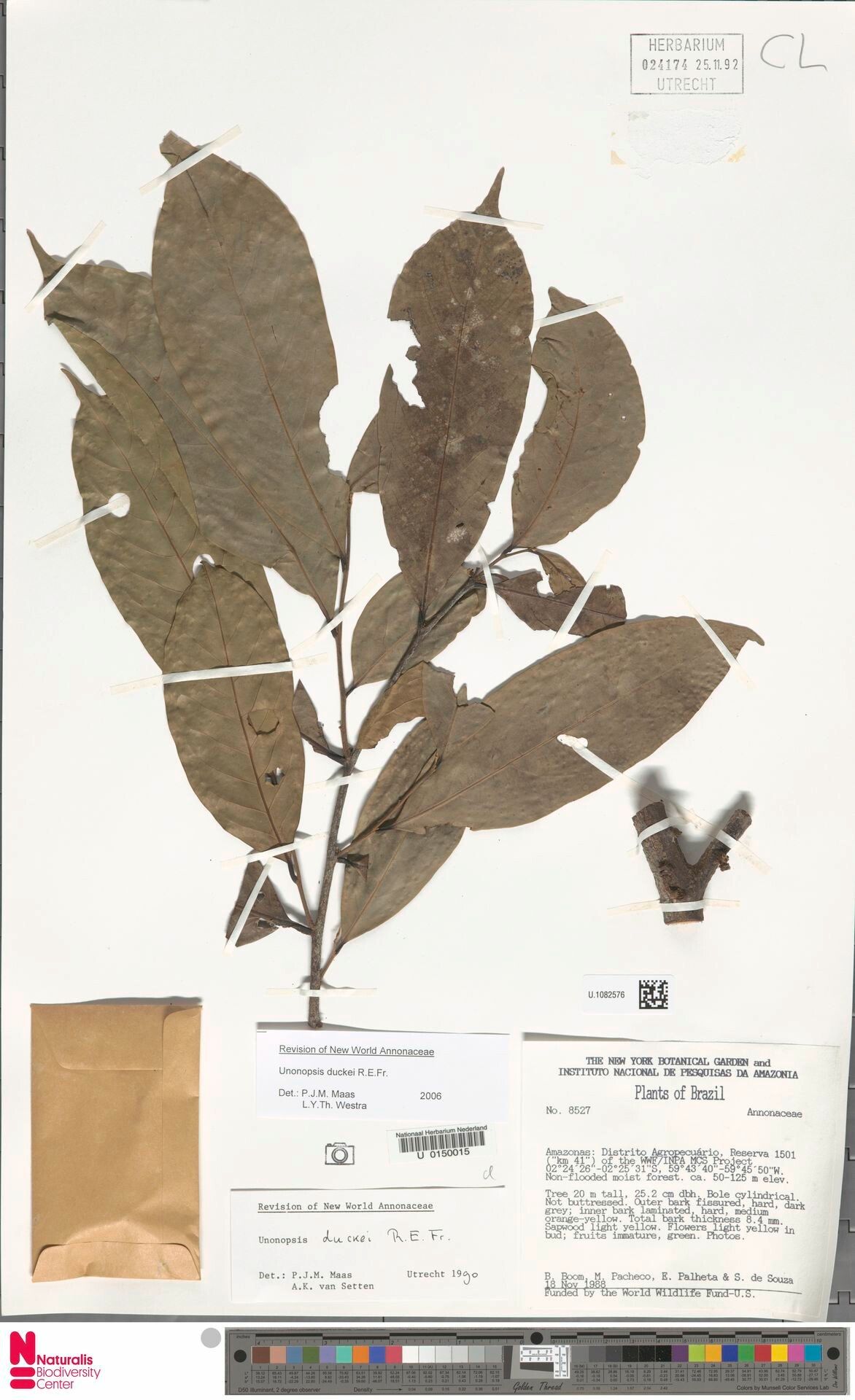
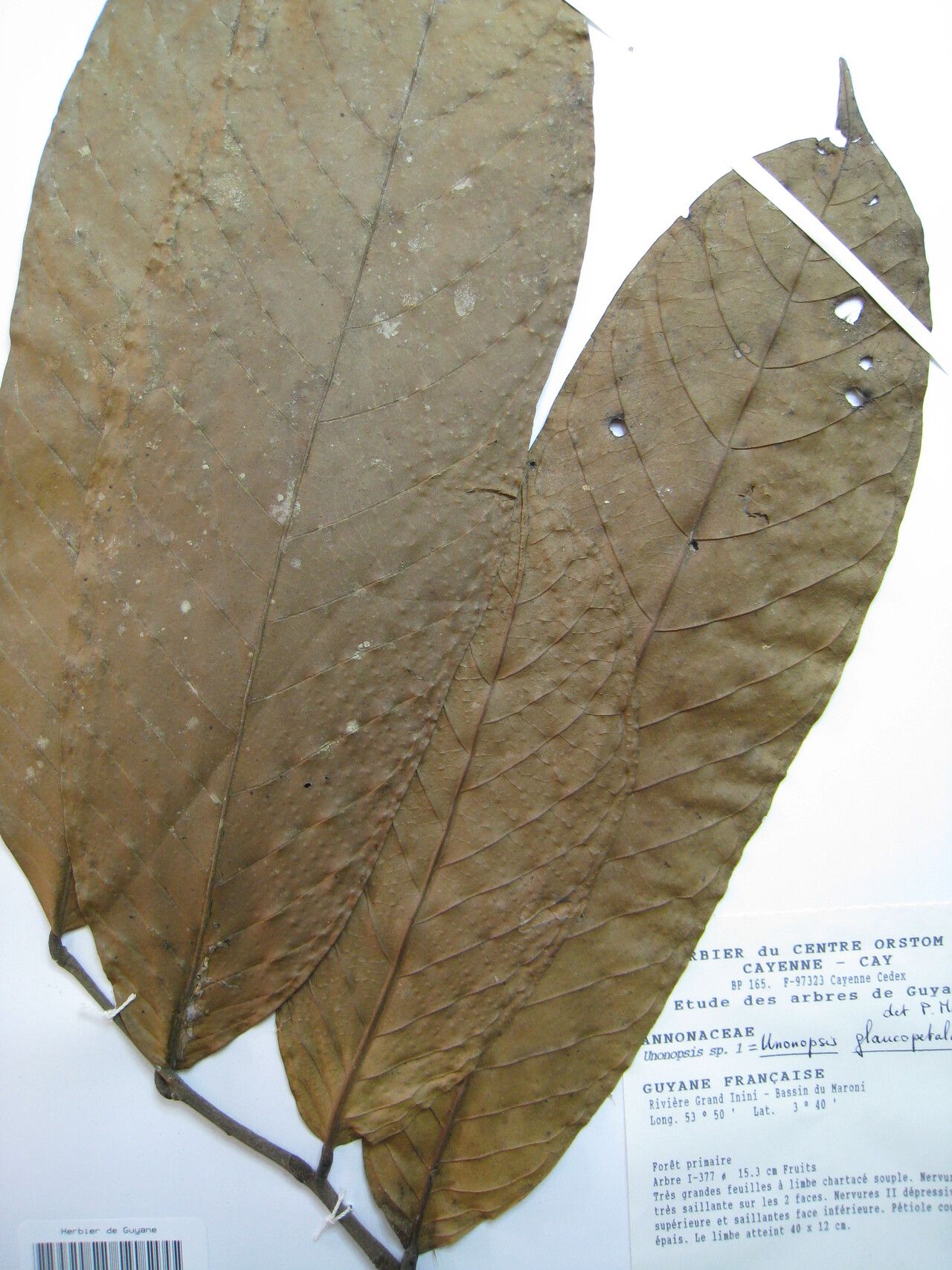
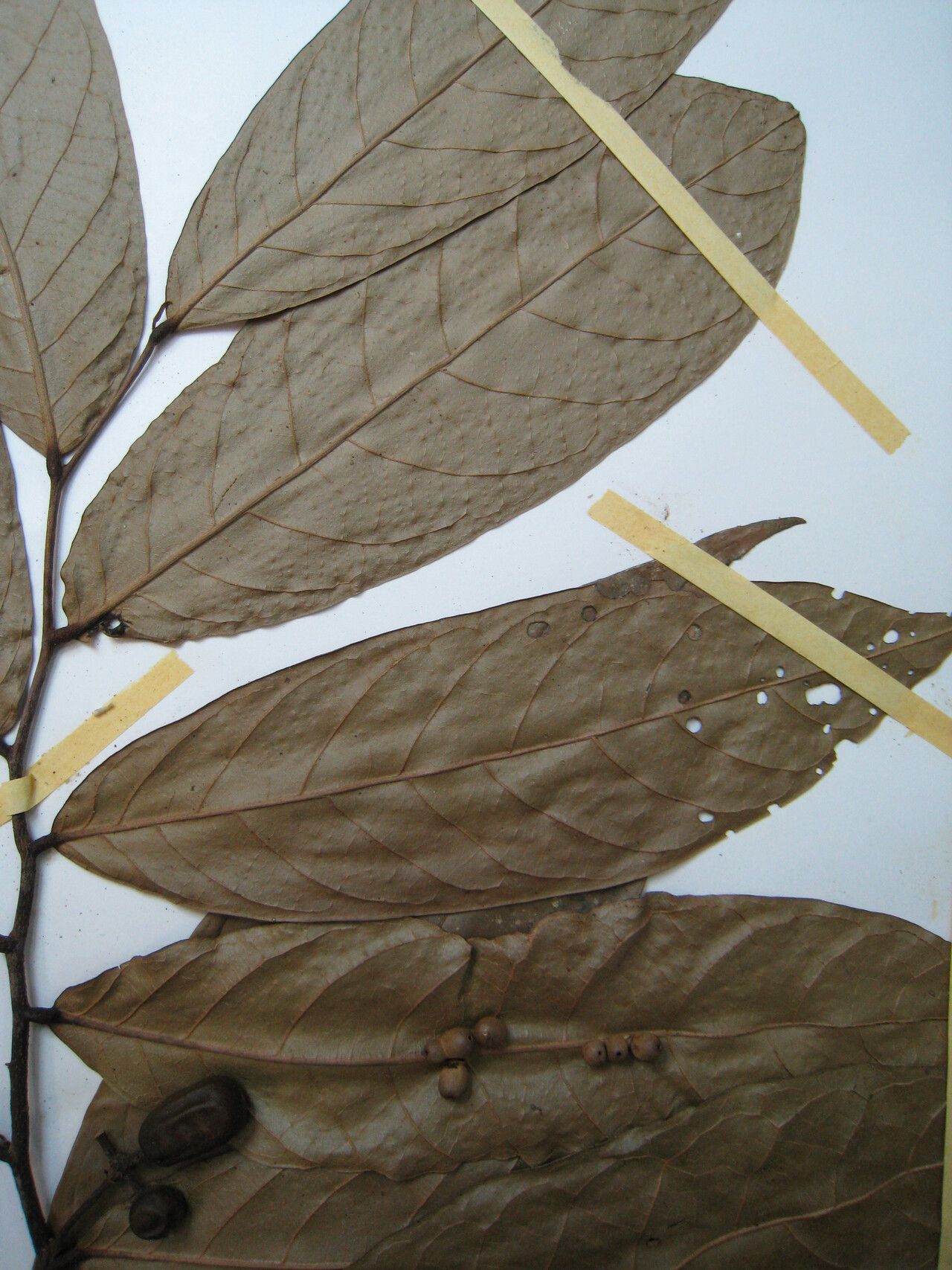
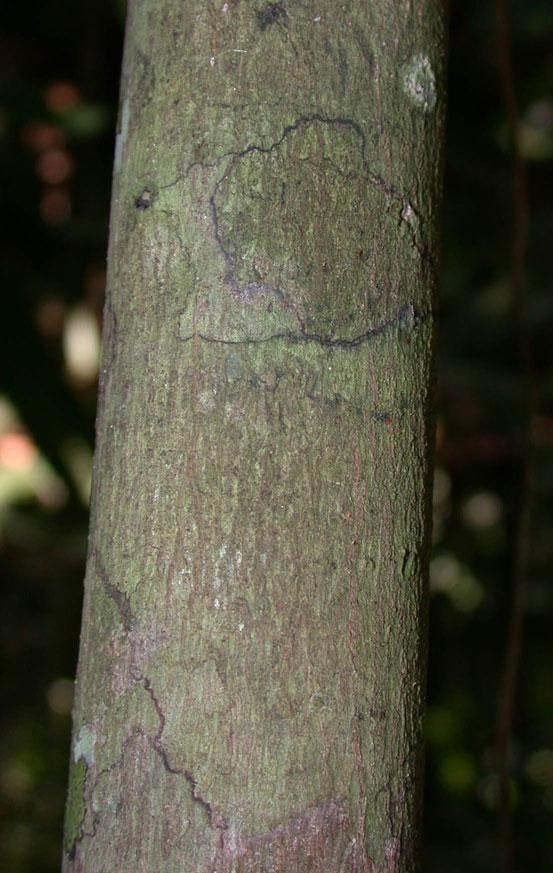
Unonopsis stipitata has good resistance to disease and is generally not susceptible to illnesses. Regarding care, this plant is fairly low maintenance. When grown outdoors it needs minimal watering, and larger plants usually do not require pruning. Smaller plants, however, should be pruned after they have finished blooming. Unonopsis stipitatat is suitable for anyone with an outdoor area, such as a garden or deck, and does not demand extensive plant care experience.
How to keep Unonopsis Stipitata.
Light
Unonopsis stipitata occurs naturally in settings such as forest understories or rocky areas, where it is exposed to natural shade. It prefers partial sun but can adjust to full sun or full shade, illustrating its versatile and hardy nature.
Water
Unonopsis stipitata thrives in environments with high humidity and consistent moisture. It prefers soil that is evenly moist, although it can tolerate short periods of dryness. Water the plant every 2-3 weeks, allowing the soil to dry out slightly between waterings. To promote healthy growth, especially during active growth periods, try to mimic its natural habitat as closely as possible.
Temperature
Unonopsis stipitata comes from tropical areas, where the climate is generally warm and humid. Consequently, it is well-suited to high temperatures and humidity. It does not tolerate sudden temperature changes and prefers a steady temperature environment, so avoiding temperature fluctuations indoors is important. It usually cannot endure cold temperatures and needs warmer conditions for growth. If the surrounding temperature falls too low, the plant may stop growing or even die.
Fertilizer
Fertilizing is essential for caring for Unonopsis stipitata. Regular nutrient applications during the growing season maintain the energy required for its showy leaves and encourage overall growth. If fertilization is neglected, leaves can become unhealthy, the plant’s ornamental value can decline, and growth may be stunted or weak and prone to breaking.
Pruning
Unonopsis stipitata thrives when it undergoes structured pruning during its dormant phase, ideally from early to late winter. Key techniques include removing damaged branches, thinning to improve airflow, and shaping the plant. Regular pruning encourages vigor and disease resistance, enhancing the plant's overall appearance and health.
Botanical profile.
- Plant Type
- Tree, Shrub
- Life Cycle
- Perennial
- Genus
- Unonopsis
- Family
- Annonaceae
- Hardiness Zone
- 10-12
- Mature Height
- 4.88 m to 10.06 m
- Mature Spread
- 2.13 m to 3.96 m
- Leaf Color
- Dark Green
- Leaf Type
- Evergreen
- Flower Color
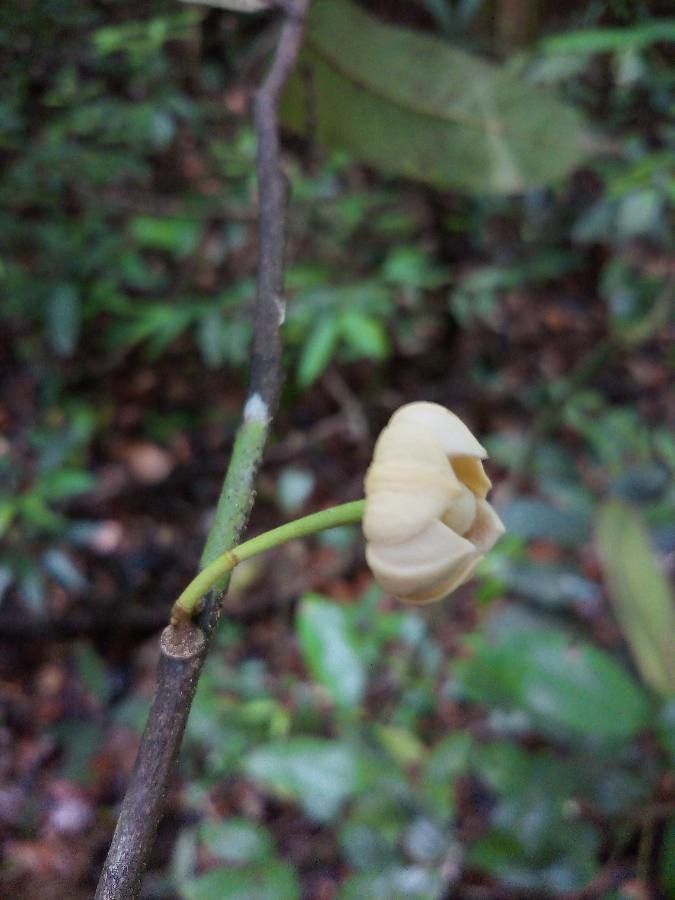
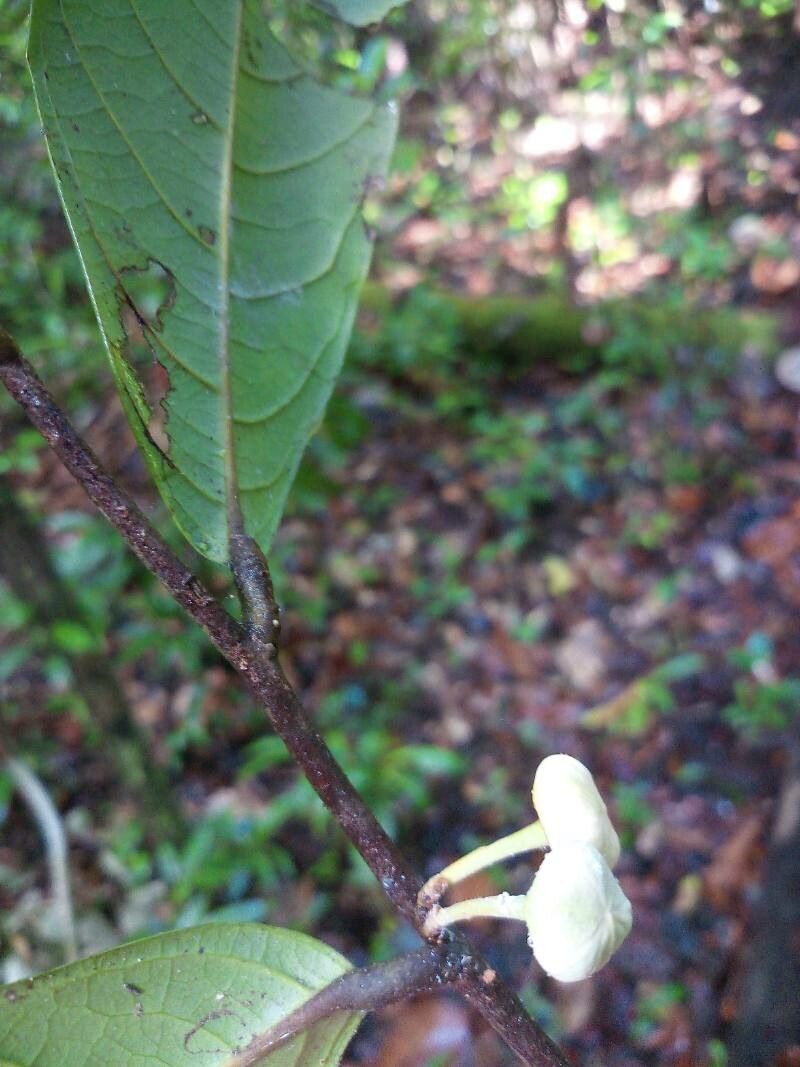
- Cream
- Flower Size
- 1.02 cm to 2.03 cm
- Bloom Time
- Late spring, Summer
- Planting Time
- Spring, Summer, Autumn
- Harvest Time
- Late summer, Fall
- Native Area
- Colombia, Venezuela, Peru, Guyana, Brazil
Reader questions.
What are the sunlight requirements for Unonopsis stipitata?
Unonopsis stipitata thrives in conditions ranging from partial sun to full shade. Partial sun entails about 3-6 hours of sunlight, while full sun is above 6 hours of daily sunlight. Notably, this plant is native to forest understories or rocky areas, indicating an adaptation to natural shade. Regardless of your garden's light conditions, it's vital to observe the movement of sunlight through your garden to select the ideal spot that ensures the plant's wellbeing, achieving a perfect balance of light and shade.
How can artificial lighting support Unonopsis stipitata indoors?
When natural sunlight is insufficient, especially during winter or in spaces with less exposure to sunshine, artificial lighting becomes crucial for the growth of indoor plants like Unonopsis stipitata. LED lights are recommended due to their capability to simulate the specific wavelengths needed by plants. Full sun plants require 30-50W/sq ft, partial sun plants 20-30W/sq ft, and full shade plants 10-20W/sq ft of artificial light. The light source should be placed 12-36 inches above the plant, mimicking natural sunlight as closely as possible, with 8-12 hours of light per day being ideal for most plant species.
What are the symptoms of light deficiency or overexposure in Unonopsis stipitata?
Unonopsis stipitata may exhibit various symptoms due to light deficiency or overexposure. Symptoms of insufficient light include smaller new leaves, leggy or sparse growth, faster leaf drop, slower or no new growth, lighter-colored new leaves indicating a lack of chlorophyll, and potential chlorosis where leaves lose their green color. Overexposure to sunlight can lead to sunscald, leaf curling as a defense against excessive light, wilting due to increased water loss, and leaf scorching characterized by brown, dry, and crispy leaf edges.
What solutions can help optimize light conditions for Unonopsis stipitata?
To optimize light conditions for Unonopsis stipitata, gradual adaptation to changing light conditions is crucial. For indoor plants that cannot be easily moved or are too large, use artificial light sources such as desk or ceiling lamps for at least 8 hours daily, or consider professional grow lights. Outdoor plants should be moved gradually to sunnier locations to avoid sunburn. Reducing obstructions, like pruning trees, or transplanting to a sunnier location with good drainage during the plant's dormant period, can also enhance light exposure. It's important to note that while parts of the plant that suffered from insufficient light may not recover, new growth will be healthy once light conditions improve.