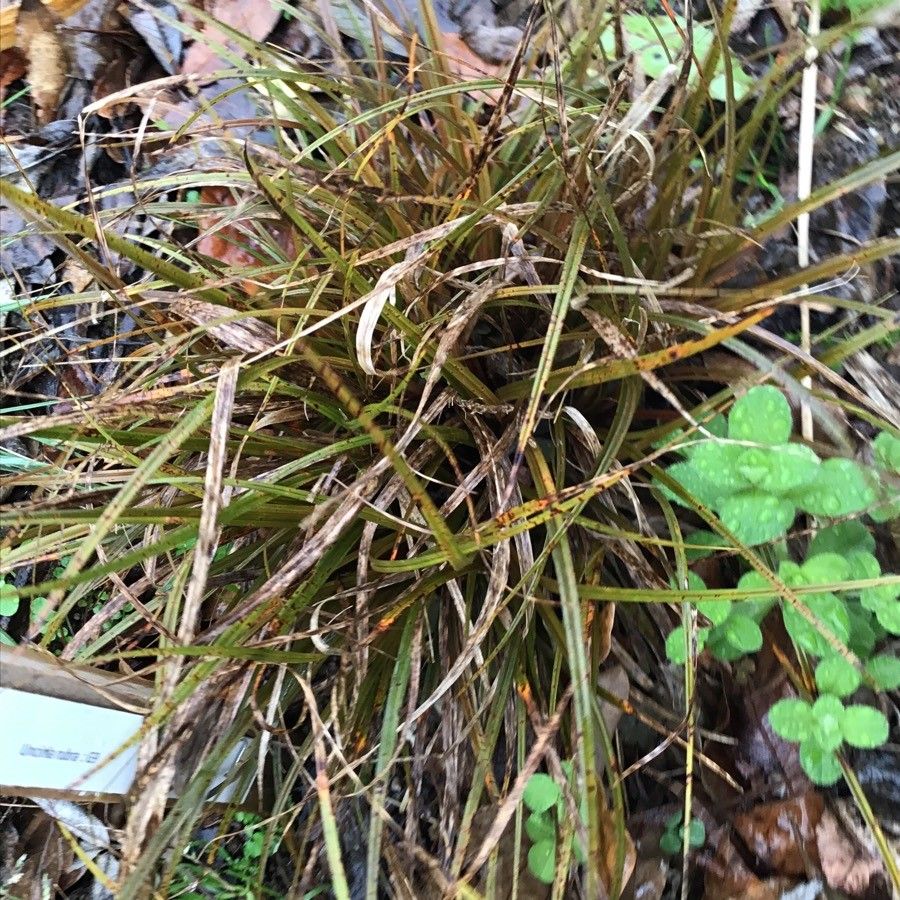
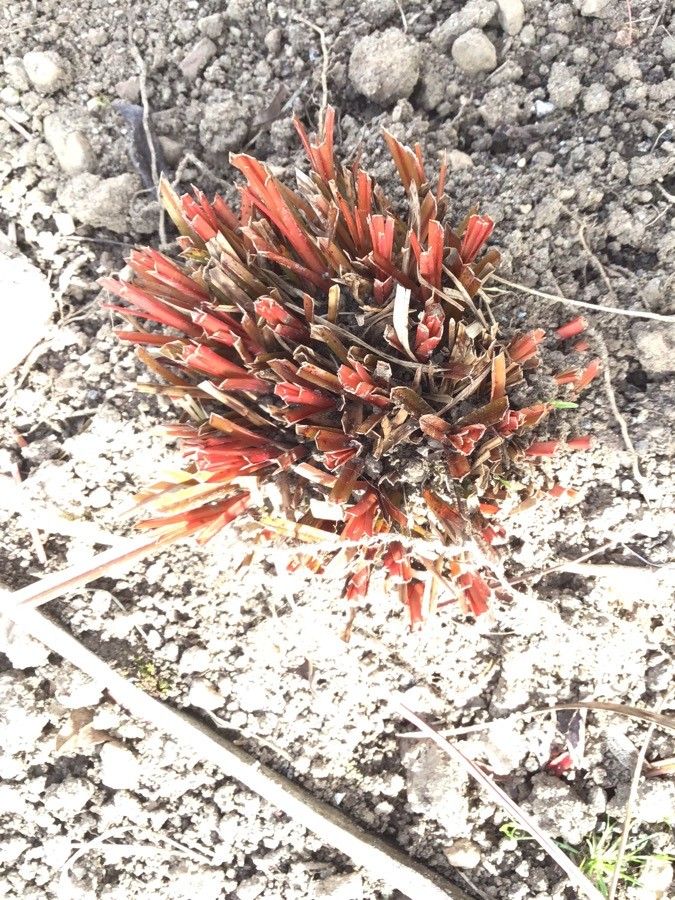
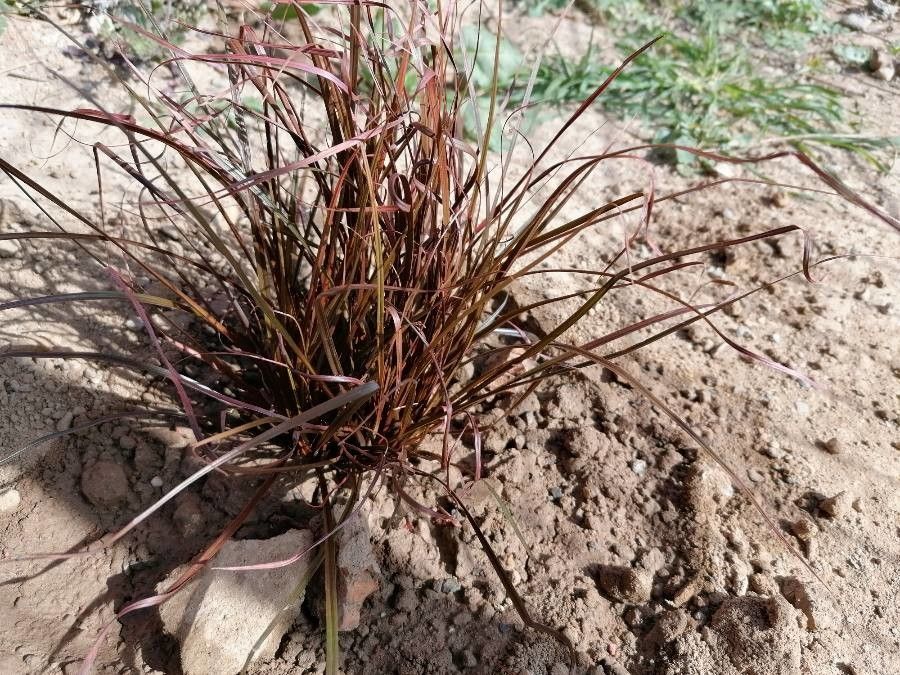
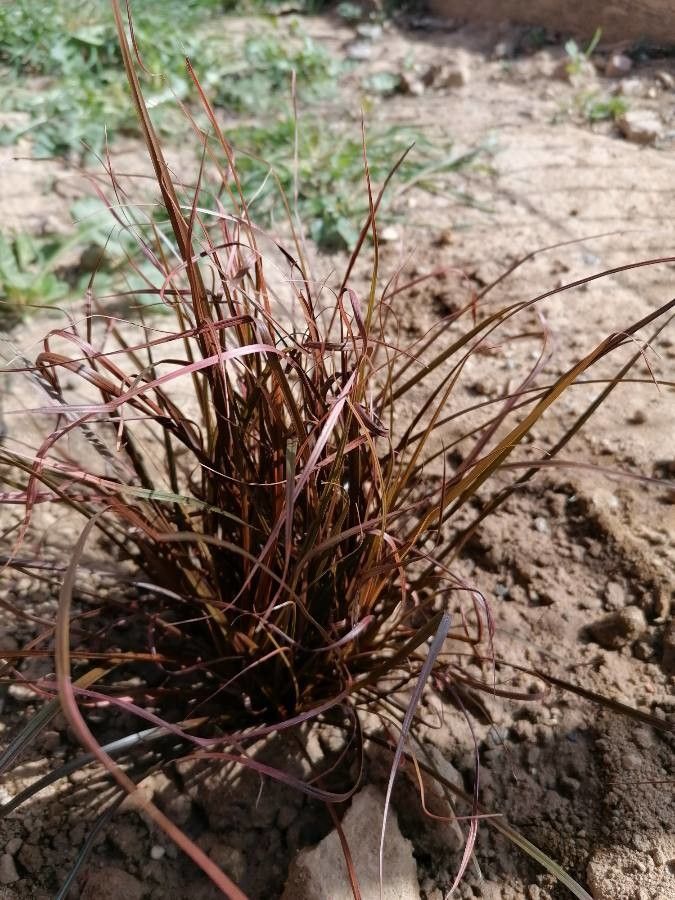
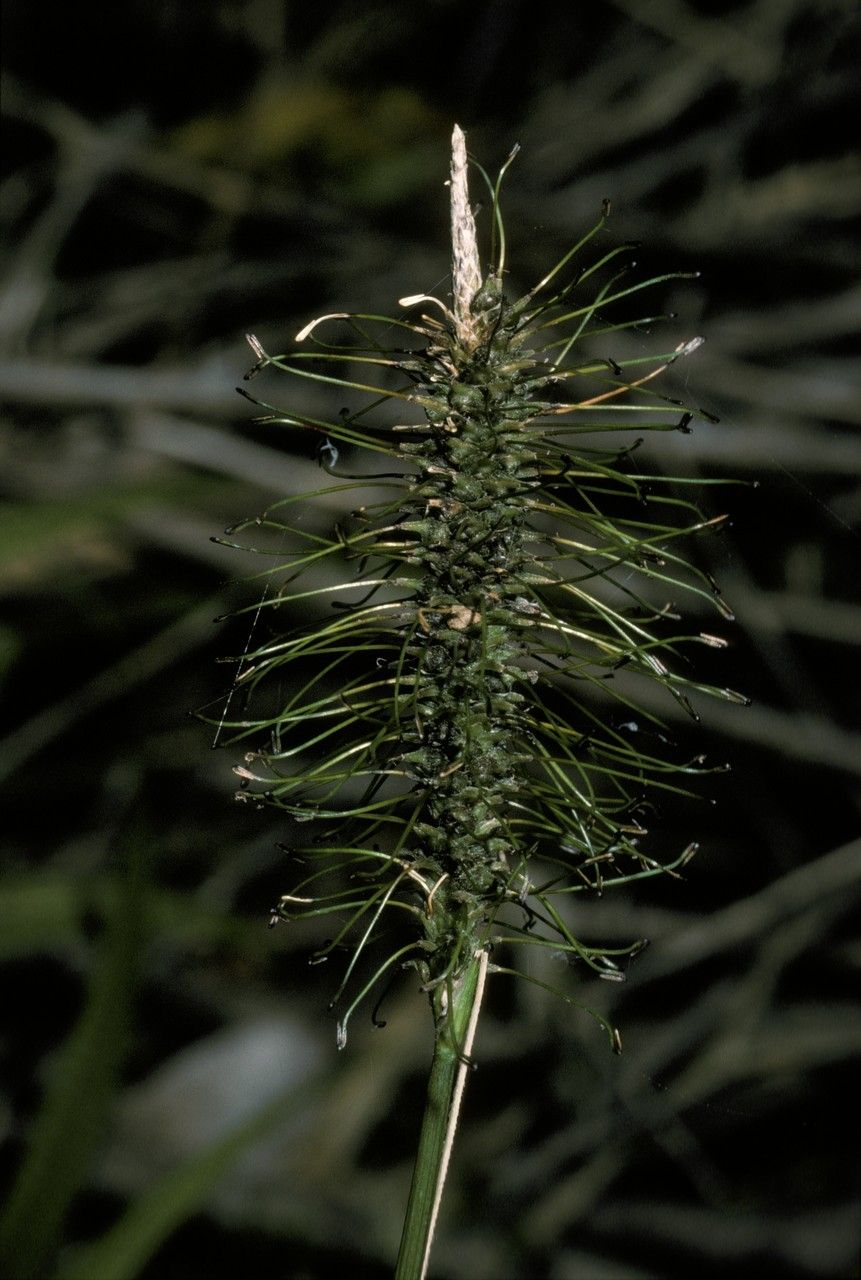
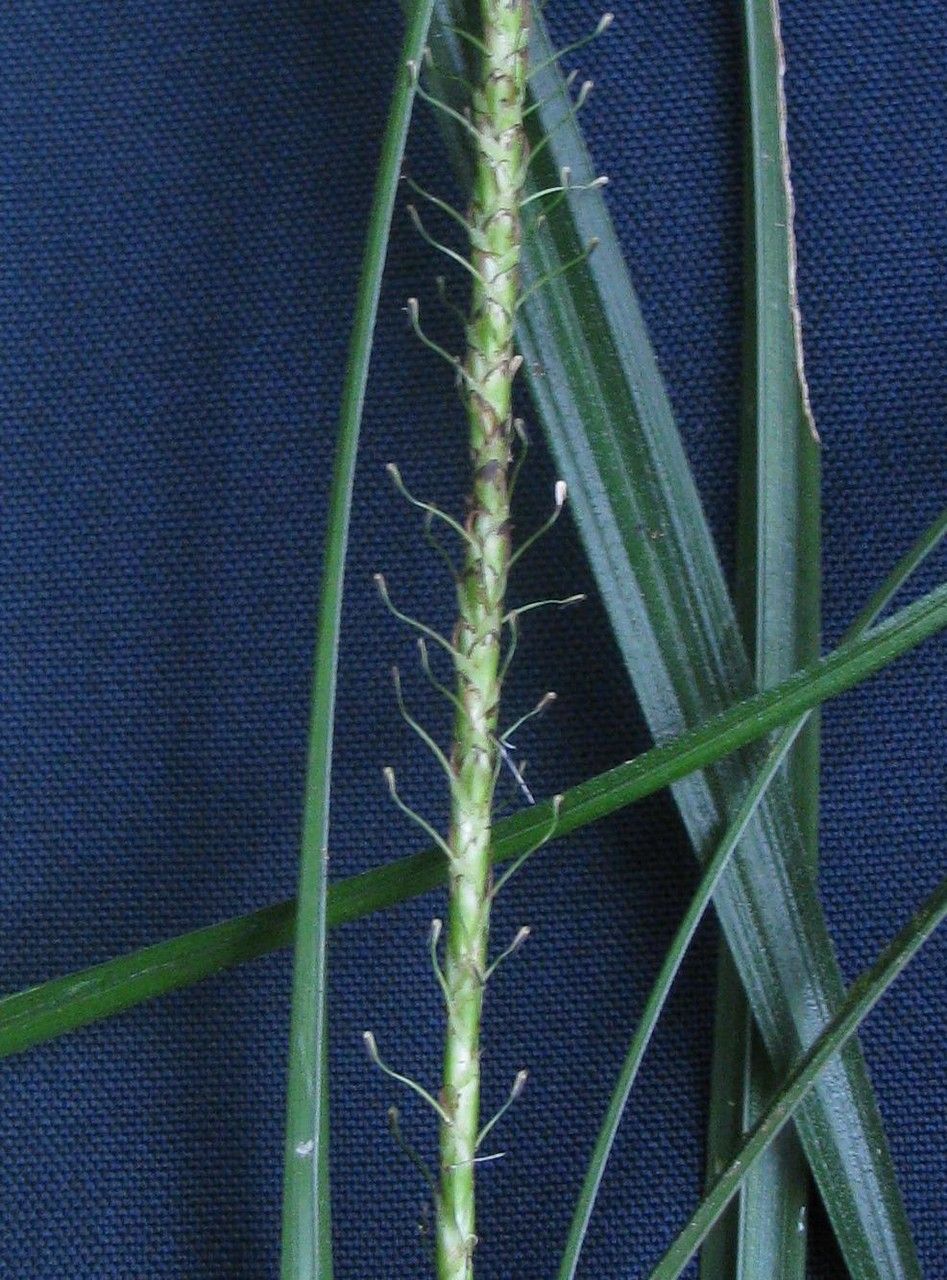
Uncinia rubra, commonly known as red hook sedge or red-leaved hook sedge, is a perennial, grass-like plant in the Cyperaceae family. Native to New Zealand, it thrives in wetlands, bogs, and along stream banks.
This plant features striking reddish-brown leaves that grow in clumps up to 30 cm tall. The leaves are narrow and pointed, with a distinctive curl at the tip resembling a fishhook or shepherd's crook. In summer, Uncinia rubra produces small, brownish-red flowers on spikes that rise above the foliage.
Uncinia rubra is an easy-to-grow plant that prefers moist soil but can tolerate some drought once established. It thrives in full sun to partial shade and makes an excellent addition to rock gardens or as an accent plant in borders.
The unique shape of its leaves makes Uncinia rubra stand out among other grasses, adding interest to any garden design. Its hardiness also makes it suitable for use as ground cover on banks or slopes where erosion control is needed.
Overall, Uncinia rubra is a low-maintenance ornamental grass with striking foliage, adding texture and interest wherever it's planted!
Frost flat hook grass displays good resistance to disease and is generally not vulnerable to illnesses. In terms of maintenance, this plant is fairly low-maintenance. When grown outdoors it needs little water, and larger plants typically do not require pruning; smaller plants, however, should be pruned after they have finished blooming. Frost flat hook grass is suitable for anyone who has an outdoor area, such as a garden or a deck, and it does not demand extensive care experience.
How to keep Uncinia Rubra.
Light
Frost flat hook grass naturally occurs in habitats like forest understories or rocky areas, where it grows in natural shade. It prefers partial sun but can tolerate full sun or full shade, demonstrating its hardy and versatile nature.
Temperature
Frost flat hook grass can tolerate a wide range of temperatures, but its distribution may still be limited by different combinations of moisture and heat. It performs best in warm summer conditions with adequate rainfall or irrigation. Extended periods of cloudy, rainy weather, and prolonged high temperatures increase the chance of Frost flat hook grass dying. In winter, protecting it from cold can improve its survival rate.
Fertilizer
Frost flat hook grass needs extra nutrients to encourage healthy new growth. In spring, spreading compost around the base of the plant can effectively supply the nourishment it requires. Fertilizing supports vigorous growth and helps the plant resist diseases and pests.
Pot & Repot
When repotting Frost flat hook grass, pick a pot 1–2 inches (2.5–5.1 cm) larger that provides good drainage. Use a well-draining potting mix. Repot in spring or fall, making sure the root ball sits slightly below the rim of the flower pot. Water thoroughly after repotting and place the pot in a warm spot with indirect sunlight.
Botanical profile.
- Plant Type
- Grass
- Life Cycle
- Perennial
- Genus
- Uncinia
- Family
- Cyperaceae
- Hardiness Zone
- 4-9
- Mature Height
- 30 cm
- Mature Spread
- 30 cm
- Leaf Color
- Dark Green
- Leaf Type
- Evergreen
- Flower Size
- 0.20 cm to 0.51 cm
- Bloom Time
- Mid spring, Late spring
- Planting Time
- Spring, Autumn
- Harvest Time
- Early summer, Mid summer
- Native Area
- New Zealand
Other names.