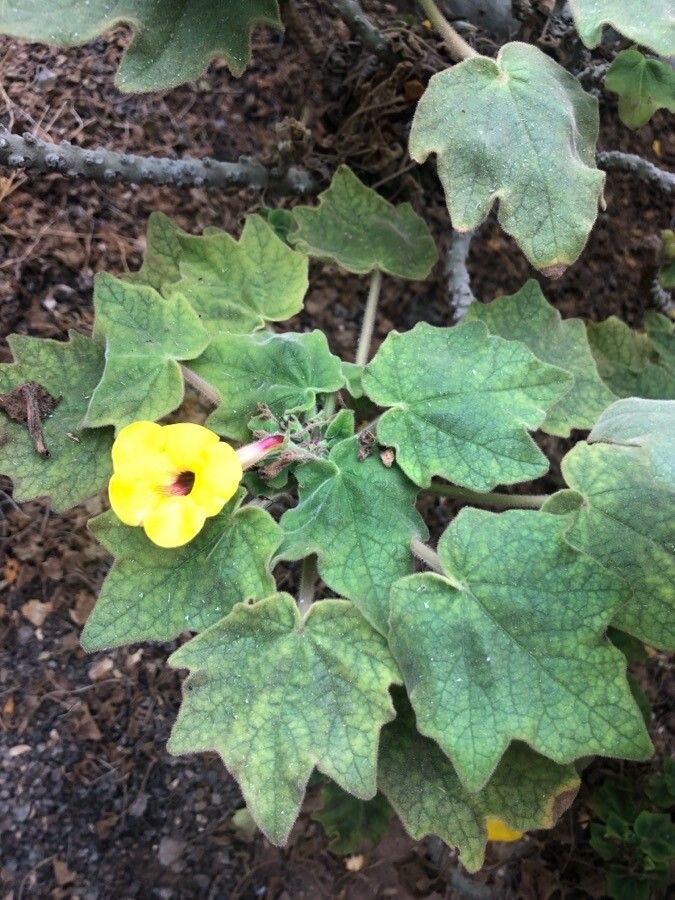
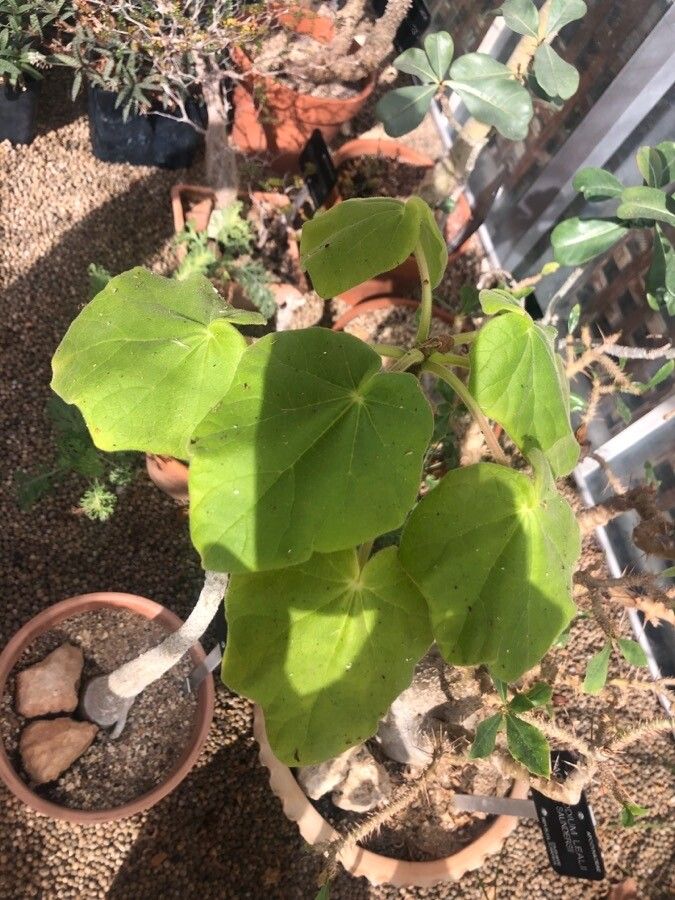
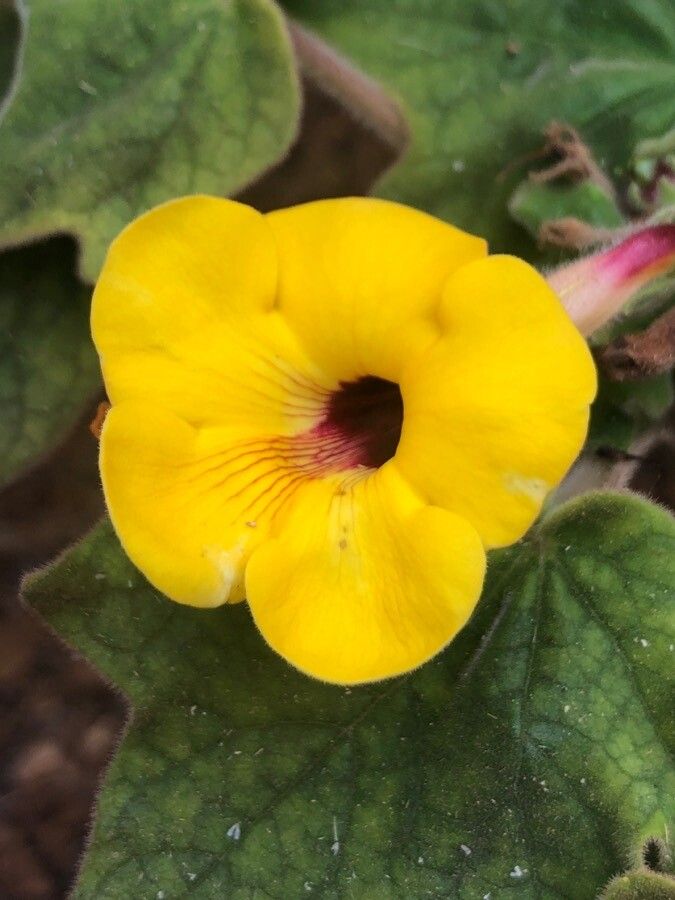
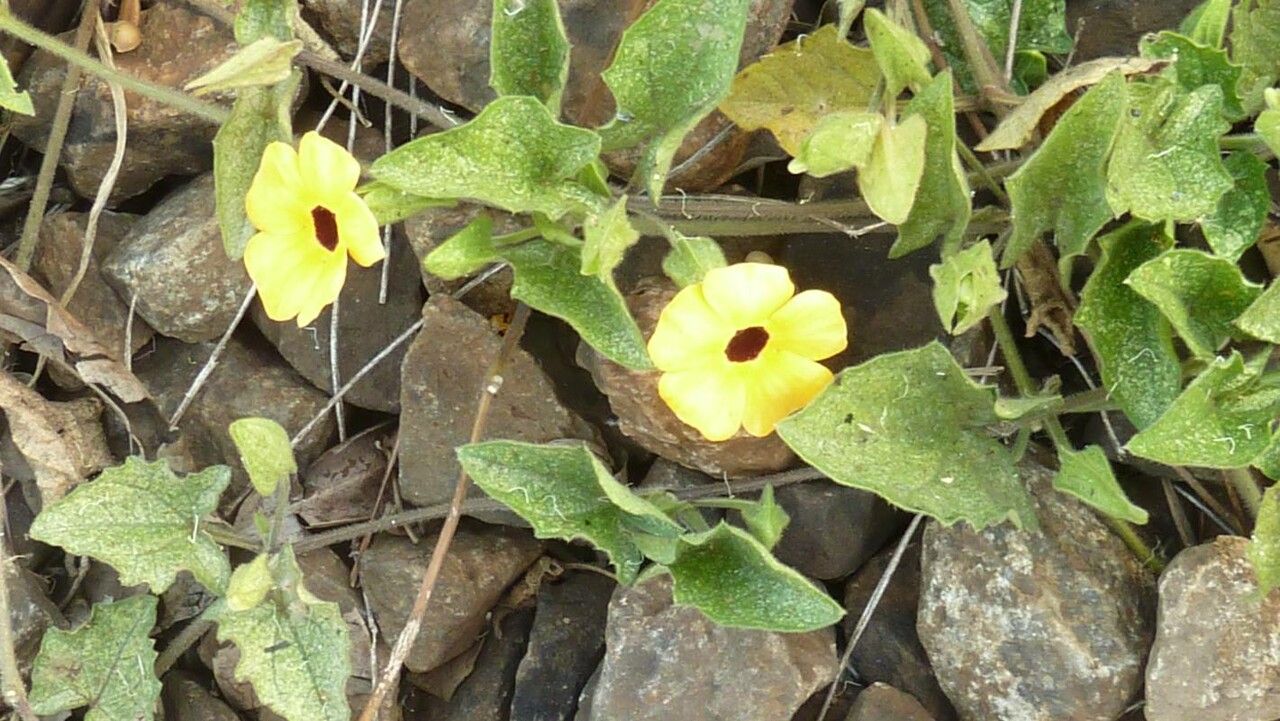
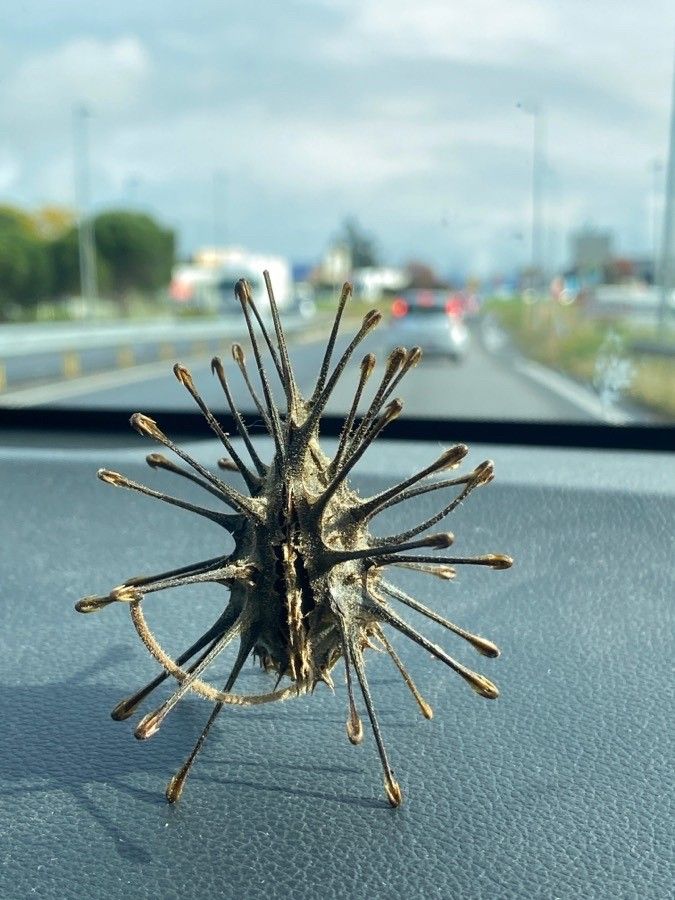
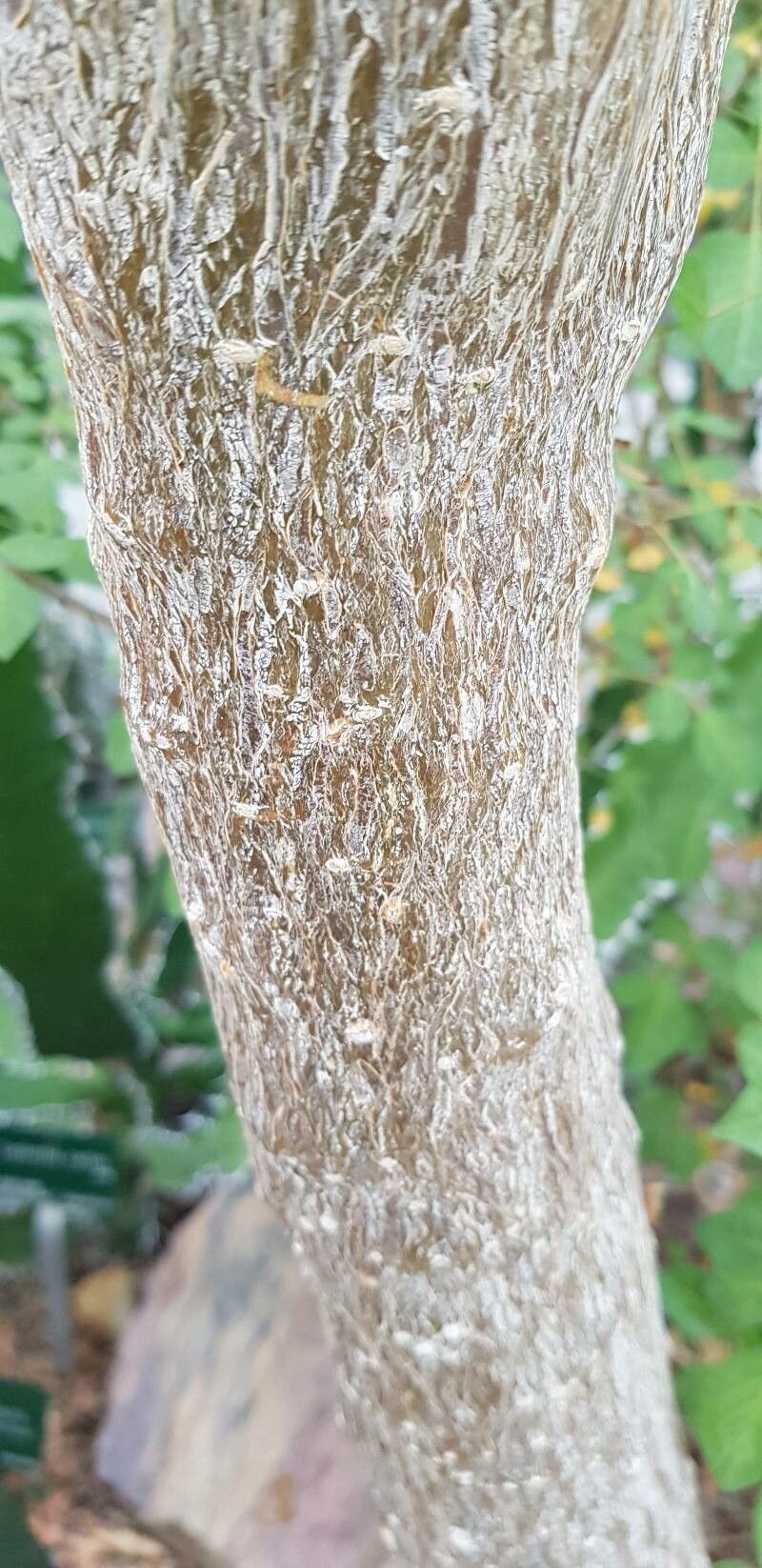
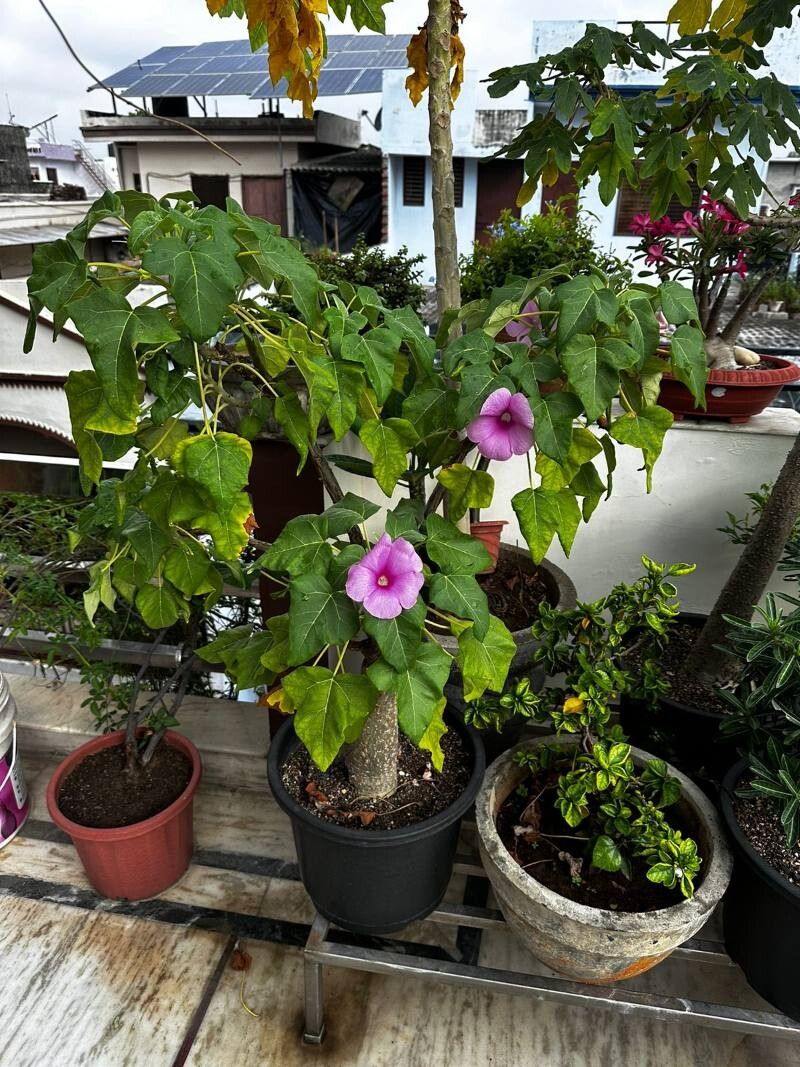
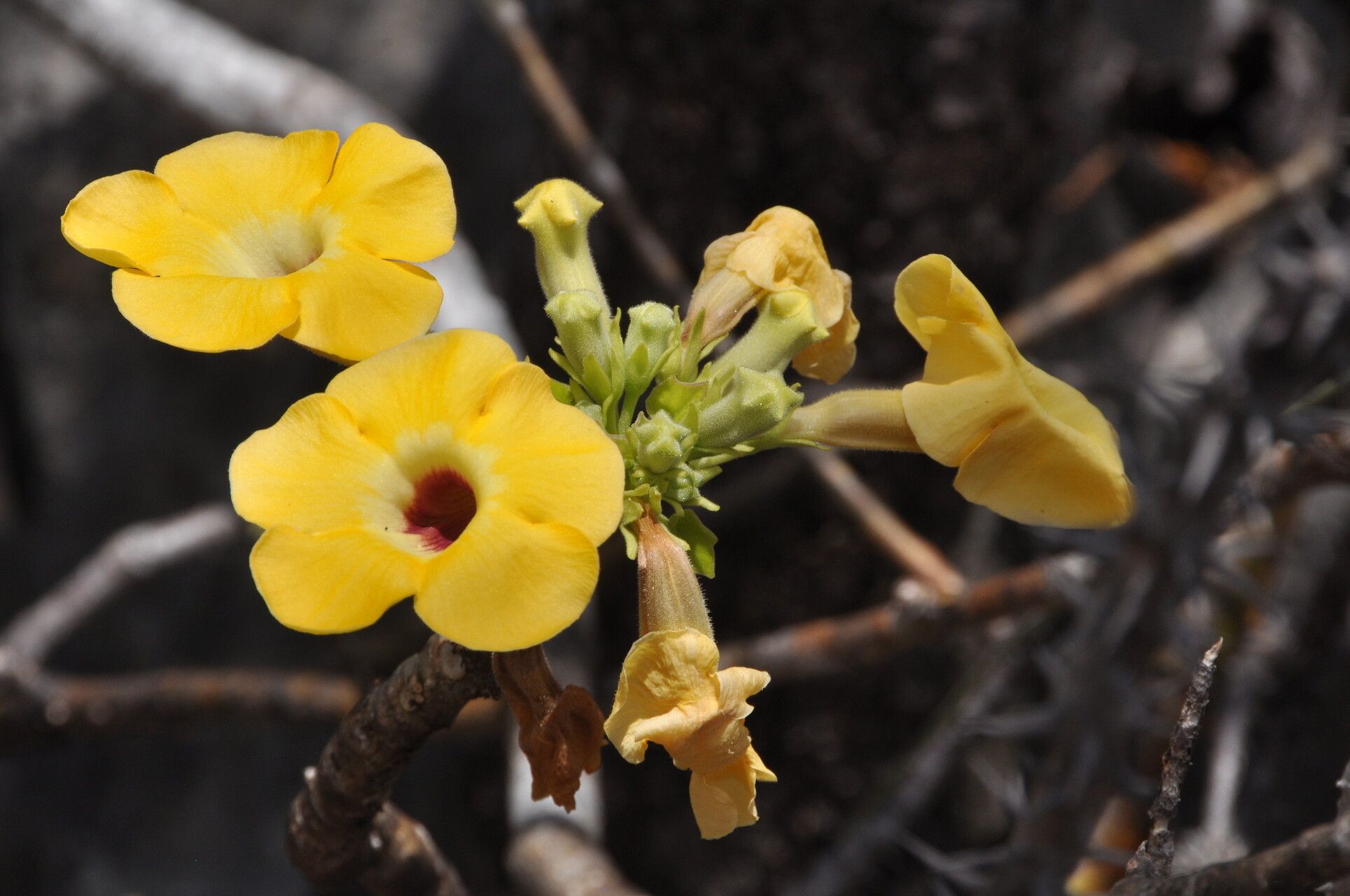
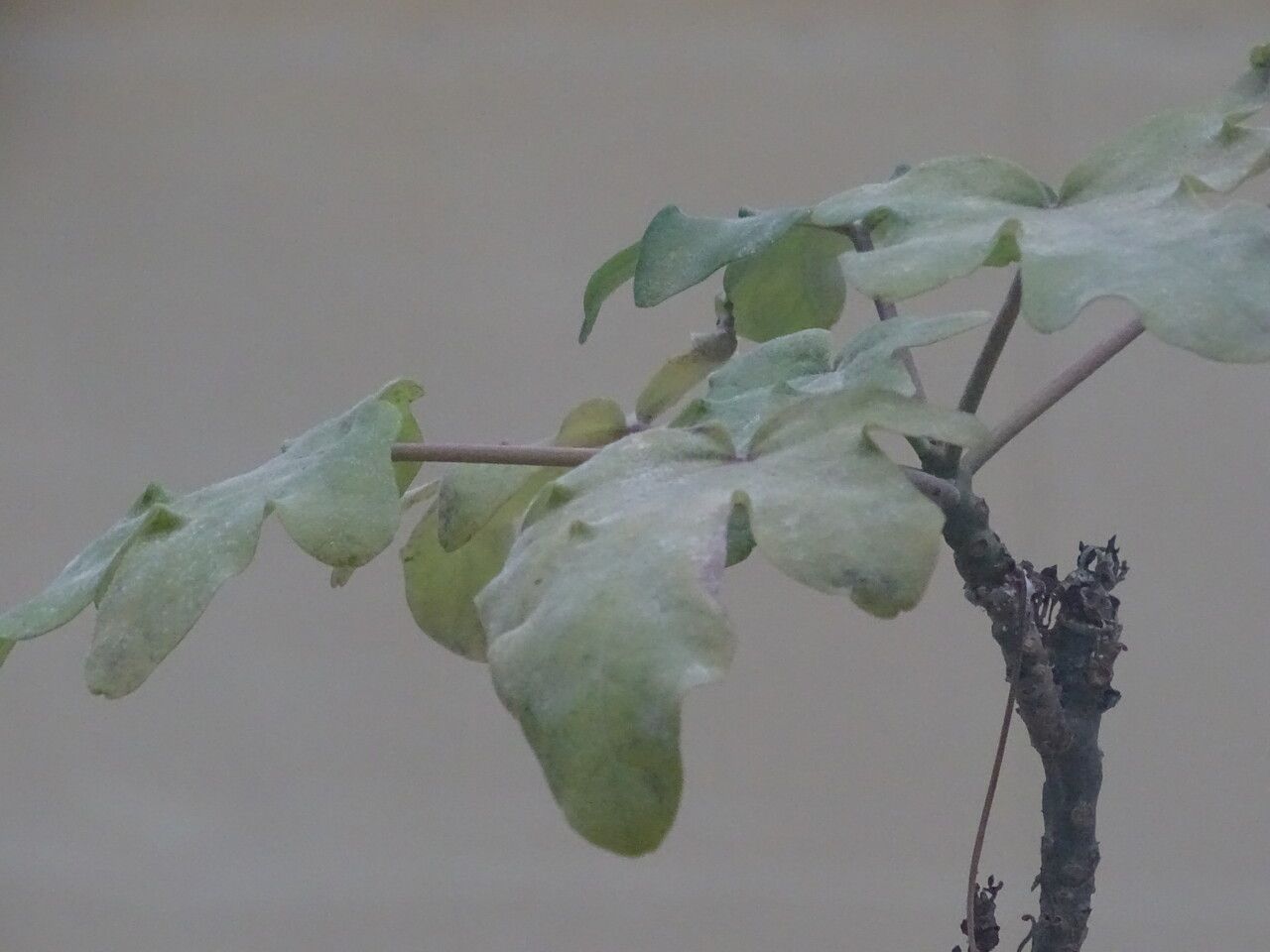
Uncarina grandidieri, also known as succulent sesame, mousetrap plant, mousetrap tree, farehitra, or farehitsy, is a species of semi-succulent, caudex-forming flowering plants native to South Madagascar. Named by Otto Stapf in 1895, it grows in desert or dry shrubland.
The Mouse trap tree is resistant to disease and is generally unlikely to develop illnesses. Regarding care, this plant is fairly low maintenance. When grown outdoors it needs only light watering, and larger specimens usually do not require pruning. Smaller plants, however, should be pruned after they have finished blooming. The Mouse trap tree is suitable for anyone with an outdoor area, such as a garden or deck, and does not demand extensive care experience.
How to keep Uncarina Grandidieri.
Light
The mouse trap tree does best when it receives plentiful sunlight all day long, though it tolerates partly shaded conditions. Coming from a habitat with high sun exposure, the mouse trap tree can suffer stunted growth and other adverse effects if light is insufficient.
Water
The mouse trap tree, native to Madagascar, is well-suited to arid conditions due to its exceptional drought tolerance. It only needs to be watered about once every three weeks to avoid root rot. Usually grown outdoors in full sunlight, this tree efficiently stores water in its tissues, allowing it to withstand dry periods.
Humidity
This plant prefers dry conditions, so don't mist it. However, watering it less often can also thrive in higher humidity.
Temperature
Mouse trap tree prefers warmer climates, with an ideal temperature range of 68 to 100 °F (20 to 38 ℃). Native to a temperate environment, it will do well when temperatures are kept within that range. Watch for seasonal variations and adjust conditions as needed.
Fertilizer
The best time to fertilize a Mouse trap tree is in early spring, when it comes out of dormancy. Doing this stimulates overall growth and flower formation. Fertilizing improves the foliage, stems, and branches, while encouraging flowers that are large, colorful, and long-lasting. It also helps move nutrients from the roots to the flowers and enhances the plant’s health and resistance to disease.
Pruning
The Mouse Trap Tree, known for its unique seeds resembling mouse traps, benefits from pruning in early spring. Effective pruning techniques include removing damaged branches, thinning out crowded areas, and shaping the tree to maintain its natural form. Pruning before new growth begins helps the tree recover more quickly, encourages blooming, prevents disease, and improves air circulation, all contributing to a healthier plant.
Botanical profile.
- Plant Type
- Tree
- Life Cycle
- Perennial
- Genus
- Uncarina
- Family
- Pedaliaceae
- Hardiness Zone
- 10-11
- Mature Height
- 2.44 m to 3.66 m
- Mature Spread
- 2.44 m
- Leaf Color
- Green, Olive Drab
- Leaf Type
- Deciduous
- Flower Color
- Yellow
- Flower Size
- 5.08 cm
- Bloom Time
- Late spring, Summer, Early fall
- Planting Time
- Spring, Summer, Autumn, Winter
- Harvest Time
- Late summer, Fall
- Native Area
- Madagascar
Other names.
Reader questions.
How should I water my Mouse trap tree?
To ensure excellent root development for your plants, consider using a garden hose positioned at the plant base. It's important to avoid spraying the leaves directly, especially if they are exposed to direct sunlight outdoors. For moistening the roots, you can also use individual bubblers or soaker hoses that cover the entire garden or bed. When adding or removing plants, these can help push the roots deeper into the soil. Remember to drain any excess water and allow the soil to dry before watering again. To prevent diseases, water at ground level instead of spraying the leaves. On a sunny day, it can be beneficial to spray the entire bush with water. Whether your plants are in pots or in the ground, please keep in mind that deep watering is preferred over light sprinkling for Mouse trap trees.
Why should I put fertilizer on my Mouse trap tree?
Fertilization is essential for promoting the overall health and well-being of a Mouse trap tree. It helps provide the necessary energy and nutrients for healthy foliage growth, as well as strong stems and branches. Additionally, fertilization plays a significant role in enhancing the value of a Mouse trap tree to gardeners through the production of large, vibrant, and long-lasting flowers. This is because the right fertilizer aids in the efficient transfer of fuel from the roots to the stems and flowers. Proper fertilization also improves the tree's resistance to diseases, contributing to its overall well-being.
What are the sunlight requirements for a Mouse Trap Tree?
The Mouse Trap Tree requires an abundant exposure to sunlight throughout the day to thrive but can also withstand partial sun conditions. Ideally, it should be placed in locations that receive above 6 hours of sunlight (full sun) or about 3-6 hours of sunlight (partial sun). Insufficient light may lead to stunted growth and other negative impacts, emphasizing the importance of monitoring and adjusting the plant's exposure to light for optimal health.
What is the ideal temperature range for the Mouse trap tree?
The Mouse trap tree, or Uncarina grandidieri, thrives best in warmer climates, with an ideal temperature range between 68°F to 100°F (20°C to 38°C). Originating from temperate environments, this heat-loving plant benefits from temperatures consistently maintained within this range. During autumn, it is advisable to move plants grown outdoors indoors, placing them near a bright window but away from direct heat sources to avoid damage. Keeping the plant in temperatures above 20°C during winter is crucial for its growth, while exposure to temperatures near 5°C can be harmful.
What do I do if I give too much or too little water to the Mouse trap tree?
An overwatered Mouse trap tree can show signs of yellowing, dropping leaves, and wilting. It may also appear dull and unhealthy with mushy stems. Adjusting your watering schedule is recommended when these signs appear. Wilting can also occur due to under watering, resulting in crispy and dry leaves. To revive the plant, check the soil moisture and give it a thorough watering if dry. However, even with sufficient water, the damaged root system may cause the plant to remain dry with yellow leaves for a few days. Once it returns to normal, the yellowing will stop. When keeping the Mouse trap tree indoors, always check for moisture levels and avoid overwatering. Look for black spots and if present, allow the soil to dry out for a few days before watering again. Overwatering can lead to root rot, so if discolored and slimy roots are observed, consider transferring the plant to a different pot. Preventing root rot by avoiding overly soggy soil is important. When planting the Mouse trap tree outdoors, ensure the soil is adequately moist. If it feels too dry when checking with your fingers, it may indicate under watering. Proper watering is essential for the plant's recovery.
When should I put fertilizer on my Mouse trap tree?
To properly fertilize a Mouse trap tree, it is best to do so in early spring when the plant is coming out of its dormant phase and getting ready to bloom. This will provide the tree with the energy it needs for growth and flower development. However, this is not the only suitable time to feed the plant. Another feeding in the fall can also be beneficial, although it does not need to be as substantial as the initial spring feeding. Some gardeners may choose to fertilize the Mouse trap tree while planting it, but this is not always required.
Can artificial lighting be used for Mouse Trap Trees, and what are the guidelines?
Yes, artificial lighting can be utilized for Mouse Trap Trees, especially when natural sunlight is insufficient, such as during winter or in less sunny indoor spaces. LED lights are recommended, as they can be tailored to provide specific wavelengths needed for plant growth. Full sun plants require 30-50W/sq ft, partial sun plants need 20-30W/sq ft, and full shade plants require 10-20W/sq ft of artificial light. The light source should be placed 12-36 inches above the plant to mimic natural sunlight, and most plants need 8-12 hours of light per day to ensure healthy growth.
How does the Mouse trap tree react to low temperatures?
The Mouse trap tree has a low tolerance for cold temperatures, showing a preference for warmth, ideally above 20°C. It is crucial to keep the plant above 5°C during winter as exposure to temperatures below 1°C can result in the lightening of leaf color, which eventually turns brown or black after frost damage. Symptoms include wilting and drooping leaves. To counteract frost damage, trim the affected parts and move the plant indoors to a warm spot near a south-facing window for ample sunlight, while avoiding placing it near heaters or air conditioning vents to prevent air dryness.
How often should I give water to my Mouse trap tree?
The Mouse trap tree thrives with deep and infrequent watering. If planted in pots, they should be soaked with a gallon of water each time to account for limited water storage and faster soil drying. In cold regions, watering is needed every 3 to 5 days. It's best to water in the morning when the soil is dry, whether the plant is indoors or outdoors. To determine if watering is needed, check the soil inside. Give the plant a full watering when the top 2-3 inches of soil is dry. During hot days, monitor the moisture daily as the heat can quickly dry out potted soil. If you have a garden, irrigation of the soil is necessary. In hot climates, water once a week when about 2 to 3 inches of soil becomes too dry. Take into account the amount of rainfall received to prevent root rot by not overwatering. Additional watering may not be needed if there is ample rainfall. When the Mouse trap tree is outdoors, apply 3 to 4 inches of mulch to conserve water. In sandy soil, more frequent watering is required due to faster drainage. However, with clay soil, watering can be less frequent, allowing the plant to dry out for 2-3 days without developing root rot. Keep track of watering dates on a calendar and pay attention to drooping leaves as a sign that watering might be overdue.
When should I not put fertilizer on my Mouse trap tree?
During the winter, Mouse trap trees are in a dormant phase and do not require fertilization like many other plants. They do not need extra energy from the soil to grow during this time. In fact, fertilizing during the winter can lead to negative effects from overfertilization. Instead, the ideal feeding times for a Mouse trap tree are in early spring and fall. This means that for most of the spring and summer, the plant does not need fertilizer. It is also advisable to avoid feeding the plant if it is experiencing hot or dry conditions.
What are the symptoms of light deficiency in Mouse Trap Trees?
Symptoms of light deficiency in Mouse Trap Trees include small, new leaves that are smaller than the previous ones, leggy or sparse growth with elongated spaces between leaves or stems, faster leaf drop, slower or halted new growth, and leaves developing irregular color patterns or appearing pale. These signs indicate that the Mouse Trap Tree is not receiving adequate light, essential for its health and development.
What should you do if the Mouse trap tree is exposed to high temperatures?
During the summer, it's important to ensure that the Mouse trap tree does not experience temperatures above 38°C to prevent stress and damage. Exposure to temperatures exceeding 43°C can cause the leaves to lighten in color and increase susceptibility to sunburn. To mitigate damage from high temperatures, trim away sunburned and dried parts of the plant. Relocate the plant to an area that offers shade during the intense midday and afternoon sun, and water the plant during the cooler hours of the morning and evening to maintain soil moisture.