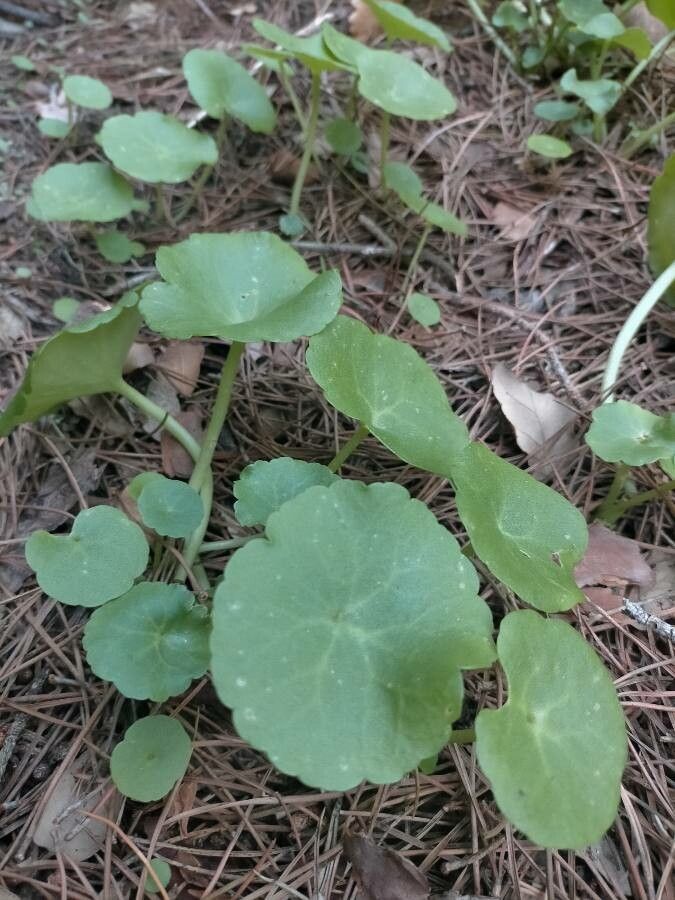
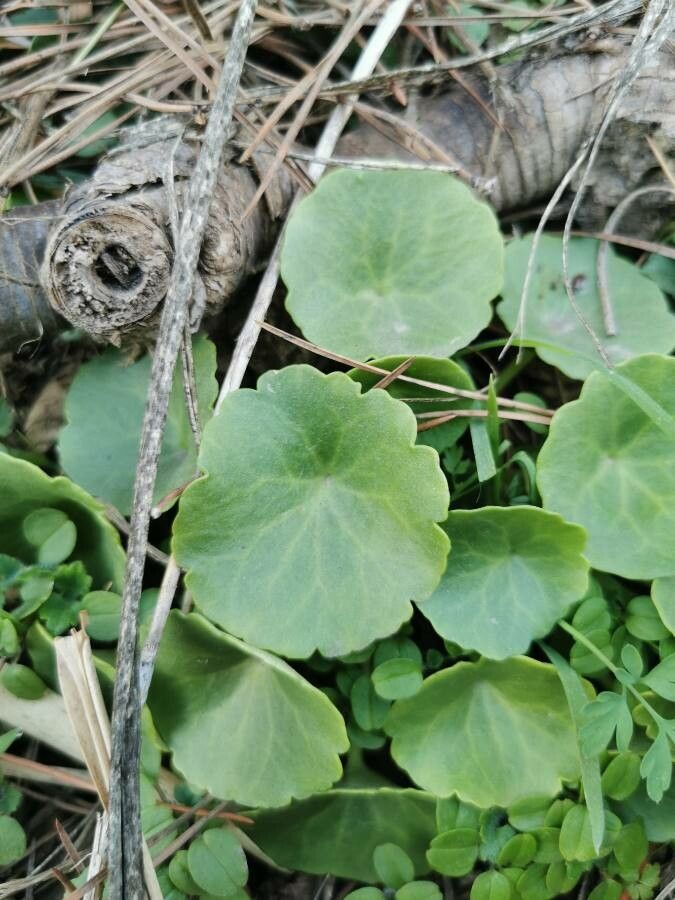
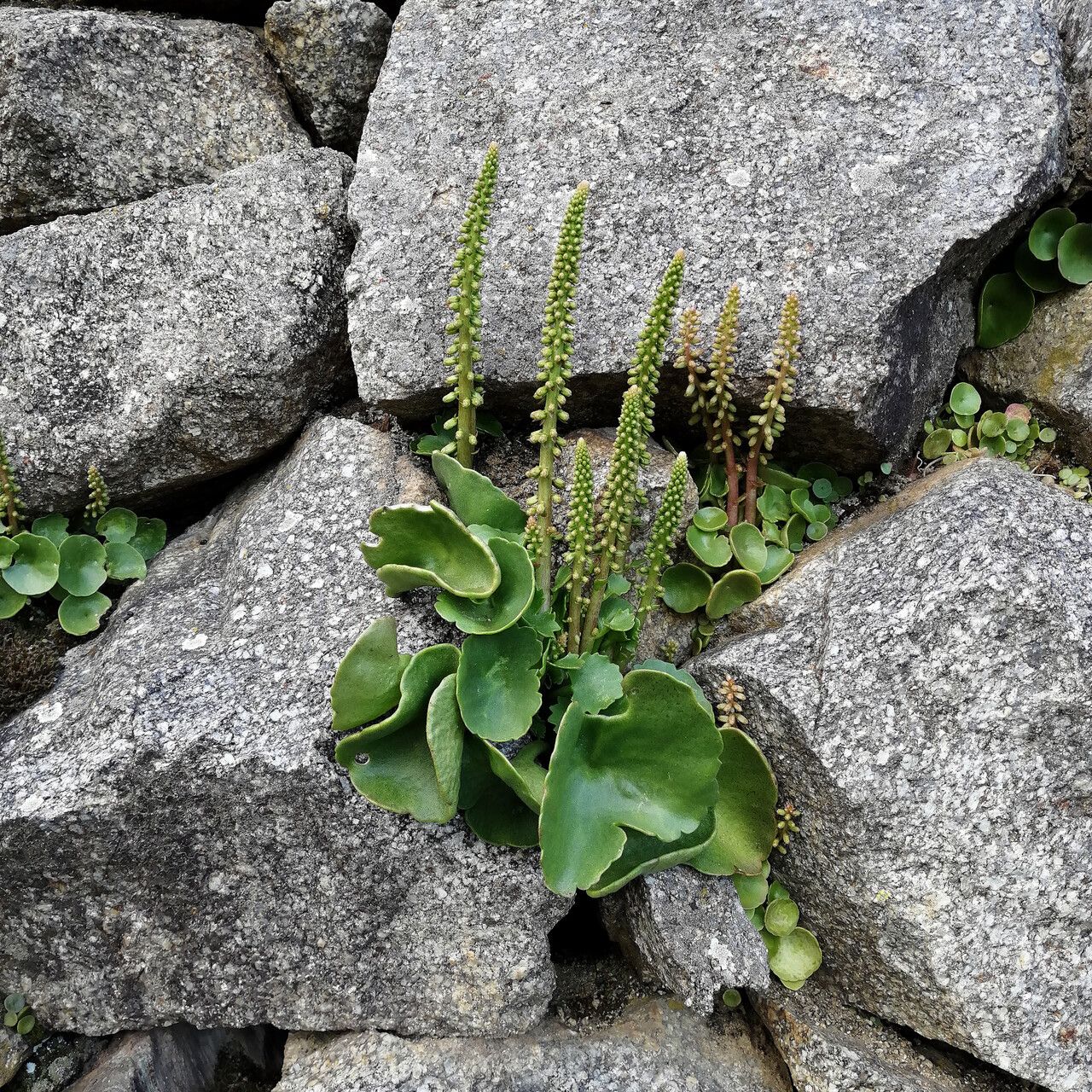
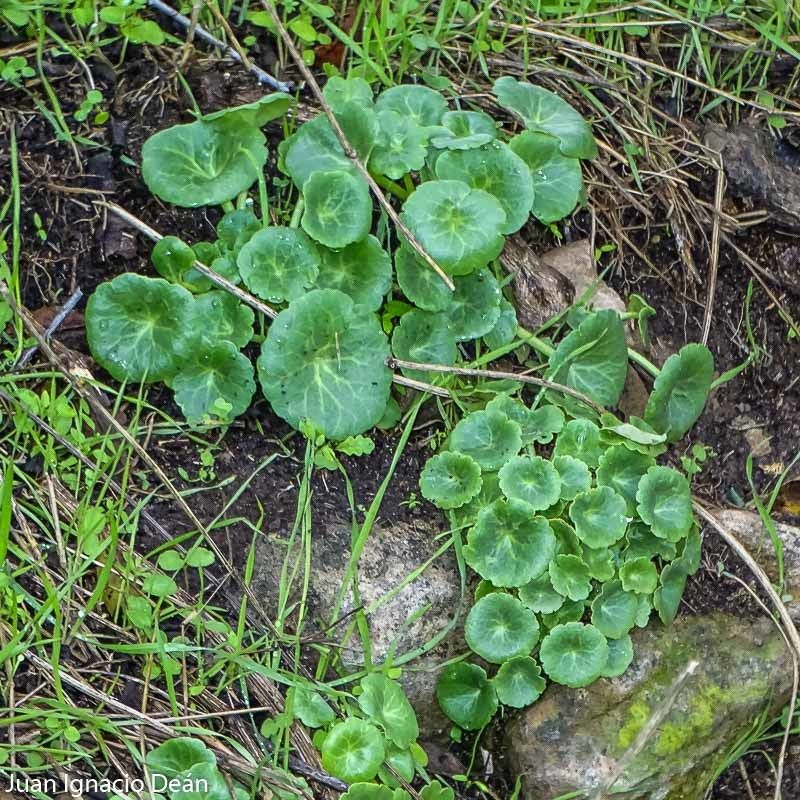
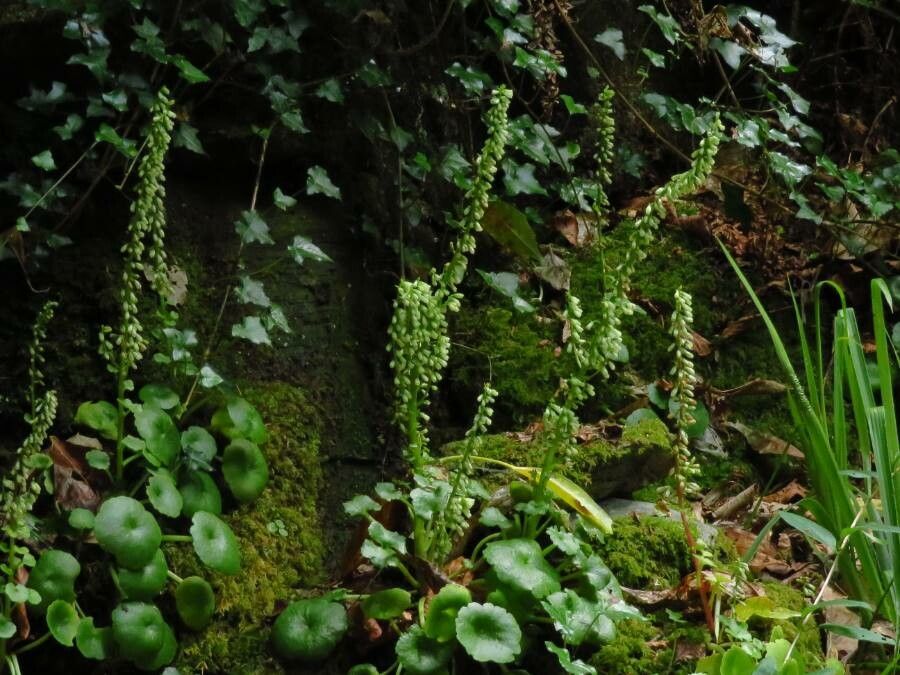
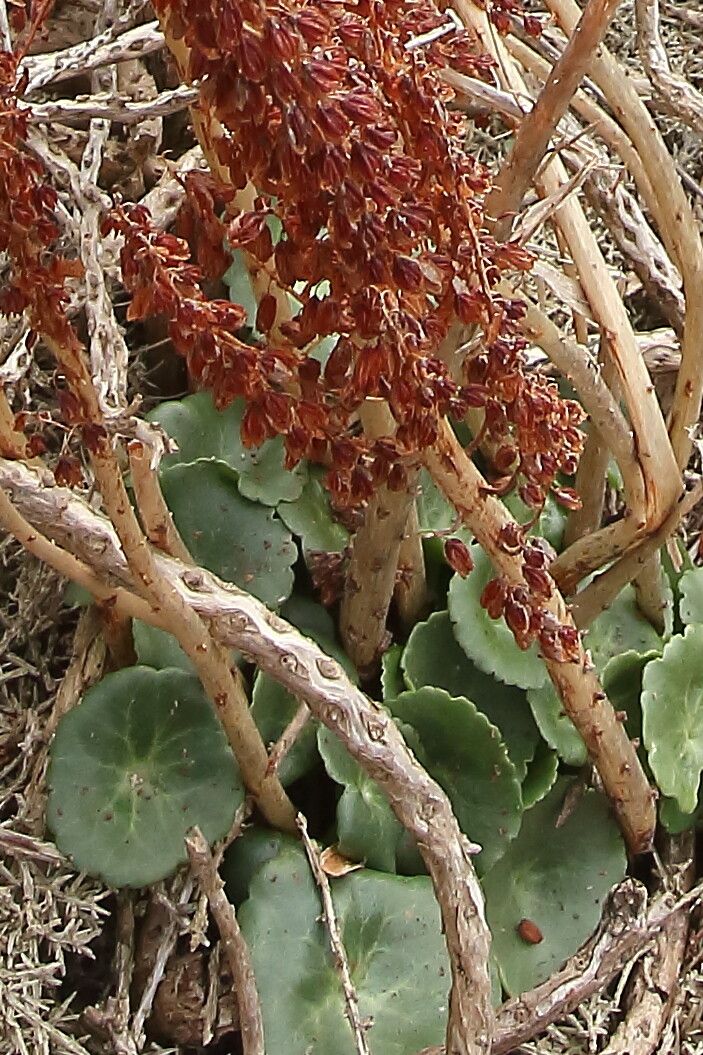
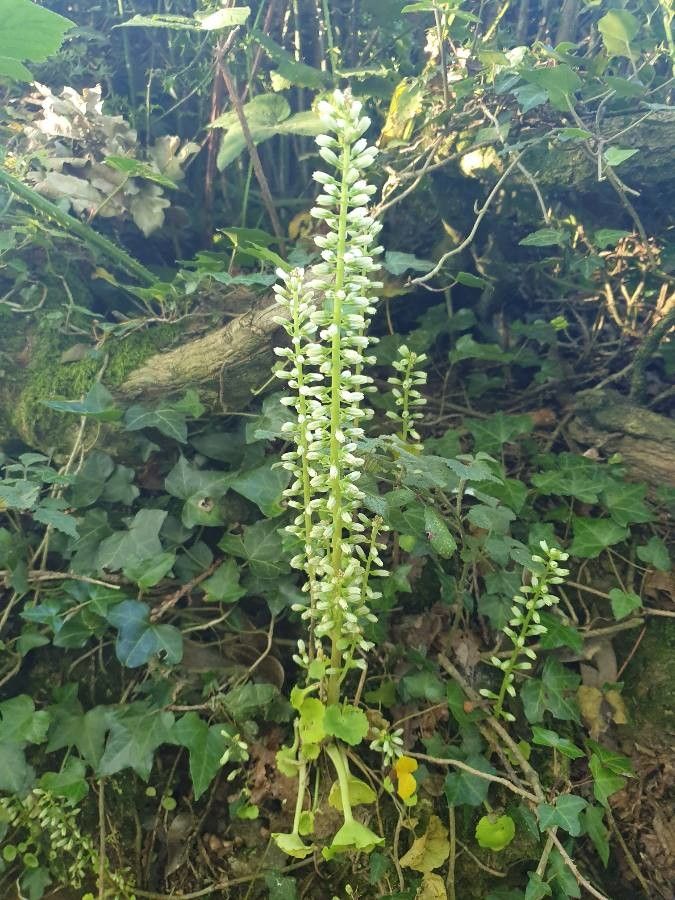
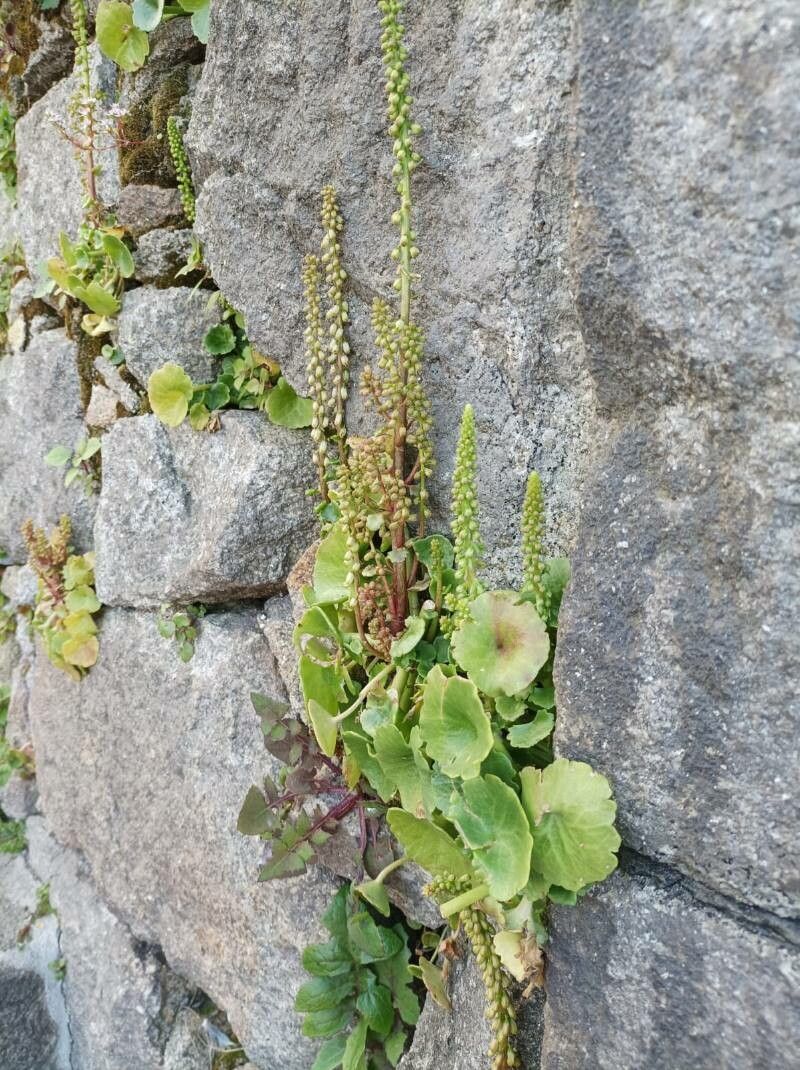
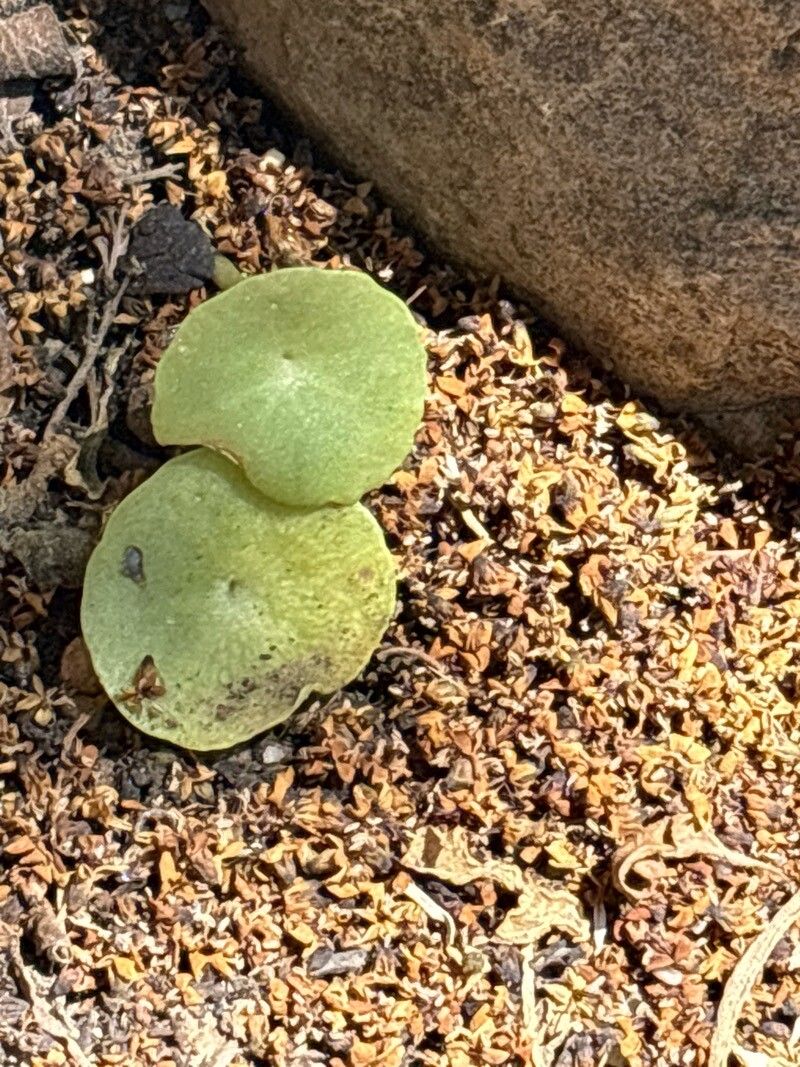
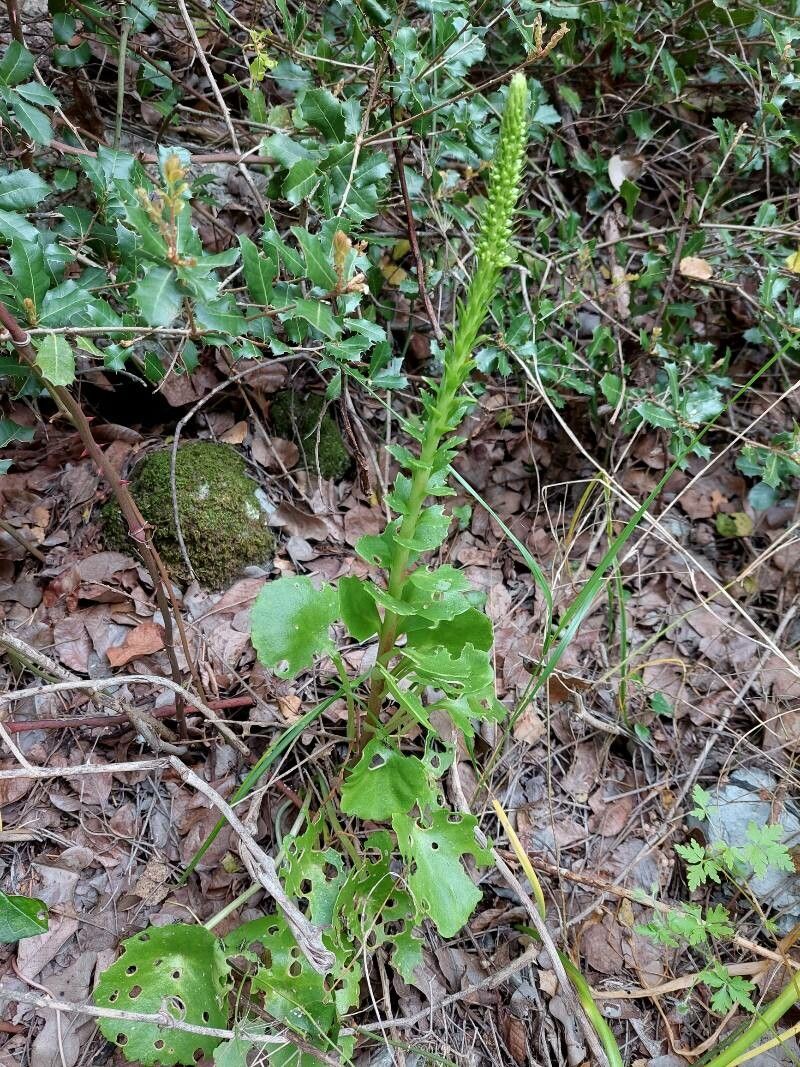
Umbilicus rupestris, the navelwort, penny-pies or wall pennywort, is a fleshy, perennial, edible flowering plant in the stonecrop family Crassulaceae in the genus Umbilicus so named for its umbilicate (navel-like) leaves.
Navelwort has moderate disease resistance but is more sensitive to humidity and overwatering. It becomes more prone to disease when it is kept in low light and overwatered. In terms of care, Navelwort is drought-tolerant and can withstand long periods without watering. It requires little fertilizer and only occasional pruning. This makes it appropriate for people of all experience levels, particularly those who want to spend less time on plant care or who may be away from home for extended periods. It is a suitable choice for anyone who does not want to devote much time to maintenance but still wants an easy-to-care-for plant.
How to keep Umbilicus Rupestris.
Light
Navelwort grows best when it receives plentiful sunlight, though it is resilient enough to do well with moderate sun as well. Native to bright, sun-drenched habitats, its growth and health are strongly affected by light exposure. Both too little and too much sunlight can inhibit its growth, underscoring the need for balanced light conditions.
Water
Navelwort thrives on rocky outcrops and prefers moderate moisture levels. To keep it healthy, water it weekly, as it can withstand short periods of dryness. As an evergreen perennial, it needs consistent watering to maintain its lush foliage year-round, adding vibrancy to your garden.
Temperature
Navelwort is native to mild environments where temperatures mainly range from 50 to 95 °F (10 to 35 ℃). This plant prefers warmer climates but can adapt to cooler conditions. Seasonal temperature adjustments may be required to maintain optimal growth.
Fertilizer
For Navelwort, light applications of fertilizer once or twice a year during the growing season are adequate. Do not fertilize in winter or in summer when the plant is dormant. Cut back on fertilizer for plants that have been repotted, and wait a couple of months after repotting before you resume fertilizing. Fertilizing helps maintain healthy growth and promotes flowering.
Pruning
Navelwort features rounded, fleshy leaves and thrives in well-drained soil, particularly in shaded areas. For optimal health and size, prune the plant from early to late spring using clean tools. Avoid heavy pruning to reduce stress on the plant. Remove spent flowers to improve its appearance and prevent self-seeding, keeping in line with its natural growth cycle.
Toxicity
Umbilicus rupestris has no toxic effects reported.
Further reading →
The toxicity and danger assessments provided are for reference only. We do not assure their accuracy, so it's crucial not to depend on them. Seek professional advice when necessary for accurate guidance.
Botanical profile.
- Plant Type
- Herb
- Life Cycle
- Perennial
- Genus
- Umbilicus
- Family
- Crassulaceae
- Hardiness Zone
- 6-9
- Mature Height
- 25 cm
- Mature Spread
- 15 cm
- Leaf Color
- Green
- Leaf Type
- Evergreen
- Flower Color
- White
- Flower Size
- 2.54 cm
- Bloom Time
- Late spring, Early summer, Mid summer
- Planting Time
- Spring, Summer
- Harvest Time
- Mid summer
- Native Area
- Saudi Arabia, Libya, Tunisia, Turkey, Cyprus, Greece, Croatia, Morocco, Lebanon, Portugal, Italy, Spain, Albania, Ireland, United Kingdom, Algeria, France
Other names.
Reader questions.
How should I water my Navelwort plant?
To properly water the Navelwort plant, it is recommended to use filtered water at room temperature or slightly warmer. Tap water may contain harmful particles for this plant, so filtered water is preferred. Since Navelwort originates from a warm environment, using cold water can be shocking to its system. It is also advised to avoid overhead watering, as it can lead to issues with the foliage. Instead, gently apply the filtered room temperature water directly to the soil until it becomes fully soaked. This method of watering can be very beneficial for the plant, as it helps moisten the roots and facilitates their spread through the soil to gather essential nutrients.
Why do I need to add fertilizer to my Navelwort?
The main structure of the Navelwort is made up of its leaves, and by fertilizing it correctly, you can ensure that the leaves both look great and serve their purpose effectively. Good fertilization will maintain the leaves' consistent color and healthy texture. Additionally, fertilization also benefits the plant below the soil's surface by promoting the growth of new roots and maintaining the existing ones. This not only keeps the plant healthy in the present, but also improves its ability to absorb soil nutrients in the future.
What are the sunlight requirements for Navelwort?
Navelwort requires full sun to partial sun conditions to thrive optimally. Full sun means the plant should receive above 6 hours of sunlight daily, while partial sun refers to about 3-6 hours of sunlight. It's crucial to monitor the sunlight patterns in your garden to ensure your Navelwort gets the right balance of light and shade, as both scarce and excessive sunlight can stunt its growth. Originating from sun-drenched habitats, Navelwort's health and growth are significantly influenced by light exposure.
What is Navelwort and where is it native to?
Navelwort, botanically known as Umbilicus rupestris, is native to mild environments where temperatures primarily range from 50 to 95 °F (10 to 35 °C). This plant prefers warmer climates but has the ability to adapt to cooler conditions. It thrives best in environments that offer seasonal temperature adjustments to maintain optimal growth, showcasing strong cold resistance that usually negates the need for special frost protection measures during winter.
What should I do if I give my Navelwort plant too much or too little water?
Overwatering is a common problem for Navelwort, and it can cause wilting, yellowing leaves, and diseases like root rot, mold, and mildew. Underwatering is less common, but it can make the leaves brittle and brown. It's important to recognize the signs of overwatering early to prevent irreversible damage. If you notice these signs, reduce your watering immediately and consider improving the soil drainage. On the other hand, if your Navelwort lacks water, simply increase your watering frequency until the signs disappear.
What is the best time to fertilize my Navelwort plant?
If you grow your Navelwort outdoors each year, you'll notice new growth in early spring. This is a sign that it's time to start fertilizing for the year. Usually, one application of fertilizer in the spring is enough for the Navelwort to thrive. However, if you want to maximize its growth, you can fertilize it multiple times throughout the spring and early summer. In this case, feed your Navelwort about once every month to a month and a half.
How can artificial lighting be used for indoor Navelwort plants?
When natural sunlight is insufficient for Navelwort, especially in winter or less sunny spaces, artificial lighting can be a beneficial supplement. LED lights are recommended due to their ability to provide specific wavelengths of light needed by plants. Full sun plants require 30-50W/sq ft, partial sun plants need 20-30W/sq ft, and full shade plants require 10-20W/sq ft of artificial light. The light source should be placed 12-36 inches above the plant, and the lighting duration should mimic natural daylight hours, typically 8-12 hours per day.
Does Navelwort require any special cold protection measures?
Navelwort has strong cold resistance, so it typically does not require special frost protection measures during winter. However, if winter temperatures are expected to drop below -25°C, it becomes important to provide cold protection. This can be achieved by covering the plant with materials such as soil or straw. Moreover, before the first freeze in autumn, it is recommended to water the plant abundantly, ensuring the soil remains moist and enters a frozen state to help prevent drought and water scarcity for the plant during winter and early spring.
How often should I water my Navelwort plant?
If your Navelwort plant is in a pot, the best way to determine if it needs water is to check the soil by sticking your finger in it. If the first two to three inches of soil are dry, it's time to water it. Similarly, if you have your Navelwort plant growing outdoors in the ground, you can use the same method to test the soil. Once the top few inches of soil have dried out, it's time to water. In the spring and early fall, watering about once a week should be sufficient. However, during extremely hot weather, you may need to water your plant twice a week or more. It's worth noting that mature, well-established Navelwort plants have a strong ability to tolerate drought.
When is it not a good idea to add fertilizer to my Navelwort?
During late fall and winter, your Navelwort goes into a dormant phase and stops producing new growth. So, it's best not to fertilize it during this time. In spring and summer, if you decide to fertilize, gradually reduce the amount as summer approaches because the growth rate of your Navelwort will also slow down. Overall, avoid fertilizing your Navelwort during extremely hot weather or when the soil is extremely dry as it can cause stress and premature death.
What are common symptoms of inadequate light in Navelwort?
When Navelwort is exposed to inadequate lighting, several symptoms may present, including smaller new leaves, leggy or sparse growth, premature leaf drop, slowed or ceased growth, and discoloration, such as lighter-colored or yellow leaves indicating chlorophyll breakdown. Excessive sunlight exposure can also harm, leading to chlorosis, sunscald, leaf curling, wilting, and leaf scorching. These symptoms highlight the importance of providing balanced light conditions for Navelwort.
How does Navelwort react to low temperatures?
Navelwort is cold-tolerant and thrives best when the temperature remains above 10°C. During winter, it should ideally be kept above -15°C. However, when the temperature falls below -25°C, there may not be any noticeable changes during winter, but there may be a decrease in sprouting or even no sprouting during springtime. In spring, it is advised to remove any parts of the plant that have failed to sprout as a solution to this issue.