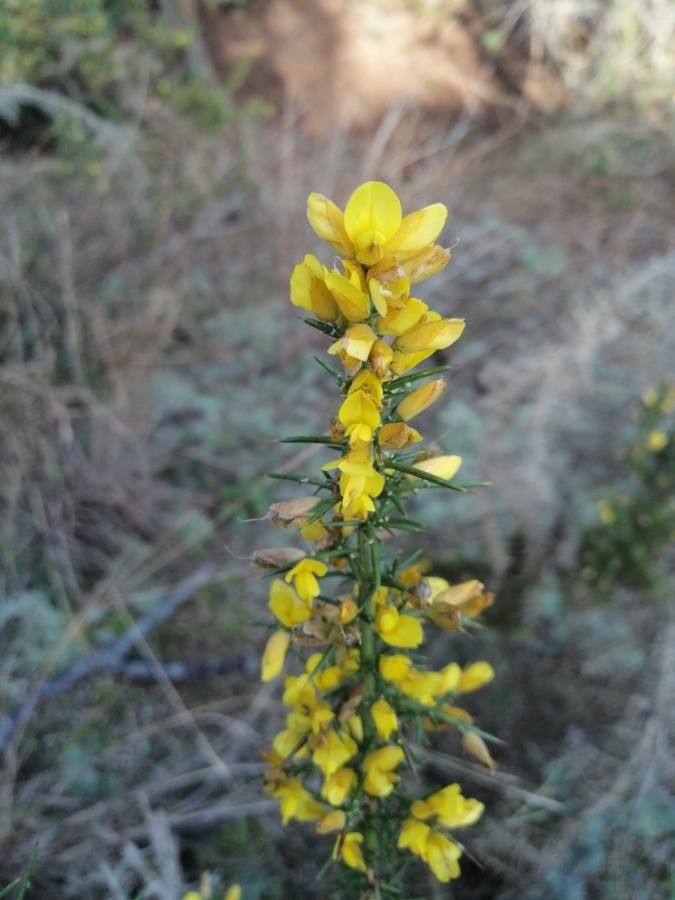
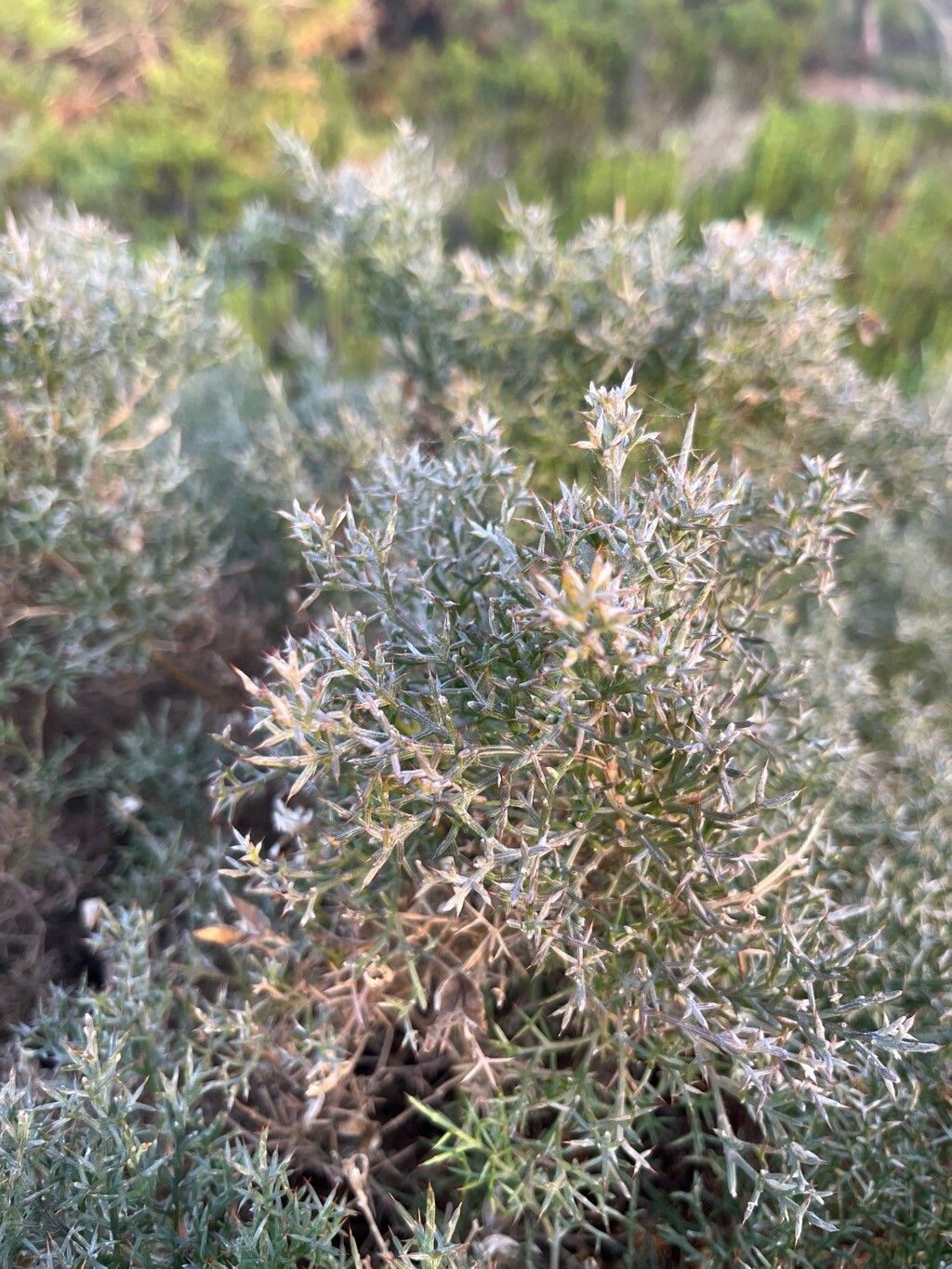
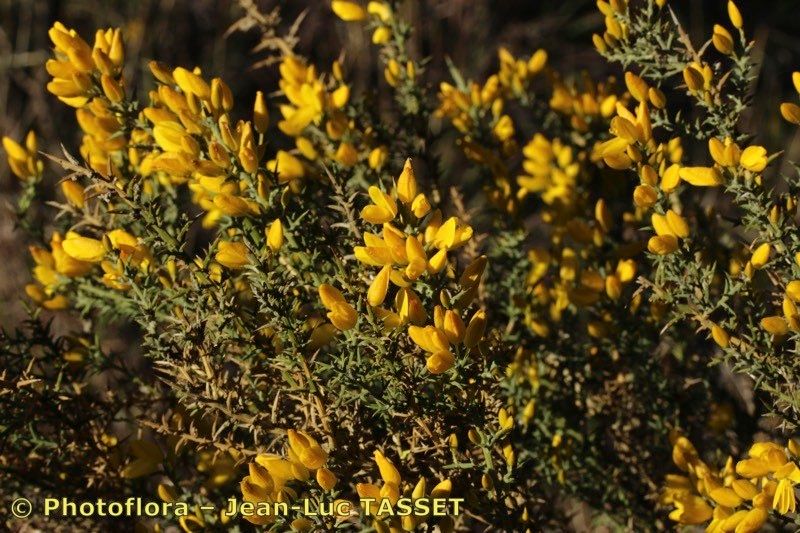
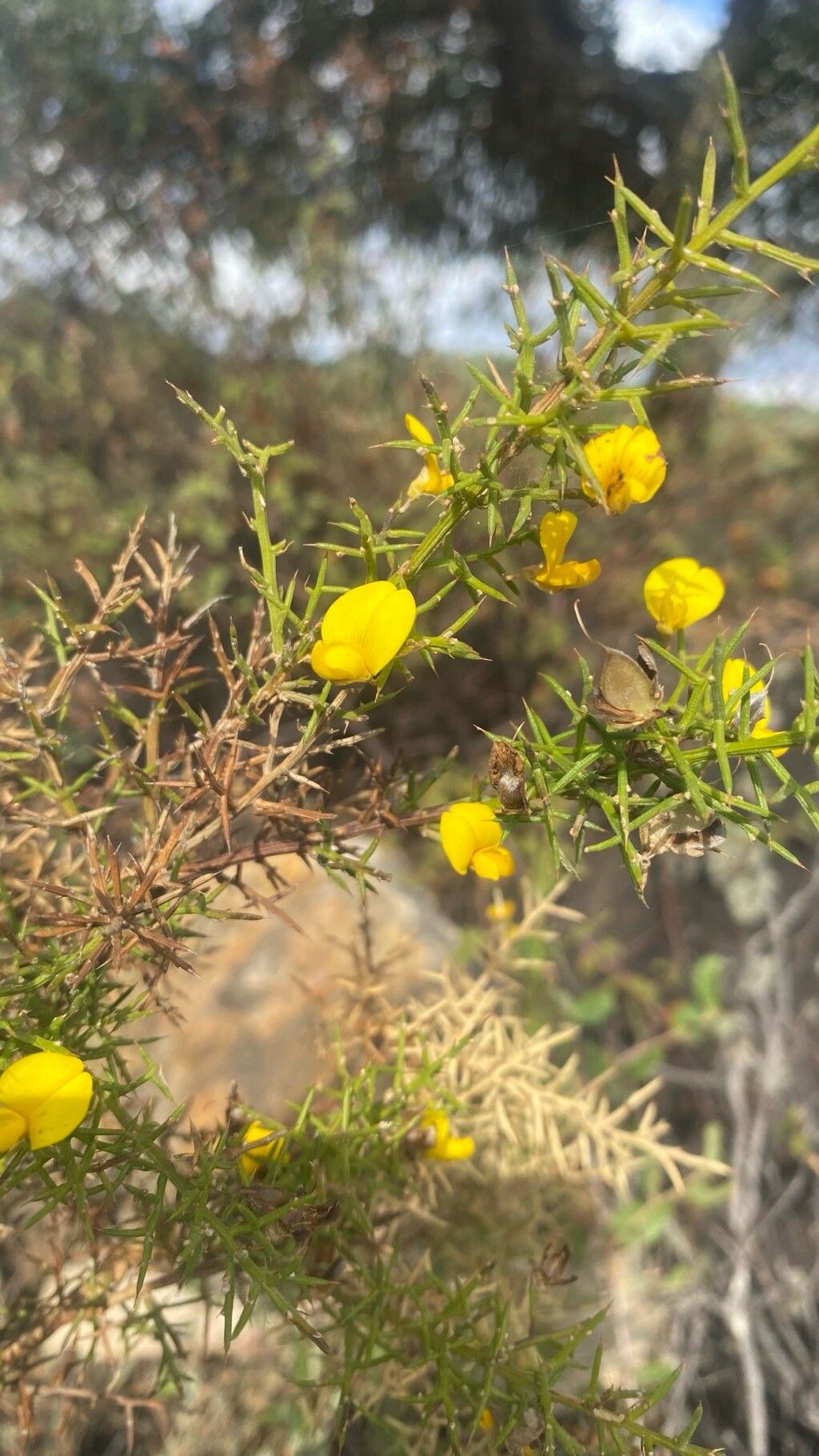
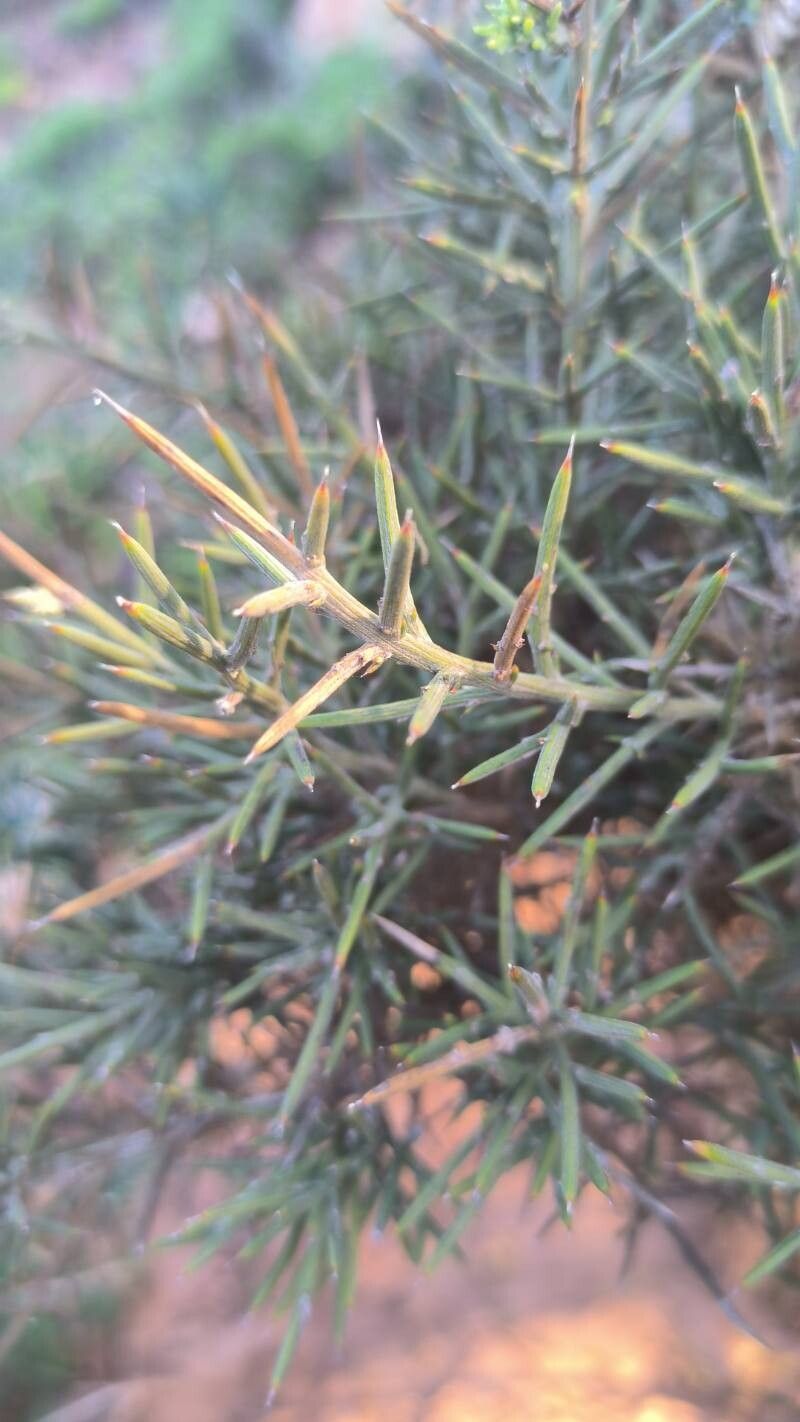
Ulex parviflorus is a species of gorse native to France, the Iberian Peninsula, and parts of the Maghreb.
Small-flowered furze is largely disease-resistant and is generally not susceptible to disease. Regarding care, the plant is fairly low-maintenance. When grown outdoors it needs only minimal watering, and mature plants usually do not require pruning. However, smaller specimens should be pruned after they have finished blooming. Small-flowered furzet is suitable for anyone with an outdoor area, such as a garden or deck, and does not require much care experience.
How to keep Ulex Parviflorus.
Light
Small-flowered furze comes from open habitats, like sunny meadows and forest margins, which offer abundant light. It does best in full sun but can withstand partial sun, adapting well to a range of light conditions.
Water
Small-flowered furze thrives in dry, scrubby environments and is highly drought-tolerant. It typically needs watering only every 2 to 3 weeks. Well-suited for Mediterranean climates, this plant can withstand long periods without rain. Its adaptability to seasonal rainfall makes it an excellent choice for xeriscaping.
Temperature
Small-flowered furze comes from areas where temperatures lie between 50 and 95 °F (10 and 35 °C). The plant prefers moderate temperatures. In regions where temperatures exceed its preferred range, seasonal adjustments may be necessary.
Fertilizer
Feed your Small-flowered furze in early spring to encourage healthy growth. Consistent feeding boosts overall vigor, producing robust growth, increased tolerance of harsh conditions, and stronger resistance to pests and diseases. Keep a set fertilizing routine for your Small-flowered furze to maintain foliage that is vibrant, richly colored, and lush.
Pruning
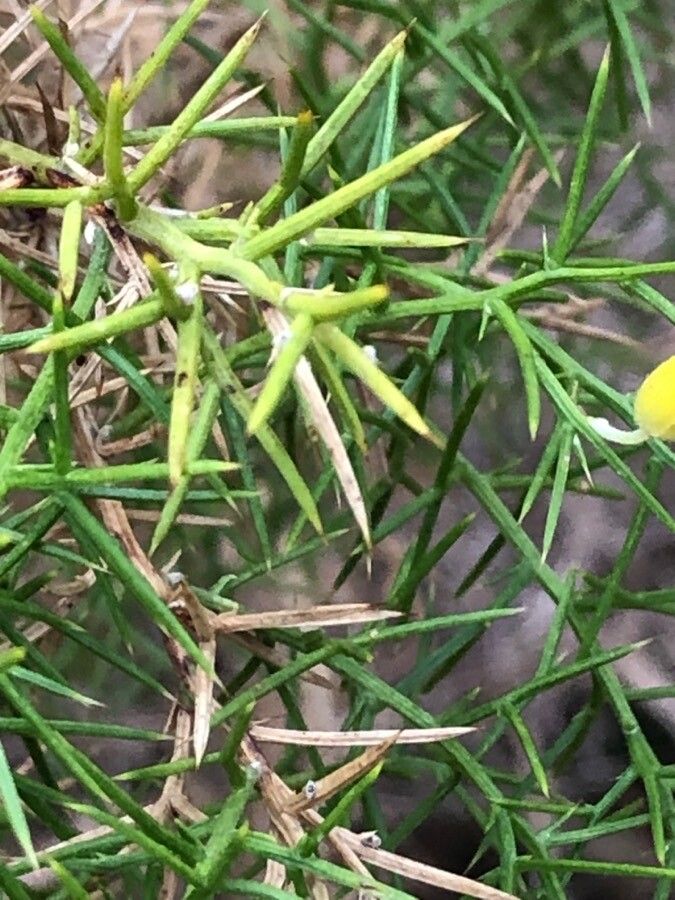
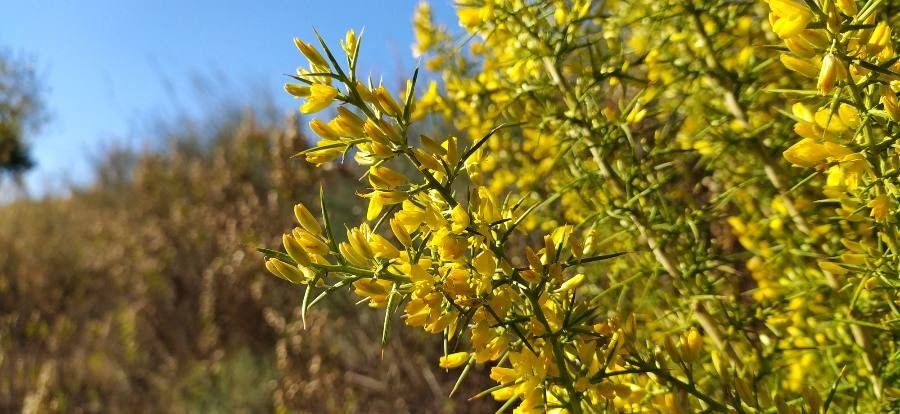
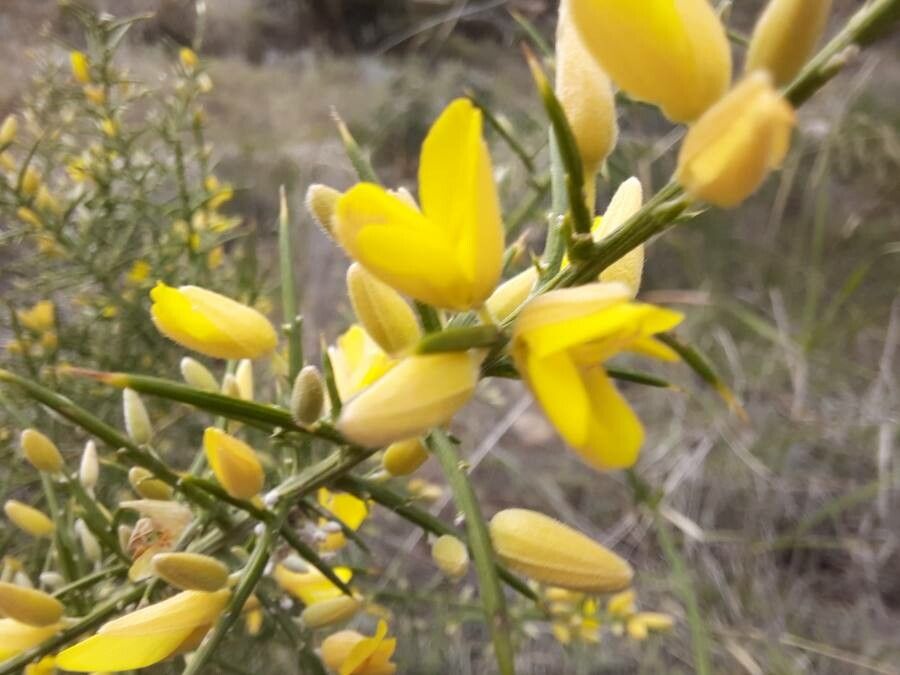
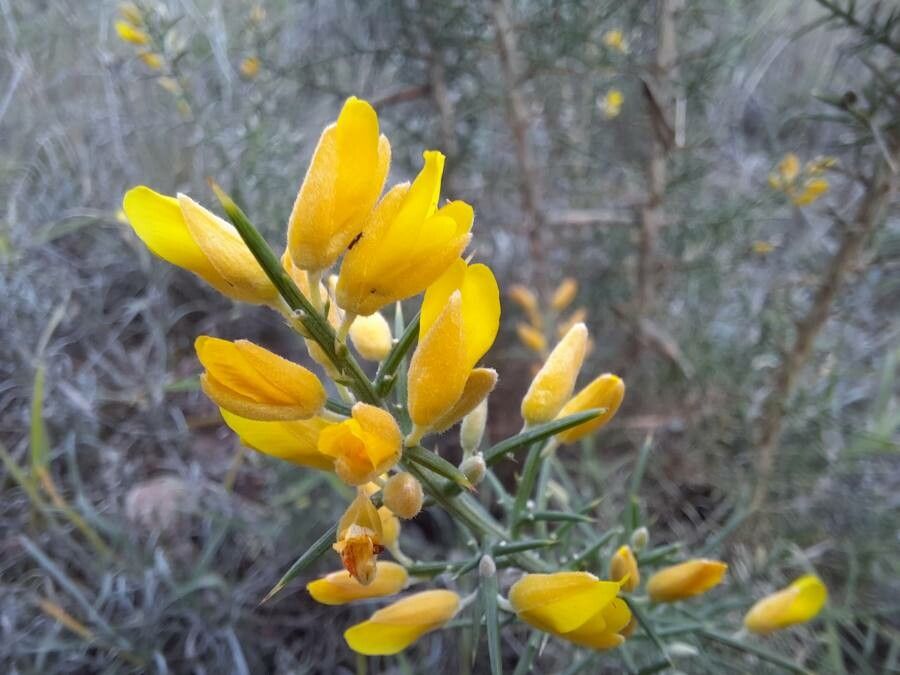
Small-flowered furze is a spiny shrub adorned with small yellow flowers. It requires pruning from early to late winter. To promote healthy growth, focus on removing dead branches. Regular, methodical pruning encourages denser foliage, minimizes stress, and supports the plant's natural growth cycle.
Botanical profile.
- Plant Type
- Shrub
- Life Cycle
- Perennial
- Genus
- Ulex
- Family
- Fabaceae
- Hardiness Zone
- 6-9
- Mature Height
- 2.13 m
- Mature Spread
- 0.91 m to 2.13 m
- Leaf Color
- Dark Green
- Leaf Type
- Evergreen
- Flower Color
- Yellow
- Flower Size
- 0.76 cm to 1.02 cm
- Bloom Time
- Winter, Early spring, Mid spring
- Planting Time
- Spring, Autumn
- Harvest Time
- Late spring, Early summer, Mid summer
Other names.
Reader questions.
How should I water my Small-flowered furze plant?
Your Small-flowered furze is not very particular about how you water it. Any common watering tool like cans, hoses, or cups will work fine. It's best to apply water directly to the soil and make sure all areas are equally moist to reach all parts of the roots. Using filtered water can be helpful as tap water may contain harmful particles. Also, using water at or slightly above room temperature is preferable as very cold or hot water could shock the plant. However, the Small-flowered furze generally does well with any kind of water.
What are the sunlight requirements for Small-flowered furze (Ulex parviflorus)?
Small-flowered furze thrives in environments that offer ample light, such as sunny meadows and forest edges. It requires full sun, which means it needs more than 6 hours of sunlight daily, but it can also tolerate partial sun, or about 3-6 hours of sunlight. When considering where to place your plant, observe how sunlight moves through your garden throughout the day to find locations that offer a balance of light and shade, ensuring your plant's optimal growth and happiness.
What is the preferred climate for Small-flowered furze?
Small-flowered furze, known botanically as Ulex parviflorus, thrives in climates with temperatures ranging from 50 to 95 °F (10 to 35 °C). It prefers moderate temperatures and might need seasonal adjustments if the climate exceeds its temperature preferences. Despite its strong resistance to cold, special precautions are advised if winter temperatures are expected to drop below -25°C. Before the first freeze in autumn, watering the plant abundantly to ensure the soil remains moist can help prevent drought and water scarcity during winter and early spring.
What should I do if I give my Small-flowered furze plant too much or too little water?
Outdoor plants, especially newly planted ones or seedlings, are prone to lack of watering. It's important to consistently water them for a few months until they establish their roots. Once established, they can rely on rainwater. However, when Small-flowered furze is planted in pots, overwatering is a common issue. If you accidentally overwater your Small-flowered furze, take immediate action. Stop watering the plant to minimize the impact of overwatering. Check the roots by removing the plant from its pot. If there are no signs of root rot, you can return the plant to its container. If there is root rot, trim the affected roots and use fungus protection. Repot the Small-flowered furze in well-draining soil. On the other hand, underwatering is easily fixed by watering the plant more frequently. Look for drooping, drying leaves, and as they quickly recover with sufficient watering, adjust your watering schedule accordingly.
How can artificial lighting be used for Small-flowered furze, especially when natural sunlight is insufficient?
In situations where natural sunlight is insufficient for Small-flowered furze, especially during winter or in less sunny spaces, artificial lighting can be a vital solution to ensure optimal growth. LED lights are recommended due to their ability to be customized to provide specific wavelengths needed by plants. For plants needing full sun, 30-50W per square foot is advisable; for partial sun plants, 20-30W per square foot; and for full shade, 10-20W per square foot. The light source should be placed 12-36 inches above the plant to mimic natural sunlight as closely as possible, and the lights should be on for 8-12 hours per day to simulate natural daylight hours for the species.
How should Small-flowered furze be cared for in low temperatures?
Small-flowered furze displays a notable tolerance to cold, optimally growing when temperatures are above 10°C. It should be kept above -15°C during winter. However, if temperatures fall below -25°C, the plant may not show immediate damage but its branches can become brittle and dry by spring, with no new shoots appearing. For such cases, it's advised to prune away any dead branches that failed to produce new leaves in spring as a solution to encourage healthy growth.
How often should I give water to my Small-flowered furze plant?
To ensure proper growth for outdoor plants, natural rainfall is usually sufficient. However, if your area lacks rainfall, you should water your plants every two weeks in the spring and fall. In the summer, more frequent watering is required, while in the winter, when plant growth slows down and water needs decrease, you should water sparingly or not at all. If you have a young or newly planted Small-flowered furze, it is important to water more frequently to help it establish and grow into a resilient and drought-tolerant plant. For potted plants, there are two main approaches to determining watering frequency for Small-flowered furze. The first option is to have a predetermined watering schedule, such as once a week or every other week. However, this may not be the most accurate method as it doesn't consider the specific growing conditions for your plant. Alternatively, you can adjust your watering frequency based on soil moisture. It is recommended to wait until the top two to four inches of soil, which is about one-third to one-half the depth of the pot, have completely dried out before watering again. This method takes into account the plant's actual water needs and is especially important in summer when water requirements are higher.
What symptoms indicate that Small-flowered furze is getting insufficient light?
When Small-flowered furze doesn't receive adequate light, it may exhibit various symptoms: smaller than usual new leaves, leggy or sparse growth due to stretched-out stem and leaf spacing, earlier than usual leaf drop to conserve resources, halted or significantly slower new growth as the plant enters survival mode, pale new leaves or chlorosis indicating a lack of chlorophyll, sunscald from intense light exposure, leaf curling as a defense mechanism against excessive sunlight, wilting due to transpiration-induced water loss, and leaf scorching characterized by brown, dried edges. These symptoms show the plant's struggle with insufficient light or overexposure.
What measures should be taken when Small-flowered furze experiences high temperatures?
During summer, it's crucial to keep Small-flowered furze below 35°C. Should the temperature rise above 38°C, the plant's leaves might lighten in color and tips may become dry and withered, increasing susceptibility to sunburn. To mitigate these effects, trim away the sunburnt and dried-up parts of the plant. Relocating the plant to a shaded area or utilizing a shade cloth to protect it from midday and afternoon sun can be beneficial. Ensuring the soil remains moist by watering the plant in the morning and evening is also recommended.
How much water does my Small-flowered furze plant need?
When watering your Small-flowered furze, you might be surprised to learn that it doesn't always require a lot of water. Instead, if only a few inches of soil have dried since the last watering, you can promote healthy growth by giving it about five to ten ounces of water each time. You can also determine the amount of water needed based on the moisture in the soil. Keep track of how many inches of soil have dried out between waterings. To ensure the plant gets enough moisture, water until all the dry layers of soil have been moistened since the last watering. If over half of the soil has dried out, consider giving more water and continue until there is excess water draining from the pot's drainage holes. If the Small-flowered furze is planted in an area that receives ample rain, it may not need additional watering. For young or newly established plants, make sure they receive 1-2 inches of rain per week. As they continue to grow, they can rely solely on rainwater, except during hot weather without rainfall for 2-3 weeks. In those cases, give the Small-flowered furze a thorough watering to prevent stress.
What solutions are available for Small-flowered furze suffering from light deficiency?
For indoor Small-flowered furze plants showing signs of light deficiency, gradually moving them each week to a spot with at least 6 hours of direct sunlight daily is recommended. Utilize south-facing windows and keep curtains open during the day. If the plant is large or not easily movable, consider using artificial light, keeping desk or ceiling lamps on for at least 8 hours daily or investing in professional plant grow lights. For outdoor plants, gradually introduce them to sunnier spots to prevent sunburn, allowing them to adapt by moving them progressively each week. If parts of a plant have been affected by insufficient sunlight, they may not recover, but new growth should be healthy after adjusting the light exposure. To enhance sunlight exposure for plants in the ground, identify and reduce obstructions by pruning or transplanting smaller plants during their dormant period, usually late winter or early spring, to a better-lit location with good drainage.
How can I know if I'm watering my Small-flowered furze plant enough?
Overwatering is a common issue for the Small-flowered furze. There are clear signs to watch out for when this happens. Generally, an overwatered Small-flowered furze will have yellowing leaves and may lose some leaves. Overwatering can also cause the plant's structure to shrivel and contribute to root rot. On the other hand, an underwatered Small-flowered furze will also show signs of wilting. Additionally, its leaves may turn brown or become brittle. If you notice signs of overwatering or underwatering, it's important to take action and restore the health of your Small-flowered furze.