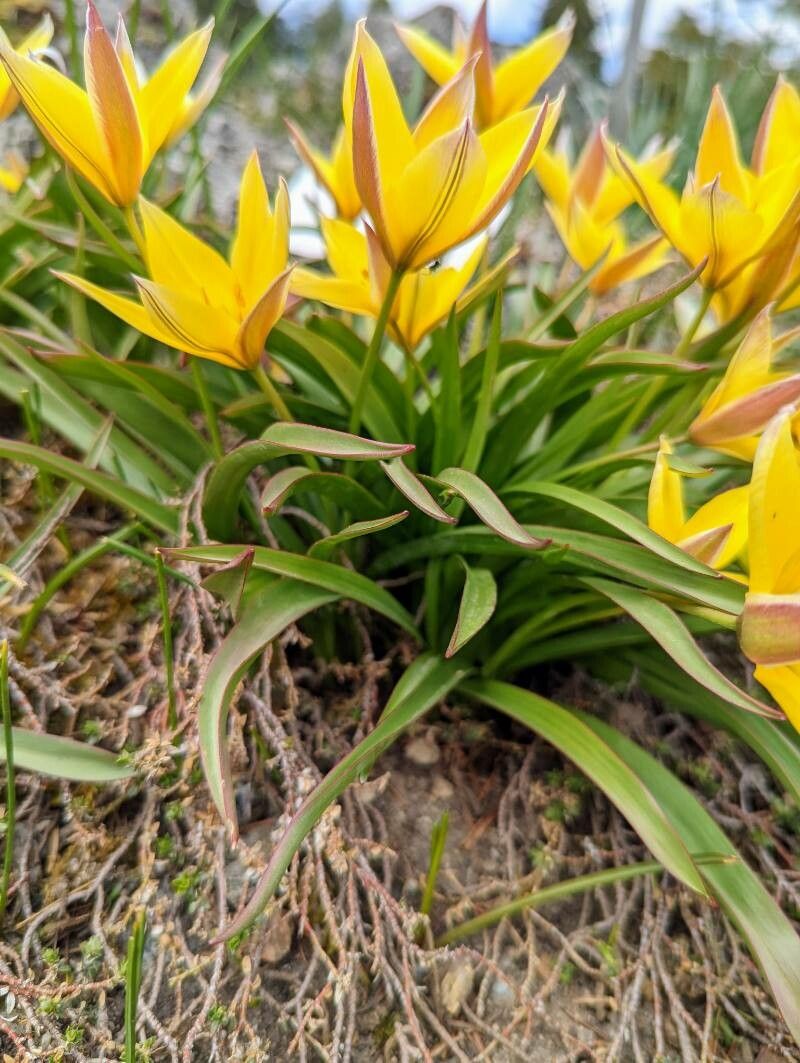
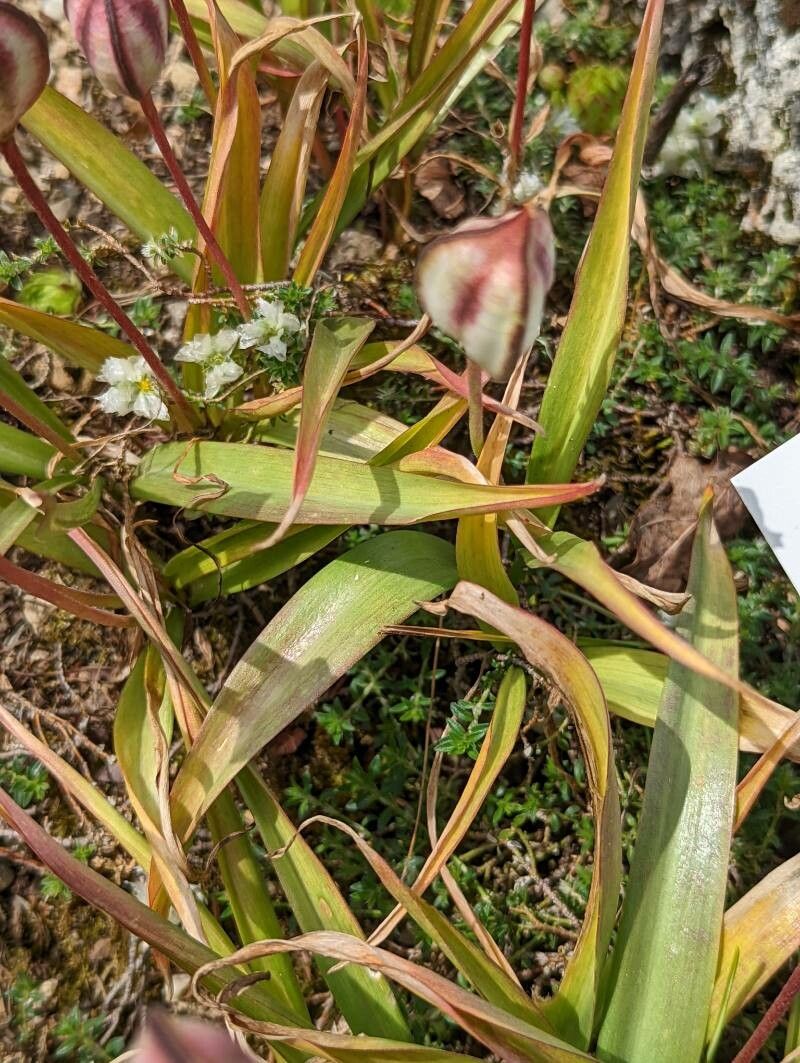
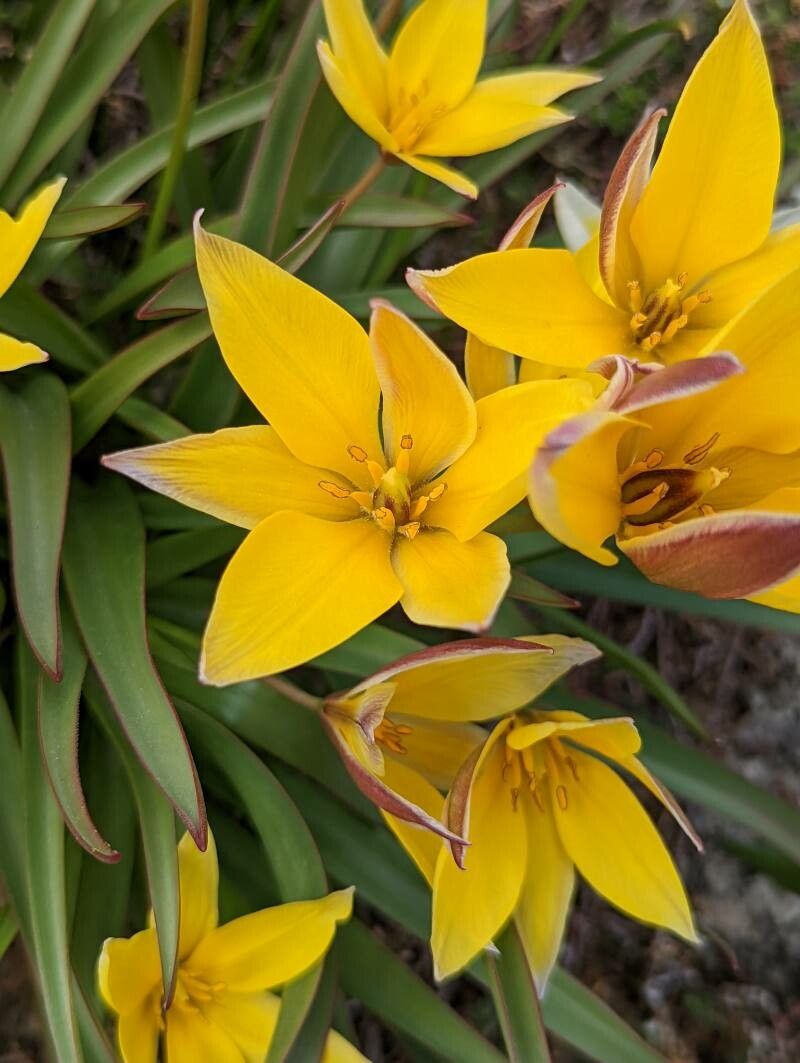
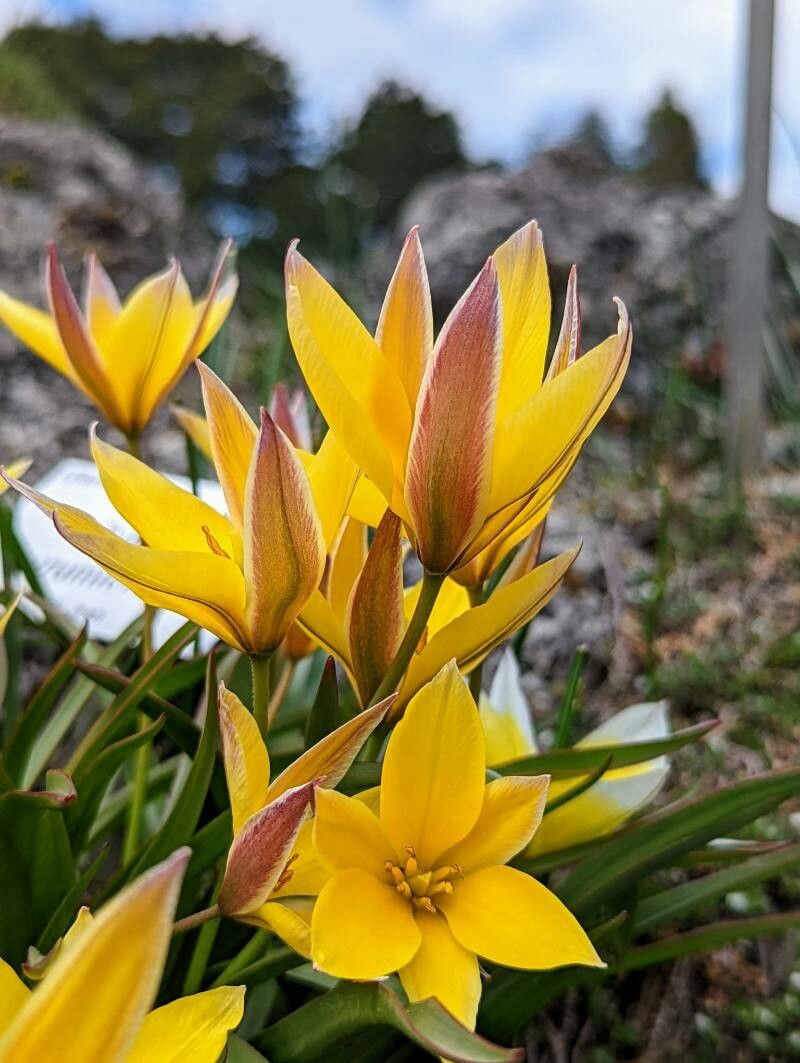
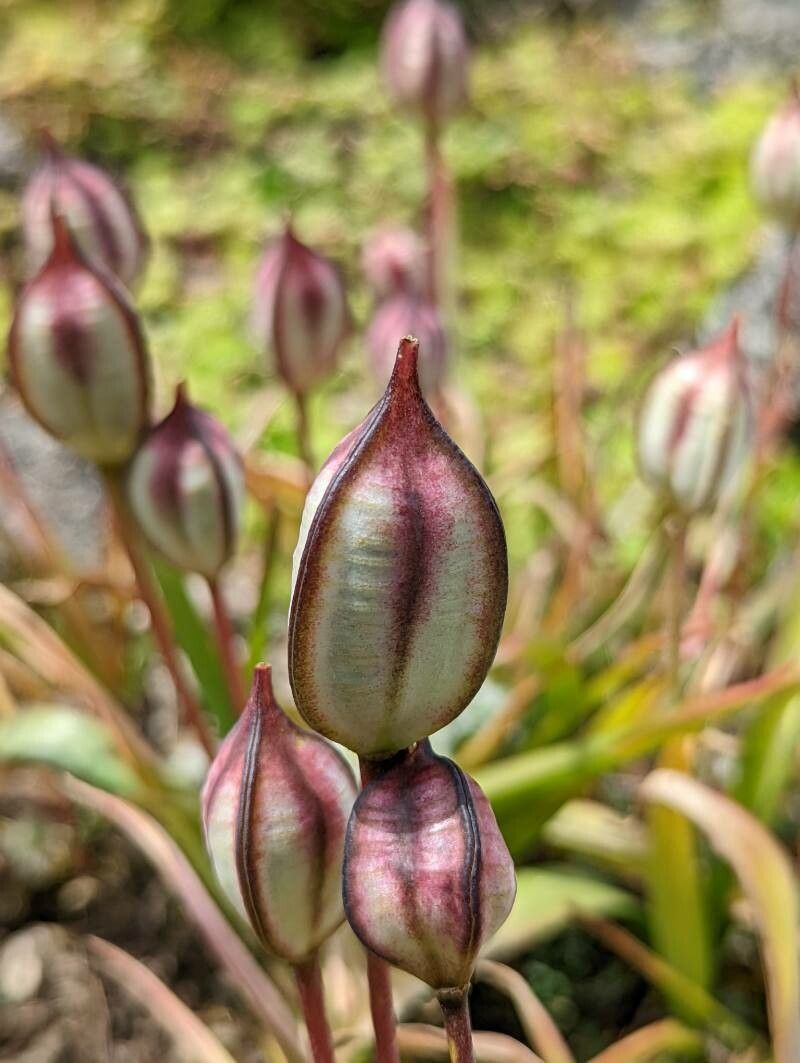
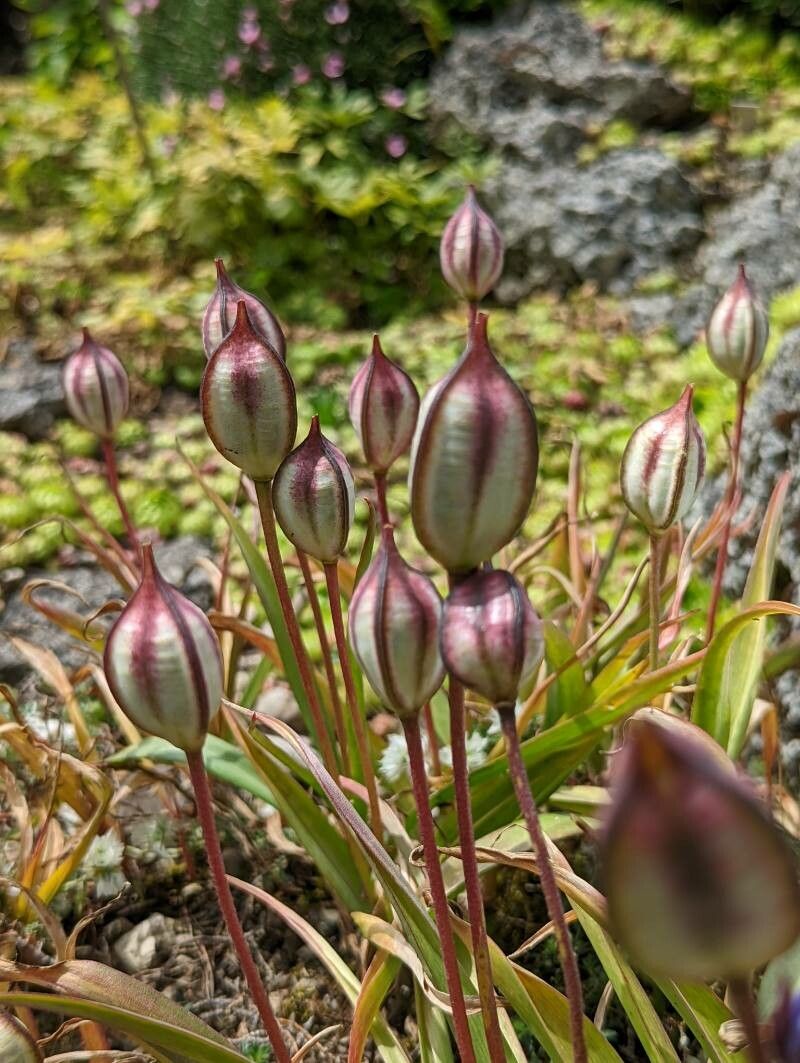
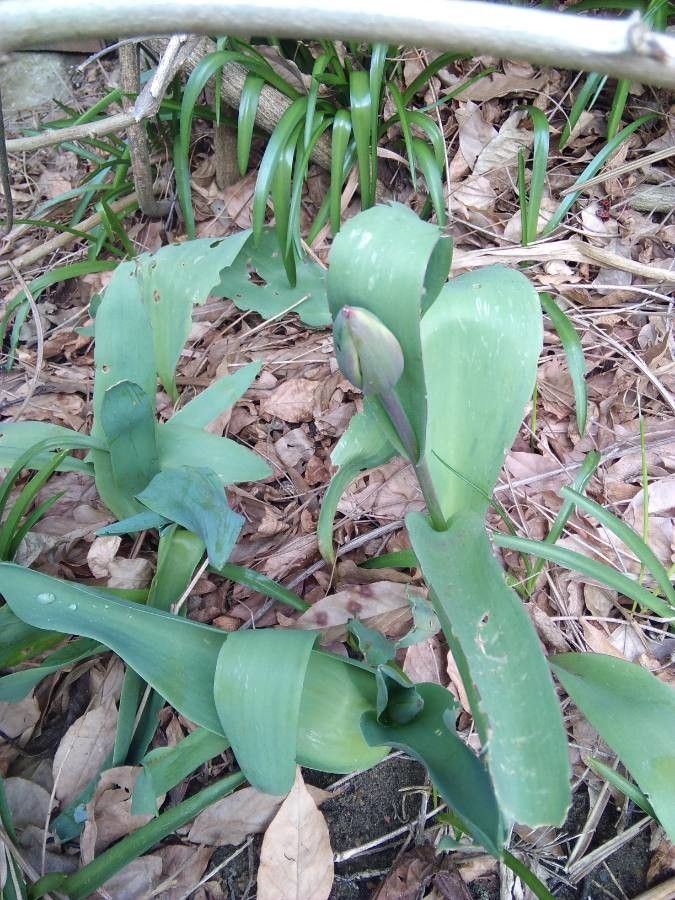
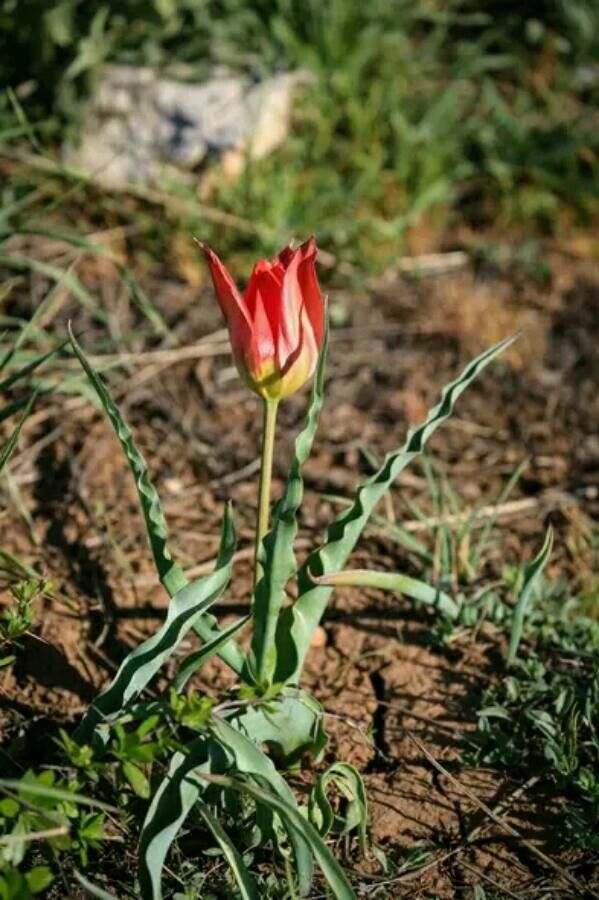
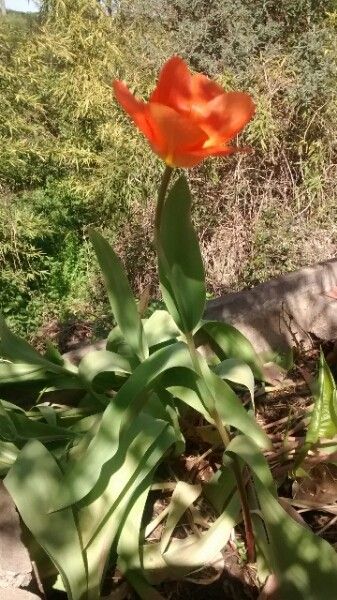
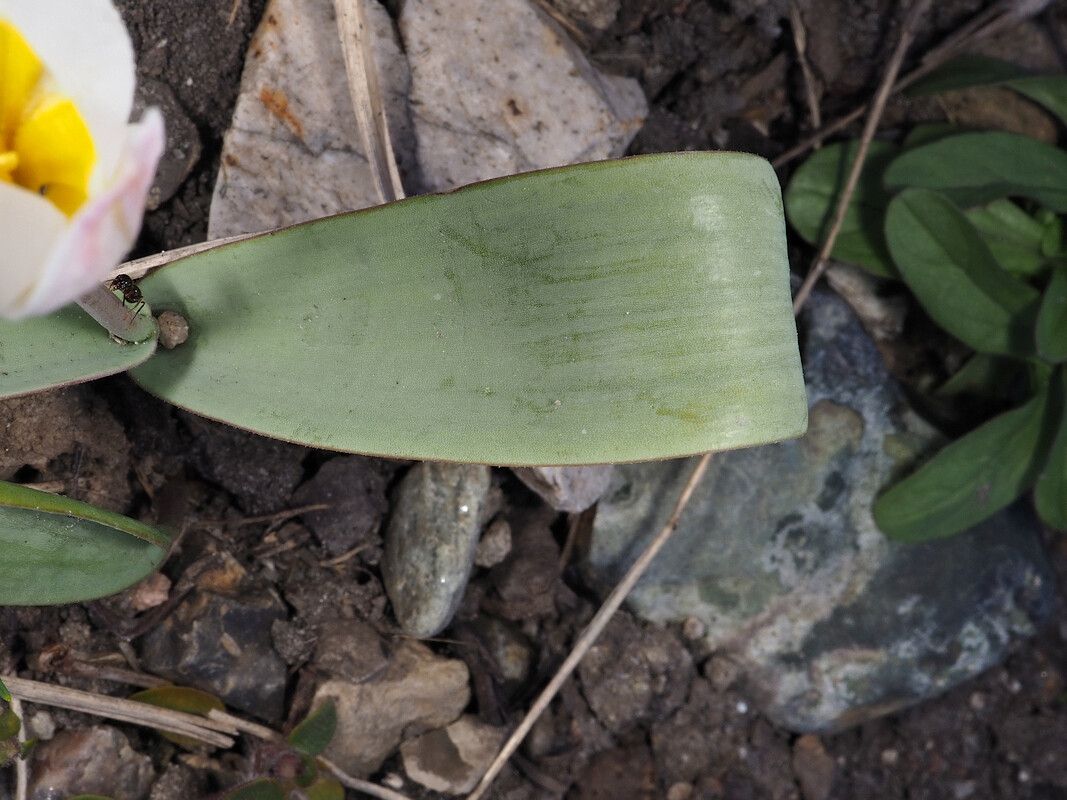
Tulipa urumiensis, the late tulip or tardy tulip, is a species of flowering plant in the family Liliaceae. It is a perennial growing from a bulb. By some sources the accepted name is Tulipa tarda. It has a leathery tunic that is glabrous on the inside. It has up to seven linear green leaves that can be up to 20 cm long. The stem is between 4 and 20 cm long. The yellow flowers have white tips, anthers and stamen are yellow.Tulipa urumiensis is native to central Asia, growing in rocky subalpine meadows in the Tian Shan. It was confused with Tulipa dasystemon for a long time, and only scientifically described in 1932 by Otto Stapf and again as T. tarda in 1933.The plant blooms in late April and early May in the Northern Hemisphere. The plant was accorded the Royal Horticultural Society's Award of Garden Merit in 1993.
The wild tulip shows strong resistance to diseases and is generally not easily affected by them. Still, it can be vulnerable to pests and diseases present in its environment, though such infections are usually mild. Regarding care, this plant needs moderate maintenance. It should be pruned regularly to keep a good appearance and support healthy growth. Fertilizing can also encourage flowering. The wild tulip is appropriate for anyone with outdoor space, like a garden or patio, and does not demand significant gardening experience. It may need more attention if grown indoors.
How to keep Tulipa Tarda.
Light
A wild tulip requires a substantial amount of sunlight to support healthy growth, since it comes from places with abundant light. Adequate light exposure is important during the different stages of its development. Too little light can impede its growth, while excessive light may damage the plant.
Temperature
Wild tulip can tolerate a wide range of temperatures, but its distribution may still be restricted by different combinations of moisture and heat. It does best in warm summer climates with sufficient rainfall or watering. Long stretches of cloudy, rainy weather, as well as extended high temperatures, can raise the chance of Wild tulip dying. In winter, protecting the plant from cold can increase its likelihood of survival.
Fertilizer
For Wild tulip, the primary time to apply fertilizer is in early spring when the flowers are forming. The appropriate fertilizer promotes better blooms and helps Wild tulip produce attractive flowers. Fertilizing in early spring ensures strong flowers throughout the season and supplies energy for the plant's dormant growth phases.
Botanical profile.
- Plant Type
- Herb
- Life Cycle
- Perennial
- Genus
- Tulipa
- Family
- Liliaceae
- Hardiness Zone
- 4-8
- Mature Height
- 15 cm
- Mature Spread
- 10 cm
- Leaf Color
- Green, Red, Silver
- Leaf Type
- Deciduous
- Flower Color
- Yellow
- Flower Size
- 3.05 cm to 5.08 cm
- Bloom Time
- Early spring, Mid spring
- Planting Time
- Autumn, Winter
- Harvest Time
- Late spring, Early summer
- Native Area
- Iran
Other names.