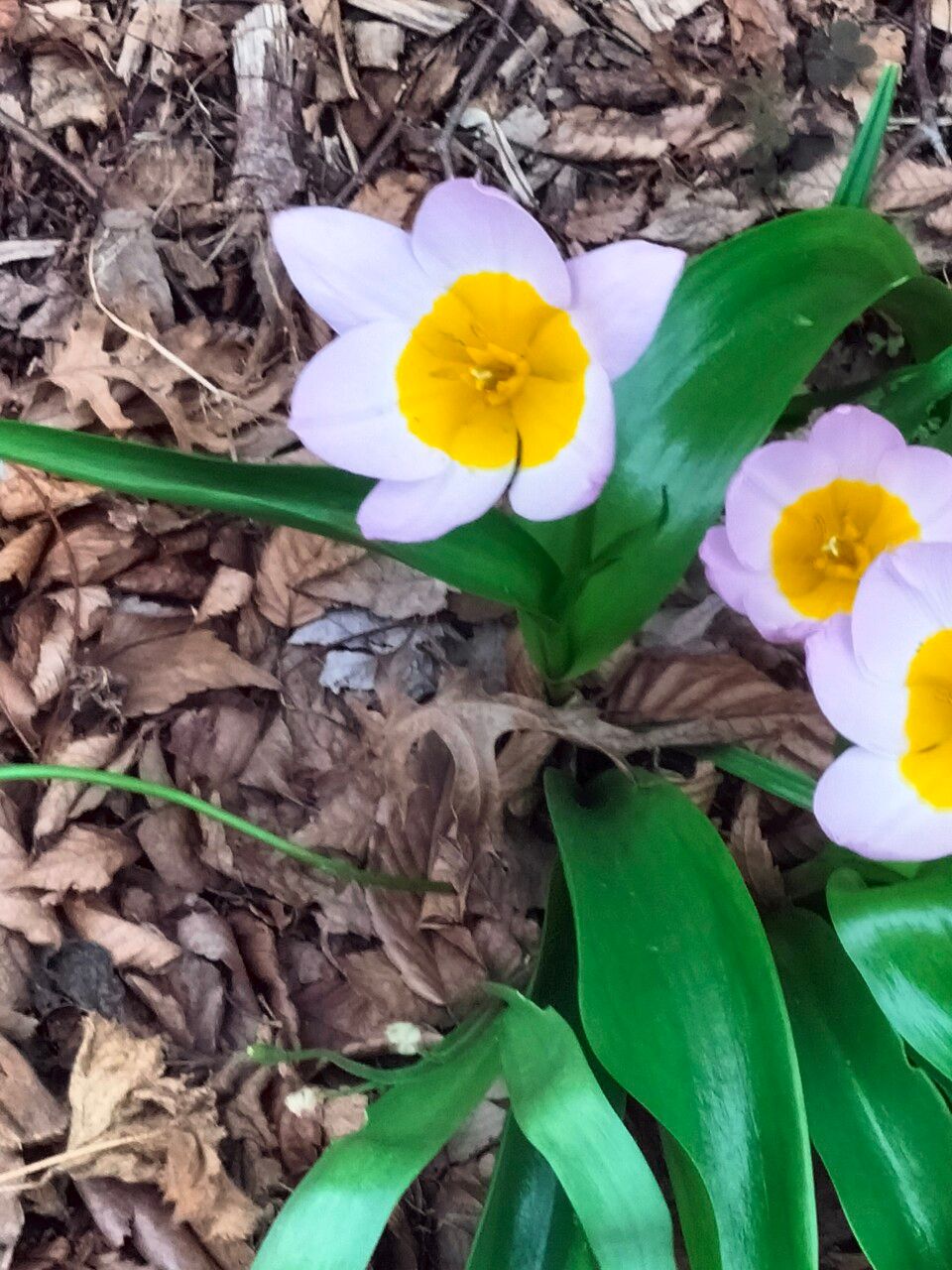
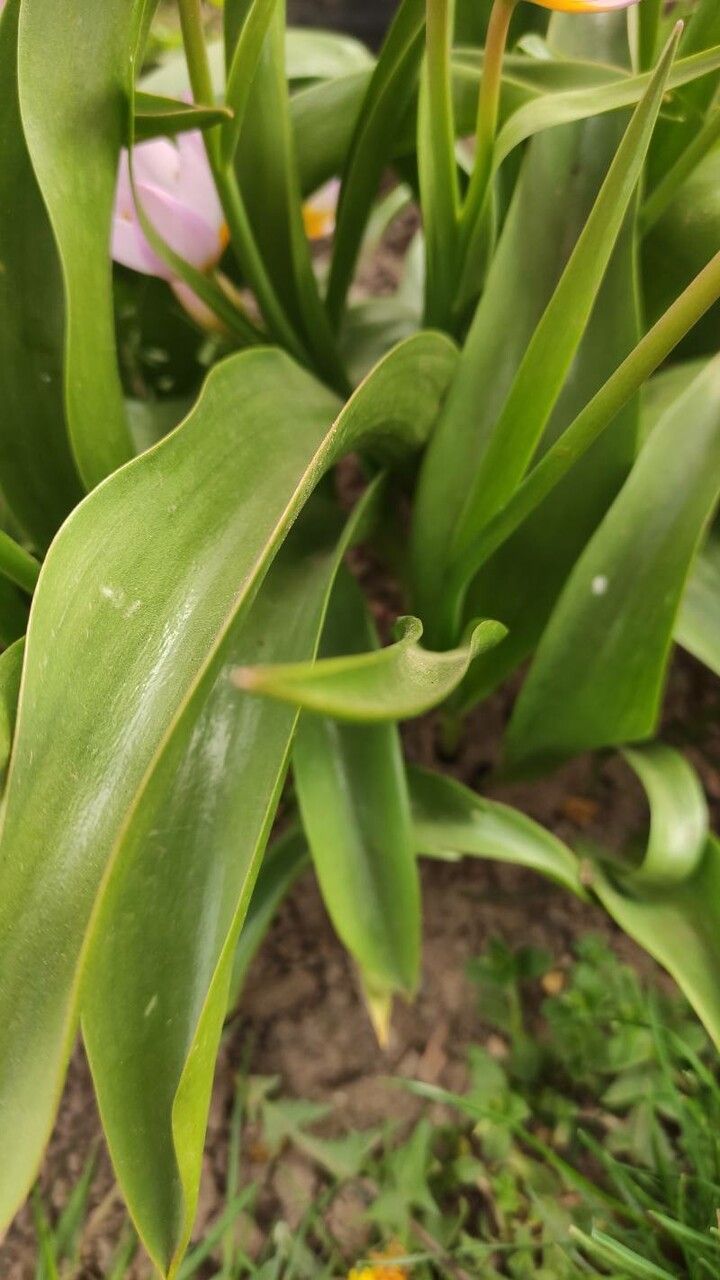
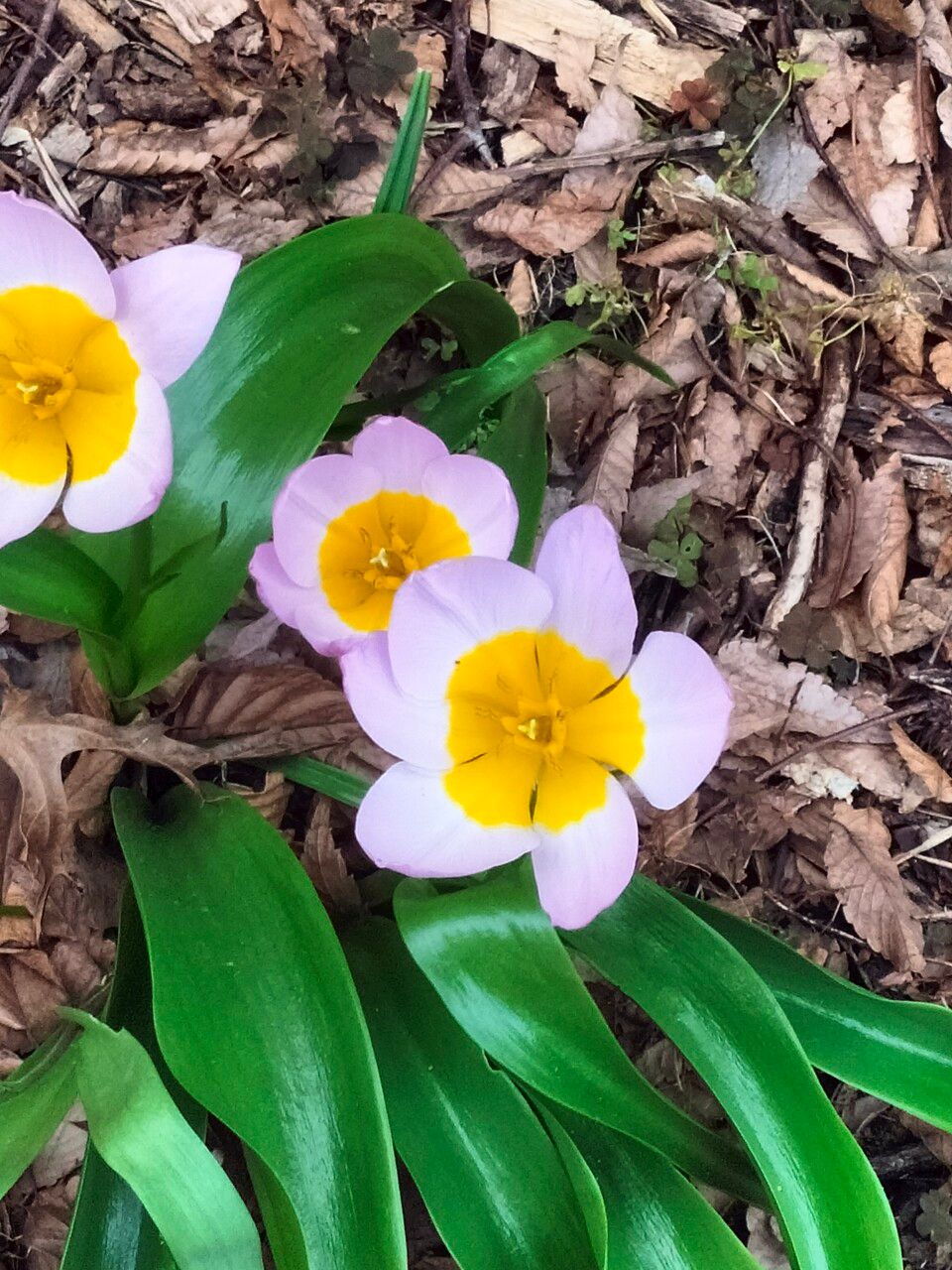
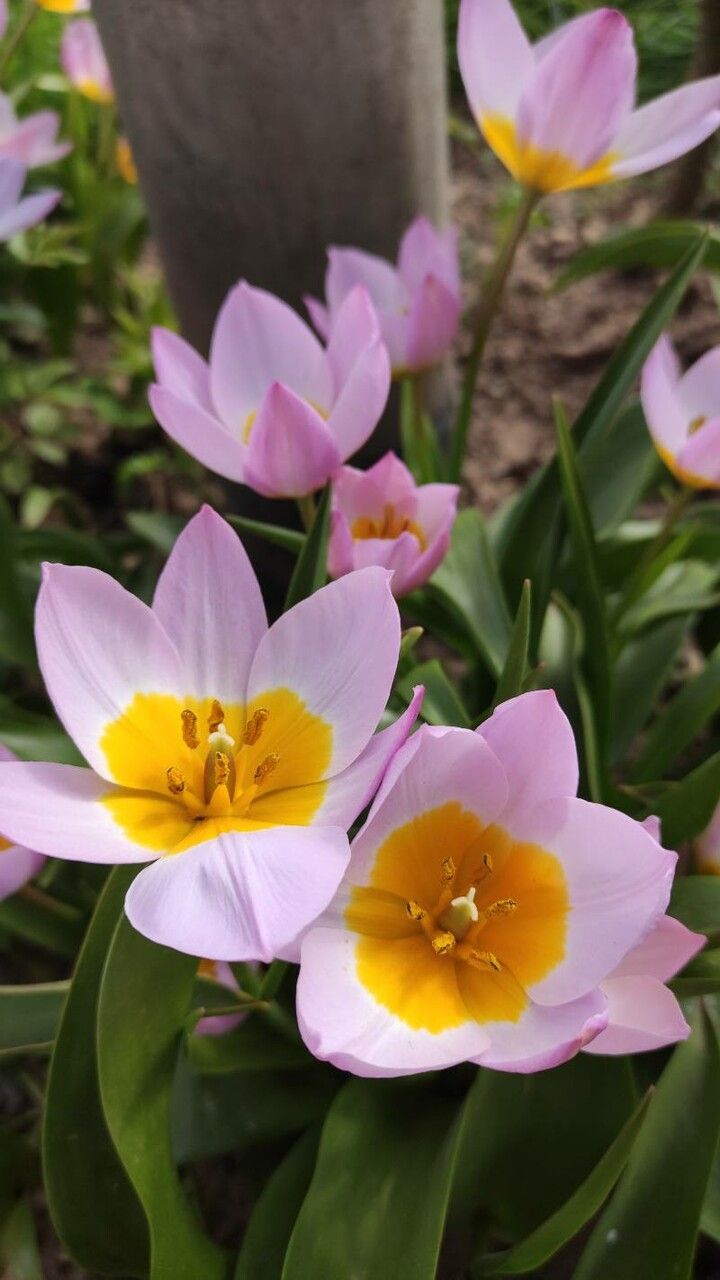
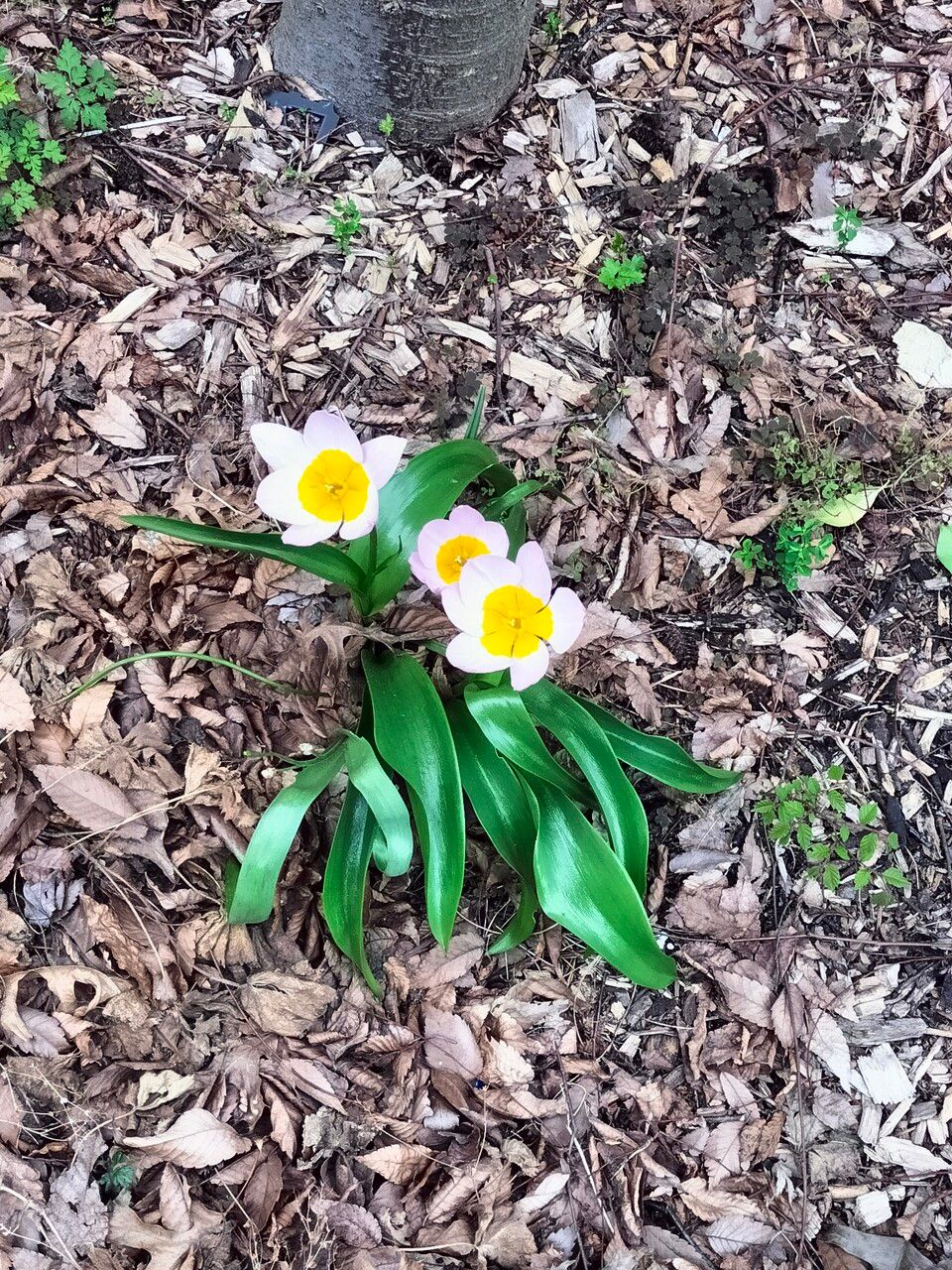
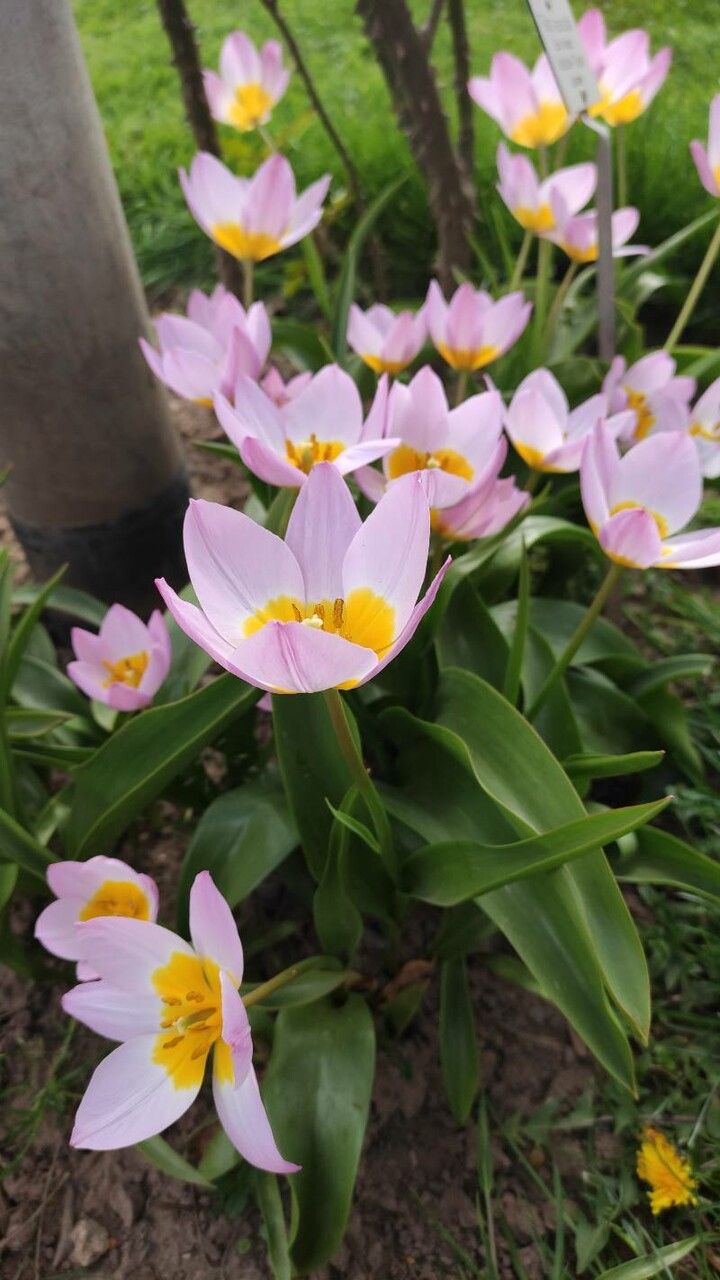
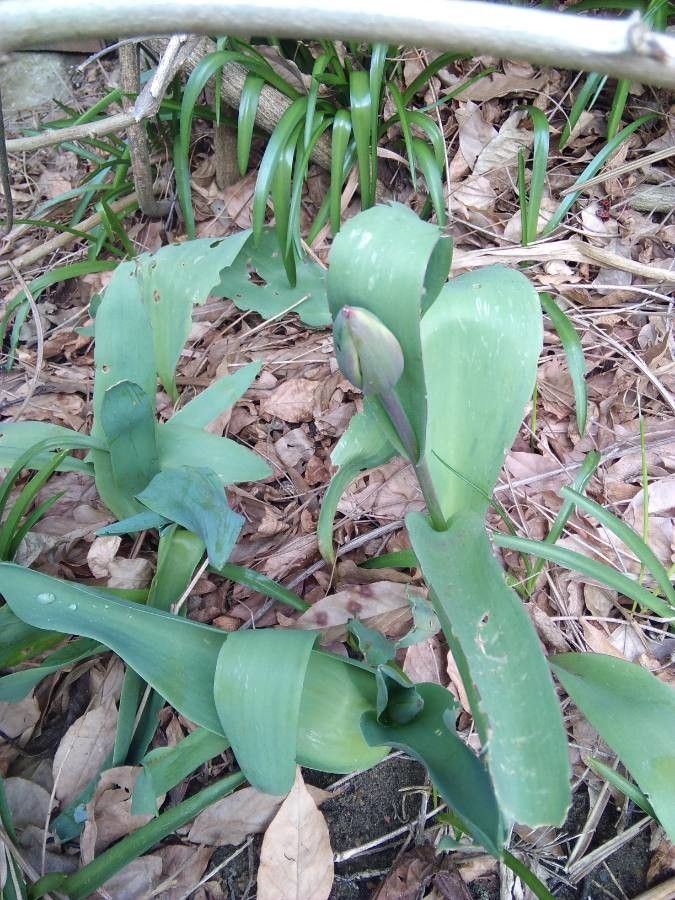
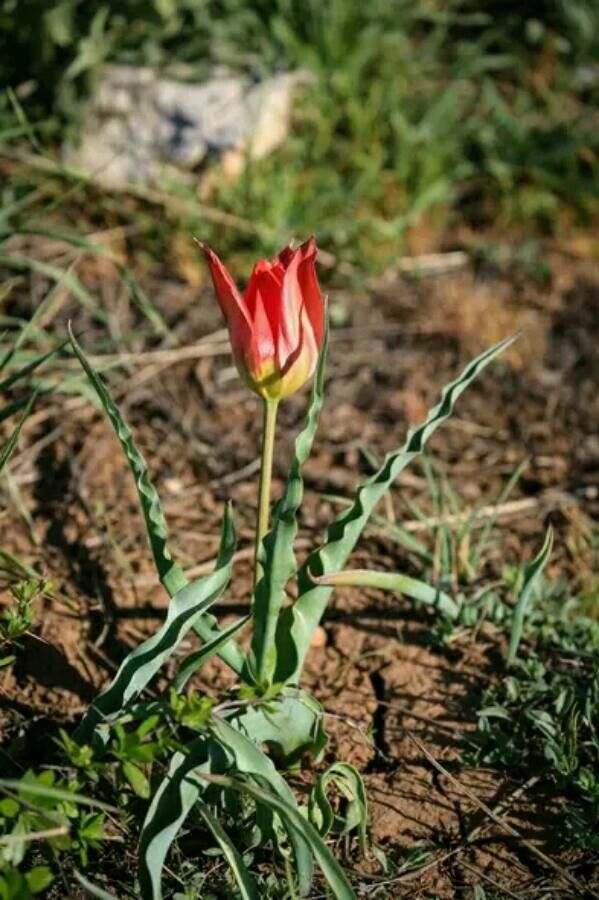
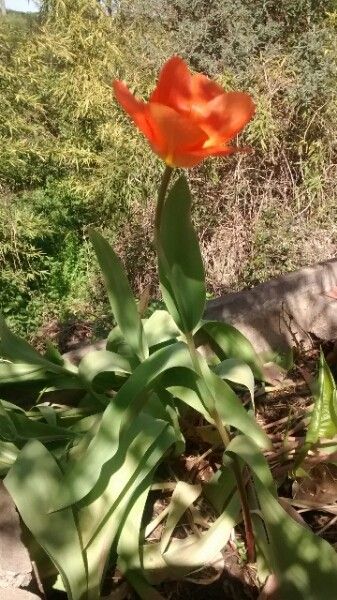
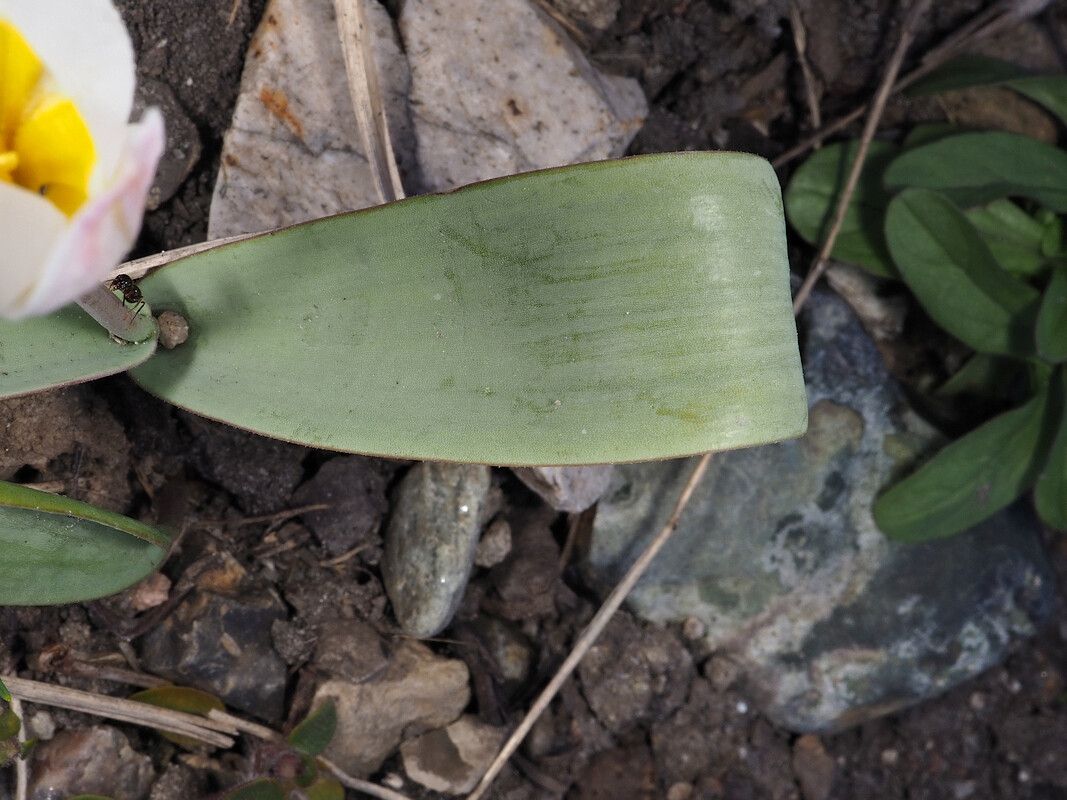
Tulipa saxatilis (syn. Tulipa bakeri) is a Greek and Turkish species of plant in the genus Tulipa of the family Liliaceae.
Cliff tulip shows strong resistance to disease and is generally not prone to illness. Still, it can be affected by pests and diseases present in its environment. Such infections are typically mild. Regarding care, this plant is moderately demanding. It should be pruned regularly to preserve a neat appearance and encourage healthy growth. Applying fertilizer can also aid in boosting blooms. Cliff tulip is appropriate for anyone with outdoor areas like a garden or patio and does not demand extensive care experience. It may need extra attention if cultivated indoors.
How to keep Tulipa Saxatilis.
Light
Cliff tulip flourishes in full sun and can tolerate partly shaded conditions. Native to habitats that typically receive abundant sunlight, it depends on ample light for healthy growth. However, either too much or too little sunlight can impede its development.
Temperature
Cliff tulip adapts well to temperature, tolerating higher heat and wide temperature fluctuations. In hot weather, care should be taken with watering and providing enough shade to prevent sunburn. On the other hand, Cliff tulip is not very tolerant of low temperatures. While it can endure a certain amount of cold, overly cold conditions may cause frost damage.
Fertilizer
The primary time to fertilize Cliff tulip is in early spring, while the flowers are forming. Using the appropriate fertilizer promotes improved blooms and helps Cliff tulip develop attractive flowers. Applying fertilizer in early spring ensures strong flowers during the season and supplies energy for dormant growth phases.
Pruning
The Cliff Tulip thrives in rocky, well-drained soils and produces delicate pink flowers. For best results, prune your Cliff Tulip in early spring before new growth begins. This involves removing dead leaves and spent stems to improve air circulation. Regular pruning not only enhances the blooms and overall appearance of the plant but also promotes a healthier and more attractive Cliff Tulip.
Pot & Repot
Repot cliff tulips every two years in the autumn, after they have gone dormant. Choose a container that is 1-2 inches wider than the previous one and fill it with well-draining soil. Once repotted, provide moderate watering and place the tulips in partial sunlight. This will create an environment that encourages vibrant blooms in the spring.
Botanical profile.
- Plant Type
- Herb
- Life Cycle
- Perennial, Annual, Biennial
- Genus
- Tulipa
- Family
- Liliaceae
- Hardiness Zone
- 5-9
- Mature Height
- 25 cm
- Mature Spread
- 91 cm
- Leaf Color
- Green
- Leaf Type
- Deciduous
- Flower Color
- Pink, Lavender
- Flower Size
- 5.08 cm to 6.35 cm
- Bloom Time
- Early spring, Mid spring
- Planting Time
- Spring, Summer
- Harvest Time
- Late spring, Early summer
- Native Area
- Turkey, Greece
Other names.
Reader questions.
What are the sunlight requirements for Cliff Tulip?
Cliff tulip, or Tulipa saxatilis, thrives best under full sun conditions, which means it requires more than 6 hours of direct sunlight daily. It can also grow in partial sun, receiving about 3-6 hours of sunlight. It's critical to observe how sunlight moves through your garden to find spots that offer the perfect balance of light and shade. This balance is essential for the plant's health and growth.
What is the botanical name of Cliff tulip?
The botanical name of Cliff tulip is Tulipa saxatilis.
What should be done if natural sunlight is insufficient for Cliff Tulip?
If natural sunlight is insufficient, especially during winter or in less sunlit spaces, supplementing with artificial light can promote healthier growth. LED lights are recommended because they can be customized to provide specific wavelengths of light needed by plants. Full sun plants need 30-50W\/sq ft, partial sun plants 20-30W\/sq ft, and full shade plants 10-20W\/sq ft of artificial light. The light source should be placed 12-36 inches above the plant and kept on for 8-12 hours per day to mimic natural light conditions effectively.
How does inadequate lighting affect Cliff Tulip?
Inadequate lighting can lead to several issues for Cliff Tulip. Symptoms include smaller new leaves, leggy or sparse growth, faster leaf drop, slowed or halted growth, and leaves developing irregular color patterns or appearing pale, which indicates a lack of chlorophyll and essential nutrients. Conditions such as chlorosis, sunscald, leaf curling, wilting, and leaf scorching can also arise from improper light exposure.
How can one mitigate the effects of insufficient sunlight for Cliff Tulip?
To counter insufficient sunlight, gradually relocate your Cliff Tulip to sunnier spots, ensuring at least 6 hours of direct sunlight daily. Use south-facing windows and keep curtains open during the day. For plants that are large or not easily movable, consider using desk lamps or invest in professional grow lights, keeping them on for at least 8 hours a day. If dealing with outdoor plants, avoid drastic changes in light intensity to prevent sunburn. Pruning obstructive branches and transplanting smaller plants to sunnier locations can also improve sun exposure.