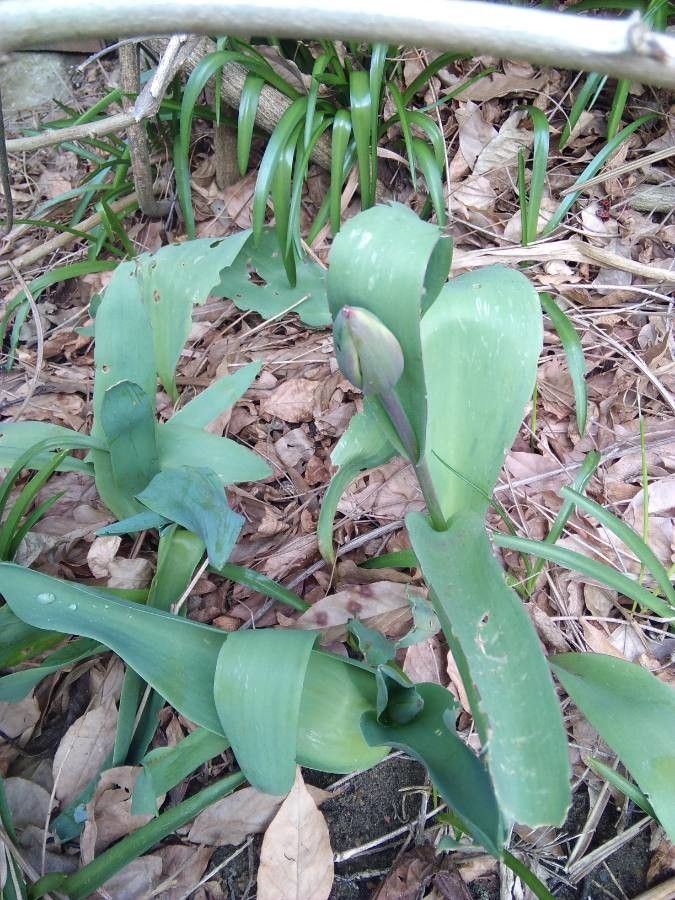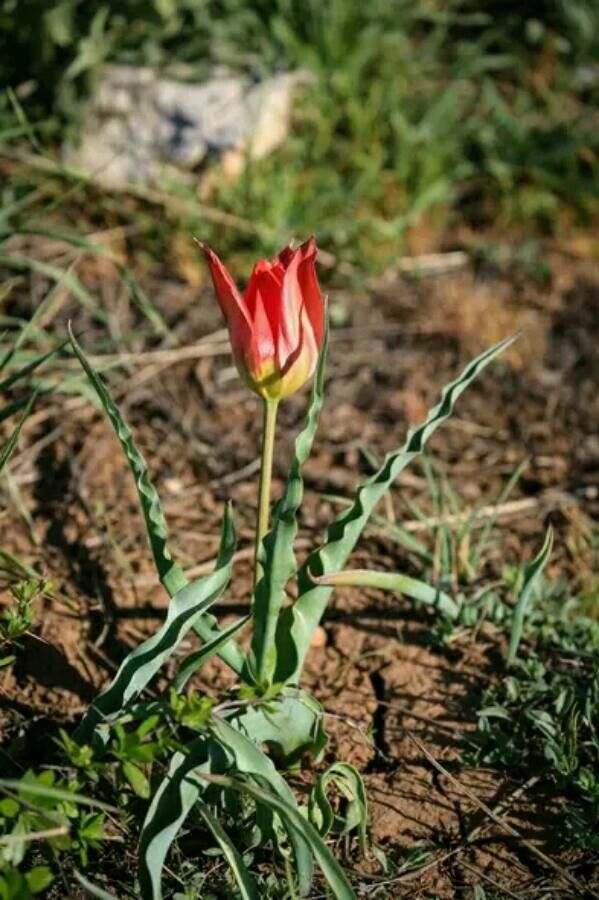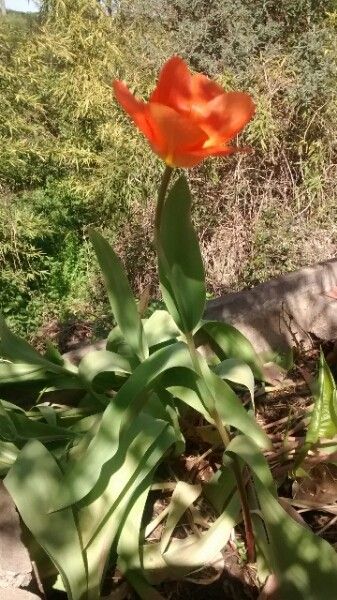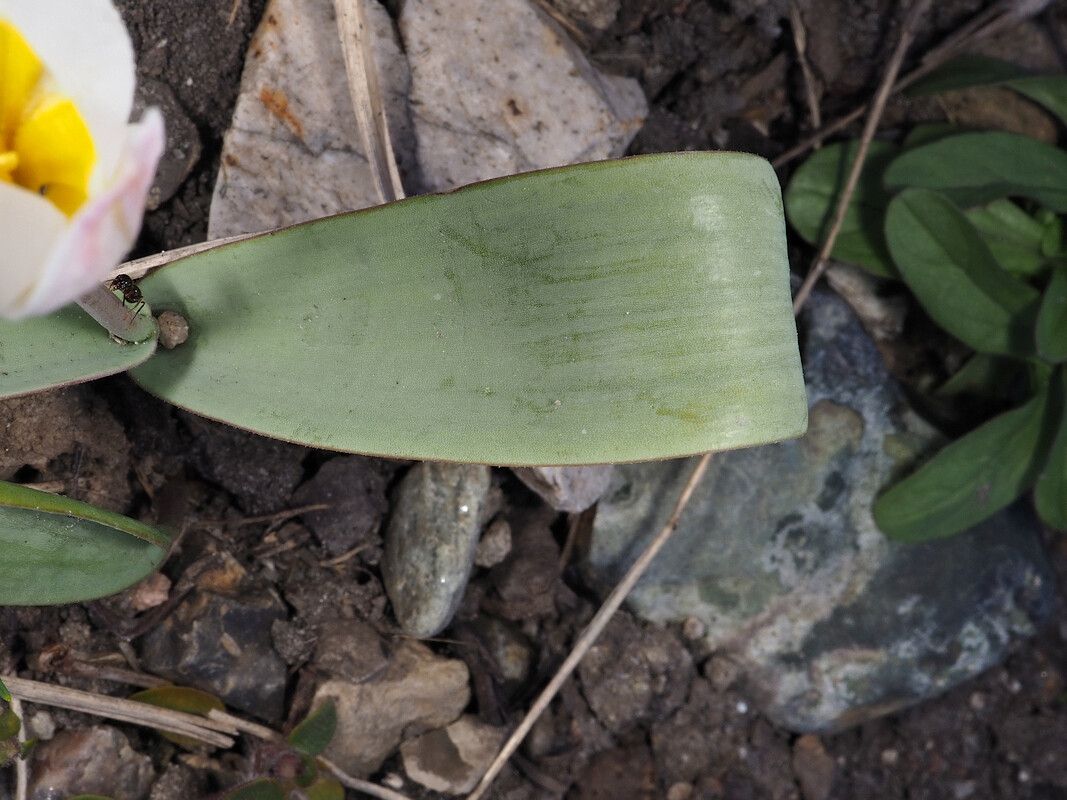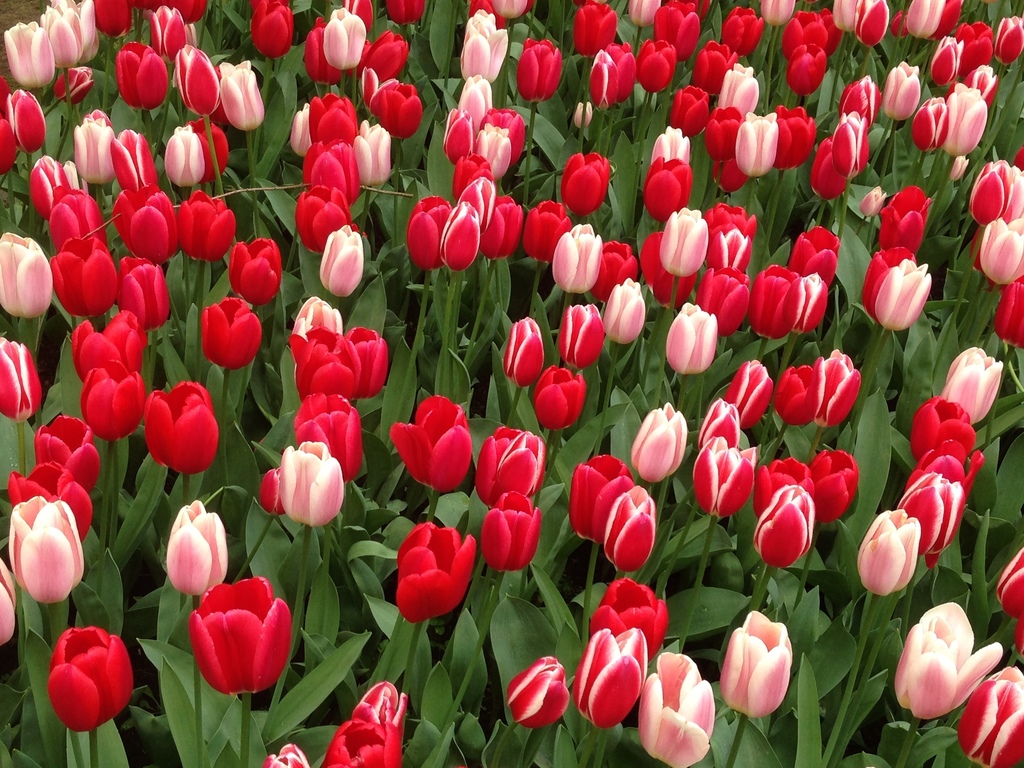
Tulipa gesneriana, the Didier's tulip or garden tulip, is a species of plant in the lily family, cultivated as an ornamental in many countries because of its large, showy flowers. This tall, late-blooming species has a single blooming flower and linear or broadly lanceolate leaves. This is a complex hybridized neo-species, and can also be called Tulipa × gesneriana. Most of the cultivars of tulip are derived from Tulipa gesneriana. It has become naturalised in parts of central and southern Europe and scattered locations in North America. This hybrid is widely believed to have originated in Tian Shan of China, from the collections of the sultan of the Ottoman Empire in Istanbul, as is the case with other species of tulips that came into Europe. In 1574, Sultan Selim II ordered the Kadi of A‘azāz in Syria to send him 50,000 tulip bulbs. However, Harvey points out several problems with this source, and there is also the possibility that tulips and hyacinth (sümbüll), originally Indian spikenard (Nardostachys jatamansi) have been confused. Sultan Selim also imported 300,000 bulbs of Kefe Lale (also known as Cafe-Lale, from the medieval name Kaffa, probably Tulipa schrenkii) from the port of Kefe in Crimea, for his gardens in the Topkapı Sarayı in Istanbul. They are hybridized with other species present in the collections. Tulipa schrenkii is genetically very closely related to Tulipa gesneriana, and sometimes classified in the same species. Tulipa gesneriana was introduced to western Europe from Constantinople in 1554. It was first described in 1559 by Conrad Gesner.When the tulip originally arrived in Europe from the Ottoman Empire, its popularity soared and it quickly became a status symbol for the newly wealthy merchants of the Dutch Golden Age. As a mosaic virus began to infect bulbs, producing rare and spectacular effects in the bloom but weakening and destroying the already limited number of bulbs, a speculative frenzy now known as tulip mania was triggered between 1634 and 1637. Bulbs were exchanged for land, livestock, and houses, and the Dutch created futures markets where contracts to buy bulbs at the end of the season were bought and sold. A single bulb, the Semper Augustus, fetched 6,000 florins in Haarlem — at that time, a florin could purchase a bushel of wheat. The flower and bulb can cause dermatitis through the allergen, tuliposide A, even though the bulbs may be consumed with little ill effect. The bulbs may be dried and pulverised and added to cereals or flour.The sweet-scented bisexual flowers appear during April and May. Bulbs are extremely resistant to frost and can tolerate temperatures well below freezing — a period of low temperature is necessary to induce proper growth and flowering, triggered by an increase in sensitivity to the phytohormone auxin.The UK National Collection of Tulipa spp. is held by T Freeth at the Royal Botanic Gardens, Kew.Anthocyanins have been found in various tulip flowers, such as Tulipa gesneriana, Tulipa fosteriana and Tulipa eichleri.
Garden tulip is quite resistant to diseases and is generally not prone to them. However, it can be vulnerable to leaf spots if lighting and ventilation are poor and if it is overwatered. The plant's care level is considered easy, since it mainly needs regular watering and little else. Garden tulip is appropriate for people who lack the time and energy for ongoing maintenance.
How to keep Tulipa Gesneriana.
Light
Tulips from the garden prosper when there is plenty of sunlight, which is key to their vibrant blossoming. Despite coming from areas with open spaces, they can also endure in locales where sunlight is somewhat scarce, although their growth may not be as robust. Insufficient light can result in frail stems, while an excess can induce wilting.
Water
The garden tulip is a drought-tolerant plant native to arid regions. It thrives in well-drained soil with moderate moisture levels. For optimal growth, water the plant every 1–2 weeks, allowing the soil to dry out slightly between waterings. During its dormancy in colder months, the tulip requires less water, which helps support its natural growth cycle.
Humidity
This plant will thrive in moderate humidity, which is probably the level in your home. However, misting it a few times a week can be very beneficial. Make sure the room has good ventilation.
Temperature
The garden tulip is naturally suited to a temperate climate with temperatures ranging from 68 to 95 °F (20 to 35 ℃). That being said, it can readily adapt to various environments. Modifying the temperature during winter can improve its flowering.
Fertilizer
The primary fertilizing period for Garden tulip is early spring, during the formation of flowers. Proper fertilization not only enhances the blossoms but also assists the Garden tulip in producing beautiful flowers. By fertilizing in the early spring, one can guarantee impressive flowers throughout the season and supply energy for the periods of dormant growth.
Pruning
Garden tulips are known for their vibrant, cup-shaped flowers. To promote healthy growth and abundant blooms, prune these plants in early spring by removing spent flowers and yellowing leaves. This not only enhances future blooms but also prevents mold growth. Always use sterile tools to help control the spread of diseases. Regular pruning supports the overall health of the plant and encourages robust flowering.
Pot & Repot
Repot garden tulips every 2-3 years in the fall, once the leaves have died back. Select a slightly larger pot that has drainage holes and fill it with well-draining soil. Water the tulips sparingly until you see new growth. Once new growth appears, resume regular watering to ensure vibrant blooms in the spring.
Botanical profile.
- Plant Type
- Herb
- Life Cycle
- Perennial, Annual, Biennial
- Genus
- Tulipa
- Family
- Liliaceae
- Hardiness Zone
- 4-10
- Mature Height
- 49 cm
- Mature Spread
- 5 cm
- Leaf Color
- Green
- Leaf Type
- Deciduous
- Flower Color
- Red, Yellow, Pink, White, Purple, Orange
- Flower Size
- 2.03 cm to 4.06 cm
- Bloom Time
- Mid spring, Late spring
- Planting Time
- Spring, Winter
- Harvest Time
- Late spring, Early summer
- Native Area
- Turkey
Other names.
Reader questions.
When Should I Water My Garden Tulip?
Watering your garden tulip requires attention to a few key indicators to maintain its health and vibrancy. Check the soil moisture around your tulip by feeling if the top 1 to 2 inches of soil are dry; this is a sign your plant needs water. Additionally, observe the leaves for any signs of wilting or loss of color, which indicates under-watering. The pre-flowering or bud formation stage is critical for watering, as insufficient moisture can cause bud drop. Be mindful of the increased water requirement during warm temperatures and high sunlight exposure. Avoid watering too early when the soil is still moist to prevent root rot and other diseases. Conversely, watering too late can cause wilting and even plant death. Understanding and responding to these signals will help ensure optimal growth and flowering.
Why should I put fertilizer on my Garden tulip?
Fertilizing a Garden tulip is important for several reasons. Firstly, it helps the tulip produce beautiful blooms. To achieve this, it is recommended to fertilize in early spring. Secondly, fertilizer provides the tulip with energy that it can store in the ground during its dormant growth phases. By giving the tulip extra nutrients during fall planting or late spring, it will have more energy to utilize when active growth resumes.
What are the sunlight requirements for Garden Tulip?
Garden Tulip (Tulipa gesneriana) requires a significant amount of sunlight for optimal growth and vivid blooming. The ideal conditions include full sun, which means the plant should receive above 6 hours of sunlight daily, or partial sun, amounting to about 3-6 hours of sunlight each day. It's essential to observe the movement of sunlight through your garden to ensure your plants are situated in locations that offer an ideal balance of light and shade. This careful placement supports the plants' health and happiness.
What is the ideal temperature for Garden tulips?
Garden tulip, botanically known as Tulipa gesneriana, thrives in a temperate climate with temperatures ranging between 68 to 95 °F (20 to 35 °C). This species is well-adapted and can acclimate to varied environments. During winter, it is beneficial to adjust the temperature for improved blooming. Despite its strong cold resistance, frost protection measures may not be necessary unless temperatures are expected to drop below -30°C. In such extreme cold, protection with soil or straw and ensuring the soil is moist before the first freeze can prevent drought stress during winter and early spring.
How Should I Water My Garden Tulip?
When watering your garden tulip, it's important to employ the right techniques to meet its specific needs and avoid common issues such as over-saturation or fungal diseases. Bottom-watering is an effective method that involves placing the plant pot in a tray of water, allowing the soil to absorb moisture from the bottom up, which is especially beneficial for Tulipa gesneriana. If you're using a watering can, opt for one with a narrow spout to direct water to the base of the plant, minimizing moisture on the foliage. This method promotes healthy root hydration while reducing the risk of leaf and stem diseases.
When should I fertilize my tulip garden?
To ensure optimal growth and blooming of your Garden tulip, there are a few recommended times for fertilization. Early spring, when the flowers are forming, is the prime time to fertilize. By using the right fertilizer, you can encourage better blooms. Additionally, you can fertilize your Garden tulip later in the spring after the flowers have faded. This will provide your tulips with ample energy to store and utilize for the following year. If you are planting Garden tulips for the first time in the fall, it is also beneficial to provide fertilizer during the planting process. This will give your tulips the best chance of producing a healthy set of flowers during their initial growing season.
Why is sunlight important for Garden Tulip, and what are the effects of insufficient or excessive sunlight?
Sunlight plays a crucial role in the growth and health of Garden Tulips, originating from regions with open environments. Adequate sunlight promotes healthy growth and is essential for the plant to produce vivid blooms. Insufficient light can lead to weak stems and less vigorous growth. On the other hand, too much sunlight can cause issues like wilting. It's important to find a balance to prevent chlorosis (leaves turning yellow due to lack of chlorophyll), sunscald (damage from intense sunlight exposure), leaf curling as a defense mechanism against excessive sunlight, wilting from excessive transpiration, and leaf scorching from too much sunlight.
How does low temperature affect Garden tulips and what are the solutions?
Garden tulips show remarkable cold tolerance and generally flourish with temperatures above 20°C. It is crucial to keep them above 0°C during the winter months. In cases where temperatures plummet below -30°C, tulips may not exhibit immediate damage but could face a decrease in, or absence of, sprouting in spring. To address issues with reduced sprouting, you should remove any parts of the plant that fail to sprout when spring arrives.
How Much Water Does Garden Tulip Really Need?
Garden tulip requires consistent soil moisture to thrive, particularly in its native Mediterranean-like climate. The amount of water needed varies with pot size, root depth, and plant size. Ensure thorough watering when the top inch of soil feels dry to the touch, allowing the water to reach the entire root system. Well-hydrated garden tulips will display vibrant green leaves and upright, strong flowers. Striking the right balance in watering, avoiding both over and under-watering, enhances the plant's health and flowering potential. Additionally, ensure good air circulation and avoid water collection in saucers to prevent root rot.
When is the best time to not put fertilizer on my Garden tulip?
To keep your Garden tulip healthy, there are specific times you should fertilize it. These include during the fall planting process, the early spring bloom period, and the late spring after the bloom period. Fertilizing at any other time could harm the plant. Remember that the Garden tulip goes through dormant phases, when it doesn't require fertilizer or much water. These phases occur during the winter and also during the summer after the flowers fade and the leaves die back. Once the leaves have died back, your plant has re-entered a dormant phase and doesn't need fertilizer.
How can artificial lighting be used for Garden Tulips?
In scenarios where natural sunlight is insufficient, particularly during winter or in less sunny spaces, artificial lighting serves as an essential solution for Garden Tulips. Indoor plants benefit from LED lights, which can be customized to provide specific wavelengths needed for plant growth. The requirements differ based on the plant's sunlight needs: full sun plants need 30-50W/sq ft, partial sun plants 20-30W/sq ft, and full shade plants 10-20W/sq ft of artificial light. The light source should be placed 12-36 inches above the plant to mimic natural sunlight, and the duration should match the natural daylight hours for the species, generally between 8-12 hours per day.
What should be done if Garden tulips are exposed to high temperatures?
To ensure the health of Garden tulips during summer, their environment should be kept below 35°C. Exposure to temperatures above 41°C may result in pale leaves, prone to curling and sunburn, and the plant might wilt and dry out in severe cases. Managing high temperature stress involves trimming sunburned or dried parts, relocating the plant to a shaded area away from intense midday and afternoon sun, or setting up a shade cloth. Additionally, watering the plant during the cooler parts of the day, such as morning and evening, helps to maintain soil moisture and reduce heat stress.