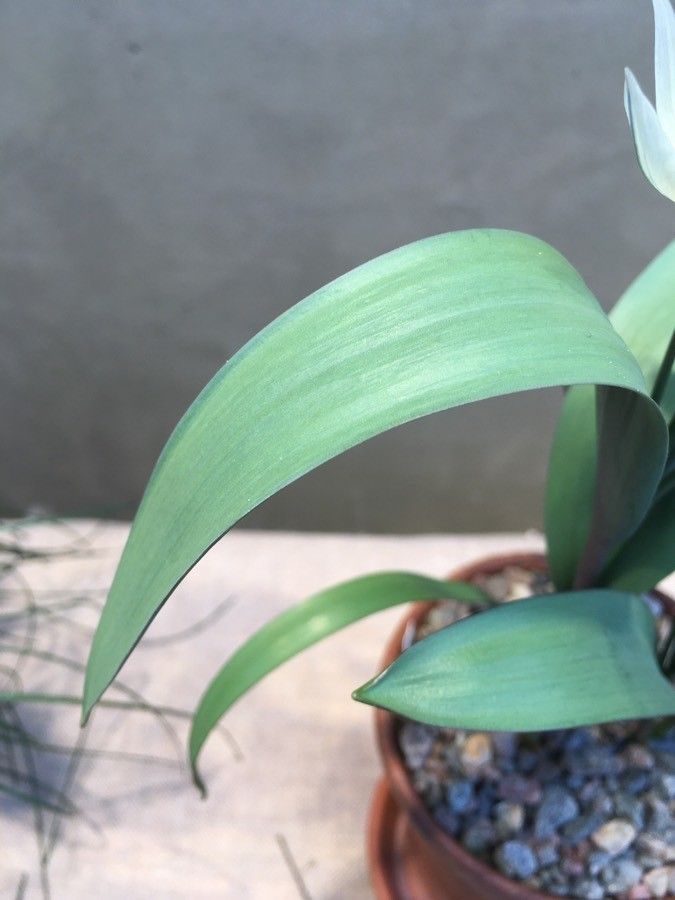
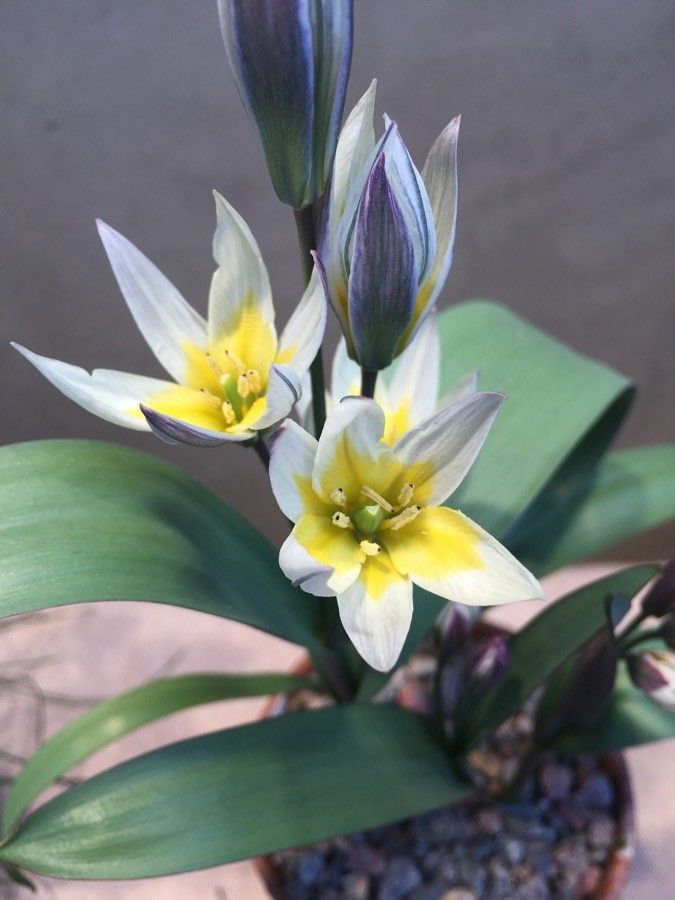
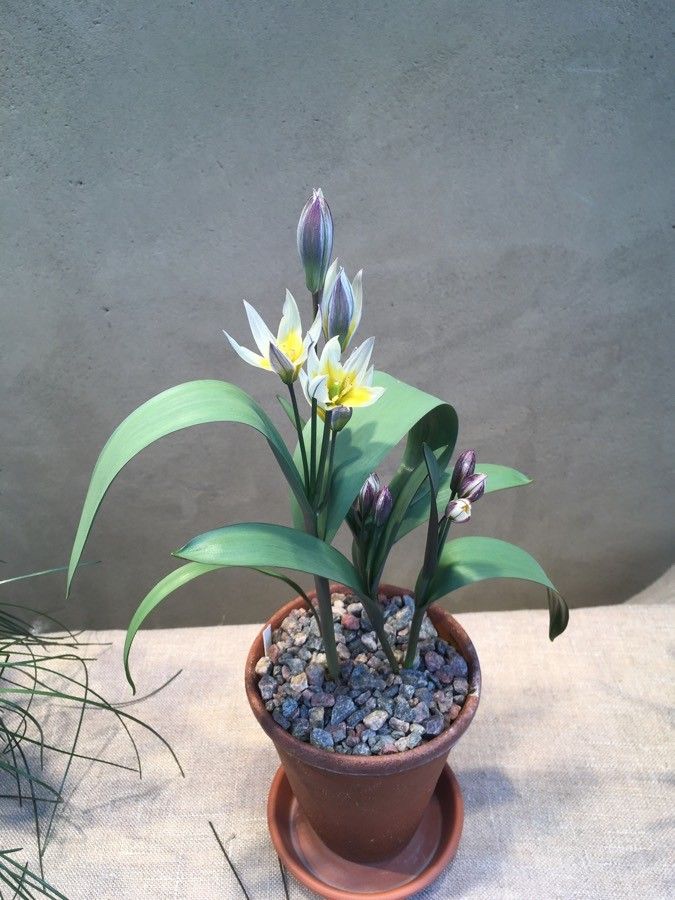
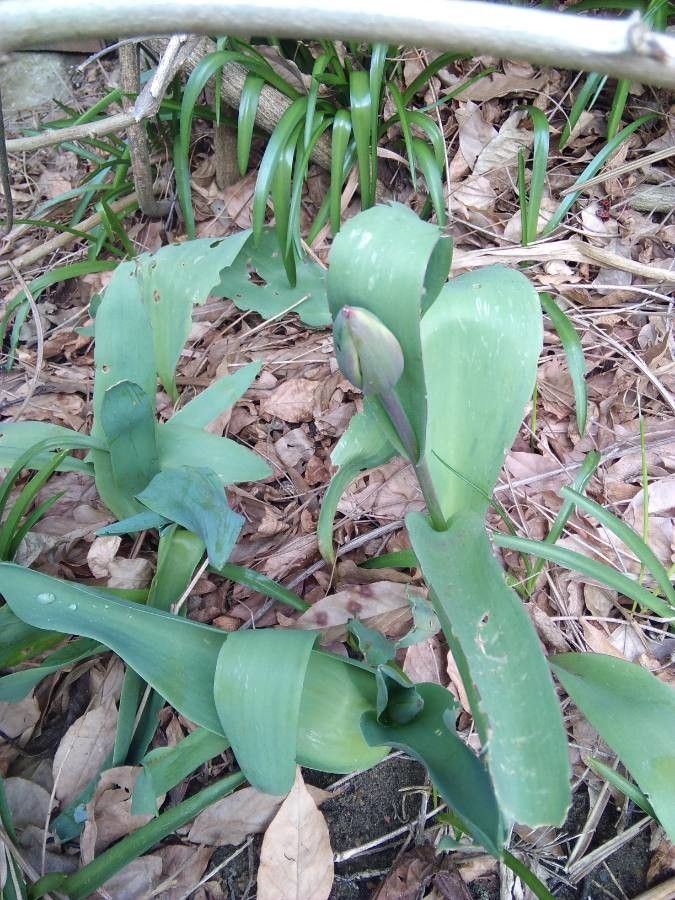
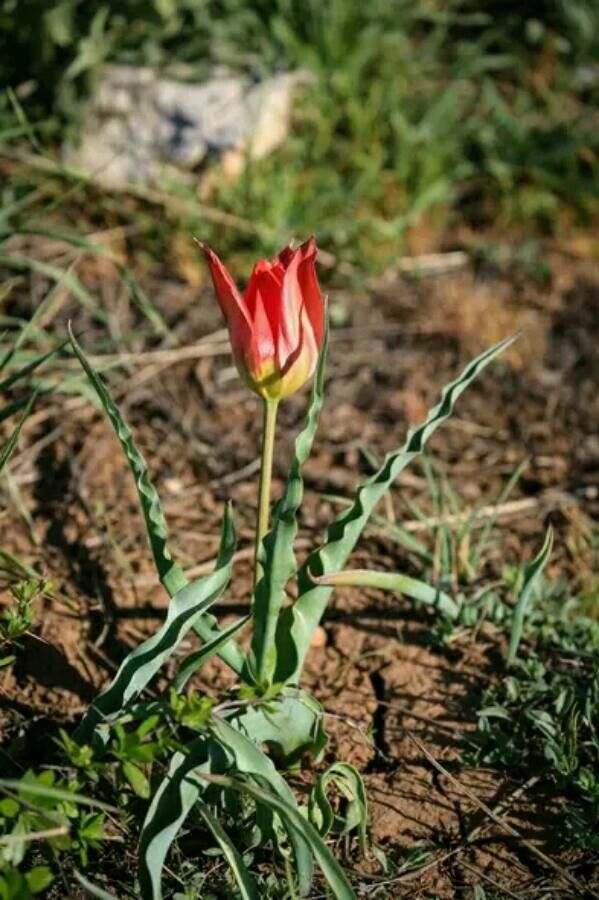
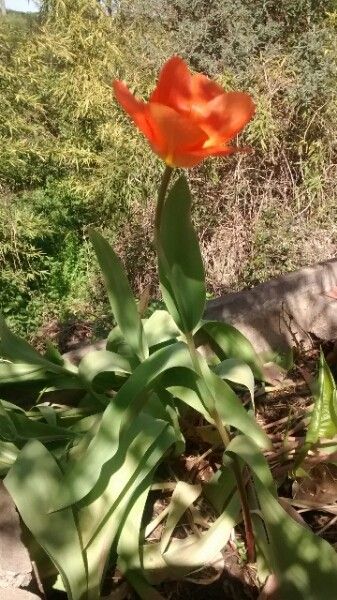
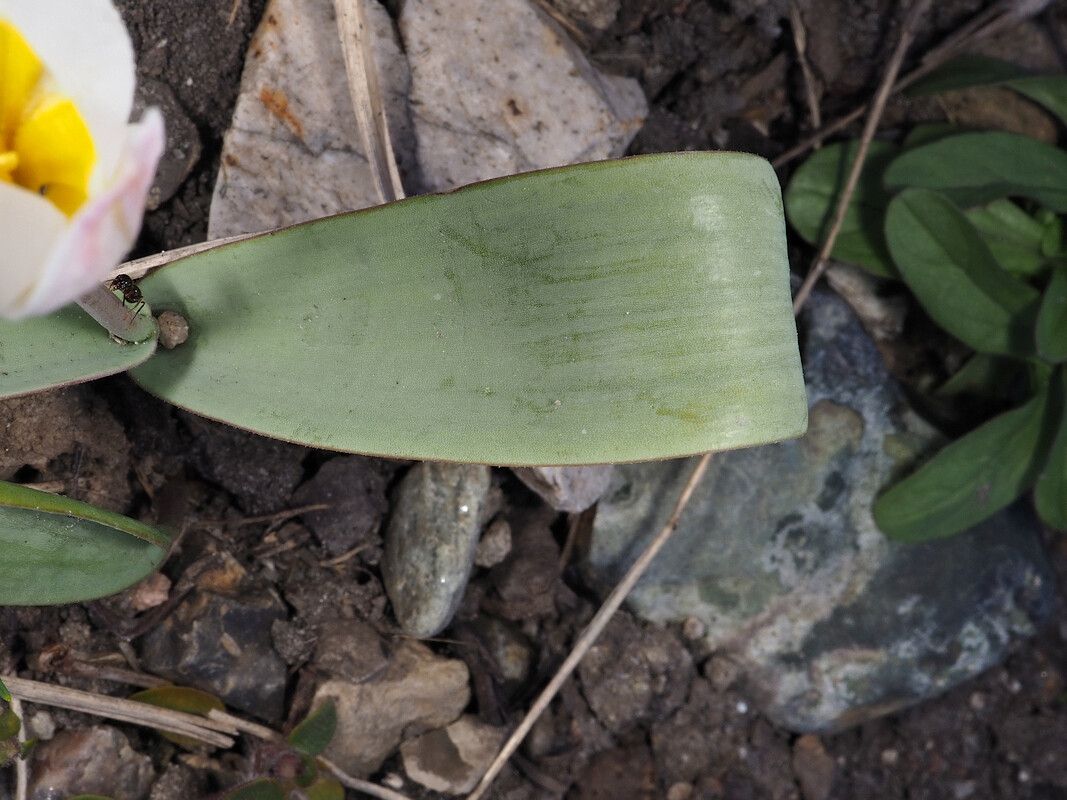
Tulipa bifloriformis is a species of tulip native to Central Asia. Its dwarfed 'Starlight' cultivar has gained the Royal Horticultural Society's Award of Garden Merit.
Bifloriformis tulip has good resistance to disease and is generally not easily affected by illnesses. Nevertheless, it can be vulnerable to pests and diseases present in its environment. These problems are typically minor. As for care, this plant needs moderate upkeep. It should be pruned regularly to preserve a neat appearance and healthy growth. Fertilizing can also encourage flowering. Bifloriformis tulip is suitable for anyone with outdoor space, such as a garden or patio, and does not demand a great deal of gardening experience. It may need more attention when grown indoors.
How to keep Tulipa Bifloriformis.
Light
Bifloriformis tulip is a sun-loving, perennial herbaceous plant that comes from open habitats and is commonly found in meadows and grasslands. It prefers full sun but can also tolerate partial sun.
Water
Originating in temperate climates, the Bifloriformis tulip requires moderate watering and thrives in well-drained soil. Watering it weekly during its growing season promotes root development and vibrant blooms. As a bulbous plant, the Bifloriformis tulip stores water, enabling it to survive dry spells.
Temperature
Bifloriformis tulip can tolerate a wide range of temperatures, but its distribution may still be constrained by different combinations of moisture and heat. It performs best in warm summer climates with adequate rainfall or irrigation. Extended periods of cloudy, rainy weather or prolonged high temperatures can raise the chance of Bifloriformis tulip dying. In winter, proper protection from cold can enhance the plant's survival.
Fertilizer
Usually one spring application of fertilizer is adequate for the Bifloriformis tulip, though repeated feedings can help maximize growth. Fertilize about once a month to every six weeks. Fertilization improves the leaves' appearance and function, helping maintain even color and a healthy texture. It also promotes root development and nutrient uptake for the plant's long-term health.
Pruning
The Bifloriformis tulip is known for its beautiful bi-colored flowers. To ensure healthy growth and vibrant blooms, it's important to prune the plant from early to late spring, once it has finished blooming. Remove spent flowers and any dead foliage to encourage new growth and reduce the risk of disease. Always use clean, sharp tools when pruning to make precise cuts, which will improve air circulation and help manage pests, ultimately leading to better blooms.
Botanical profile.
- Plant Type
- Herb
- Life Cycle
- Perennial, Annual, Biennial
- Genus
- Tulipa
- Family
- Liliaceae
- Hardiness Zone
- 4-8
- Leaf Color
- Green, Silver
- Leaf Type
- Deciduous
- Flower Color
- White, Yellow, Green, Cream
- Bloom Time
- Spring
- Native Area
- Uzbekistan, Tajikistan, Kazakhstan, Kyrgyzstan