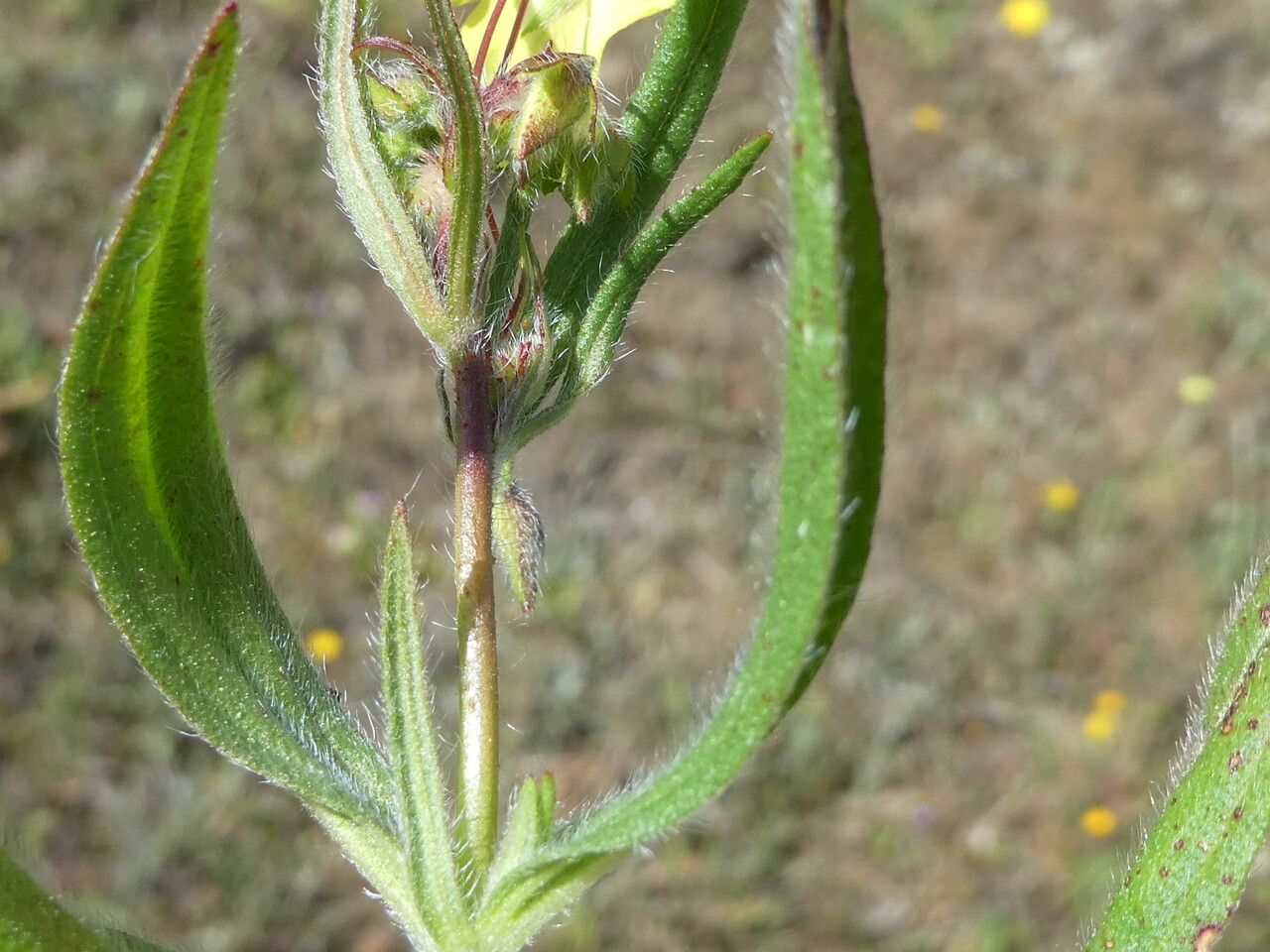
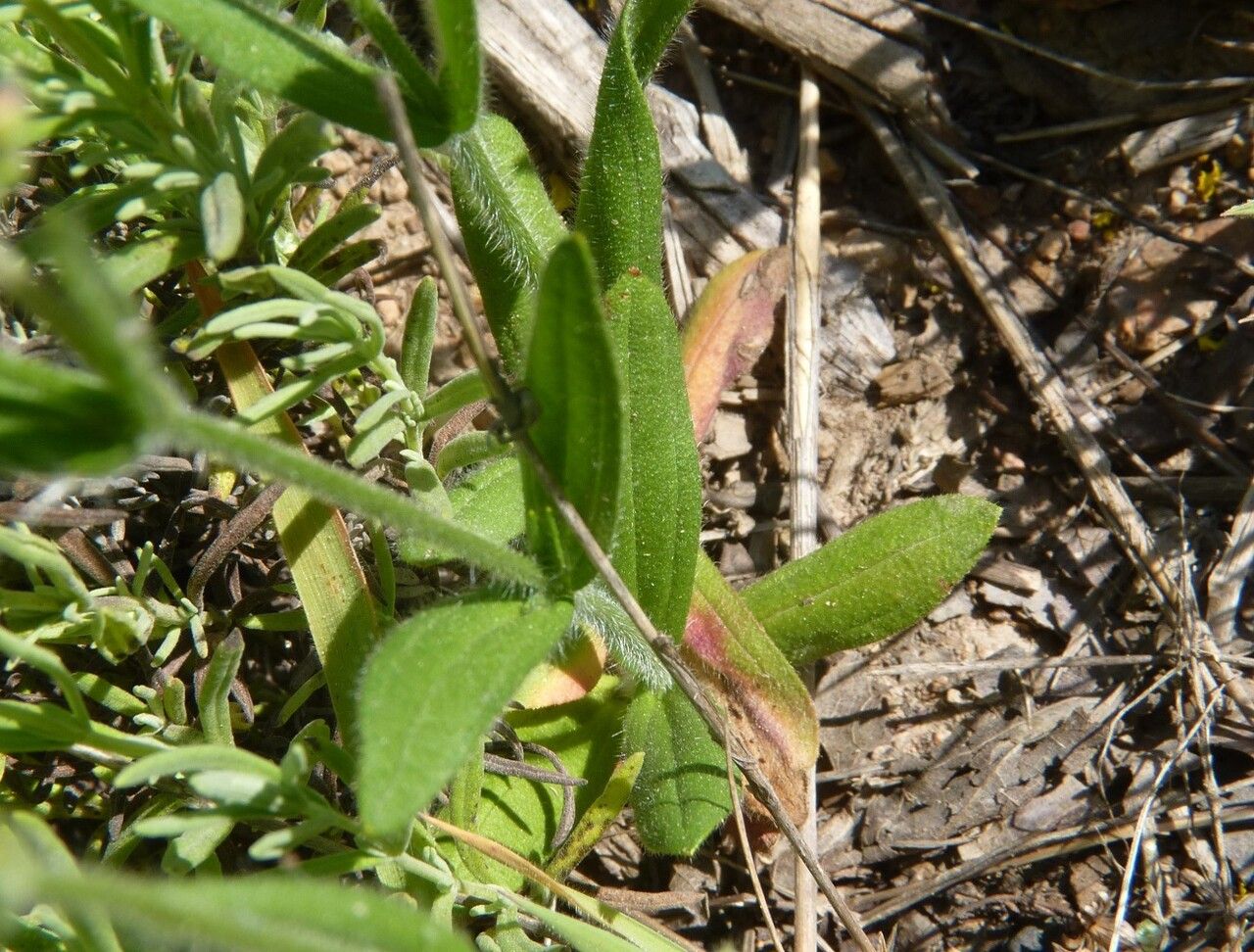
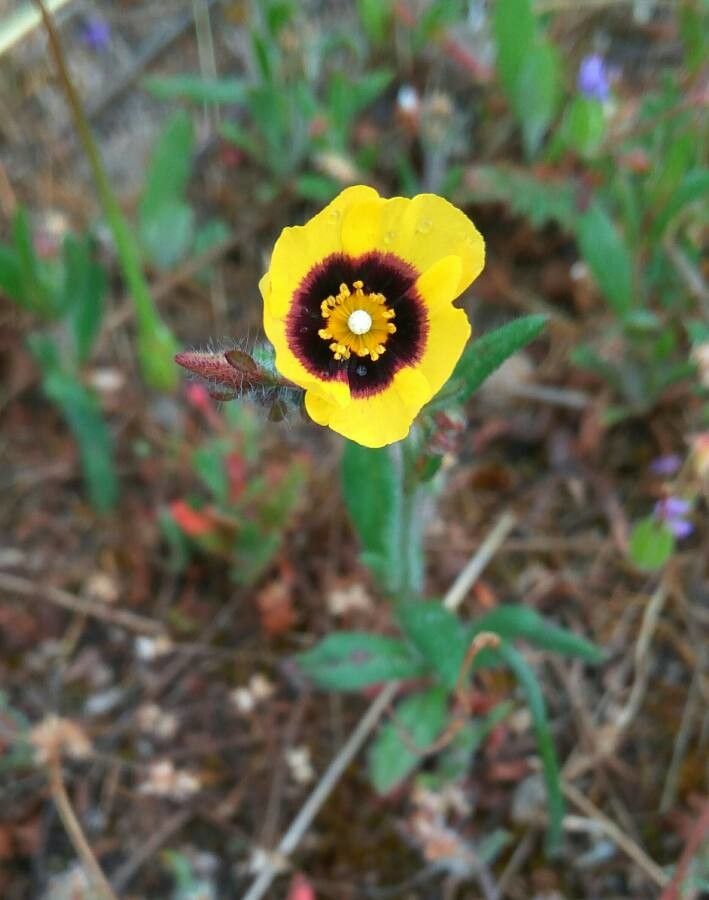
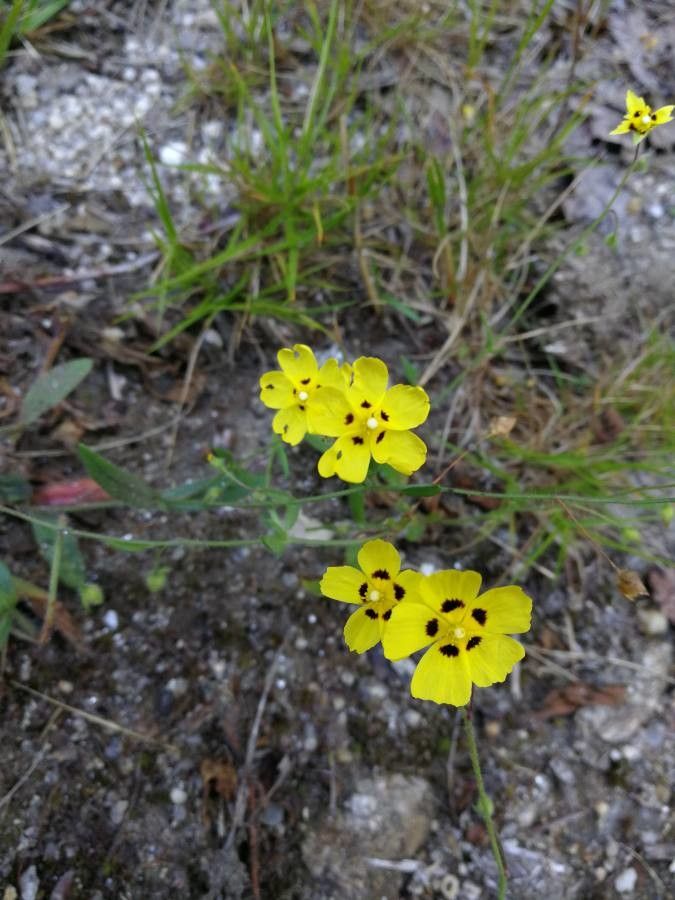
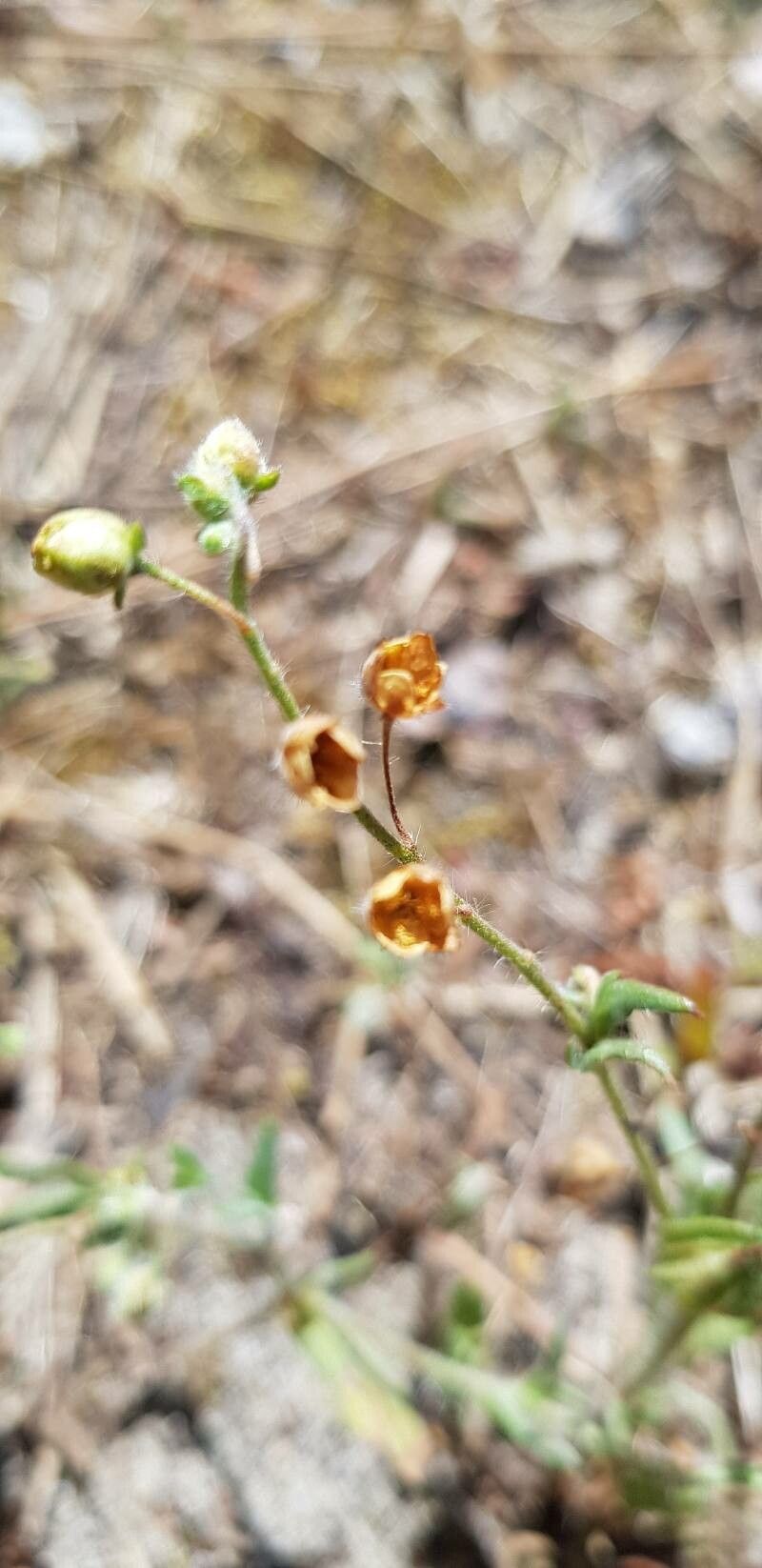
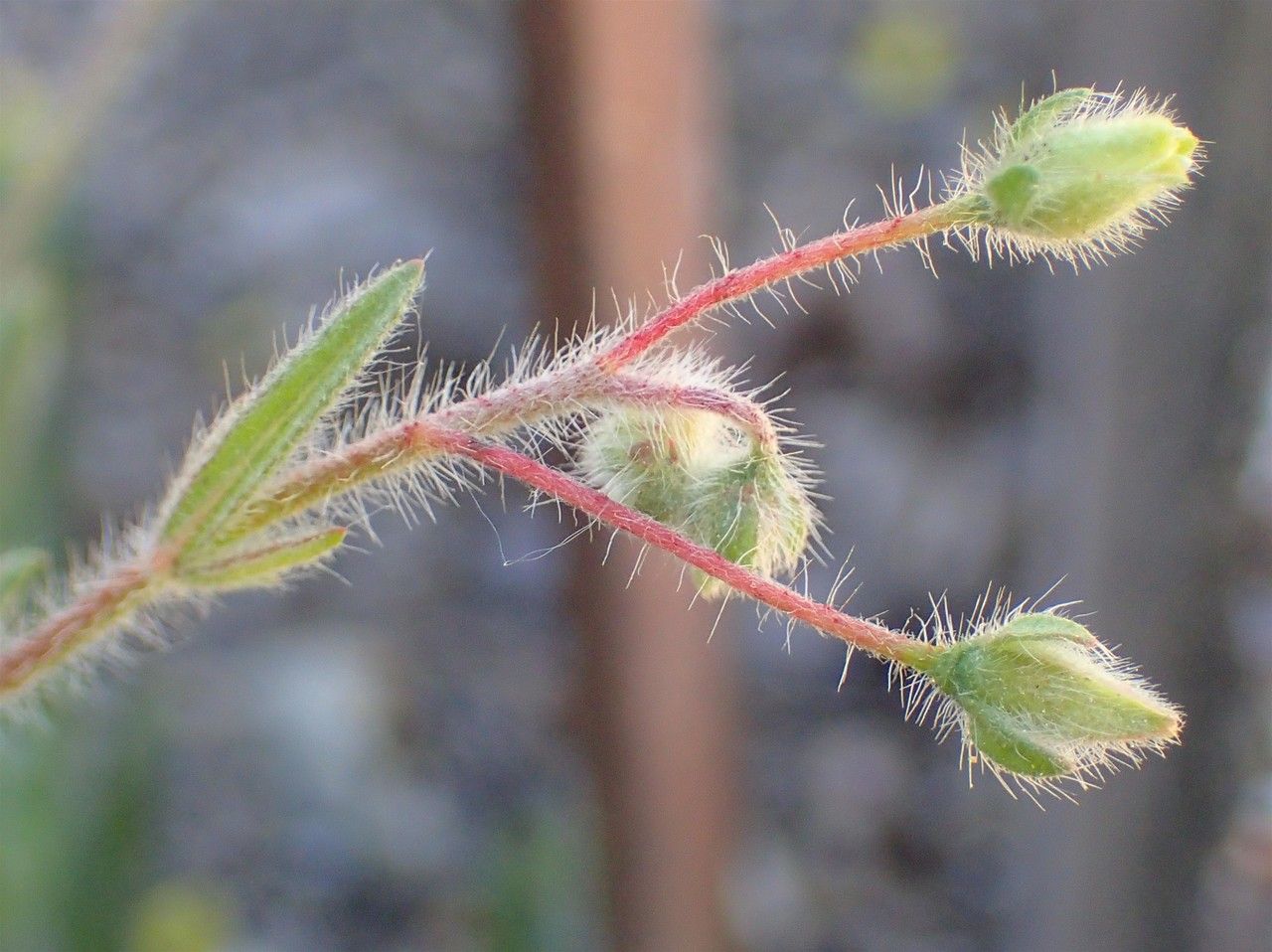
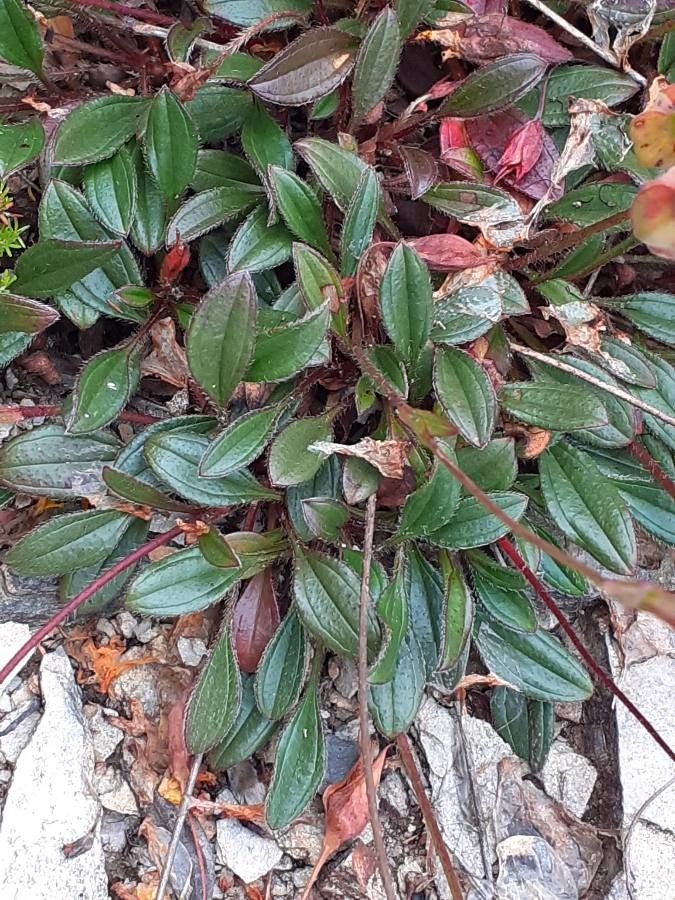
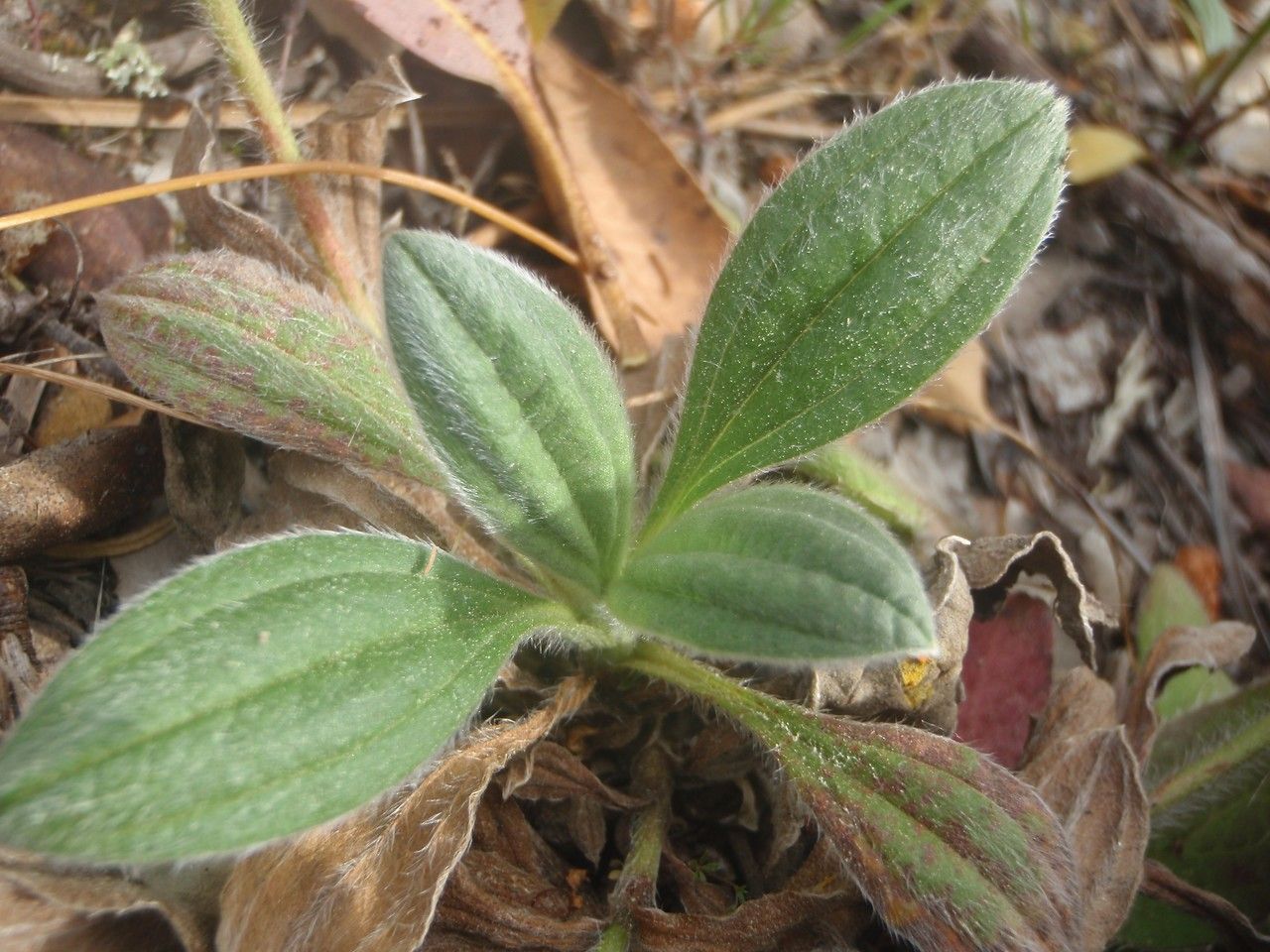
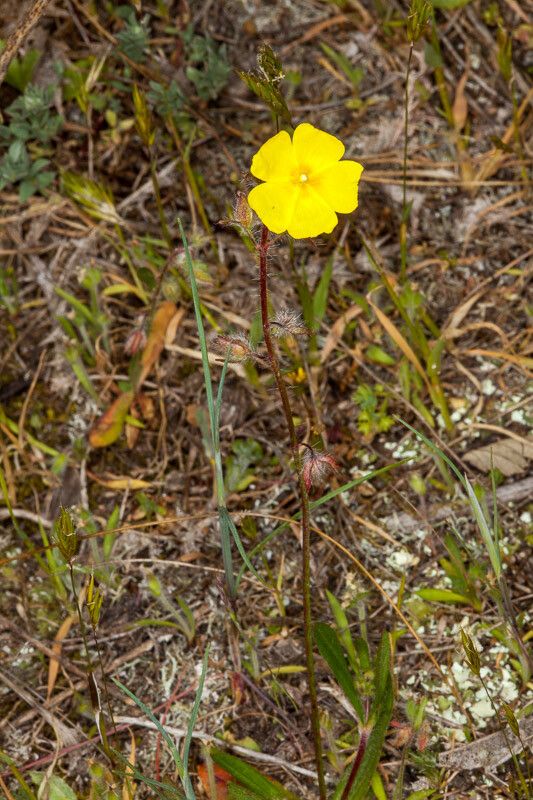
Tuberaria guttata, the spotted rock-rose or annual rock-rose, is an annual plant of the Mediterranean region which also occurs very locally in Wales and Ireland. The flowers are very variable with the characteristic spot at the base of the petal very variable in size and intensity of colour.
European frostweed has strong disease resistance and is generally not prone to illnesses. However, it can be vulnerable to pests and diseases present in its environment. These infections are usually mild. In terms of care, this plant needs a moderate amount of maintenance. It requires regular pruning to keep a good appearance and support healthy growth. Fertilizing can also help encourage flowering. European frostweed is suitable for anyone with outdoor space, such as a garden or patio, and does not require much care experience. It may need more attention when grown indoors.
How to keep Tuberaria Guttata.
Light
European frostweed grows best with abundant sunlight, which is the ideal condition for its healthy development. This pronounced preference for sun mirrors the conditions of its native habitat. Still, receiving less-than-ideal light typically will not greatly impede its growth. Be aware that either too much or too little sunlight can alter its growth pattern.
Water
European frostweed is native to Mediterranean climates and is well adapted to dry conditions. It is drought-tolerant and typically needs watering only once a week. During the growing season, it often receives enough moisture from natural dew and rainfall, which further lessens the need for additional watering.
Temperature
European frostweed comes from regions where native temperatures run from 68 to 95 °F (20 to 35 ℃). It favors warmer conditions, and acclimating it to cooler surroundings may need extra protection during colder seasons.
Fertilizer
When most of the European frostweed’s flowers have fully opened and reached full size, resume fertilizing. Around the time flowering is at its peak, apply fertilizer every three to four weeks as weather allows. Then, once the plant begins producing fewer new blooms, stop fertilizing; there’s no need to feed it when it can’t produce more flowers.
Pruning
The European frostweed is known for its delicate yellow flowers and ability to thrive in dry conditions. To keep this plant healthy and encourage blooming, it's important to prune it from early to late spring. Focus on removing dead stems and thinning out dense areas to improve air circulation. Regular pruning helps prevent disease and supports vigorous blooming. Always use clean, sharp tools for the best results.
Botanical profile.
- Plant Type
- Herb
- Life Cycle
- Annual
- Genus
- Tuberaria
- Family
- Cistaceae
- Hardiness Zone
- 9-10
- Mature Height
- 20 cm
- Mature Spread
- 5 cm to 15 cm
- Leaf Color
- Green, Dark Green
- Leaf Type
- Deciduous
- Flower Color
- Yellow
- Flower Size
- 2.54 cm to 5.08 cm
- Bloom Time
- Late spring, Early summer, Mid summer
- Planting Time
- Spring, Summer, Autumn
- Harvest Time
- Mid summer, Late summer
Other names.
Reader questions.
How should I water my European frostweed?
To water European frostweed, there are various options for watering tools such as a garden hose with a spray nozzle or a watering can. This plant is not too particular about the type of water it receives, whether it's rainwater, tap water, or filtered water. However, it is advisable to avoid watering it from above as this can harm the leaves and flowers and potentially cause disease. A more effective method is to use a drip irrigation system, which delivers water evenly and directly to the soil. If you have a container-grown European frostweed, you can use a cup, watering can, or tap to water it directly into the soil.
What are the sunlight requirements for European frostweed?
European frostweed requires full sun, defined as more than 6 hours of sunlight per day, to thrive. It's important to observe the sunlight's movement through your garden to choose locations that offer a balance of light and shade. This balance ensures the plant's well-being, as its native habitat environment is characterized by plentiful sunlight. Although European frostweed prefers abundant sunlight, it can still grow under less than optimal sunlight conditions without significant hindrance to its development. However, the growth rhythm of the plant might be altered if it receives excessive or insufficient sunlight.
What is the native temperature range for European frostweed?
European frostweed, known botanically as Tuberaria guttata, originates from areas where the temperature typically ranges between 68 to 95 °F (20 to 35 °C). This suggests that it thrives in warmer climates, but can adjust to cooler environments with some additional care during colder seasons.
What should I do if I give my European frostweed too much or too little water?
If you notice that your European frostweed lacks moisture, the solution is simple: water it more often. However, overwatering can have more severe consequences if not caught early. Overwatering can result in the plant developing diseases that can lead to decline and death. To prevent this, choose a growing location with plenty of sunlight to dry out the soil and ensure good drainage to prevent excess water from pooling. If you overwater a potted European frostweed, consider transferring it to a new pot with better drainage and loose soil.
How can artificial lighting support European frostweed growth indoors?
Indoor European frostweed plants require adequate lighting for optimal growth, especially when natural sunlight is lacking, such as in winter or less sunny spaces. Artificial lights, such as LEDs that provide specific wavelengths of light, are vital for promoting healthy growth. For full sun plants, it's recommended to have 30-50W/sq ft of artificial light. The light source should be placed 12-36 inches above the plant to mimic natural sunlight conditions, and the plants generally need 8-12 hours of light per day. This approach helps in maintaining the plant's growth rhythm even in indoor environments.
Does European frostweed need cold protection?
European frostweed has a certain level of cold tolerance and does not generally require extra cold protection measures when the temperature remains above 0°C. However, if temperatures are expected to dip below freezing, temporary cold protection measures should be taken. This can include wrapping the plant with materials like plastic film, fabric, or other suitable coverings. It's important to remove these protective measures once the temperature warms up again.
How frequently should I water my European frostweed?
European frostweed requires regular watering throughout the growing season. In the beginning of spring, it should be watered once per week. As the season progresses and becomes warmer, the watering rate may need to be increased to two or three times per week. However, exceeding this rate can harm the plant. It is important to keep the soil moist but not wet regardless of how often you water. Watering a potted European frostweed is a bit different. More frequent watering is generally needed as the soil in pots can dry out faster. In most cases, watering a container-grown European frostweed should be done a few times per week, compared to just once per week for a plant in the ground.
What are the symptoms of insufficient or excessive sunlight in European frostweed?
When European frostweed does not receive enough sunlight, it may show symptoms such as smaller new leaves, leggy or sparse growth, faster leaf drop, slower or halted growth, and paler new leaves. Conversely, exposure to excessive sunlight can lead to chlorosis (leaves turning yellow), sunscald, leaf curling as a defense mechanism, wilting due to increased water loss, and leaf scorching characterized by brown, dry edges on leaves. These symptoms indicate the plant's struggle with the lighting conditions, pointing to the need for adjustments.
How should European frostweed be cared for during low temperatures?
During colder months, it's crucial to keep European frostweed in conditions above 0°C to prevent damage. The plant has moderate tolerance to low temperatures but thrives best above 20°C. When temperatures fall below -5°C, the leaves may droop, and severe cold can cause leaves to wilt and drop. To protect the plant, trim off frost-damaged parts, wrap it with non-woven fabric or cloth, and set up a wind barrier for added protection from cold winds.
How much water does my frostweed from Europe require?
Determining how much water to give to your European frostweed can be done in a few different ways. Some gardeners prefer to gauge the moisture of the soil by feeling it, and suggest watering until the top six inches feel moist. Others opt for a set measurement, generally around two gallons per week, taking into account factors like temperature and soil drying speed. However, it's important to be cautious with strict guidelines as they may result in overwatering if your plant requires less. When growing European frostweed in a container, a different method is needed. To ensure proper watering, moisten all dry layers of soil by testing with your finger or looking for a slight trickle of excess water draining from the pot's holes.
What are the best practices for managing sunlight exposure for European frostweed?
Optimal sunlight management involves gradually moving European frostweed plants to sunnier locations to ensure they receive at least 6 hours of direct sunlight daily. For indoor plants, using a south-facing window or artificial light for at least 8 hours daily can improve light exposure. Outdoors, gradually transitioning plants to better-lit spots while avoiding drastic changes prevents sunburn. Additionally, reducing obstructions like pruning trees or transplanting to sunnier areas with good drainage can enhance sunlight access. It's important to note that parts of the plant affected by prior insufficient sunlight may not recover, but new growth will be healthy with improved lighting conditions.
How to care for European frostweed in high temperatures?
In high temperatures, especially during summer when it's above 35°C, care should be taken to prevent damage to European frostweed. Excess heat can make the leaves' color lighter, cause leaf tips to dry and wither, leaves to curl, and increase susceptibility to sunburn. To address this, trim away sunburned and dried parts of the plant, move it to a shaded area or use a shade cloth to protect it from direct midday and afternoon sun. Additionally, watering the plant in the morning and evening will help keep the soil moist, helping the plant cope with the heat.