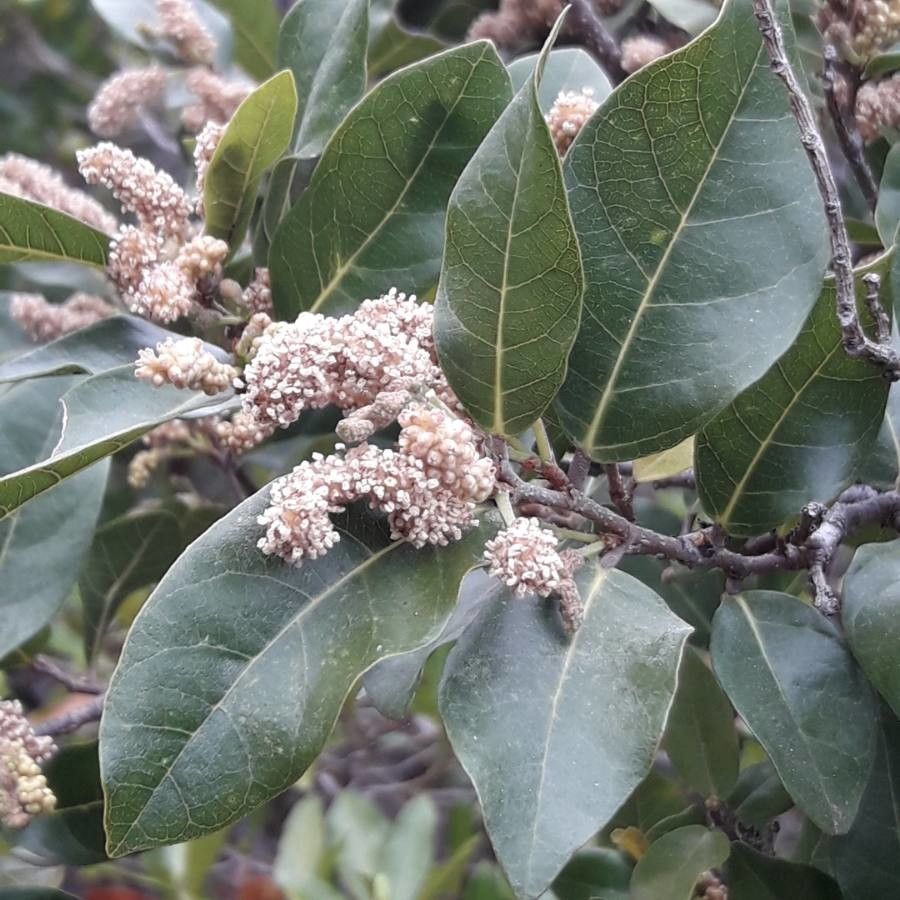
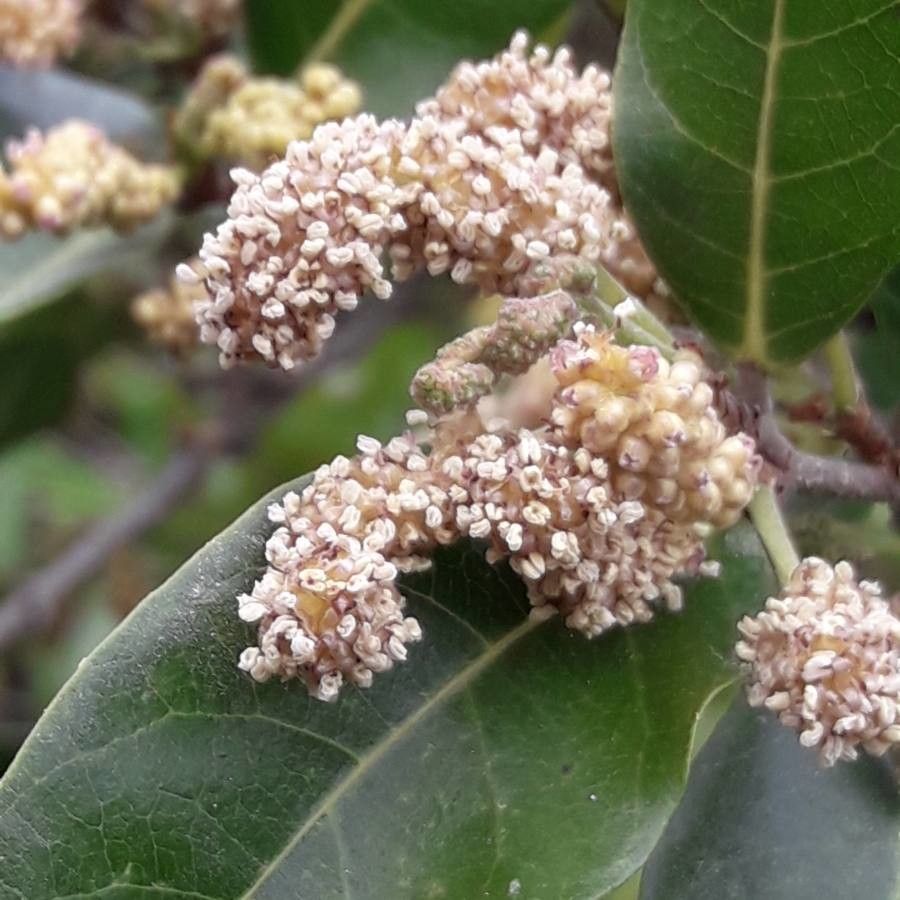
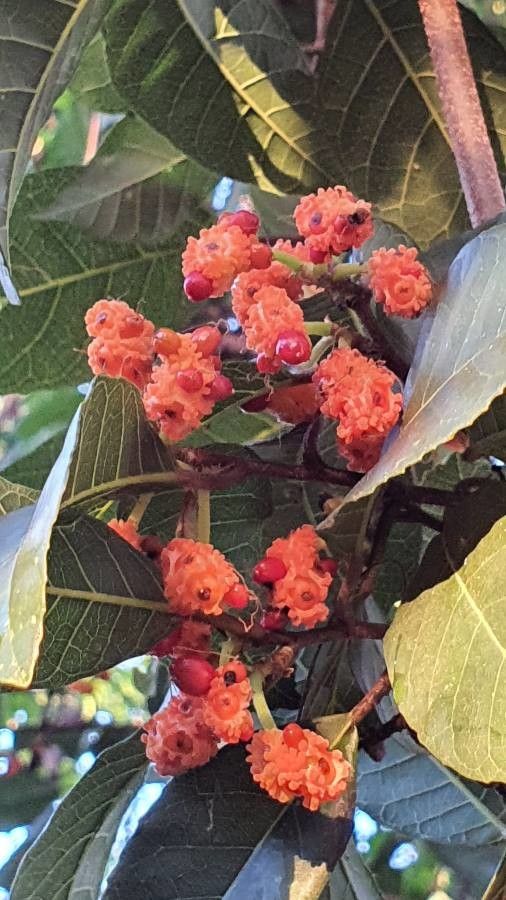
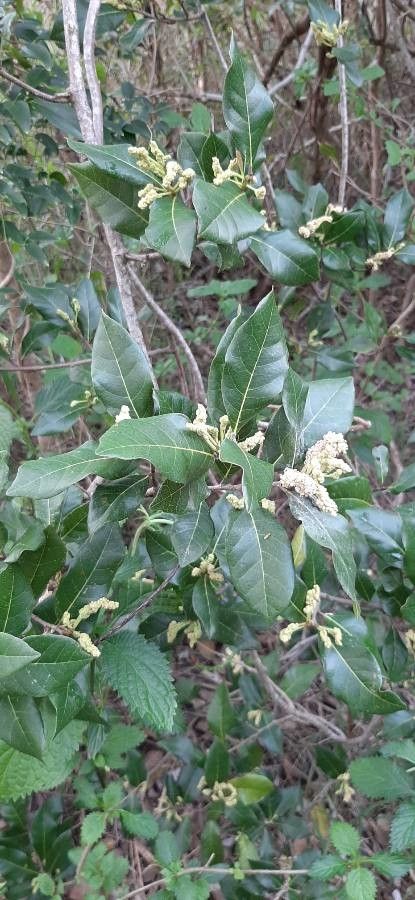
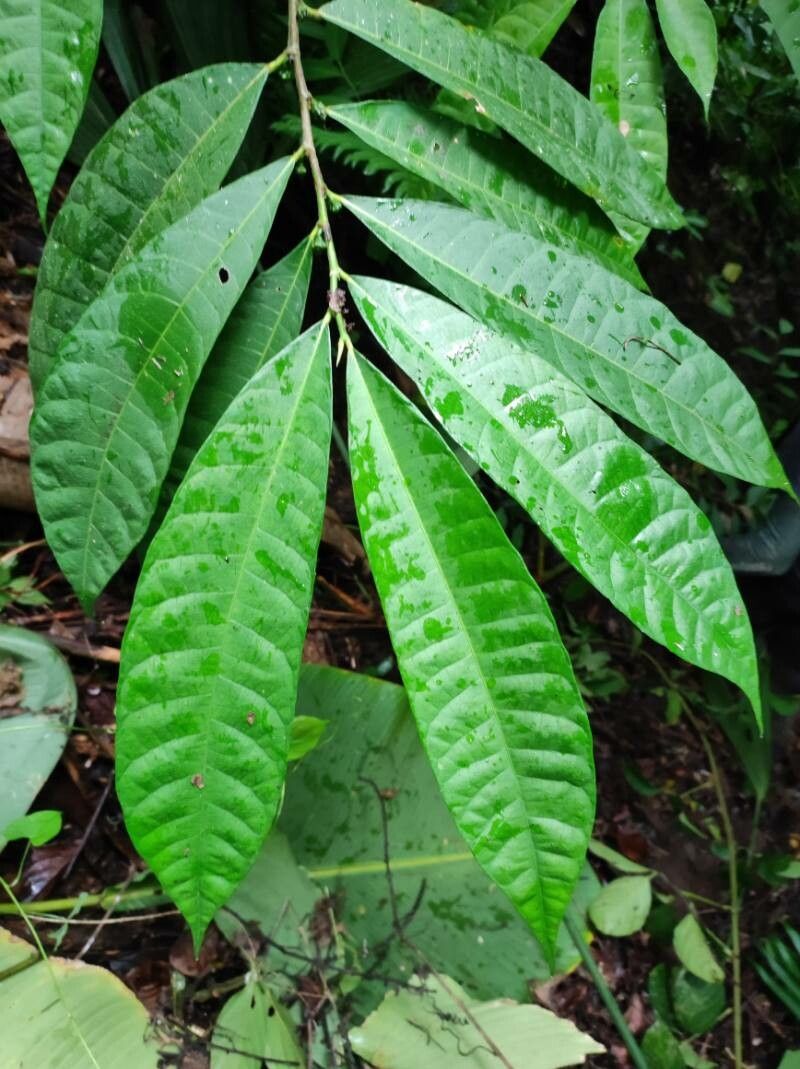
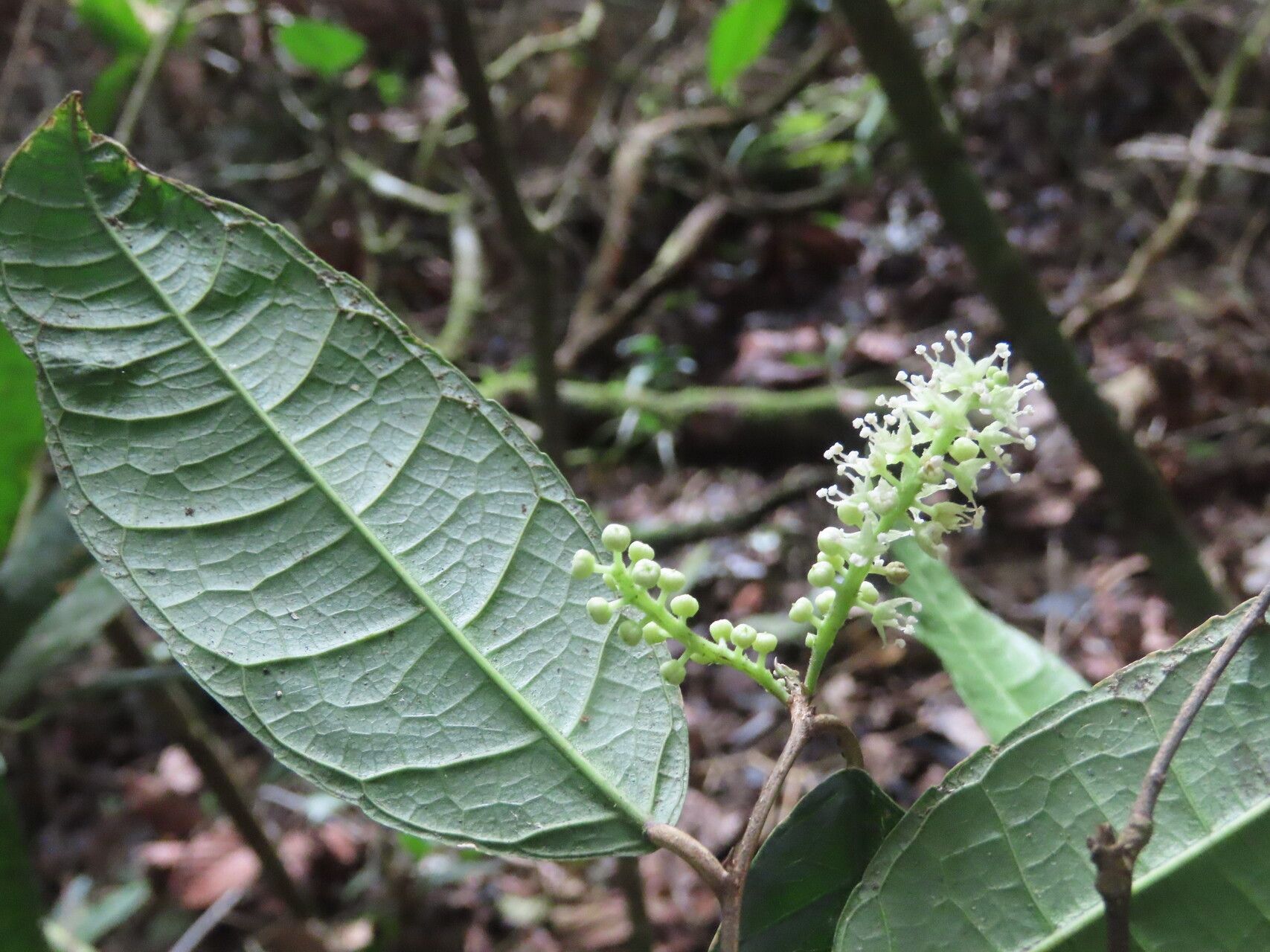
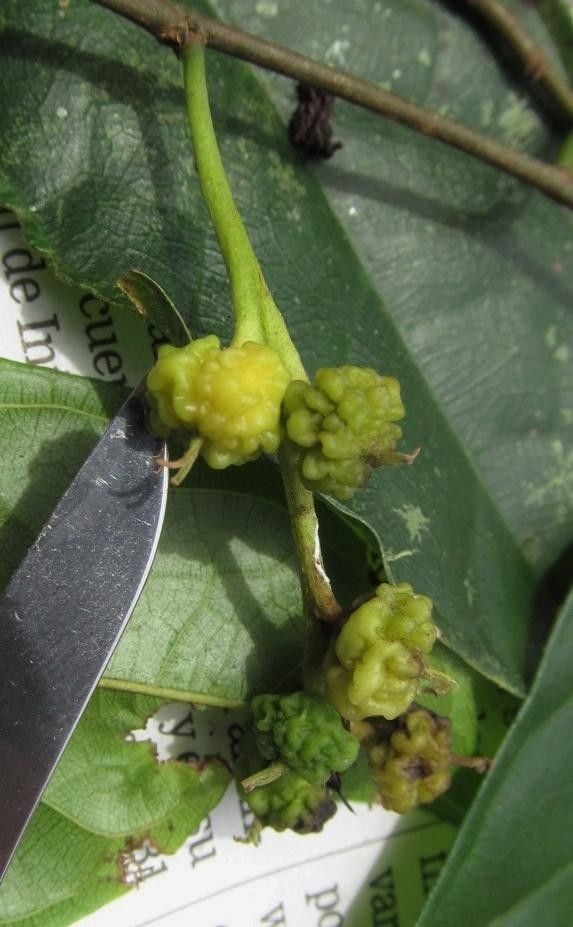
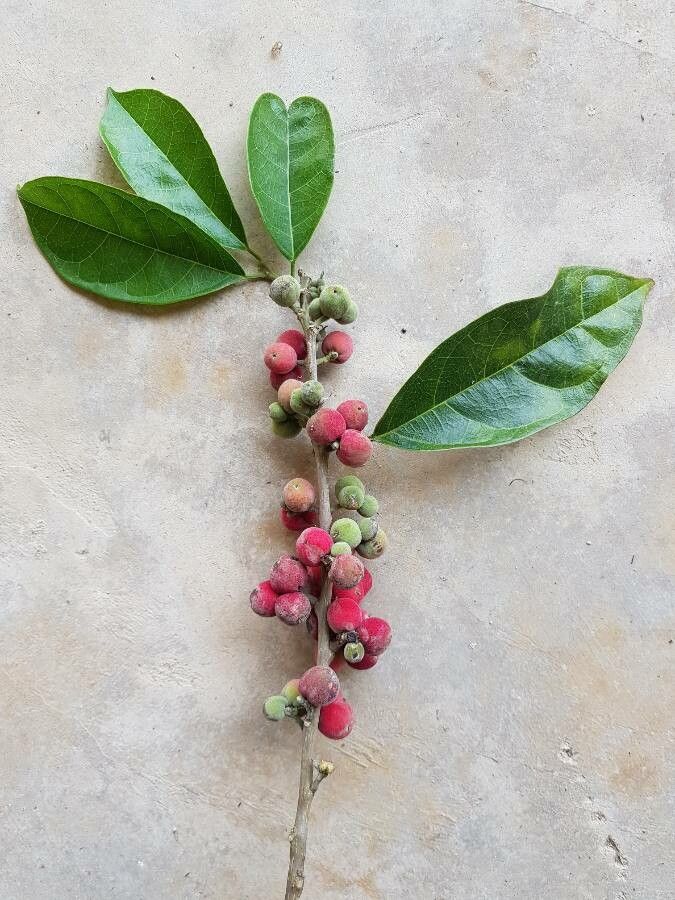
Malaisia scandens (syn. Trophis scandens), the burny vine or crow ash, is a species of large woody vines, constituting part of the fig plant family. They grow naturally in rainforests in Australia and Malesia.In Australia, they grow naturally from Mount Dromedary in coastal south–eastern New South Wales northwards through the eastern coastal regions to north Queensland, Cape York Peninsula and further across coastal regions of northern Australia in the Northern Territory and Western Australia.Botanists have recognised and described two subspecies, as follows, one endemic to Lord Howe Island offshore from New South Wales Australia and the type subspecies of mainland Australia and Malesia. Malaisia scandens subsp. megacarpa (P.S.Green) P.S.Green – Lord Howe Island Malaisia scandens subsp. scandens – NSW, Qld, NT, WA
Burny vine is resistant to disease and is generally not prone to illnesses. In terms of care, this plant is fairly low-maintenance. When grown outdoors it needs little watering, and larger specimens typically do not need pruning. Smaller plants, however, should be pruned after they finish blooming. Burny vinet is suitable for anyone with an outdoor area, such as a garden or deck, and does not require much care experience.
How to keep Trophis Scandens.
Light
Burny vine is indigenous to habitats like forest undergrowths or stony regions where it naturally receives partial sunlight. Although it favors semi-shaded conditions, it has the flexibility to thrive in complete sun or full shade, exemplifying its robust and adaptable character.
Water
The Burny vine is well-suited for dry environments, as it demonstrates excellent drought tolerance and needs watering only once every three weeks. Its evergreen quality allows it to keep its leaves throughout the year. This makes it ideal for outdoor gardens in areas with low rainfall or for indoor spaces where watering might be inconsistent.
Temperature
The Burny vine is native to tropical regions that typically have a warm and moist climate. Hence, it's naturally accustomed to high degrees of heat and moisture. It's not a fan of sudden temperature variations and thrives in a stable thermal surroundings, so it's crucial to minimize temperature swings indoors. The plant usually does not withstand cold temperatures and needs higher temperatures for its growth. A severe drop in environmental temperature could stunt its growth or even cause it to perish.
Fertilizer
For the care of Burny vine, fertilization is essential. Consistent nourishment throughout the growing phase aids in maintaining vitality for ornate foliage and promotes complete growth. Ignoring the process of fertilization can lead to unhealthy foliage, reduced decorative value, and suppressed or fragile growth which is susceptible to snapping.
Pruning
Prune the burny vine in early spring, before new growth begins, to maintain its health. Start by removing any dead branches, then thin out crowded areas and shape the plant to control its size. This practice encourages growth, improves air circulation, and reduces pest problems, ensuring strong development throughout the growing season.
Botanical profile.
- Plant Type
- Vine
- Life Cycle
- Perennial
- Genus
- Trophis
- Family
- Moraceae
- Hardiness Zone
- 10-12
- Mature Height
- 4.88 m to 14.94 m
- Mature Spread
- 2.13 m to 3.96 m
- Leaf Color
- Green
- Leaf Type
- Semi-evergreen
- Flower Color
- Yellow, Green
- Flower Size
- 3.05 cm to 6.35 cm
- Bloom Time
- Late spring, Summer
- Planting Time
- Spring, Summer, Autumn
- Harvest Time
- Late summer, Fall
Reader questions.
What are the sunlight requirements for Burny Vine?
Burny vine, also known by its botanical name Trophis scandens, thrives in partial sun, requiring about 3-6 hours of sunlight daily. It's native to environments like forest understories or rocky areas where it gets natural shade. Despite its preference for partial sun, it can also tolerate full shade, showcasing its versatility as a perennial herbaceous plant. It's important to watch the sunlight movement through your garden to ensure spots chosen provide the perfect balance of light and shade, ensuring the plants' happiness.
How can artificial lighting be used for Burny Vine indoors?
When natural sunlight is insufficient for Burny Vine, especially during winter or in less sunny spaces, artificial lighting becomes crucial. Adequate lighting is essential for optimal growth. LED lights are recommended due to their ability to provide specific wavelengths needed by plants. The requirements vary based on the plant's sunlight needs: full sun plants require 30-50W/sq ft, partial sun plants need 20-30W/sq ft, and full shade plants 10-20W/sq ft. Position the light source 12-36 inches above the plant to mimic natural sunlight and ensure 8-12 hours of light per day.
What are the symptoms of light deficiency in Burny Vine?
Burny Vine shows several symptoms when exposed to inadequate light, such as smaller new leaves, leggy or sparse growth, faster leaf drop, slower or halted growth, and lighter-colored or chlorotic leaves. Excessive sunlight can cause symptoms like sunscald, leaf curling, wilting, leaf scorching, and chlorosis. These symptoms indicate issues with light exposure, either too little or too much, affecting the plant's ability to grow healthily.
How do you address light exposure issues for Burny Vine?
To address light exposure issues for Burny Vine, consider moving the plant to sunnier spots gradually, especially if outdoor. For indoor plants, use artificial lighting like a desk or ceiling lamp for at least 8 hours daily, or invest in professional grow lights. For plants in the ground, reduce obstructions by pruning trees or transplanting the plant to a sunnier location. Remember that affected parts may not recover, but new growth should be healthy with improved light exposure.