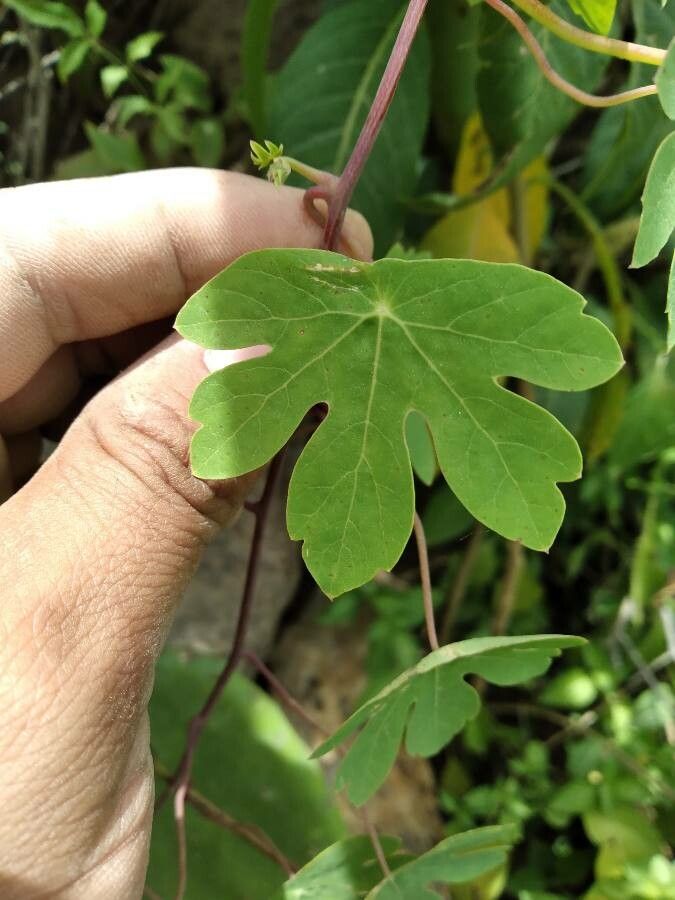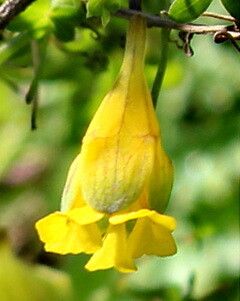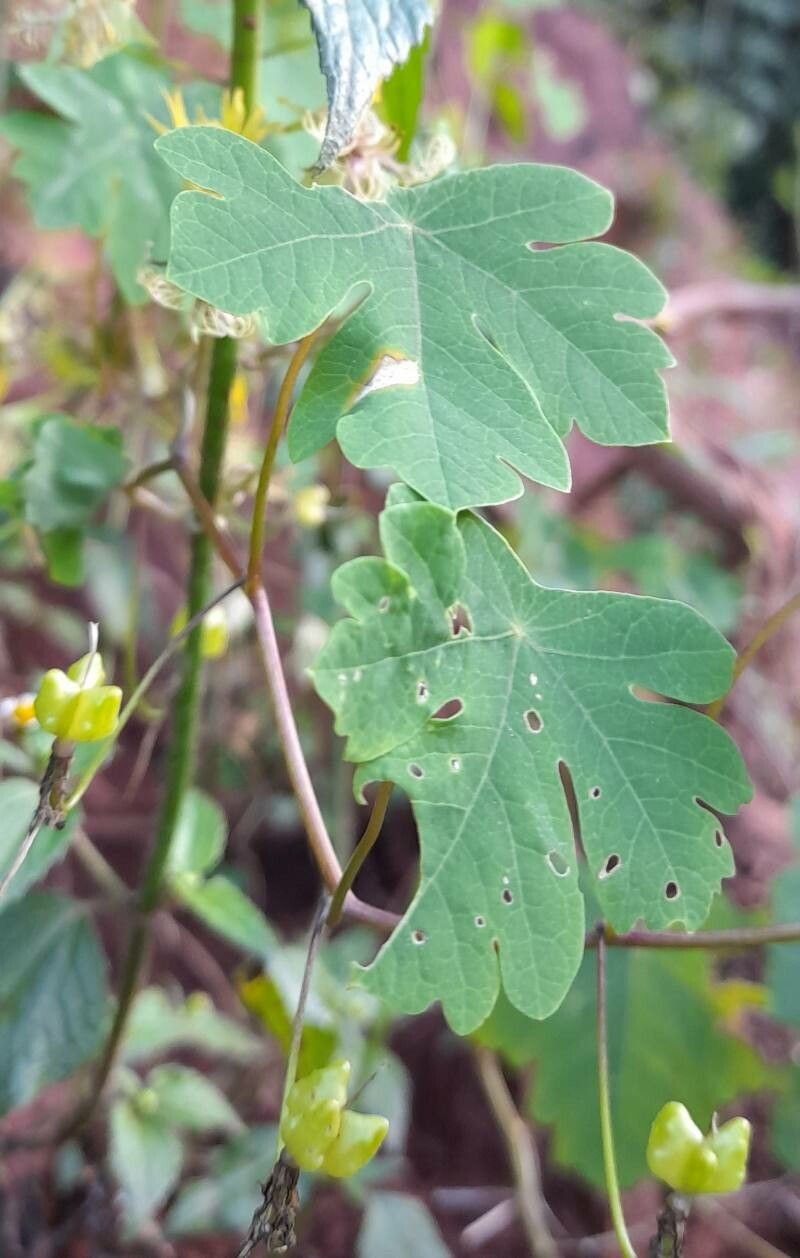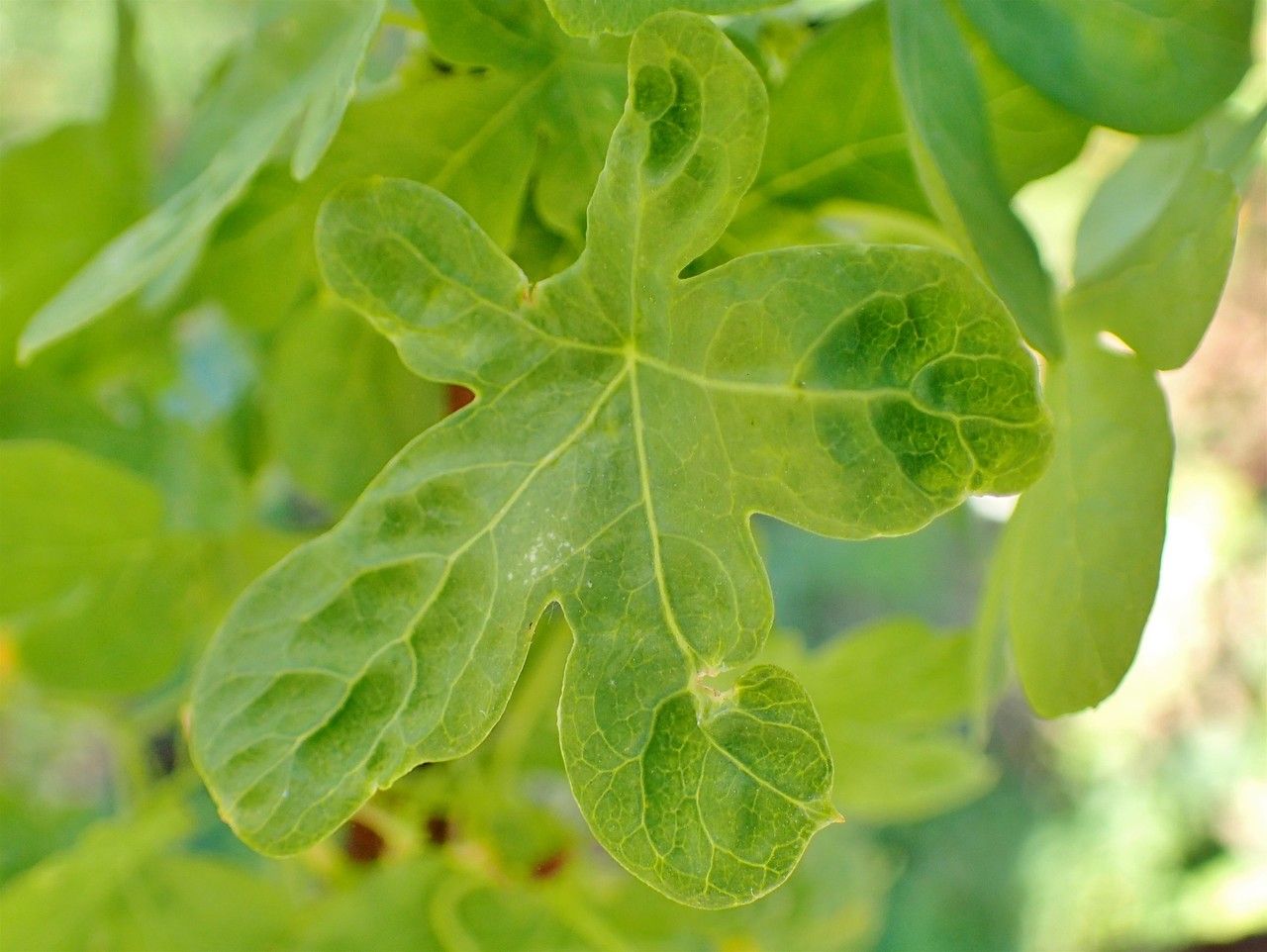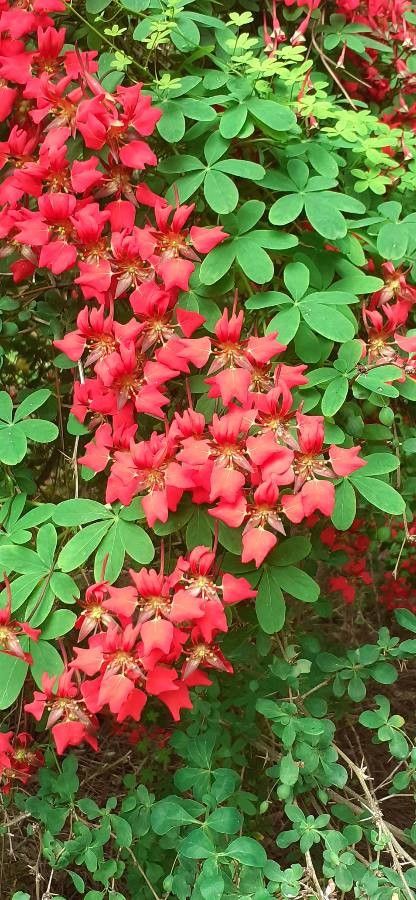
Tropaeolum speciosum, the flame flower or flame nasturtium, is a species of flowering plant in the family Tropaeolaceae native to Chile, where it is known locally as coralito, quintralito, or voqui.
Flame flower is fairly resistant to disease and usually does not contract illnesses. However, it can be vulnerable to pests and diseases present in its environment. These problems are typically not serious. For care, this plant requires moderate maintenance. It should be pruned regularly to preserve a neat appearance and support healthy growth. Fertilizing can also encourage flowering. Flame flower is appropriate for anyone with outdoor space, such as a garden or patio, and does not demand extensive gardening experience. It may need more attention when grown indoors.
How to keep Tropaeolum Speciosum.
Light
The flame flower performs best when given ample sunlight. It flourishes in strong light but can endure somewhat diminished illumination. This resilience comes from its native environments, which generally have broad sun exposure. Too much or too little light can impede its health and growth.
Water
The flame flower thrives in consistently moist, well-hydrated soil, but it's important to avoid waterlogging. While it is moderately drought-tolerant, it flourishes in humid conditions. Watering it once a week promotes optimal growth and enhances its vibrant blooms, particularly during the peak growing season.
Temperature
Flame flower is native to temperate regions and thrives best at temperatures between 59 and 95 °F (15 and 35 °C). To optimize growth, it is advisable to adjust the temperature according to seasonal changes.
Fertilizer
The best time to fertilize a Flame flower is in early spring, when it is coming out of dormancy and beginning active growth. Fertilization supplies essential nutrients for healthy growth. Although Flame flower has relatively low fertilization needs, applying fertilizer once a year can improve its survival and encourage better, longer-lasting flowers.
Pruning
The flame flower showcases vibrant red blossoms and needs pruning from early to late spring. To enhance air circulation and light penetration, remove dead or overcrowded stems. Light pruning helps maintain its shape and encourages healthy growth, while making clean cuts supports the plant's overall health and appearance.
Botanical profile.
- Plant Type
- Herb
- Life Cycle
- Perennial
- Genus
- Tropaeolum
- Family
- Tropaeolaceae
- Hardiness Zone
- 7-10
- Mature Height
- 4.57 m
- Mature Spread
- 91 cm
- Leaf Color
- Green
- Leaf Type
- Deciduous
- Flower Color
- Red
- Flower Size
- 2.54 cm to 5.08 cm
- Bloom Time
- Summer
- Planting Time
- Spring, Summer, Autumn
- Harvest Time
- Early fall, Mid fall
Other names.
Reader questions.
What are the sunlight requirements for the Flame Flower (Tropaeolum speciosum)?
The Flame Flower thrives best when exposed to full sun, which means it requires more than 6 hours of sunlight daily. However, it can also manage in partial sun conditions, receiving about 3-6 hours of sunlight. It's important to observe your garden throughout the day to find spots that offer the right balance of light and shade for these plants, ensuring they grow happily and healthily.
What is the optimal temperature range for Flame flower growth?
Flame flower, botanically known as Tropaeolum speciosum, is native to temperate regions and thrives in temperatures ranging from 59 to 95 °F (15 to 35 °C). It is recommended to adjust the heat based on the seasonal changes to optimize the plant's growth. Despite its strong cold resistance, in regions where winter temperatures are expected to drop below -15°C, protective measures should be taken, such as covering the plant with soil or straw, to shield it from the cold. Additionally, it's advised to water the plant abundantly before the first freeze in autumn to keep the soil moist and prevent drought during the winter and early spring.
How essential is sunlight for the growth and health of the Flame Flower?
Sunlight is extremely crucial for the Flame Flower's growth and overall health. This plant prospers when it receives a generous amount of sunlight, thanks to its origin in habitats with extensive sun exposure. Although it can tolerate lower light conditions to some extent, both insufficient and excessive sunlight can adversely affect its health and growth. During winter or in less sunny spaces, artificial lighting can be used to provide the necessary light for indoor plants, ensuring optimal growth.
How does low temperature affect the Flame flower and what are the solutions?
The Flame flower can tolerate cold conditions and generally thrives when the temperature remains above 15°C. During the winter, it's crucial to keep the temperature above -10°C to avoid damage. If the temperature falls below -15°C, there might not be noticeable changes during winter; however, there could be a decline in spring sprouting or a complete absence of sprouts. The recommended solution for plants affected by low temperatures is to remove any parts that have failed to sprout in spring.
What are the symptoms of inappropriate lighting on the Flame Flower?
The Flame Flower may exhibit several symptoms if it's not receiving adequate lighting. These symptoms include smaller new leaves, leggy or sparse growth, quicker leaf drop, stunted or ceased growth, lighter-colored new leaves, and conditions such as chlorosis, sunscald, leaf curling, wilting, and leaf scorching. These symptoms indicate either too much or too little exposure to sunlight, affecting the plant's ability to sustain healthy growth.
What are the effects of high temperature on Flame flower and how can they be mitigated?
During summer, it's important to ensure that the Flame flower is kept below 35°C. Exposure to temperatures above 41°C can cause the leaves to lighten in color, become prone to curling, suffer from sunburn, and in severe cases, lead to the wilting and drying of the entire plant. To mitigate these effects, it's advised to trim away sunburned and dried parts of the plant, move the plant to a shaded location away from the midday and afternoon sun, or use a shade cloth. It's also beneficial to water the plant in the morning and evening to maintain soil moisture.
How can I address lighting issues for my Flame Flower?
To address lighting issues for your Flame Flower, consider gradually moving the plant to a location where it can receive at least 6 hours of direct sunlight daily. Indoors, use a south-facing window or artificial lighting to ensure adequate light exposure. Outdoors, ensure the plant is gradually acclimated to brighter spots to avoid sunburn. If trees or other obstructions limit sunlight access, consider pruning or relocating your plant to a sunnier spot. It's crucial to remember that parts of the plant damaged by poor light may not recover, but new growth should be healthy with improved lighting conditions.