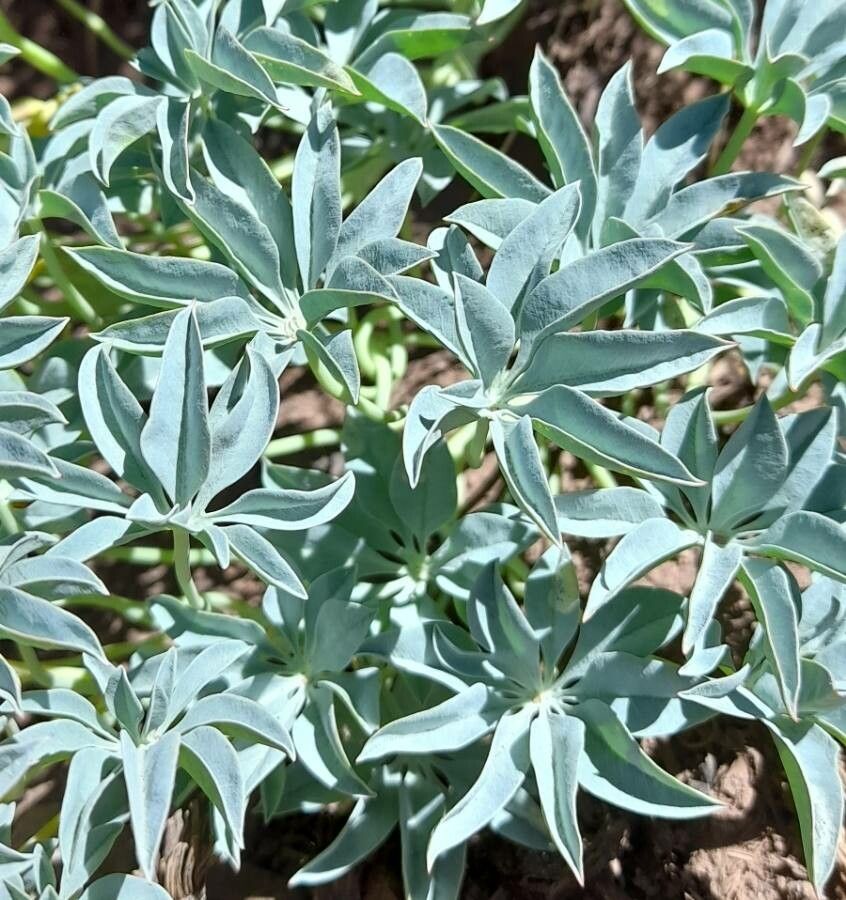
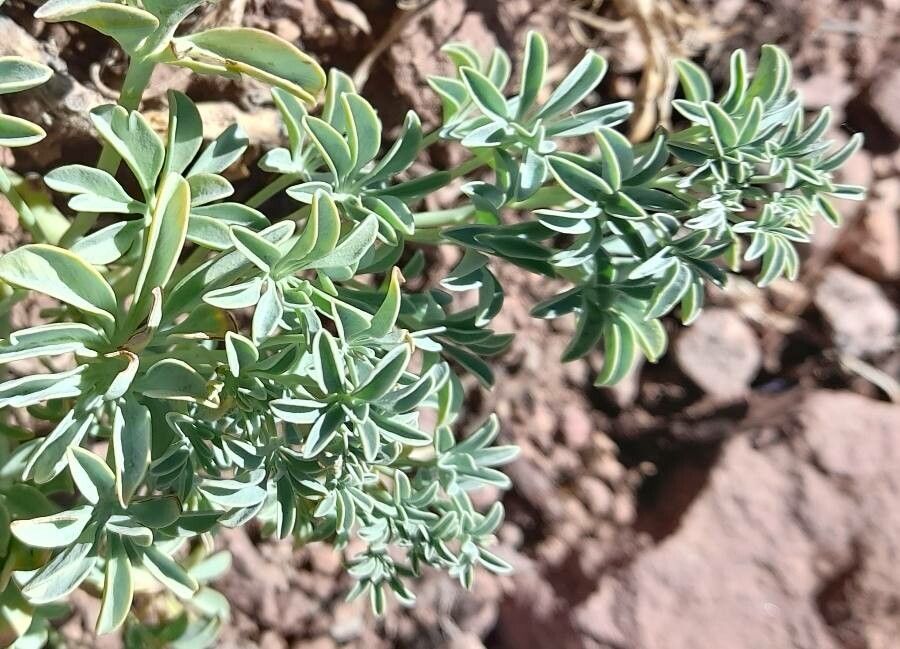
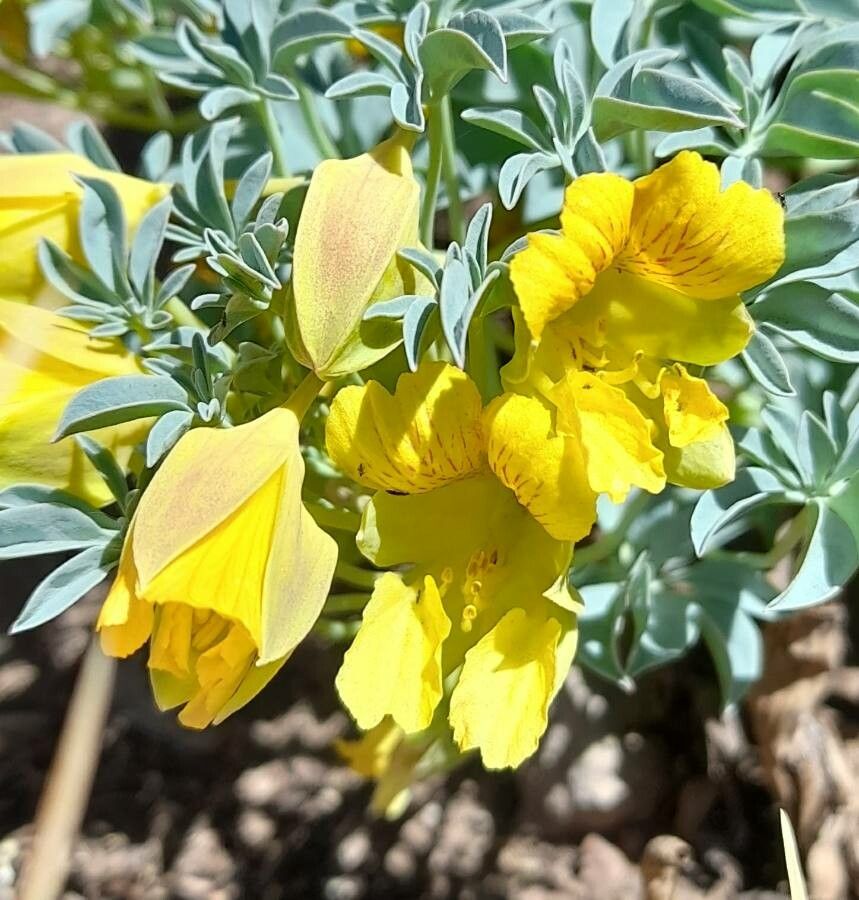
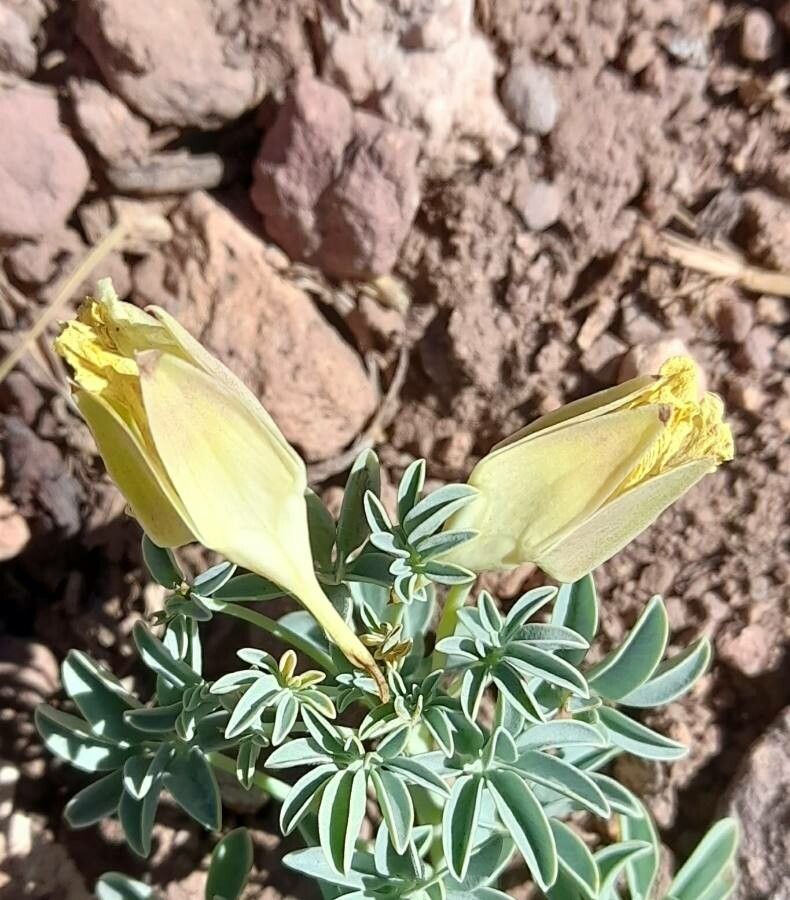
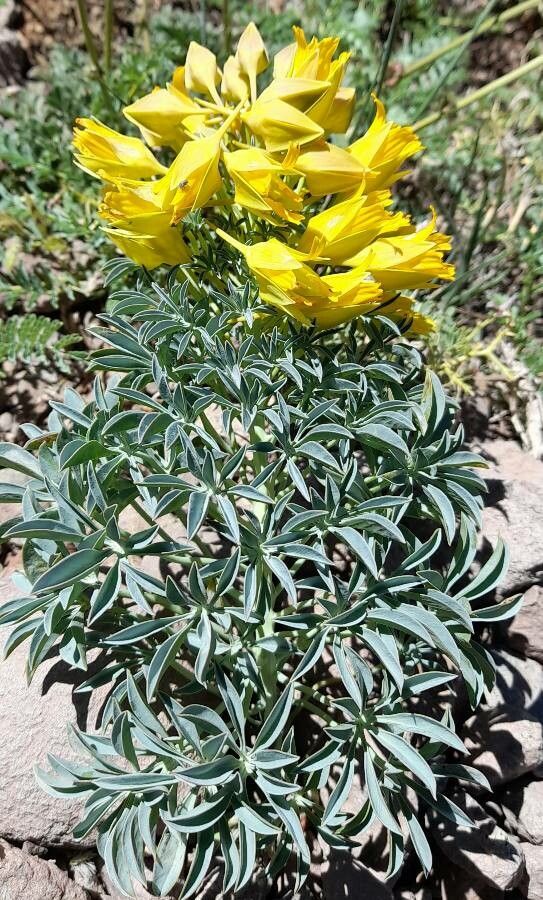
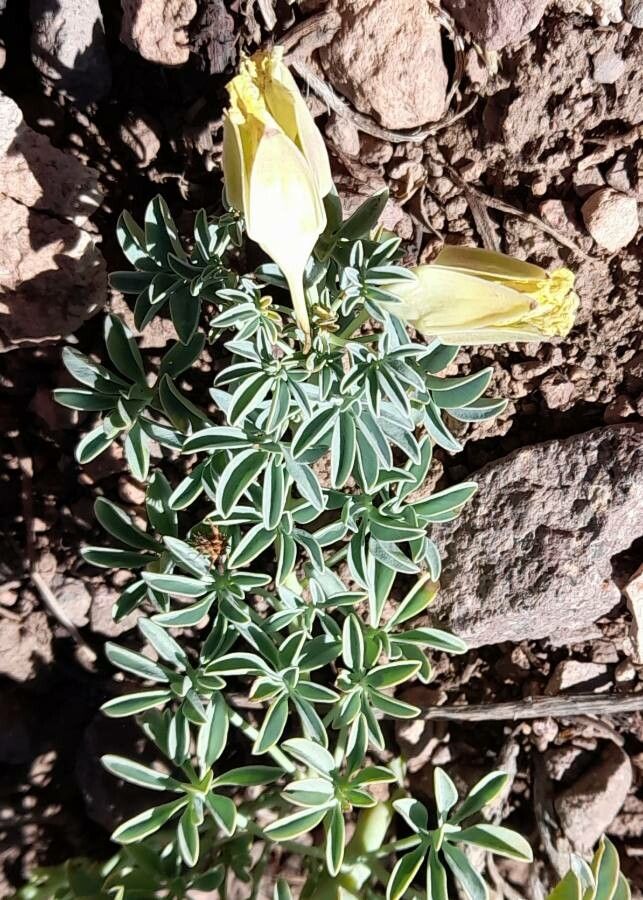
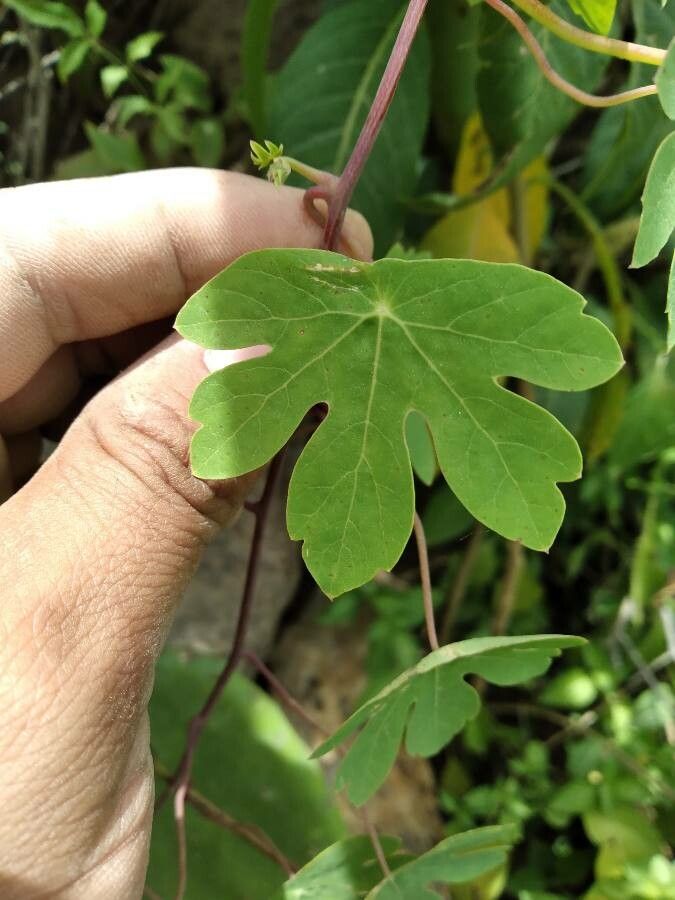
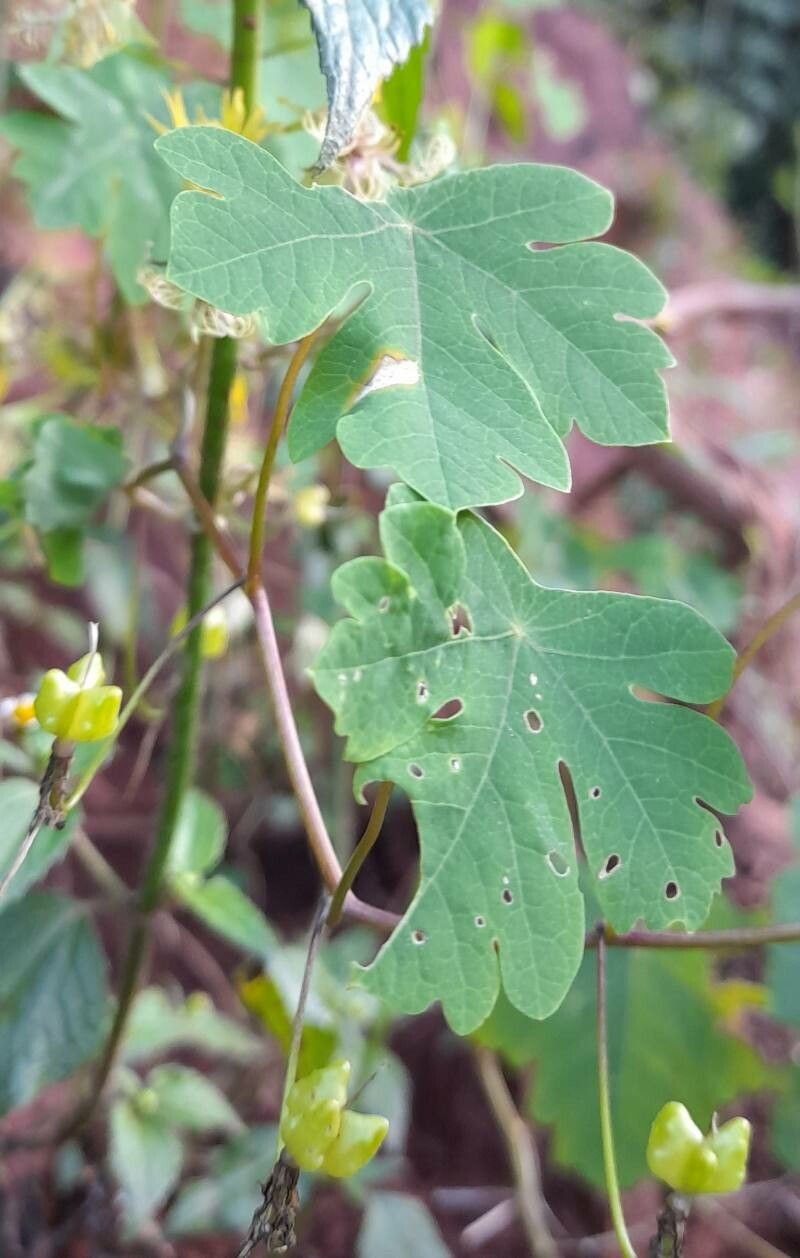
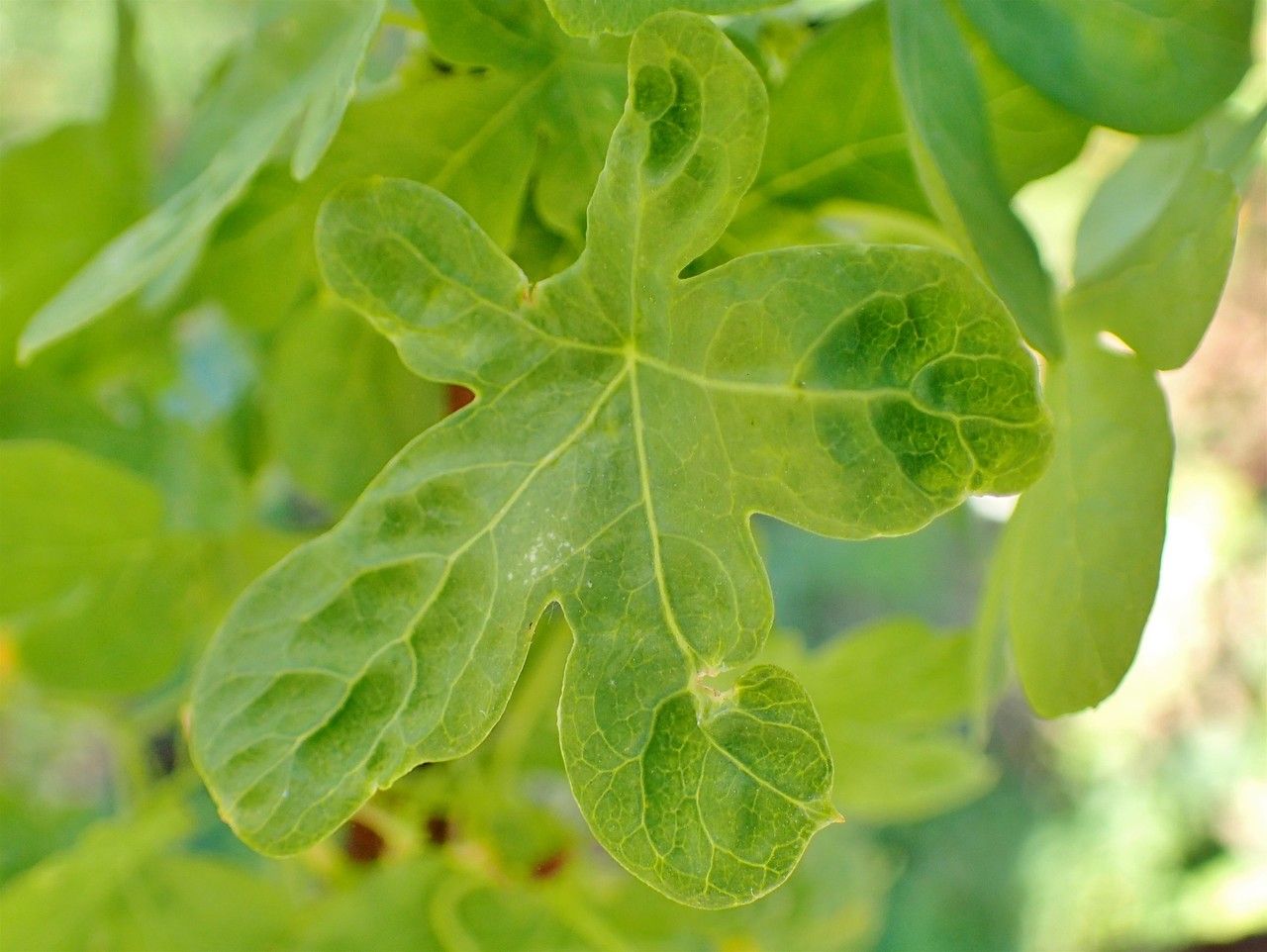
Tropaeolum polyphyllum is a species of flowering plant in the nasturtium family Tropaeolaceae. It is endemic to mountainous regions of Chile and Argentina where it is called in Spanish soldadito grande de la cordillera (great soldier of the mountains).
Subalpine chilean nasturtium has good disease resistance and is generally not prone to diseases. However, it can still be vulnerable to pests and diseases present in its environment. These infections are generally not serious. Regarding care, this plant requires moderate maintenance. It should be pruned regularly to maintain a neat appearance and encourage healthy growth. Fertilizing can also help stimulate flowering. Subalpine chilean nasturtium is appropriate for anyone with outdoor space, such as a garden or patio, and does not demand extensive care experience. It may need more attention when grown indoors.
How to keep Tropaeolum Polyphyllum.
Light
Subalpine chilean nasturtium is a sun-loving, perennial herbaceous plant native to open habitats and commonly found in meadows and grasslands. It prefers full sun but can also tolerate partial sun.
Water
The subalpine Chilean nasturtium thrives in its native mountainous habitat, preferring infrequent watering combined with moderate humidity. To prevent overwatering, provide water once a week. As an herbaceous perennial, its water requirements increase during periods of active growth to support its vibrant flowering.
Fertilizer
For Subalpine Chilean nasturtium, the best time to fertilize is in early spring as the flowers begin to form. The proper fertilizer promotes stronger blooms and helps the Subalpine Chilean nasturtium produce attractive flowers. Applying fertilizer in early spring ensures excellent flowering during the season and supplies energy for dormant growth periods.
Pruning
The subalpine Chilean nasturtium boasts vibrant flowers and distinctive foliage. For optimal growth, prune the plant from early to late spring. This will help remove damaged stems and thin out crowded areas, improving airflow. Regular pruning not only encourages blooming but also helps prevent disease.
Botanical profile.
- Plant Type
- Herb, Vine
- Life Cycle
- Perennial
- Genus
- Tropaeolum
- Family
- Tropaeolaceae
- Hardiness Zone
- 5-9
- Mature Height
- 15 cm to 30 cm
- Mature Spread
- 30 cm to 61 cm
- Leaf Color
- Light Green, Green
- Leaf Type
- Deciduous
- Flower Color
- Yellow
- Flower Size
- 3.05 cm to 4.06 cm
- Bloom Time
- Mid spring, Late spring
- Planting Time
- Spring, Summer
- Harvest Time
- Early summer, Mid summer
Other names.
Reader questions.
What are the sun requirements for a Subalpine Chilean Nasturtium?
Subalpine Chilean Nasturtium, known botanically as Tropaeolum polyphyllum, thrives under specific sun exposure conditions. It requires 'Full sun' which means it should receive above 6 hours of sunlight daily. Alternatively, it can grow under 'Partial sun' conditions, which entails about 3 to 6 hours of sunlight each day. When cultivating this plant, it's important to observe the movement of sunlight through your garden carefully. Choosing locations that offer an ideal combination of light and shade will ensure the wellbeing and happiness of your plants.
What is the Subalpine Chilean Nasturtium?
The Subalpine Chilean Nasturtium, known by its botanical name Tropaeolum polyphyllum, is a plant without detailed descriptions provided regarding its essentials or symptoms in the given data. Further information would be necessary to fully describe its characteristics, habitat, or uses.