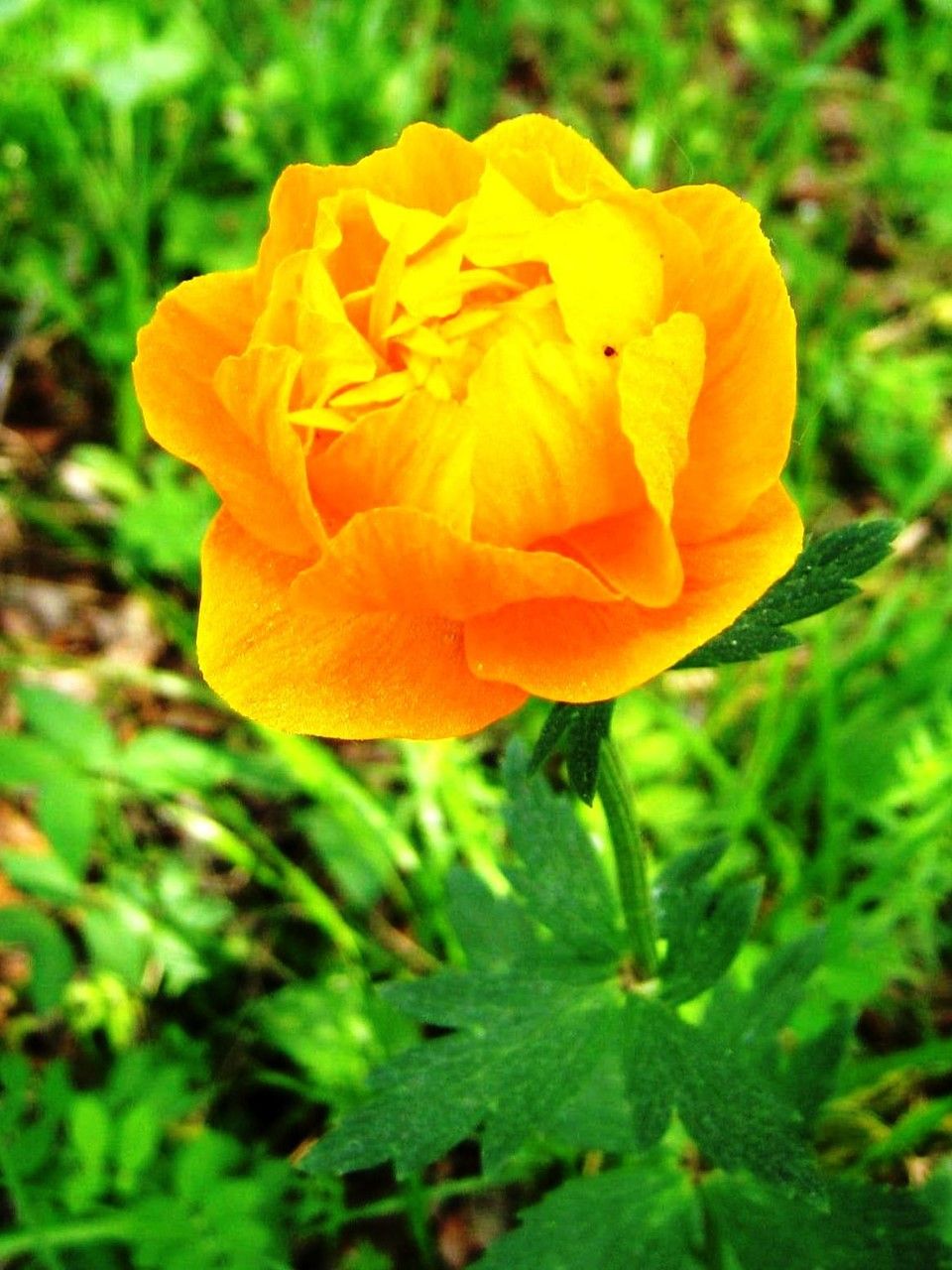
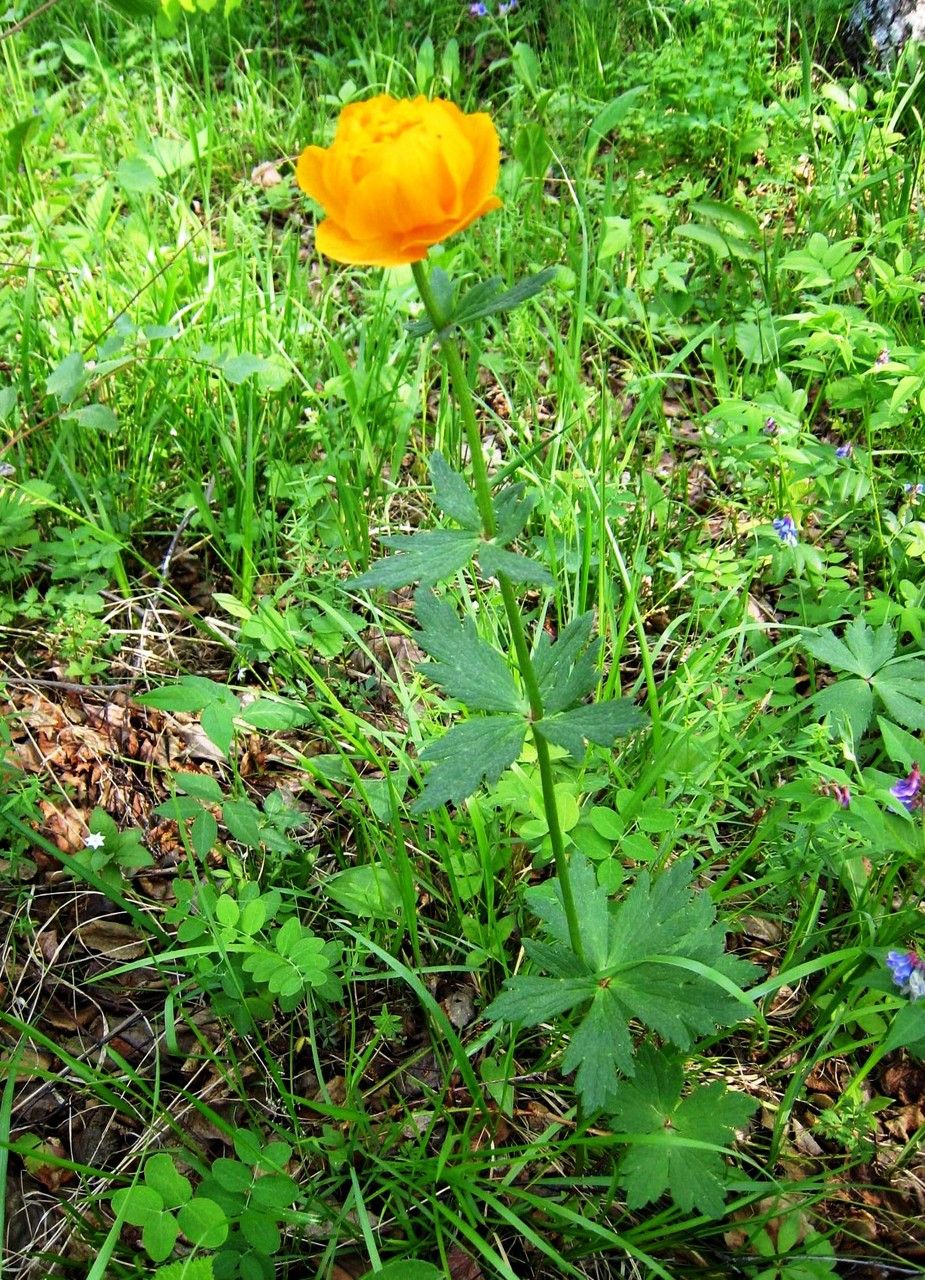
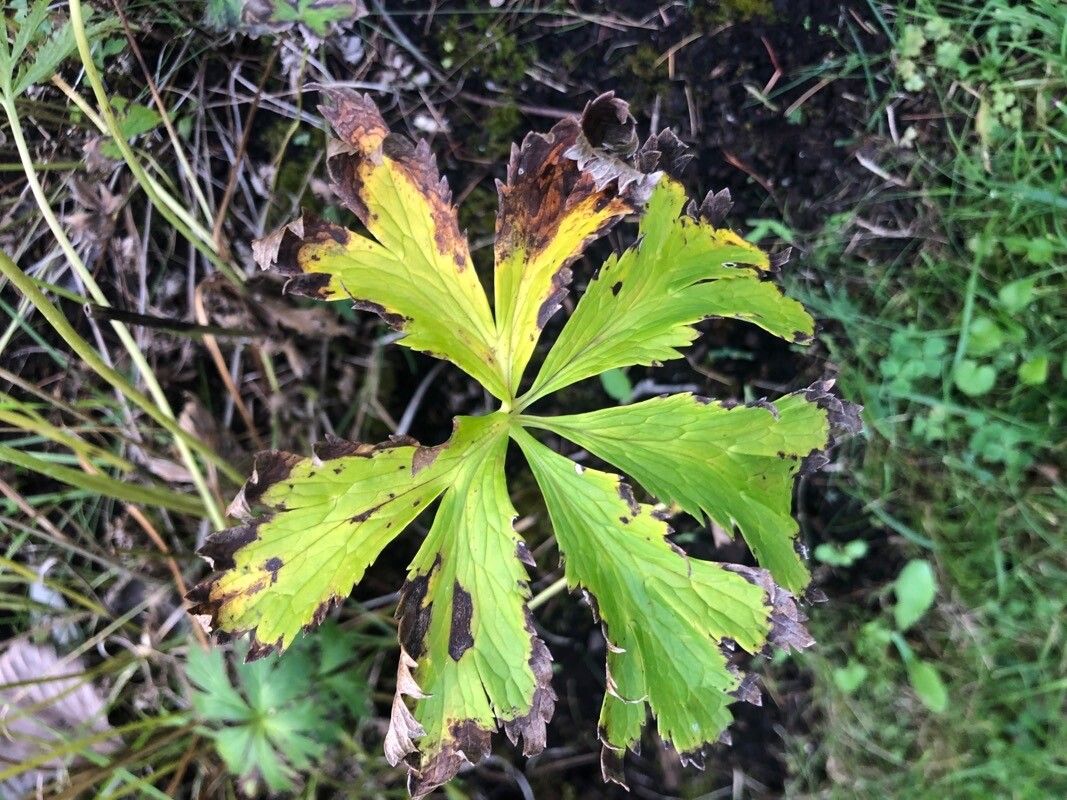
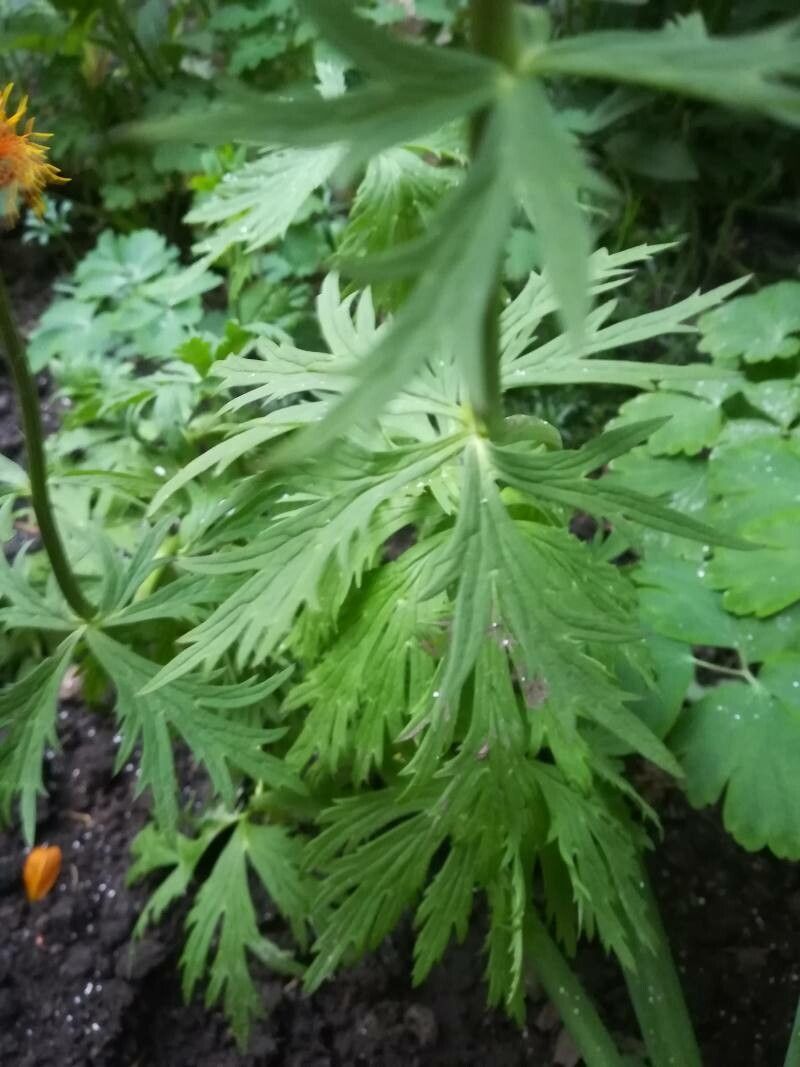
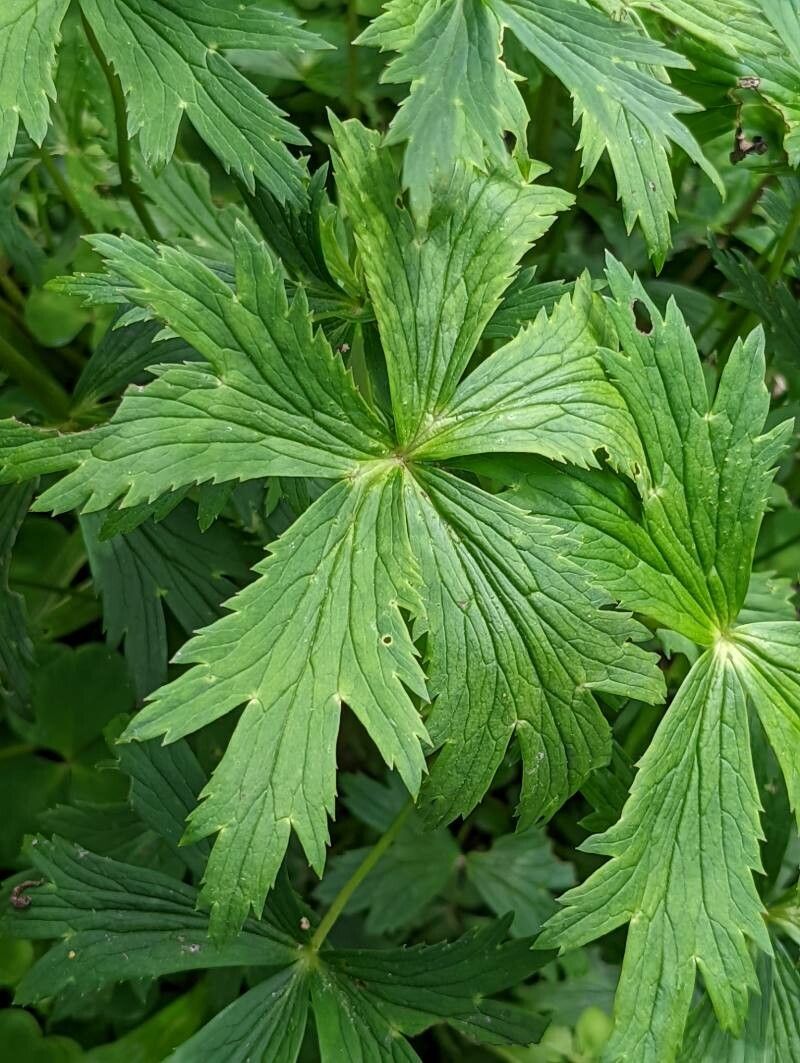
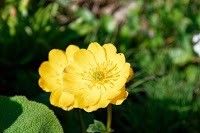
The Asiatic globeflower is fairly disease-resistant and typically not prone to illnesses. Still, it can be affected by pests and diseases present in its environment. These problems are usually mild. For care, this plant requires moderate maintenance. It should be pruned regularly to keep a good appearance and support healthy growth. Fertilizing can also help encourage flowering. The Asiatic globeflower is suitable for anyone with outdoor space, such as a garden or patio, and does not demand extensive experience in plant care. It may need more attention if grown indoors.
How to keep Trollius Kytmanovii.
Light
Asiatic globeflower is a perennial herbaceous plant that favors sunny, open habitats and is commonly found in meadows and grasslands. It prefers full sun but can tolerate partial sun.
Temperature
The Asiatic globeflower is well adapted to conditions between 41 and 77 °F (5 to 25 °C). Native to temperate regions, it prefers cooler climates. In warmer weather, provide extra shade or cooler, moist surroundings to maintain its health.
Fertilizer
The primary time to fertilize Asiatic globeflower is in early spring while the flowers are forming. Using the appropriate fertilizer promotes better blooms and helps the plant produce attractive flowers. Fertilizing at this time secures strong flowering during the season and supplies energy for dormant growth phases.
Botanical profile.
- Plant Type
- Herb
- Life Cycle
- Perennial
- Genus
- Trollius
- Family
- Ranunculaceae
- Hardiness Zone
- 4
- Mature Height
- 10 cm to 49 cm
- Mature Spread
- 10 cm to 49 cm
- Leaf Color
- Green, Bronze
- Leaf Type
- Deciduous
- Flower Color
- Orange, Gold
- Flower Size
- 2.03 cm to 4.57 cm
- Bloom Time
- Mid spring, Late spring
- Planting Time
- Spring, Summer
- Harvest Time
- Early summer, Mid summer
- Native Area
- Russia, Kazakhstan, Mongolia, China