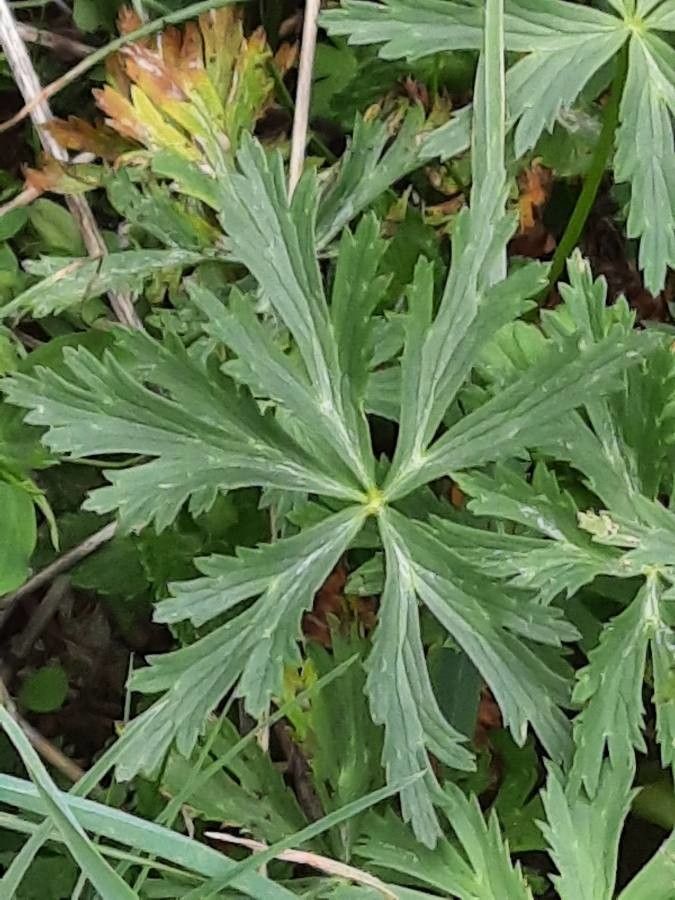
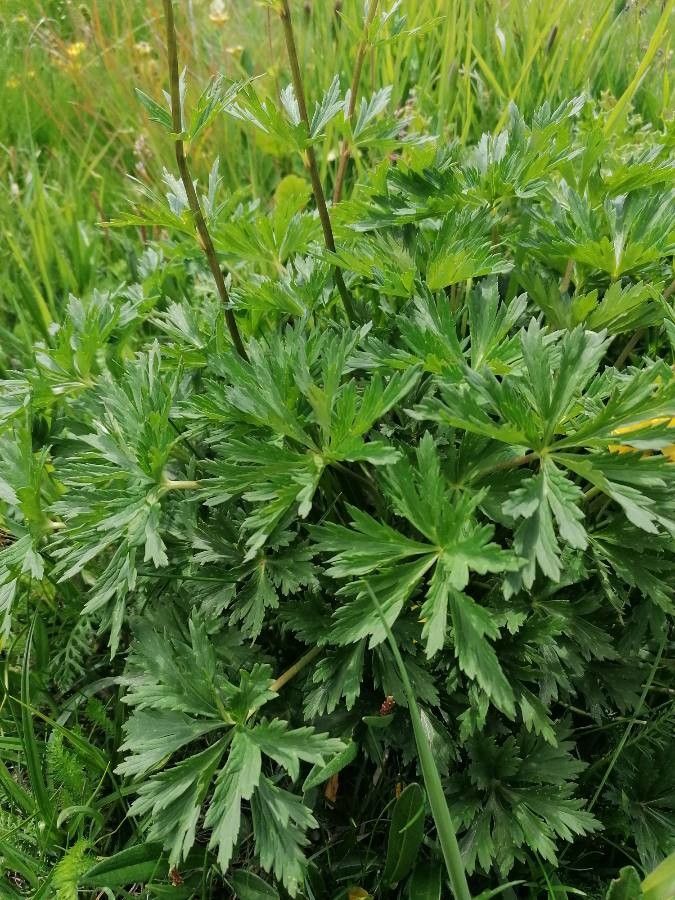
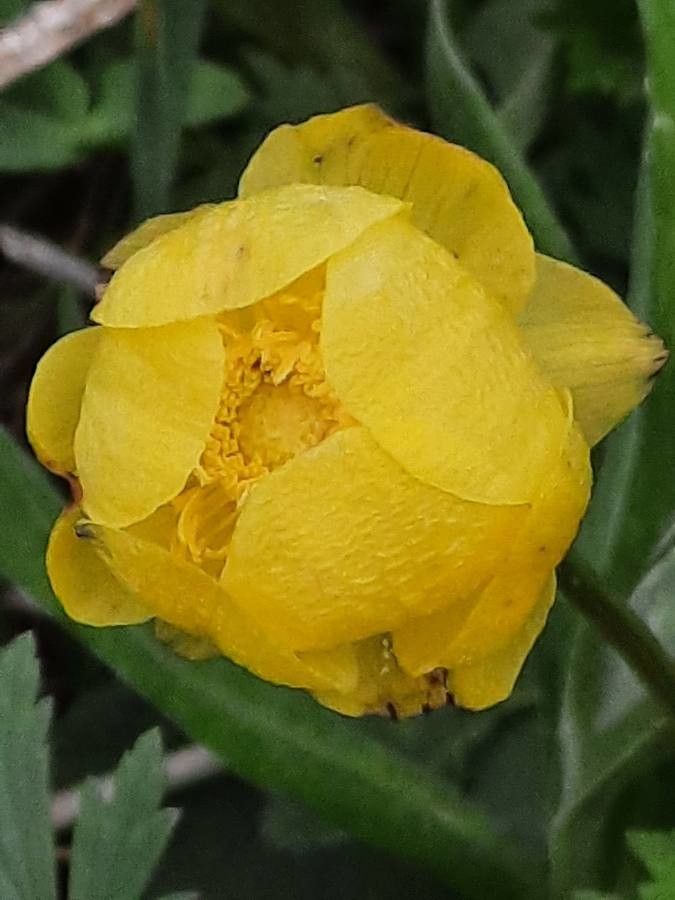
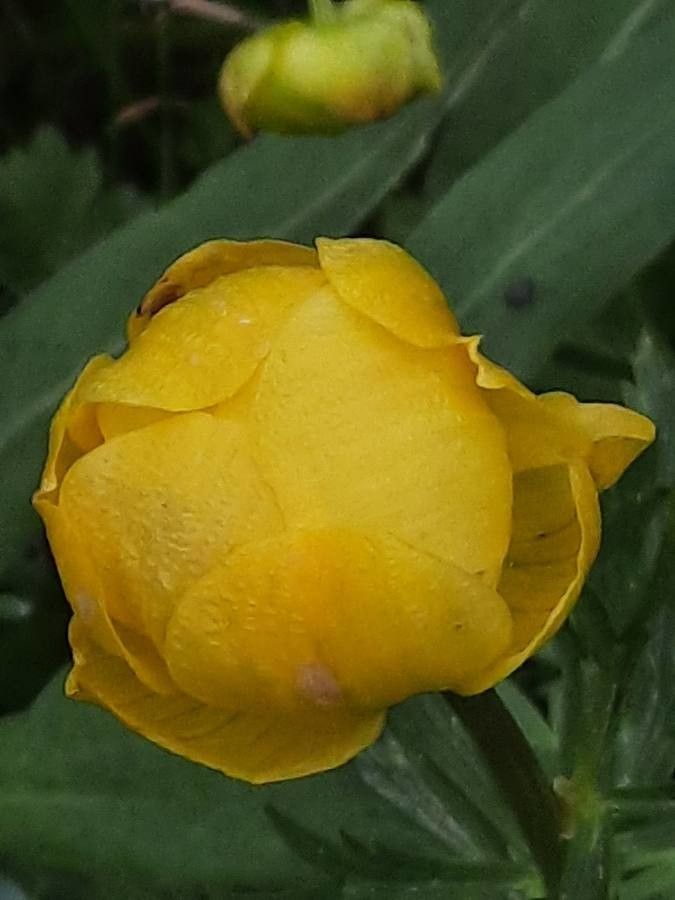
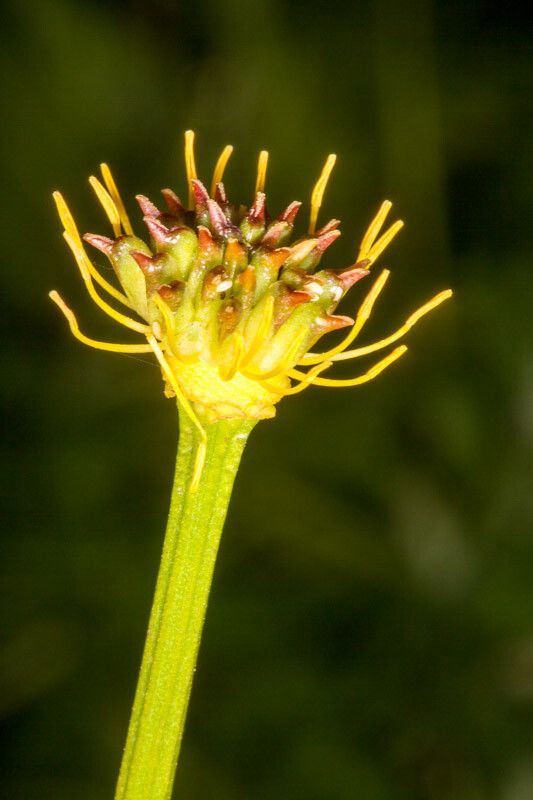
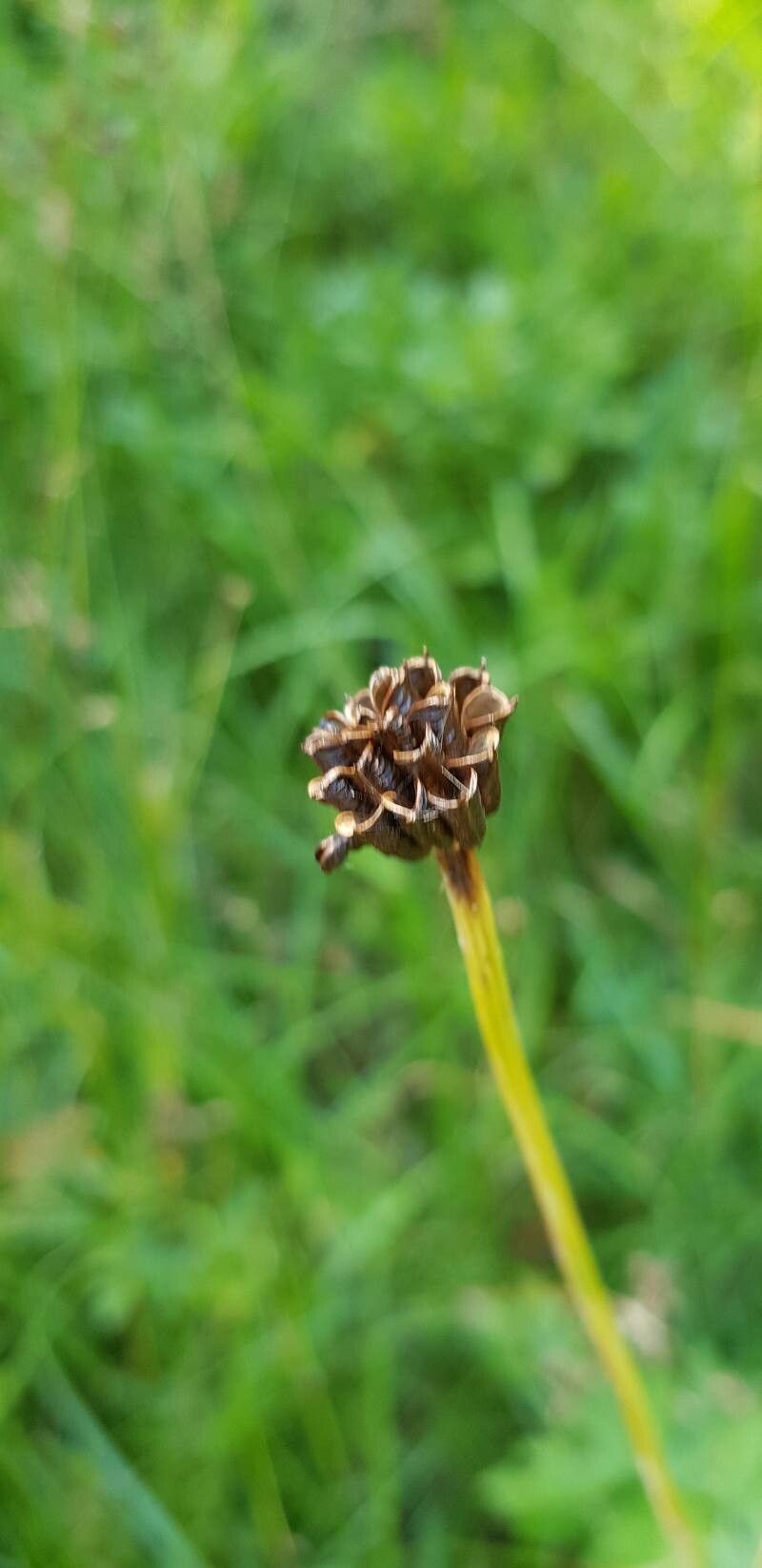
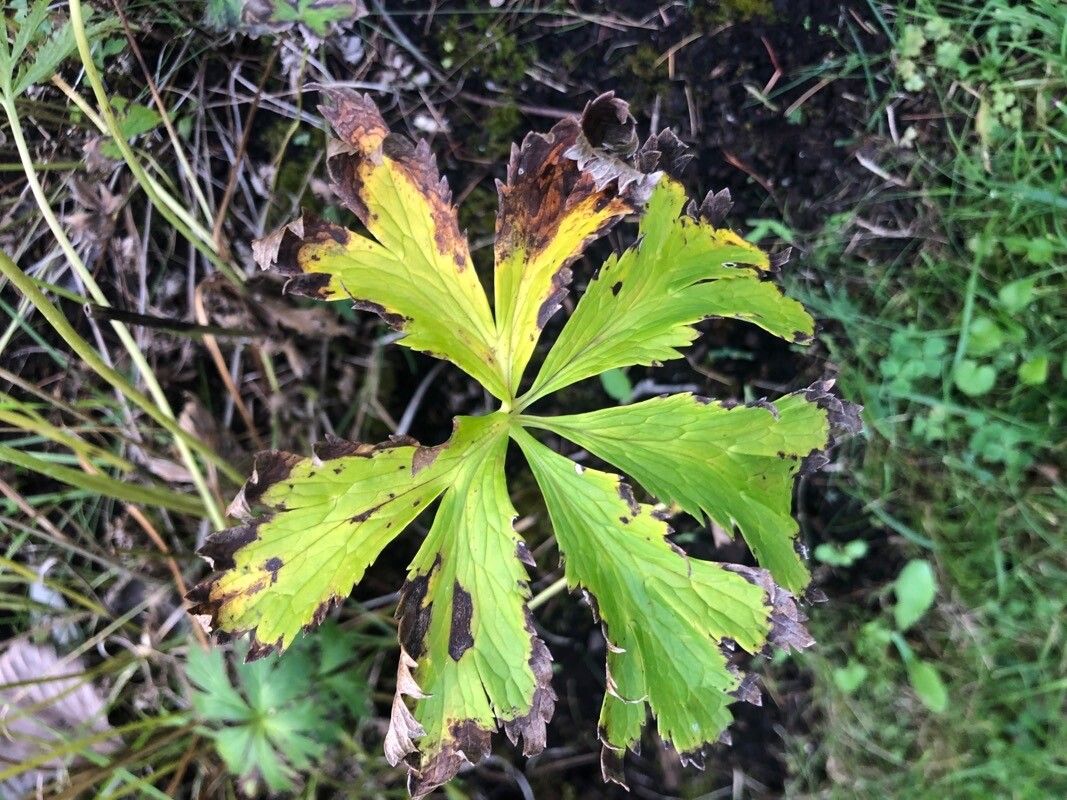
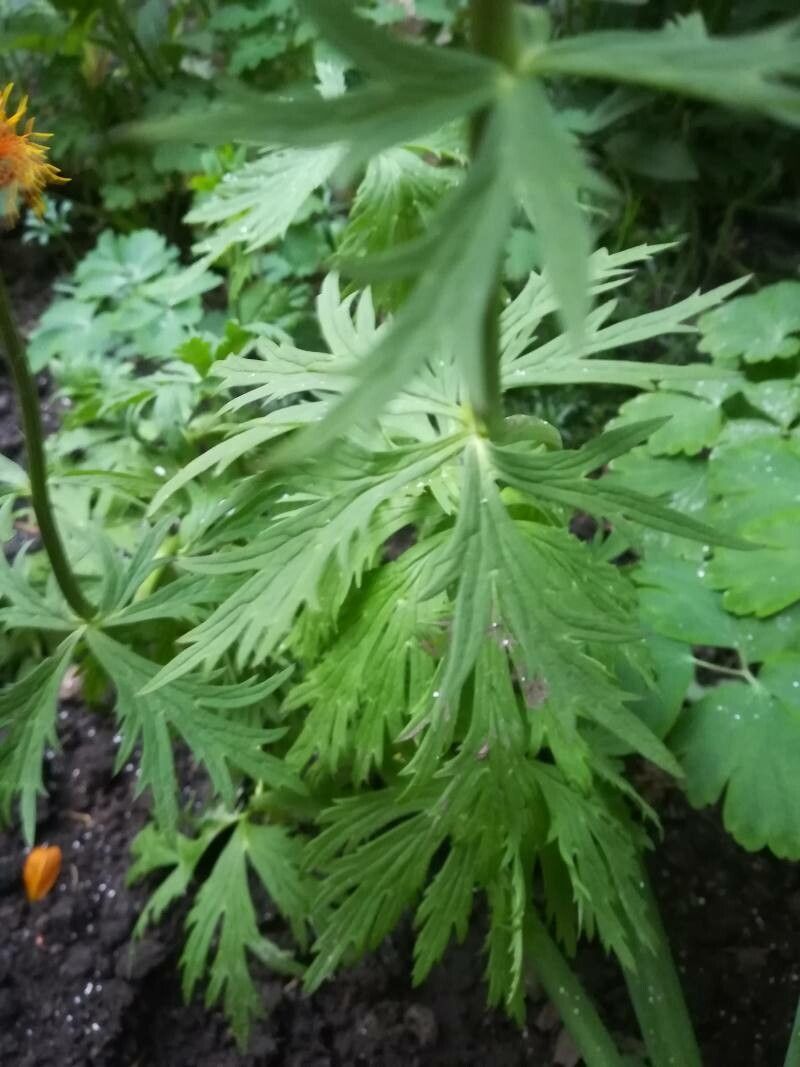
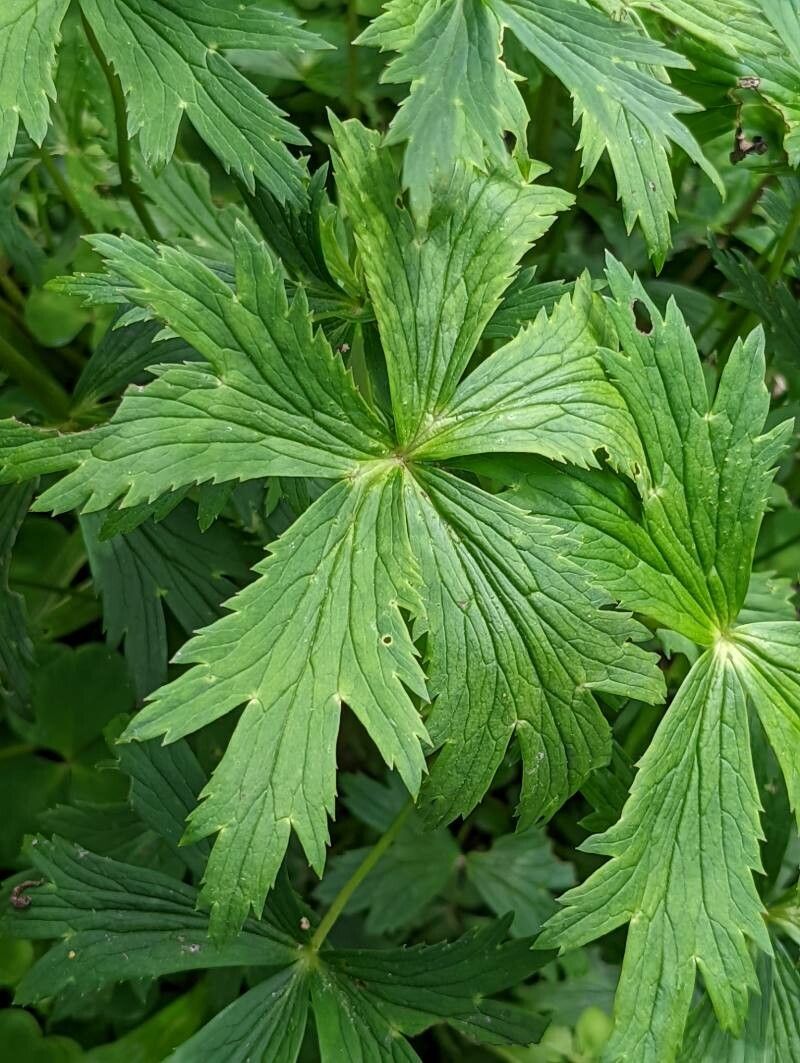
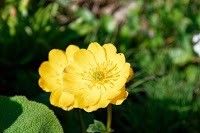
Trollius europaeus, the globeflower, is a perennial flowering plant of the family Ranunculaceae. The plant is native to Europe and Western Asia and is a protected species in Russia and Bulgaria. In Udmurtia, this plant is one of the national symbols of the republic, with many different objects named after it.
Globeflower is fairly resistant to disease and typically does not tend to suffer from illnesses. Still, it can be affected by pests and diseases present in its environment. These problems are generally not severe. Regarding care, the plant requires moderate upkeep. Regular pruning is needed to keep a neat appearance and to encourage healthy growth. Fertilizing can also aid in promoting blooms. Globeflower is appropriate for anyone with an outdoor area, such as a garden or patio, and does not demand extensive care experience. It may need more attention if grown indoors.
How to keep Trollius Europaeus.
Light
Globeflower prefers a mix of sun and shade, leaning slightly toward shadier locations. While it can tolerate fairly bright conditions, too much light may be harmful. In its native habitat it commonly grows beneath a dappled forest canopy, receiving filtered light while avoiding full exposure. Shaded conditions support healthy growth, whereas intense light can cause stress.
Water
Globeflower, native to the cool and moist meadows of Europe, flourishes in consistently damp environments. It thrives best in evenly moist, well-drained soil and requires watering once a week. Being a perennial, it benefits from natural rainfall during its active growing season, which provides sufficient hydration without causing waterlogging.
Temperature
Globeflower naturally occurs in habitats with temperatures between 32 and 90 °F (0 to 32 ℃). The plant favors cooler climates and requires special attention if exposed to extreme heat or cold.
Fertilizer
Early spring, when a Globeflower is coming out of dormancy and starting active growth, is the best time to fertilize. Fertilizing supplies essential nutrients for healthy growth. Although a Globeflower has relatively low fertilizer needs, an annual application can improve its survival and encourage better, longer-lasting flowers.
Pruning
The Globeflower showcases vibrant yellow blooms and benefits from pruning from early to late spring. To promote healthy growth, it's important to remove damaged stems and spent flowers, while avoiding heavy pruning. Regular trimming enhances air circulation, reduces the risk of disease, and helps maintain the plant's natural form and vigor.
Pot & Repot
Repot globeflowers every 2 to 3 years in early spring. Use a larger pot with good drainage to ensure healthy growth. After repotting, keep the soil consistently moist and provide the plant with partial shade. Be sure to handle the delicate roots gently during repotting to prevent any damage.
Toxicity
Trollius europaeus is slightly poisonous if ingested.
Further reading →
The toxicity and danger assessments provided are for reference only. We do not assure their accuracy, so it's crucial not to depend on them. Seek professional advice when necessary for accurate guidance.
Botanical profile.
- Plant Type
- Herb
- Life Cycle
- Perennial
- Genus
- Trollius
- Family
- Ranunculaceae
- Hardiness Zone
- 3-7
- Mature Height
- 46 cm to 61 cm
- Mature Spread
- 61 cm
- Leaf Color
- Green
- Leaf Type
- Deciduous
- Flower Color
- Yellow
- Flower Size
- 3.05 cm
- Bloom Time
- Late spring, Early summer
- Planting Time
- Autumn, Winter, Spring
- Harvest Time
- Mid summer
- Native Area
- Sweden, Austria, Czech Republic, Slovakia, Montenegro, Bulgaria, Poland, Greece, Croatia, Slovenia, Belarus, Ukraine, Serbia, Russia, Lithuania, Norway, Hungary, Germany, Italy, Spain, Switzerland, Denmark, Estonia, Finland, Albania, Ireland, United Kingdom, Romania, Latvia, Belgium, France
Other names.
Reader questions.
How should I water my Globeflower?
To properly water the Globeflower, it is recommended to use filtered water at room temperature. This is because tap water may have harmful particles that can affect the plant's health. It is important to use water that is at room temperature or slightly warmer since the Globeflower is accustomed to warm environments and cold water can be a shock to its system. Additionally, it is best to avoid overhead watering as it can lead to leaf issues. Instead, it is suggested to thoroughly soak the soil with filtered room temperature water. This helps to moisturize the roots and allows them to continue spreading throughout the soil and absorbing the necessary nutrients.
Why do I have to put plant food on my Globeflower?
Fertilization plays a crucial role in maintaining the health and appearance of Globeflower leaves. By fertilizing properly, you can ensure consistent color and a healthy texture in the leaves. Moreover, fertilization benefits the plant beneath the surface as well. It helps in the development of new roots and sustains the existing ones, enabling the plant to efficiently absorb nutrients from the soil both now and in the future.
What are the sunlight requirements for plants?
Plants have varying sunlight needs categorized under partial sun, requiring about 3-6 hours of sunlight, and full sun, needing above 6 hours of sunlight daily. Observing the movement of sunlight through your garden helps in selecting optimal locations for your plants, ensuring they receive the right balance of light and shade for their growth.
What is the native environment of the Globeflower?
The Globeflower, scientifically known as Trollius europaeus, is native to environments where temperatures vary between 32 to 90 °F (0 to 32 °C). It thrives in cooler climates and requires special care when exposed to extreme hot or cold temperatures.
What should I do if I give my Globeflower too much water or too little water?
Overwatering is a common problem for Globeflowers and can lead to wilted and yellowing stems and leaves. Prolonged overwatering can result in diseases like root rot, mold, and mildew, which can be fatal for the plant. Underwatering is less common but can cause brittle and brown leaves. It's important to recognize signs of overwatering early and reduce watering immediately. Check the soil's drainage and replace if it drains poorly. If signs of underwatering are present, increase watering until the signs disappear.
When should I fertilize my Globeflower for the best results?
If you grow your Globeflower outdoors, it will start new growth in early spring. This is when you should begin fertilizing for the year. Usually, one application of fertilizer in the spring is enough for the plant to do well. But if you want to maximize growth, you can fertilize multiple times throughout the spring and early summer. In this case, you can feed your Globeflower once every month to a month and a half.
How does globeflower react to sunlight and shade?
The globeflower, with its preference for shade over sun, thrives in conditions that strike a balance between the two, slightly favoring shadier spots. Naturally found under the dappled light of forest canopies, it benefits from filtered sunlight while avoiding harsh exposure. Shaded areas promote healthy growth, but too much direct light can be detrimental. For indoor plants not receiving sufficient natural light, artificial lighting, such as LED lights, can compensate, aiding in their growth by providing necessary wavelengths. The amount of artificial light required varies based on the plant's natural sunlight needs, ranging from 10-50W/sq ft depending on whether the plant prefers full shade, partial sun, or full sunlight.
How does the Globeflower handle cold temperatures?
The Globeflower is highly cold-tolerant and does not need additional frost protection during the winter. However, it's advisable to water the plant generously before the first freeze in autumn to keep the soil moist. This preparation helps the soil enter a frozen state, preventing drought and water scarcity for the plant during winter and early spring.
How often should I give water to my Globeflower plant?
If you have a potted plant, the best way to know if your Globeflower needs water is by sticking your finger into the soil. If the top two to three inches of soil are dry, then it's time to water it. If you're growing your Globeflower in the ground, you can use the same method. When the top few inches of soil are dry, it's time to water. In the spring and early fall, this usually means watering once a week, but during hot weather, you may need to water twice a week or more. However, mature, well-established Globeflowers can tolerate drought well.
When should I not use fertilizer on my Globeflower?
During the late fall and winter, your Globeflower goes into a dormant phase and stops producing new growth. It is important to avoid fertilizing your Globeflower during this time. In the spring and summer, if you choose to fertilize multiple times, start reducing the amount of fertilizer as summer approaches because the growth rate of your Globeflower will also slow down. Additionally, it's not recommended to fertilize your Globeflower during extremely hot weather or when the soil is exceptionally dry. Fertilizing in these conditions can stress the plant and cause it to die prematurely.
What are some symptoms of incorrect lighting conditions for globeflowers?
Globeflowers exhibit various symptoms when they face unsuitable lighting conditions. Insufficient light may lead to smaller leaves, leggy growth, early leaf dropping, halted new growth, or paler, lighter-colored new leaves. Excessive light exposure can result in chlorosis, sunscald, leaf curling, wilting, and leaf scorching. These symptoms either indicate a lack of or too much sunlight, negatively impacting the plant's health and ability to undergo photosynthesis effectively.
What should I do if winter temperatures drop below -35°C for my Globeflower?
Globeflower can withstand extremely cold temperatures, but if winter temperatures fall below -35°C, you might not see any noticeable changes during the winter. However, there may be a decrease in sprouting or even a complete lack of sprouting in the spring. In such cases, you should remove any parts of the plant that have failed to sprout in the spring.