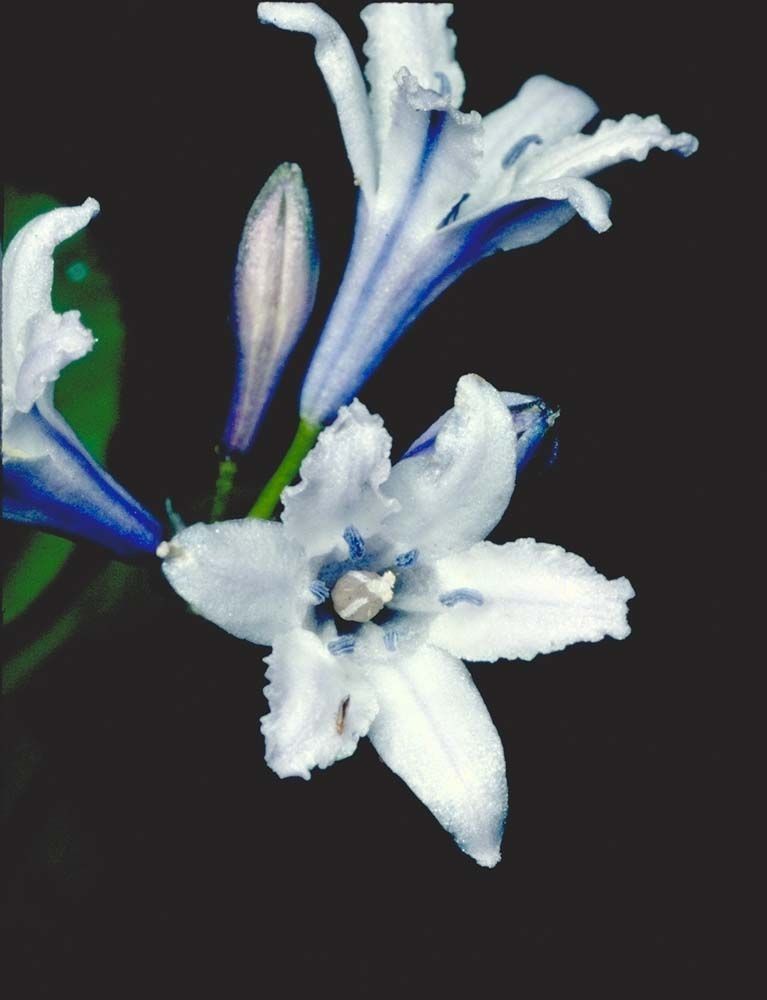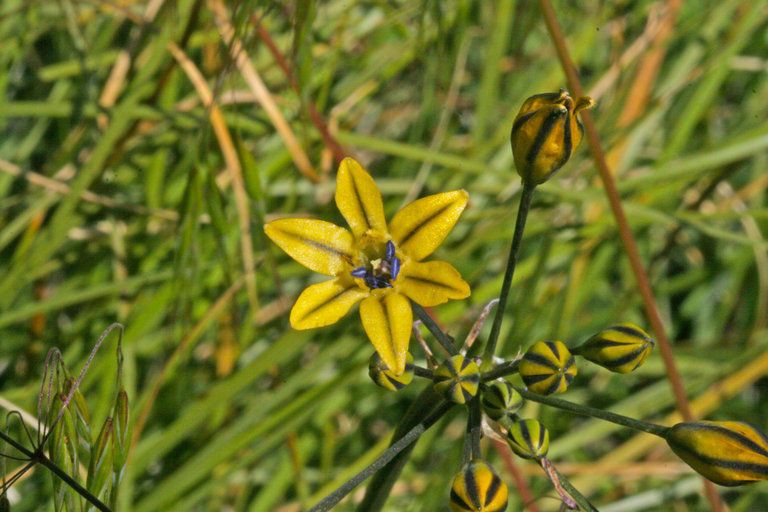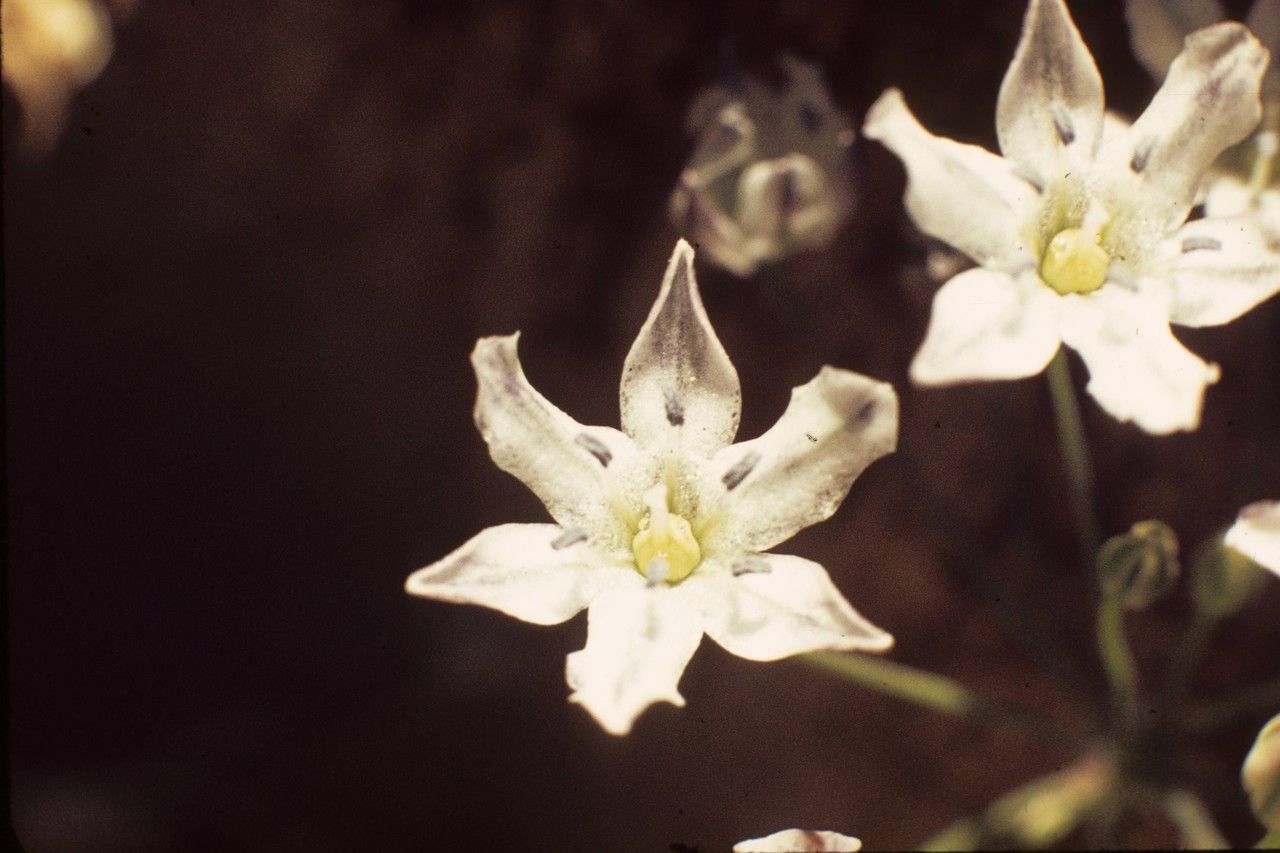
Triteleia lilacina, the foothill triteleia, is a monocot flowering plant in the genus Triteleia. It is endemic to California, where it is limited to the Central Valley and adjacent Sierra Nevada foothills. It occurs on dry hillsides, especially with volcanic soils.
The lilac-flower wild hyacinth is fairly disease-resistant and generally does not tend to get sick. Still, it can be affected by pests and diseases present in its surroundings. These problems are typically not serious. Regarding care, the plant needs a moderate amount of maintenance. It should be pruned regularly to preserve a neat appearance and encourage healthy growth. Fertilizing can also help increase flowering. The lilac-flower wild hyacinth is well suited for anyone with outdoor space, such as a garden or patio, and does not demand extensive care experience. It may need more attention when grown indoors.
How to keep Triteleia Lilacina.
Light
The wild hyacinth with lilac flowers is a perennial herb that loves the sun, commonly found in open environments such as meadows and grasslands. While it prefers full sun exposure, it can also survive in areas with partial sunlight.
Temperature
Lilac-flower wild hyacinth can adjust to a broad range of temperature conditions, though its distribution may still be restricted by various combinations of moisture and heat. It performs best in warm summer climates with sufficient rainfall or regular watering. Extended stretches of cloudy, rainy weather, and prolonged high temperatures, can increase the chance that Lilac-flower wild hyacinth will die. In winter, adequate protection from cold can boost the plant’s survival rate.
Fertilizer
When considering the Lilac-flower wild hyacinth, the optimal period for fertilization is the early spring, when the flowers are starting to develop. Appropriate fertilization can stimulate more robust blossoming and support the Lilac-flower wild hyacinth in generating beautiful flowers. Applying fertilizers in the early spring will guarantee prosperous flowers throughout the season and supply energy for the periods of passive growth.
Pruning
The lilac-flower wild hyacinth is a perennial plant known for its star-shaped flower clusters. To enhance its health and blooming, it's best to prune it in early spring before new growth begins. Remove any damaged foliage and old stalks to improve the plant's shape, vigor, and resistance to disease. For the most effective care, consult reliable horticultural sources for tailored best practices.
Botanical profile.
- Plant Type
- Herb
- Life Cycle
- Perennial
- Genus
- Triteleia
- Family
- Asparagaceae
- Hardiness Zone
- 7-10
- Mature Height
- 30 cm to 61 cm
- Mature Spread
- 15 cm to 30 cm
- Leaf Color
- Green
- Leaf Type
- Deciduous
- Flower Color
- Lavender
- Flower Size
- 2.03 cm to 3.05 cm
- Bloom Time
- Mid spring, Late spring
- Planting Time
- Spring, Autumn
- Harvest Time
- Early summer, Mid summer