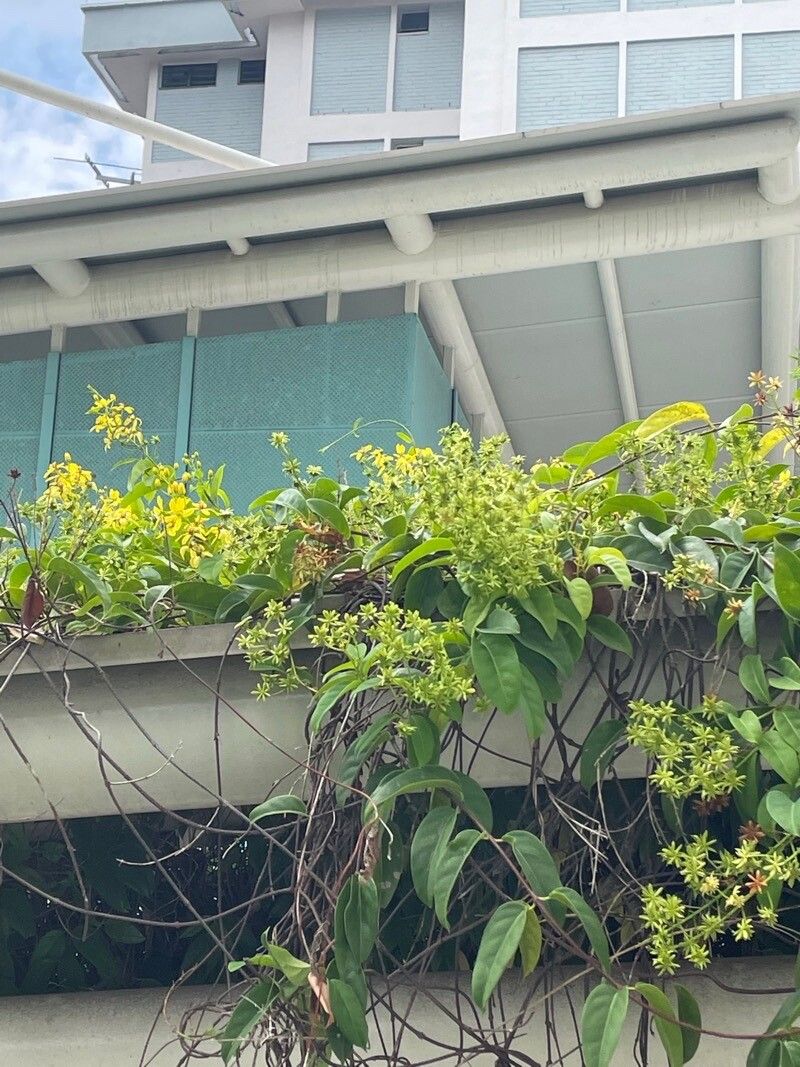
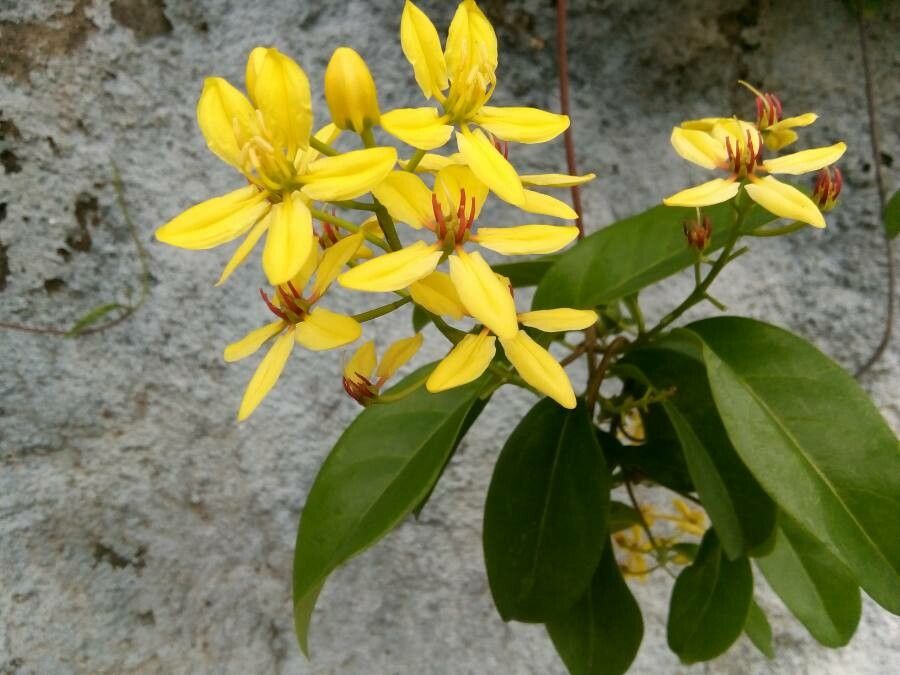
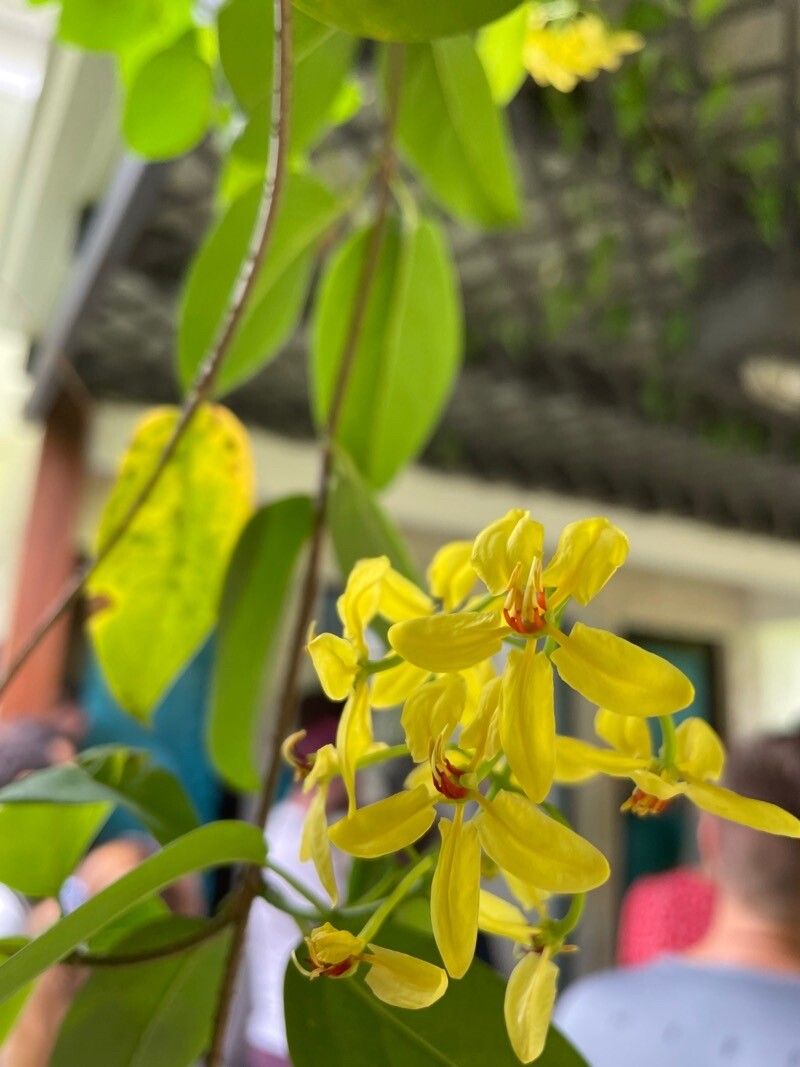
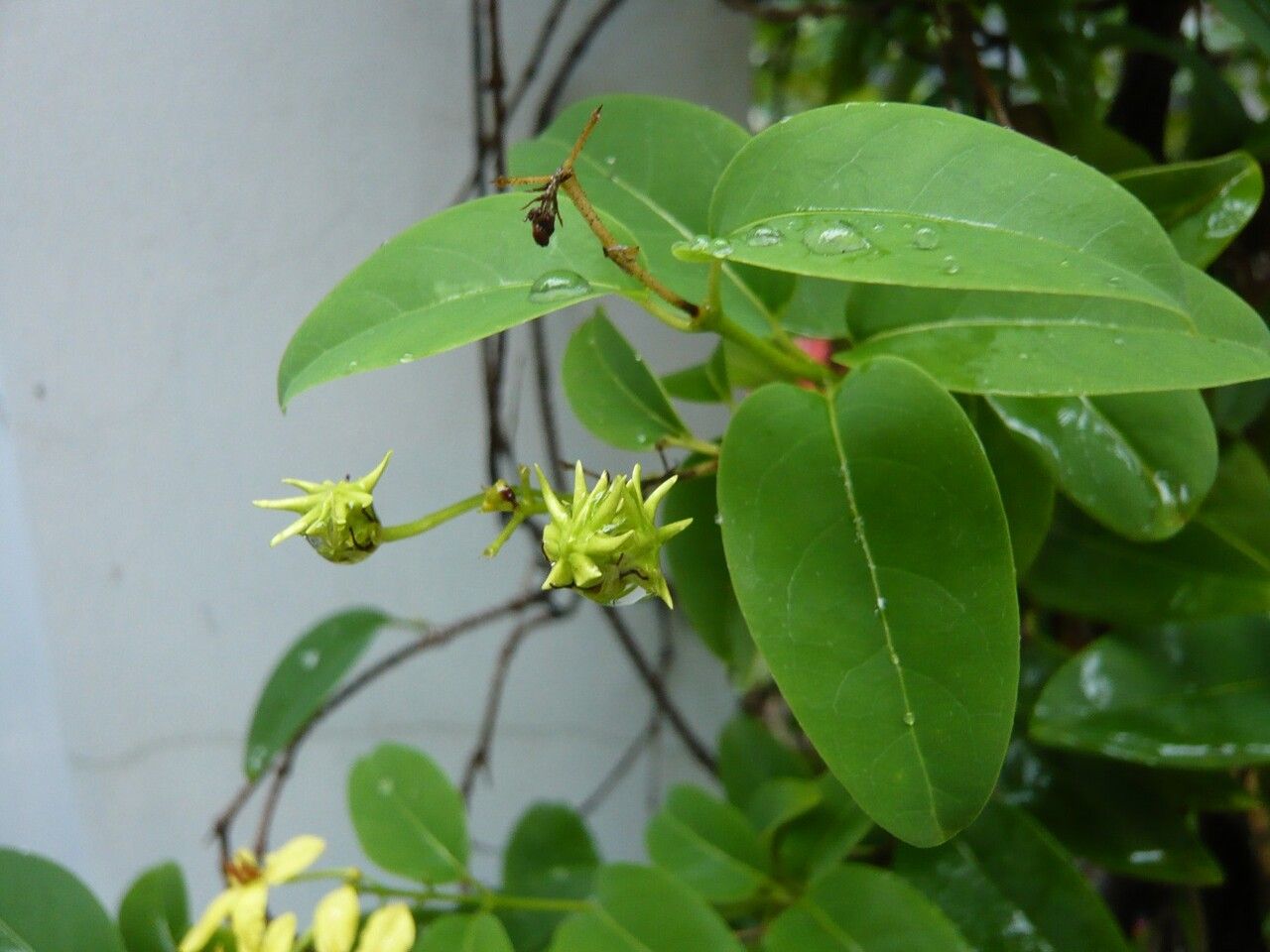
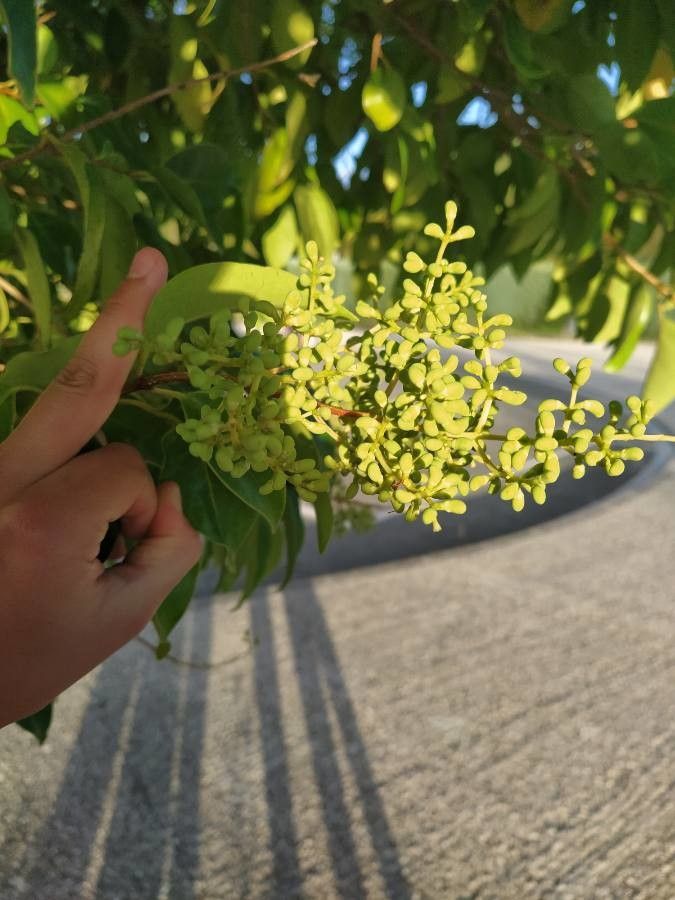
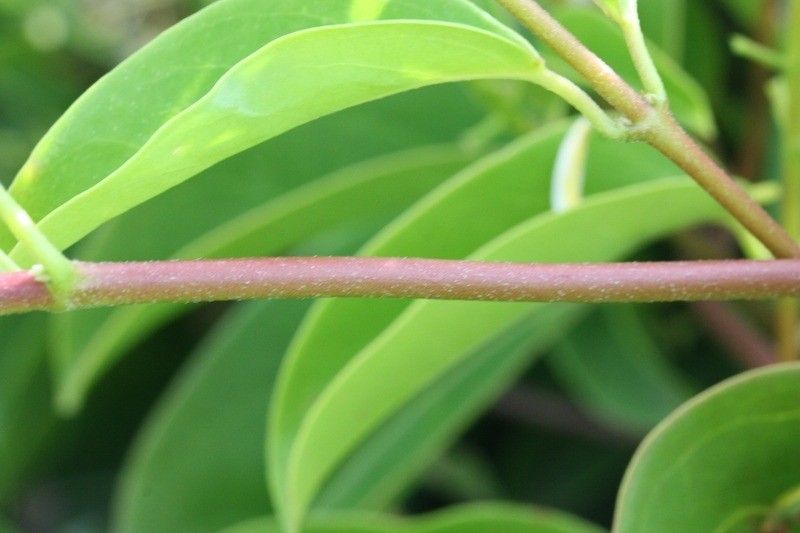
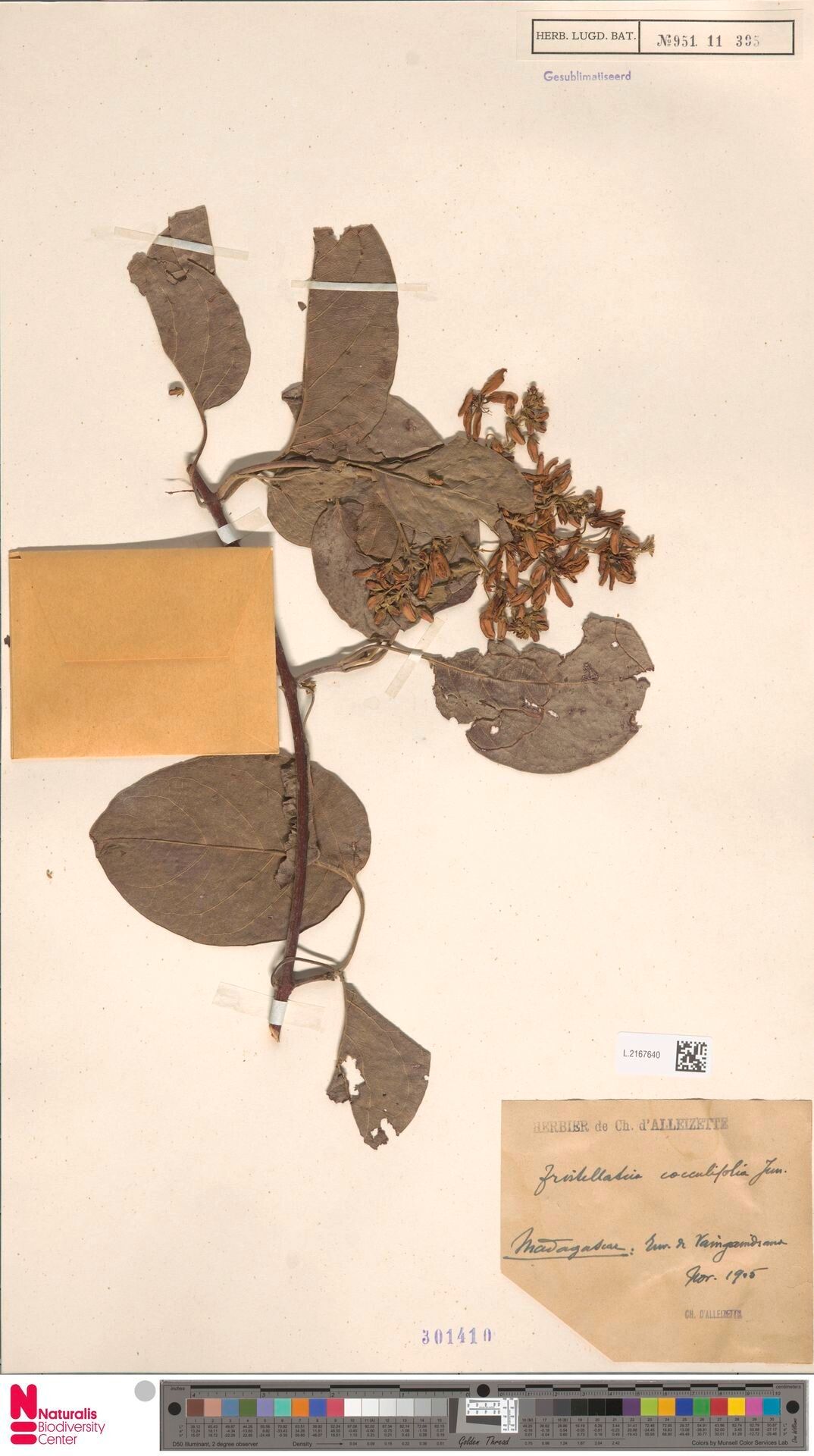
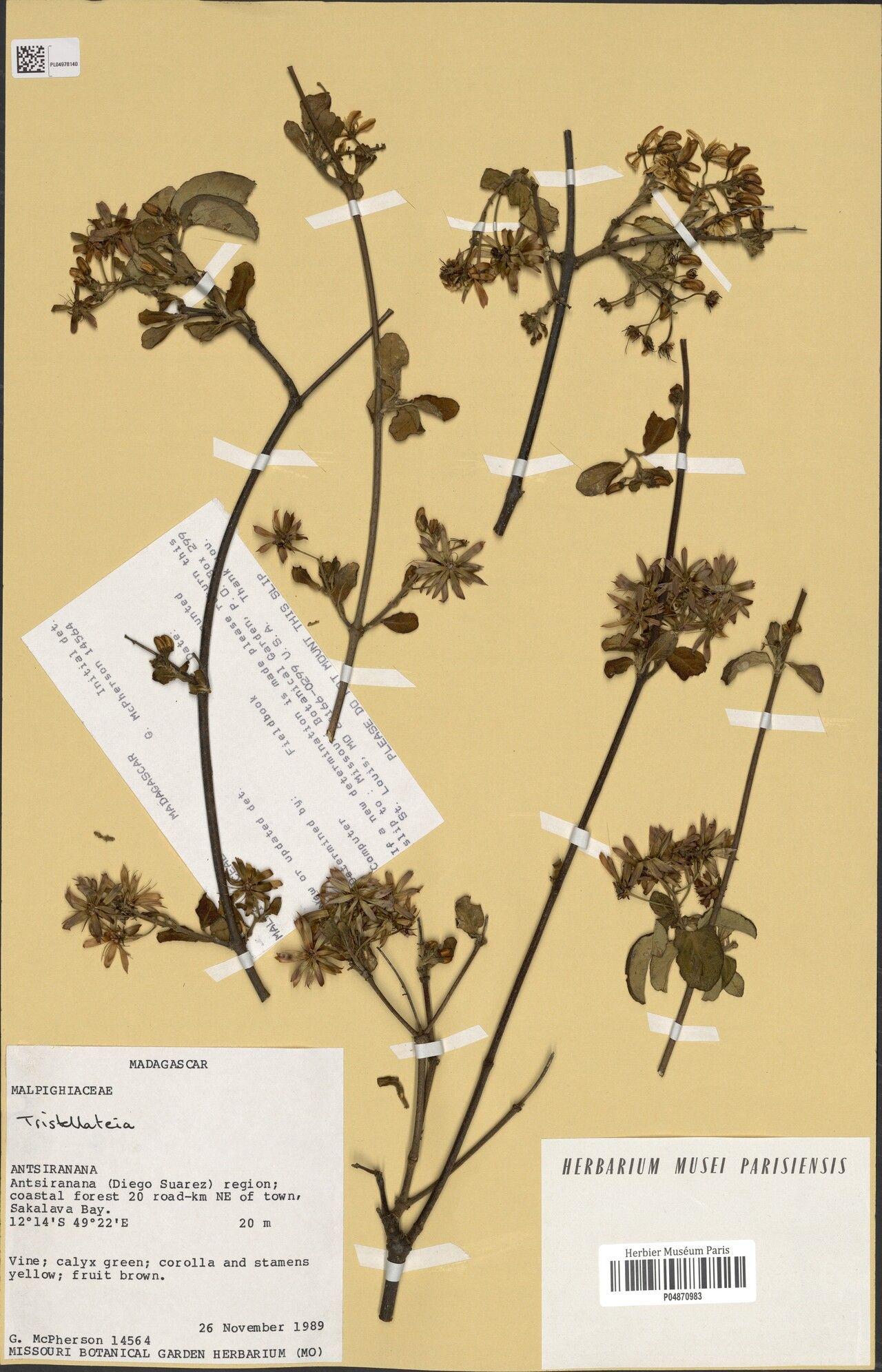
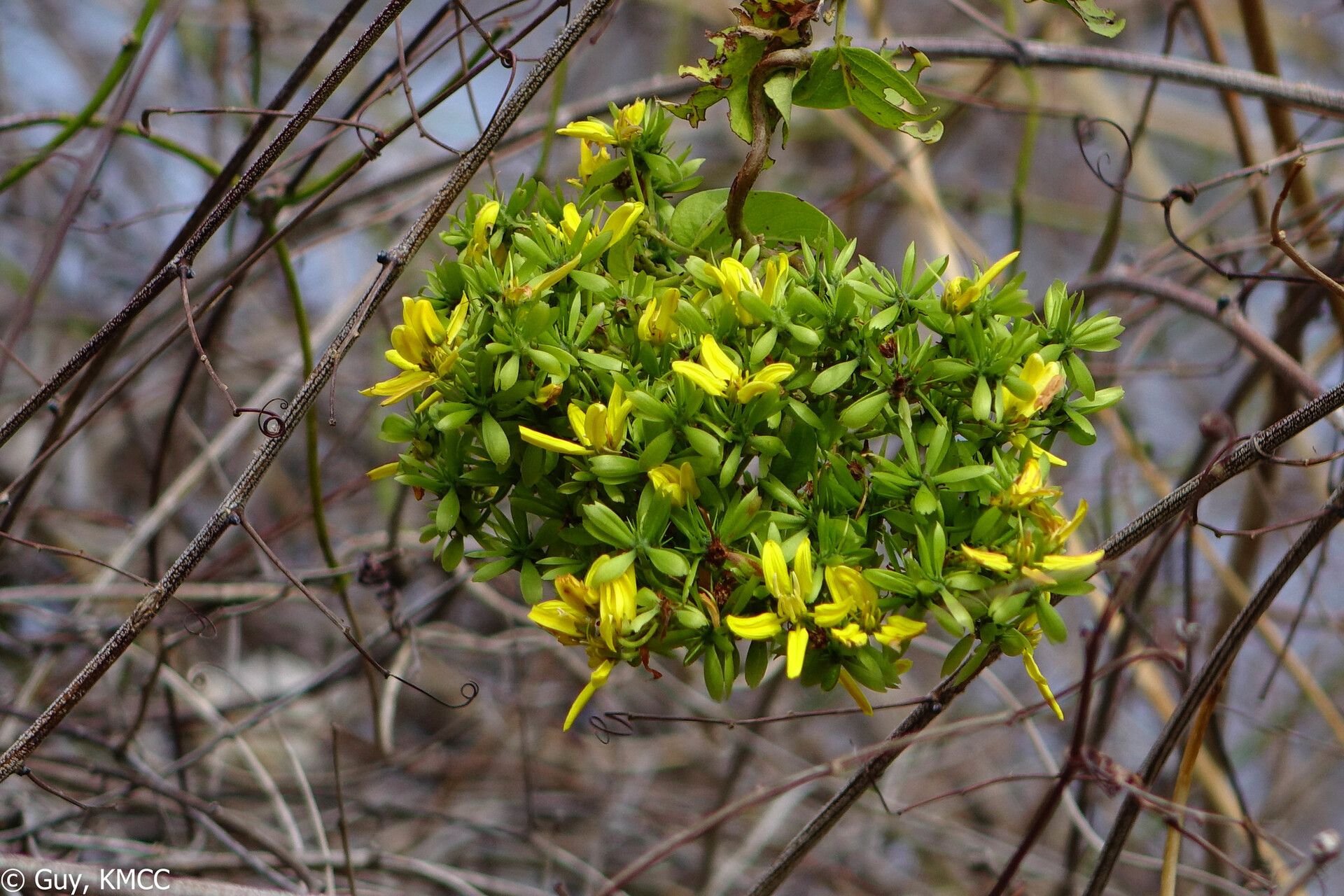
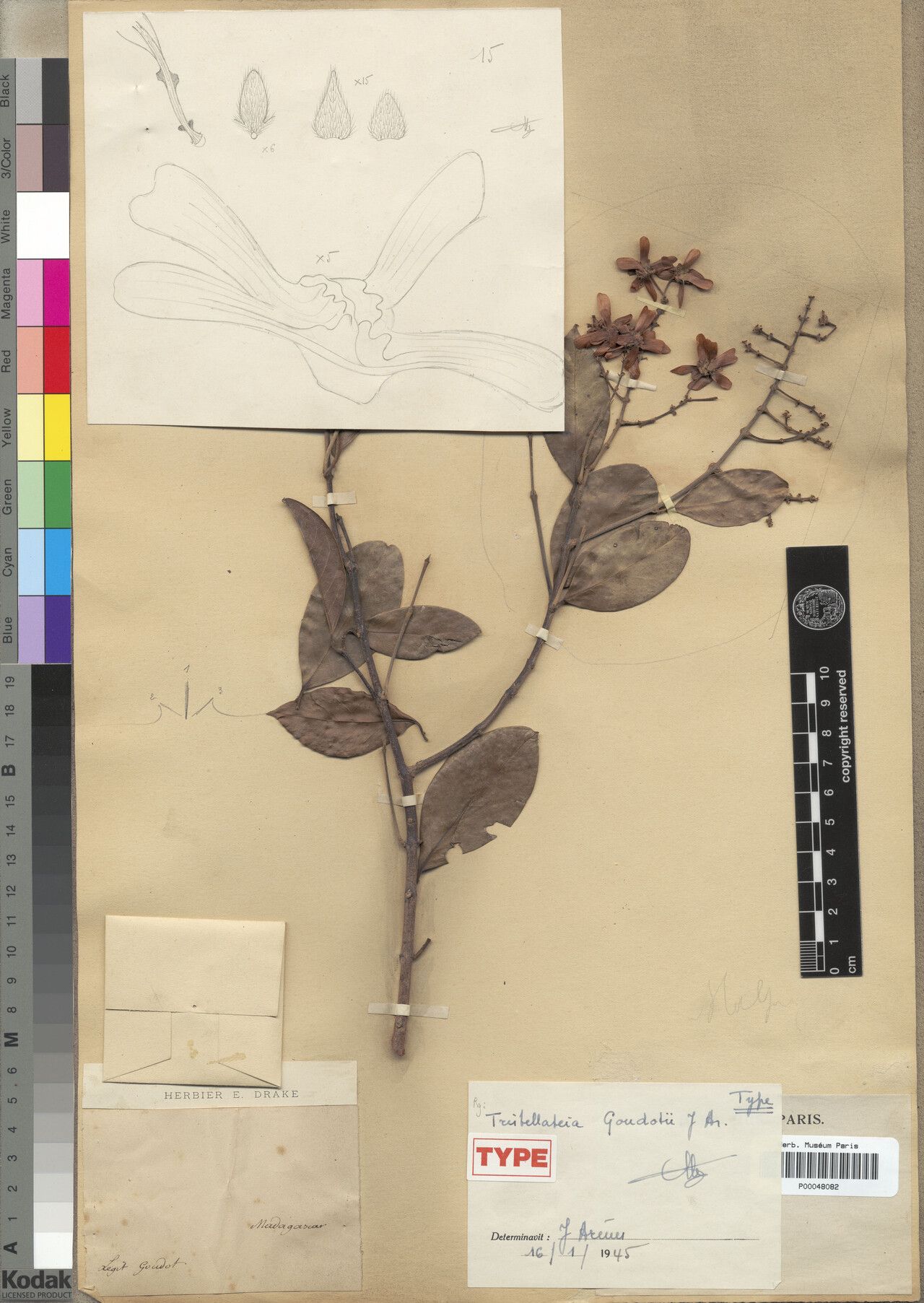
Tristellateia australasiae is a climbing plant that belongs to the Menispermaceae family. It is commonly found in the tropical and subtropical regions of Asia, Australia, and the Pacific Islands. This plant has a woody stem that can grow up to 10 meters in length and produces small greenish-yellow flowers.
The leaves of Tristellateia australasiae are heart-shaped with pointed tips and can grow up to 15 cm long. The plant also produces small black berries that are edible, although they are not commonly consumed by humans.
Tristellateia australasiae has been used in traditional medicine for its various medicinal properties. It contains alkaloids such as berberine, which have demonstrated antimicrobial properties against various bacteria and fungi.
The plant is also known for its anti-inflammatory properties and is used to treat ailments such as fever, diarrhea, dysentery, malaria, and snake bites, among others.
Overall, Tristellateia australasiae is an important medicinal plant with potential therapeutic benefits that warrant further scientific research.
Australian goldvine has strong disease resistance and is typically not susceptible to diseases. For care, this plant is fairly low-maintenance. When grown outdoors it needs little watering, and larger plants usually do not require pruning. Smaller plants, however, should be pruned after they have bloomed. Australian goldvinet is appropriate for anyone with an outdoor space, such as a garden or deck, and does not require much care experience.
How to keep Tristellateia Australasiae.
Light
Australian goldvine performs best when exposed to the highest levels of light. It obtains the energy for growth and flowering mainly from sunlight. A shortage of ample sun can hinder its development, while too much light can scorch its leaves. Because it comes from places with consistent light, changes in light intensity do not markedly affect its growth stages.
Water
The Australian goldvine thrives in humid environments, preferring consistent moisture while tolerating brief dry periods. It should be watered every 1-2 weeks, being careful to avoid over-saturation. Typically grown outdoors, the Australian goldvine flourishes best when its soil moisture mimics the plant's natural wet-dry cycles, promoting healthy growth and vibrant flowering during the growing season.
Humidity
This plant will thrive in moderate humidity, which is probably the level in your home. However, misting it a few times a week can be very beneficial. Make sure the room has good ventilation.
Temperature
Australian goldvine is native to areas with temperatures between 68 and 105.8 °F (20 and 41 ℃). Due to its warm-climate origin, it typically flourishes in similar conditions. Monitor the environment regularly and adjust it according to seasonal temperature changes.
Fertilizer
The best time to fertilize an Australian goldvine is in early spring, when it emerges from dormancy. This encourages overall growth and flower development. Fertilizing improves the foliage, stems, and branches, while encouraging large, vibrant, and long-lasting flowers. It helps move nutrients from the roots to the flowers and enhances the plant’s health and resistance to disease.
Pruning
The Australian goldvine is known for its vibrant yellow flowers and benefits from pruning in early spring. To promote healthy growth, remove any dead wood and trim overgrown sections. Moderate pruning is essential as it helps maintain good air circulation, prevents mildew, controls the size of the plant, and enhances its blooms. These practices are recommended by sources such as the Royal Horticultural Society.
Botanical profile.
- Plant Type
- Vine
- Life Cycle
- Perennial
- Genus
- Tristellateia
- Family
- Malpighiaceae
- Hardiness Zone
- 10-13
- Mature Height
- 1.83 m to 3.05 m
- Mature Spread
- 61 cm to 91 cm
- Leaf Color
- Green, Dark Green
- Leaf Type
- Evergreen
- Flower Color
- Yellow
- Flower Size
- 2.03 cm to 2.54 cm
- Bloom Time
- All year round
- Planting Time
- Spring, Summer
- Harvest Time
- All year round
- Native Area
- Malaysia, Indonesia, Cambodia, Vietnam, Myanmar, Japan, Philippines, Singapore, Thailand
Other names.
Reader questions.
What is the most effective way to water my Australian goldvine?
To promote excellent root development, consider using a garden hose at the plant base. Avoid spraying the leaves directly, especially if they are outdoors in direct sunlight, as they will need more watering. You can moisten the roots by using bubblers on each plant or soaker hoses that cover the entire garden or bed. When adding or removing plants, make sure to push the roots deeply. After watering, drain any excess water and allow the soil to dry before watering again. To prevent diseases, water at ground level instead of spraying the leaves. On a sunny day, it may be helpful to spray the entire bush with water. Whether your Australian goldvine is potted or in-ground, remember that it prefers deep watering rather than light sprinkling.
Why should I add fertilizer to my Australian goldvine?
Fertilization is crucial for the overall health and well-being of an Australian goldvine. By providing the necessary energy and nutrients, this plant will develop a healthy foliage, strong stems, and branches. However, gardeners particularly value the flowers of an Australian goldvine. Luckily, fertilization also plays a key role in producing large, vibrant, and long-lasting flowers. This is because the right fertilizer facilitates the transfer of fuel from the roots to the stems and flowers of the plant. Additionally, proper fertilization helps maintain the overall health of the plant and enhances its ability to defend against diseases.
What are the sunlight requirements for Australian Goldvine?
Australian Goldvine requires more than 6 hours of sunlight daily for optimal growth and blooming, as it thrives mostly under maximum light exposure. The plant's energy for growth and flowering is mainly derived from the sun, with variations in sunlight intensity not significantly affecting its growth stages. Users are advised to watch how sunlight moves through their garden to find spots that offer a perfect balance of light and shade, ensuring the plant's happiness and health.
What is the native climate for Australian goldvine?
The Australian goldvine, or Tristellateia australasiae, is native to regions that experience temperatures ranging between 68 to 105.8 °F (20 to 41 °C). Originating from warm climates, it flourishes best in similar environmental conditions. It is crucial to regularly monitor and adjust the surrounding temperature according to seasonal changes to ensure the plant's health. Especially, it loves the heat, and exposure to cold can be detrimental. In the colder months, it's recommended to bring any outdoor plants inside and keep them near a bright window, away from heaters, maintaining a temperature above 20°C to promote growth, while ensuring it does not drop near 5°C to prevent damage.
What do I do if I give too much or too little water to Australian goldvine?
If an Australian goldvine is overwatered, it may develop yellow leaves that eventually drop off and wilt. The plant may also have a dull and unhealthy appearance, with mushy stems. When these signs appear, it's important to adjust your watering schedule. Wilting can also be a sign of underwatering, which is characterized by crispy and dry leaves. In such cases, check the soil for dryness and provide a thorough watering when necessary. Although enough water will help the Australian goldvine recover, the plant may still exhibit dryness and yellowing leaves for a few days due to root damage. Once it returns to normal, the yellowing of leaves will cease. Indoors, be mindful of moisture levels and avoid overwatering, looking out for any black spots on the plant. If present, allow the soil to dry out by refraining from watering for a few days. Overwatering can lead to root rot, so inspect the roots for discoloration and sliminess. If root rot is suspected, consider transferring the plant to a different pot and prevent excessive soil moisture. When planting an Australian goldvine outdoors, ensure the soil is adequately moist. If it feels too dry, it could be a sign of underwatering, thus requiring proper watering to aid in plant recovery.
When should I put fertilizer on my Australian goldvine?
To provide optimal care for your Australian goldvine, the best time to fertilize it is during the early spring as it emerges from its dormant phase and prepares to bloom. Feeding it then will ensure abundant energy for growth and flower development. However, it's not the only time to fertilize this plant. Another feeding at the end of the season in the fall can be beneficial, although a smaller amount is sufficient. Some gardeners also fertilize their Australian goldvine during planting, but this is optional.
How can artificial lighting benefit indoor Australian Goldvine?
When natural sunlight is insufficient, artificial lighting provides a crucial alternative for the growth of indoor Australian Goldvine, especially in winter or less sunny spaces. LED lights are recommended for their ability to be customized to specific wavelengths needed by the plant. For indoor plants, the amount of artificial light required varies by type: full sun plants need 30-50W per square foot, partial sun plants need 20-30W per square foot, and full shade plants need 10-20W per square foot. The light source should be placed 12-36 inches above the plant, and most plants need 8-12 hours of light per day to simulate natural daylight hours adequately.
How do I care for an Australian goldvine in low temperatures?
Australian goldvine prefers staying warm and does poorly in cold temperatures, thriving best above 20°C. If winter temperatures approach, it is necessary to maintain warmth above 5°C, as temperatures falling below 1°C can cause the leaves to lighten in color, leading to browning or blackening after frost damage. Symptoms can also include wilting and drooping. To care for the plant in such conditions, trim off the frost-damaged parts and move the plant to a warmer location inside your home, ideally near a south-facing window for ample sunlight. It's also important to avoid placing the plant too close to heaters or air conditioning vents, as these can create excessively dry conditions.
How often should I give water to my Australian goldvine?
The Australian goldvine prefers deep and infrequent watering, especially when planted in pots. To keep the soil from drying out too quickly, it's best to water them with a gallon of water each time. In colder regions, watering every 3 to 5 days is necessary. Watering early in the morning when the soil is dry, both indoors and outdoors, is ideal. Checking the top 2-3 inches of soil can also help determine if watering is needed. During hot days, it's important to monitor the moisture daily, as the heat can rapidly dry out the soil in pots. If you have a garden, irrigating the soil is necessary. In hot climates, watering once a week is recommended. Only water when you notice that about 2 to 3 inches of soil have become too dry indoors or outdoors. Be mindful of rainfall and avoid adding water if there is already enough to prevent root rot. Australian goldvine typically grows in spring and fall. When grown outdoors, using 3 to 4 inches of mulch can help conserve water. Sandy soil requires more frequent watering due to its faster drainage, while clay soil can be watered less frequently to avoid root rot. It may be helpful to mark your watering dates on a calendar and pay attention to drooping leaves as an indicator of potential late watering.
When is it not a good idea to fertilize my Australian goldvine?
During the winter, you do not need to fertilize your Australian goldvine as it goes into a dormant phase. It does not require much energy from the soil for new growth during this time. Fertilizing in winter can lead to negative effects of overfertilization. Instead, the best times to fertilize are in early spring and fall. Therefore, during most of the spring and summer, the plant does not need fertilizer. If the plant is experiencing excessively hot or dry conditions, it is also advisable to refrain from feeding it.
What are the symptoms of insufficient light in Australian Goldvine?
Insufficient light in Australian Goldvine leads to several noticeable symptoms including smaller new leaves, leggy or sparse growth, faster leaf drop, slower or no new growth, lighter-colored new leaves, and conditions such as chlorosis, sunscald, leaf curling, wilting, and leaf scorching. These symptoms indicate light deficiency, affecting the plant's ability to photosynthesize and maintain its health, which could lead to reduced plant vigor and the breakdown of chlorophyll.
How should I manage high temperatures for an Australian goldvine?
During the hotter summer months, it's crucial to ensure the Australian goldvine's environment remains below 41°C. Should temperatures exceed 45°C, the plant's leaves may lighten, increasing susceptibility to sunburn. To manage high temperatures, trim away sunburned or dry parts of the plant, and relocate it to a shaded area, especially from the midday and afternoon sun. Additionally, watering the plant in the morning and evening helps maintain soil moisture, creating more favorable conditions for the plant under high heat.