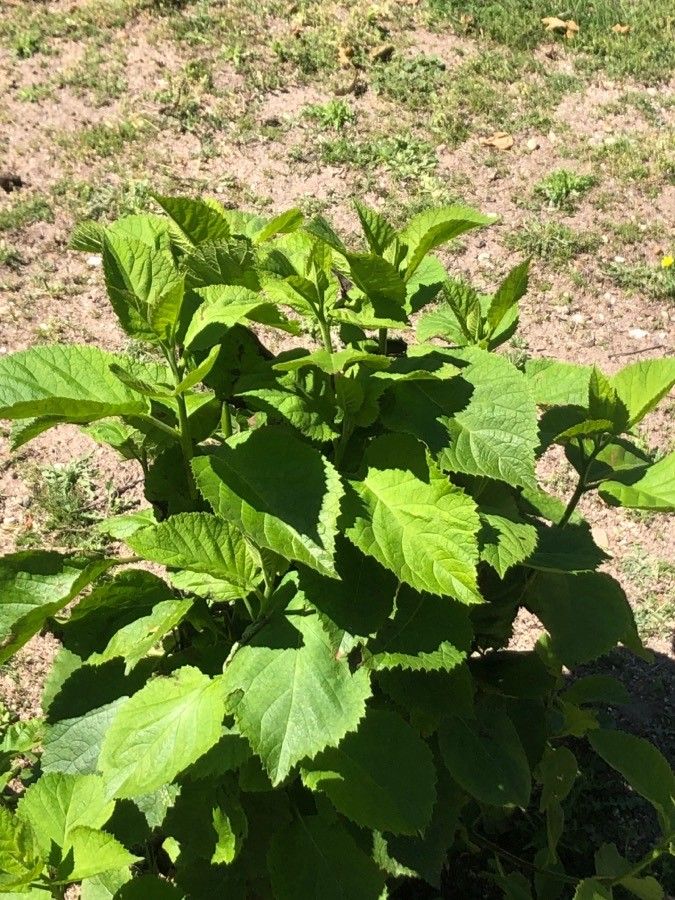
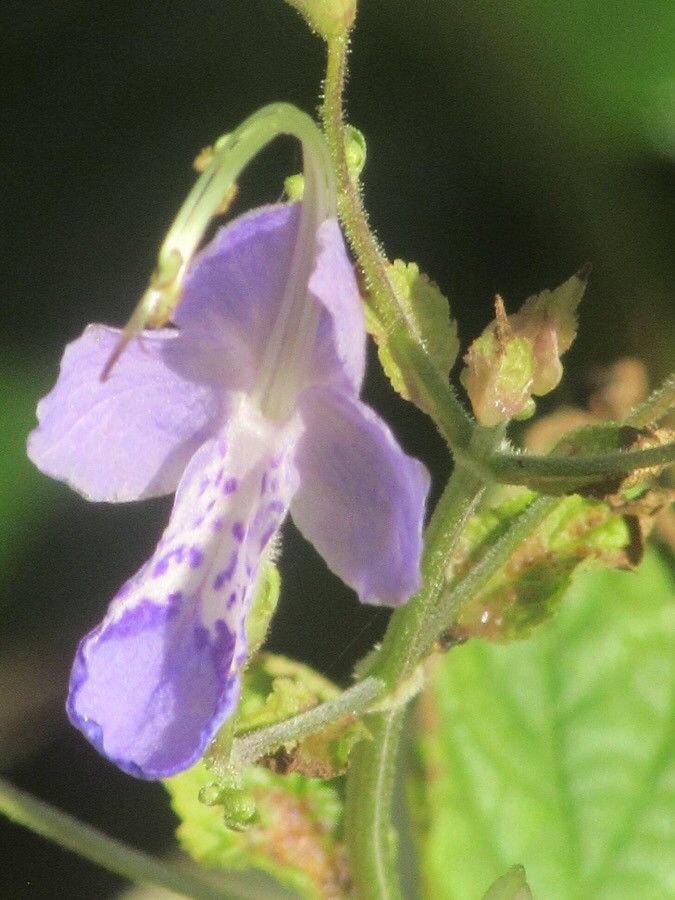
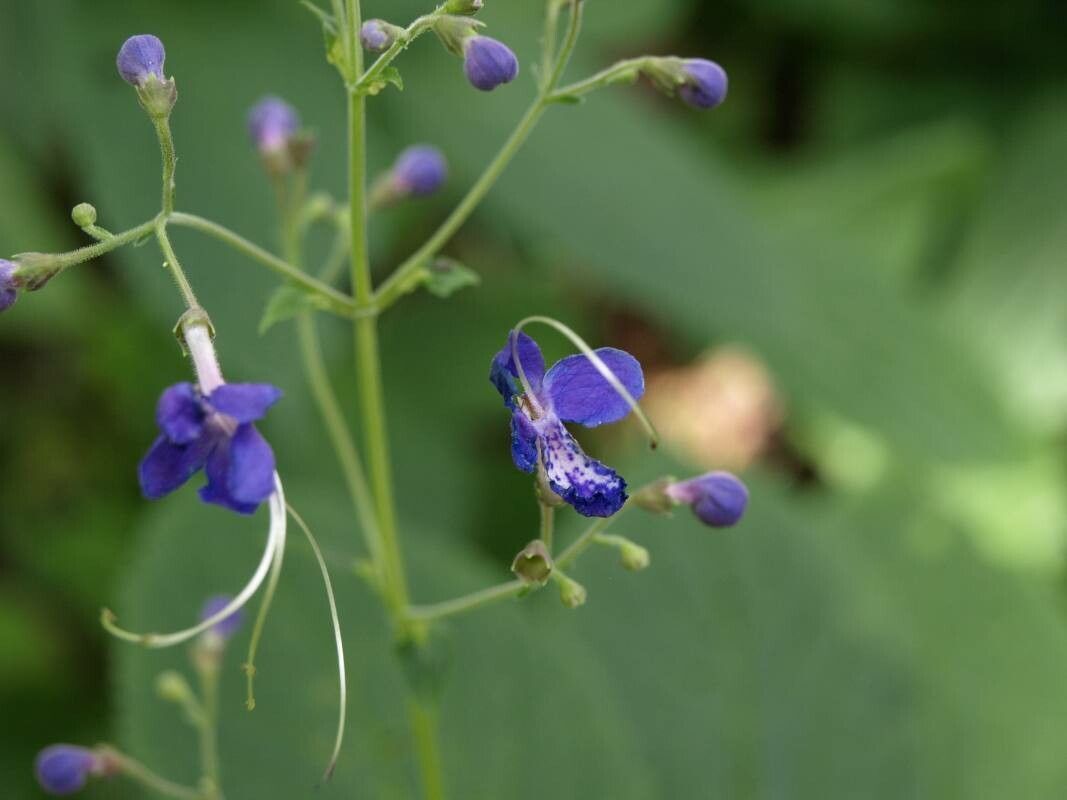
Tripora is genus of plants in the family Lamiaceae, first described as a genus in 1999. It includes only one known species, Tripora divaricata, native to Japan, Korea, and China (Gansu, Henan, Hubei, Jiangxi, Shaanxi, Shanxi, Sichuan).It is still referred to by its synonym Caryopteris divaricata in the literature.
Bluebeard is fairly resistant to disease and generally not prone to illness. However, it can be vulnerable to pests and diseases present in its surroundings. These problems are usually minor. In terms of care, the plant has moderate maintenance needs. It should be pruned regularly to maintain a neat appearance and promote healthy growth. Fertilizing can also help encourage flowering. Bluebeard is suitable for anyone with outdoor space, such as a garden or patio, and does not require extensive gardening experience. It may demand more attention when grown indoors.
How to keep Tripora Divaricata.
Light
Bluebeard does best in locations that receive sunlight for most of the day. It can still grow in areas that get sun only part of the time. Insufficient light may cause weak growth and poor vigor, while excessive exposure can be harmful.
Water
Bluebeard, originally from temperate regions, thrives best with moderate moisture and can also tolerate dry conditions. To maintain its health and vigor, it should be watered weekly, which helps strike a balance between drought tolerance and proper hydration. When grown outdoors, bluebeard benefits from seasonal rains that support its active growth cycles.
Temperature
Bluebeard does best at temperatures from 68 to 95 °F (20 to 35 ℃). Native to areas with those temperature ranges, it favors a warm environment. It is recommended to keep this temperature range consistent, especially during seasonal changes when necessary.
Fertilizer
The best time to fertilize a Bluebeard is in early spring, when it is coming out of dormancy and starting active growth. Fertilization supplies the essential nutrients needed for healthy development. While Bluebeard's fertilizer requirements are fairly low, an annual application can improve its survival and encourage better, longer-lasting flowers.
Pruning
Bluebeard has aromatic leaves and clusters of blue flowers. To promote growth and improve its appearance, prune the plant between early and late spring. Remove any dead stems to improve air circulation and keep the plant healthy. Avoid pruning late in the season, as this can help preserve its flowering and strengthen the plant's resilience.
Botanical profile.
- Plant Type
- Herb
- Life Cycle
- Perennial, Annual
- Genus
- Tripora
- Family
- Lamiaceae
- Hardiness Zone
- 7-10
- Mature Height
- 61 cm to 91 cm
- Mature Spread
- 61 cm to 91 cm
- Leaf Color
- Green
- Leaf Type
- Semi-evergreen
- Flower Color
- Purple
- Flower Size
- 2.03 cm to 3.05 cm
- Bloom Time
- Early summer, Mid summer
- Planting Time
- Spring
- Harvest Time
- Late summer, Early fall
- Native Area
- Koppen, Japan, South Korea, China
Other names.
Reader questions.
What are the sunlight requirements for Bluebeard?
Bluebeard, or Tripora divaricata, flourishes under full sun exposure, requiring more than 6 hours of sunlight daily, but it can also manage in partial sun with about 3-6 hours of sunlight. Observing the movement of sunlight through your garden helps in choosing locations that ensure a balance of light and shade, promoting plant health.
What is the ideal temperature range for Bluebeard plants?
Bluebeard plants thrive best in temperatures ranging from 68 to 95 °F (20 to 35 °C). Originating from environments with these temperature conditions, they prefer a warm habitat. It's important to maintain this temperature range across different seasons to ensure the plant's well-being.
How does artificial lighting support Bluebeard's growth indoors?
When natural sunlight is insufficient, artificial lighting becomes crucial for Bluebeard's growth, especially in winter or less sunny spaces. Adequate lighting supports optimal growth. LED lights are recommended as they can be tailored to provide specific light wavelengths needed by plants. Full sun plants require 30-50W/sq ft, partial sun plants need 20-30W/sq ft, and full shade plants need 10-20W/sq ft of artificial light. The light source should be placed 12-36 inches above the plant to mimic natural sunlight, and most plants require 8-12 hours of light per day.
How does Bluebeard handle cold weather and what measures should be taken to protect it?
Bluebeard is notable for its strong cold resistance, meaning special frost protection measures are generally not required during winter. However, if temperatures are expected to fall below -15°C, it's crucial to provide cold protection by covering the plant with soil or straw. Additionally, watering the plant abundantly before the first freeze in autumn helps keep the soil moist and prevents drought and water scarcity during winter and early spring.
What are the symptoms of insufficient or excessive sunlight exposure in Bluebeard?
Symptoms of insufficient light include small, new leaves, leggy or sparse growth, faster leaf drop, slower or halted growth, and pale or lighter-colored new leaves. Excessive sunlight can lead to chlorosis (leaves turning yellow), sunscald, leaf curling, wilting, and leaf scorching. These symptoms reflect the plant's struggle with adapting to its light conditions, affecting its overall health and development.
What are the signs of low temperature distress in Bluebeard, and how can it be addressed?
Bluebeard can tolerate cold temperatures and ideally should be kept above 0°C during winter. If temperatures drop below -15°C, the plant might not show immediate effects in winter, but it could lead to reduced sprouting or no sprouting in spring. To address this, any parts of the plant that have failed to sprout by spring should be removed.
What are the solutions for Bluebeard experiencing insufficient or excessive sunlight?
For indoor plants, gradually move them to sunnier spots to ensure at least 6 hours of direct sunlight daily or use artificial light, like desk lamps or grow lights, for at least 8 hours daily. Outdoors, adapt plants to sunlight gradually to prevent sunburn. Minimize obstructions by pruning or moving plants to areas with ample light. Transplanting should be considered for smaller plants, choosing a location with good sunlight and drainage. Note: parts of the plant affected by inadequate sunlight may not recover, but new growth can be healthy with better light exposure.
How does high temperature affect Bluebeard and what are the solutions?
During summer, it's crucial to keep Bluebeard's temperature below 35°C. Exceeding 41°C can cause the leaves to lighten in color, curl, and be prone to sunburn, with the severe scenario of the entire plant wilting and drying out. The solutions involve trimming away sunburned and dried-up parts of the plant, moving it to a shaded location or using a shade cloth to protect it from the midday and afternoon sun, and watering it in the morning and evening to keep the soil moist.
What is the botanical name of Bluebeard?
The botanical name of Bluebeard is Tripora divaricata.