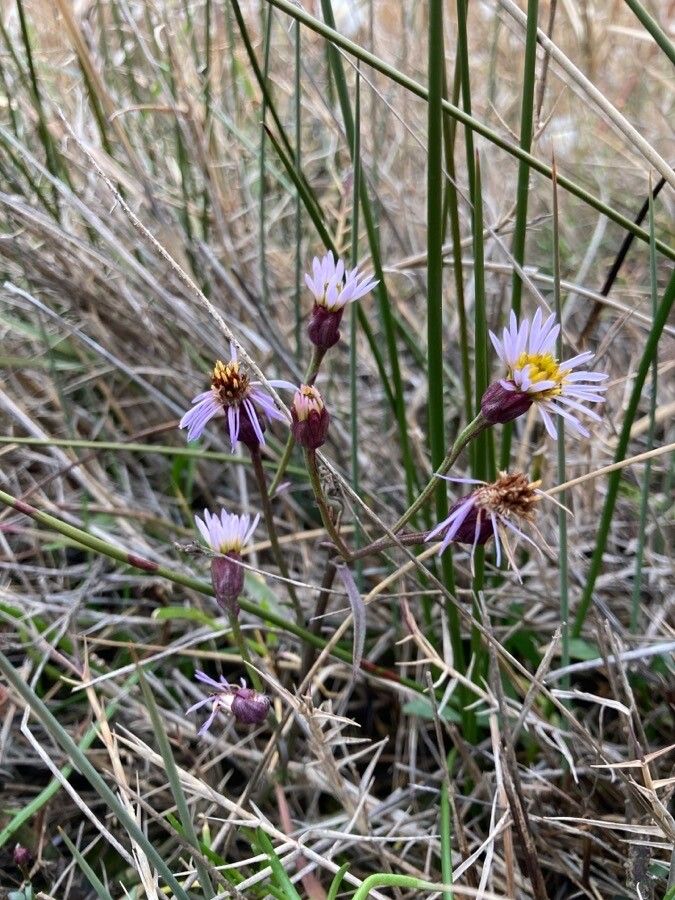
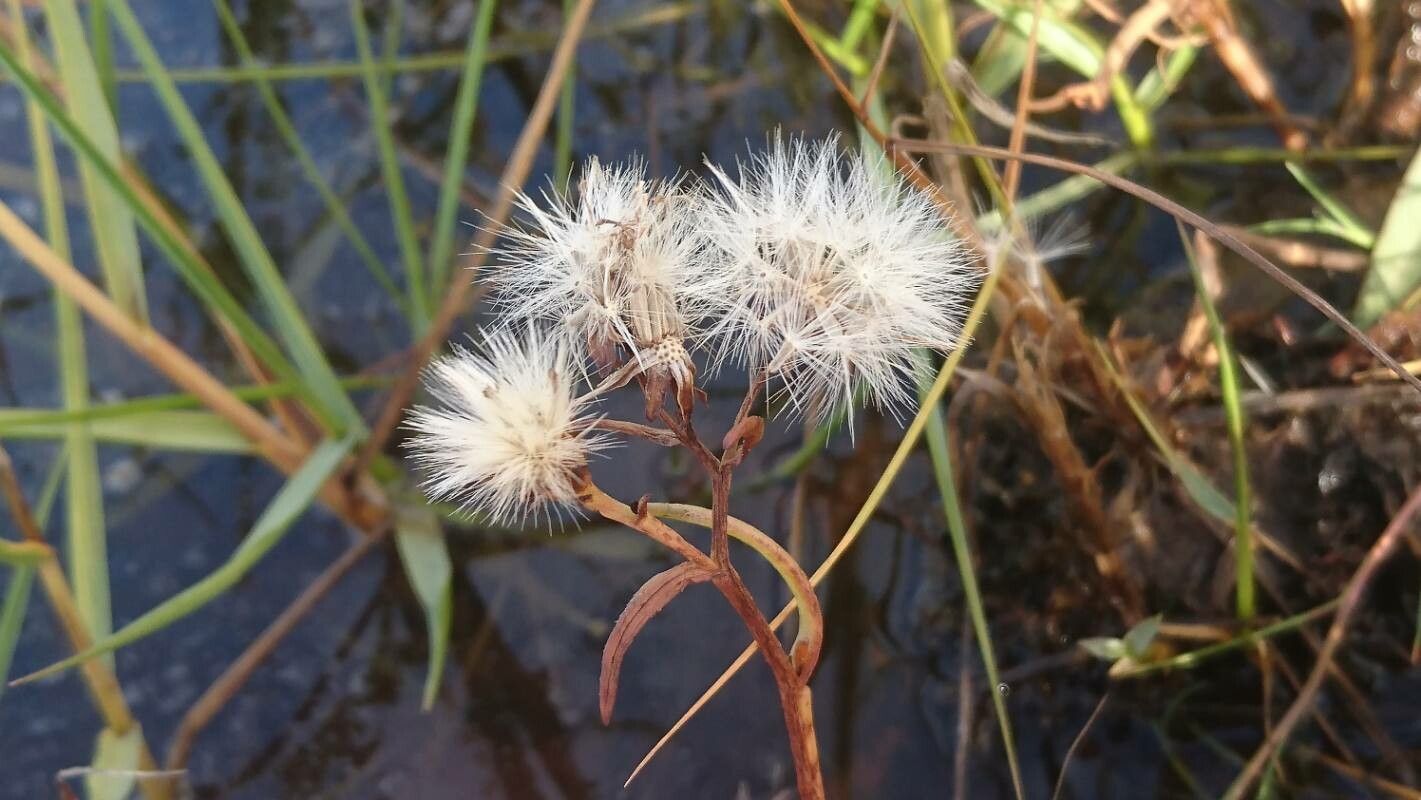
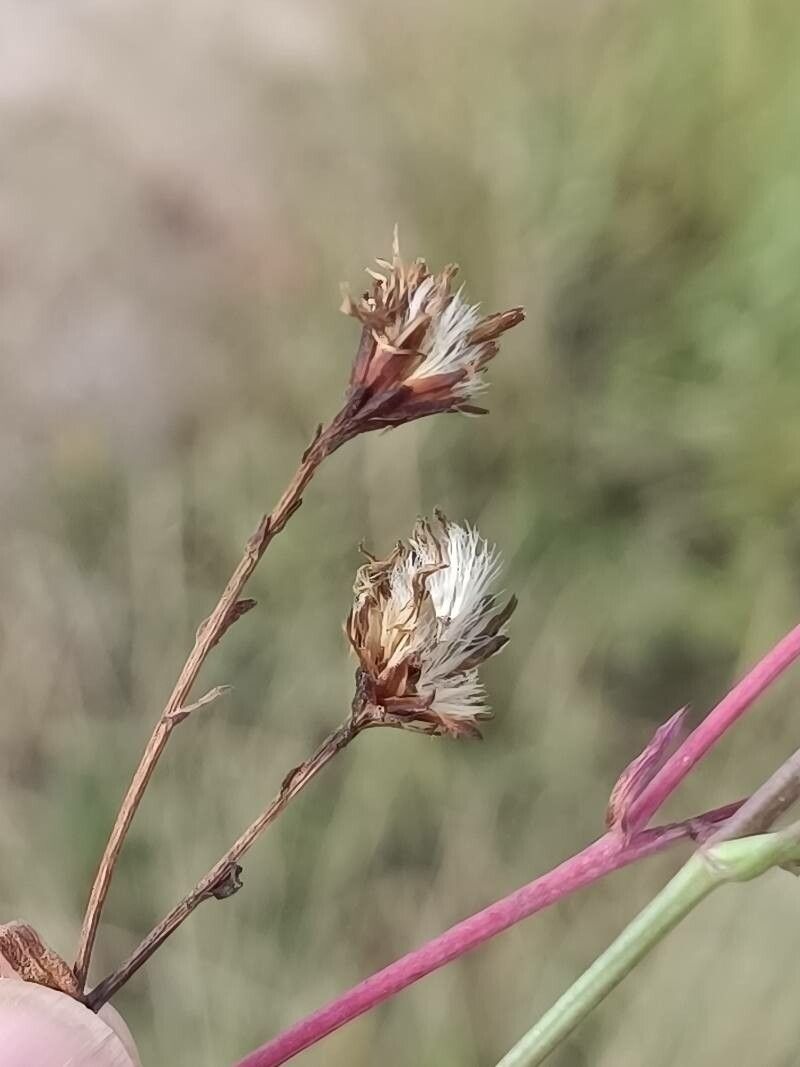
Tripolium pannonicum, commonly known as the saltmarsh aster, is a perennial herbaceous plant belonging to the Asteraceae family. Native to Europe and Asia, it thrives in salt marshes, coastal dunes, and other wetland habitats, and can grow up to 1 meter in height with a woody base and numerous branches.
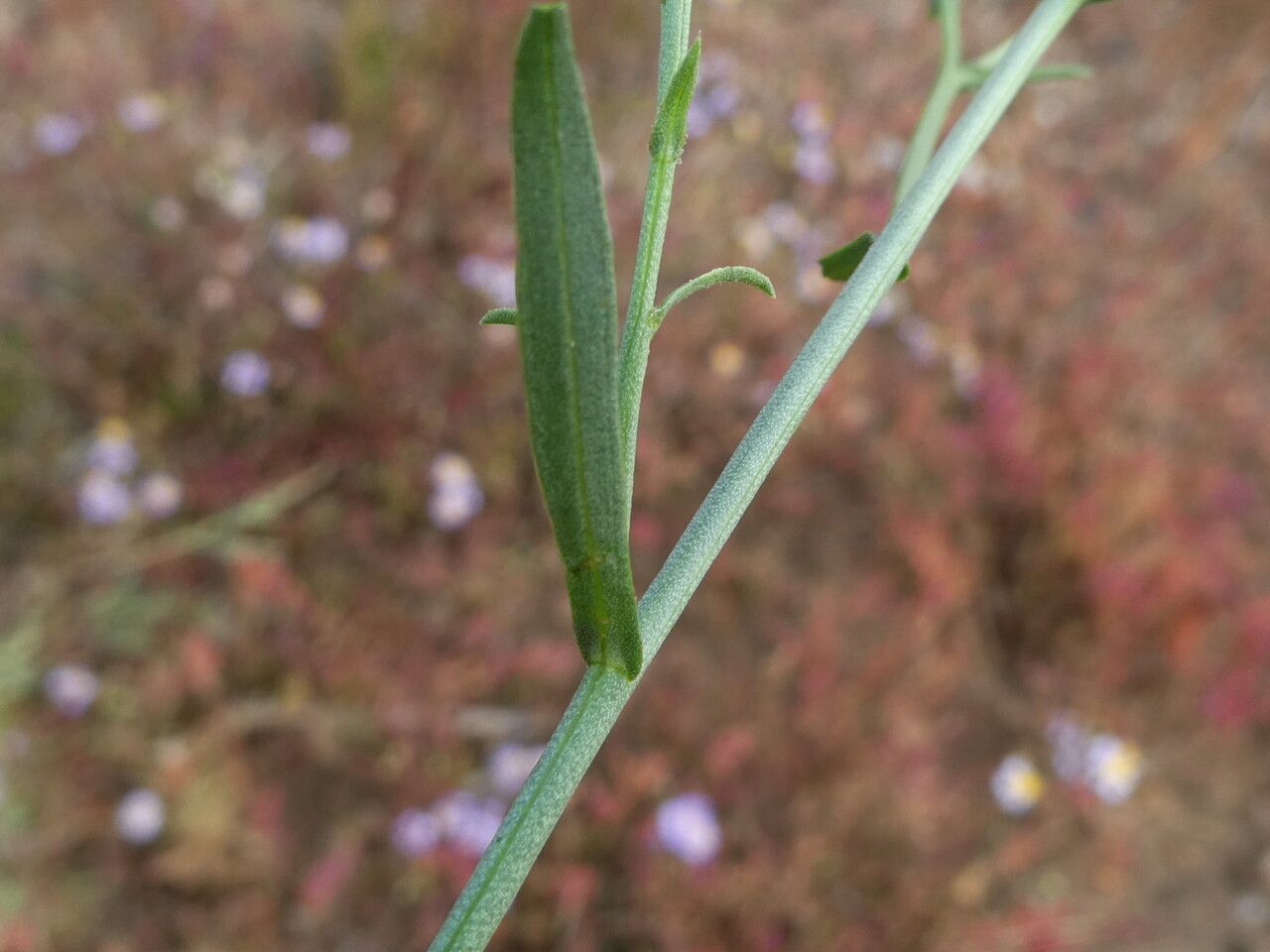
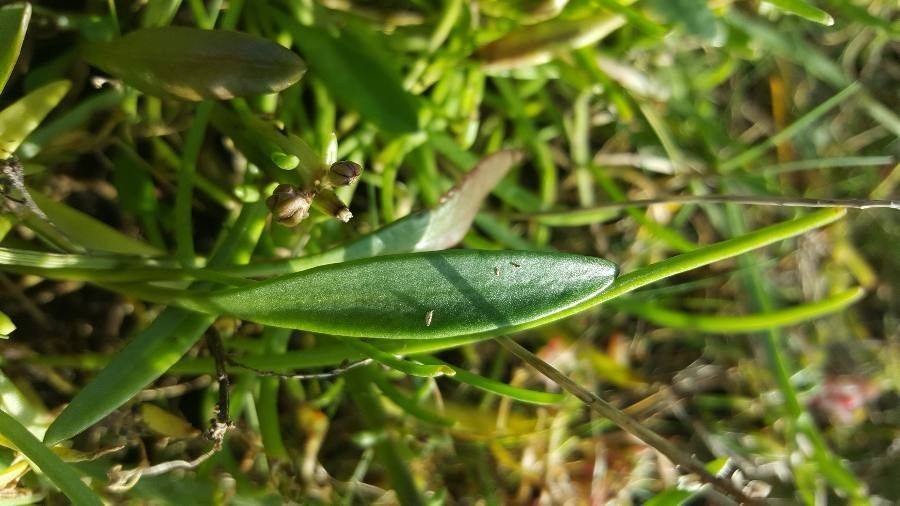
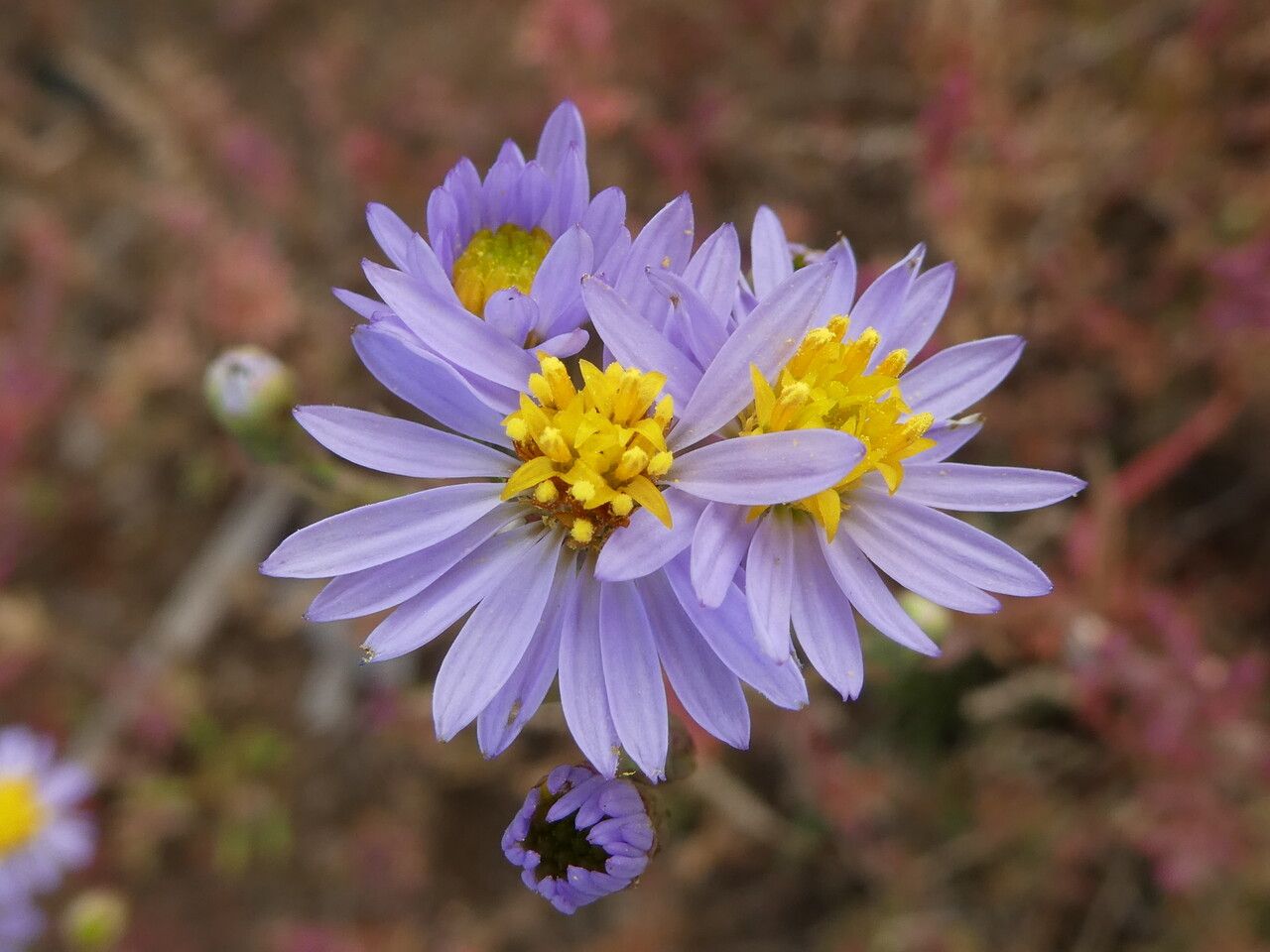
The leaves of Tripolium pannonicum are lance-shaped with toothed edges. Its small, daisy-like flowers have white or pink petals that bloom from August to October. The plant produces numerous seeds that are dispersed by wind or water.
For centuries, indigenous people have utilized the saltmarsh aster for its medicinal properties, particularly its anti-inflammatory benefits. It also serves as a vital food source for wildlife such as birds, butterflies, bees, and other insects.
Thanks to its ability to tolerate high levels of salinity and waterlogged conditions—where few other plants can survive—Tripolium pannonicum plays a crucial role in stabilizing coastal ecosystems against erosion caused by storms or rising sea levels.
Overall, Tripolium pannonicum is a hardy plant species that helps maintain the ecological balance of wetland habitats while offering traditional medicinal benefits for inflammation-related ailments such as arthritis pain relief.
Seashore Aster has strong resistance to disease and is generally not prone to illnesses. Still, it can be affected by pests and diseases present in its surroundings. These outbreaks are usually mild. For care, this plant requires a moderate level of attention. It should be pruned regularly to keep a tidy appearance and promote healthy growth. Fertilizing can also help encourage flowering. Seashore Aster is suitable for people with outdoor spaces like a garden or patio and does not demand extensive care experience. It may need more attention when grown indoors.
How to keep Tripolium Pannonicum.
Light
Seashore Aster does best in places that get full-day sunshine, which supports healthy growth. This requirement for sunlight remains the same at every stage of its development. Coming from coastal habitats, the plant is accustomed to plentiful light. Too little sun can hinder its growth, while too much is not harmful.
Water
The Seashore Aster thrives in coastal environments, where it prefers regular moisture and saline conditions. While it needs to be watered weekly, it can tolerate short periods of dryness. As a plant that can withstand saltwater, the Seashore Aster makes a unique and resilient choice for seaside gardens.
Humidity
This plant will thrive in moderate humidity, which is probably the level in your home. However, misting it a few times a week can be very beneficial. Make sure the room has good ventilation.
Temperature
Seashore Aster is adapted to conditions resembling its native habitat, favoring temperatures from 32 to 70 °F (0 to 21 °C). Seasonal adjustments in temperature benefit its development.
Fertilizer
Early spring, when the Seashore Aster is coming out of dormancy and beginning active growth, is the best time to fertilize. Fertilizing supplies essential nutrients for healthy growth. Although the Seashore Aster has fairly low fertilizer requirements, applying fertilizer annually can improve its survival and encourage better, longer-lasting flowers.
Pruning
The Seashore Aster thrives in coastal, salty, and marshy environments. To encourage bushy growth and new shoots, prune the plant in early to late spring using sharp, clean tools, cutting just above the leaf nodes. This pruning practice not only improves plant health and airflow but also enhances flowering and the plant's overall ornamental appeal.
Botanical profile.
- Plant Type
- Herb
- Life Cycle
- Perennial
- Genus
- Tripolium
- Family
- Asteraceae
- Hardiness Zone
- 2
- Mature Height
- 10 cm to 61 cm
- Mature Spread
- 20 cm to 40 cm
- Leaf Color
- Green
- Leaf Type
- Deciduous
- Flower Color
- Lavender
- Flower Size
- 1.52 cm to 2.54 cm
- Bloom Time
- Mid summer, Late summer, Early fall
- Planting Time
- Spring, Summer, Autumn
- Harvest Time
- Early fall, Mid fall
- Native Area
- Turkey, Sweden, Austria, Slovakia, Slovenia, Croatia, Uzbekistan, Russia, Iraq, Germany, Estonia, Koppen, Romania, Latvia, South Korea, Belgium, Moldova, Portugal, Netherlands, France, Tajikistan, Tunisia, Czech Republic, Bulgaria, Poland, Greece, Ukraine, Serbia, China, Lithuania, Norway, Kyrgyzstan, Kazakhstan, Italy, Spain, Denmark, Japan, Mongolia, Finland, Iran, Albania, Ireland, United Kingdom, Hungary, Algeria, Azerbaijan, Turkmenistan
Other names.
Reader questions.
How should I water my Seashore Aster?
To best care for the Seashore Aster, it is recommended to use filtered water at room temperature. Tap water may contain harmful particles, so filtering it is a safer choice. The plant prefers water that is not too cold as it originates from a warm environment. Avoid watering the plant from above as it can cause problems with the foliage. Instead, water the soil directly until it is completely soaked. This method helps the roots absorb moisture and nutrients, aiding their growth and overall health.
Why should I add fertilizer to my Seashore Aster plant?
The main structure of the Seashore Aster is made up of its leaves. Fertilization is an impactful way to ensure that these leaves look great and function properly. Proper fertilization will maintain consistent leaf color and a healthy texture. It also helps the Seashore Aster produce new roots and maintain existing roots below the soil's surface. This not only keeps the plant healthy now but also improves its ability to absorb nutrients from the soil in the future.
What are the sunlight requirements for Seashore Aster?
Seashore Aster thrives under full sun conditions, necessitating more than 6 hours of sunlight per day to grow healthy. Originating from coastal habitats, it is accustomed to abundant light exposure at all growth stages. Insufficient sunlight might hinder its growth, but it gracefully tolerates excess sunlight. It's crucial to observe the movement of sunlight through your garden to find spots that offer a harmonious balance of light and shade, ensuring the plants' vitality.
What are the ideal growth conditions for Seashore Aster?
Seashore Aster, also known by its botanical name Tripolium pannonicum, thrives in conditions that closely resemble its native habitat, preferring temperatures ranging from 32 to 70 °F (0 to 21 °C). It benefits from seasonal temperature adjustments to support its growth. Seashore Aster is remarkably cold-tolerant, so it doesn't need extra measures for frost protection during winter. However, to prepare for the first freeze of autumn, it's advisable to water the plant thoroughly. This ensures the soil stays moist and freezes, helping to prevent drought and water scarcity for the plant throughout the winter and early spring.
What should I do if I give my Seashore Aster too much or too little water?
Overwatering is more common and harmful to your Seashore Aster than underwatering. When the plant is overwatered, its stems and leaves wilt and turn yellow. Prolonged overwatering can also cause diseases like root rot, mold, and mildew, which can kill the plant. Underwatering is less common, but still possible. In this case, the leaves become brittle and brown. It's essential to spot overwatering signs quickly, as some diseases may become irreversible if not addressed promptly. Reduce watering immediately if you notice early signs and consider replacing poorly draining soil with a loose, well-draining potting mix. If your plant is underwatered, simply water it more regularly until the signs improve.
When should I add fertilizer to my Seashore Aster?
If you grow your Seashore Aster outdoors each year, it will send out new growth in early spring. This is a sign that it's time to start fertilizing for the year. Typically, a single application of fertilizer in the spring is enough for a Seashore Aster to thrive. However, if you want to maximize its growth, you can fertilize multiple times throughout the spring and early summer. In this case, you should feed your Seashore Aster about once every month to a month and a half.
How can artificial lighting benefit indoor Seashore Aster plants?
Indoor Seashore Aster plants benefit significantly from artificial lighting, especially when natural sunlight is lacking, such as in winter or less sunny spaces. Artificial lights, like LED, are essential for promoting faster and healthier growth by providing the specific wavelengths of light needed by plants. For optimal growth, full sun plants require 30-50 watts per square foot, while partial sun and full shade plants need 20-30 and 10-20 watts per square foot, respectively. The artificial light source should be placed 12-36 inches above the plant and turned on for 8-12 hours per day to mimic natural daylight hours effectively.
How does Seashore Aster react to low temperatures?
Seashore Aster is exceptionally resistant to cold temperatures and can withstand winter climates as low as -25°C without needing special care. Despite its resilience, if temperatures drop below this mark, the plant may not show immediate adverse effects during winter. However, a significant drop below -25°C may lead to reduced sprouting or even the absence of new growth in spring. To address this, it's recommended to remove any parts of the plant that fail to sprout as the weather warms.
How frequently should I water my Seashore Aster?
To determine if your Seashore Aster needs water when it's in a pot, plunge your finger into the soil. If the top two to three inches are dry, it's time to water it. If you're growing the Seashore Aster outdoors in the ground, you can use the same method. When the top few inches of soil have dried out, it's time to water. Typically, during the spring and early fall, you'll need to water this plant about once a week. In extremely hot weather, consider watering it twice or more per week. However, mature and well-established Seashore Aster plants can tolerate drought well.
When should I not add fertilizer to my Seashore Aster?
During late fall and winter, your Seashore Aster goes into a dormant phase where it stops growing. During this period, it is best to avoid fertilizing it. In spring and summer, if you choose to fertilize, gradually reduce the amount as summer approaches since the growth rate of your Seashore Aster will decrease. In general, it is not recommended to fertilize your Seashore Aster during extremely hot weather or when the soil is exceptionally dry, as this can stress the plant and cause it to die prematurely.
What are the symptoms of inadequate lighting for Seashore Aster?
When Seashore Aster does not receive enough light, several symptoms might appear, including smaller new leaves, leggy or sparse growth, faster leaf drop, slower or no new growth, and lighter-colored new leaves due to insufficient chlorophyll. Excessive sunlight can also cause problems like chlorosis (yellowing of leaves), sunscald, leaf curling, wilting, and leaf scorching. These symptoms signify that the plant is not in its ideal lighting condition, either struggling from too little or too much light.
What should I do if Seashore Aster is exposed to high temperatures?
Seashore Aster struggles in high temperatures, particularly above 21°C, which can halt its growth and increase its susceptibility to rot. If the plant is exposed to such conditions, you should trim away any sunburned or dried-up sections. Additionally, relocating the plant to a cooler spot with afternoon shade or employing a shade cloth can be beneficial. It's also important to water the flower in the morning and evening to maintain soil moisture, thereby helping the plant to better cope with the heat.