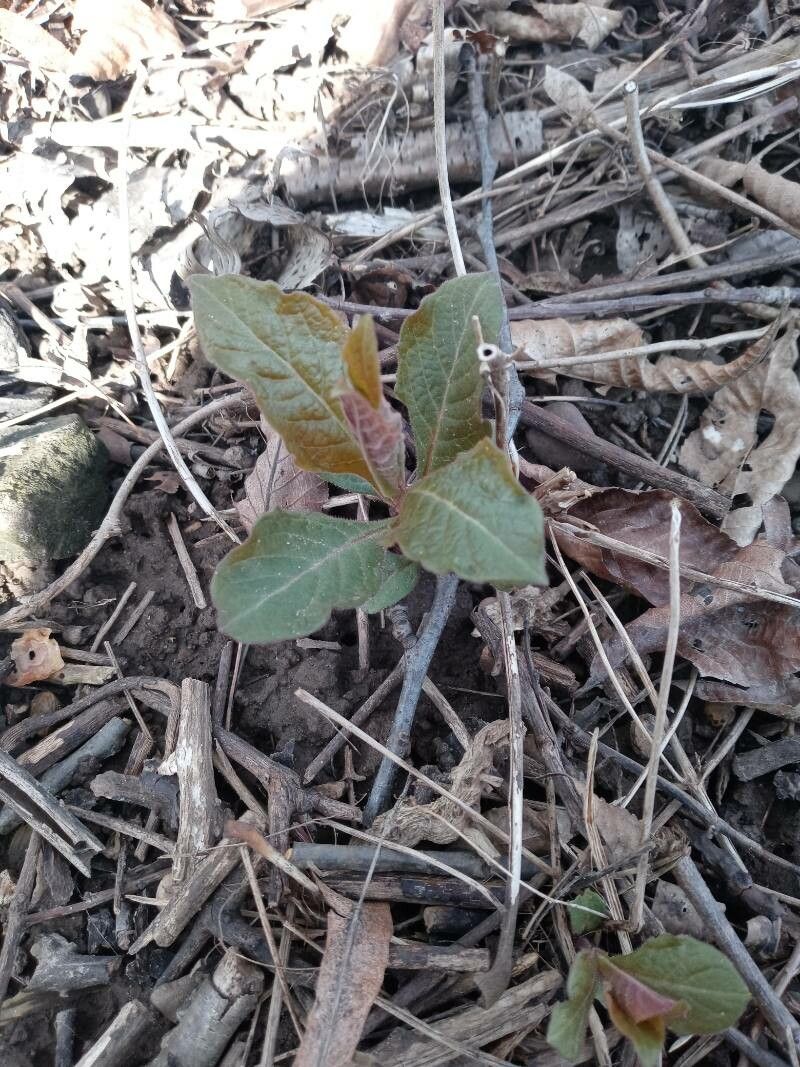
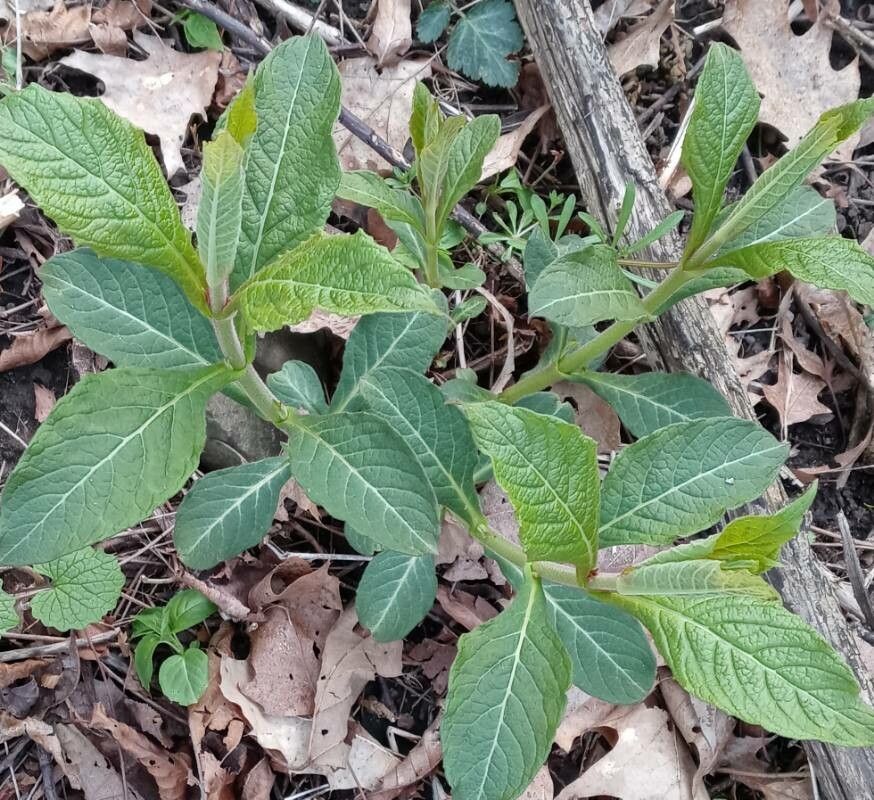
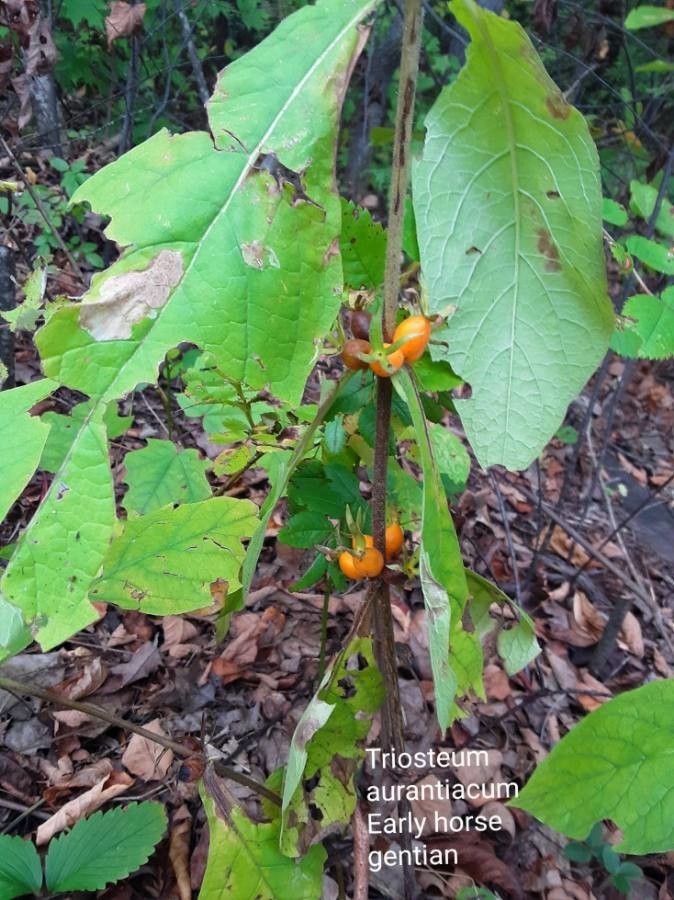
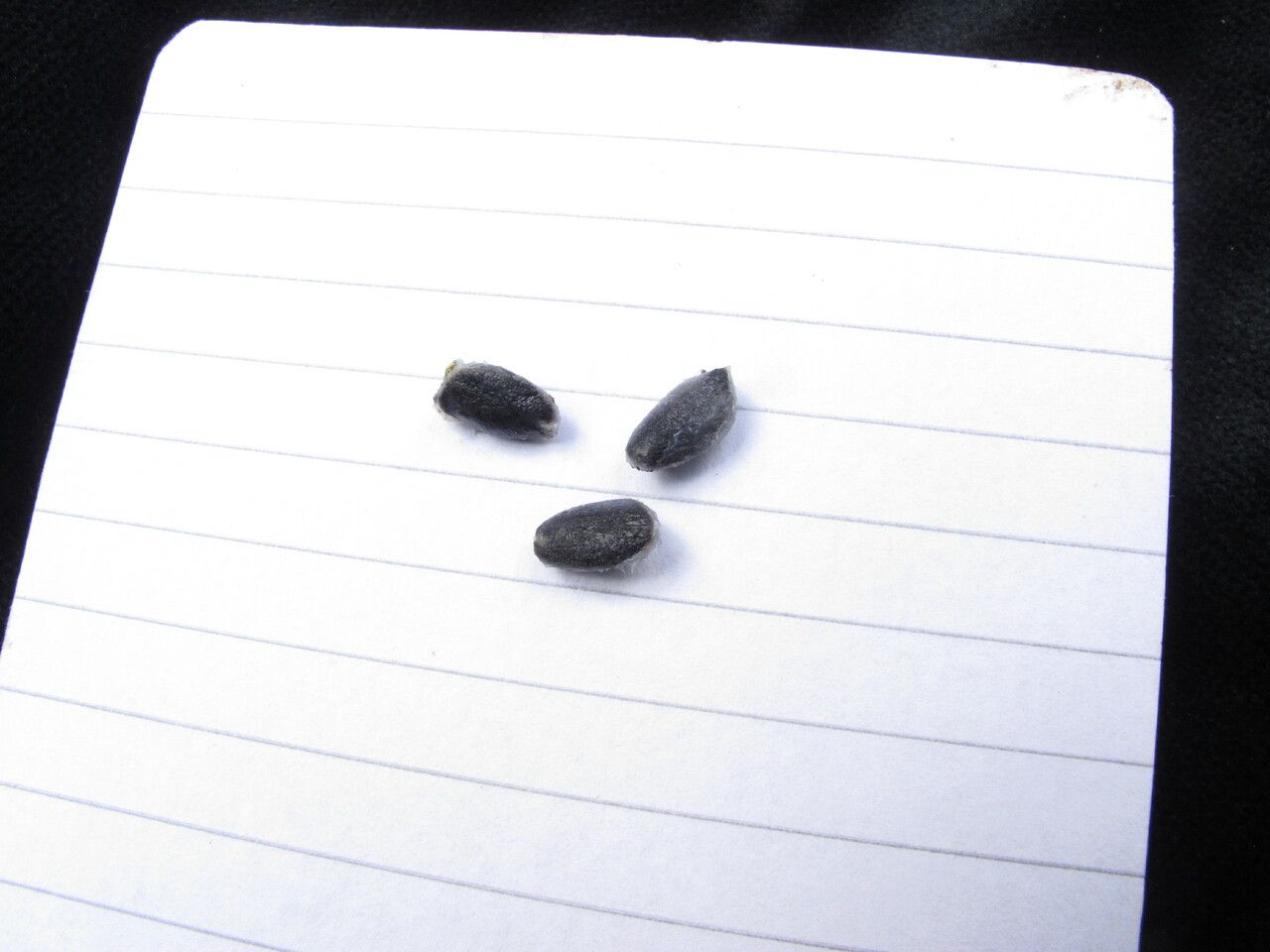
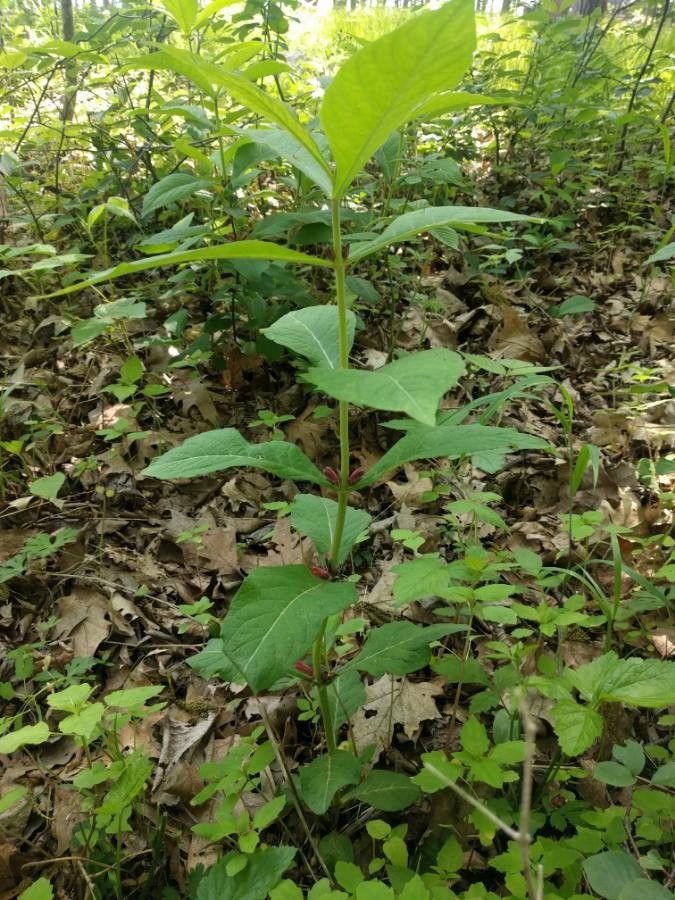
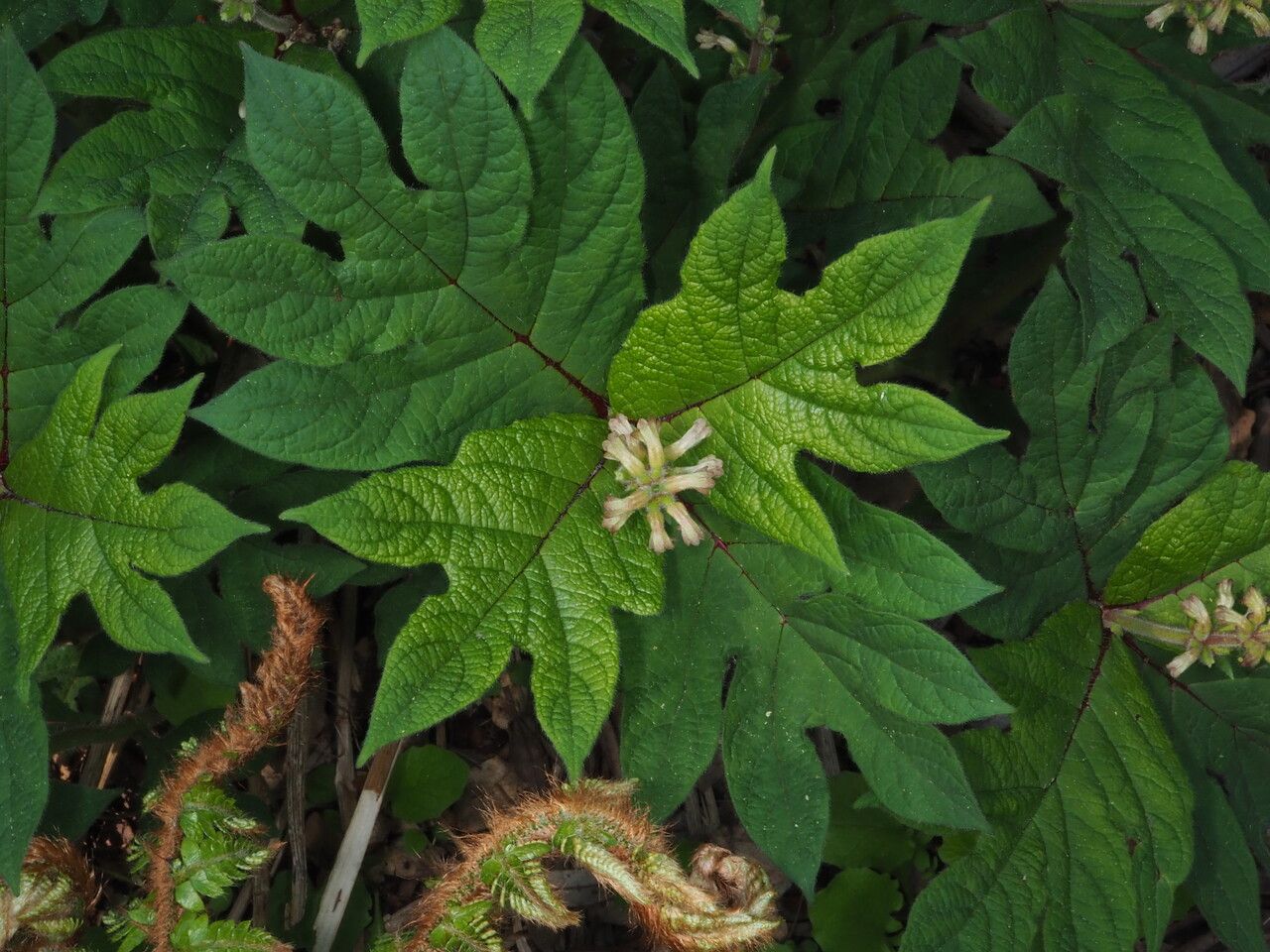
Triosteum aurantiacum, also known as orangefruit horse-gentian, is a perennial species of Triosteum native to North America.
Orangefruit horse-gentian has strong disease resistance and is usually not prone to illness. However, it can be affected by pests and diseases present in its environment. These problems are typically not serious. For care, the plant requires a moderate level of maintenance. It should be pruned regularly to maintain a good appearance and support healthy growth. Fertilizing can also help encourage flowering. Orangefruit horse-gentian is suitable for anyone with outdoor space, such as a garden or patio, and does not demand extensive care experience. It may need more attention when grown indoors.
How to keep Triosteum Aurantiacum.
Light
Orangefruit horse-gentian originates in habitats like forest understories and rocky sites, where it grows under natural shade. It prefers partial sun but can adapt to full sun or full shade, demonstrating its versatility and hardiness.
Water
The orangefruit horse-gentian flourishes in consistently moist soil, typical of temperate forest understories. To mimic its natural conditions, it should be watered weekly. As an herbaceous perennial, this plant thrives best outdoors in areas where the rainfall matches its growth cycle.
Temperature
Orangefruit horse-gentian tolerates temperatures ranging from 32 to 90 °F (0 to 32 °C). It performs best in mild climates and may need extra insulating layers during colder periods.
Fertilizer
Applying fertilizer once in spring is generally adequate for Orangefruit horse-gentian, although repeated feedings can enhance growth. Apply fertilizer every month to month and a half. Fertilization improves the leaves’ appearance and function, maintaining even color and a healthy texture. It also promotes root development and nutrient uptake, supporting the plant’s long-term health.
Pruning
Orangefruit horse-gentian benefits from pruning between early and late spring. By removing dead branches, you can improve air circulation, shape the plant, and encourage healthy growth. Pruning at this time helps the plant recover and become more resilient, while also preventing diseases and enhancing its aesthetic appeal.
Botanical profile.
- Plant Type
- Herb
- Life Cycle
- Perennial
- Genus
- Triosteum
- Family
- Caprifoliaceae
- Hardiness Zone
- 3-8
- Mature Height
- 0.61 m to 1.22 m
- Mature Spread
- 30 cm to 61 cm
- Leaf Color
- Green, Dark Green
- Leaf Type
- Deciduous
- Flower Color
- Yellow, Orange
- Flower Size
- 1.02 cm to 1.52 cm
- Bloom Time
- Mid spring, Late spring
- Planting Time
- Spring, Summer
- Harvest Time
- Late summer, Early fall, Mid fall
Other names.
Reader questions.
What is the ideal temperature range for Orangefruit horse-gentian?
Orangefruit horse-gentian, scientifically known as Triosteum aurantiacum, thrives in a temperature range of 32 to 90 °F (0 to 32 °C). Best suited for moderate climates, it is equipped with strong cold resistance. While special frost protection measures are typically not necessary, it's crucial to provide additional insulation if temperatures are forecasted to fall below -35°C, using coverings like soil or straw. To mitigate the effects of winter and early spring droughts, watering the plant abundantly before the first freeze to maintain soil moisture is recommended.
How does low temperature affect Orangefruit horse-gentian, and what are the solutions?
Orangefruit horse-gentian is quite cold-tolerant, with ideal growth conditions when temperatures are above 0°C, and it should remain above -30°C during winter. Despite its cold resistance, temperatures dropping below -35°C may not exhibit noticeable changes during winter but can lead to a decrease in sprouting or failure to sprout in the spring. In such cases, removing parts of the plant that have failed to sprout during spring can be an effective solution.
What should be done if Orangefruit horse-gentian is affected by high temperatures?
During the summer, Orangefruit horse-gentian needs to be kept below 32°C to avoid overheating. When temperatures exceed 35°C, the plant's leaves might turn lighter in color, curl, suffer from sunburn, and in severe circumstances, the entire plant could wilt and dry out. To counteract these effects, sunburned and dried parts should be trimmed away. It's crucial to relocate the plant to a shadier spot or use a shade cloth to protect it from midday and afternoon sun. Additionally, watering the plant in the morning and evening will help keep the soil moist and support plant health.