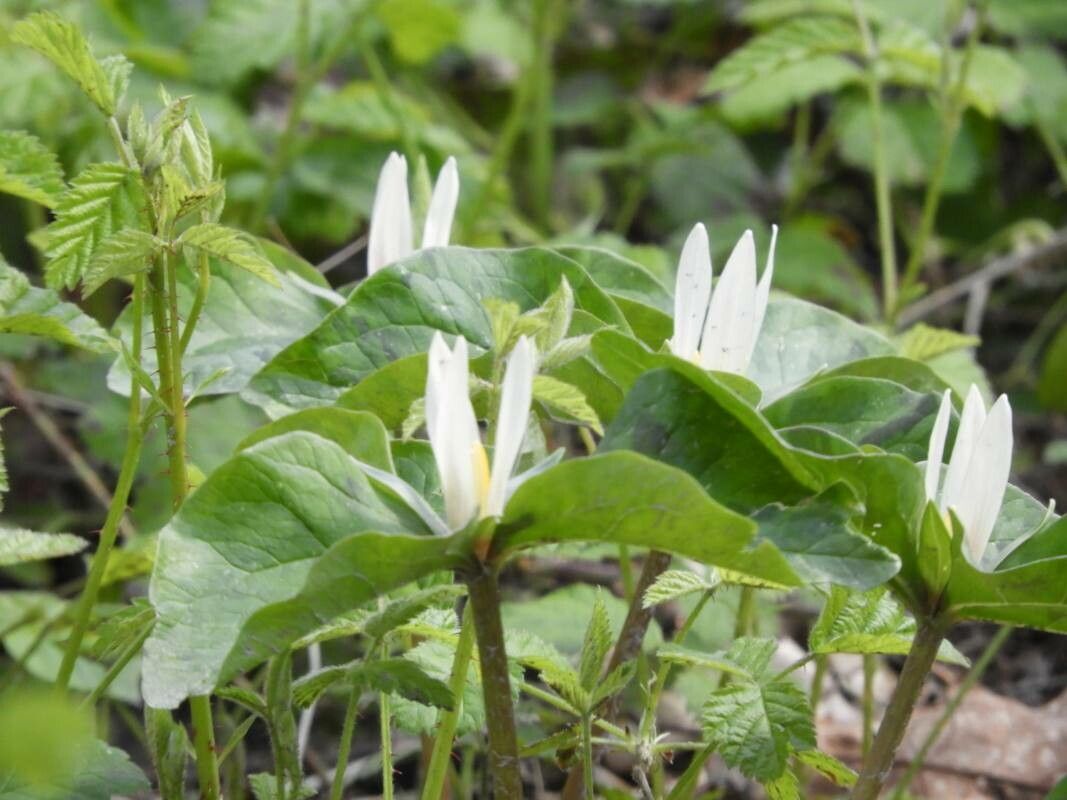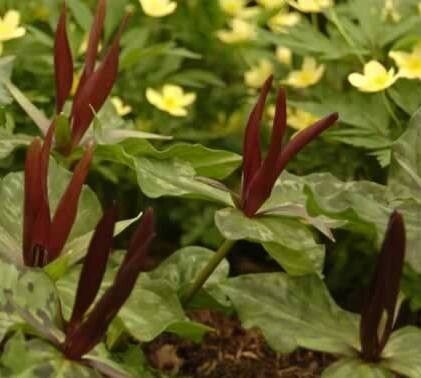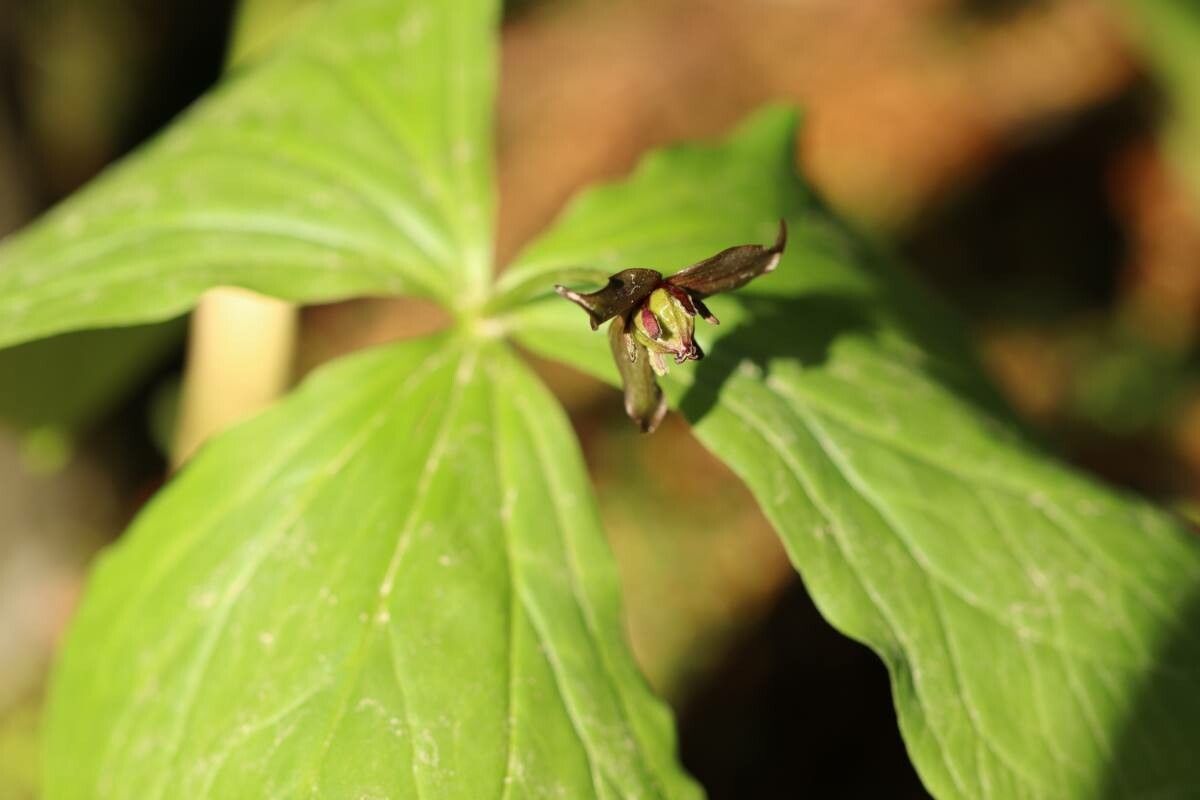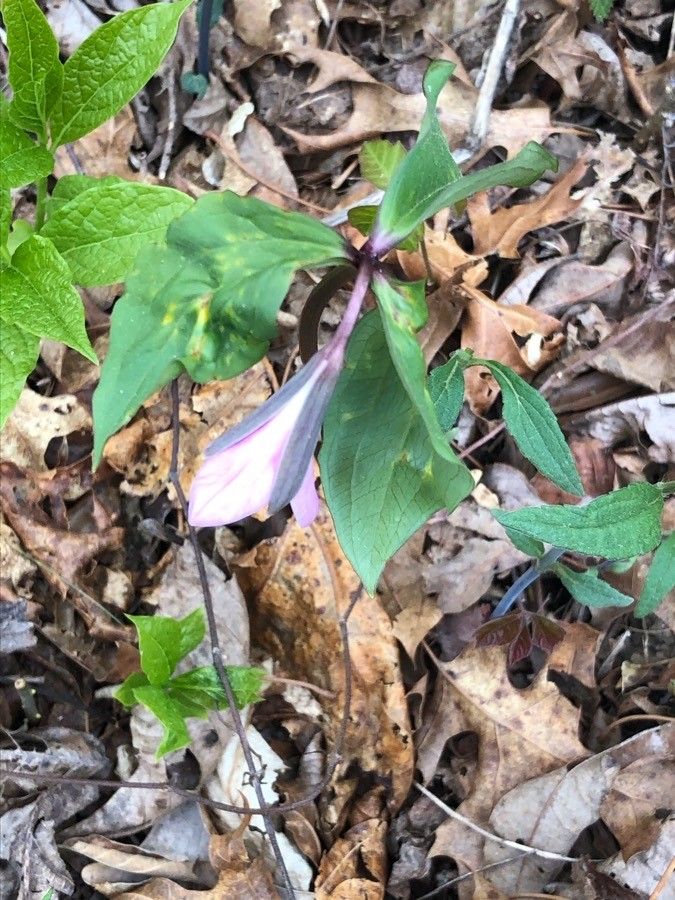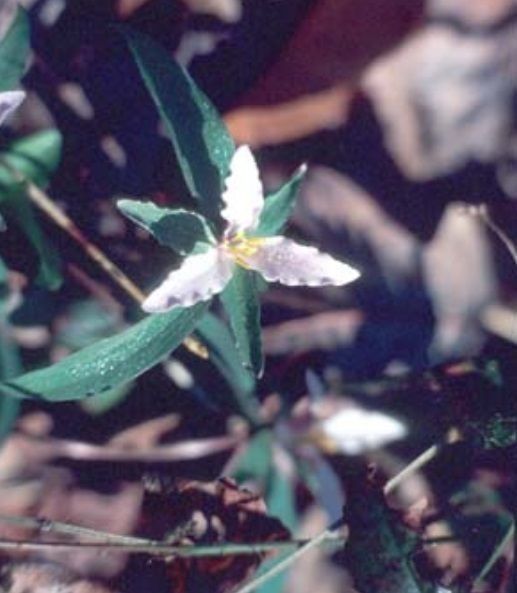
Trillium pusillum is a species of flowering plant in the family Melanthiaceae known by the common names dwarf trillium, least trillium and dwarf wakerobin. It is native to the southeastern and south-central United States from Oklahoma to Maryland.
Dwarf wakerobin has strong resistance to disease and is typically not vulnerable to illnesses. Still, it can be affected by pests and diseases present in its environment. Such infections are generally mild. Regarding care, this plant needs a moderate level of attention. It should be pruned regularly to preserve a neat appearance and encourage healthy growth. Applying fertilizer can also aid in boosting its blooms. Dwarf wakerobin is appropriate for anyone with outdoor areas like a garden or patio and does not demand extensive horticultural experience. It may need extra care when cultivated indoors.
How to keep Trillium Pusillum.
Light
Dwarf wakerobin is native to habitats such as forest understories or rocky areas, where it grows in natural shade. It prefers partial sun but can adapt to full sun or full shade, illustrating its versatile and hardy nature.
Water
The dwarf wakerobin flourishes in moist, well-drained soil with moderate humidity and requires weekly watering. As an understory plant, it prefers indirect light and stable moisture levels, especially during its active growing season, to support its delicate flowering. While it can tolerate short periods of dryness, consistent care is essential for optimal growth.
Fertilizer
One application of fertilizer in spring is generally adequate for Dwarf wakerobin, although several feedings can maximize growth. Apply fertilizer about once every month to a month and a half. Fertilization improves the leaves' appearance and function, helping maintain even color and a healthy texture. It also encourages root development and nutrient uptake, supporting the plant's long-term health.
Pruning
Dwarf wakerobin benefits from early spring pruning, which involves removing damaged leaves to promote growth and enhance blooming potential. Periodic trimming also helps maintain the plant's shape, improve air circulation, and reduce the risk of disease. For optimal care, refer to horticultural guides for specific advice tailored to your needs.
Botanical profile.
- Plant Type
- Herb
- Life Cycle
- Perennial
- Genus
- Trillium
- Family
- Melanthiaceae
- Hardiness Zone
- 4-8
- Mature Height
- 8 cm to 30 cm
- Mature Spread
- 15 cm to 49 cm
- Leaf Type
- Deciduous
Other names.
Reader questions.
What are the sunlight requirements for Dwarf wakerobin?
Dwarf wakerobin, known botanically as Trillium pusillum, requires specific conditions of sunlight to thrive optimally. It can grow in partial sun, which means it needs about 3-6 hours of sunlight each day. For areas categorized under full shade, less than 3 hours of sunlight is sufficient. It's important to observe the movement of sunlight through your garden to identify spots that offer the ideal mix of light and shade. This careful selection ensures your Dwarf wakerobin plants are happy and healthy.
What is Dwarf Wakerobin?
Dwarf Wakerobin, known scientifically as Trillium pusillum, is a plant species. Unfortunately, there is no additional information provided about its essentials or symptoms associated with it.