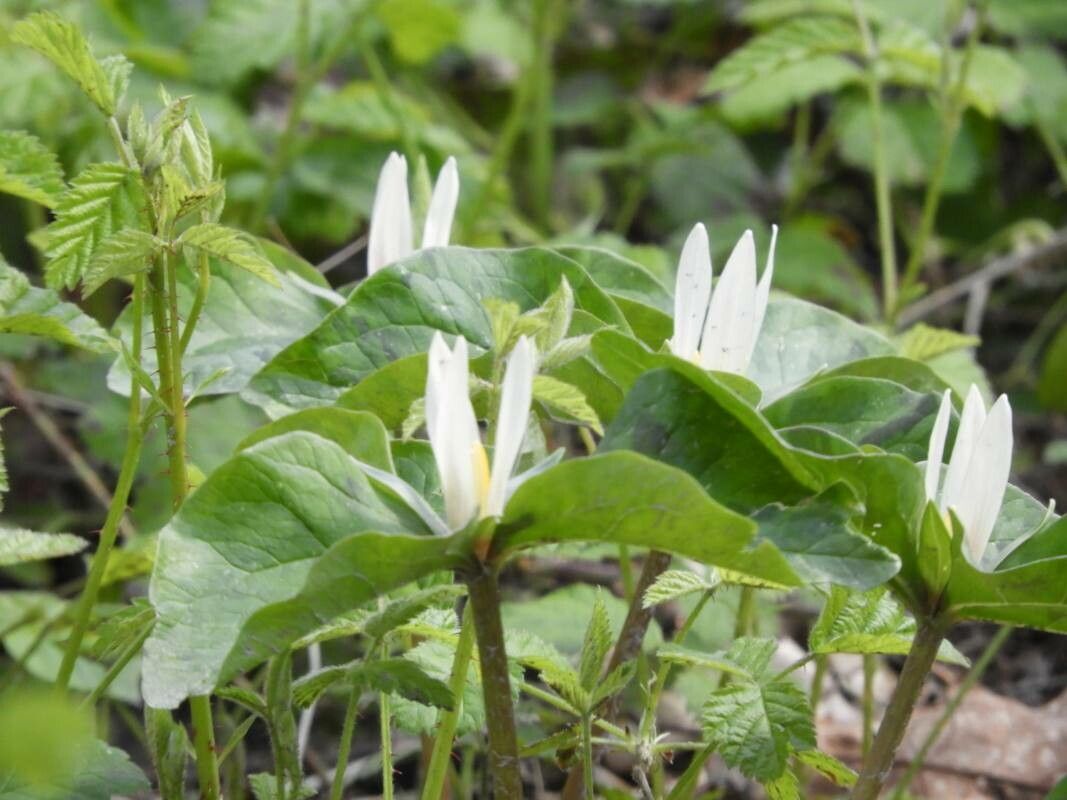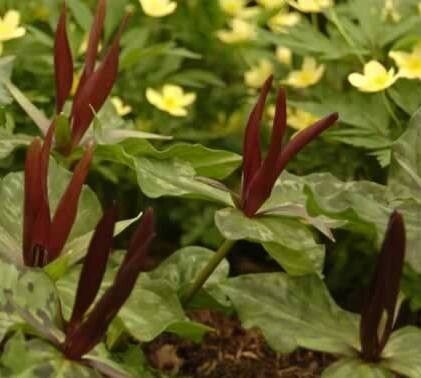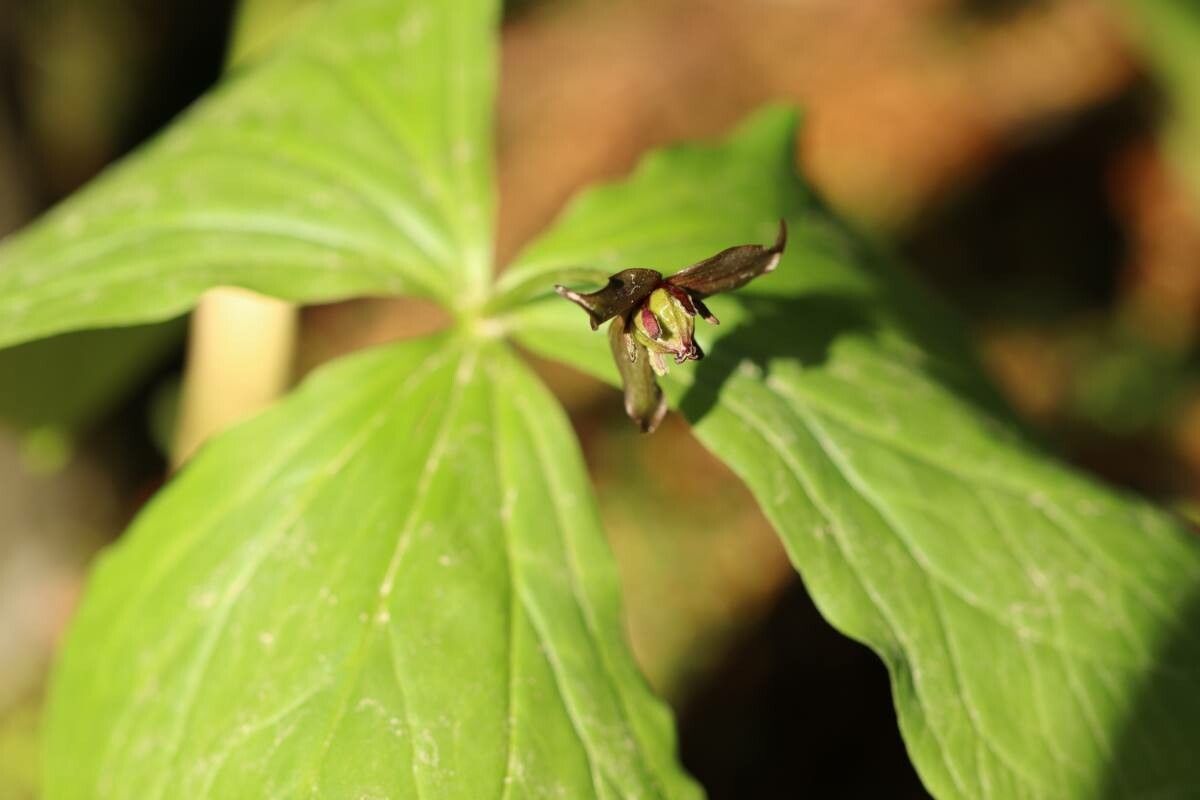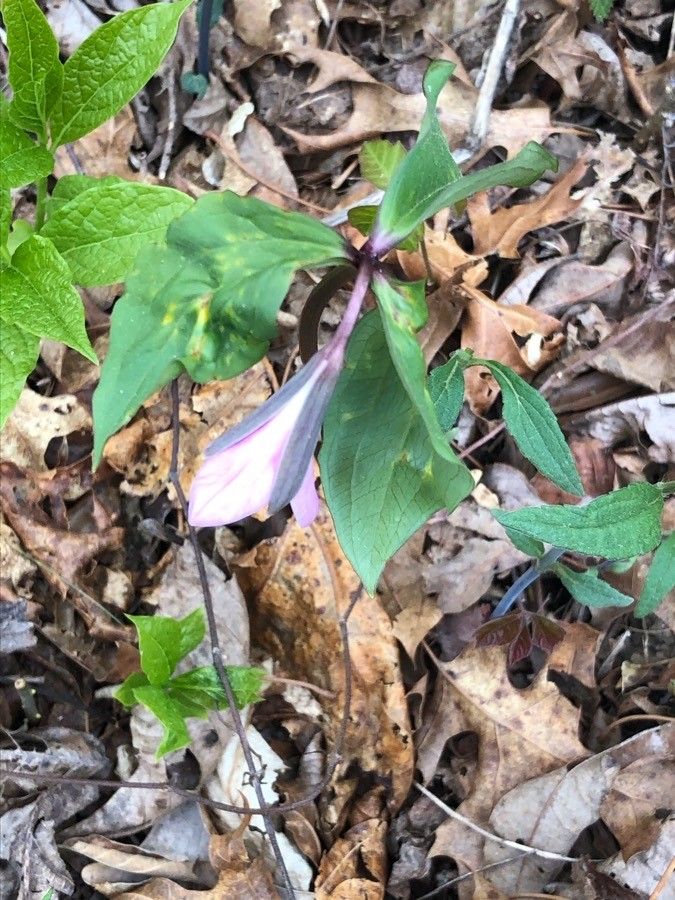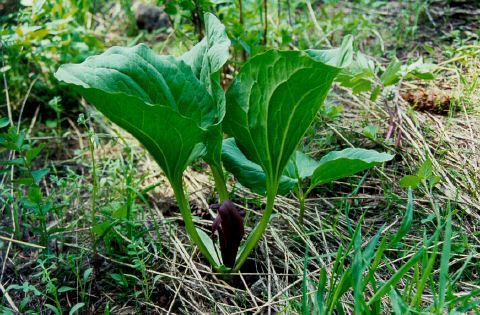
Trillium petiolatum, the Idaho trillium, also known as the long-petioled trillium or round-leaved trillium, is a species of flowering plant in the family Melanthiaceae. It is native to the northwestern United States, in Idaho, Oregon, and Washington. The type specimen for this species was gathered by Meriwether Lewis in 1806 along the Clearwater River (originally called Koos-Koos-Kai-Kai by the Nez Perce people) during the return trip of the Lewis and Clark Expedition.
How to keep Trillium Petiolatum.
Water
Newly planted Idaho trillium needs frequent watering to prevent the soil from drying out while it is adapting to its new environment. Once the plant is established, you can reduce the frequency of watering. It is important to maintain soil moisture without overwatering to ensure healthy growth.
Pruning
The Idaho trillium is known for its unique three-petaled flowers and thrives in shaded woodland environments. To promote its health and flowering potential, it is essential to prune the plant in early spring. Focus on removing dead leaves and thinning the stems to improve air circulation. By minimizing pruning, you can maintain the plant’s natural form while enhancing its overall vitality.
Botanical profile.
- Life Cycle
- Perennial
- Genus
- Trillium
- Family
- Melanthiaceae
Other names.
Reader questions.
What are the sunlight requirements for Idaho Trillium (Trillium petiolatum)?
Idaho Trillium, known botanically as Trillium petiolatum, thrives under specific sunlight conditions. For healthy growth, it requires partial sun, meaning about 3-6 hours of sunlight per day. Additionally, it can also grow in full shade, which is defined as receiving less than 3 hours of sunlight daily. It's important to observe how sunlight moves through your garden, allowing you to choose spots that offer an ideal balance of light and shade. Such careful selection ensures that the plants remain happy and healthy.