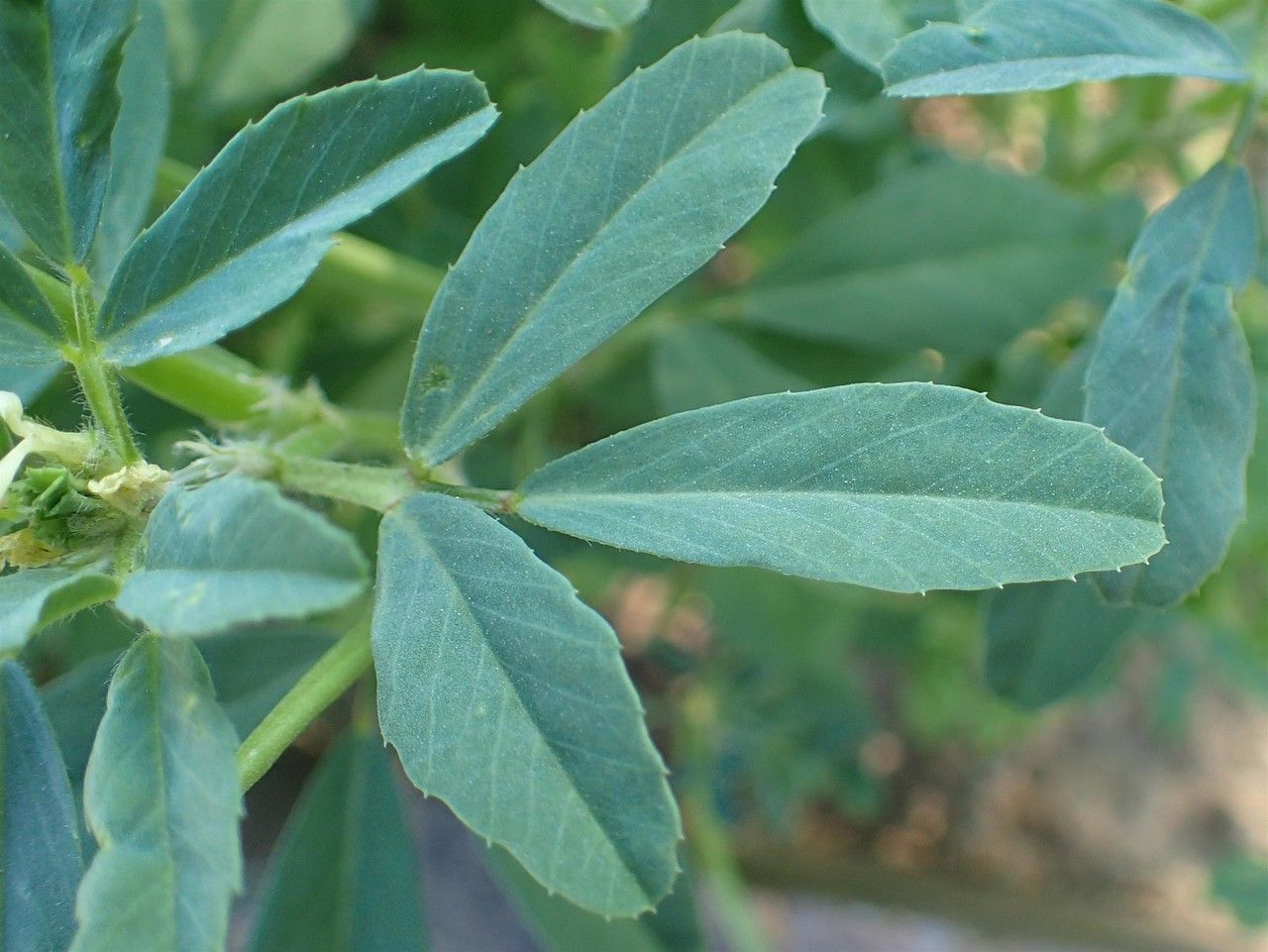
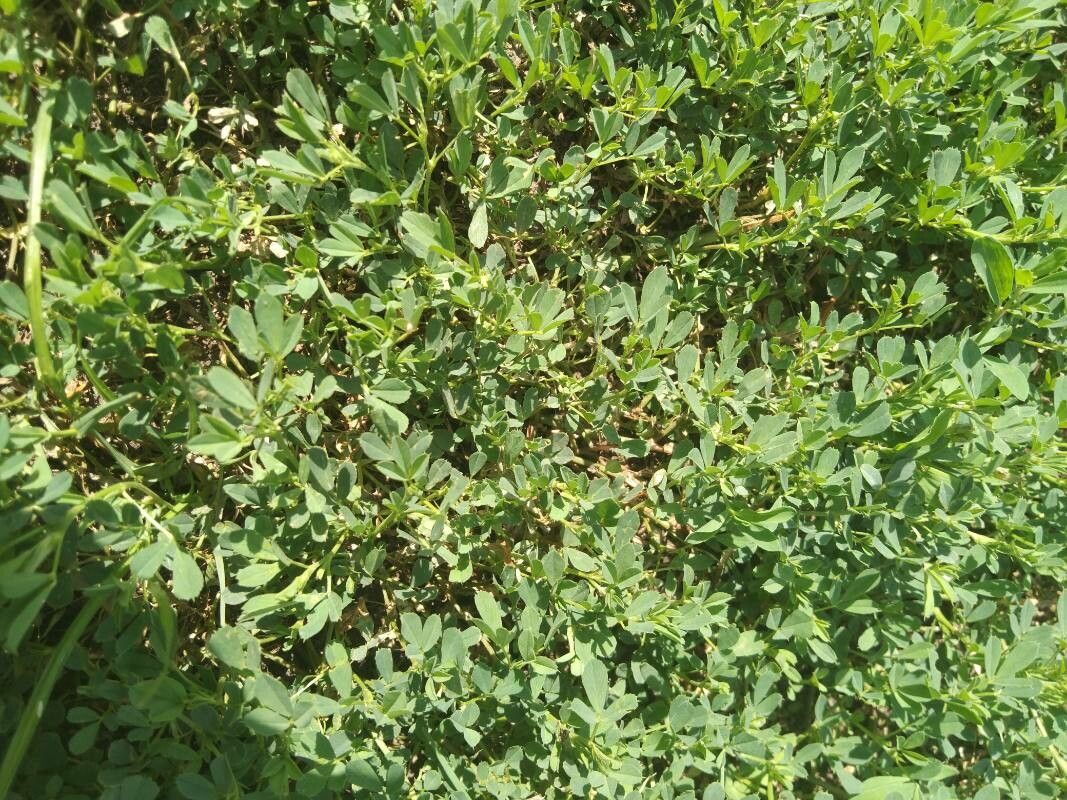
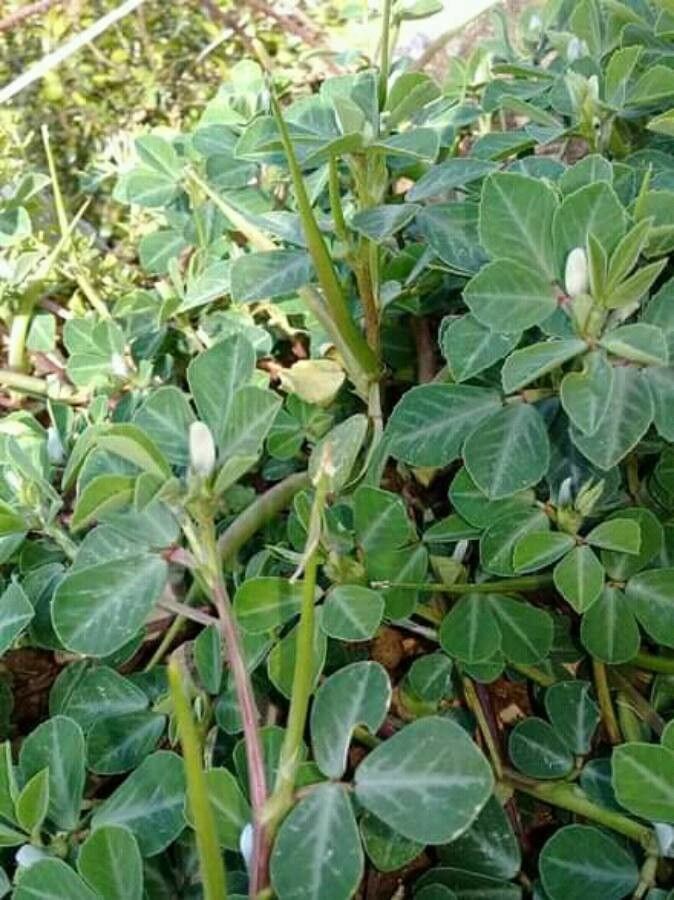
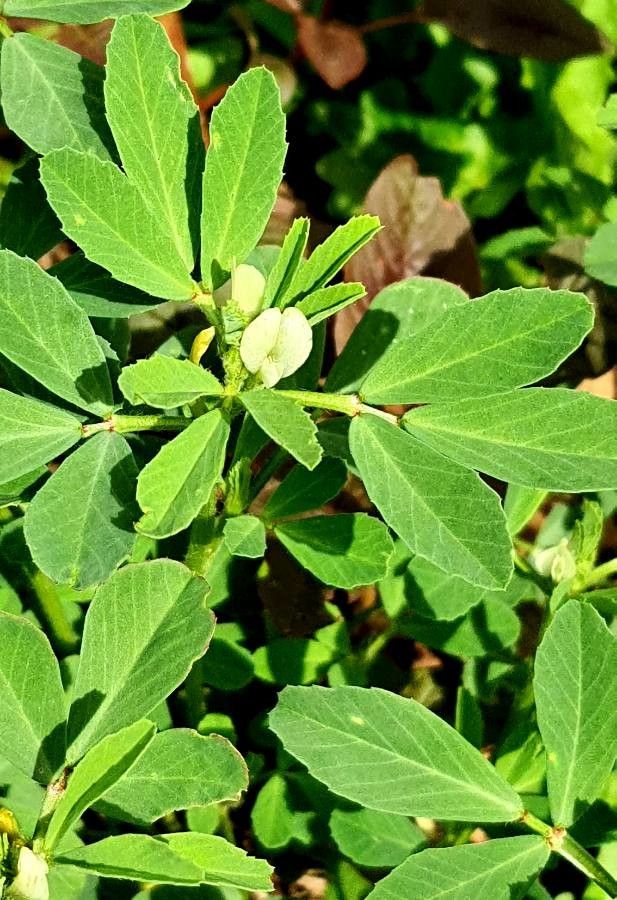
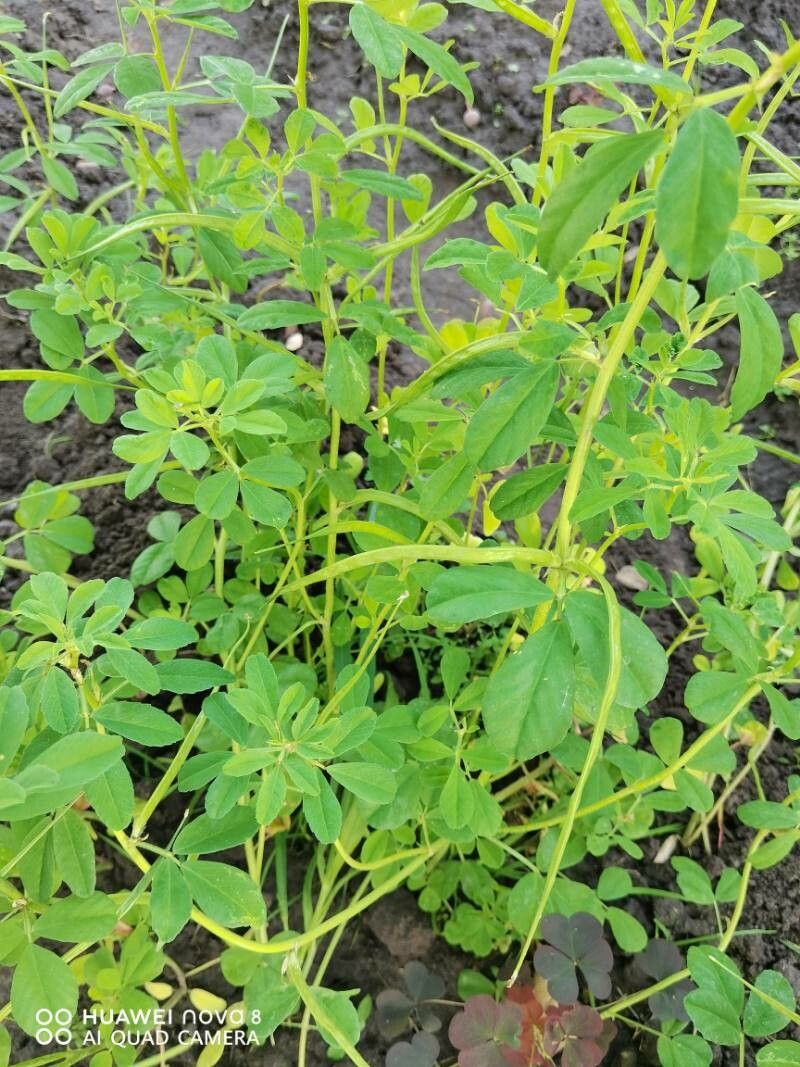
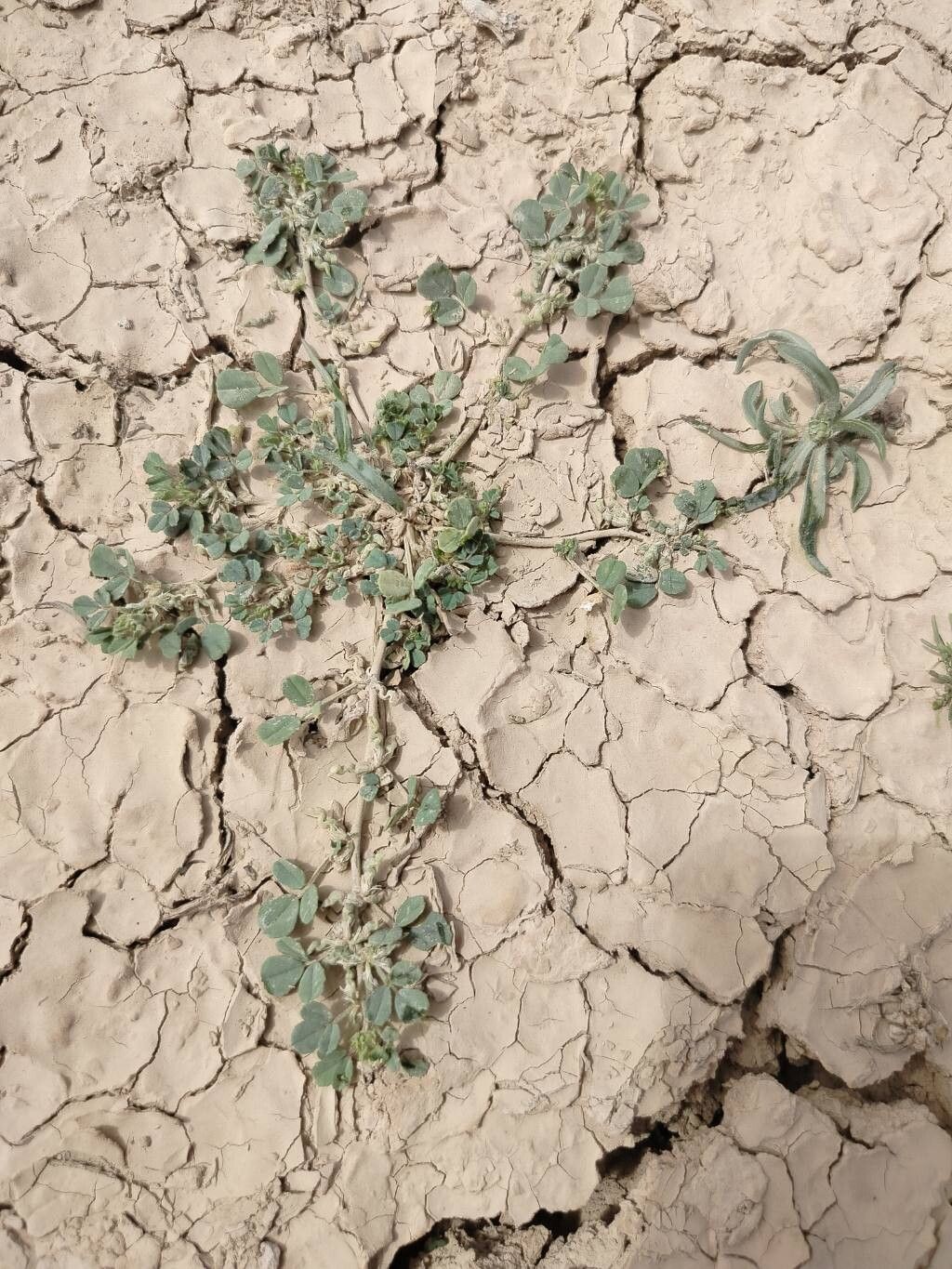
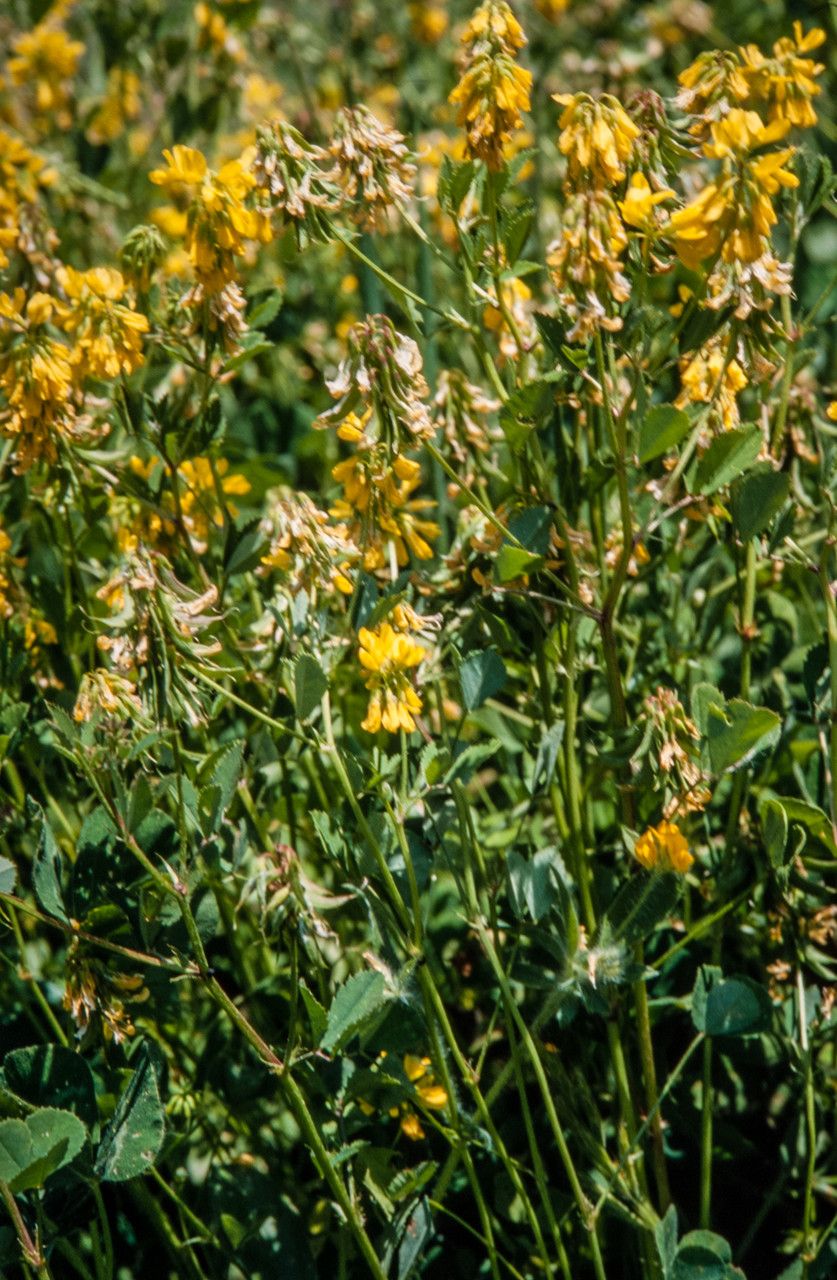
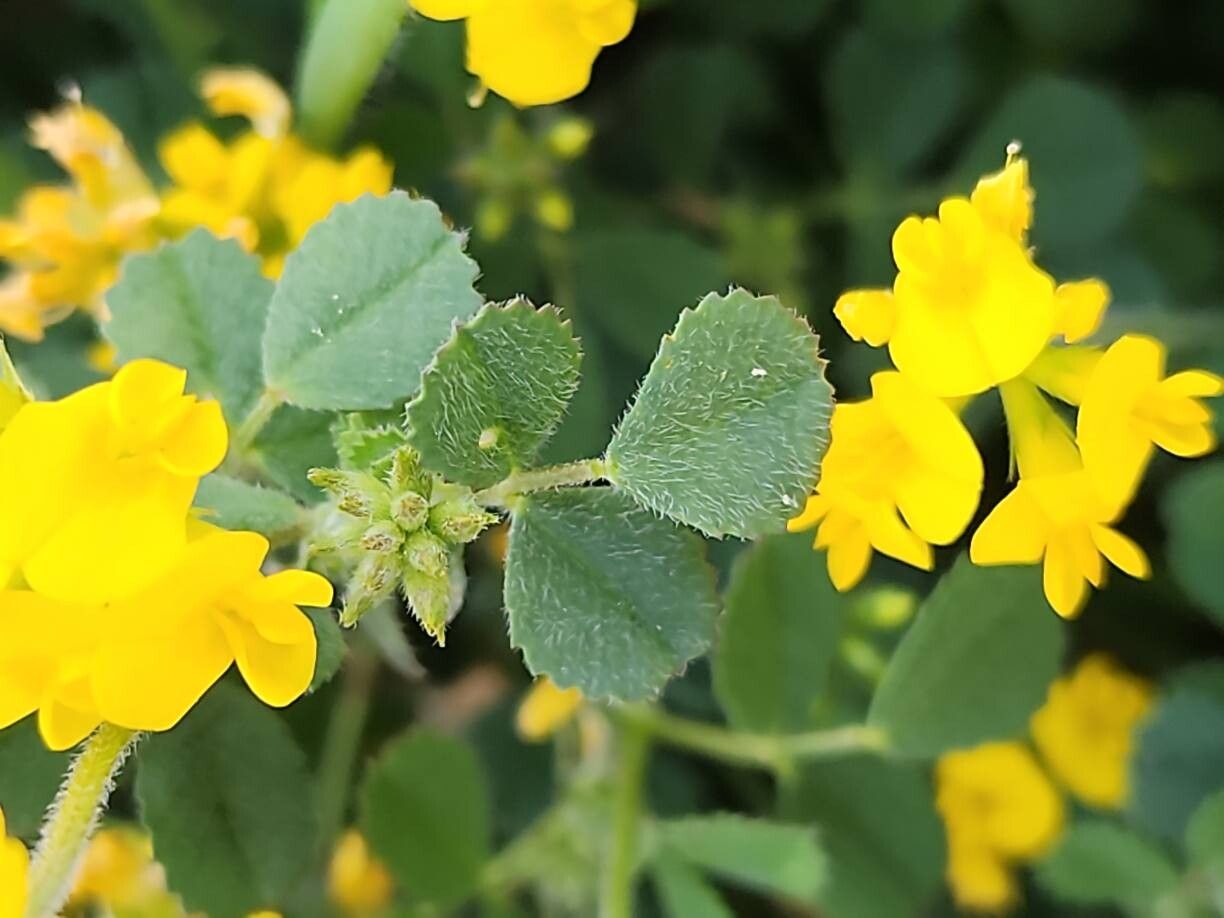
Trigonella foenum-graecum, commonly known as fenugreek, is an annual herbaceous plant belonging to the Fabaceae family. Native to the Mediterranean region and Western Asia, it is now widely cultivated around the globe. The plant grows up to 60 cm tall and features trifoliate leaves with obovate leaflets, each about 2-5 cm long.
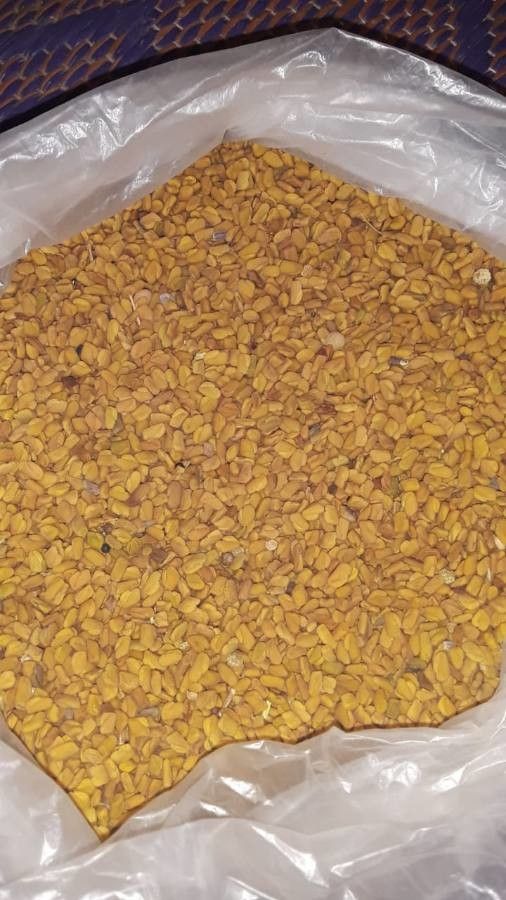
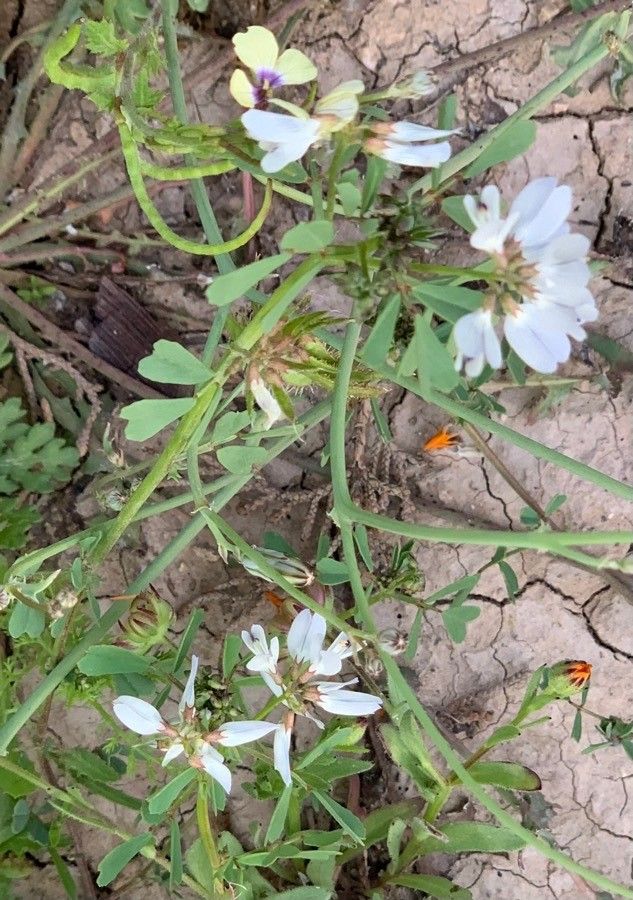
Fenugreek produces small white or yellow flowers, which give way to long, slender pods containing approximately 10-20 seeds each. These seeds have a strong aroma and a bitter taste due to their high saponin content.
Fenugreek has been used for centuries in traditional medicine for its various health benefits. It contains several bioactive compounds, such as alkaloids, flavonoids, and saponins, which exhibit anti-inflammatory, antioxidant, and antidiabetic properties, among others.
In addition to its medicinal properties, fenugreek is also popular in culinary applications. It is commonly used as a spice in Indian cuisine, adding flavor and aroma to dishes such as curries and chutneys.
Overall, Trigonella foenum-graecum (fenugreek) is an important plant valued for its both medicinal and culinary uses, making it highly prized worldwide.
Common fenugreek has moderate resistance to disease but can be prone to problems like leaf spot. Its vulnerability to insect pests varies by variety, though most varieties are relatively less resistant to pests. For maintenance, common fenugreek needs regular watering and fertilizing, plus routine removal of yellowing leaves. It is important to deal with pests and diseases as they occur and to harvest the plant promptly. Common fenugreek is suited to people who can spare some time and energy for ongoing care.
How to keep Trigonella Foenum Graecum.
Light
Common fenugreek prefers locations that receive plenty of sunlight and does not tolerate shady conditions well. Insufficient light can limit its growth and weaken its health. Conversely, excessive sun exposure can also be harmful. Its native habitat generally has abundant sunlight.
Water
Common fenugreek grows well in semi-arid climates and has a moderate tolerance for drought. It prefers well-drained soil and should be watered once a week. During its growing season, it's crucial to keep the soil consistently moist to ensure optimal growth and flowering.
Humidity
This plant will thrive in moderate humidity, which is probably the level in your home. However, misting it a few times a week can be very beneficial. Make sure the room has good ventilation.
Temperature
Common fenugreek originates from temperate regions and does best at temperatures of 68 to 95 °F (20 to 35 ℃). Seasonal temperature adjustments may be required to keep growth conditions optimal.
Fertilizer
To maximize yield, Common fenugreek benefits from regular applications of a balanced fertilizer, particularly one high in nitrogen. Apply fertilizer before planting, at planting, and when seedlings are 2 inches tall. Adding compost or manure provides a continuous nutrient supply. Insufficient nutrients in the soil lead to underdeveloped leaves and stems, inferior flavors, thin stems, and potentially a bitter taste.
Pruning
To keep common fenugreek healthy, it's important to prune selectively in the spring. Start by removing any dead or damaged stems to enhance air circulation and reduce the risk of pest infestations. Trim any excessively long growth to help the plant maintain a compact shape. Regular pruning encourages robust foliage and seed production, while also promoting balanced soil nutrition to support the plant's recovery and vitality.
Botanical profile.
- Plant Type
- Herb
- Life Cycle
- Annual
- Genus
- Trigonella
- Family
- Fabaceae
- Hardiness Zone
- 5-9
- Mature Height
- 61 cm
- Mature Spread
- 40 cm
- Leaf Color
- Green
- Leaf Type
- Deciduous
- Flower Color
- White
- Flower Size
- 2.54 cm
- Bloom Time
- Mid spring, Late spring
- Planting Time
- Spring
- Harvest Time
- Early summer, Mid summer
- Native Area
- Saudi Arabia, Iraq, Turkey, Syria, Iran, Cyprus, Greece, Yemen, Lebanon
Other names.
Reader questions.
How should I water my Common fenugreek plant?
To water Common fenugreek, you have several options. You can use a garden hose with a spray nozzle, a watering can, or any other common watering tool. The good news is that Common fenugreek is not too fussy when it comes to water sources. It can thrive on rainwater, tap water, or filtered water. However, it's generally advisable to avoid watering this plant from above, as it can harm the leaves and flowers and potentially lead to disease. Instead, a drip irrigation system is often the best method for watering Common fenugreek. These systems apply water evenly and directly to the soil. For Common fenugreek in containers, the same watering approach can be used, but with different tools. Simply use a cup, watering can, or tap to apply water directly to the soil.
Why do I have to put fertilizer on my Common fenugreek plant?
Plants need nutrients to grow, but some can obtain what they need without additional fertilizers. Common fenugreek, like other plants, requires nutrients for growth and internal processes. The main nutrients that plants use (nitrogen, phosphorus, and potassium) serve different essential functions. For instance, nitrogen is particularly important for foliage growth. However, it can be challenging for Common fenugreek to acquire enough nitrogen from the soil alone. This is why many gardeners choose to supplement Common fenugreek with additional nitrogen through feeding.
What are the sunlight requirements for Common fenugreek?
Common fenugreek requires full sun, which means it needs above 6 hours of sunlight daily for optimal growth. It thrives in environments that are quite flooded with sunlight and struggles in shady conditions. A lack of sufficient sunlight hampers its growth and health. Conversely, too much exposure can also be detrimental. Its native habitat is typically abundant in sunlight. Remember, observing how sunlight moves through your garden will help in choosing spots that provide a perfect balance of light and shade, ensuring your plants' well-being.
What is the native climate of common fenugreek, and what temperatures does it prefer?
Common fenugreek is native to temperate environments and thrives in a temperature range of 68 to 95°F (20 to 35°C). To maintain optimal growth conditions, adjustments in temperature may be necessary with seasonal changes. This plant possesses strong cold resistance, which makes special frost protection measures generally unnecessary during winter. However, should winter temperatures be expected to drop below -25°C, it's crucial to provide cold protection by covering the plant with insulating materials such as soil or straw. Moreover, before the onset of the first freeze in autumn, it's recommended to water the plant thoroughly to ensure the soil is moist and enters a frozen state, which helps in preventing drought and water scarcity for the plant during winter and early spring.
What do I do if I give my Common fenugreek plant too much or too little water?
The solution for underwatering Common fenugreek is simple: start watering it more regularly when you notice it lacks moisture. Overwatering, on the other hand, can be more dangerous if not detected in time. If Common fenugreek is overwatered, it can develop diseases that can cause it to decline and die. To prevent this, choose a location with plenty of sunlight to dry the soil and good drainage to prevent water accumulation. If your potted Common fenugreek is overwatered, you may need to transfer it to a new pot with better drainage and loose soils.
When should I fertilize my Common fenugreek plant?
Common fenugreek generally grows well, but it's a good idea to fertilize it once a month when it's actively growing. This is especially important during the spring and summer months, but not necessary during fall and winter when the plant is less active and doesn't need as many nutrients. To determine when to start fertilizing, look for signs of new growth. Whether you're growing Common fenugreek outside or in a container indoors, the fertilization schedule remains the same. However, if your Common fenugreek is in a container, you might not need to fertilize for the first one to two months. Container plants typically have enough nutrients in the potting soil, so wait until your plant has been in the same soil for a while before starting to fertilize.
How can artificial lighting benefit indoor Common fenugreek plants?
Indoor Common fenugreek plants require adequate lighting for optimal growth, especially when natural sunlight is insufficient, like in winter or less sunny spaces. Artificial lighting is a viable solution that promotes faster, healthier growth. LED lights are recommended because they can be customized to provide specific light wavelengths needed by plants. Full sun plants need 30-50W/sq ft, partial sun plants 20-30W/sq ft, and full shade plants 10-20W/sq ft of artificial light. Placing the light source 12-36 inches above the plant and ensuring it receives 8-12 hours of light per day can mimic natural sunlight conditions effectively.
How does common fenugreek respond to low temperatures, and what are the recommended solutions?
Common fenugreek exhibits commendable cold tolerance and grows best when temperatures are maintained above 20°C. During winter, it's essential to ensure the temperature remains above 0°C. In instances where temperatures fall below -25°C, though there may not be immediate visible changes, the plant may experience a reduction in sprouting, or in some cases, fail to sprout during spring. To address this, it's advised to remove any parts of the plant that have failed to sprout once spring arrives.
How much water does my Common fenugreek need?
Common fenugreek requires regular watering throughout the growing season. In spring, water it once a week, increasing to two or three times a week as the season gets warmer. However, be careful not to exceed this rate as it can harm the plant. Additionally, make sure the soil remains moist but not wet. Watering Common fenugreek in a pot is slightly different. Potted soil tends to heat up and dry out faster than ground soil, so you'll need to water container-grown fenugreek more frequently. In most cases, watering a potted fenugreek plant a few times per week is recommended, compared to just once a week for an in-ground plant.
When is it a good idea to not use fertilizer on my Common fenugreek?
To ensure the health of your Common fenugreek, avoid fertilizing it if it is not in good condition. This includes cases where it has a disease or insect infestation. Additionally, refrain from fertilizing a dehydrated plant as this can worsen the issue. Only fertilize plants that are healthy. When watering, be cautious not to splash fertilizer onto the leaves or stem, as it can cause burned spots. Avoid direct contact between the plant and fertilizer unless you are using a special foliage fertilizer.
What symptoms indicate inadequate light for Common fenugreek?
Common fenugreek shows several symptoms when it receives inadequate light. These include smaller new leaves, leggy or sparse growth, premature leaf drop, slower or halted growth, lighter-colored new leaves, and symptoms of excessive sunlight exposure like chlorosis, sunscald, leaf curling, wilting, and leaf scorching. These symptoms demonstrate the plant's difficulty in photosynthesis, supporting its structural integrity, and maintaining hydration under poor lighting conditions.
What should be done if common fenugreek is exposed to high temperatures?
During the summer months, it's important to keep common fenugreek's exposure to temperatures below 35°C. Exposure to temperatures above 38°C can lead to the plant's leaves becoming lighter in color, curling, and being prone to sunburn. In severe cases, the plant may entirely wilt and dry out. To mitigate these effects, trim away the sunburned and dried-up parts. Moving the plant to a shaded location, especially from the midday and afternoon sun, or using a shade cloth can provide the necessary protection. Additionally, watering the plant in the morning and evening will help keep the soil moist and support the plant's wellbeing.