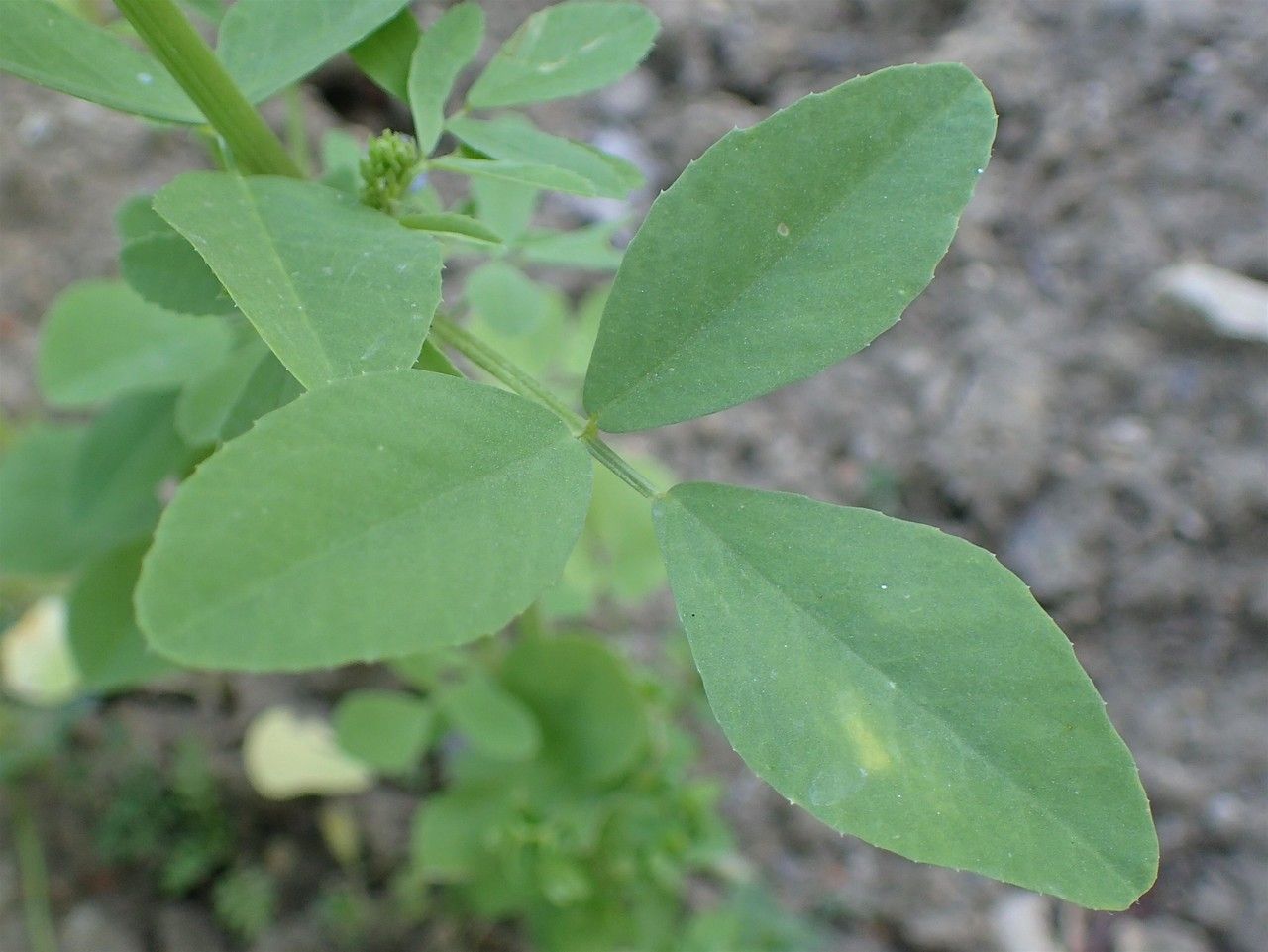
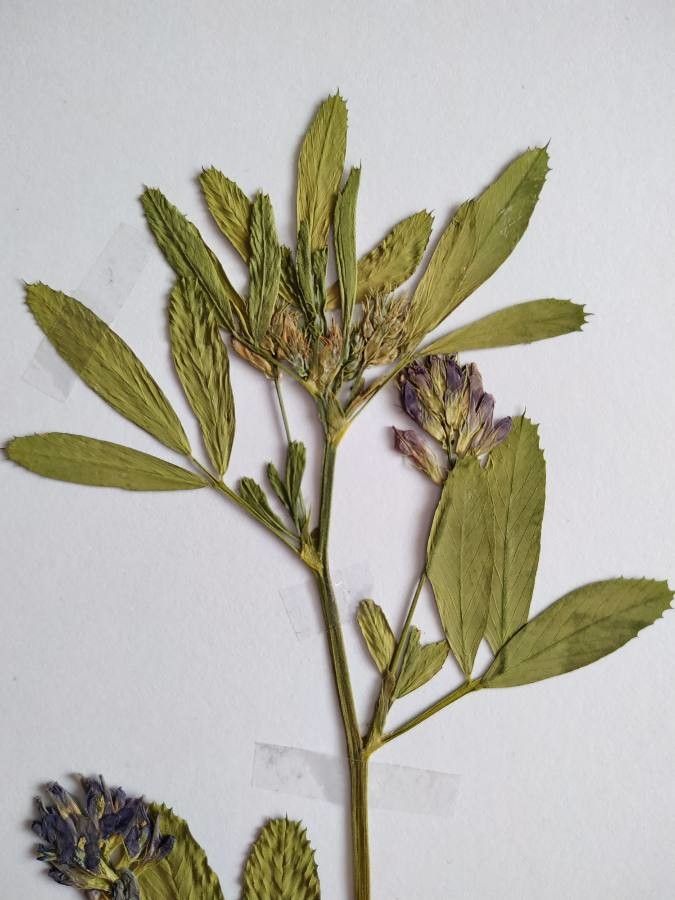
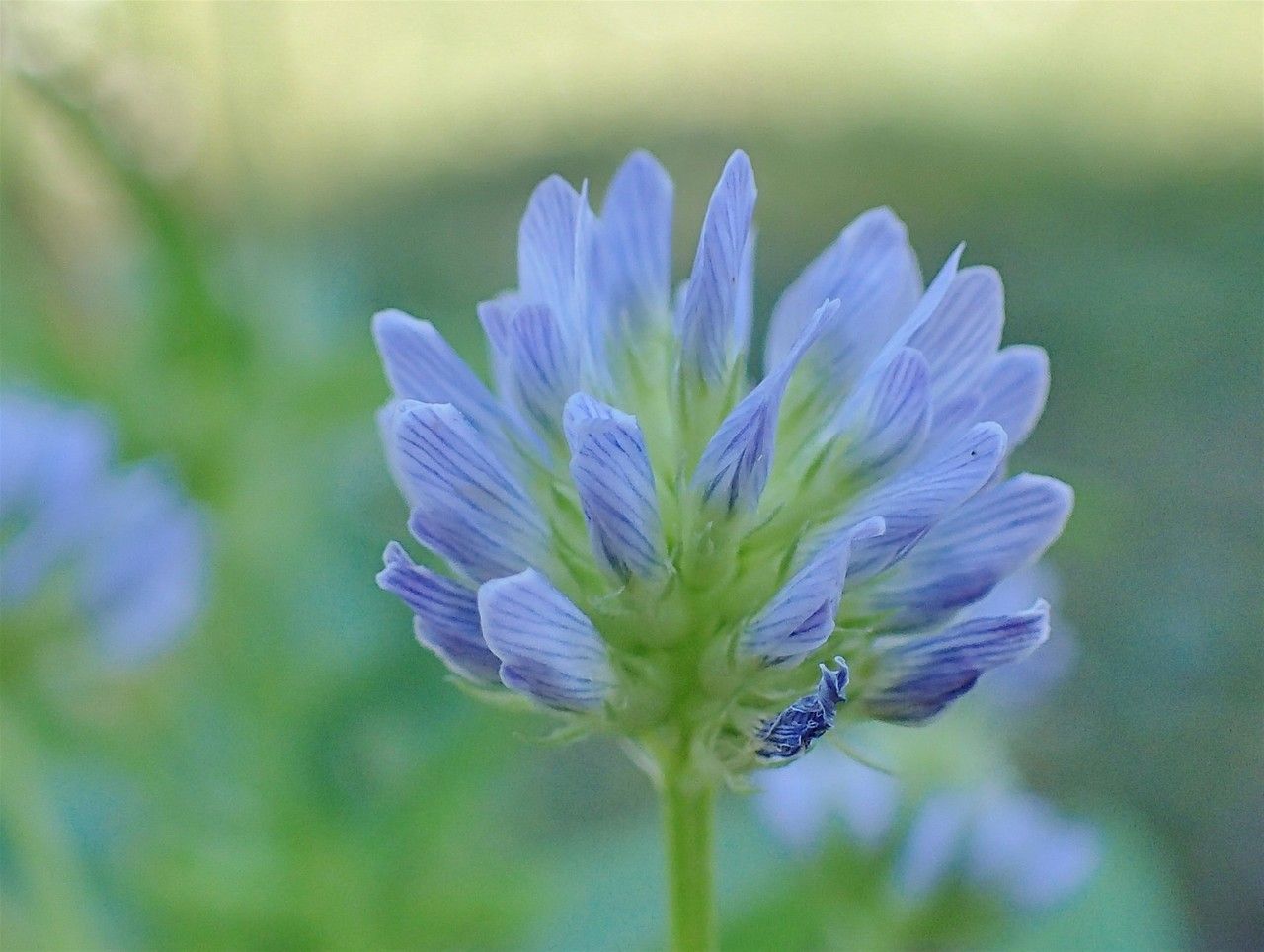
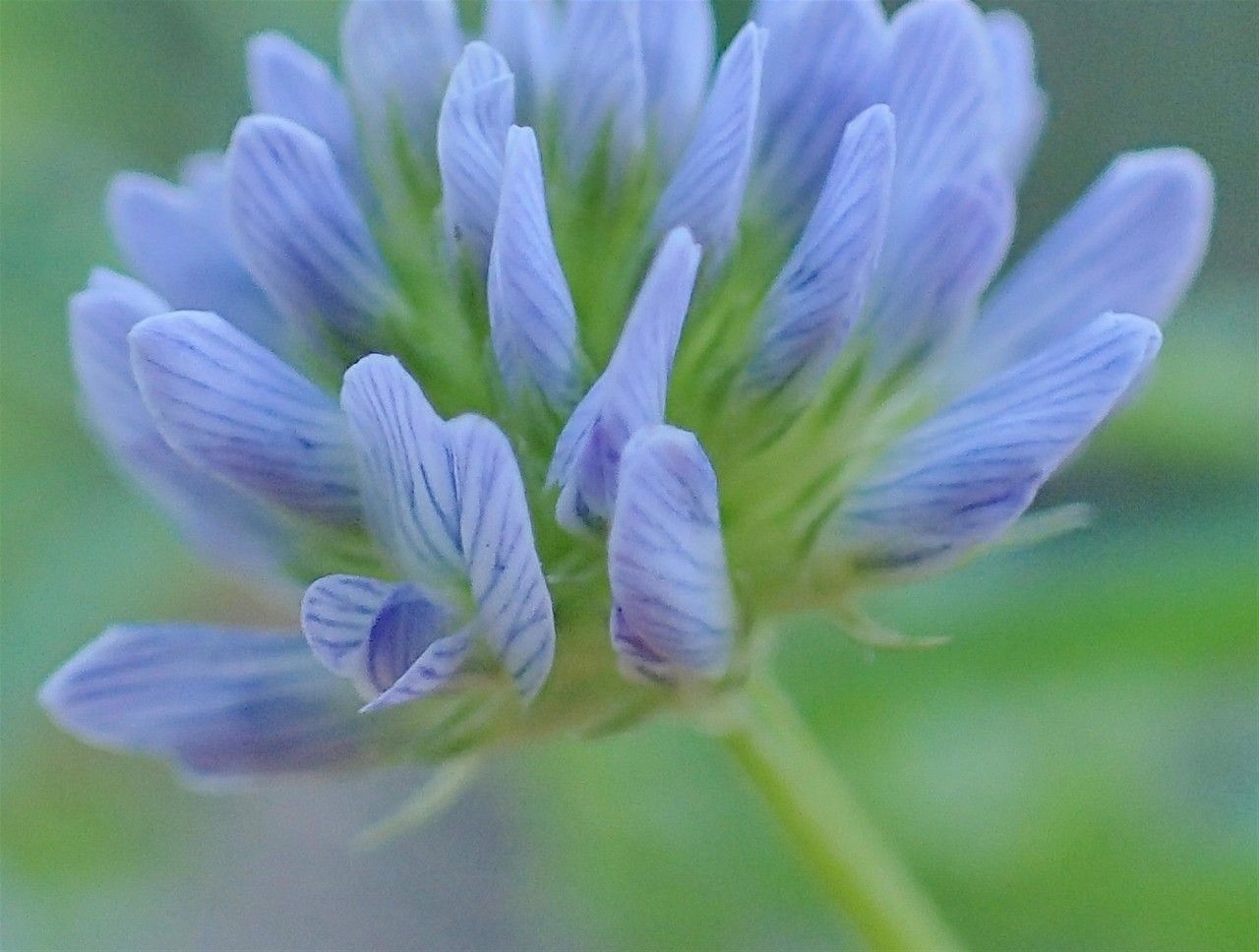
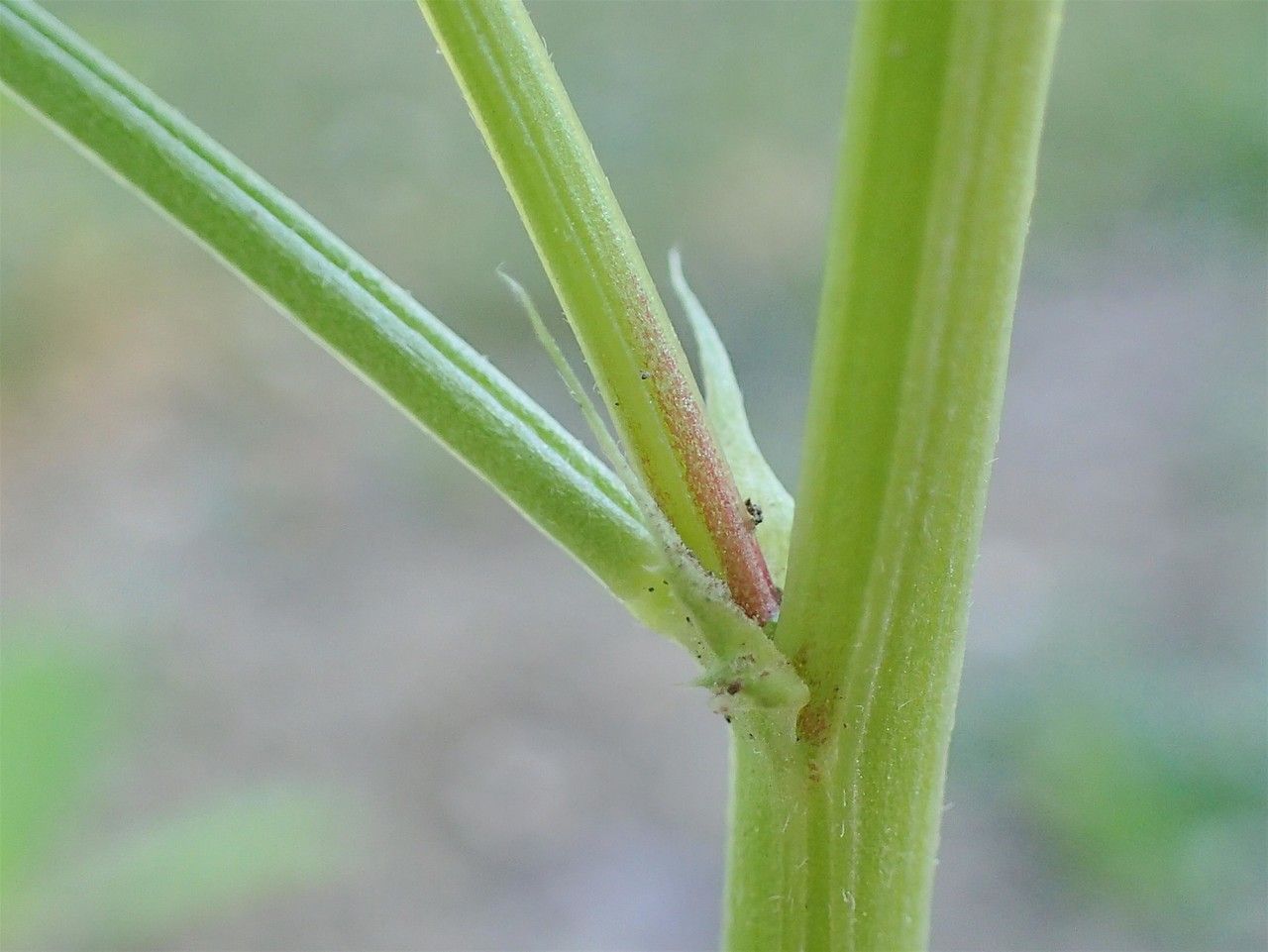
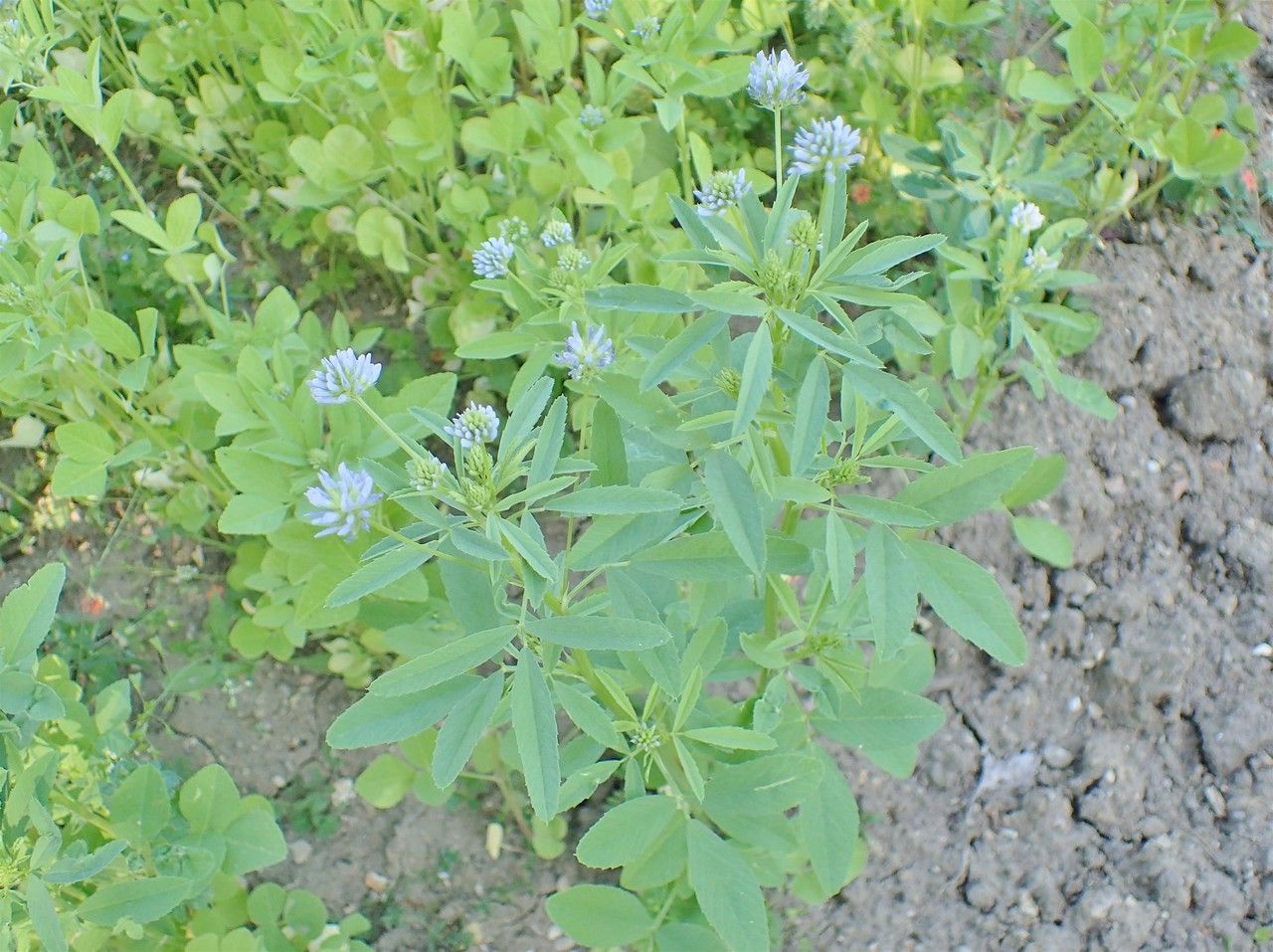
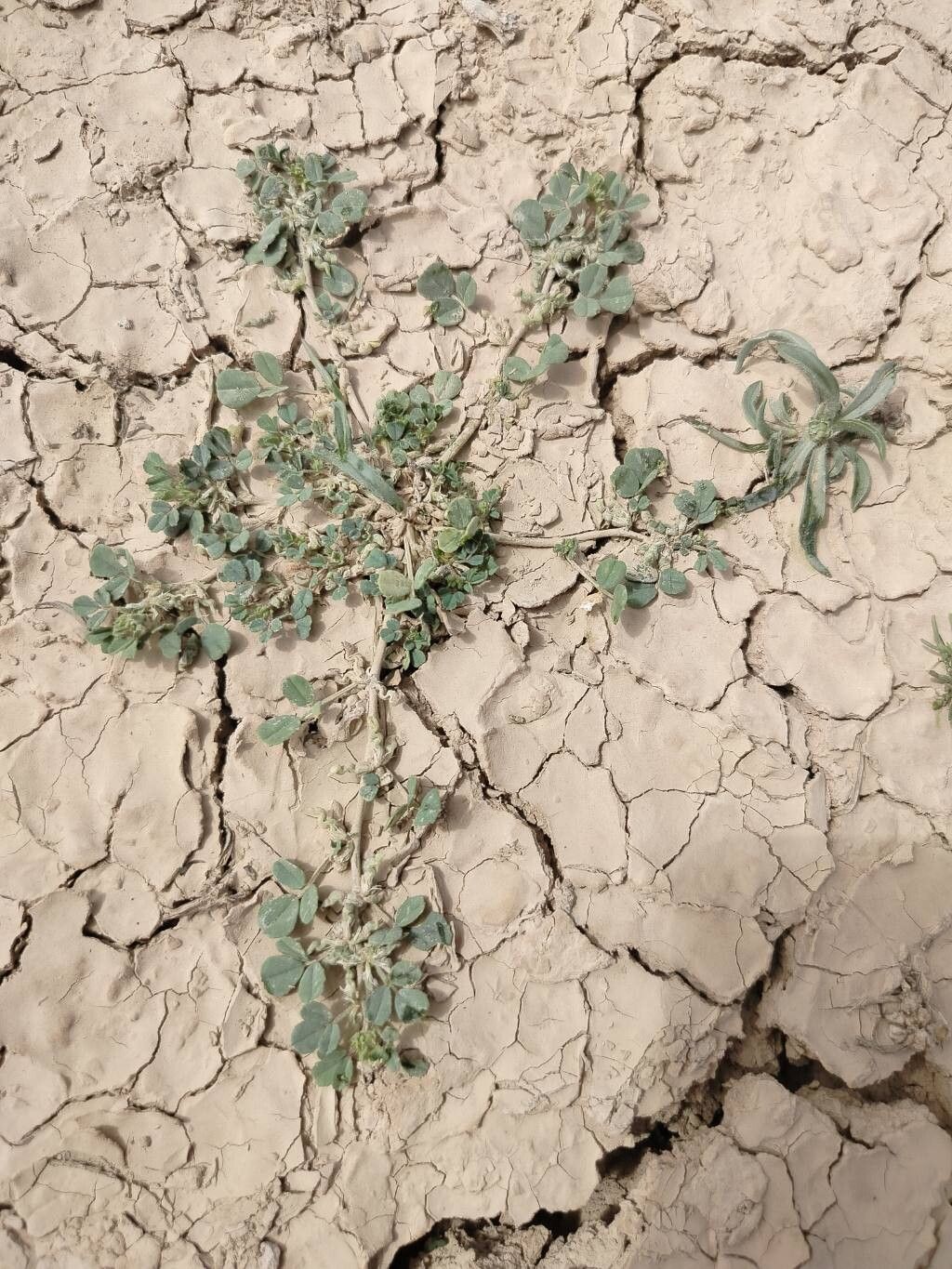
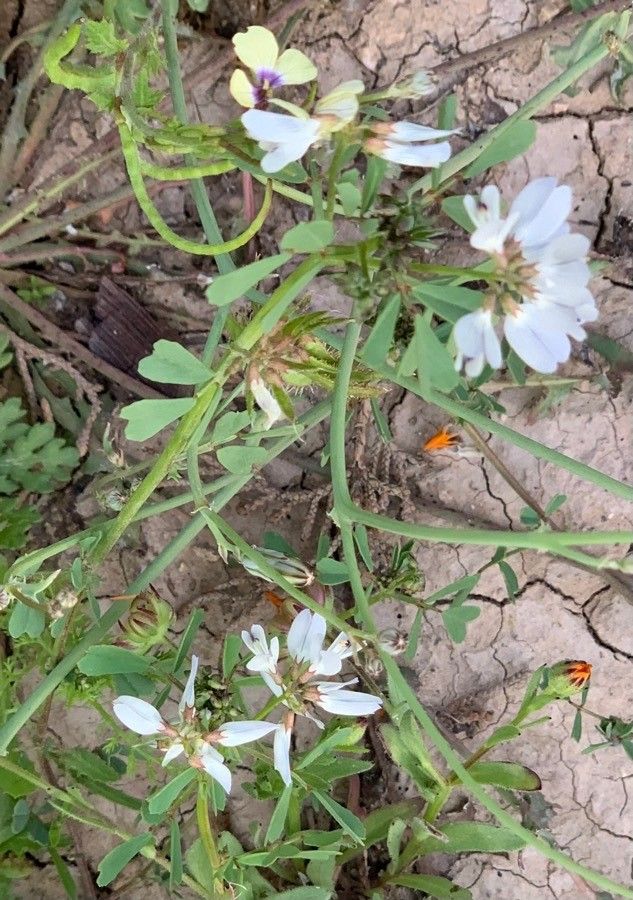
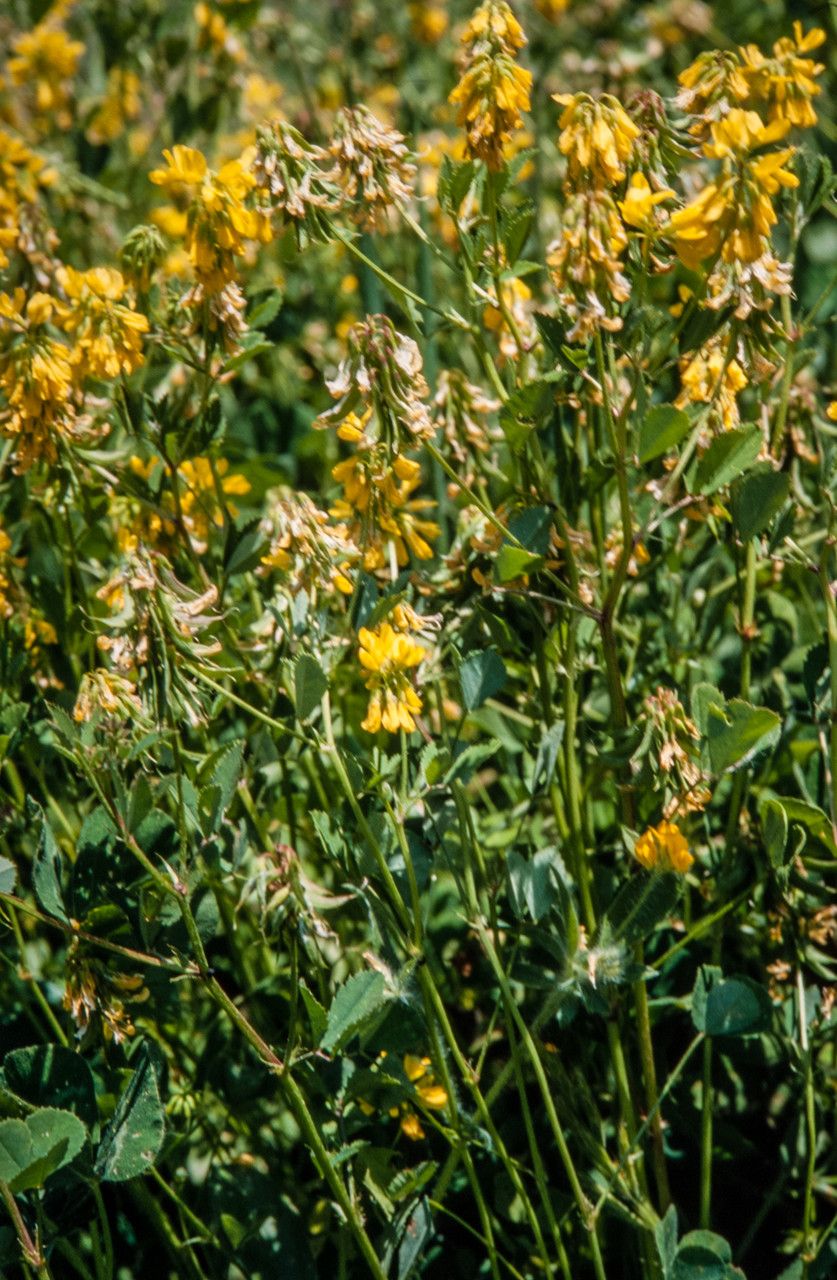
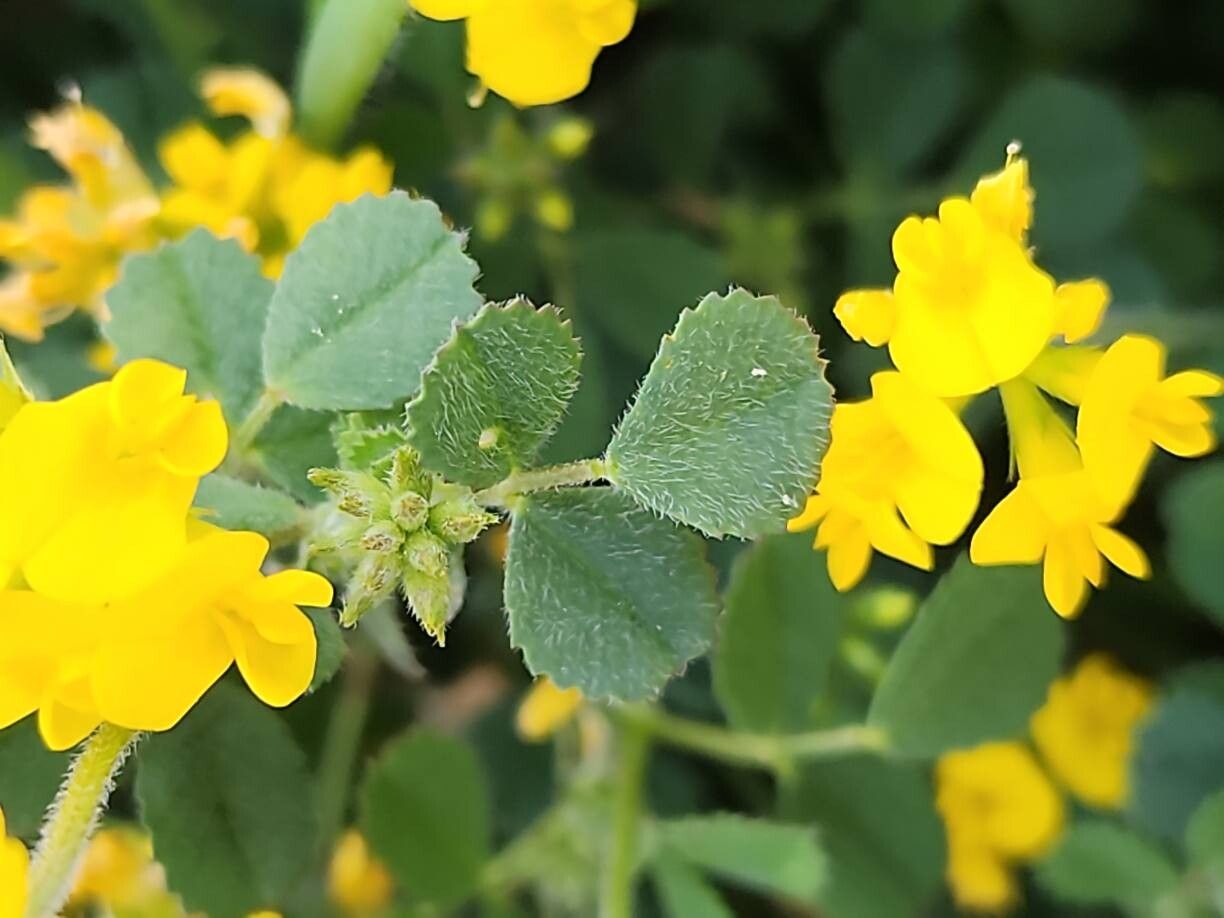
Trigonella caerulea (blue fenugreek, blue melilot, Georgian: ულუმბო, უცხო სუნელი - ulumbo, utskho suneli) is an annual herb in the family Fabaceae. It is 30–60 cm tall. Its leaves are obovate or lance-shaped, 2–5 cm long, 1–2 cm wide and saw-toothed in upper part. Its flower stalks are compact, globular racemes, longer than the leaves. The sepals are twice as short as the corolla, its teeth are equal to the tube. The corolla is 5.5-6.5 mm long and blue. The pods are erect or slightly curved, compressed, 4–5 mm long with beak 2 mm. The seeds are small and elongated. It blossoms in April–May, the seeds ripen in May–June. It is self-pollinated.
Blue fenugreek has moderate resistance to disease but can be prone to issues like leaf spot. Its vulnerability to insect pests depends on the variety, though most varieties are relatively less resistant to pests. For care, blue fenugreek requires regular watering and feeding, and frequent removal of yellow leaves. It’s important to manage pests and diseases as soon as they appear and to harvest the plant promptly. Blue fenugreek is suitable for people who can spare some time and effort for regular maintenance.
How to keep Trigonella Caerulea.
Light
Blue fenugreek does best with plenty of sun. Its native habitat provides abundant light, which supports its health and growth. Too much or too little sun can influence its development: excess can cause burns and insufficient light leads to weak, lackluster growth. At every stage of growth it prefers abundant sunlight.
Water
Blue fenugreek, which comes from mountainous regions, thrives in moderate moisture conditions and can tolerate short periods of dryness. It grows best in well-drained soil and benefits from weekly watering to stay properly hydrated. As an outdoor herb, its growth depends on the availability of water, so careful irrigation is necessary during dry spells.
Temperature
Blue fenugreek prefers moderate temperatures, about what people usually find comfortable. It does best in conditions that are not overly warm or cold. The primary concern with high heat is the possibility of sunburn, so providing some shade in summer is recommended to avoid excessive heat. When temperatures fall, Blue fenugreek goes dormant. To keep it growing continuously, warmer conditions must be maintained through winter. Frost can harm the plant and should be avoided.
Fertilizer
To maximize the yield and flavor of Blue fenugreek, provide sufficient nitrogen throughout the growth cycle, including the pre-planting period and at harvest. Well-watered, well-fertilized plants develop plentiful, healthy leaves and are less bitter. Before planting, improve the soil with organic matter such as compost or manure, ideally 2 to 8 weeks prior.
Pruning
Blue fenugreek is an annual herb known for its distinct aroma and small blue flowers. For bushier growth, it's best to prune from early to late spring. During this period, remove any dead stems and pinch the tips to encourage branching. Moderate pruning not only promotes better air circulation, which lowers the risk of disease, but also enhances the plant's overall vigor.
Botanical profile.
- Plant Type
- Herb
- Life Cycle
- Annual
- Genus
- Trigonella
- Family
- Fabaceae
- Hardiness Zone
- 5-11
- Mature Height
- 61 cm
- Mature Spread
- 30 cm
- Leaf Color
- Green
- Leaf Type
- Deciduous
- Flower Color
- Blue, Purple, Violet
- Flower Size
- 0.51 cm to 0.76 cm
- Bloom Time
- Late spring, Early summer, Mid summer
- Planting Time
- Spring, Summer, Autumn
- Harvest Time
- Mid summer, Late summer, Early fall
- Native Area
- Russia, Mongolia, Armenia, Azerbaijan, Algeria, Belarus
Other names.
Reader questions.
What are the sunlight requirements for Blue fenugreek?
Blue fenugreek requires full sun, meaning it should receive above 6 hours of sunlight daily. It's important to choose spots in your garden that balance light and shade optimally, ensuring the plant's growth and health are maximized. The plant thrives in environments similar to its natural habitat, which provides substantial light. However, too much sun can lead to burns, while insufficient exposure may result in underwhelming growth. Observing how sunlight moves through your garden and adjusting the plant's position accordingly can help in achieving the right conditions.
What is Blue Fenugreek?
Blue Fenugreek, scientifically known as Trigonella caerulea, is a plant known for its uses in various culinary and medicinal contexts. Despite sharing a name and some characteristics with common fenugreek, they are distinct, with Blue Fenugreek boasting its own unique flavor and applications.
How can artificial lighting be used for Blue fenugreek?
Artificial lighting can be crucial for Blue fenugreek's growth, especially indoors or in areas with less natural sunlight. Adequate lighting from artificial sources promotes faster and healthier growth. LED lights are recommended for their ability to provide specific light wavelengths needed by plants. The requirements vary depending on the type of plant, with full sun plants needing 30-50W/sq ft, partial sun plants 20-30W/sq ft, and full shade plants 10-20W/sq ft. The light should be placed 12-36 inches above the plant to mimic natural sunlight conditions, and plants generally need 8-12 hours of light per day.
What symptoms indicate light deficiency or excessive exposure in Blue fenugreek?
Blue fenugreek may show several symptoms under inadequate light conditions, such as smaller new leaves, leggy growth, faster leaf drop, or no new growth, indicating a struggle with insufficient sunlight. Light deficiency can also cause lighter-colored or yellow leaves (chlorosis). Conversely, symptoms of excessive sunlight include sunscald, leaf curling, wilting, leaf scorching, and chlorosis. These symptoms demonstrate the plant's response to extreme sunlight conditions or lack of adequate light, affecting its health and growth.
What are the solutions for addressing sunlight-related issues in Blue fenugreek?
To address sunlight-related issues in Blue fenugreek, gradually increase its exposure to sunlight by moving it to sunnier spots each week, aiming for at least 6 hours of direct sunlight daily. For indoor plants, consider using artificial lighting such as desk or grow lights for a minimum of 8 hours per day. If outdoor plants experience drastic light intensity changes, they might get sunburned, so adaptation should be gradual. For ground plants with obstructions, pruning or transplanting during the dormant period can improve sunlight access. Note that parts of the plant damaged by poor light conditions may not recover, but new growth will be healthy with improved light exposure.