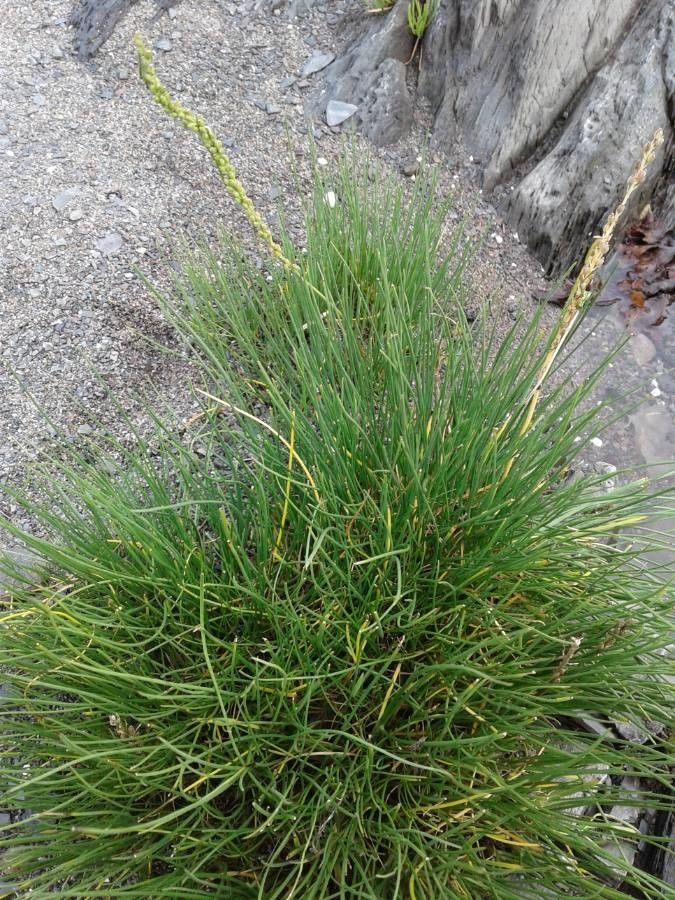
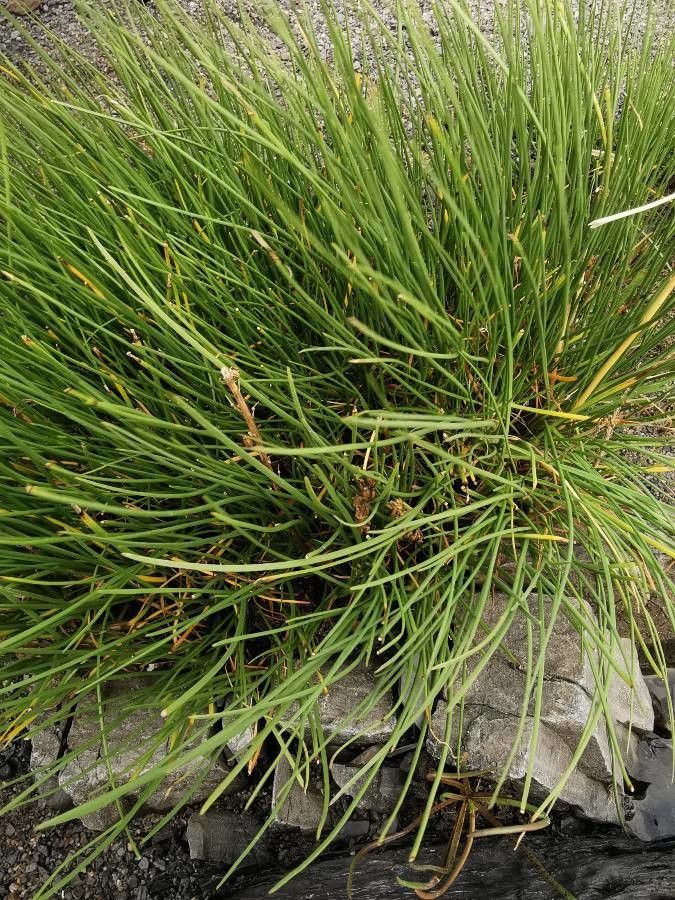
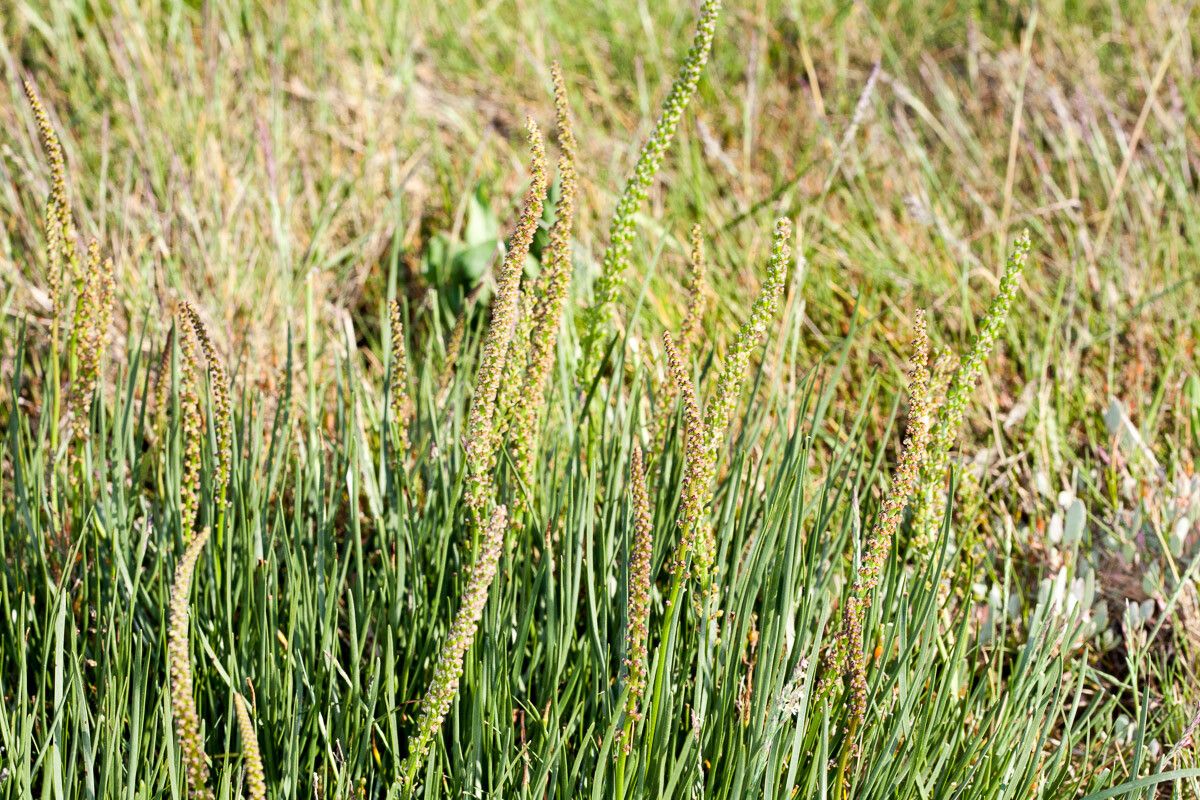
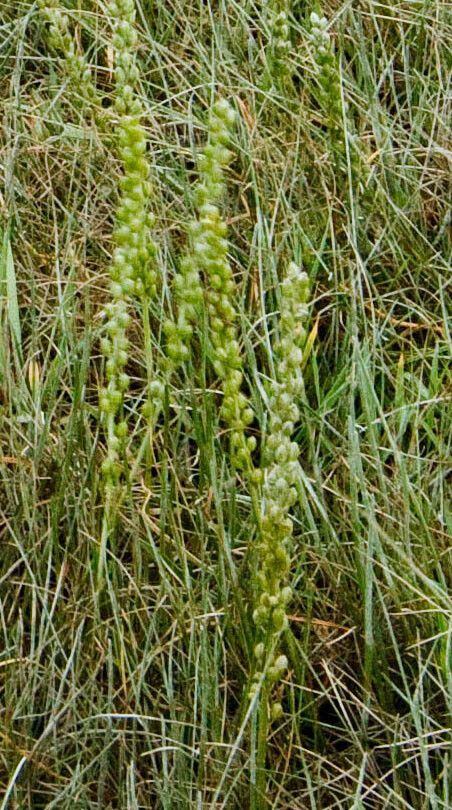
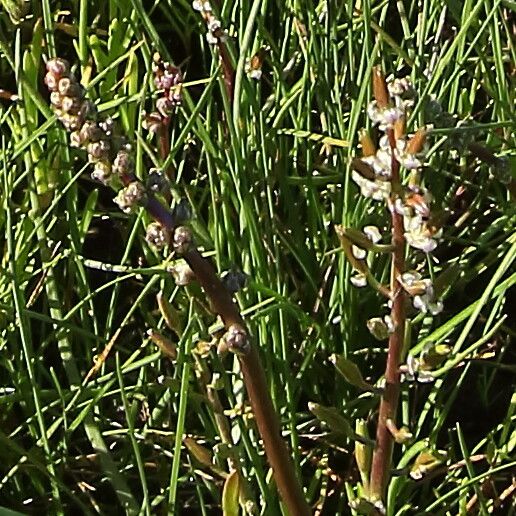
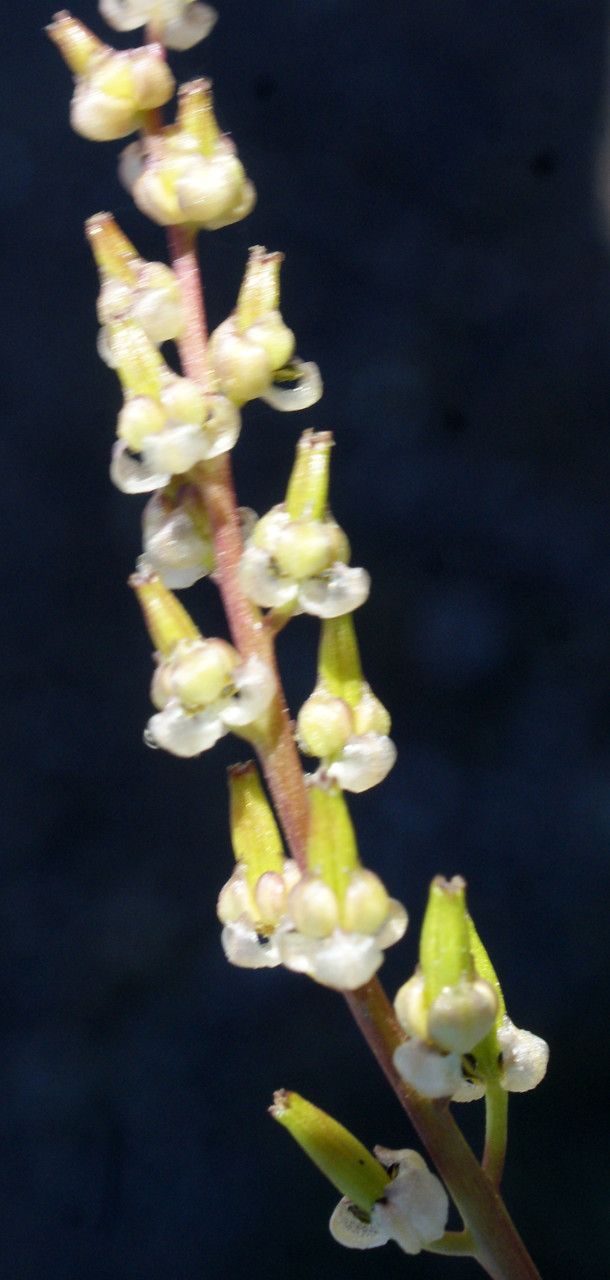
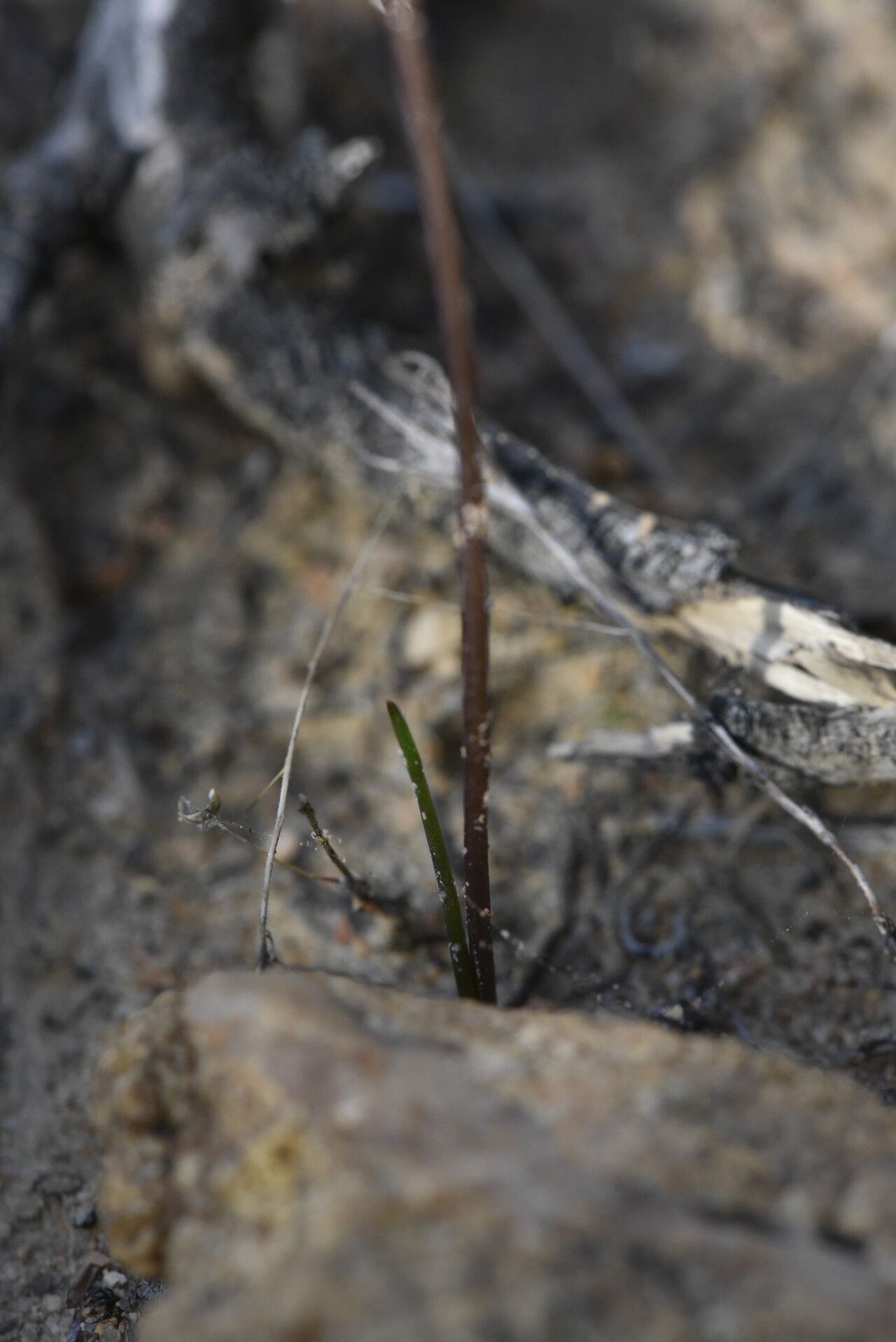
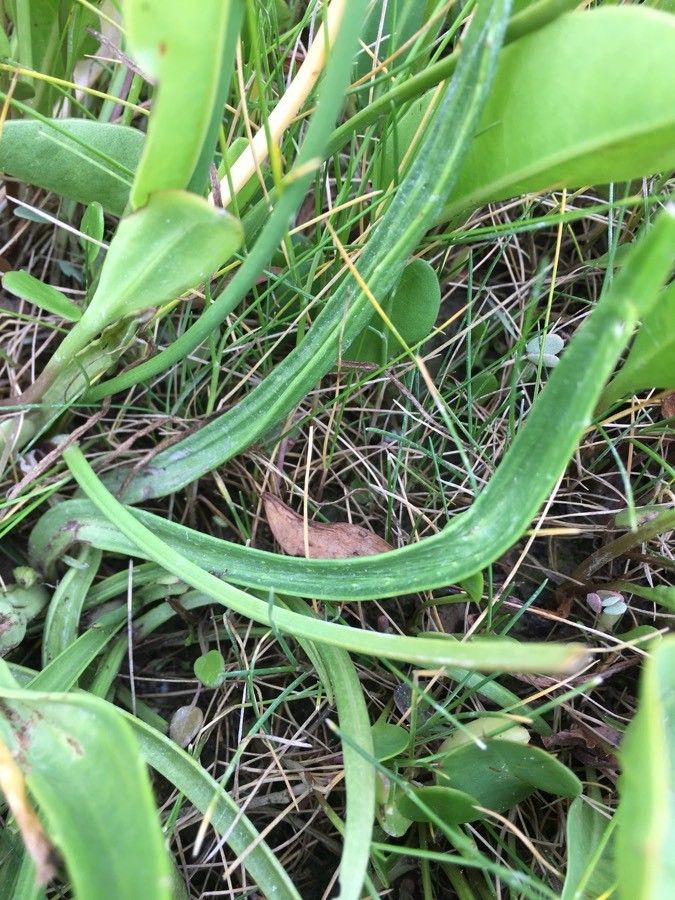
Triglochin maritima is a species of flowering plant in the arrowgrass family Juncaginaceae. It is found in brackish marshes, freshwater marshes, wet sandy beaches, fens, damp grassland and bogs. It has a circumboreal distribution, occurring throughout the northern Northern Hemisphere. In the British Isles it is common on the coast, but very rare inland.
Seaside arrowgrass is fairly resistant to diseases and typically does not suffer from them. Still, it can be affected by pests and diseases present in its environment. When infections occur, they are generally mild. Regarding care, this plant needs a moderate level of maintenance. Regular pruning is necessary to preserve a neat appearance and support healthy growth. Applying fertilizer can also encourage blooming. Seaside arrowgrass is appropriate for anyone who has outdoor space, such as a garden or patio, and it does not demand extensive care experience. It may need extra attention if cultivated indoors.
How to keep Triglochin Maritima.
Light
Seaside arrowgrass is native to habitats with abundant sunlight, such as the shallow margins of ponds and lakes. It prefers full sun, but can also tolerate partial sun.
Water
Seaside arrowgrass naturally grows in salty coastal areas and does well in environments where water levels change. To mimic its natural wet-dry cycles, it should be watered weekly. During its active growth season, it thrives with consistent soil moisture, which helps support its development.
Temperature
Seaside arrowgrass is a sturdy native that performs well in temperatures of 41 to 90 °F (5 to 32 ℃). It favors cooler maritime climates but can cope with hotter periods when necessary. To help your seaside arrowgrass do well, protect it from freezing conditions and extreme heat.
Pruning
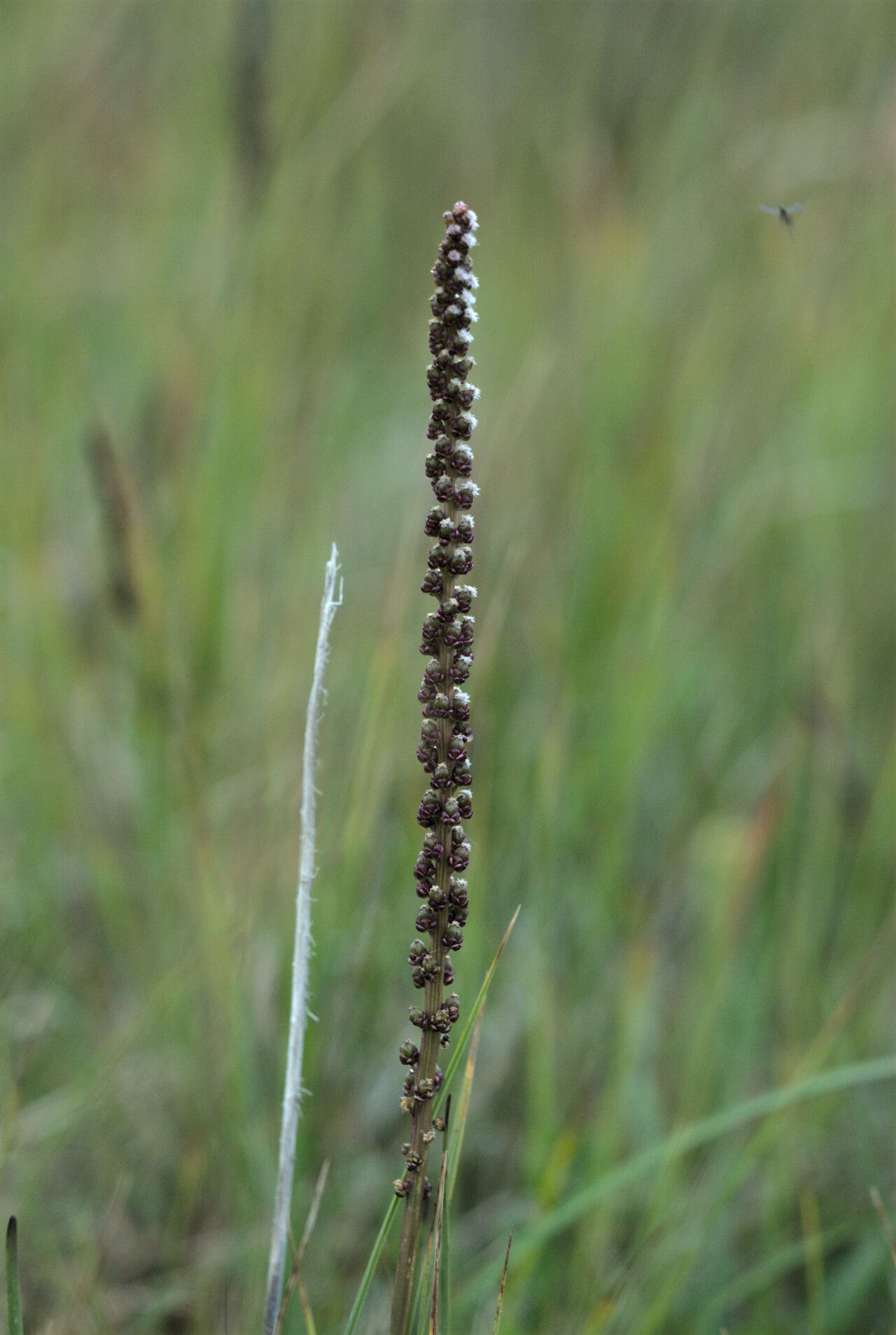
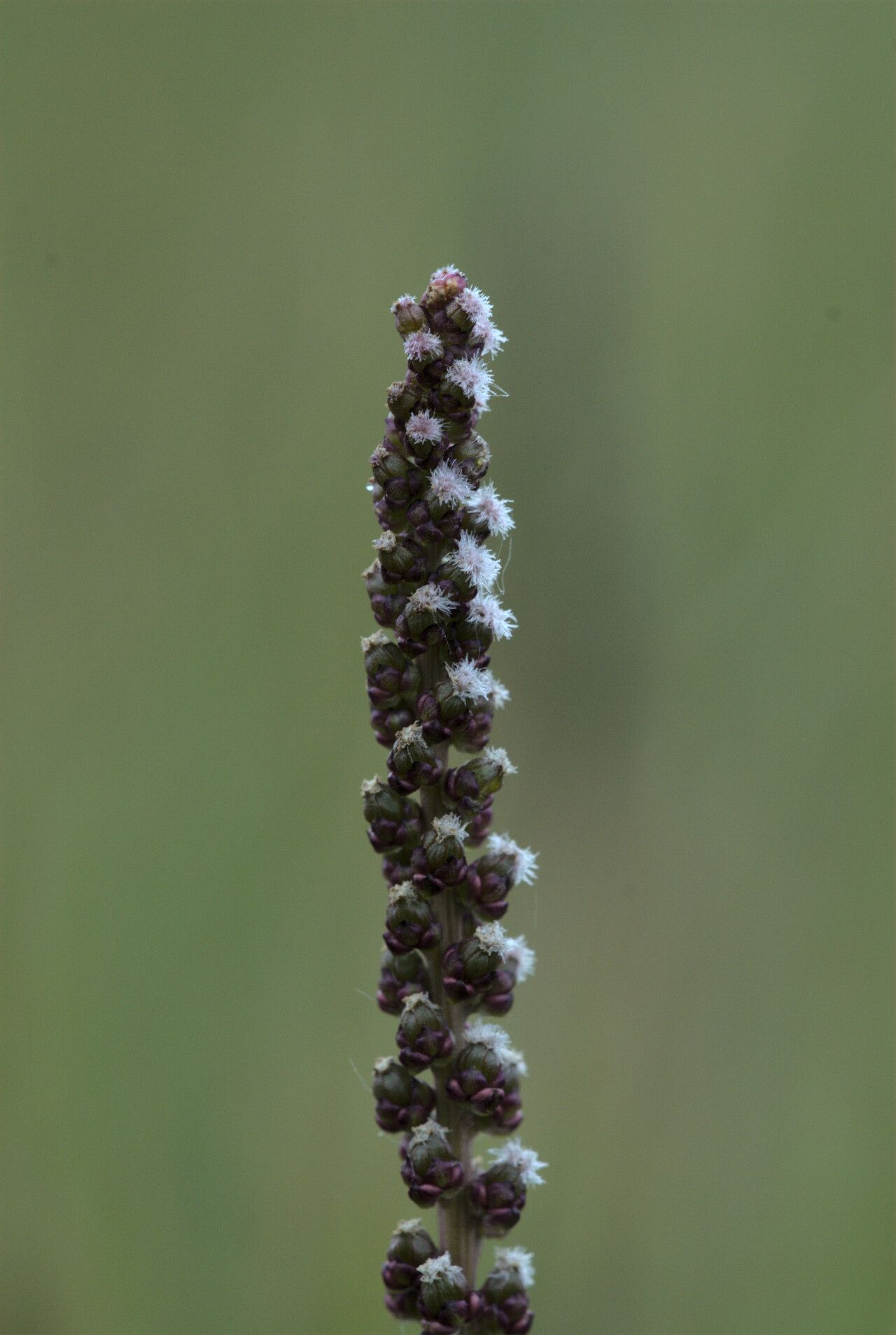
Seaside arrowgrass has slender leaves and small green flowers, and it thrives when pruned from early to late spring. To encourage vigorous growth, trim away old growth, remove any damaged parts, and thin out crowded areas to improve airflow. Always use clean, sharp tools to minimize stress on the plants and promote healthy growth.
Botanical profile.
- Plant Type
- Herb
- Life Cycle
- Perennial
- Genus
- Triglochin
- Family
- Juncaginaceae
- Hardiness Zone
- 4-8
- Mature Height
- 30 cm to 61 cm
- Mature Spread
- 61 cm
- Leaf Color
- Dark Green
- Leaf Type
- Deciduous
- Flower Color
- White, Yellow, Green, Purple
- Flower Size
- 0.20 cm
- Bloom Time
- Late spring, Early summer, Mid summer
- Planting Time
- Spring, Summer, Autumn
- Harvest Time
- Mid summer, Late summer, Early fall
- Native Area
- Turkey, Sweden, India, Austria, Mexico, Slovakia, Montenegro, Pakistan, Slovenia, Croatia, Belarus, Russia, Germany, Iceland, Estonia, Koppen, Romania, Latvia, South Korea, Belgium, Netherlands, Nepal, Portugal, France, Tajikistan, Tunisia, Czech Republic, Bulgaria, Armenia, Poland, Ukraine, China, Lithuania, Norway, Afghanistan, Kyrgyzstan, Kazakhstan, Italy, Spain, Bolivia, Denmark, Japan, Mongolia, Finland, Bhutan, Iran, Ireland, United Kingdom, Hungary, Algeria, Azerbaijan
Other names.
Reader questions.
How can I water my Seaside arrowgrass in the most effective way?
To properly water the Seaside arrowgrass, it is recommended to use filtered water at room temperature. This is because tap water may contain harmful particles for the plant. Moreover, the water should be at room temperature or slightly warmer since this plant is accustomed to warm environments, and cold water can be a shock to its system. Additionally, it is best to avoid overhead watering as it can lead to foliage problems. Instead, it is sufficient to apply the filtered room temperature water directly to the soil until it is thoroughly soaked. This helps to moisturize the roots and support their spread through the soil and absorption of necessary nutrients.
What is Seaside Arrowgrass and where does it thrive?
Seaside arrowgrass, botanically known as Triglochin maritima, is a hardy native plant adept at thriving in temperatures ranging from 41 to 90 °F (5 to 32 °C). It is well-suited to cooler maritime climates but is capable of adjusting to hotter periods as necessary. The plant flourishes best when protected from freezing weather and extreme heat. It demonstrates strong resistance to cold, hence special frost protection measures are generally not required during winter. However, in extremely cold conditions where temperatures are expected to drop below -30°C, it is crucial to safeguard the plant using insulating materials like soil or straw and to water it abundantly before the first freeze in autumn to maintain soil moisture.
What should I do if I give my Seaside arrowgrass too much or too little water?
Caring for your Seaside arrowgrass requires avoiding both overwatering and underwatering, but overwatering is a more common issue. When this happens, the stems and leaves may wilt and turn yellow. Overwatering for too long can also lead to diseases like root rot, mold, and mildew, which can be fatal to the plant. Underwatering is less likely, as this plant tolerates drought well. However, if it occurs, the leaves may become brittle and brown. It's important to catch signs of overwatering early, as some diseases may be irreversible if not addressed promptly. Reduce watering immediately if you notice these signs and consider using well-draining soil. Alternatively, if your Seaside arrowgrass shows signs of needing more water, simply increase your watering frequency until the signs improve.
How does Seaside Arrowgrass react to low temperatures?
Seaside Arrowgrass shows a notable tolerance to low temperatures, thriving optimally when the mercury stays above 5°C during winter months. It can generally endure temperatures down to -25°C without significant visible changes. However, when temperatures plummet below -30°C, the plant may exhibit a reduced capacity to sprout or may not sprout at all come spring. The recommended action in spring for any parts of the plant that have not sprouted is to remove them.
How often should I give water to my Seaside arrowgrass plant?
If your Seaside arrowgrass is in a pot, you can determine if it needs water by checking the soil. Stick your finger in the soil and if the top two to three inches are dry, it's time to water. The same method can be used if you're growing the plant outdoors in the ground. Once the top few inches of soil have dried out, it's time to water. In spring and early fall, watering once a week is often enough. However, during very hot weather, you may need to water twice a week or more. It's worth noting that mature, well-established Seaside arrowgrass can withstand periods of drought.
What should be done if Seaside Arrowgrass experiences high temperatures?
In periods of elevated temperatures during the summer, specifically above 32°C, Seaside Arrowgrass may show signs of stress such as leaves becoming lighter in color, curling, becoming prone to sunburn, or in extreme cases, the entire plant may wilt and dry out. To manage this, it is advisable to trim away the sunburned and dried parts of the plant. Relocating the plant to a shaded area or employing a shade cloth to protect it from the midday and afternoon sun can prevent further damage. Ensuring the plant is watered in the morning and evening to keep the soil moist is also crucial during high temperatures.
How much water does my Seaside arrowgrass plant need?
To properly water your Seaside arrowgrass, it's important to be generous with the amount of water you give. Make sure the top two to three inches of soil are dry before watering. It's best to thoroughly soak the soil, allowing excess water to drain through the pot's drainage holes. If you don't see any excess water draining, you might not be giving enough water. However, be cautious not to let water accumulate in the soil, as this can harm the plant. On the other hand, if water isn't draining properly, it could be a sign of poorly draining soil, which is harmful to the plant's health. If the plant is outdoors, approximately 1 inch of rainfall per week should be enough.
How should I water my Seaside arrowgrass when it is growing at different stages?
The water needs of the Seaside arrowgrass can vary depending on its growth stages. When the plant is in its early years or has recently been transplanted, it requires more water than usual. This is because during these stages, the plant focuses on developing new roots, which need extra moisture to support future growth. As the plant matures, it requires less water. However, another stage in which it may require more water is during the bloom period when the flower development utilizes a significant amount of moisture. Therefore, additional watering might be necessary during this time.
How do I water my Seaside arrowgrass throughout the year?
The Seaside arrowgrass has different water needs throughout the year. In the hottest months of summer, it will require the most water. Depending on how quickly the soil dries out, you may need to water the plant more than once a week during this time. On the other hand, during winter, the plant goes into a dormant phase and needs much less water than usual. In fact, you might not need to water it at all during the winter months. If you do decide to water it in winter, make sure to do so only about once a month. Overwatering during this period increases the likelihood of the plant getting a disease.
How is watering my Seaside arrowgrass different when it's inside versus outside?
Seaside arrowgrass is commonly grown indoors by gardeners living in non-temperate and non-tropical regions. When growing it in containers, keep in mind that the soil can dry out faster than soil in the ground. Additionally, factors like air conditioning can further contribute to the plant's need for more frequent watering compared to if it were planted outside. In such cases, watering the Seaside arrowgrass outdoors may not be necessary, especially if there is regular rainfall. However, if the plant is grown indoors, it will need to be watered more often since relying on rainfall to moisten the soil is not an option.