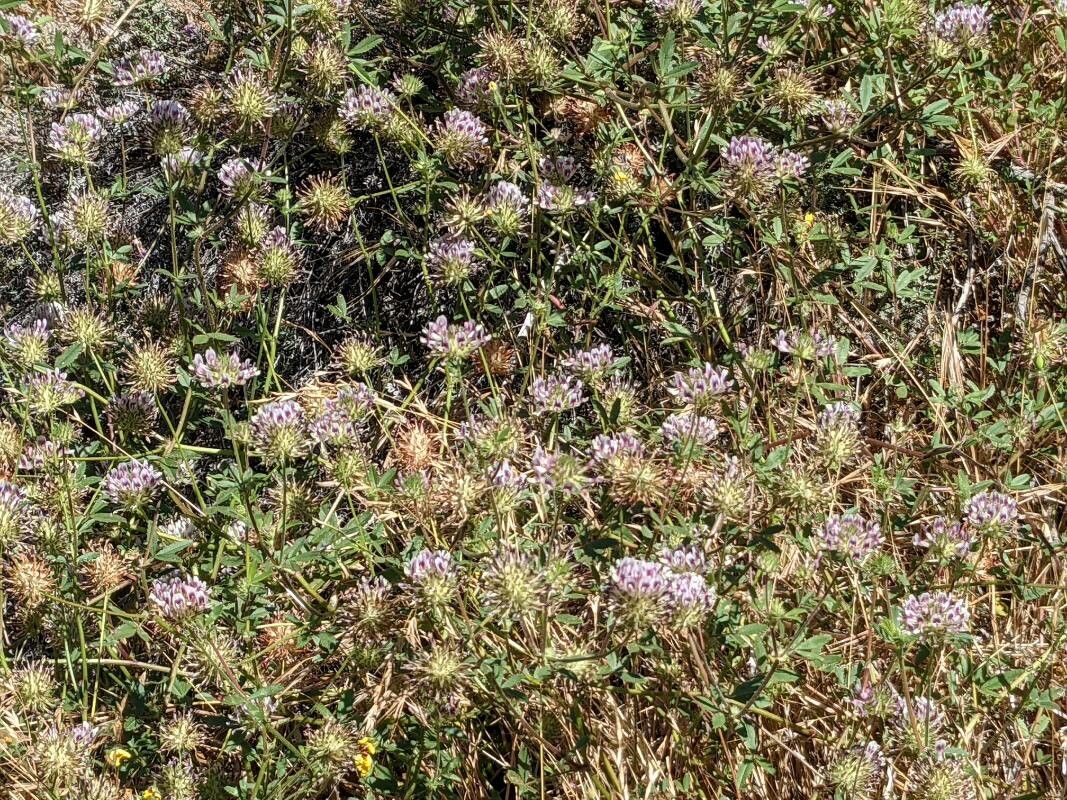
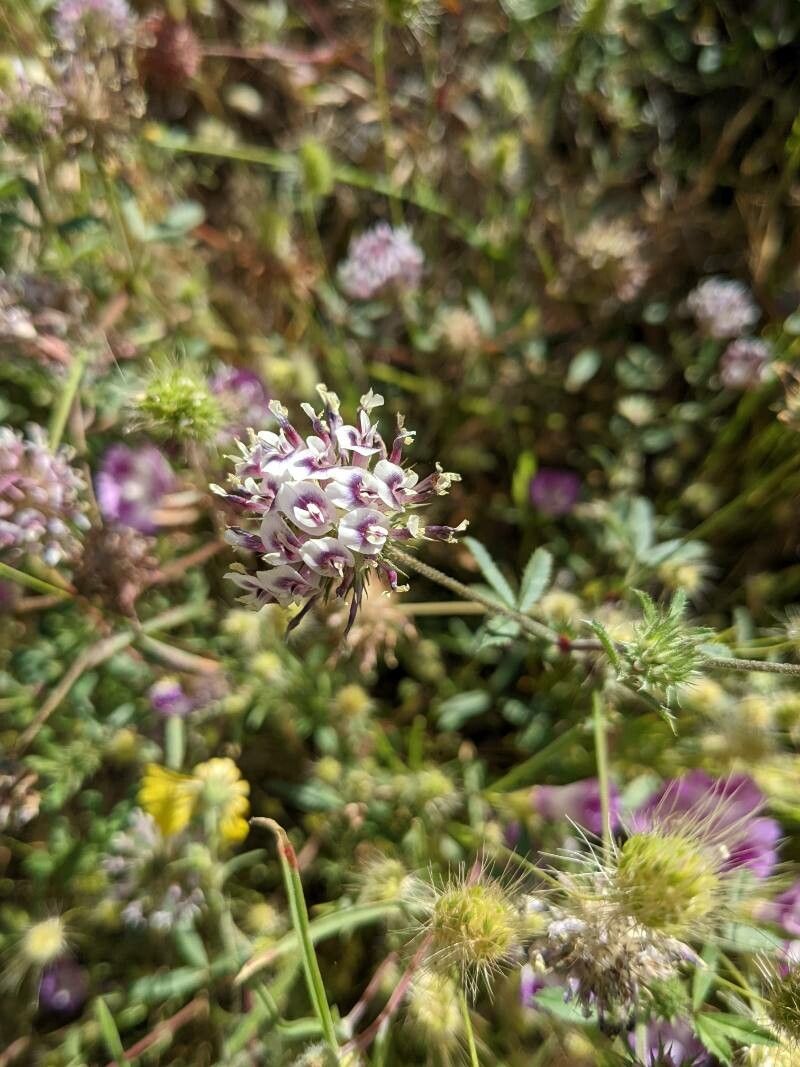
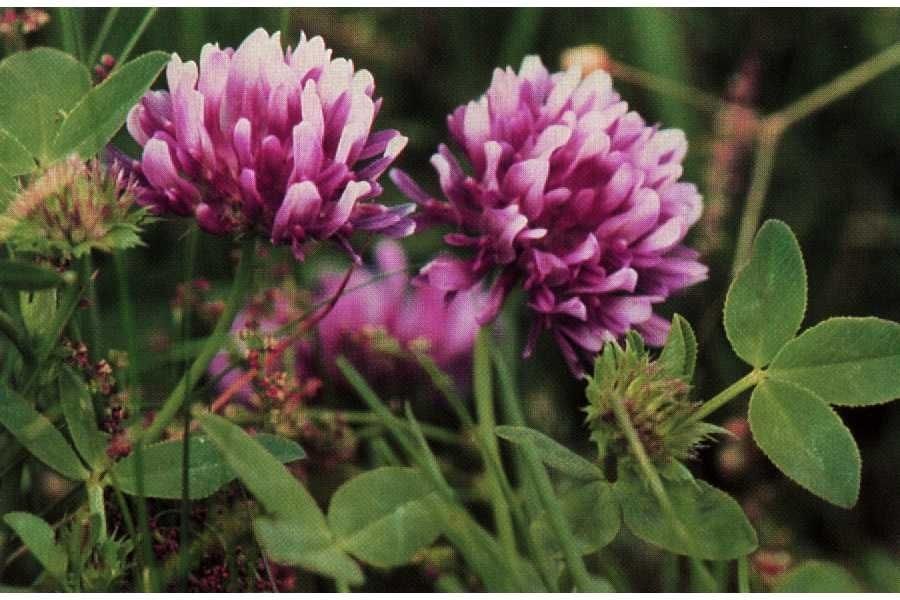
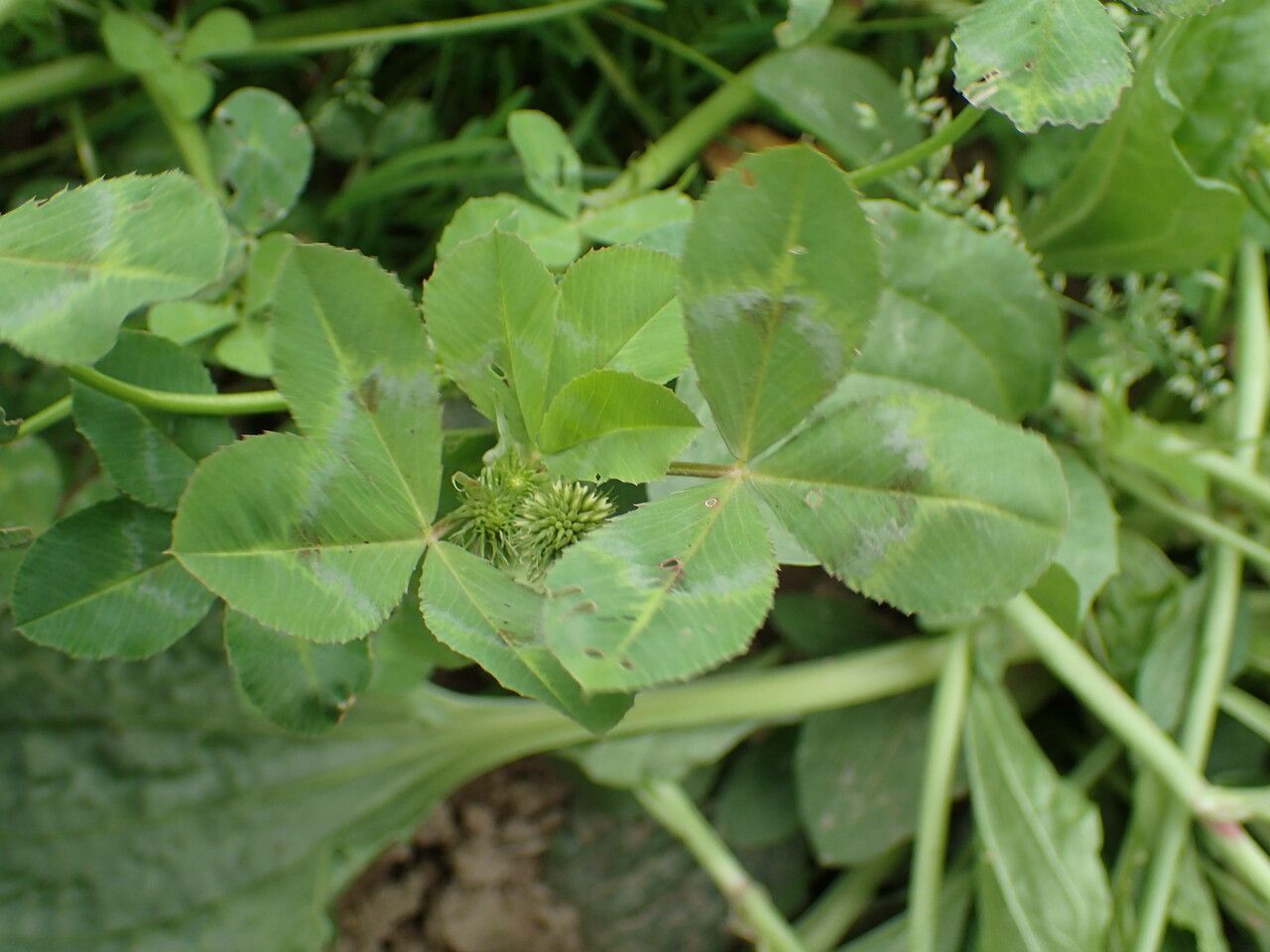
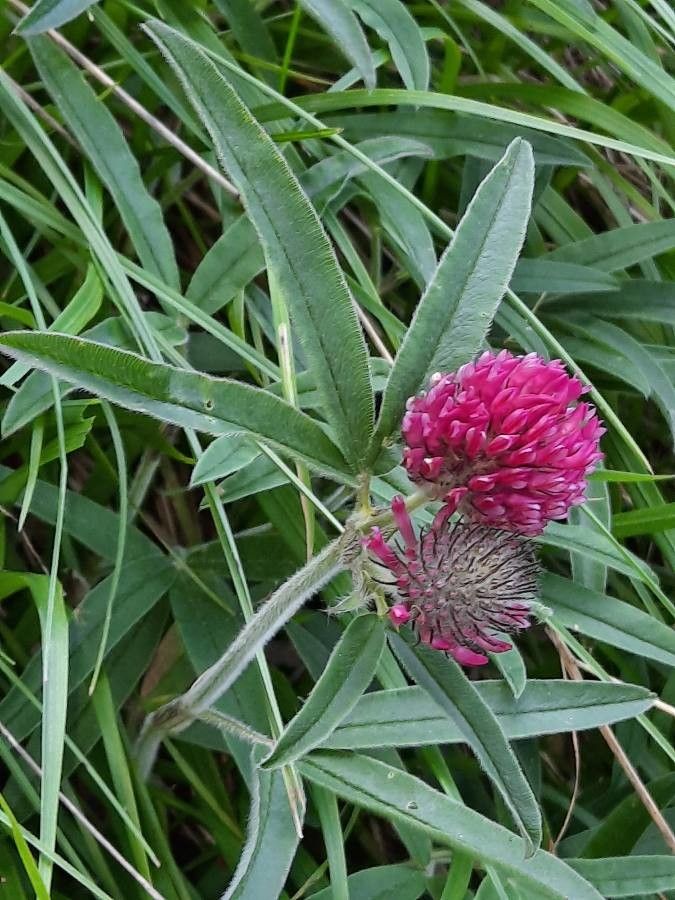
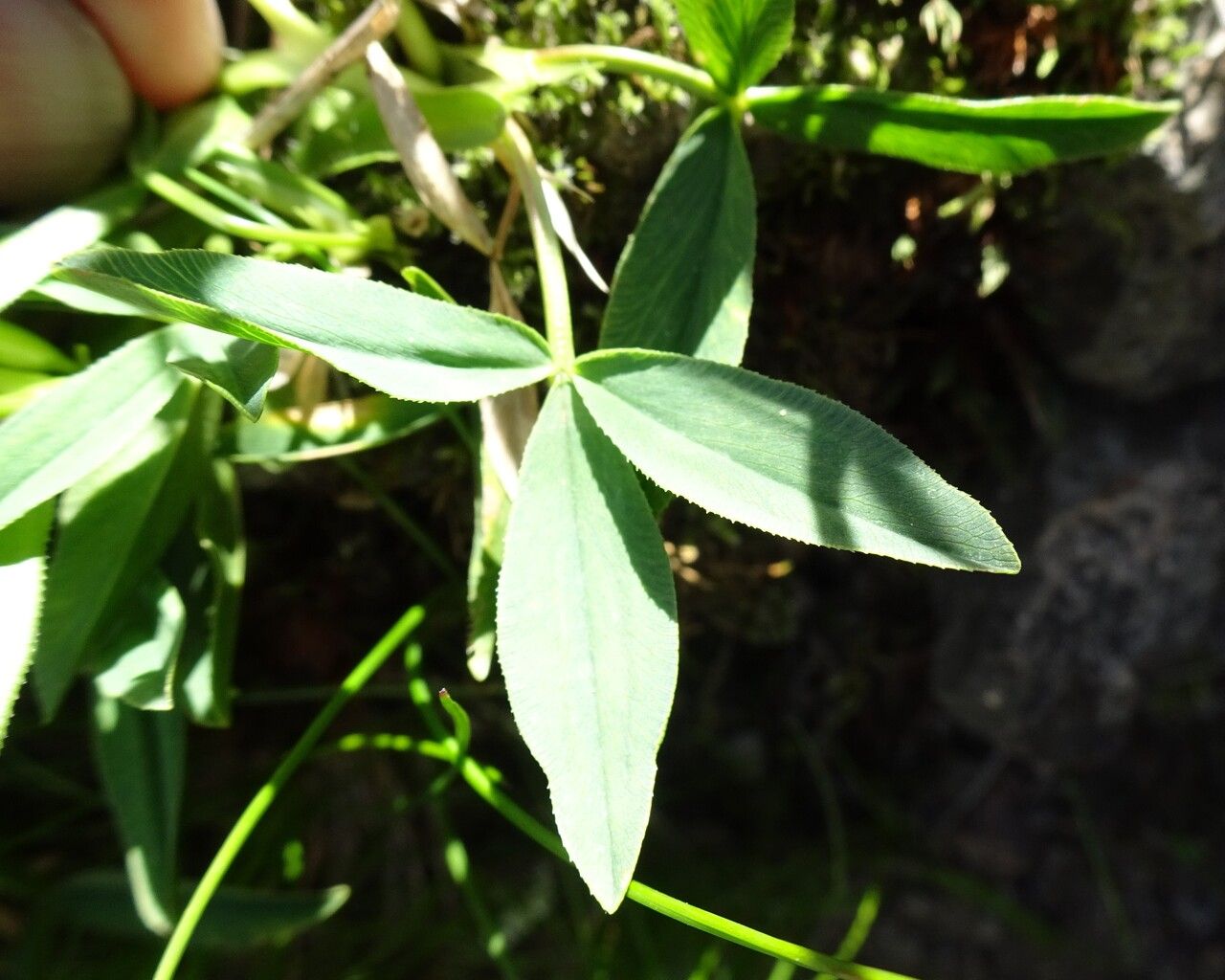
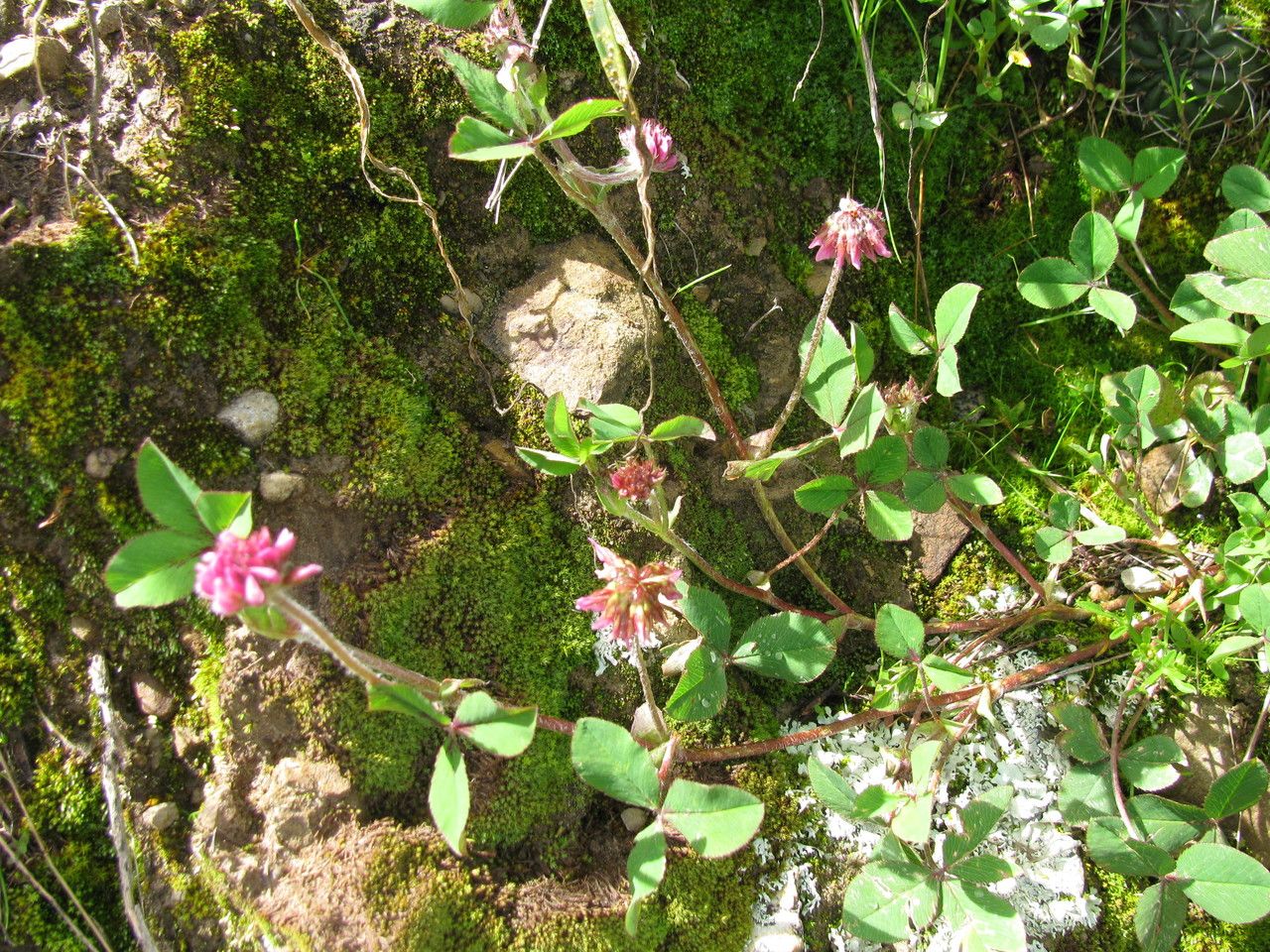
Trifolium wormskioldii is a species of clover native to the western half of North America. Its common names include cows clover, coast clover, sand clover, seaside clover, springbank clover, and Wormskjold's clover.
Cows clover has good resistance to disease and is generally not susceptible to illnesses. However, it can be vulnerable to pests and diseases present in its surroundings. These infections are typically not severe. In terms of care, this plant requires moderate maintenance. It should be pruned regularly to maintain a good appearance and healthy growth. Fertilization can also help encourage flowering. Cows clover is suitable for anyone with outdoor space, such as a garden or patio, and does not demand much experience in plant care. It may need more attention when grown indoors.
How to keep Trifolium Wormskioldii.
Light
Cows clover does best in sites that receive full sun throughout the day, though it can also tolerate places where sunlight is partially blocked. Insufficient light can limit its growth, while excessive exposure may harm the plant. Its native habitat presents these light conditions.
Water
Cows clover flourishes in moist meadows and coastal areas, where it needs consistent watering to thrive. To ensure its lush growth, it is important to water it weekly. This herbaceous perennial benefits from natural rainfall, and the soil should retain moisture to promote its health and seasonal growth.
Temperature
Cows clover is native to habitats with temperatures between 68 and 95°F (20 and 35℃). It typically favors warm conditions. In cooler seasons, measures should be taken to keep the surrounding environment warmer.
Fertilizer
The best time to fertilize Cows clover is in early spring, as it comes out of dormancy and starts active growth. Fertilization supplies essential nutrients for healthy development. Although Cows clover has comparatively low fertilizer requirements, applying fertilizer annually can improve its survival and promote better, longer-lasting flowers.
Pruning
Cows clover has a spreading growth habit and produces flowers with a hint of purple. To shape the plant and encourage healthy growth, prune it from early to late spring. Be sure to remove any dead stems and thin out crowded areas to improve air circulation. Proper pruning will enhance flowering and help prevent disease. However, take care not to over-prune, as this can hinder the plant's growth.
Botanical profile.
- Plant Type
- Herb
- Life Cycle
- Perennial, Annual
- Genus
- Trifolium
- Family
- Fabaceae
- Hardiness Zone
- 6
- Mature Height
- 1.22 m
- Mature Spread
- 61 cm
- Leaf Color
- Green, Dark Green
- Leaf Type
- Semi-evergreen
- Flower Color
- Purple, Pink
- Flower Size
- 2.03 cm to 3.05 cm
- Bloom Time
- Late spring, Early summer, Mid summer
- Planting Time
- Spring
- Harvest Time
- Mid summer, Late summer, Early fall
- Native Area
- Mexico
Other names.
Reader questions.
How should I water my cows' clover?
To properly water the Cows clover, it is important to follow a couple of guidelines. Firstly, it is recommended to use filtered water at room temperature. This is because tap water may contain harmful particles that can negatively affect the plant's health. Additionally, the water temperature should be at room temperature or slightly warmer. This is because Cows clover is accustomed to warm environments, and exposing it to cold water can be a shock to its system. Another important point is to avoid overhead watering. This can cause complications with the plant's foliage. Instead, it is advised to directly apply the filtered room temperature water to the soil until it is completely soaked. By doing so, the roots will receive the necessary moisture and be able to spread throughout the soil, collecting the nutrients they require for healthy growth.
What are the sunlight requirements for Cows clover?
Cows clover thrives best in areas that receive maximum sunlight throughout the day, making full sun exposure ideal, which is above 6 hours of direct sunlight. It can also adapt to partial sun conditions, which means about 3-6 hours of sunlight. However, to ensure the plant's happiness and health, it's important to observe how sunlight moves through your garden over time and select locations that offer a successful balance of light and shade.
What is the native environment of Cows clover?
Cows clover, scientifically known as Trifolium wormskioldii, thrives in environments where temperatures range between 68 to 95°F (20 to 35°C). It generally prefers warm conditions, indicating its native adaptation to such climates.
What do I do if I give my cows too much or too little water for their clover?
Both overwatering and underwatering can harm the health of your Cows clover, but overwatering is more common. When this plant gets too much water, its stems and leaves may wilt and turn yellow. Overwatering for a long time can also cause diseases like root rot, mold, and mildew, which can kill your plant. Underwatering is less likely because Cows clover can tolerate drought. However, it can still happen, and in that case, the leaves will become brittle and brown. It's important to recognize signs of overwatering early when caring for your Cows clover. Some overwatering diseases, like root rot, may not be fixable if you wait too long. If you notice early signs of overwatering, reduce watering immediately. Check the quality of the soil where your Cows clover is growing. If the soil doesn't drain well, replace it with a loose, well-draining potting mix. If you see signs of underwatering, simply increase watering until the signs go away.
Can Cows clover adapt to different lighting conditions?
Yes, Cows clover can adapt to varying lighting conditions. It naturally prospers in full sun but can also adjust to partial sun where sunlight is somewhat obstructed. While underexposure to sunlight may impede its growth, overexposure could also damage the plant. Its origin habitat has molded it to be versatile with such light conditions. For indoor plants lacking natural sunlight, artificial lighting serves as a critical solution, promoting faster, healthier growth. LED lights are a popular choice, providing the necessary wavelengths of light. Full sun plants typically need 30-50W/sq ft, partial sun plants 20-30W/sq ft, and full shade plants 10-20W/sq ft of artificial light.
How does Cows clover handle cooler and winter seasons?
Cows clover is notably cold-tolerant, not requiring additional frost protection measures during winter. However, to prepare it for winter, it's recommended to water the plant generously before the first freeze of autumn. This ensures the soil is moist when it enters a frozen state, aiding in the prevention of drought and water scarcity for the plant during winter and early spring.
How often do I need to give water to my cows' clover?
If your Cows clover is in a pot, the best way to check if it needs water is by sticking your finger into the soil. If the top two to three inches of soil feel dry, it's time to water it. The same method applies if you're growing your Cows clover outdoors in the ground. Once the first few inches of soil have dried out, it's time to water it. Usually, during spring and early fall, watering once a week using this method is sufficient. However, on extremely hot days, you may need to water it twice a week or even more. Nevertheless, mature and well-established Cows clover plants can withstand dry spells impressively.
What are the symptoms of inadequate lighting in Cows clover?
When Cows clover doesn't receive enough light, it might display several symptoms, including smaller new leaves, leggy or sparse growth, faster leaf drop, slower or stopped new growth, and lighter-colored new leaves. Excessive sunlight can also lead to issues like chlorosis, where leaves lose their green color and turn yellow, sunscald that damages plant tissue, leaf curling as a defense mechanism to minimize water loss, wilting due to increased transpiration, and leaf scorching, indicative of brown, dry edges on leaves. These symptoms highlight the plant's struggle with light conditions, whether too little or too much.
What should be done if Cows clover experiences low temperatures below -25°C?
While Cows clover is extremely cold-tolerant, temperatures below -25°C can lead to a decrease in sprouting or no sprouting at all during spring. If this occurs, it is advised to remove any parts of the plant that have failed to sprout in spring to encourage new growth.
How much water does my cow's clover need?
When watering your Clover Cow plant, it's important to be generous with the amount of water you give. Make sure the top 2-3 inches of soil are dry before watering and then give it a thorough soaking so that the water reaches all parts of the soil. It's a good sign if you see excess water draining out of the pot through the drainage holes. If you don't see any excess water draining, it means you haven't given enough water. However, be careful not to let water accumulate in the soil as it can harm the plant. On the other hand, if you notice that water is not draining properly from the pot, it may indicate that the soil doesn't drain well, which can be harmful to the plant's health. If your plant is outdoors, about 1 inch of rain per week should be enough.
How can I manage light conditions for Cows clover indoors and outdoors?
To manage light conditions effectively for Cows clover, gradually acclimate the plant to its ideal lighting conditions. Indoors, move the plant closer to a south-facing window, ensuring it gets at least 6 hours of direct sunlight. If the plant is large or difficult to move, consider using artificial lights like desk or ceiling lamps for a minimum of 8 hours daily, or opt for professional grow lights. Outdoors, select the best spot for sunlight and move your plants gradually to avoid shock. If parts of your plant have suffered from low light, they may not recover, but new growth will be healthy once conditions improve. Additionally, for ground plants, reducing obstructions such as pruning tree branches or transplanting can help maximize sunlight exposure.
How does Cows clover react to high temperatures, and what measures should be taken?
Cows clover is not tolerant of high temperatures. Growth will halt and the plant becomes more susceptible to rot if the temperature exceeds 35°C. To mitigate damage, trim away sunburned and dried-up parts. Moving the plant to a shaded location or using a shade cloth can protect it from the intense midday and afternoon sun. Additionally, watering the plant in the morning and evening helps keep the soil moist, preventing further stress.