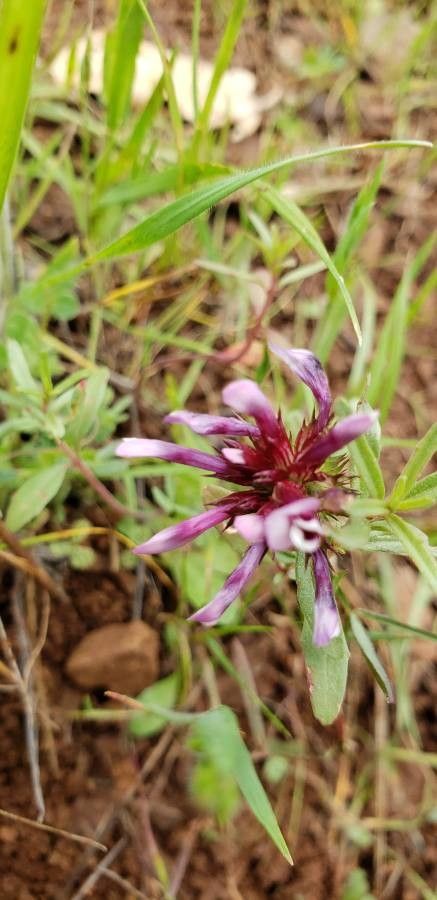
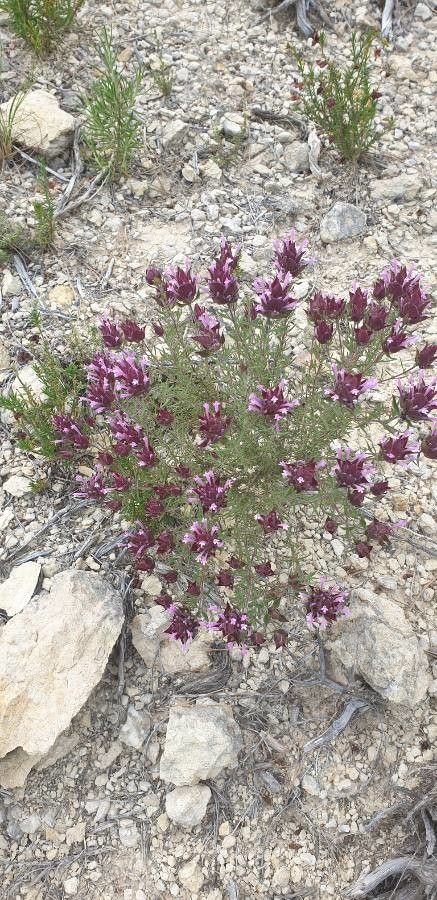
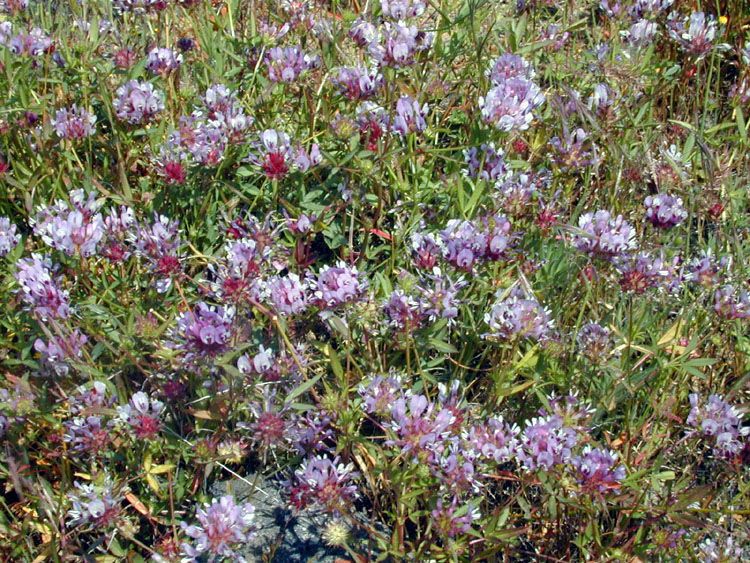
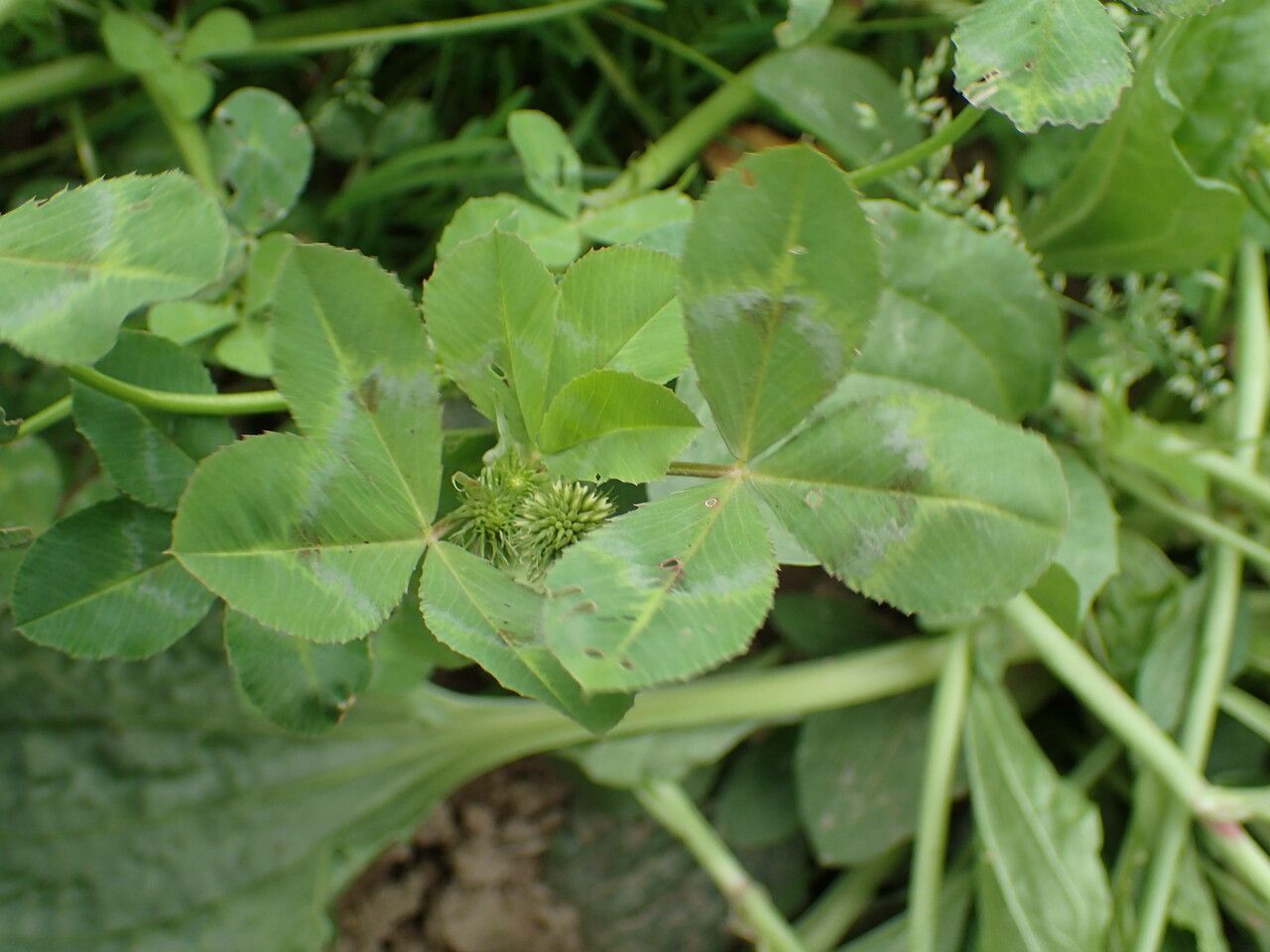
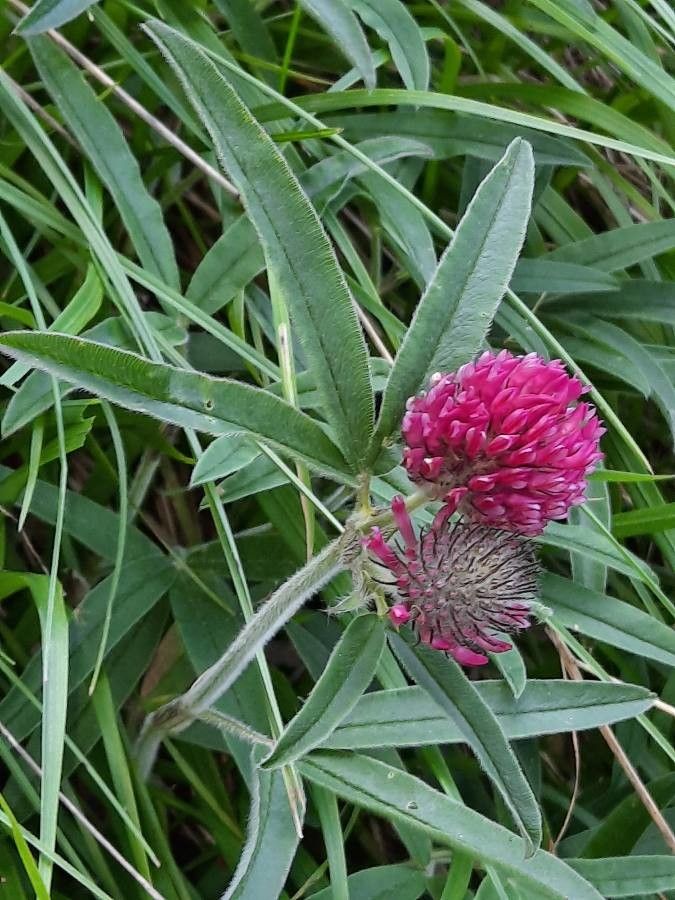
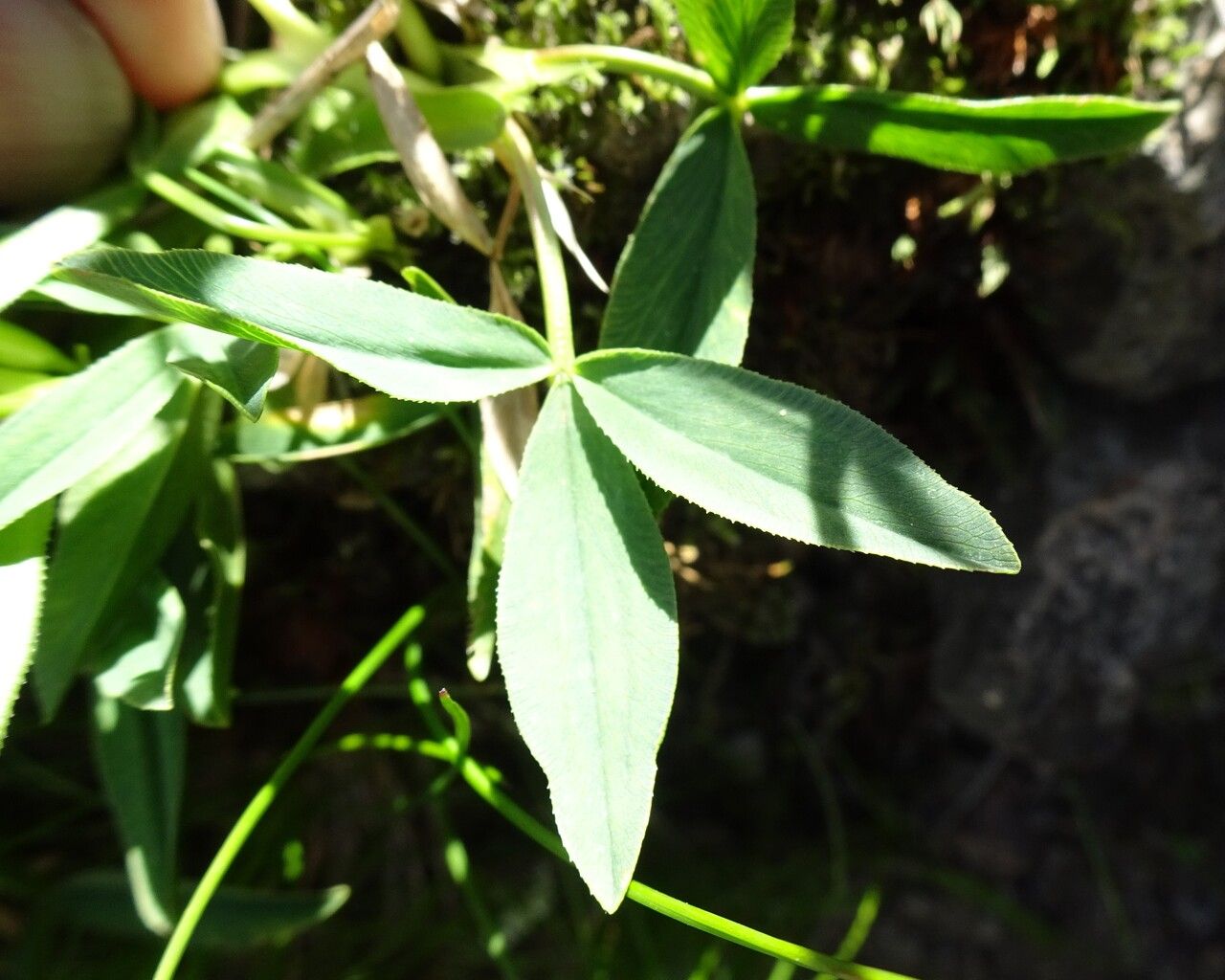
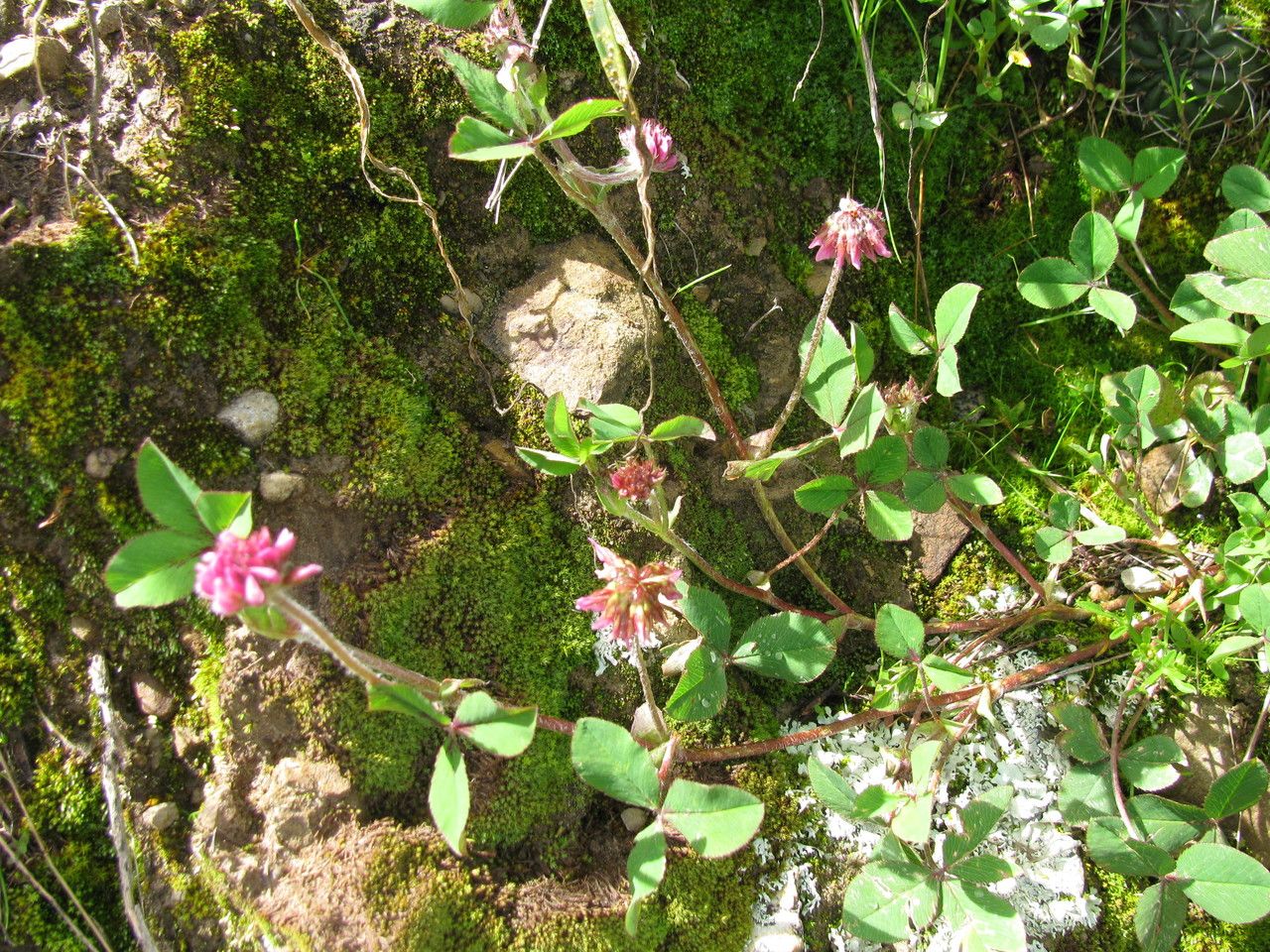
Trifolium willdenovii, the tomcat clover, is a species of plant in the pea family Fabaceae. This species occurs in the western part of North America. As an example occurrence, it is found in the California Coast Ranges in such places as Ring Mountain, California, where it is found in association with cup clover.
Tomcat clover shows strong resistance to diseases and typically doesn’t suffer from them. However, it can be vulnerable to pests and diseases present in its surroundings. Such infections are generally mild. Care-wise, the plant needs moderate maintenance. It should be pruned regularly to preserve a neat appearance and support healthy growth. Applying fertilizer can also encourage flowering. Tomcat clover is suitable for anyone with an outdoor area, such as a garden or patio, and doesn’t require extensive care experience. It may need more attention when grown indoors.
How to keep Trifolium Willdenovii.
Light
Tomcat clover favors plentiful sunlight for healthy growth and can tolerate moderate sun exposure. Native to environments known for strong light, it does best with ample illumination. Both too little and too much light can hinder its development and cause health problems.
Water
Tomcat clover flourishes in moderate climates, needing occasional watering—ideally once a week—to stay healthy. It prefers soil that is consistently moist but not waterlogged. Its growth is influenced by rainfall, which means you can water it less often during wet seasons. This makes tomcat clover a great choice for gardeners looking for a low-maintenance plant.
Temperature
Tomcat clover can tolerate a wide range of temperatures, but its distribution can still be restricted by different combinations of moisture and heat. It does best in warm summer climates with sufficient rainfall or irrigation. Extended periods of cloudy, rainy weather, as well as prolonged high temperatures, increase the risk of Tomcat clover dying. In winter, adequate protection from cold can enhance the plant's survival.
Fertilizer
When most of Tomcat clover's blooms have opened to full size, resume fertilizing. Begin feeding the plant around peak bloom, applying fertilizer once every three to four weeks as weather allows. Then, when Tomcat clover starts producing fewer new blooms, stop fertilizing; there is no need to feed it if it can no longer produce more blooms.
Pruning
The hardy tomcat clover, a type of leguminous plant, benefits greatly from regular pruning, which is most effective from early to late spring. Removing dead stems promotes healthier growth and improves air circulation, which helps reduce the risk of disease and enhances the plant's appearance. Regular maintenance not only boosts the quality of the blooms but also extends their longevity, ensuring a vibrant display throughout the growing season.
Botanical profile.
- Plant Type
- Herb
- Life Cycle
- Annual
- Genus
- Trifolium
- Family
- Fabaceae
- Hardiness Zone
- 7-10
- Mature Height
- 15 cm to 61 cm
- Mature Spread
- 20 cm to 91 cm
- Leaf Color
- Green, Dark Green
- Leaf Type
- Deciduous
- Flower Color
- Purple, Pink
- Flower Size
- 1.02 cm to 3.05 cm
- Bloom Time
- Mid spring, Late spring, Early summer
- Planting Time
- Spring, Autumn
- Harvest Time
- Summer
- Native Area
- Mexico
Other names.
Reader questions.
How should I water my Tomcat clover plant to keep it healthy?
To water Tomcat clover, you have various options such as using a garden hose with a spray nozzle, a watering can, or any other common watering tool. Tomcat clover is not too particular about the type of water it receives, whether it's rainwater, tap water, or filtered water. It's generally better not to water this plant from above as it can harm the leaves and flowers and potentially lead to disease. An effective method for watering is to set up a drip irrigation system, which evenly and directly applies water to the soil. When watering a container-grown Tomcat clover, you can use a cup, watering can, or tap to directly water the soil.
What are the sunlight requirements for Tomcat clover?
Tomcat clover requires full sun, which means it should receive above 6 hours of sunlight daily. It can also endure partial sun, with about 3-6 hours of sunlight. It is important to monitor how sunlight moves through your garden to ensure that Tomcat clover is planted in a location that provides the perfect balance of light and shade, ensuring the plant's health and happiness.
What is the name of the plant?
The plant is known as Tomcat clover.
What should I do if I give my Tomcat clover too much water or too little water?
To prevent underwatering Tomcat clover, it's important to water it regularly when you notice it lacking moisture. Overwatering, on the other hand, can be more serious as it may lead to diseases and the decline of the plant. To avoid this, choose a growing location with plenty of sunlight and good drainage to prevent water from pooling. If you overwater Tomcat clover in a pot, consider transferring it to a new pot with loose soil and efficient drainage.
What essentials should I know about Tomcat clover's growth?
Tomcat clover thrives best under extensive sun exposure, which is vital for its sound growth. Originating from habitats with abundant light, it performs optimally when it receives substantial illumination. However, both insufficient and excessive light can impede its development, leading to various health issues. For indoor plants that can't receive natural sunlight, artificial lighting serves as a crucial alternative. It's recommended to use LED lights that can be customized to provide the specific wavelengths of light needed by the plant. Full sun plants need 30-50W/sq ft of artificial light, partial sun plants need 20-30W/sq ft, and full shade plants require 10-20W/sq ft. The artificial light source should be placed 12-36 inches above the plant to mimic natural sunlight and should be kept on for 8-12 hours per day.
What is the botanical name of Tomcat clover?
The botanical name of Tomcat clover is Trifolium willdenovii.
How often should I give water to my Tomcat clover plant?
To ensure the health of your Tomcat clover throughout the growing season, regular watering is necessary. In the spring, you should water the plant once a week. As the season progresses and it gets warmer, you may need to increase watering frequency to two or three times per week. However, watering the plant too much can be harmful. It's important to keep the soil moist but not wet. When it comes to Tomcat clover in pots, you'll need to water more frequently compared to plants in the ground. This is because potted soil can dry out faster. In most cases, watering a container-grown Tomcat clover a few times per week is recommended, rather than just once per week for an in-ground plant.
What are the symptoms of light deficiency in Tomcat clover?
When grown indoors with inadequate light, Tomcat clover may exhibit several symptoms of light deficiency. These include small leaves (new leaves growing smaller in size compared to mature ones), leggy or sparse growth (long spaces between leaves or stems), faster leaf drop (shedding older leaves early to conserve resources), slower or no new growth, and lighter-colored new leaves indicating a lack of chlorophyll. Excessive sunlight can also lead to issues such as chlorosis (leaves losing their green color), sunscald (damage from intense sunlight exposure), leaf curling (as a defense mechanism against excessive sunlight), wilting (due to increased water loss), and leaf scorching (brown, dry, and crispy leaf edges).
How much water does my cat Clover need?
Determining the right amount of water to give your Tomcat clover can be approached in a few different ways. One option is to assess the moisture level of the soil by feeling it. This method suggests watering until the top six inches of soil feel moist. Another approach is to use a specific measurement. As a general guideline, providing around two gallons of water per week should suffice, taking into account factors such as temperature and how quickly the soil dries out. However, strict adherence to this guideline may result in overwatering if your plant requires less water. When growing Tomcat clover in a container, a different method is needed. In this case, it is recommended to water enough to moisten all layers of dry soil. You can test for moisture by inserting your finger into the soil or by watering until a small amount of excess water drains from the pot's drainage holes.
How can I address light-related issues in Tomcat clover?
For indoor Tomcat clover plants experiencing light deficiency, gradually move them to a sunnier location each week until they receive at least 6 hours of sunlight daily. Keep curtains open during the day for maximum exposure. Using artificial light, such as desk or ceiling lamps for at least 8 hours a day, or investing in professional plant grow lights, can also help. For outdoor plants, moving them to a sunnier spot gradually is essential to prevent sunburn. Pruning branches and leaves that block sunlight and transplanting smaller plants to locations with more sunlight and good drainage are effective strategies for outdoor and ground-planted Tomcat clovers. However, it's important to note that parts of the plant affected by insufficient sunlight may not recover, but new growth should be healthy with improved light conditions.
How do I know if I'm giving my Tomcat clover enough water?
Avoiding overwatering your Tomcat clover can be challenging due to its deep roots that need weekly soil moistening. However, these plants are highly vulnerable to root rot, which can result in browning. Underwatering is less of a concern as Tomcat clover can survive without additional watering for a period of time. However, if you neglect to water it for too long, the plant will likely wilt and its leaves may dry out.
How should I water my Tomcat clover throughout the year?
As the season progresses, the water requirements for your Tomcat clover will increase. In spring, watering once a week is sufficient. However, during the summer when the heat intensifies, you may need to water your Tomcat clover more frequently, potentially up to three times a week. This is particularly important for clover grown in containers, as the soil in containers tends to dry out faster than ground soil in warm weather. In autumn, while the Tomcat clover is still blooming, you can reduce the amount of water slightly as the temperature decreases and the sun is not as intense as it was in the summer.