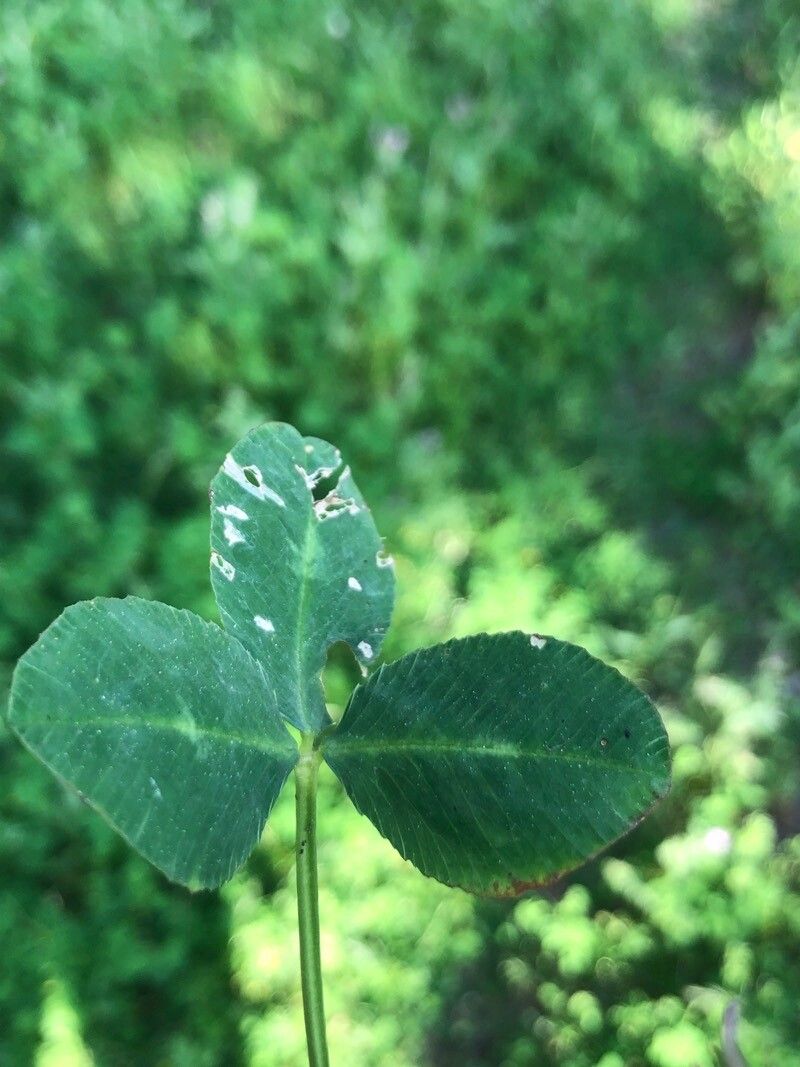
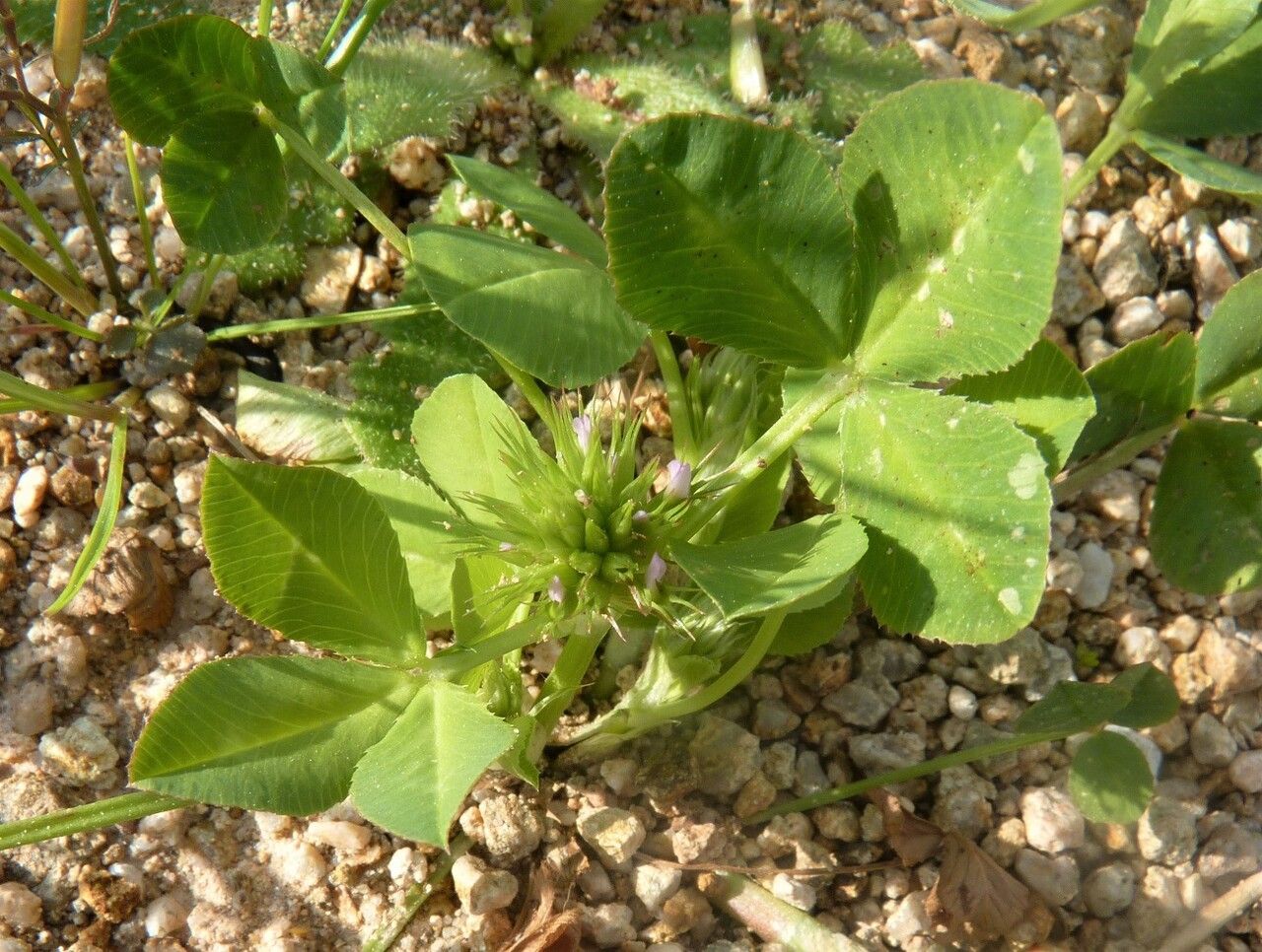
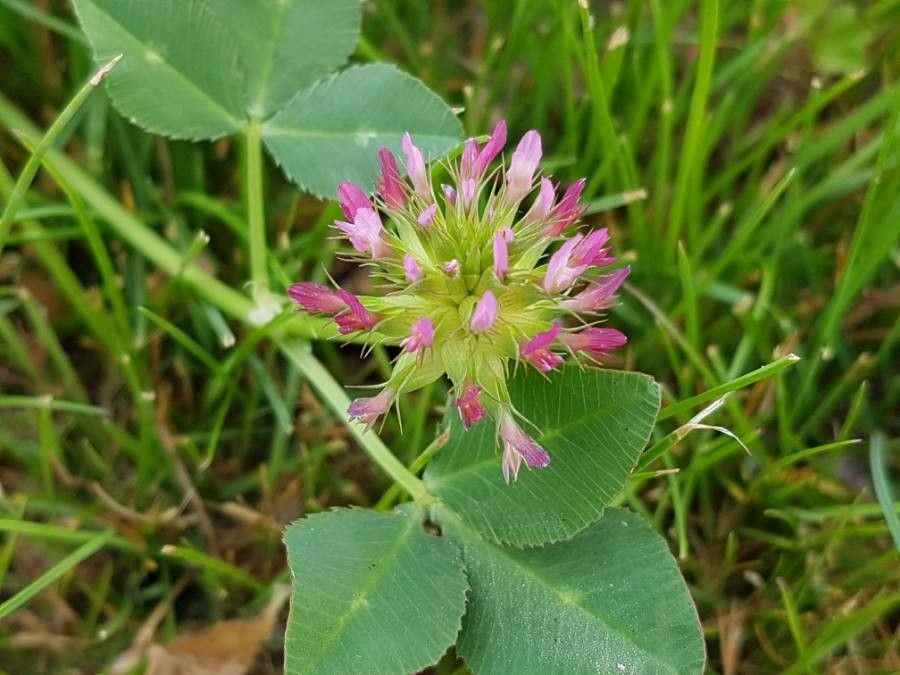
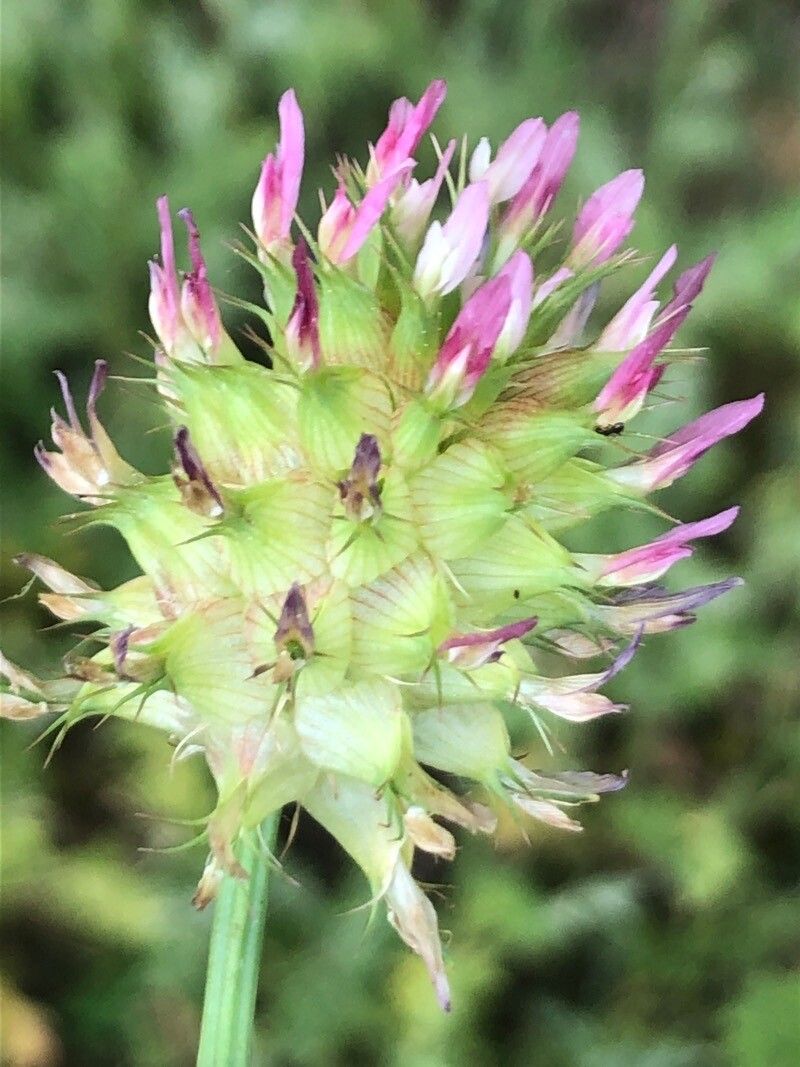
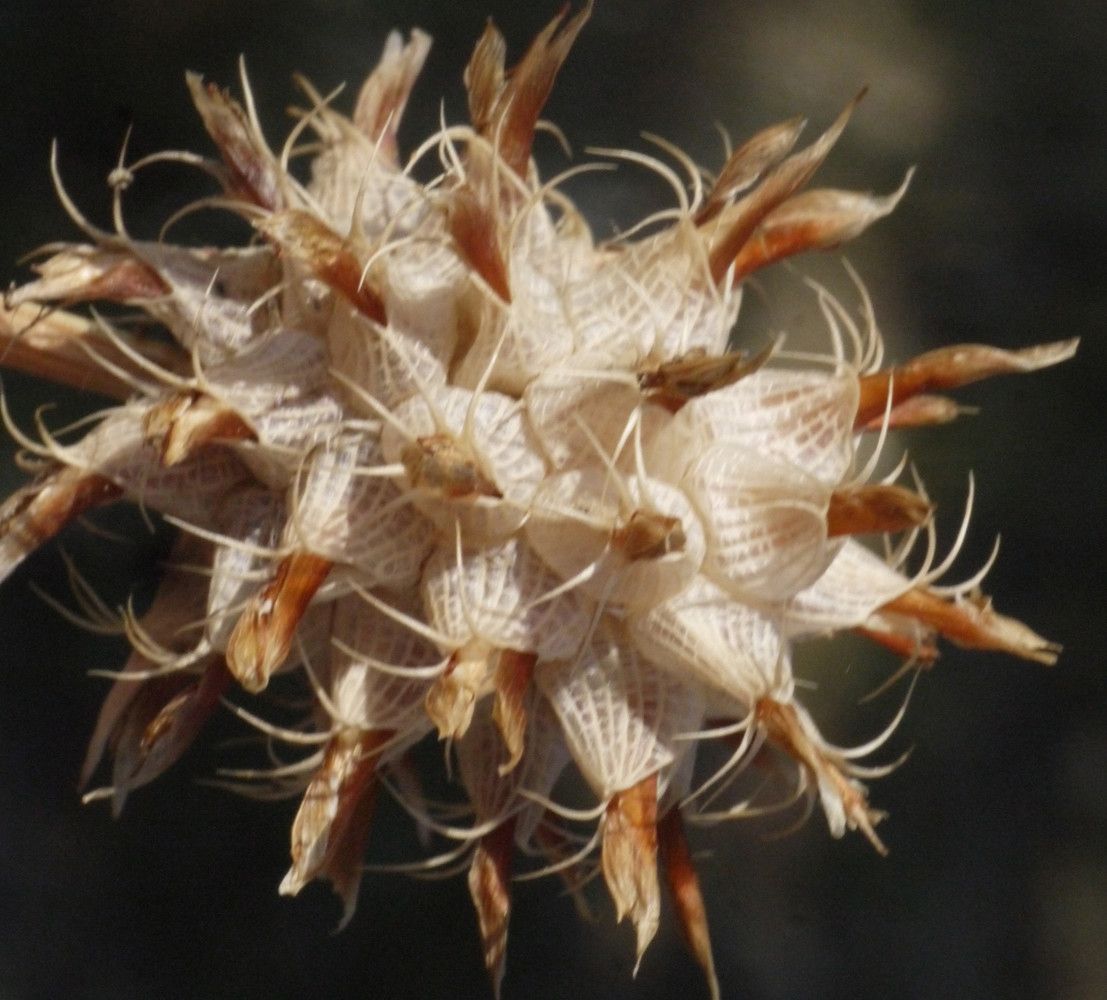
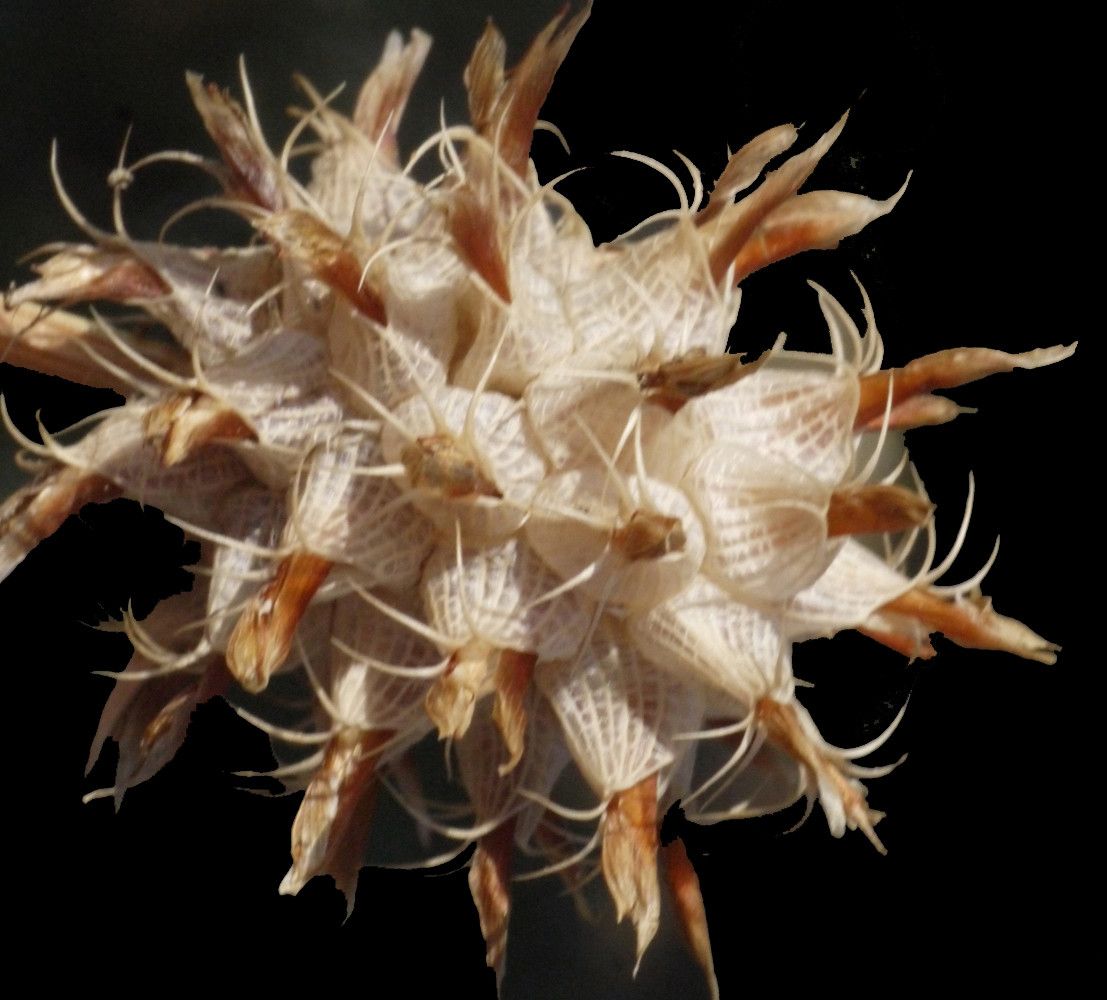
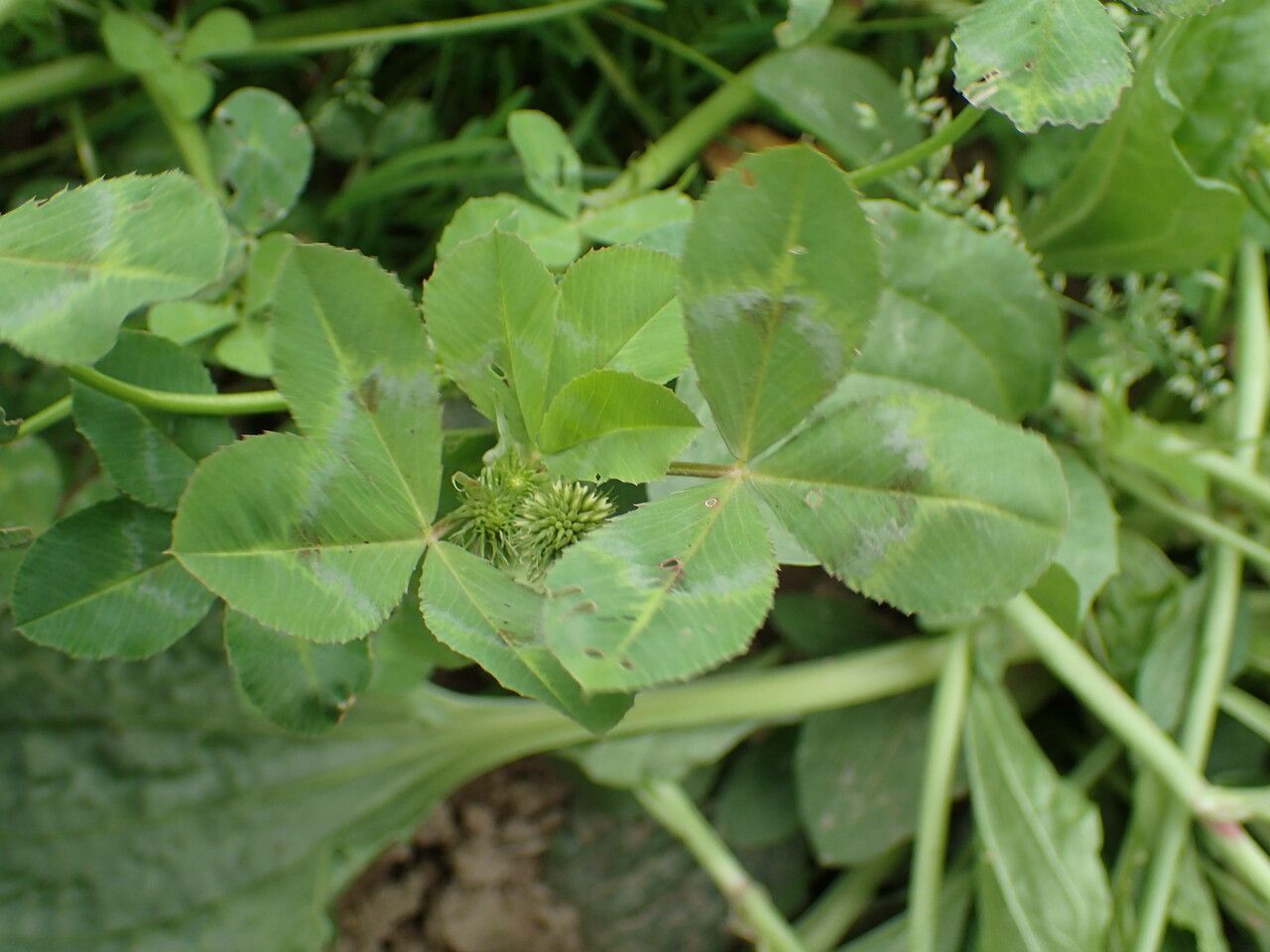
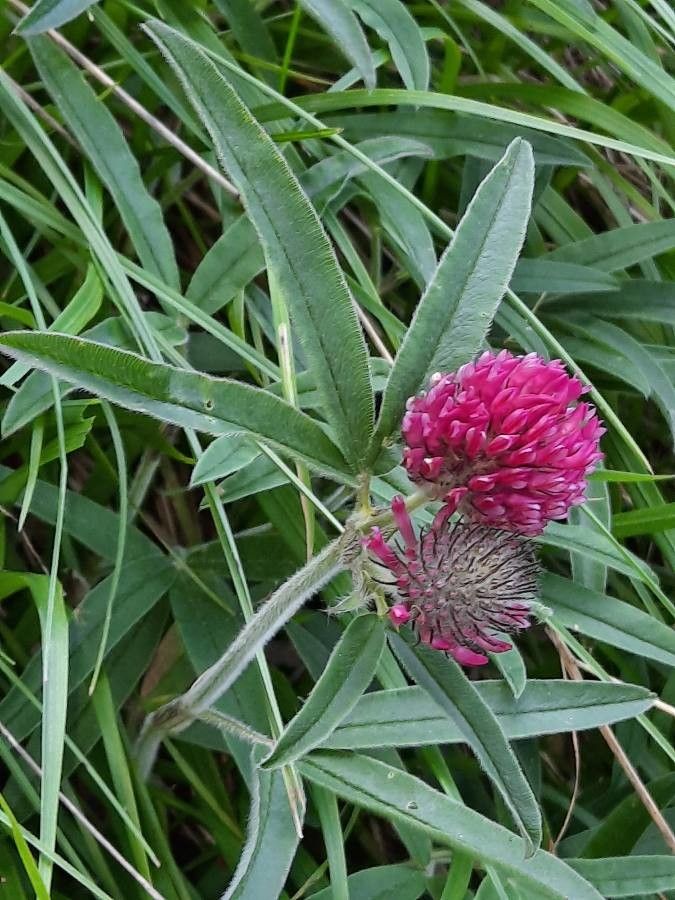
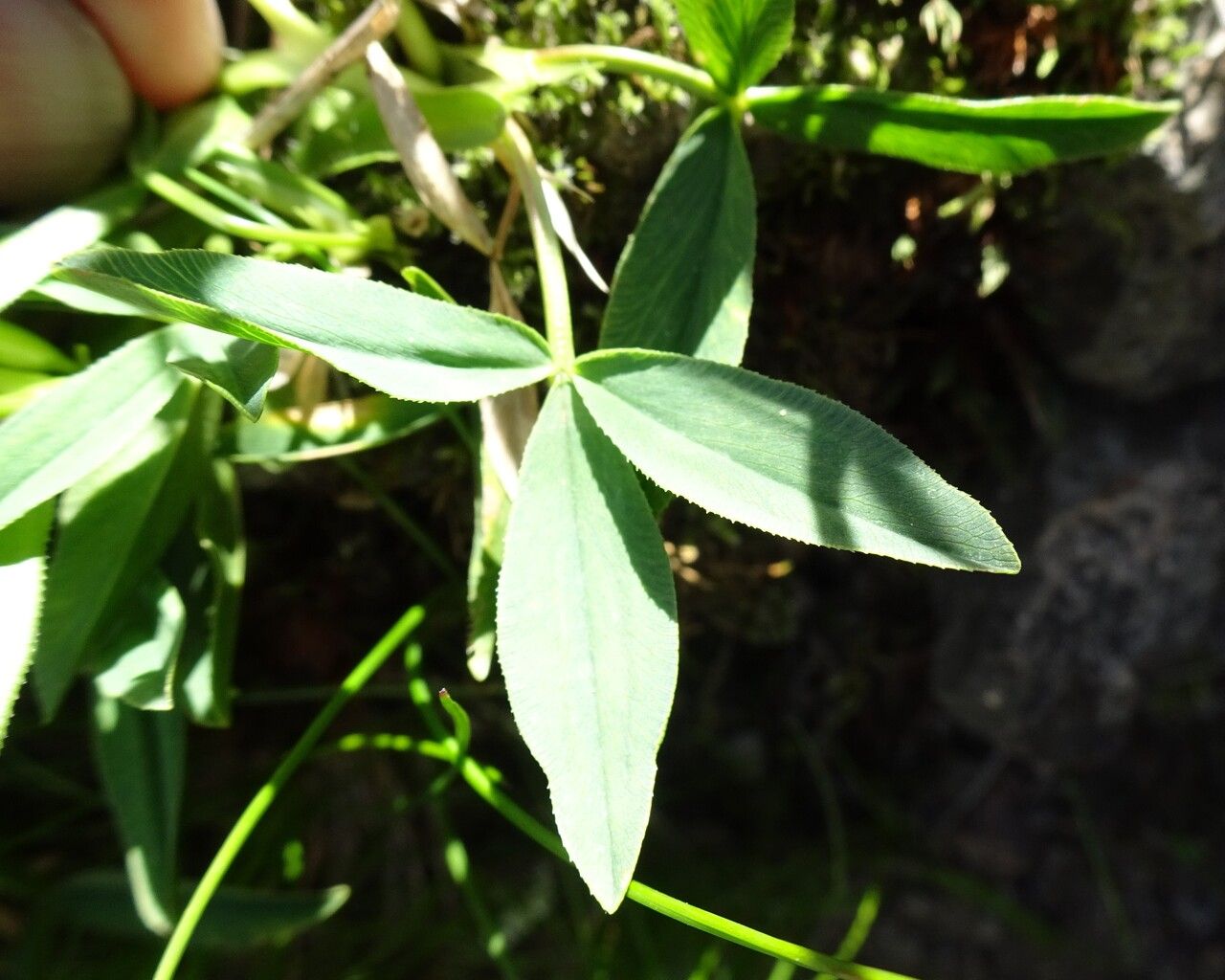
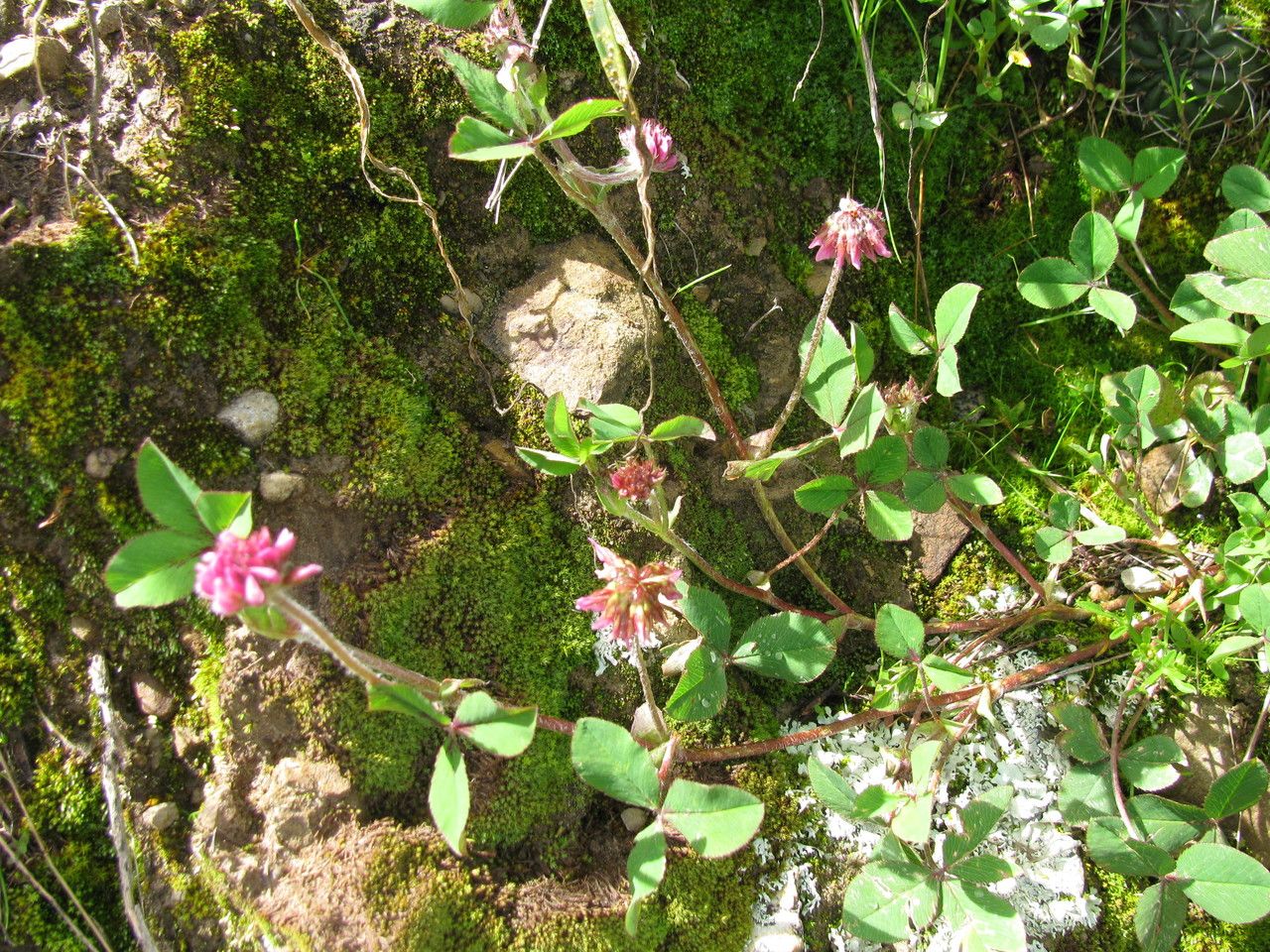
Mediterranean clover has strong disease resistance and is generally not prone to illness. However, it can be affected by pests and diseases present in its environment. These problems are usually mild. Carewise, this plant needs moderate maintenance. It should be pruned regularly to keep a good appearance and encourage healthy growth. Fertilizing can also help stimulate flowering. Mediterranean clover is suitable for anyone with outdoor space, like a garden or patio, and does not require extensive care experience. It may need more attention when grown indoors.
How to keep Trifolium Spumosum.
Light
Mediterranean clover is native to bright, open habitats and does best in full sun. It can tolerate partial sun but favors direct sunlight for optimal growth. This plant, which can be annual or biennial, is noted for its sun-loving nature.
Water
Mediterranean clover, which is native to regions with Mediterranean climates, thrives in moderate humidity and is drought-tolerant. It typically needs to be watered only twice a week. This clover is primarily grown outdoors, where it benefits from natural rainfall. Its growth cycle is well synchronized with seasonal rain patterns, making it ideal for outdoor cultivation.
Temperature
Mediterranean clover can adjust to a wide variety of temperature conditions, though its range may still be restricted by particular combinations of moisture and heat. It performs best in warm summer climates with enough rainfall or irrigation. Long periods of cloudy, rainy weather or extended high temperatures increase the chance that Mediterranean clover will die. In winter, adequate protection from cold can boost the plant's chances of survival.
Fertilizer
When most of the Mediterranean clover's flowers have opened fully, resume fertilizing. As the blooms reach peak production, apply fertilizer every three to four weeks, weather permitting. Then, once the clover begins to produce fewer new blooms, stop fertilizing—there's no need to feed it when the plant can no longer make additional blooms.
Pruning
Mediterranean clover benefits from pruning in early to late spring, which helps improve air circulation and encourages new growth. Regular trimming prevents the plant from becoming leggy, keeps it compact, and promotes overall health. To learn precise pruning techniques, refer to reliable horticultural sources specific to Mediterranean clover.
Botanical profile.
- Plant Type
- Herb
- Life Cycle
- Annual
- Genus
- Trifolium
- Family
- Fabaceae
- Hardiness Zone
- 8-10
- Mature Height
- 10 cm to 40 cm
- Mature Spread
- 15 cm to 30 cm
- Leaf Color
- Light Green, Medium Sea Green
- Leaf Type
- Deciduous
- Flower Color
- Purple, Pink
- Flower Size
- 1.02 cm to 1.52 cm
- Bloom Time
- Mid spring, Late spring, Early summer
- Planting Time
- Spring, Summer, Autumn
- Harvest Time
- Summer
- Native Area
- Iraq, Turkey, Tunisia, Syria, Portugal, Italy, Spain, France, Bulgaria, Cyprus, Armenia, Iran, Greece, Croatia, Morocco, Azerbaijan, Algeria, Lebanon
Other names.
Reader questions.
What are the sunlight requirements for Mediterranean clover (Trifolium spumosum)?
Mediterranean clover (Trifolium spumosum) thrives in various sunlight conditions. It requires full sun exposure, which means it needs more than 6 hours of direct sunlight per day. However, it can also grow in partial sun, where it would receive about 3 to 6 hours of sunlight daily. When selecting a location for your Mediterranean clover, it's essential to observe how sunlight moves through your garden throughout the day. Choosing the right spots that offer a harmonious balance of light and shade will ensure the best growth and happiness of your plants.