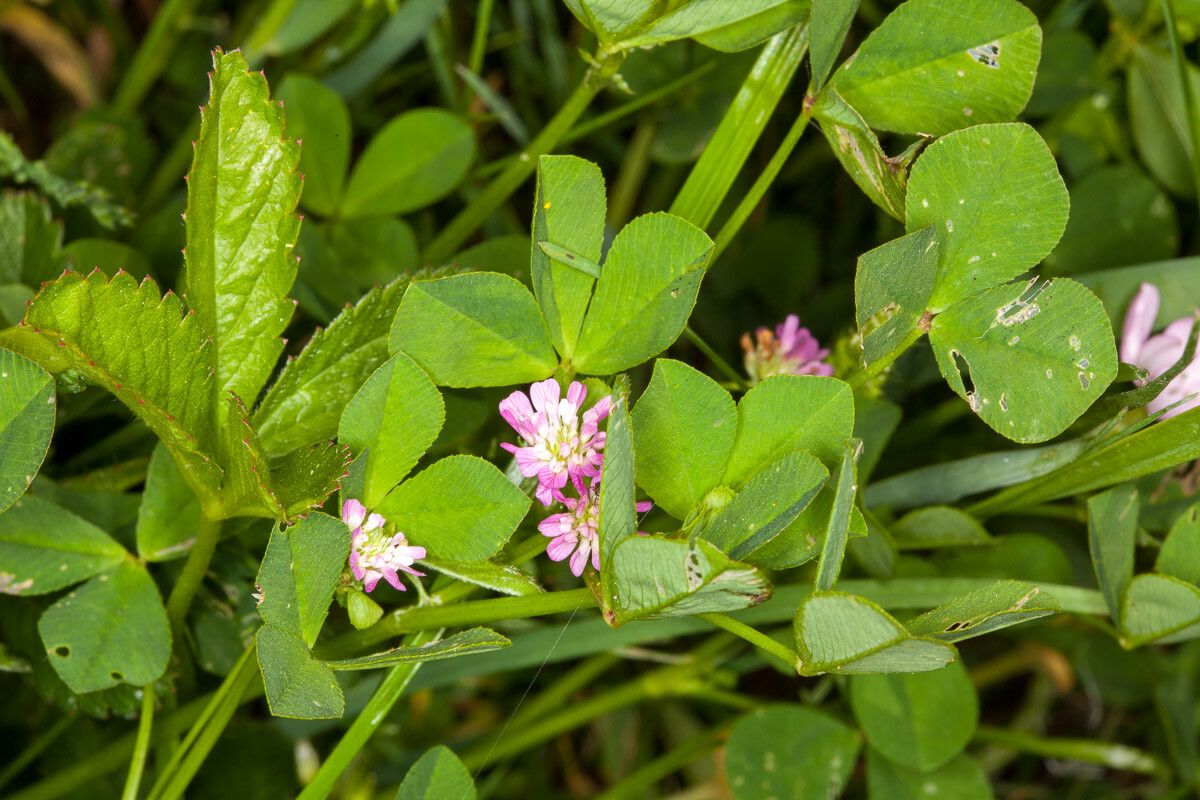
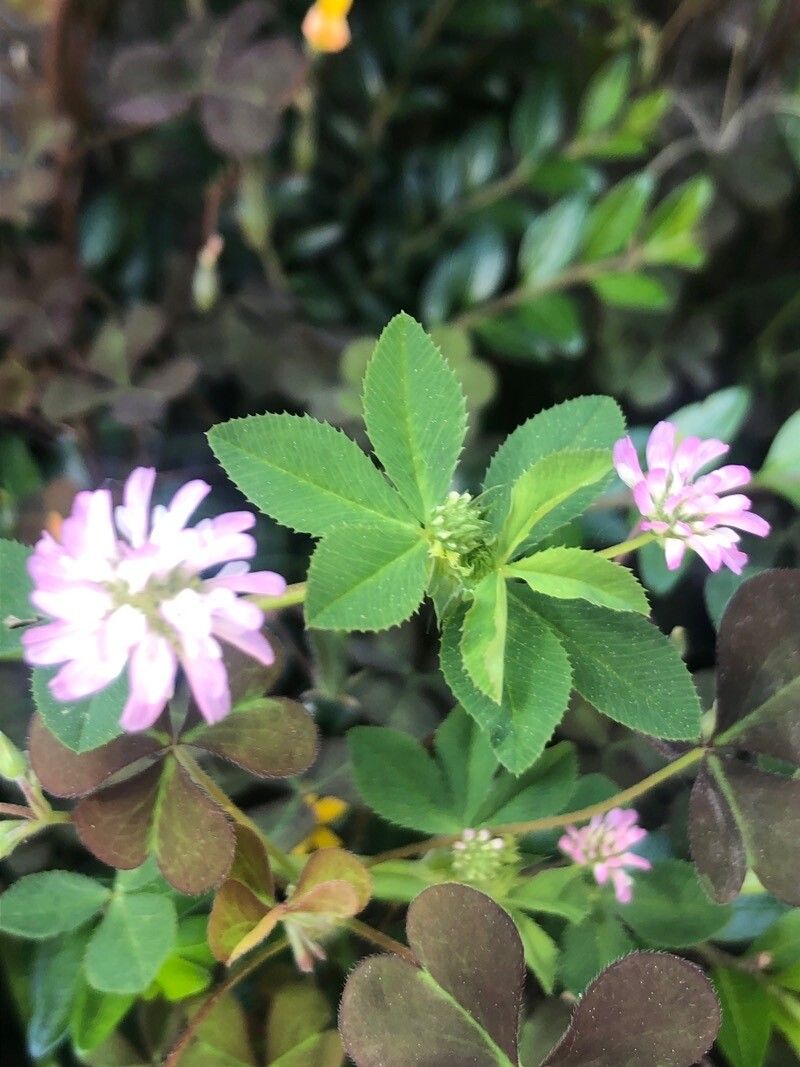
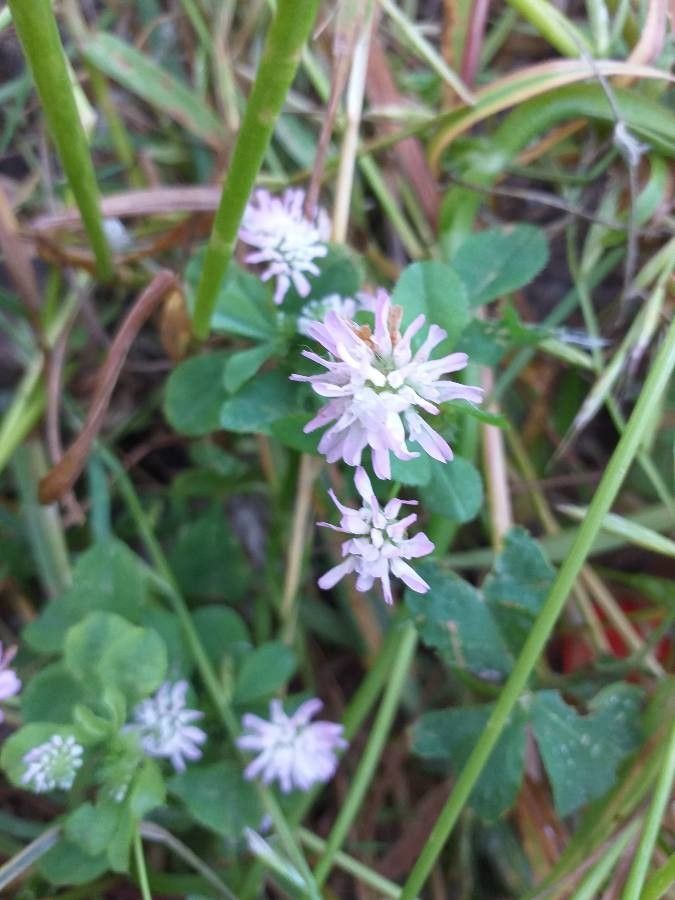
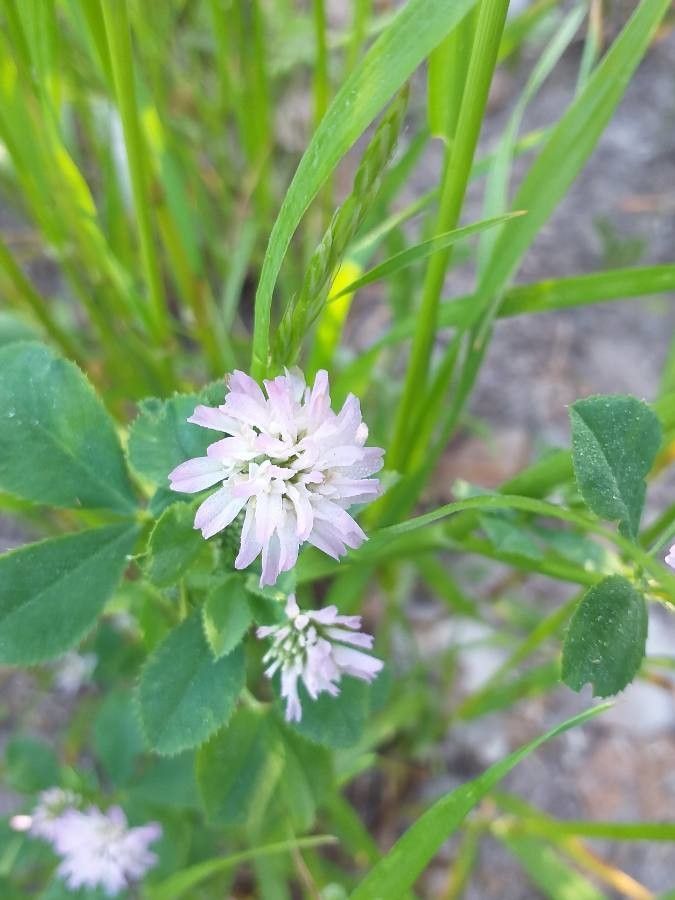
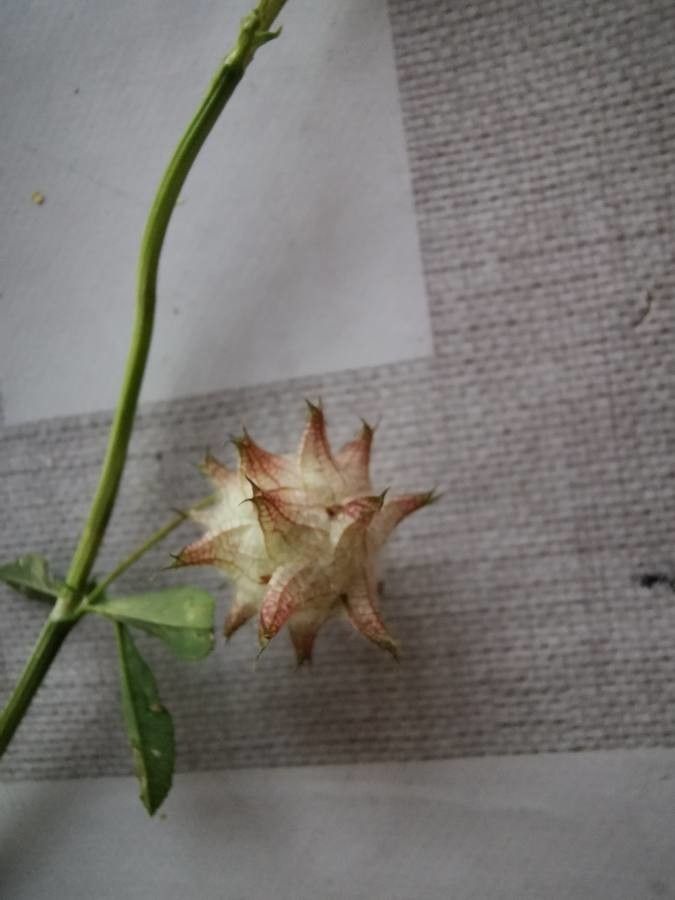
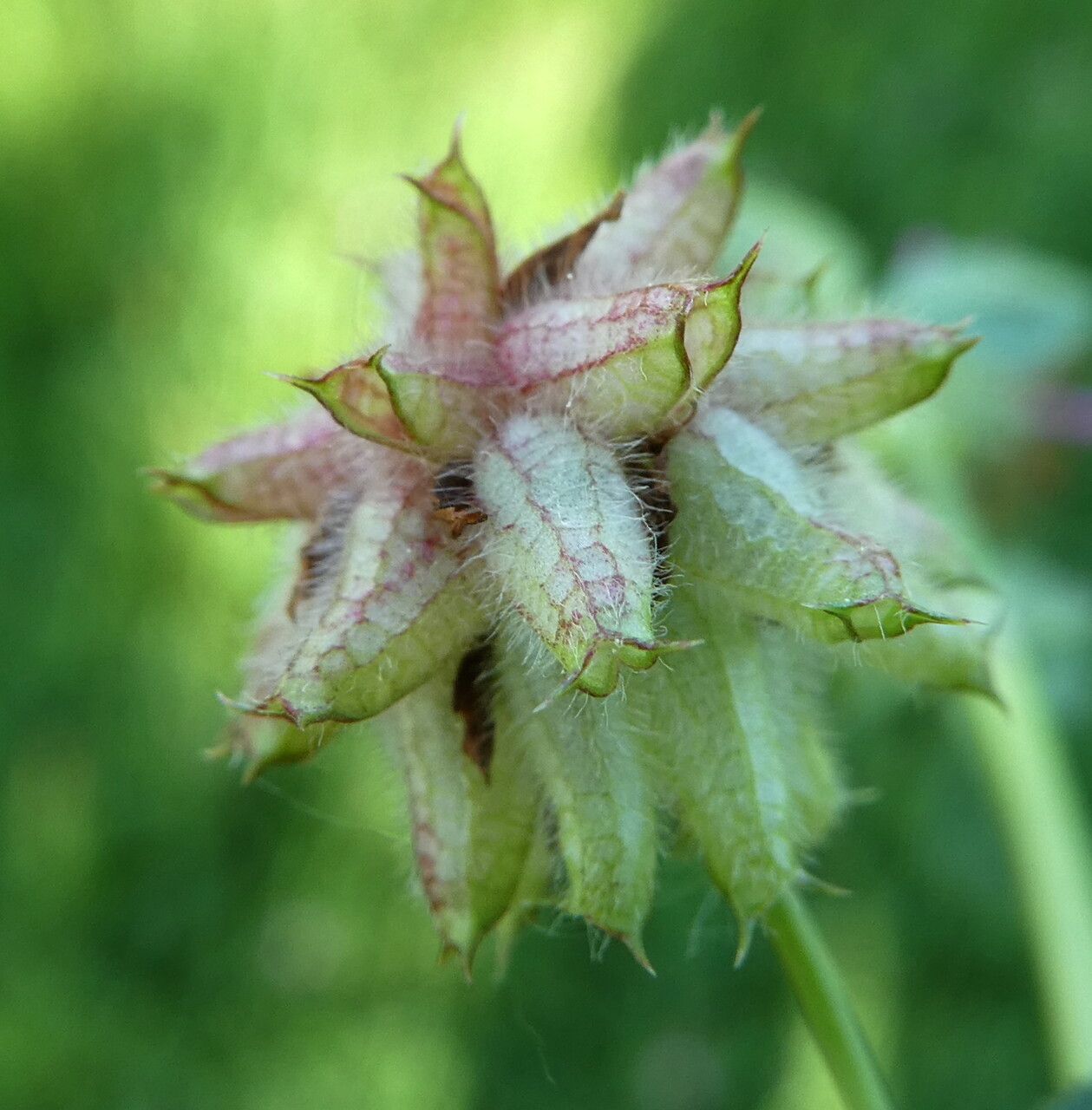
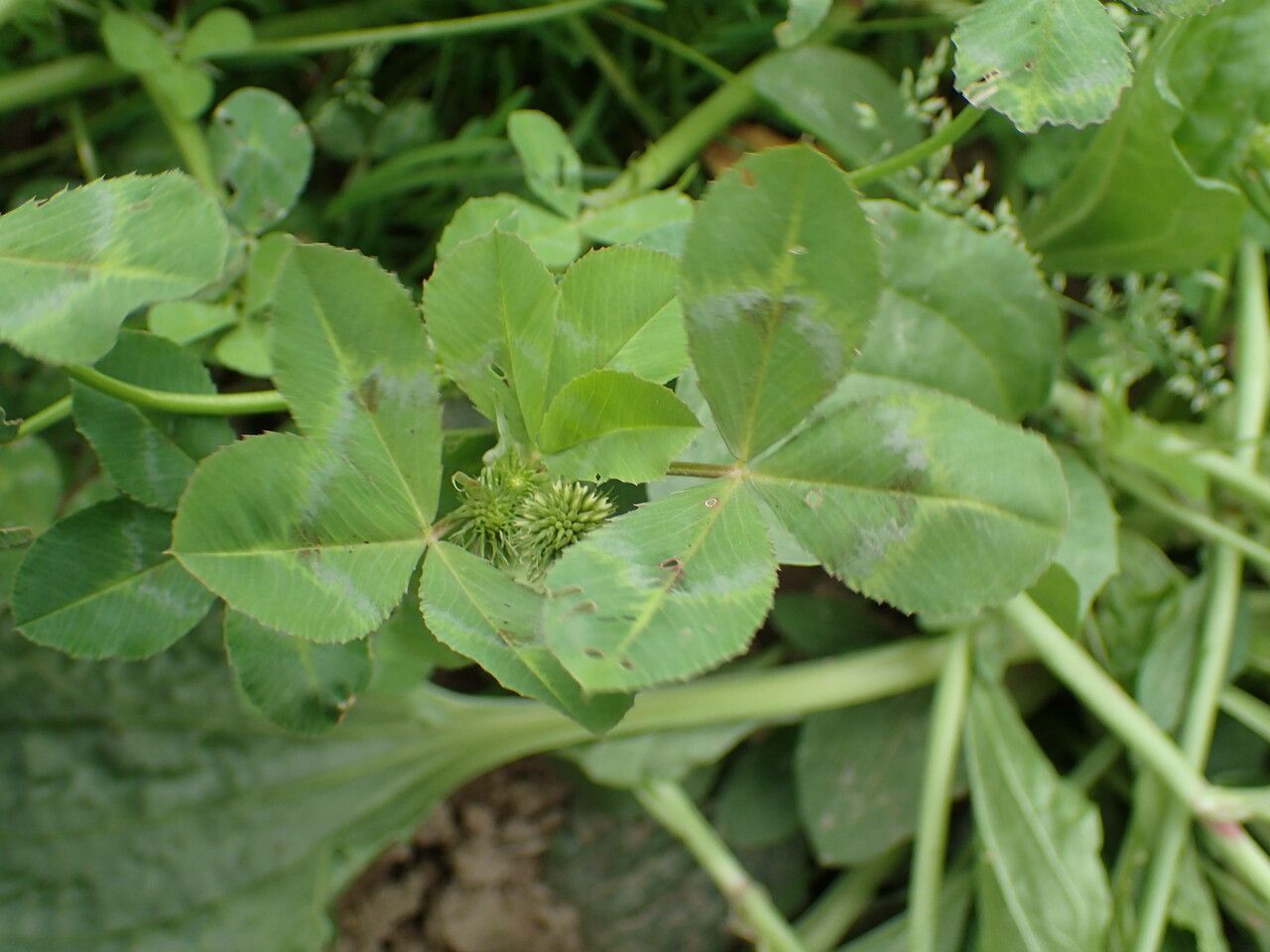
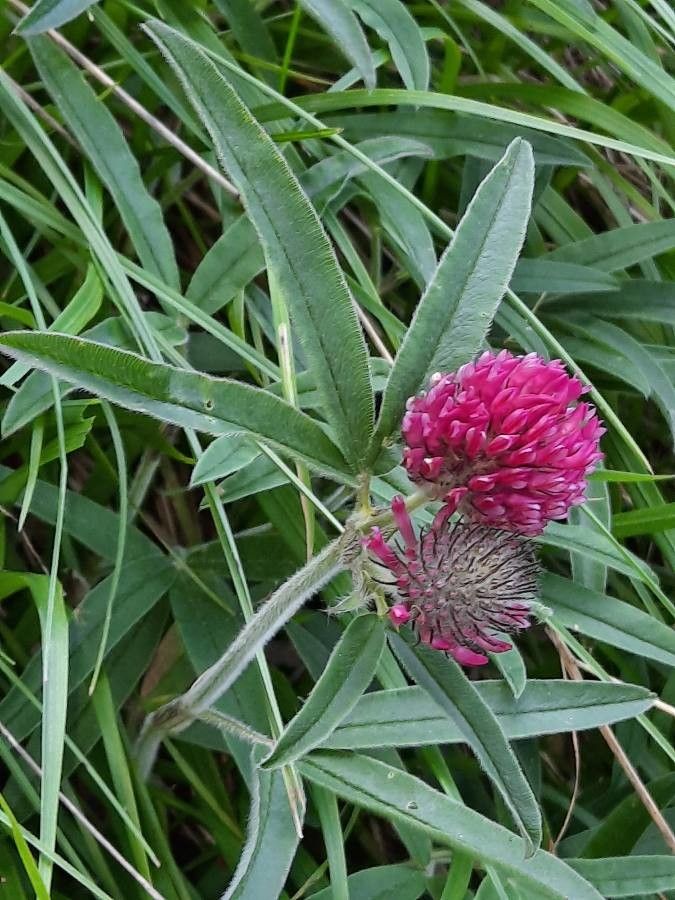
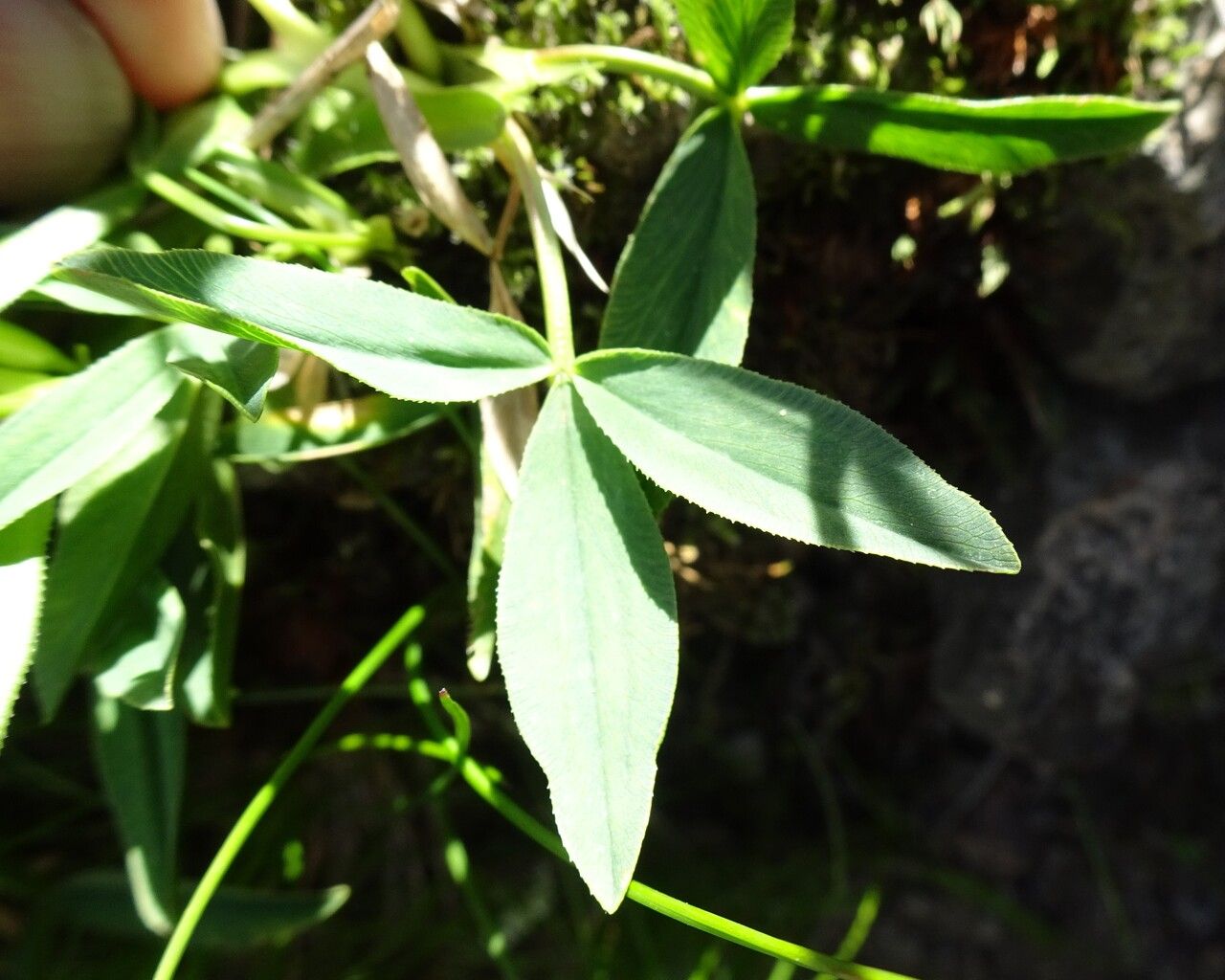
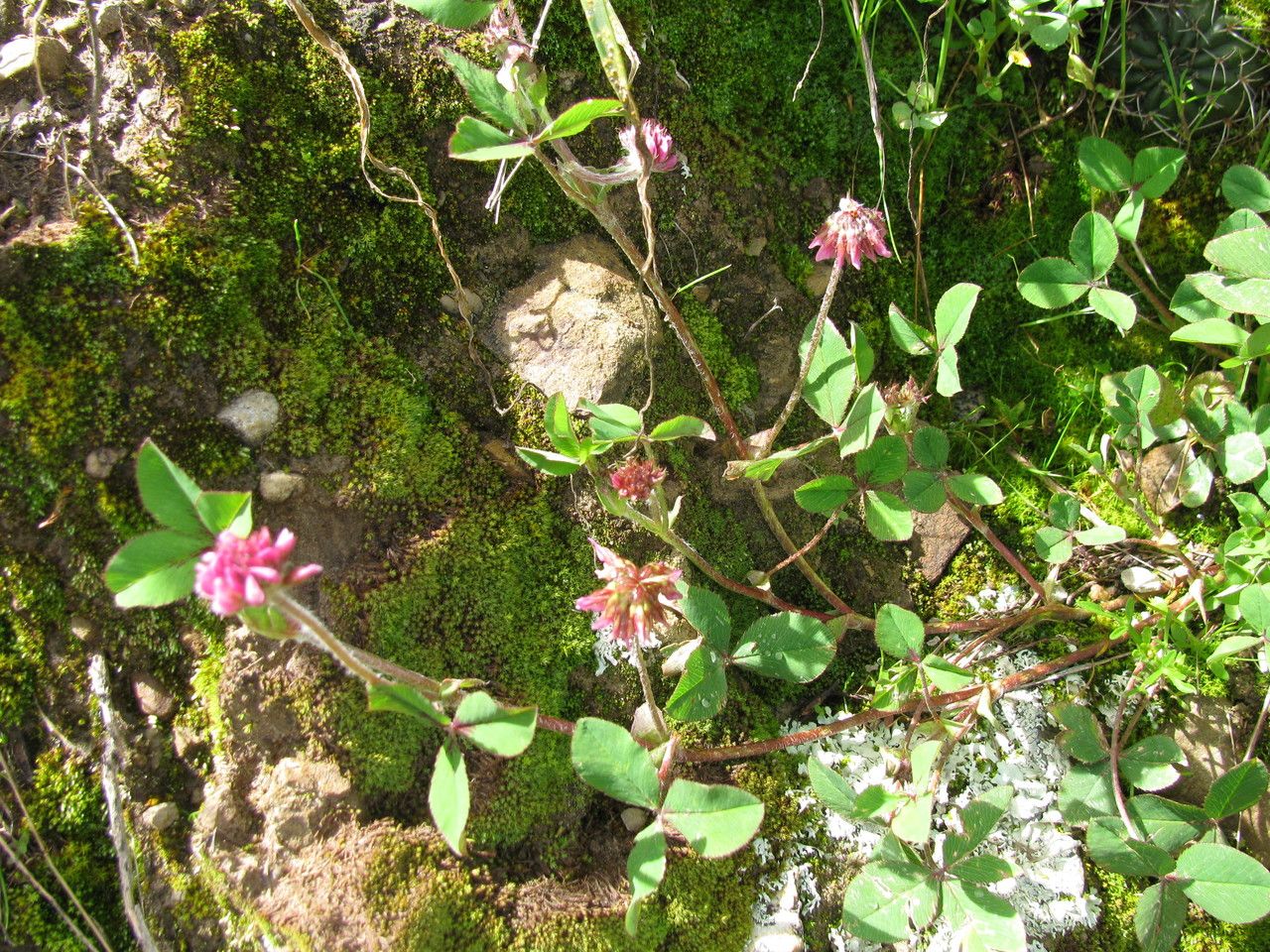
Trifolium resupinatum, commonly known as Persian clover, is a species of clover native to the Middle East and Mediterranean regions. This annual plant can grow up to 50 cm tall and features trifoliate leaves with oval-shaped leaflets. Its pink or purple flowers are arranged in dense, cylindrical spikes at the ends of the stems.
Persian clover is widely used as a forage crop for livestock due to its high protein content and palatability. Additionally, it possesses medicinal properties, with extracts from its leaves traditionally used for their anti-inflammatory effects.
Trifolium resupinatum is adaptable and can thrive in various soil types, although it prefers well-drained soils with neutral pH levels. It can be cultivated as a cover crop or intercropped with other plants, such as cereals or vegetables, to enhance soil fertility through nitrogen fixation facilitated by its root nodules.
Botanical profile.
- Plant Type
- Herb
- Life Cycle
- Annual
- Genus
- Trifolium
- Family
- Fabaceae
- Hardiness Zone
- 5
- Mature Height
- 30 cm to 61 cm
- Mature Spread
- 30 cm to 61 cm
- Leaf Color
- Light Green, Green
- Leaf Type
- Deciduous
- Flower Color
- Pink, Purple
- Flower Size
- 2.54 cm
- Bloom Time
- Mid spring, Late spring, Early summer
- Planting Time
- Spring
- Harvest Time
- Summer
- Native Area
- Libya, Egypt, Turkey, India, Montenegro, Pakistan, Slovenia, Morocco, Croatia, Russia, Iraq, Ethiopia, Romania, Belgium, Portugal, France, Saudi Arabia, Tunisia, Cyprus, Bulgaria, Armenia, Greece, Ukraine, Lebanon, Serbia, Afghanistan, Syria, Italy, Spain, Iran, Albania, Azerbaijan, Algeria
Other names.