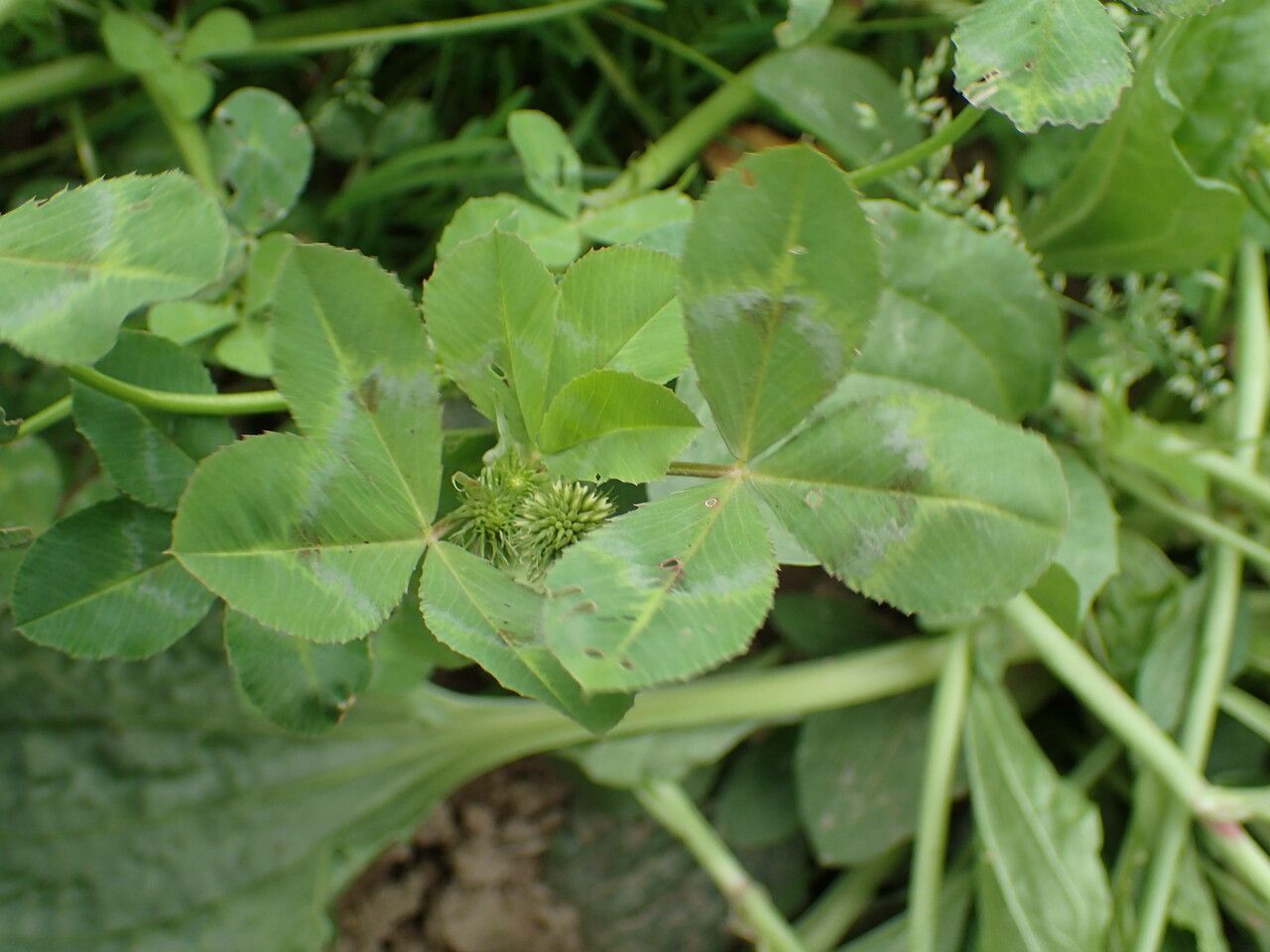
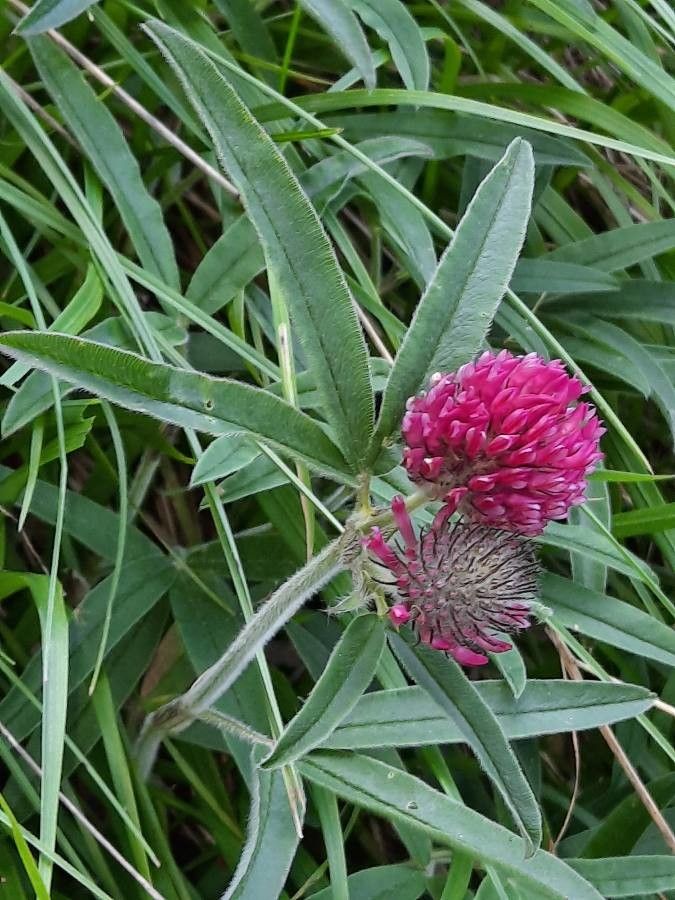
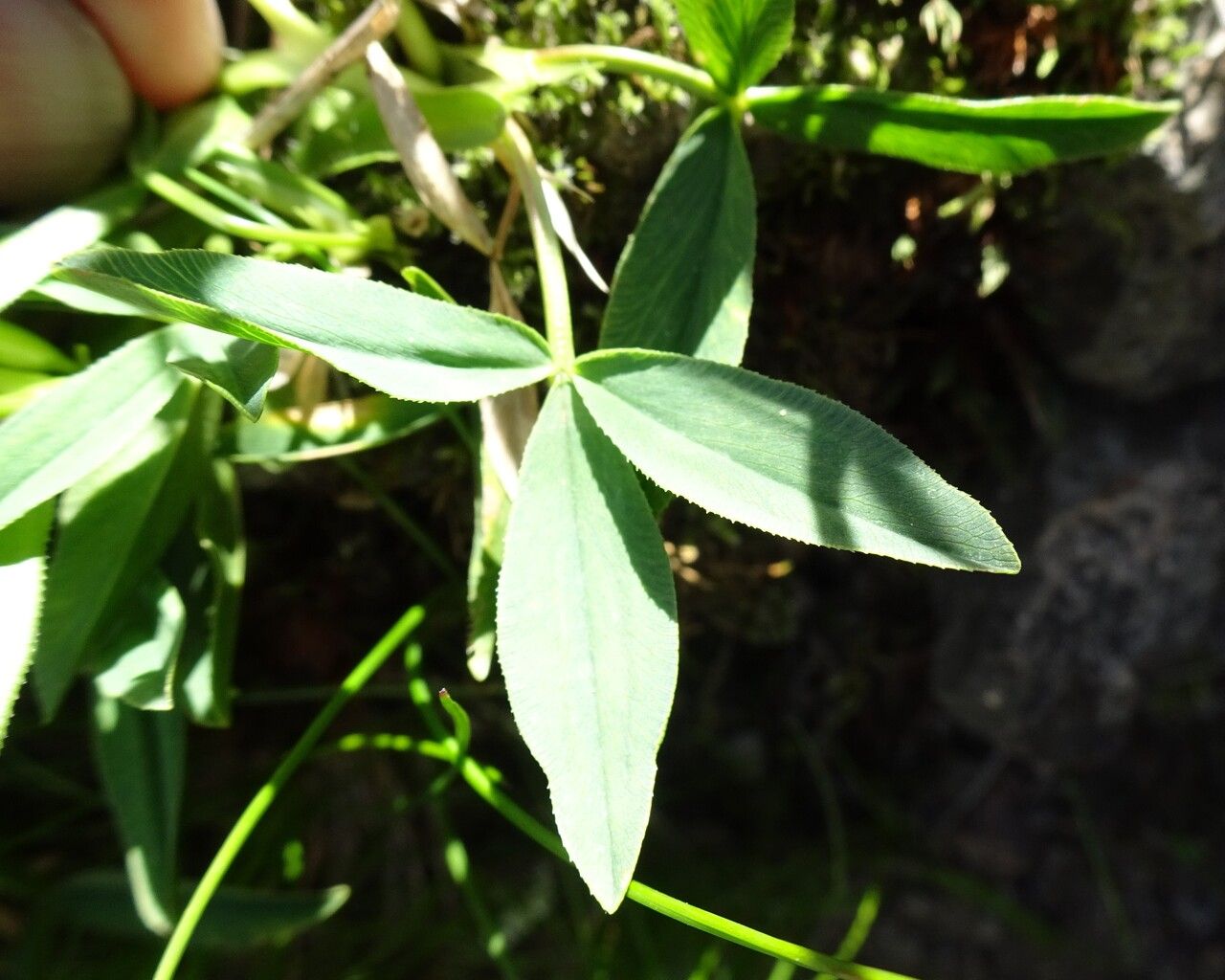
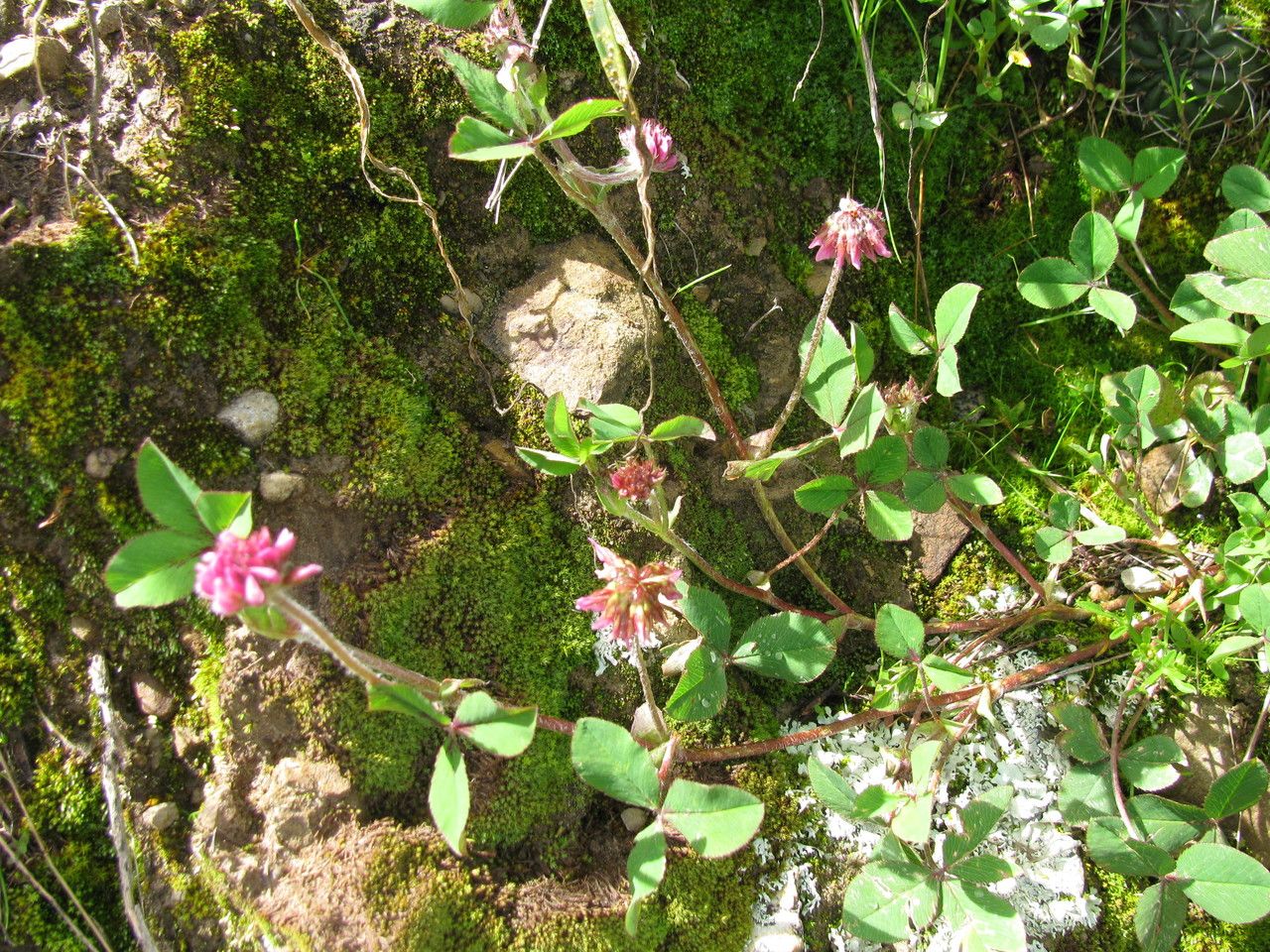
Trifolium reflexum, the Buffalo Clover, is a species of clover native to the Eastern United States. It is found in areas of natural openings including woodlands, glades, and prairies, often in acidic areas. It is an annual or biennial that produces white to dark pink flowers in the late spring. Like many native clovers of the Eastern United States, Trifolium reflexum's populations have declined considerably in the past 200 years. For this species, fire suppression is indicated as a significant cause for decline.
Buffalo clover is generally disease-resistant and not particularly prone to illnesses. Still, it can be affected by pests and diseases present in its environment. These issues are usually mild. For care, the plant requires moderate maintenance. It should be pruned regularly to preserve a good appearance and support healthy growth. Fertilizing can also help encourage flowering. Buffalo clover is suitable for someone with outdoor space, such as a garden or patio, and does not need extensive care experience. It may need more attention when grown indoors.
How to keep Trifolium Reflexum.
Light
Buffalo clover comes from bright, open habitats and performs best in full sun. It will tolerate some shade but prefers direct sunlight for optimal growth. This plant, which may be annual or biennial, is noted for its preference for sunny conditions.
Water
Buffalo clover, native to temperate regions, flourishes in moderately moist conditions and prefers consistently hydrated soil without becoming waterlogged. For optimal care, water it twice a week. Ideally suited for outdoor growth, buffalo clover benefits from natural rainfall, making it an excellent choice for gardeners seeking a resilient plant that aligns well with seasonal patterns.
Temperature
Buffalo clover can adapt to a wide range of temperatures, but its distribution may still be restricted by different combinations of moisture and heat. It does best in warm summer conditions with adequate rainfall or watering. Long stretches of cloudy, rainy weather or sustained high temperatures can raise the likelihood of Buffalo clover dying. In winter, proper protection from cold can increase the plant's survival rate.
Fertilizer
Resume fertilizing once most Buffalo clover blooms have fully opened. When blooms are at peak production, apply fertilizer every three to four weeks, weather permitting. After the plant begins producing fewer new blooms, stop fertilizing; there’s no need to feed it when it can’t produce more blooms.
Pruning
Buffalo clover, known for its purple, clover-like flowers, thrives when regularly pruned from early to late spring. By removing dead or damaged stems, gardeners can encourage new growth, enhance flowering, and improve air circulation. This process reduces the risk of disease and boosts the plant's overall vigor.
Botanical profile.
- Plant Type
- Herb
- Life Cycle
- Annual, Biennial
- Genus
- Trifolium
- Family
- Fabaceae
- Hardiness Zone
- 5-9
- Mature Height
- 30 cm to 91 cm
- Mature Spread
- 20 cm to 40 cm
- Leaf Color
- Green, Dark Green
- Leaf Type
- Deciduous
- Flower Color
- Pink, Purple
- Flower Size
- 1.52 cm to 2.03 cm
- Bloom Time
- Mid spring, Late spring, Early summer
- Planting Time
- Spring, Summer
- Harvest Time
- Summer
Other names.
Reader questions.
What are the sunlight requirements for Buffalo Clover?
Buffalo Clover, or Trifolium reflexum, thrives under specific sunlight conditions to ensure its happiness and growth. It requires 'full sun' which means it needs above 6 hours of sunlight a day to flourish. Alternatively, it can also grow under 'partial sun,' requiring about 3 to 6 hours of sunlight daily. It's essential to observe how sunlight moves through your garden, to pick a spot that offers a perfect balance of light and shade suitable for your Buffalo Clover.