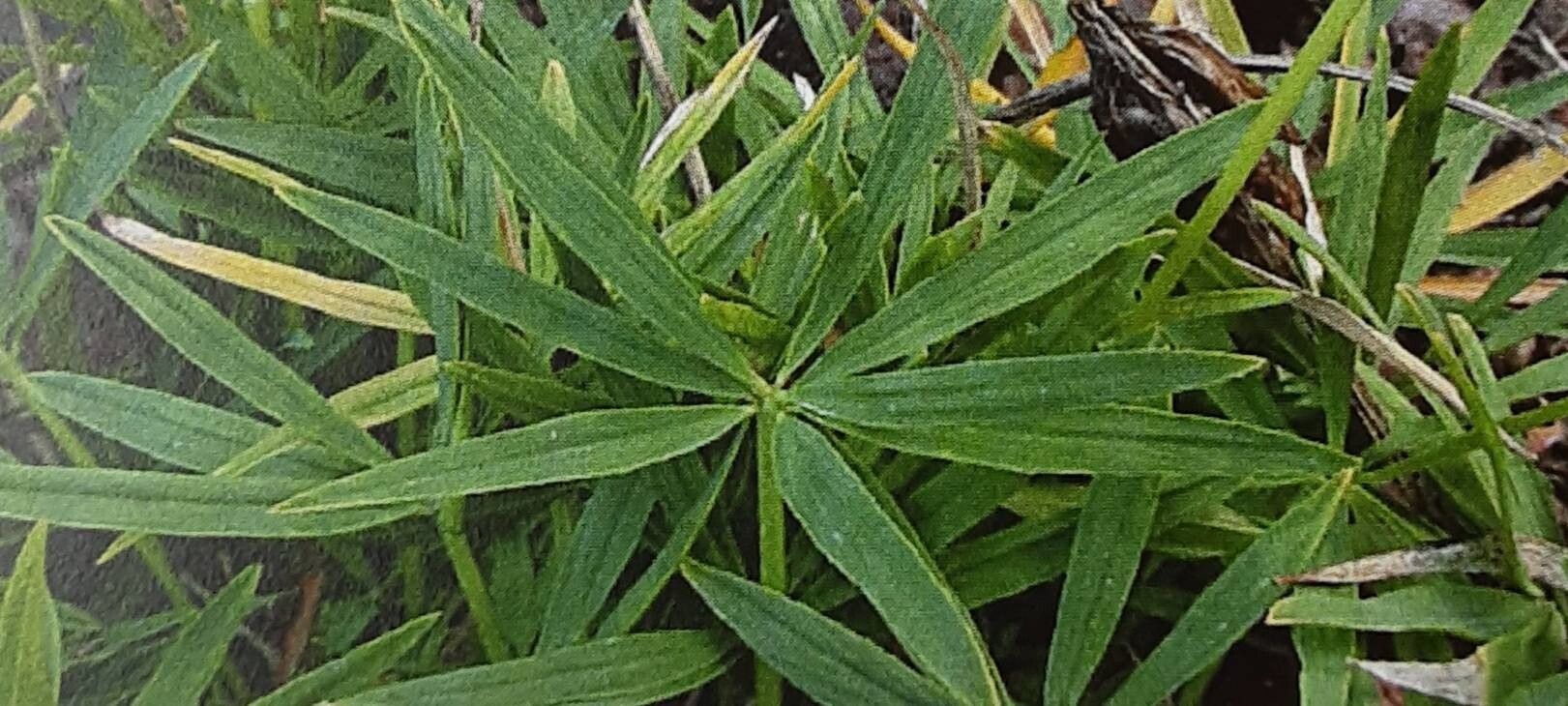
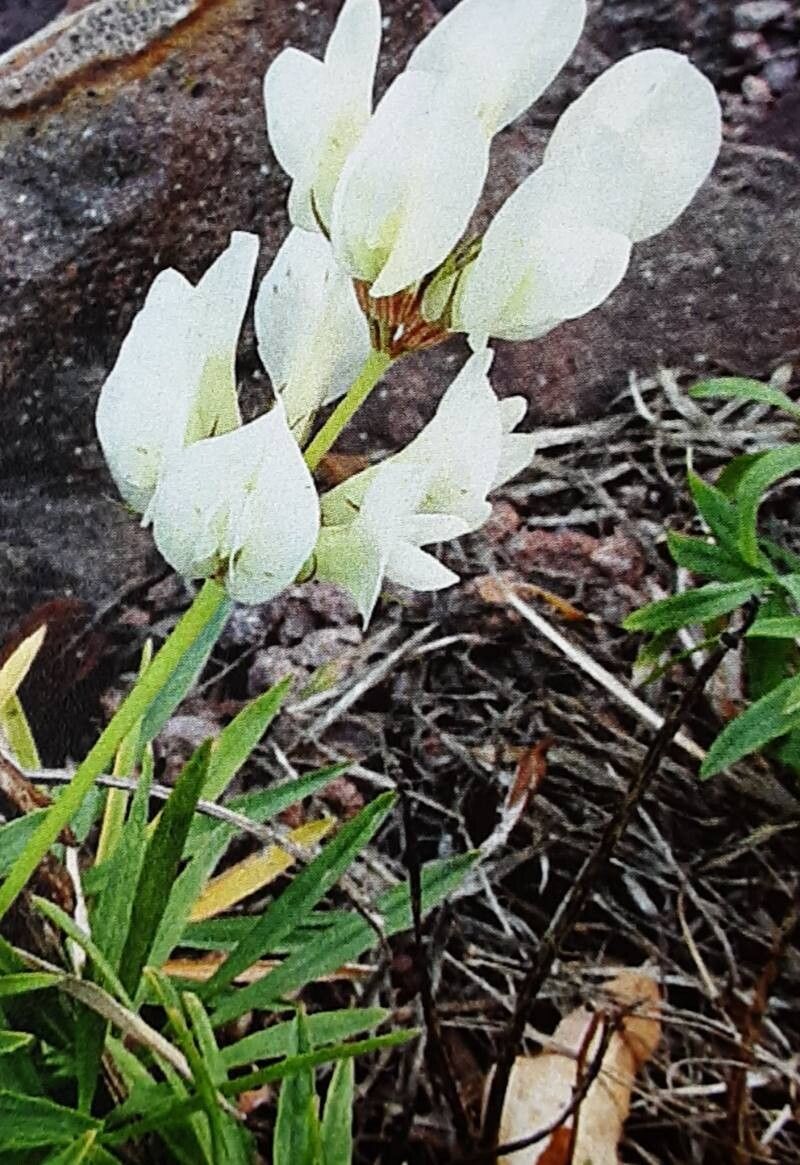
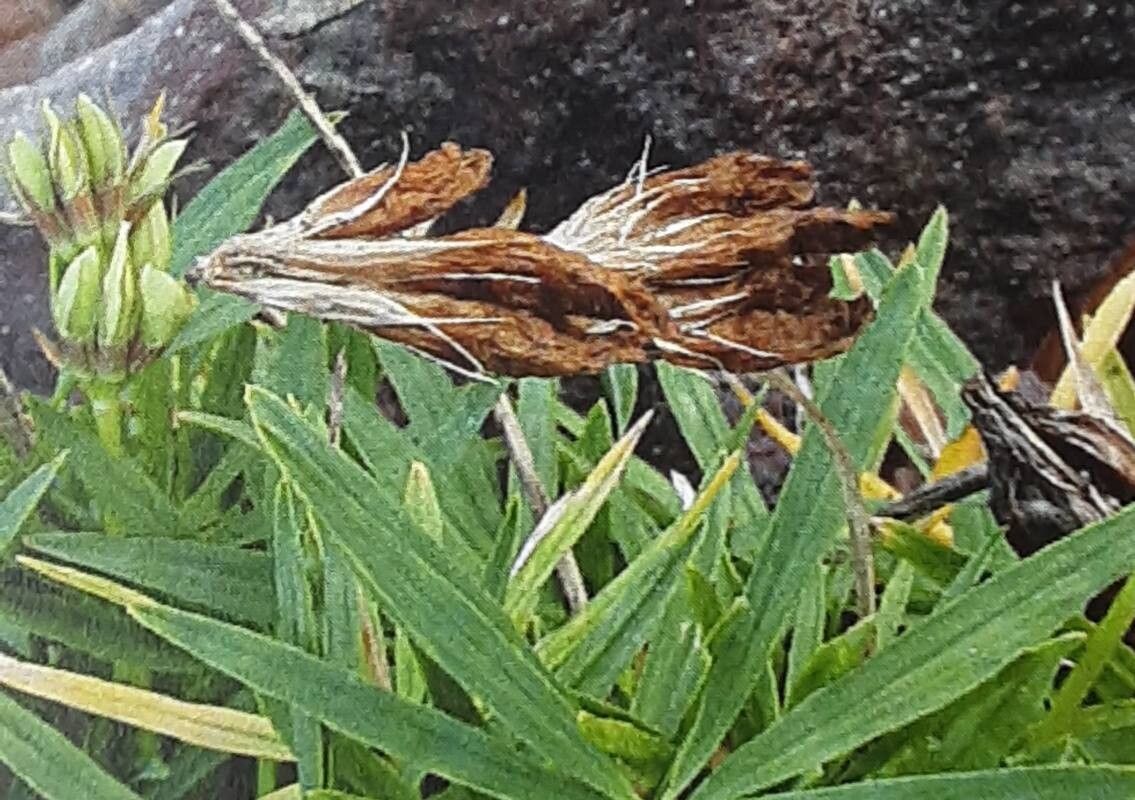
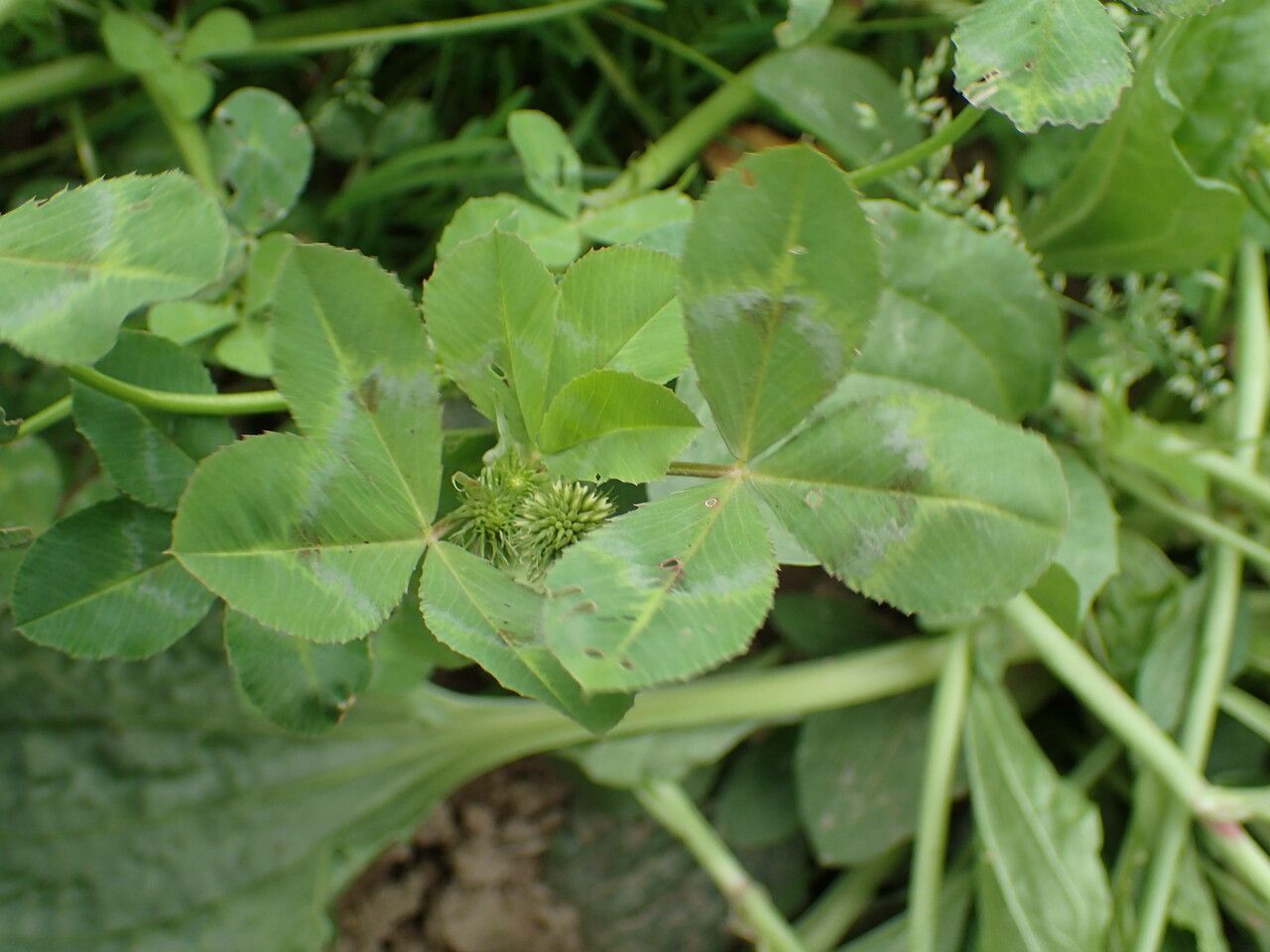
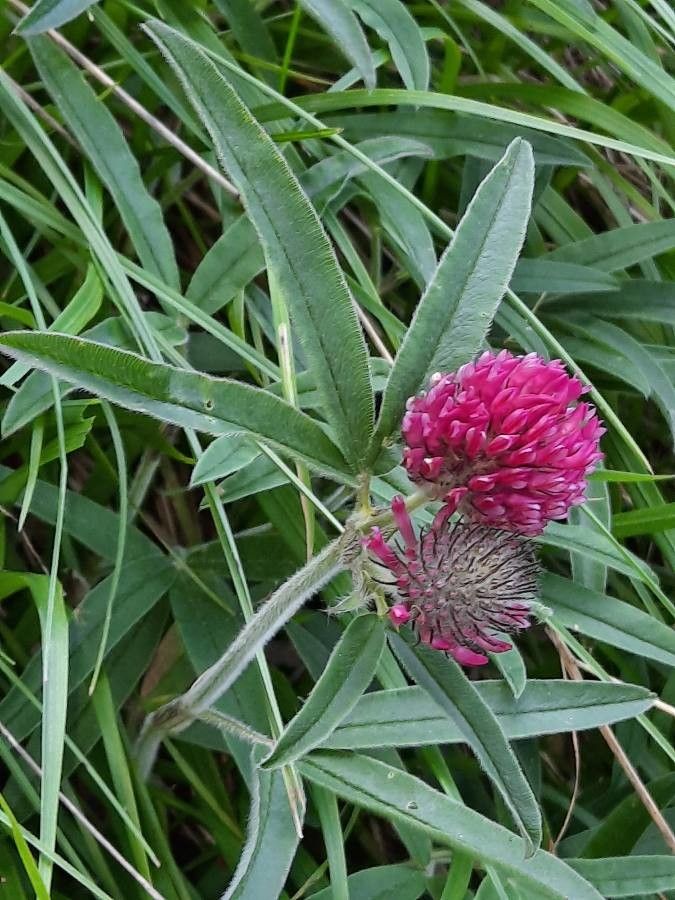
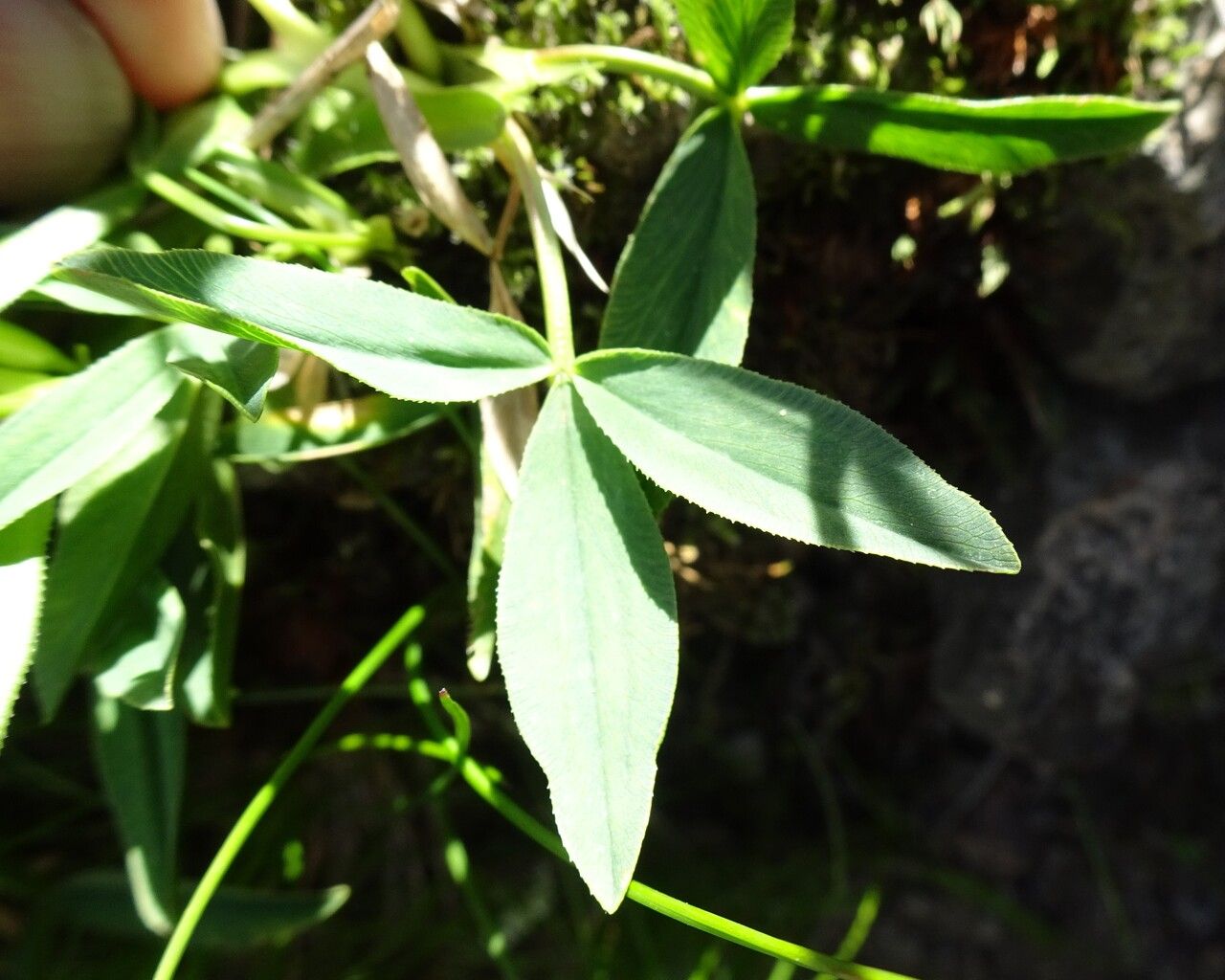
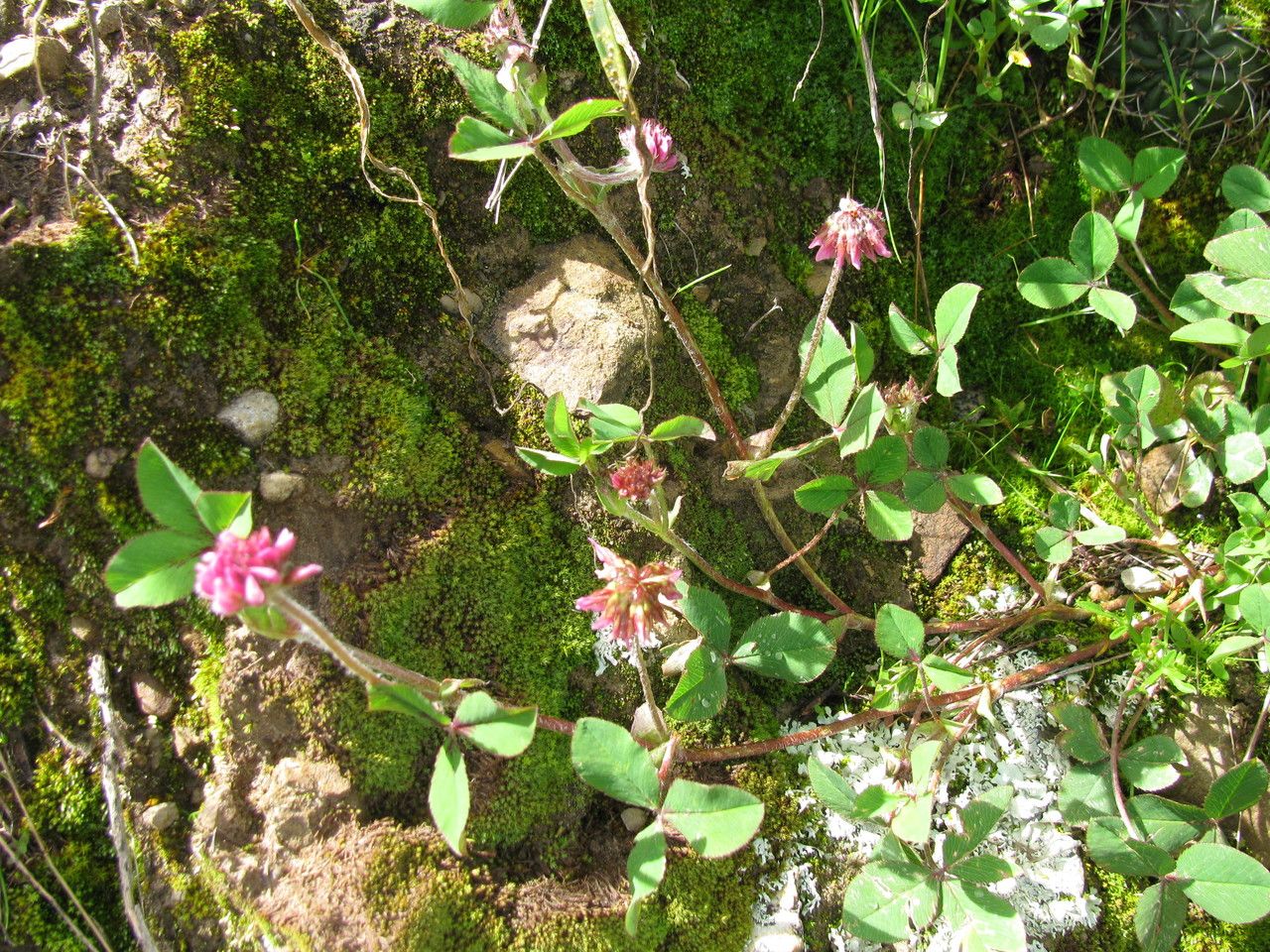
Tomcat clover shows strong resistance to diseases and typically doesn’t suffer from them. However, it can be vulnerable to pests and diseases present in its surroundings. Such infections are generally mild. Care-wise, the plant needs moderate maintenance. It should be pruned regularly to preserve a neat appearance and support healthy growth. Applying fertilizer can also encourage flowering. Tomcat clover is suitable for anyone with an outdoor area, such as a garden or patio, and doesn’t require extensive care experience. It may need more attention when grown indoors.
How to keep Trifolium Polyphyllum.
Light
Tomcat clover favors plentiful sunlight for healthy growth and can tolerate moderate sun exposure. Native to environments known for strong light, it does best with ample illumination. Both too little and too much light can hinder its development and cause health problems.
Temperature
Tomcat clover can tolerate a wide range of temperatures, but its distribution can still be restricted by different combinations of moisture and heat. It does best in warm summer climates with sufficient rainfall or irrigation. Extended periods of cloudy, rainy weather, as well as prolonged high temperatures, increase the risk of Tomcat clover dying. In winter, adequate protection from cold can enhance the plant's survival.
Fertilizer
When most of Tomcat clover's blooms have opened to full size, resume fertilizing. Begin feeding the plant around peak bloom, applying fertilizer once every three to four weeks as weather allows. Then, when Tomcat clover starts producing fewer new blooms, stop fertilizing; there is no need to feed it if it can no longer produce more blooms.
Pruning
Trifolium polyphyllum benefits greatly from pruning in early spring, which promotes healthy growth and improves its appearance. To achieve the best results, remove any dead or damaged stems, trim back overgrown branches to maintain shape, and enhance air circulation to prevent disease. This practice not only encourages a more robust plant but also increases flower production, ensuring vibrant displays throughout the growing season.
Botanical profile.
- Plant Type
- Herb
- Life Cycle
- Annual
- Genus
- Trifolium
- Family
- Fabaceae
- Hardiness Zone
- 7-10
- Mature Height
- 15 cm to 61 cm
- Mature Spread
- 20 cm to 91 cm
- Leaf Color
- Green, Dark Green
- Leaf Type
- Deciduous
- Flower Color
- Purple, Pink
- Flower Size
- 1.02 cm to 3.05 cm
- Bloom Time
- Mid spring, Late spring, Early summer
- Planting Time
- Spring, Autumn
- Harvest Time
- Summer
- Native Area
- Mexico
Other names.