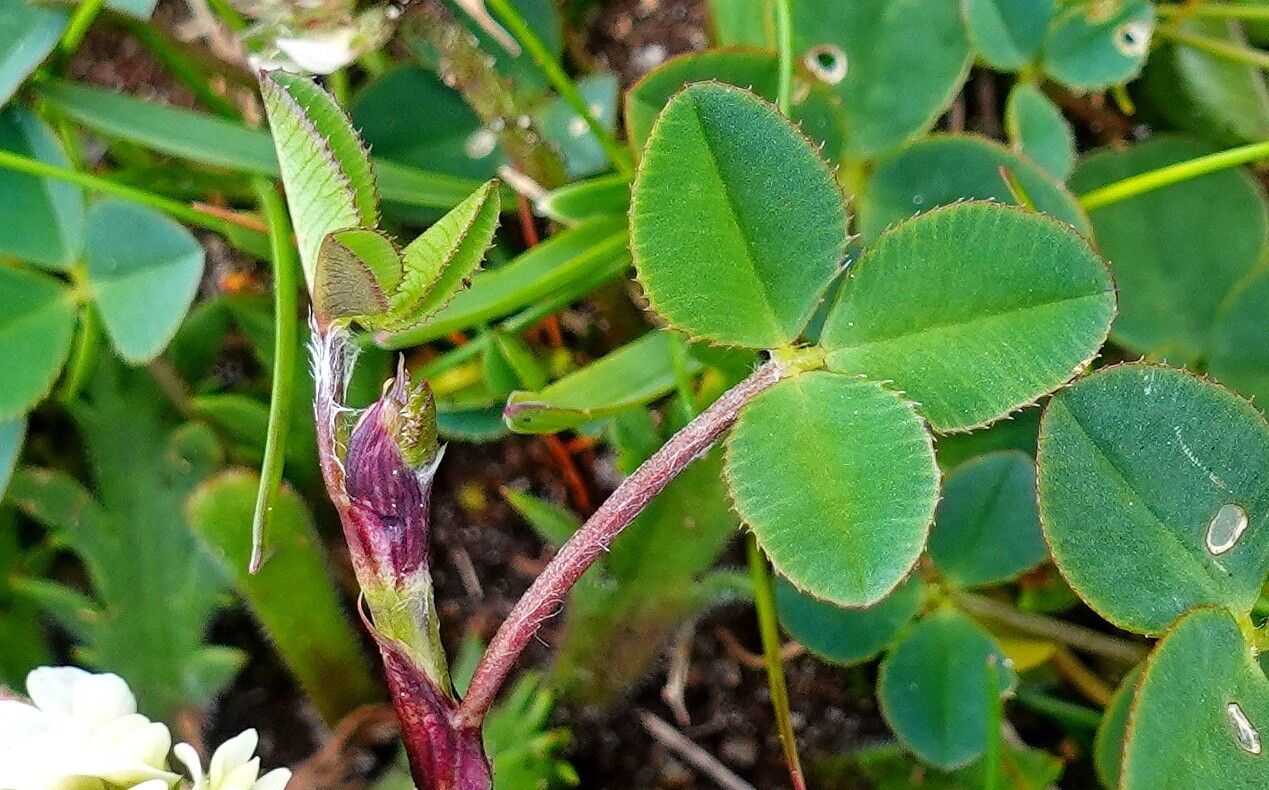
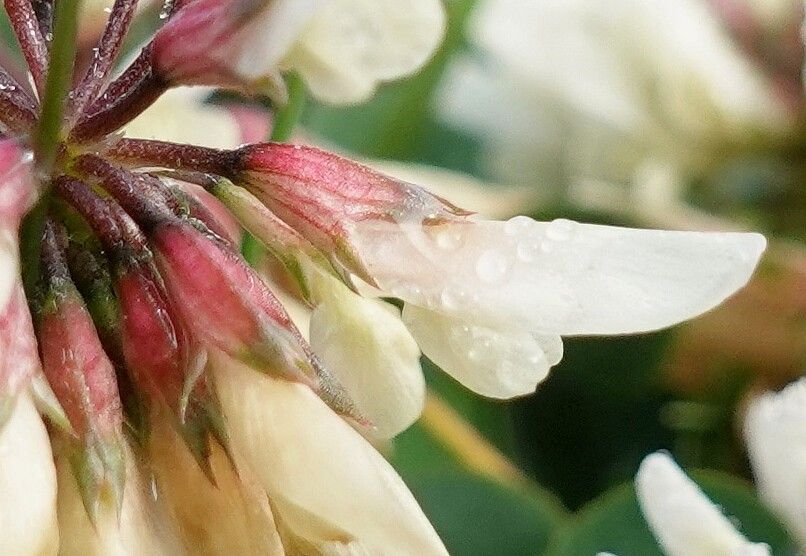
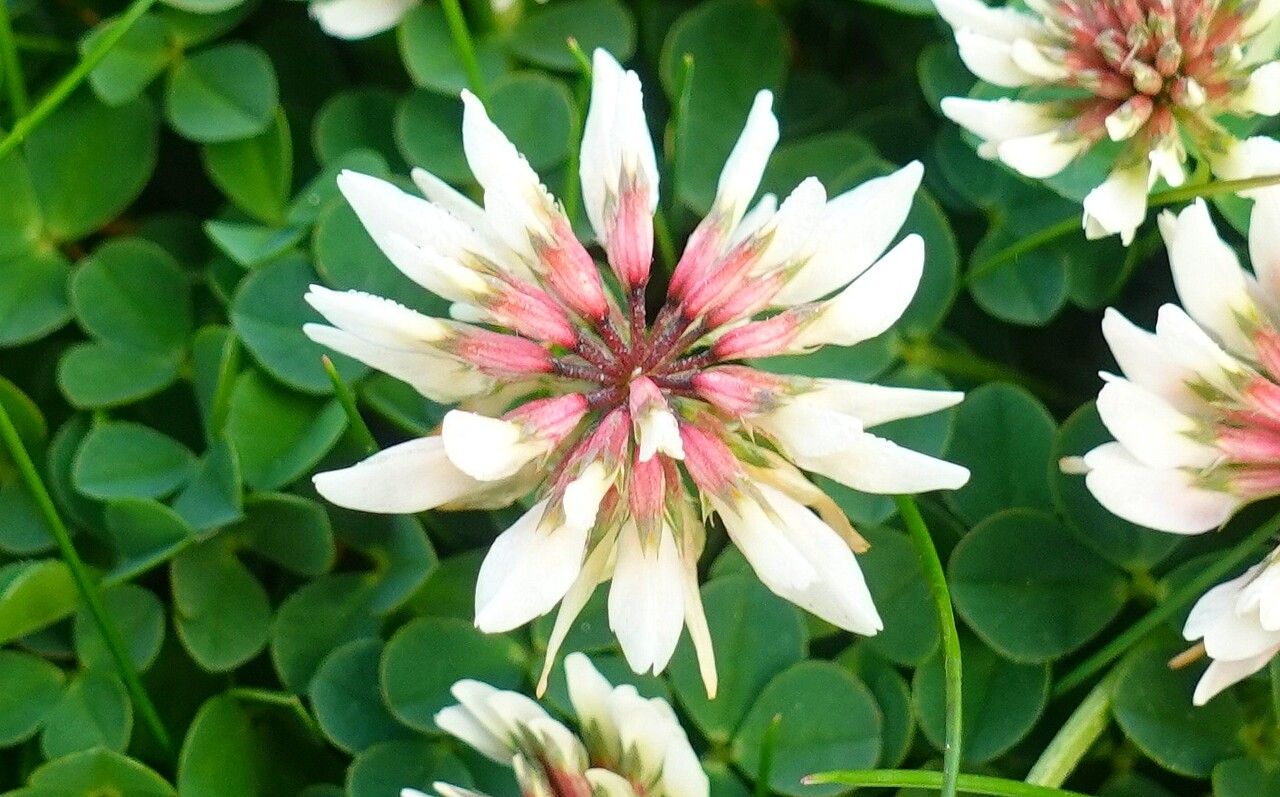
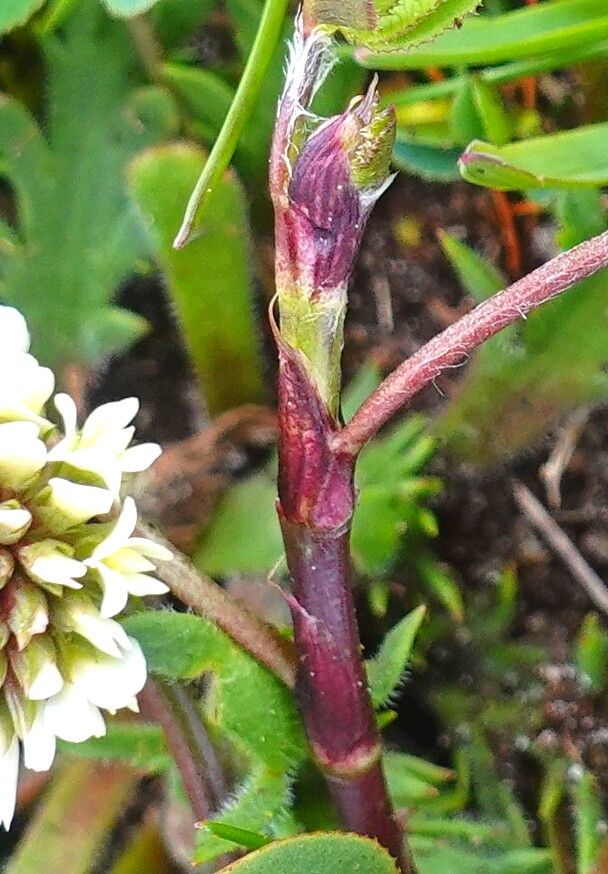
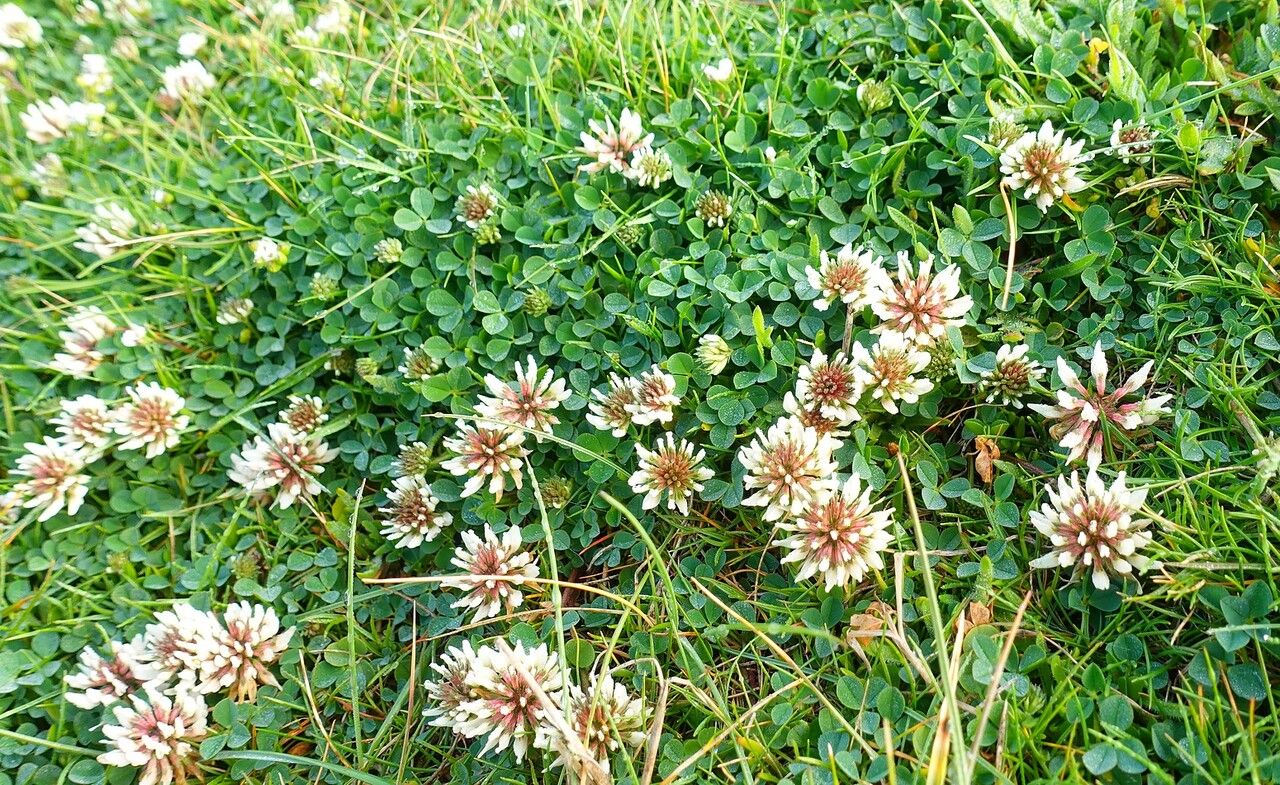
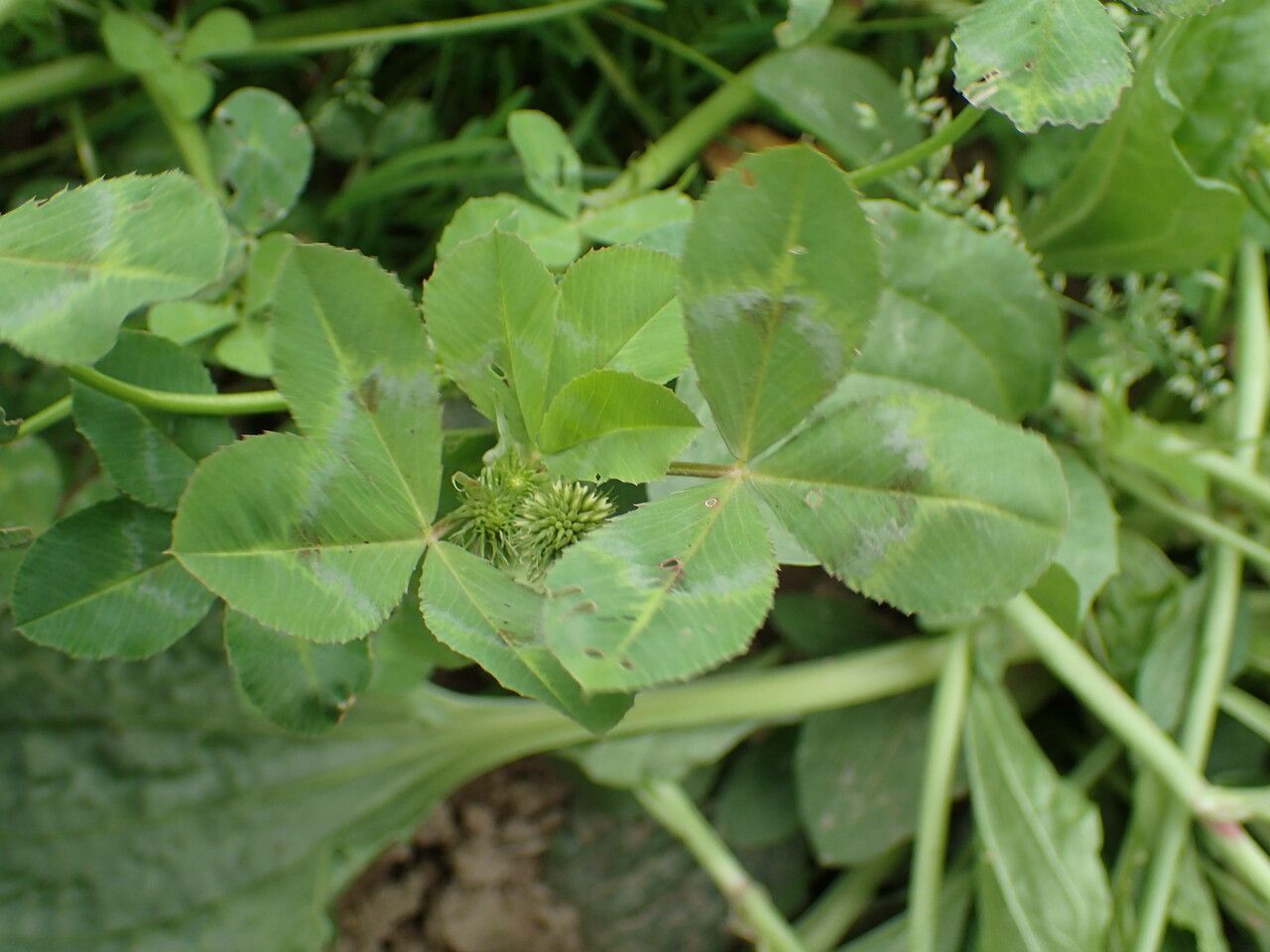
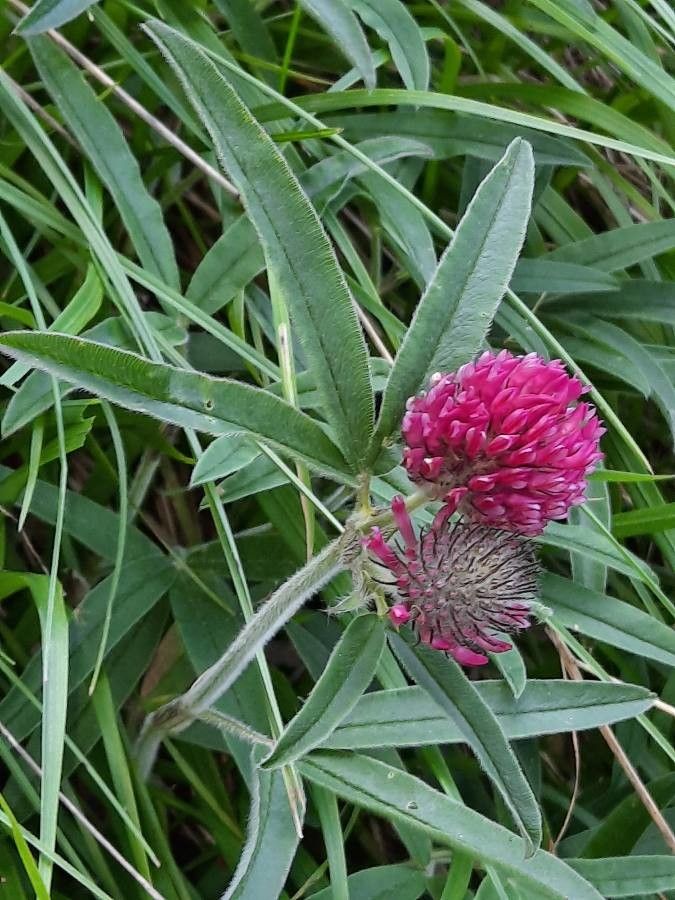
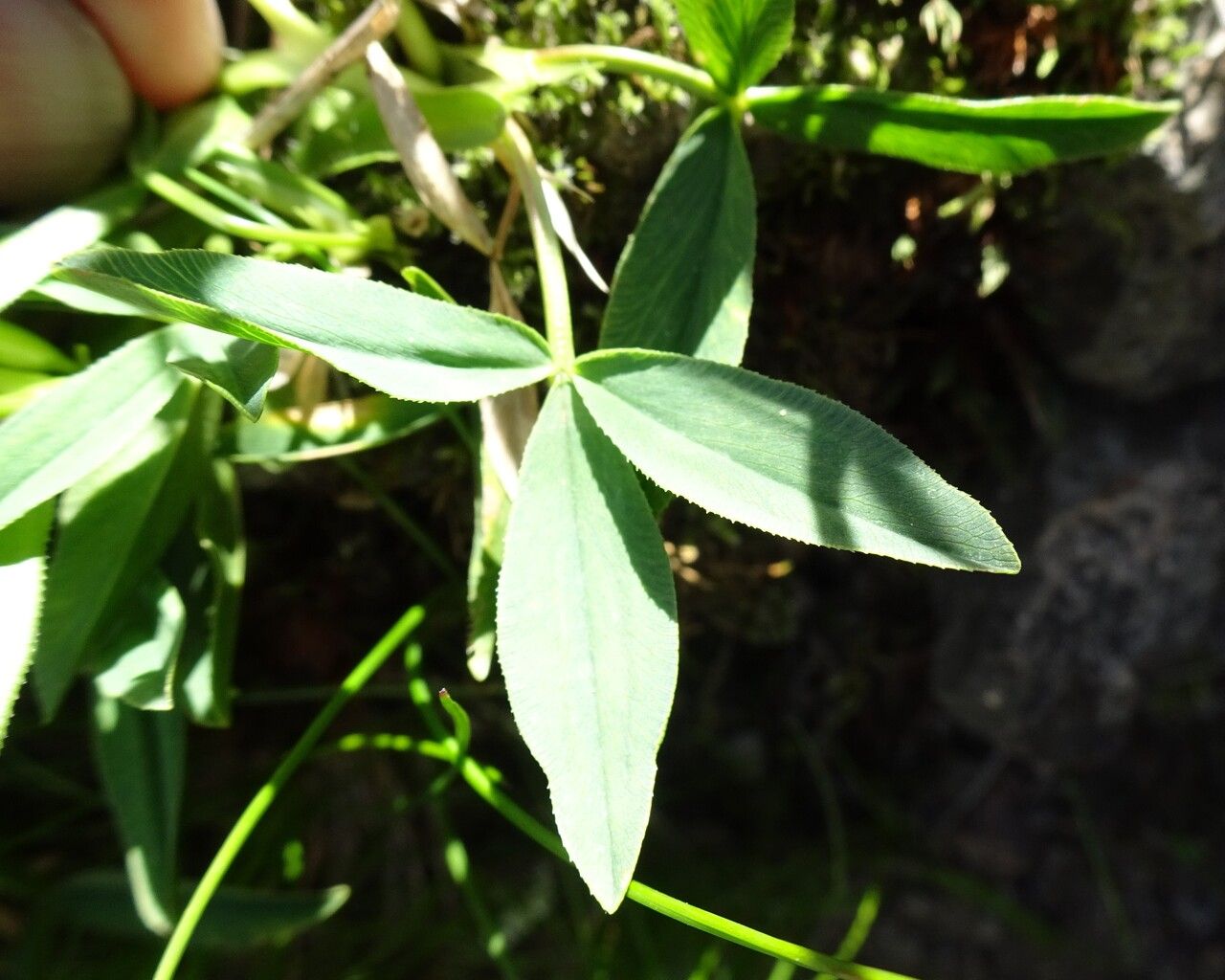
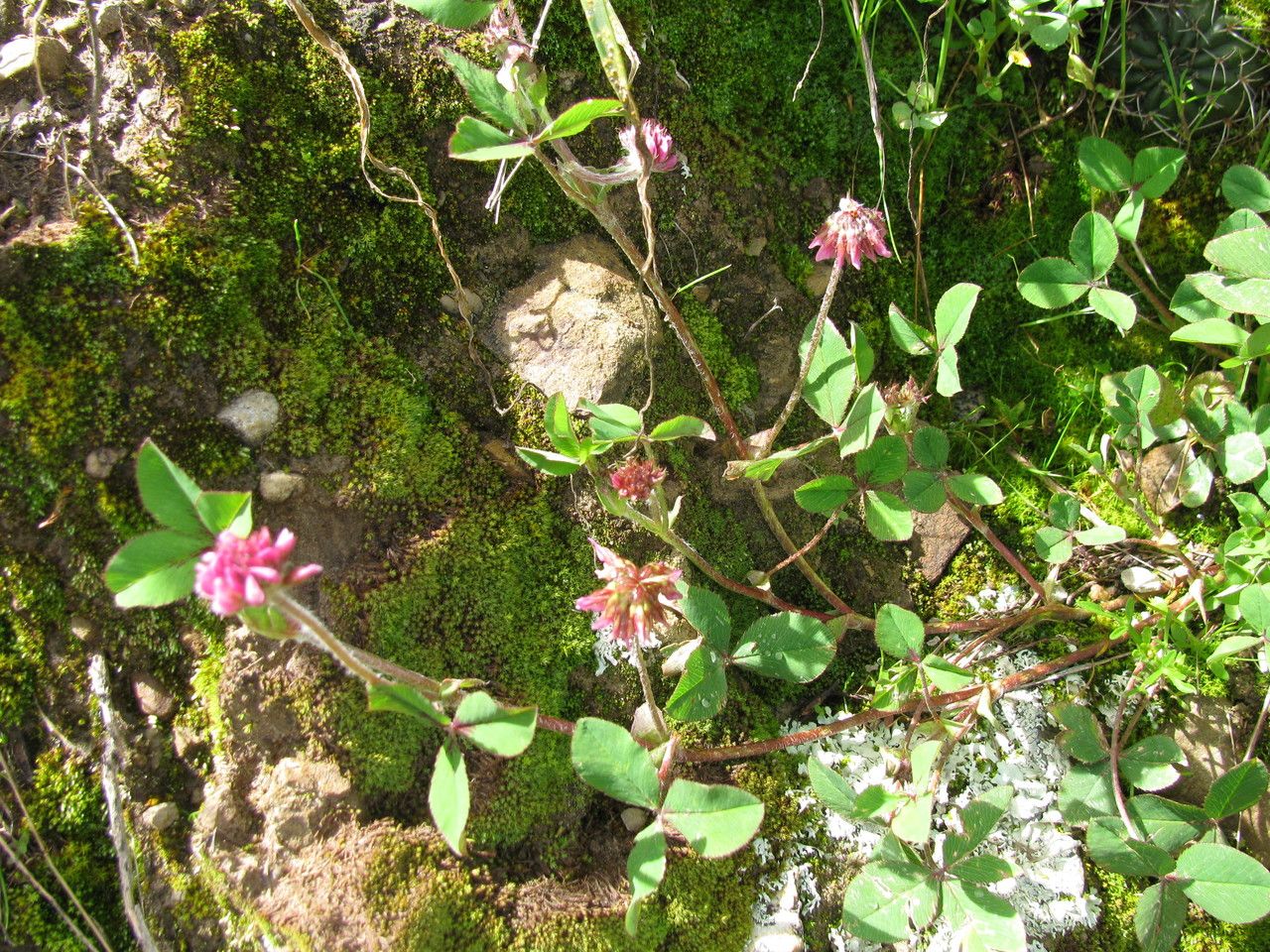
Trifolium occidentale, the western clover, is a clover plant belonging to the genus Trifolium in the legume family, Fabaceae. Its flowers are white, similar to white clover (Trifolium repens), with which it has long been confused. This species lives almost exclusively in sand dunes and sea cliffs on the Atlantic coast of Europe, especially Cornwall and the Channel Islands. The species was first described in 1961 by Dr David E Coombe of Cambridge University.
Western clover shows strong resistance to disease and is generally not likely to develop illnesses. Still, it can be affected by pests and diseases present in its environment, though such infections are typically mild. Regarding upkeep, this plant needs moderate care. It should be pruned regularly to preserve a tidy appearance and healthy growth. Applying fertilizer can also encourage flowering. Western clover is appropriate for anyone who has outdoor space, like a garden or patio, and does not demand extensive experience in plant care. When cultivated indoors, however, it may need more attention.
How to keep Trifolium Occidentale.
Light
Western clover is a sun-loving, perennial herbaceous plant that comes from open habitats and is commonly found in meadows and grasslands. It prefers full sun but can also tolerate partial sun.
Temperature
Western clover can tolerate a wide range of temperatures, but its distribution may still be restricted by different combinations of moisture and heat. It does best in warm summer climates with sufficient rainfall or irrigation. Lengthy periods of cloudy, rainy weather, as well as extended high temperatures, can increase the risk of Western clover dying. In winter, proper protection from cold can enhance the plant's chances of survival.
Fertilizer
The best time to fertilize Western clover is in early spring, when it is coming out of dormancy and beginning active growth. Fertilization supplies the essential nutrients needed for healthy development. Although Western clover has relatively low fertilizer requirements, fertilizing once a year can improve its survival and encourage better, longer-lasting flowers.
Botanical profile.
- Plant Type
- Herb
- Life Cycle
- Perennial
- Genus
- Trifolium
- Family
- Fabaceae
- Hardiness Zone
- 4-9
- Mature Height
- 5 cm to 10 cm
- Mature Spread
- 10 cm to 30 cm
- Leaf Color
- Green, Dark Green
- Leaf Type
- Semi-evergreen
- Flower Color
- White, Pink
- Flower Size
- 1.02 cm to 1.52 cm
- Bloom Time
- Mid spring, Late spring, Summer, Early fall
- Planting Time
- Spring, Summer, Autumn
- Harvest Time
- Summer, Fall
Other names.