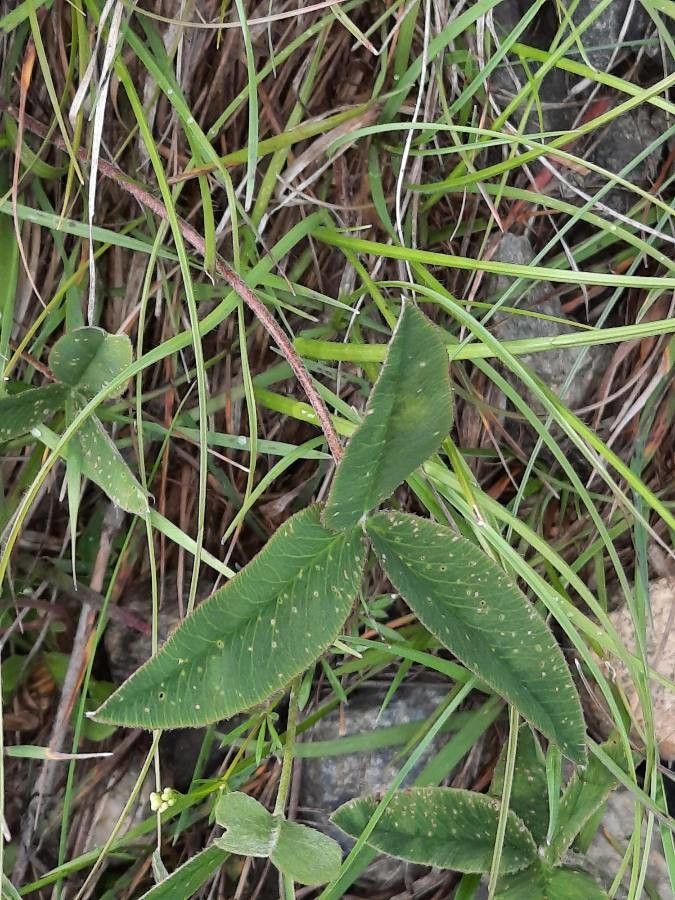
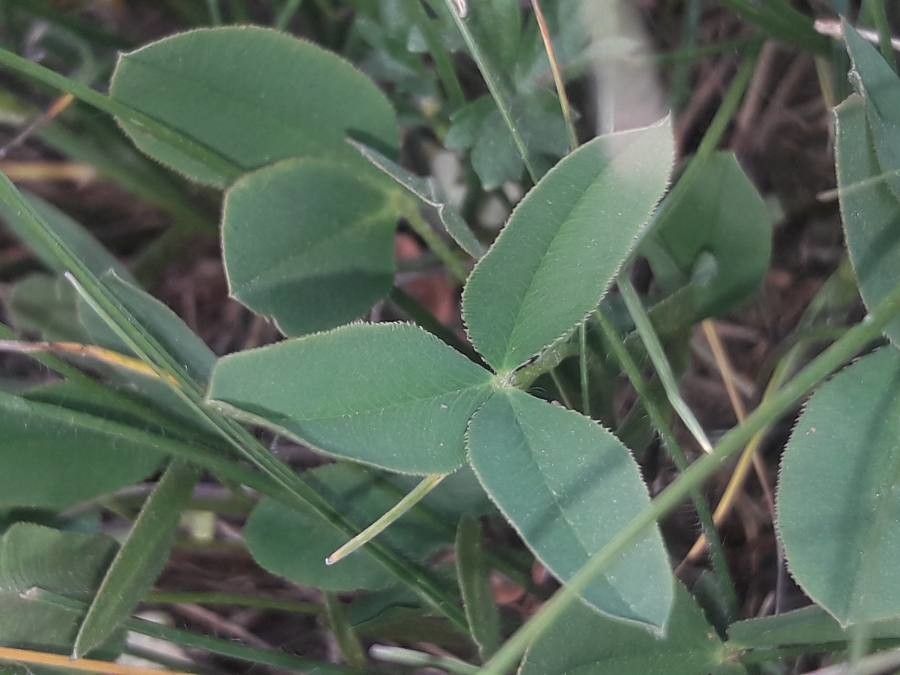
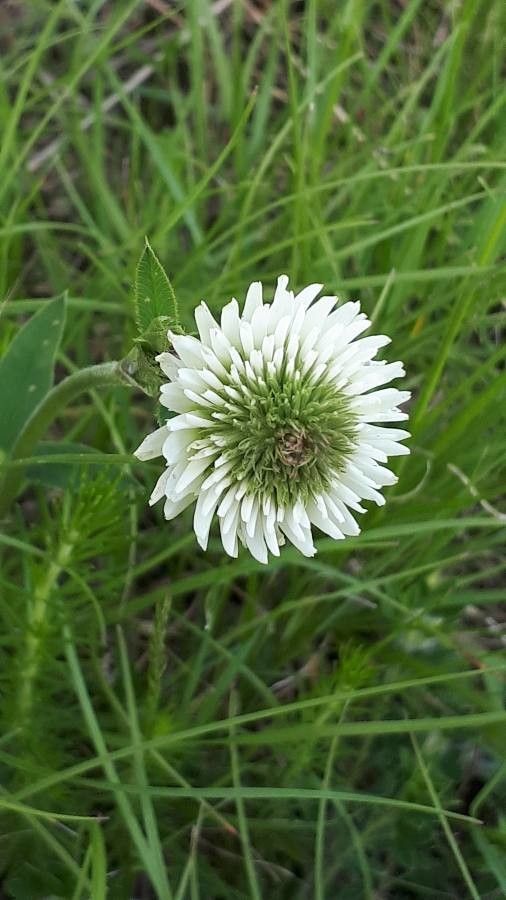
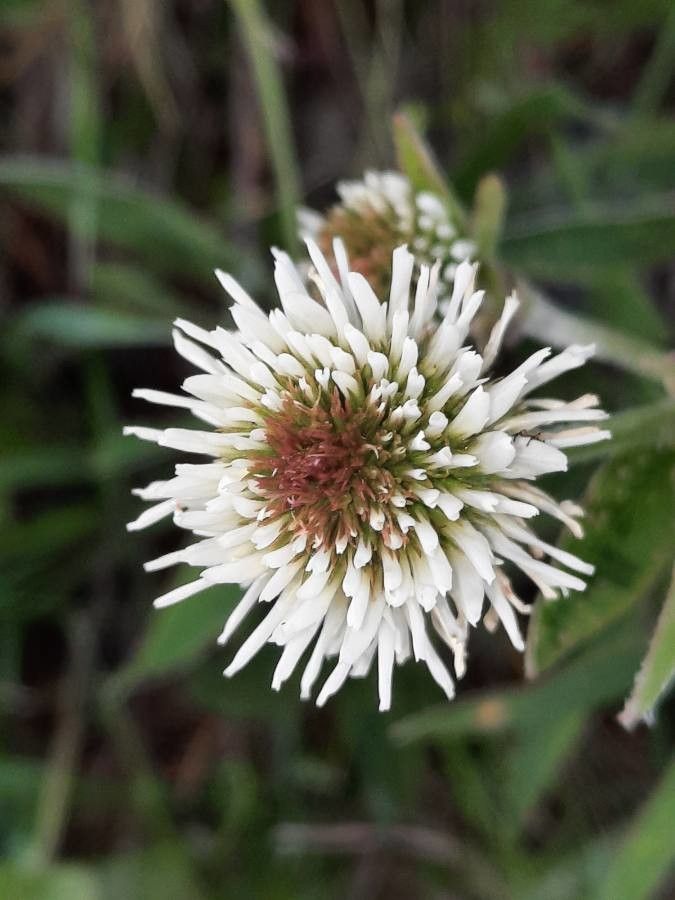
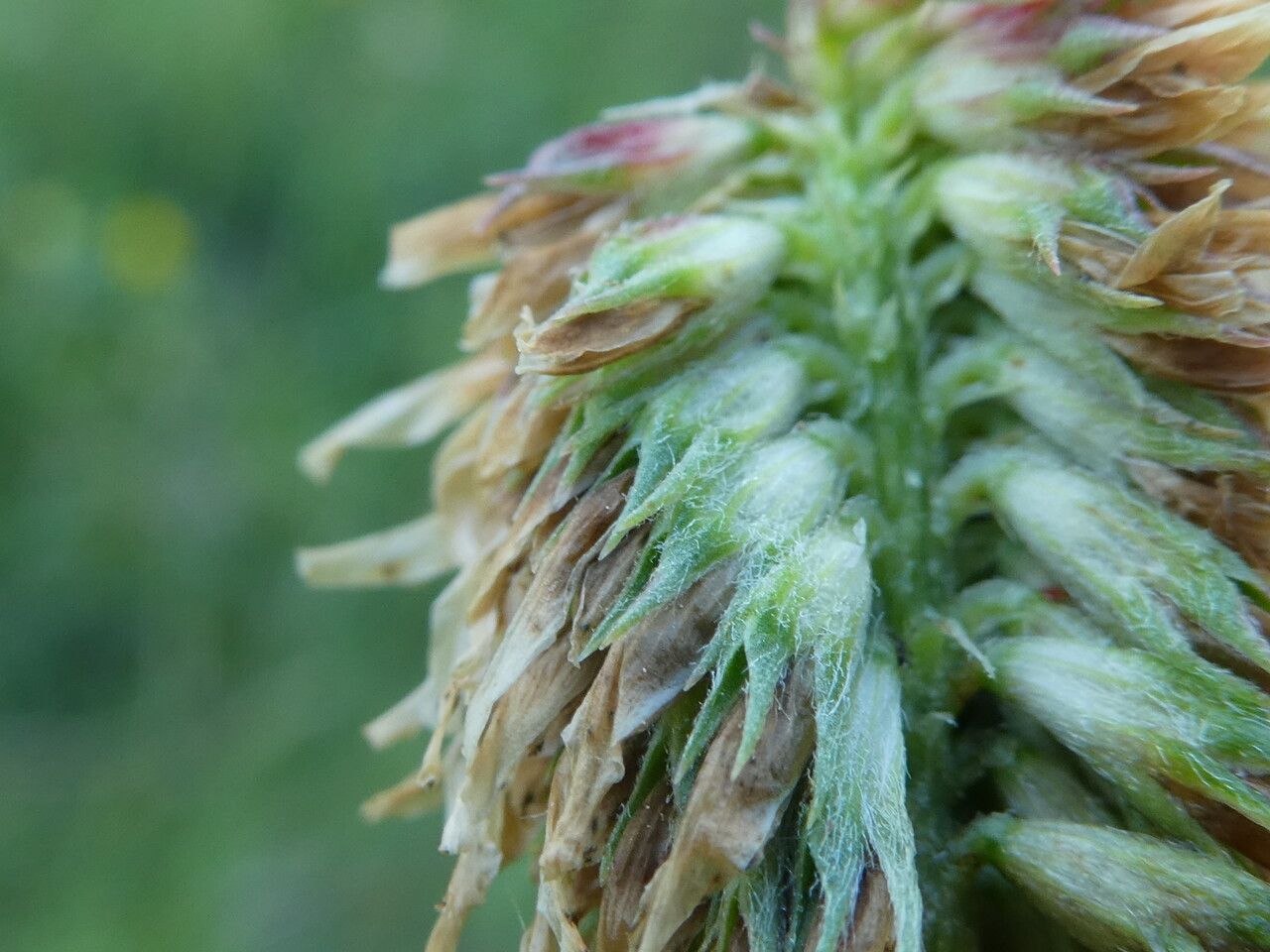
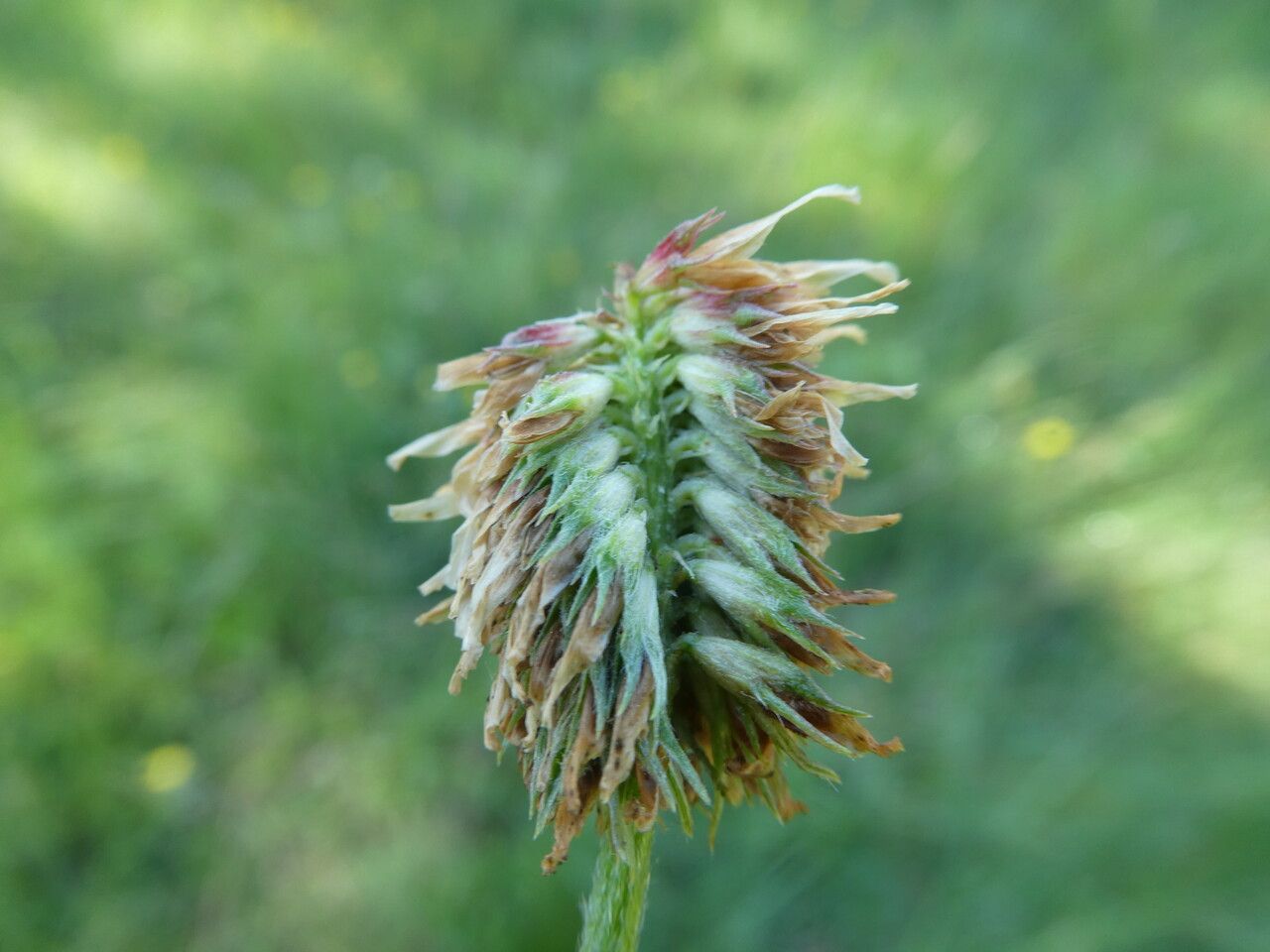
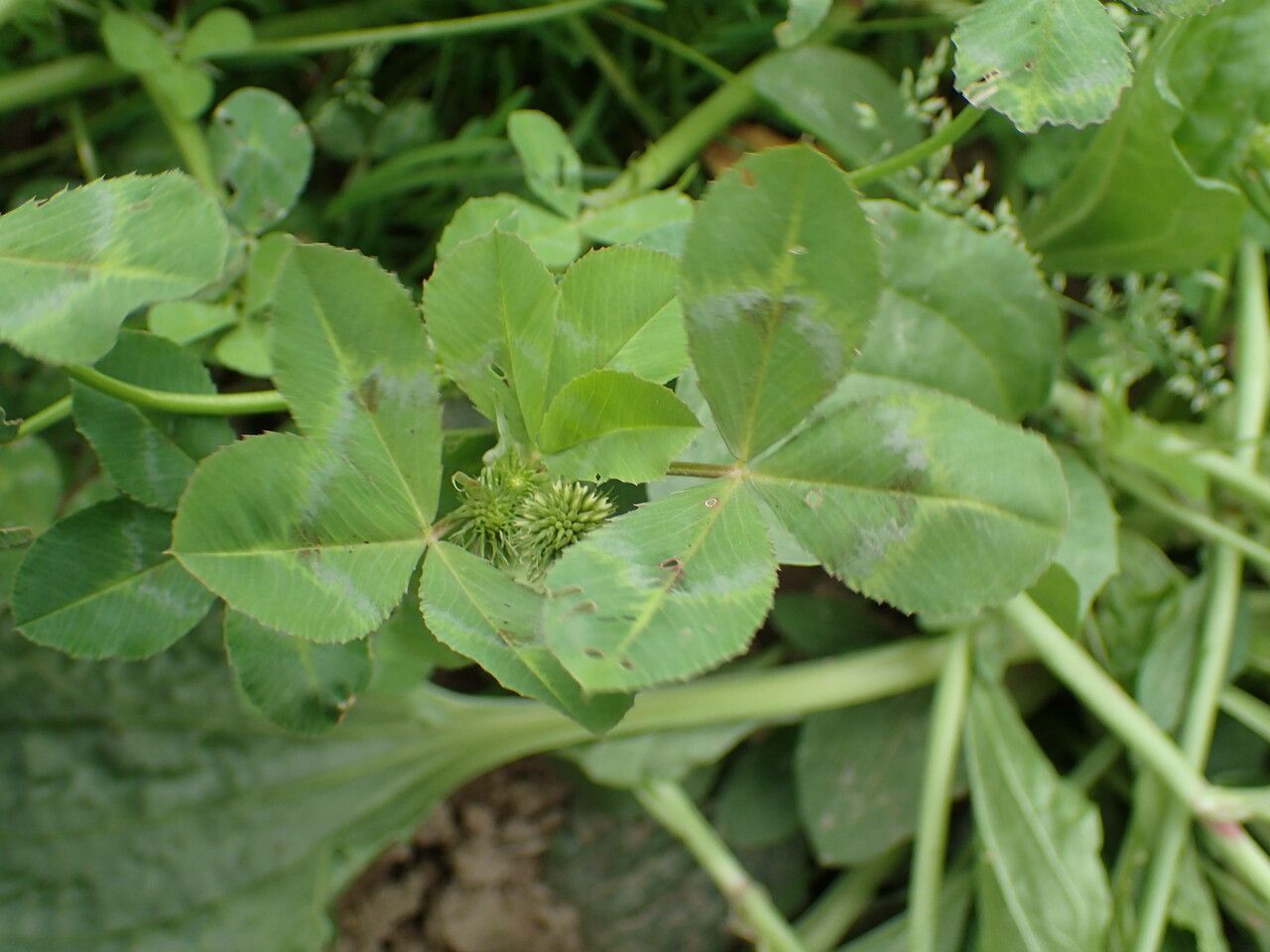
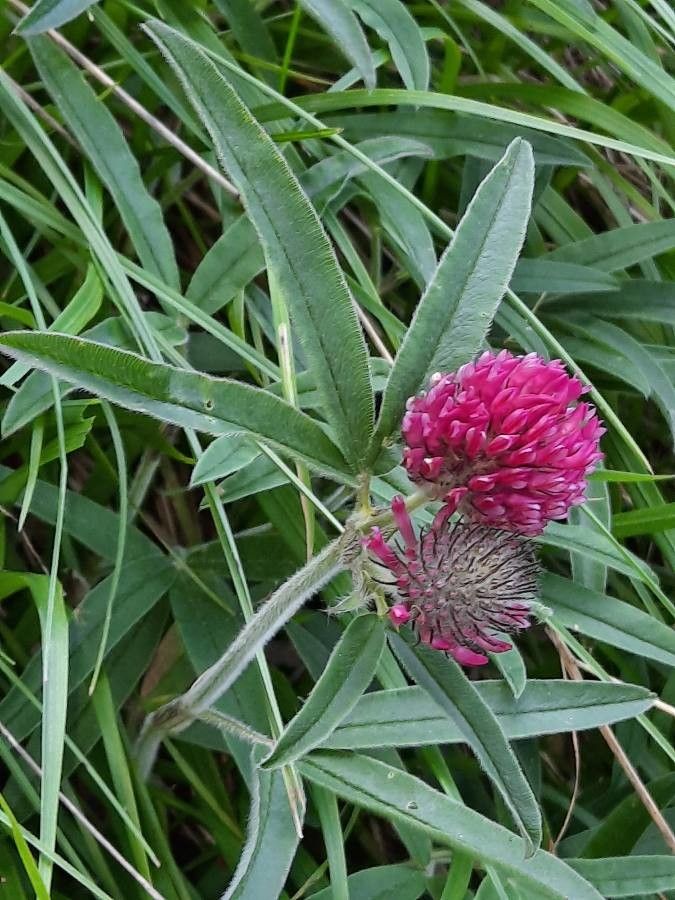
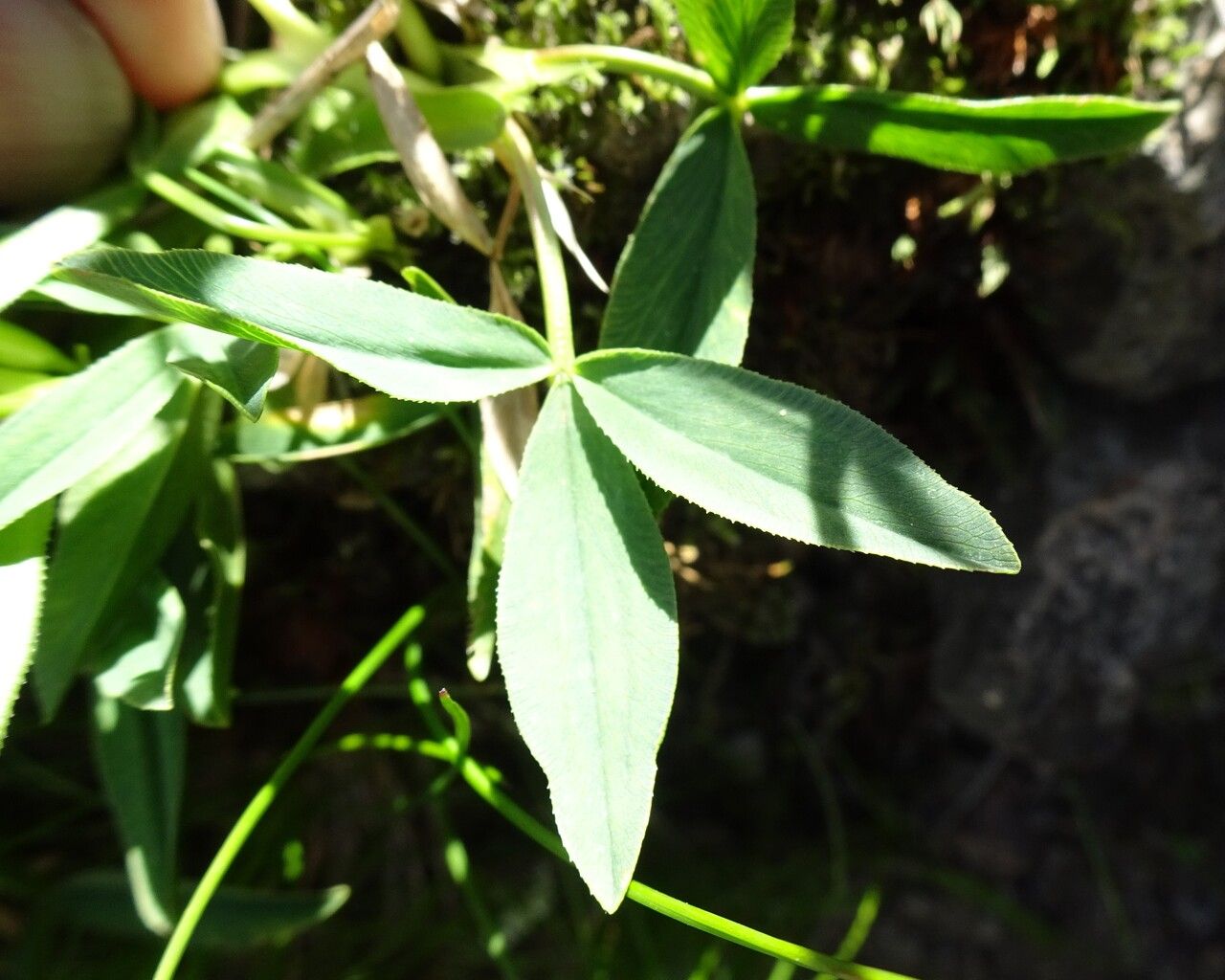
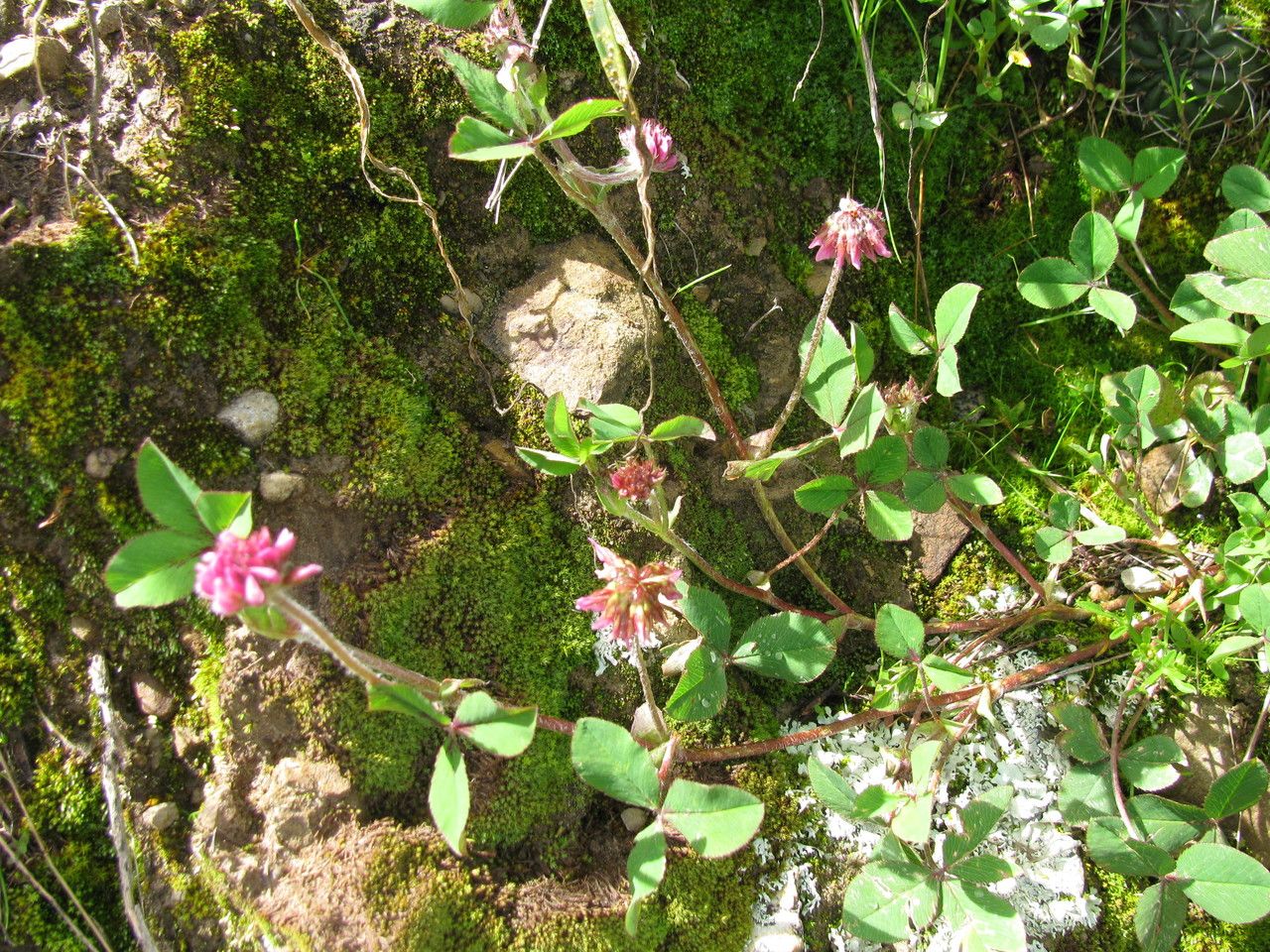
Trifolium montanum, the mountain clover, is a plant species of the genus Trifolium. It is the county flower of Oslo, Norway.
How to keep Trifolium Montanum.
Light
Mountain carpet clover prospers in sites where it receives full-strength sunlight but can also develop in partly shaded conditions. In its natural habitat, light intake is essential. Too much or too little light can change its growth and overall health. However, its adaptability to different light levels adds to its resilience.
Water
Mountain carpet clover is native to temperate regions and prefers soil with moderate moisture. It thrives when consistently watered, typically needing hydration once a week. In cooler climates, this outdoor plant has adapted to seasonal rainfall, which influences its growth patterns and watering requirements.
Temperature
Mountain carpet clover originates from temperate areas and prefers temperatures of 41 to 77 °F (5 to 25 ℃). Seasonal adjustments to temperature may be needed to closely replicate its natural growing conditions.
Fertilizer
The best time to fertilize Mountain carpet clover is in early spring, as it comes out of dormancy and begins active growth. Fertilization supplies essential nutrients for healthy growth. Although Mountain carpet clover has relatively low fertilizer requirements, an annual application can improve its survival and encourage better, longer-lasting flowers.
Pruning
Mountain carpet clover is a low-growing, spreading plant characterized by its dense foliage and delicate white flowers. To promote growth and enhance flowering, it is best to prune the plant from early to late spring. Regular pruning helps prevent overcrowding and reduces the risk of disease, ensuring the plant maintains a healthy and attractive appearance throughout the growing season.
Botanical profile.
- Plant Type
- Herb
- Life Cycle
- Perennial
- Genus
- Trifolium
- Family
- Fabaceae
- Hardiness Zone
- 5
- Mature Height
- 20 cm to 49 cm
- Mature Spread
- 15 cm to 30 cm
- Leaf Color
- Green, Dark Green
- Leaf Type
- Deciduous
- Flower Color
- White
- Flower Size
- 0.76 cm to 1.02 cm
- Bloom Time
- Late spring, Early summer, Mid summer
- Planting Time
- Spring, Summer
- Harvest Time
- Mid summer, Late summer, Early fall
Other names.
Reader questions.
How should I water my Mountain carpet clover?
When watering the Mountain carpet clover, it is important to use filtered water that is at room temperature. Tap water can contain harmful particles, so filtered water is preferred. The plant is used to a warm environment, so it is best to avoid using cold water as it can shock the plant. Additionally, it is recommended to not water the plant from above, as it can cause issues with the foliage. Instead, water the soil directly with filtered, room temperature water until the soil is fully saturated. This will help the roots stay moist and spread throughout the soil to gather the necessary nutrients.
Why should I put fertilizer on my Mountain carpet clover?
The main structure of the Mountain carpet clover is made up of its leaves. Fertilization is an important way to keep the leaves looking great and functioning well. It ensures that the leaves have consistent color and a healthy texture. Fertilization also benefits the plant below the soil's surface by promoting the growth of new roots and maintaining existing roots. This not only keeps the plant healthy in the present, but also improves its ability to absorb nutrients from the soil in the future.
What are the sunlight requirements for Mountain carpet clover?
Mountain carpet clover thrives in full sunlight, requiring above 6 hours of sunlight for optimal growth, but it can also grow in partial sun, with about 3-6 hours of sunlight. It's essential to observe the movement of sunlight through your garden to pick spots that provide a good balance of light and shade. This balance ensures the plant's health and happiness. In its natural habitat, Mountain carpet clover's light consumption is integral to its growth and health. Whether in full intensity or semi-shaded conditions, the right amount of light is crucial. However, its adaptability to light contributes significantly to its resilience.
What is the ideal temperature range for Mountain carpet clover?
Mountain carpet clover thrives in temperate regions, preferring the ideal temperature range of 41 to 77 °F (5 to 25 °C). To mimic its natural growth environment, seasonal temperature adjustments may be necessary, ensuring the plant grows optimally in the conditions it is accustomed to.
What should I do if I give my Mountain carpet clover too much or too little water?
Overwatering is a common issue for Mountain carpet clover, while underwatering is less likely to occur. When the plant receives too much water, its stems and leaves can wilt, turn yellow, and develop diseases like root rot, mold, and mildew. This can be fatal for the plant. On the other hand, Mountain carpet clover has good drought tolerance, so underwatering is not as common. However, it can still happen, causing brittle and brown leaves. It's important to identify and address overwatering signs promptly. Some diseases from overwatering, like root rot, may not be fixable if left untreated for too long. To address overwatering, reduce watering immediately and check the soil's drainage. If it drains poorly, replace it with a loose, well-draining potting mix. If signs of underwatering are present, water more regularly until the signs disappear.
When should I fertilize my Mountain carpet clover for the best results?
If you grow your Mountain carpet clover outdoors each year, it will send out new growth in early spring. This is the cue to start fertilizing for the year. Usually, one round of fertilizer in the spring is sufficient for the plant's well-being. However, if you want to promote maximum growth, you can provide multiple feedings over spring and early summer. In this case, you can fertilize your Mountain carpet clover roughly every month to a month and a half.
How can artificial lighting support Mountain carpet clover indoors?
Indoor Mountain carpet clover plants require adequate lighting for optimal growth. When natural sunlight is insufficient, especially during winter or in less sunny spaces, artificial lighting becomes essential. LED lights are a popular choice because they provide specific wavelengths that plants need. Full sun plants need 30-50W/sq ft of artificial light, partial sun plants need 20-30W/sq ft, and full shade plants 10-20W/sq ft. Position the light source 12-36 inches above the plant to mimic natural sunlight and keep it on for 8-12 hours per day to match the natural daylight hours for most plant species.
How does Mountain carpet clover handle cold weather and frost?
Mountain carpet clover is notably cold-tolerant and does not typically require additional measures for frost protection during winter. However, it is advisable to water the plant generously before the first freeze in autumn. This preparation ensures that the soil remains moist and enters a frozen state properly, which is crucial for preventing drought and water scarcity for the plant during the colder winter and early spring months.
How frequently do I need to water my Mountain carpet clover?
If your Mountain carpet clover plant is in a pot, the most precise way to determine if it needs water is to check the moisture of the soil by sticking your finger into it. If the top two to three inches of soil are dry, it's time to water it. If your Mountain carpet clover is planted outdoors in the ground, you can use a similar method to check the soil. Once again, if the top few inches of soil are dry, it's time to water the plant. Usually, during spring and early fall, watering once a week is sufficient. However, when there is extremely hot weather, you may need to water the plant two or more times per week. It's important to note that mature, well-established Mountain carpet clover plants have a remarkable ability to tolerate drought.
When is not a good time to fertilize my Mountain carpet clover?
During late fall and winter, your Mountain carpet clover goes into a dormant phase, stopping new growth. It's best to avoid fertilizing during this time. In spring and summer, if you choose to fertilize, start reducing the amount as summer approaches and the clover's growth rate slows down. In general, it's not a good idea to fertilize when the weather is unusually hot or the soil is extremely dry. Doing so can stress the clover and cause it to die prematurely.
What are the symptoms of light deficiency in Mountain carpet clover?
Symptoms of light deficiency in Mountain carpet clover include small new leaves indicating mature leaves' growth, leggy or sparse growth due to longer spaces between leaves or stems, early leaf drop as a conservation measure, slower or no new growth as the plant enters survival mode, lighter-colored or pale new leaves due to lack of chlorophyll and essential nutrients, and chlorosis, where leaves turn yellow and lose their green color, indicating a breakdown of chlorophyll from excessive sunlight.
What should I do if the temperature falls below -25°C for Mountain carpet clover?
Despite Mountain carpet clover's extreme cold tolerance, winter temperatures should ideally be kept above -25°C. Should temperatures fall below this threshold, no immediate visible damage may occur. However, come spring, there could be a noticeable decrease in sprouting or potentially no sprouting at all. To remedy this, it's recommended to remove any parts of the plant that have failed to sprout once warmer temperatures return.