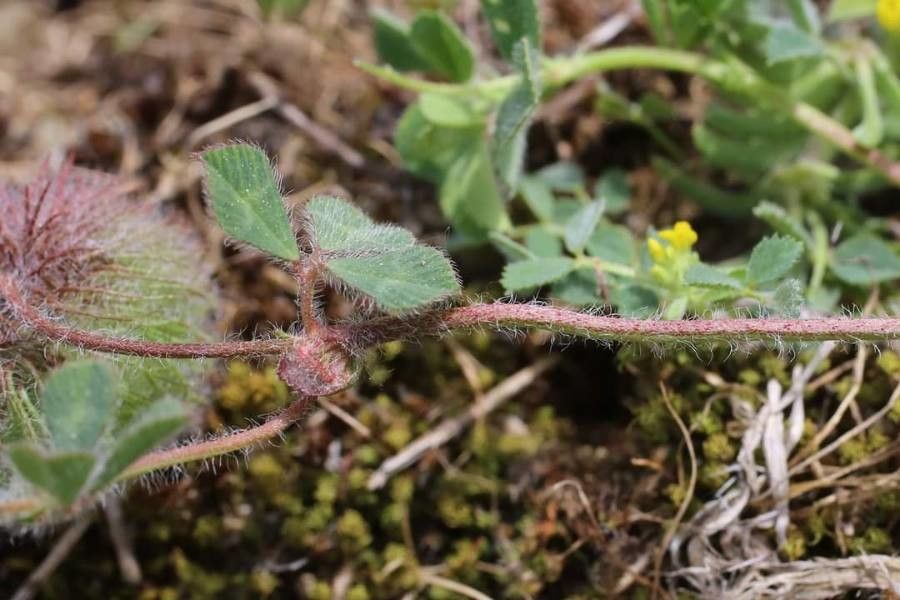
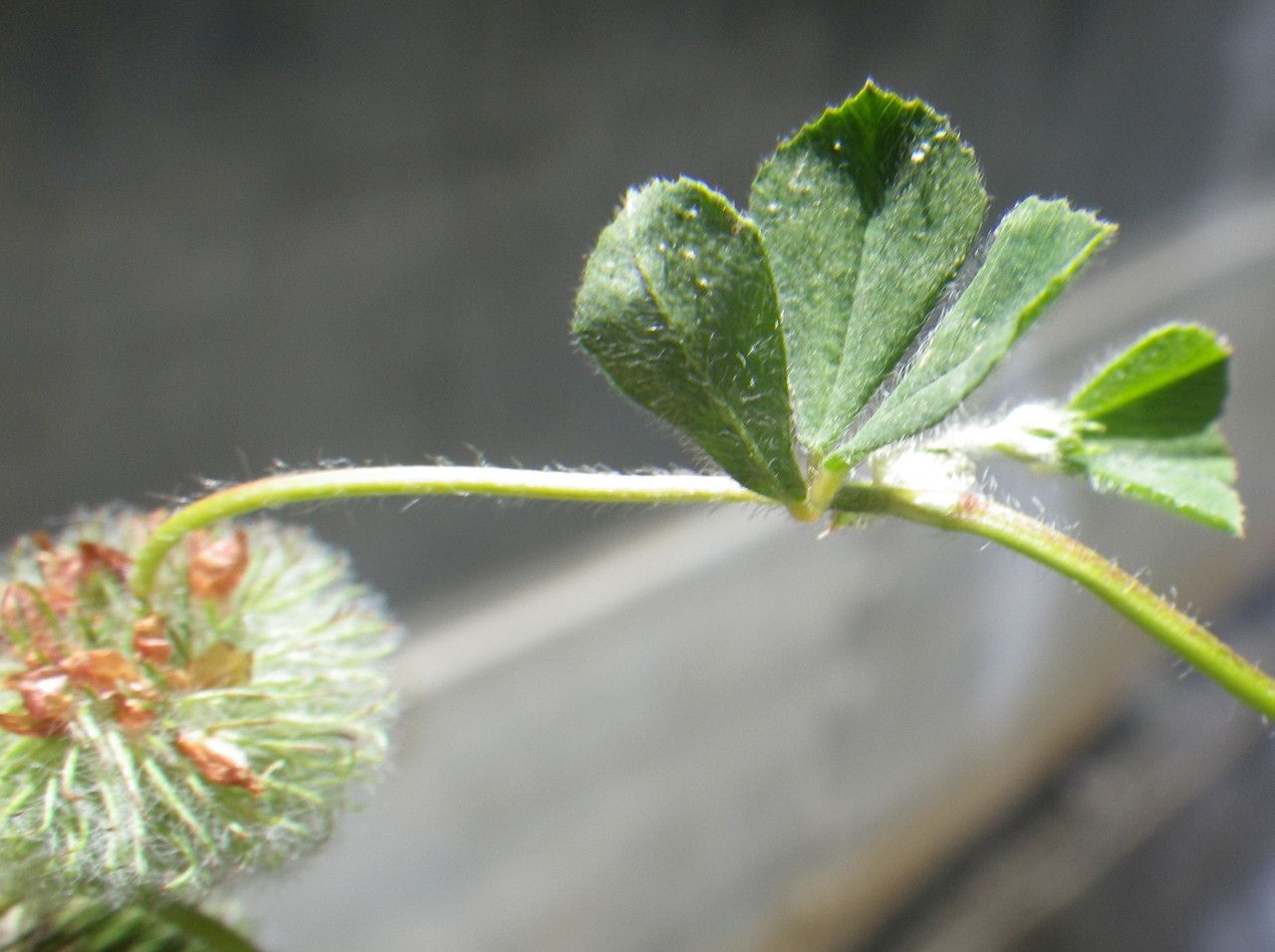
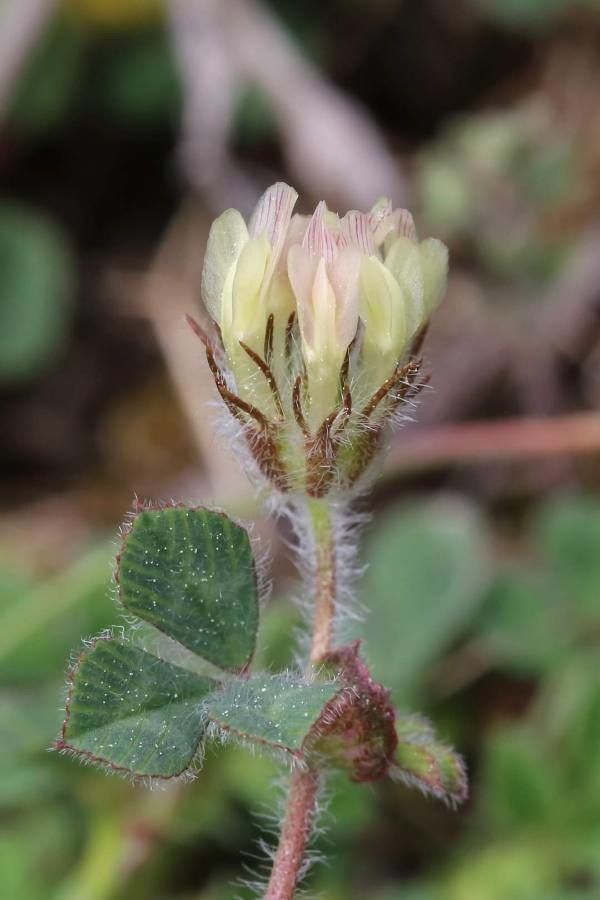
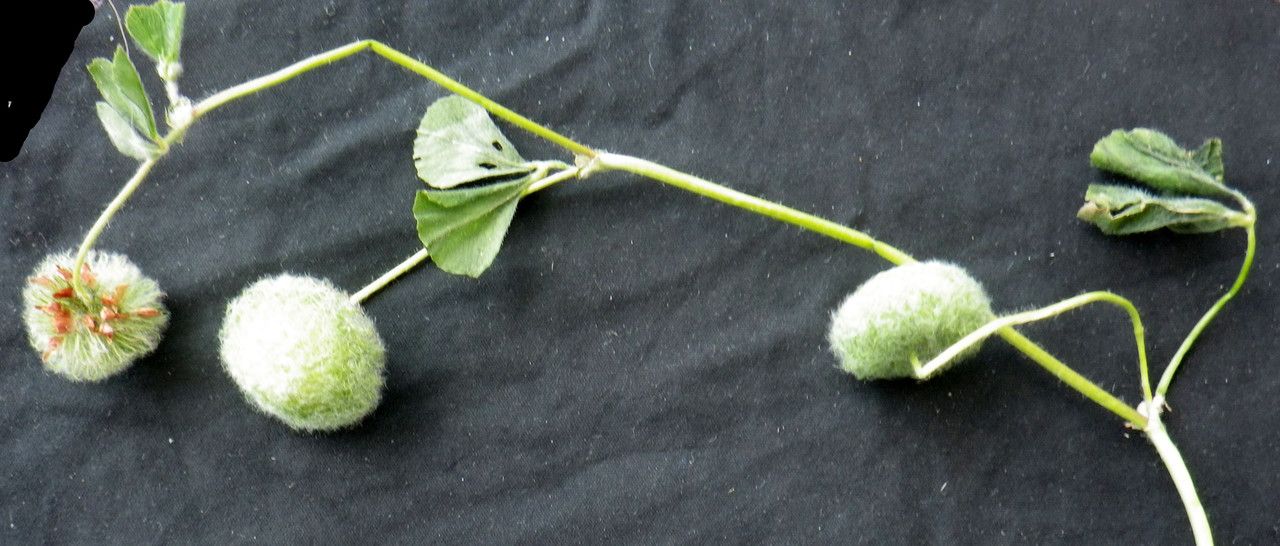
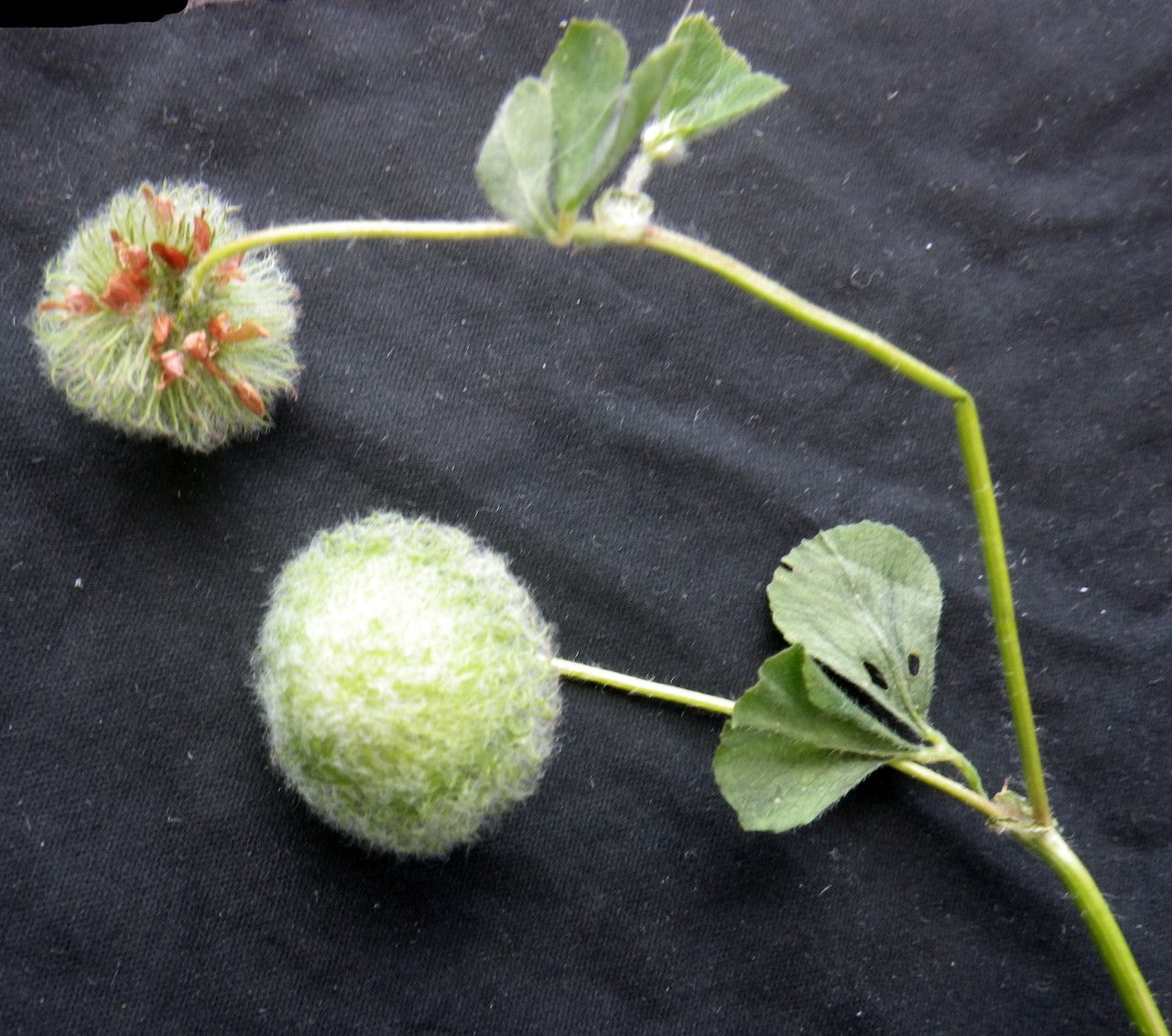
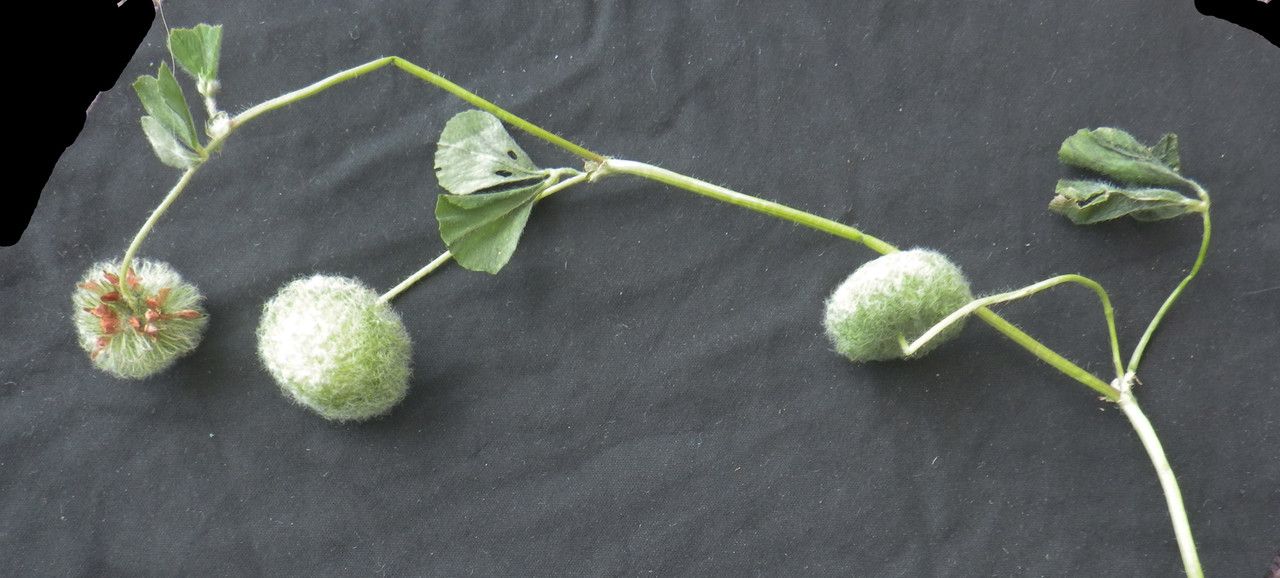
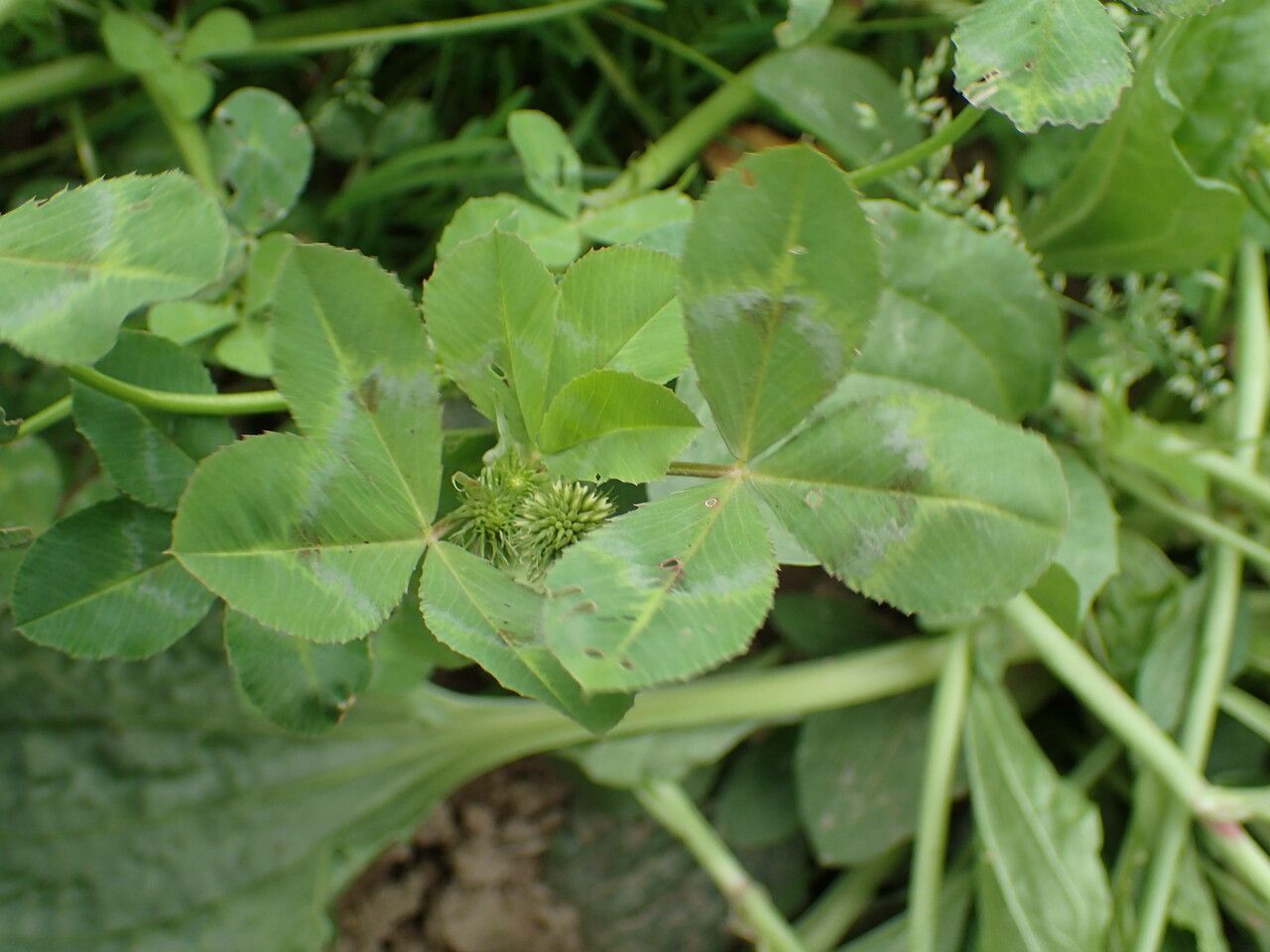
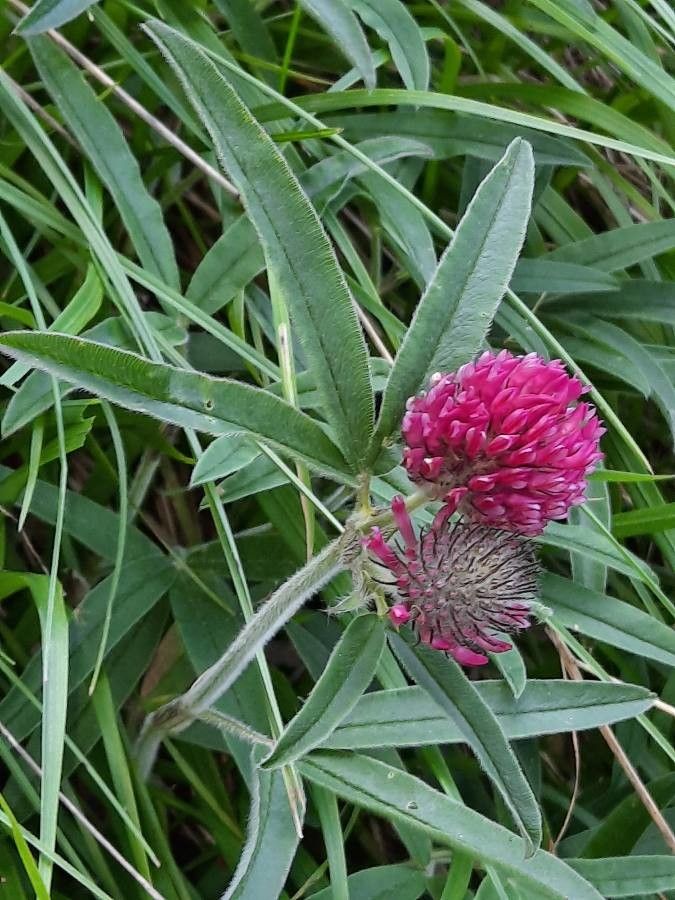
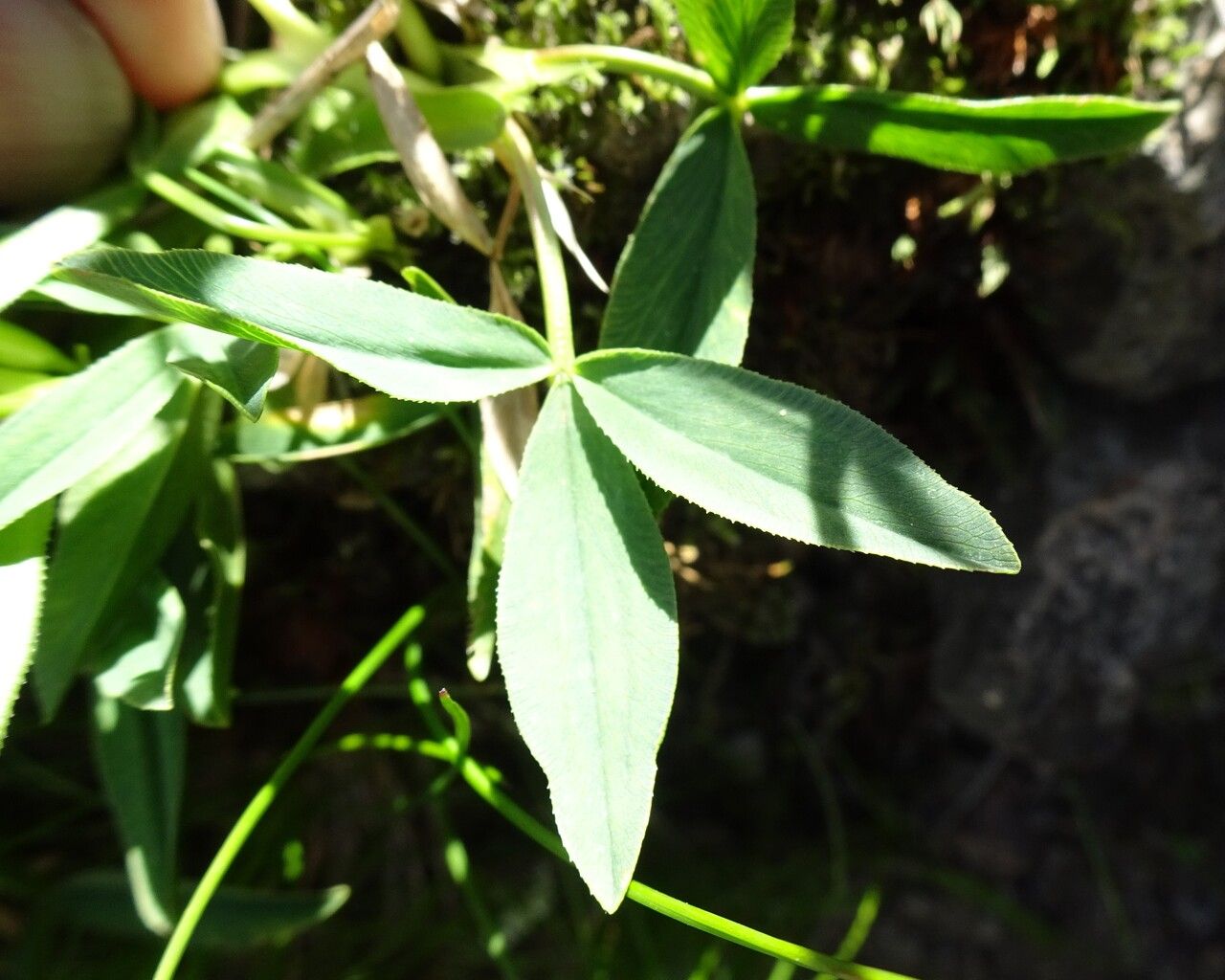
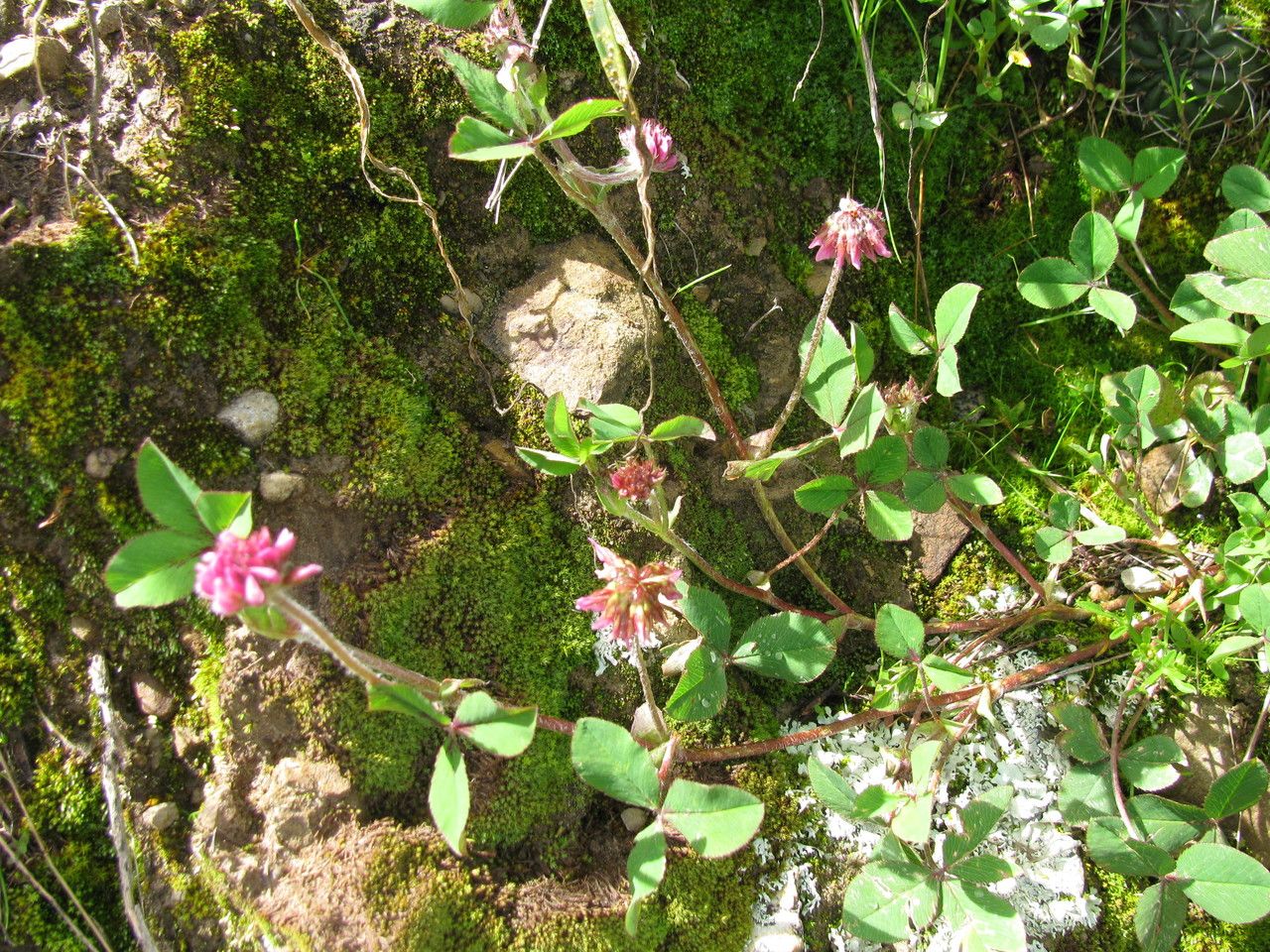
Round-head clover is fairly resistant to disease and typically does not contract many illnesses. Still, it can be affected by pests and diseases that exist nearby. Those infections tend to be mild. Regarding maintenance, this species needs a moderate level of care. It should be pruned on a regular basis to preserve its appearance and support healthy growth. Applying fertilizer can also encourage it to bloom. Round-head clover is appropriate for anyone with outdoor areas like a garden or patio and does not demand extensive gardening experience. When cultivated indoors, however, it may need more attention.
How to keep Trifolium Globosum.
Light
Round-head clover comes from bright, open areas where it thrives in full sun. It can tolerate partial sun but prefers direct sunlight for optimal growth. This plant, which is annual or biennial, is known for its sun-loving nature.
Water
Round-head clover thrives in temperate regions, where it prefers consistently moist soil that is not waterlogged. For optimal growth, it should be watered twice a week. As a plant native to meadows and grasslands, it efficiently uses natural rainfall during its active growing season.
Temperature
Round-head clover can tolerate a wide range of temperatures, but its distribution may still be restricted by different mixtures of moisture and heat. It performs best in warm summer conditions with sufficient rainfall or watering. Extended stretches of cloudy, rainy weather, as well as prolonged high temperatures, can raise the chance of Round-head clover dying. In winter, adequate protection from the cold can increase the plant's survival rate.
Fertilizer
Round-head clover does well with regular, light applications of fertilizer to encourage healthy leaf development. Fertilize Round-head clover roughly once a month during the summer. Nitrogen is essential for foliage, and providing nitrogen-rich sources supports Round-head clover's growth.
Pruning
Round-head clover is characterized by its dense, round flower heads. For optimal growth, it benefits from pruning between early and late spring. To encourage growth and maintain its shape, trim any dead or overgrown stems just above the leaf nodes. Regular pruning not only enhances blooming but also promotes the overall health of the plant. For the best results, adjust the timing of pruning based on your local growth cycles.
Botanical profile.
- Plant Type
- Herb
- Life Cycle
- Annual
- Genus
- Trifolium
- Family
- Fabaceae
- Hardiness Zone
- 6-9
- Mature Height
- 15 cm to 30 cm
- Mature Spread
- 20 cm to 40 cm
- Leaf Color
- Green, Dark Green
- Leaf Type
- Deciduous
- Flower Color
- White, Pink
- Flower Size
- 1.02 cm to 1.52 cm
- Bloom Time
- Mid spring, Late spring
- Planting Time
- Spring, Summer
- Harvest Time
- Early summer, Mid summer
- Native Area
- Cyprus, Bulgaria, Turkey, Greece
Other names.