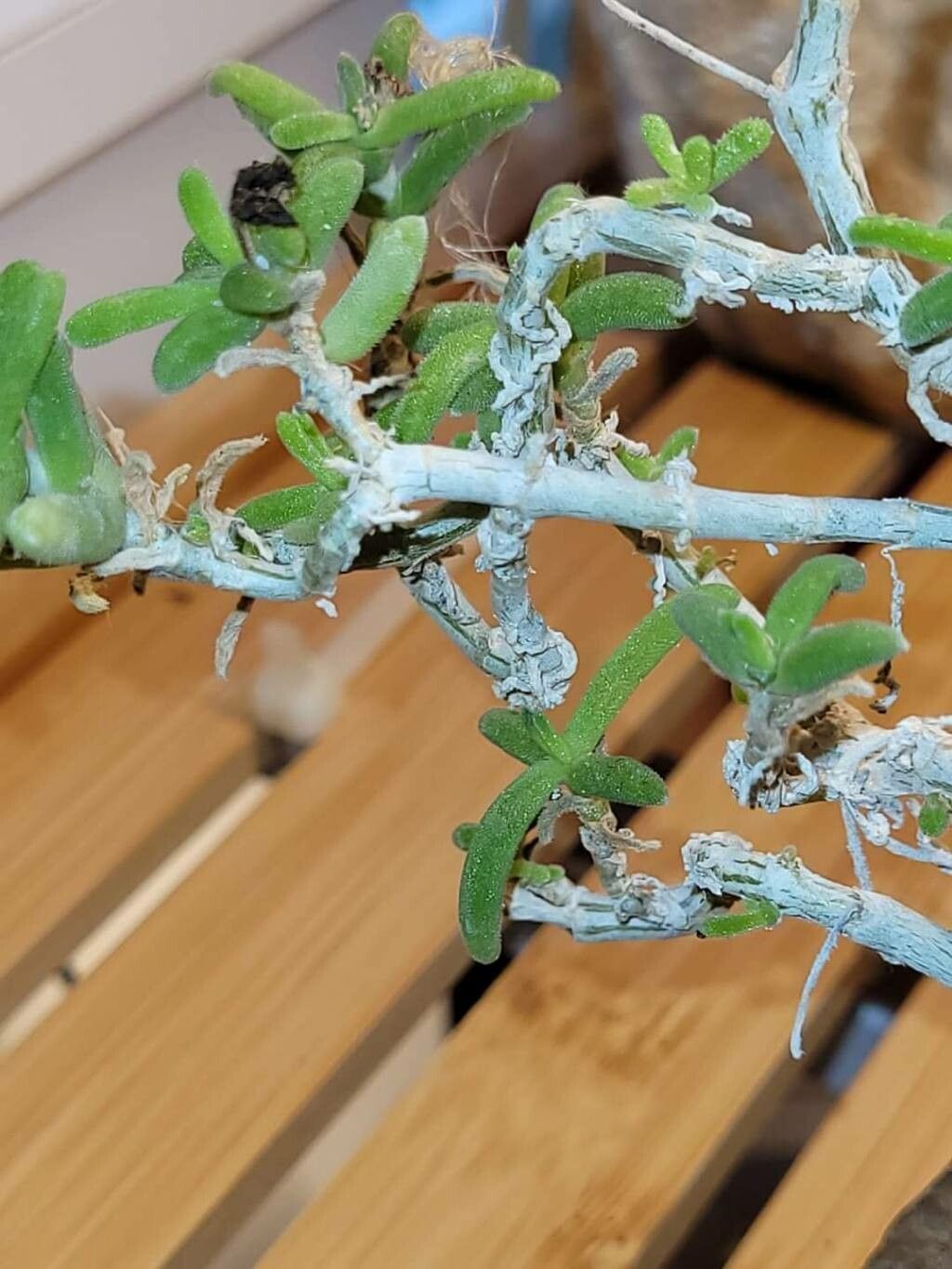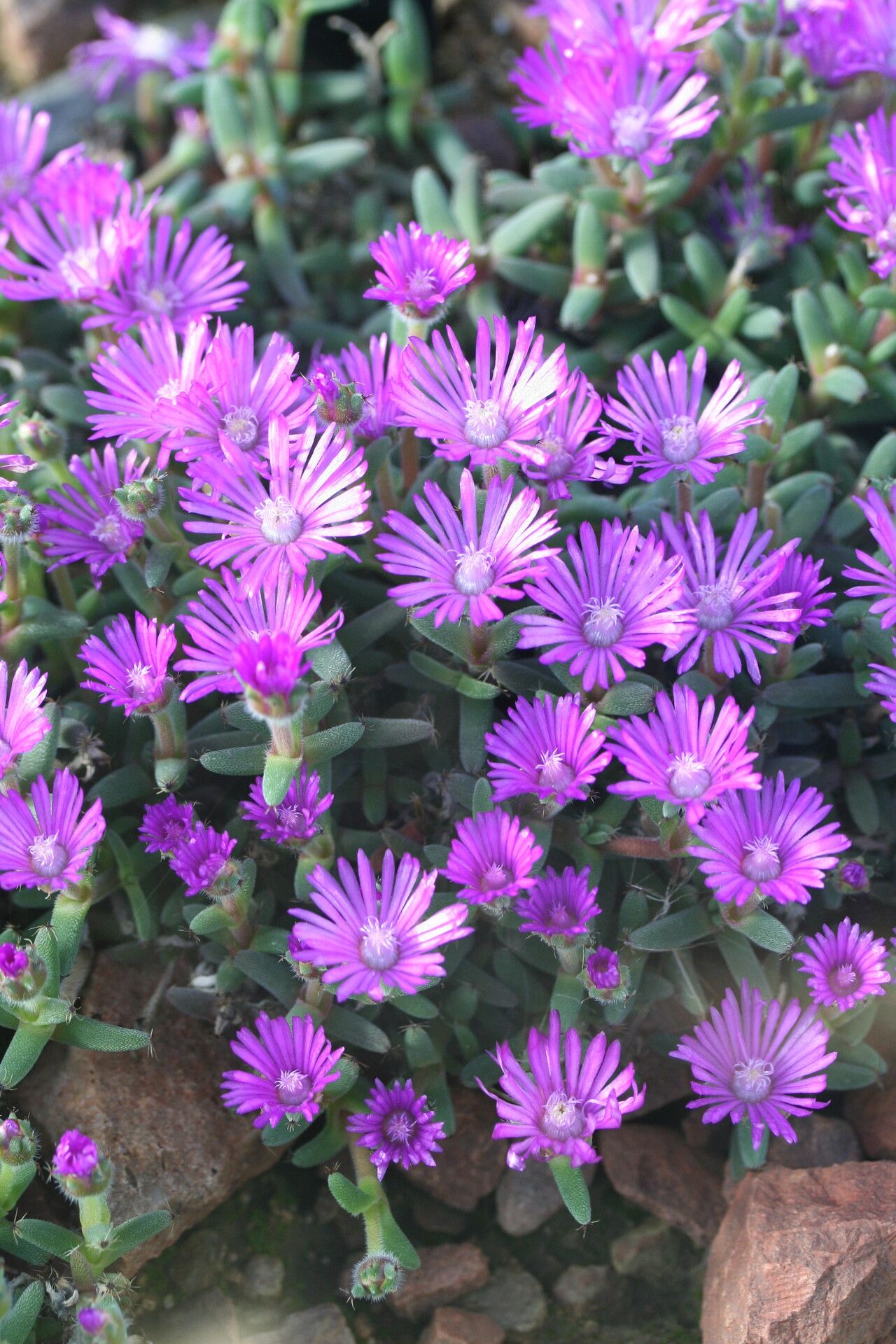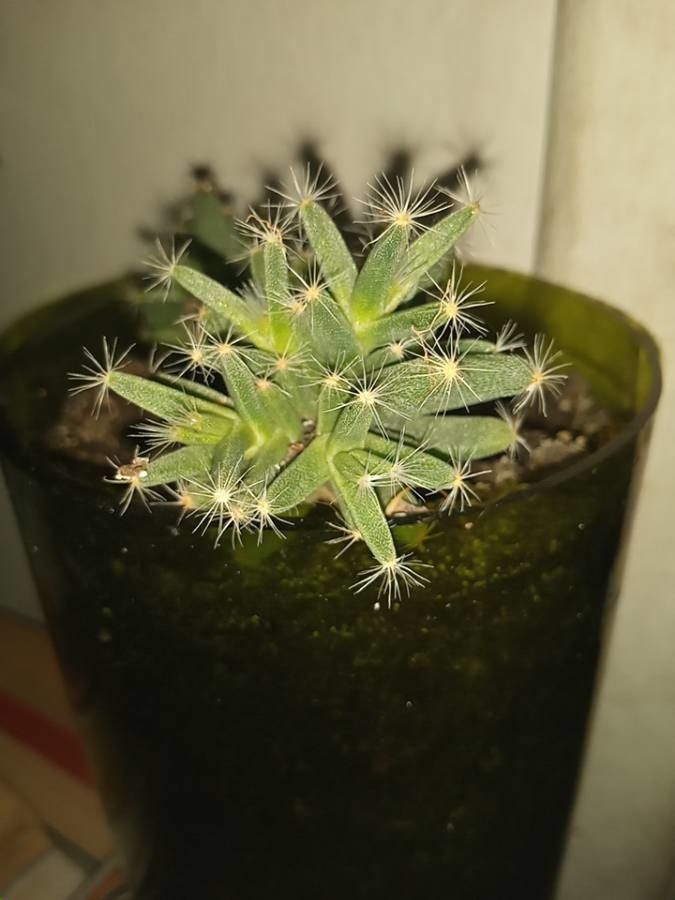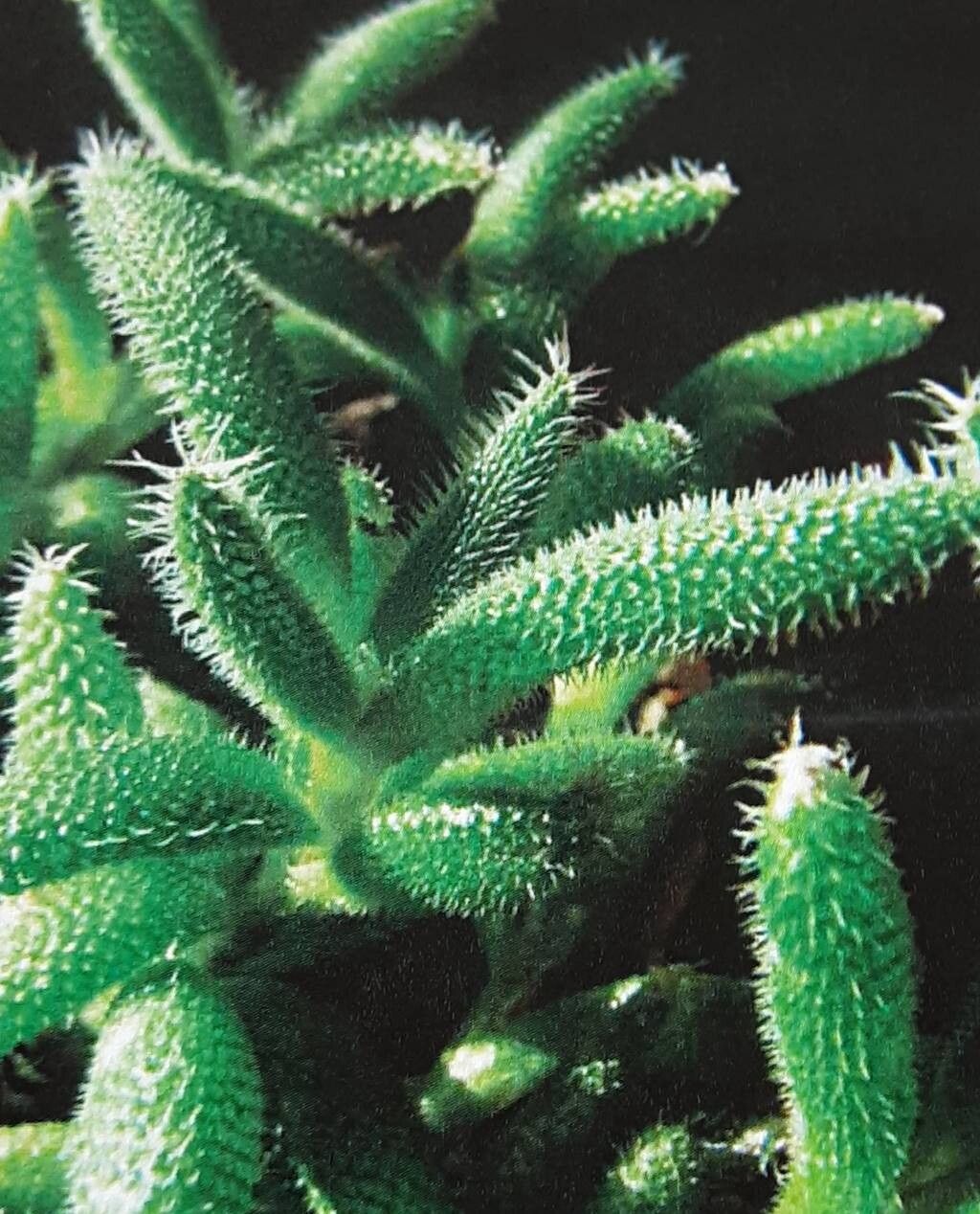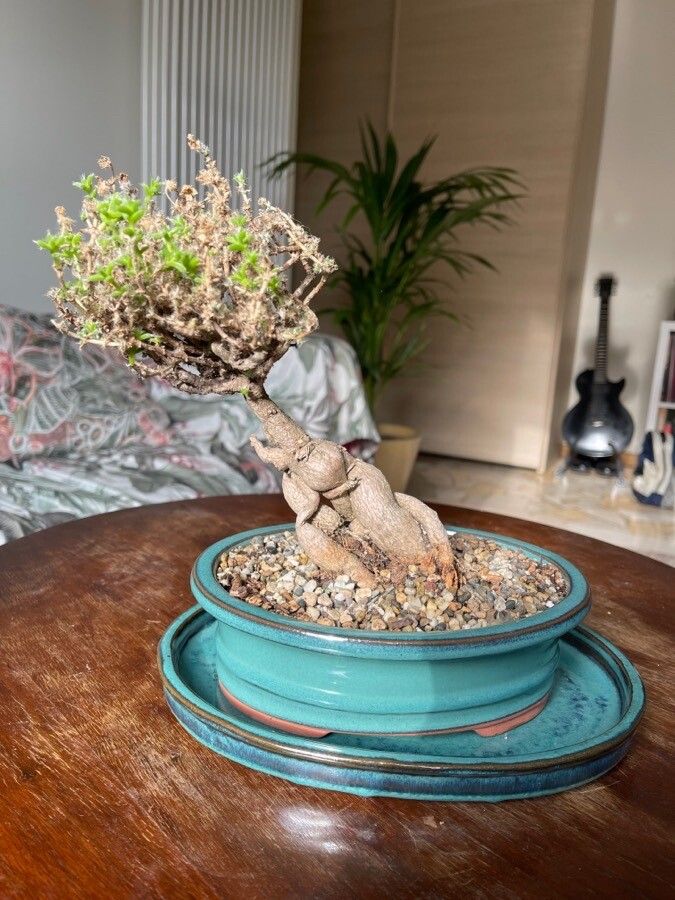
Trichodiadema bulbosum is a succulent plant of the genus Trichodiadema, native to South Africa.
African bonsai has moderate resistance to disease and is more sensitive to humidity. It becomes prone to illness when humidity is high and is liable to root rot during dormancy. Regarding care, African bonsai tolerates drought but requires increased watering in the growing season. Watering should be greatly reduced or stopped entirely during the dormant period. African bonsai is appropriate for people with some growing experience, but it can be challenging to maintain, especially during dormancy. It is particularly suited to those who have time to dedicate to its care in the winter months.
How to keep Trichodiadema Bulbosum.
Light
African bonsai flourishes when it receives an ample amount of sunlight, contributing to its robust health. It may not be adversely affected by too much sun. Similarly, a decrease in sun exposure won't stunt its growth. Since it originates from a sun-rich habitat, it easily adapts to all stages of growth within this light spectrum.
Water
African bonsai plants flourish in arid climates due to their impressive drought tolerance, needing water only once every two weeks. They thrive in well-draining soil, which helps prevent root rot, making them a resilient and low-maintenance option. These characteristics make African bonsai an excellent choice for indoor plant enthusiasts looking to add an exotic touch to their collection.
Temperature
The African bonsai comes from regions where the temperature fluctuates from 68 to 100 °F (20 to 38 ℃). This plant grows best under these conditions, and prefers a spot that is warm and sunny. In cooler months, attempt to keep the temperature above 68 °F (20 ℃) to emulate the climate it's used to.
Fertilizer
For bonsai trees native to Africa, it is adequate to apply mild amounts of fertilizer 1-2 times annually during the growth period. It's best to refrain from fertilization during winter and summer seasons when the plant is in a dormant state. For plants that have been repotted, trimming back on the fertilizer and waiting a few months post repotting before introducing fertilizer is advised. The act of fertilizing aids in promoting vigorous growth and stimulates flowering.
Pruning
To maintain the shape of an African bonsai, prune any unnecessary or dense branches during the spring and autumn. Use a knife or scissors for this task. When propagating, choose sturdy stems with 5-6 leaves. Apply sulfur powder to the cut area and allow it to heal before planting. Ensure the soil remains slightly moist.
Pot & Repot
When transferring an African bonsai to a different pot, select a pot that is a bit larger than the current one and comes with adequate drainage. Use a well-draining, gritty succulent, or cactus mix for replanting. Gently extract the plant from its former pot, brush away the extra soil, and reestablish it at an equivalent depth. Allow a couple of days before watering it to let any damaged roots recover. Reposition in a well-lit area and repot during the spring or fall.
Botanical profile.
- Plant Type
- Succulent
- Life Cycle
- Perennial
- Genus
- Trichodiadema
- Family
- Aizoaceae
- Hardiness Zone
- 9-11
- Mature Height
- 40 cm
- Mature Spread
- 40 cm
- Leaf Color
- Green, White, Gray, Red
- Leaf Type
- Evergreen
- Flower Color
- Pink
- Flower Size
- 2.03 cm to 3.05 cm
- Bloom Time
- Mid spring, Late spring, Early summer
- Planting Time
- Spring, Summer
- Harvest Time
- Summer
- Native Area
- South Africa