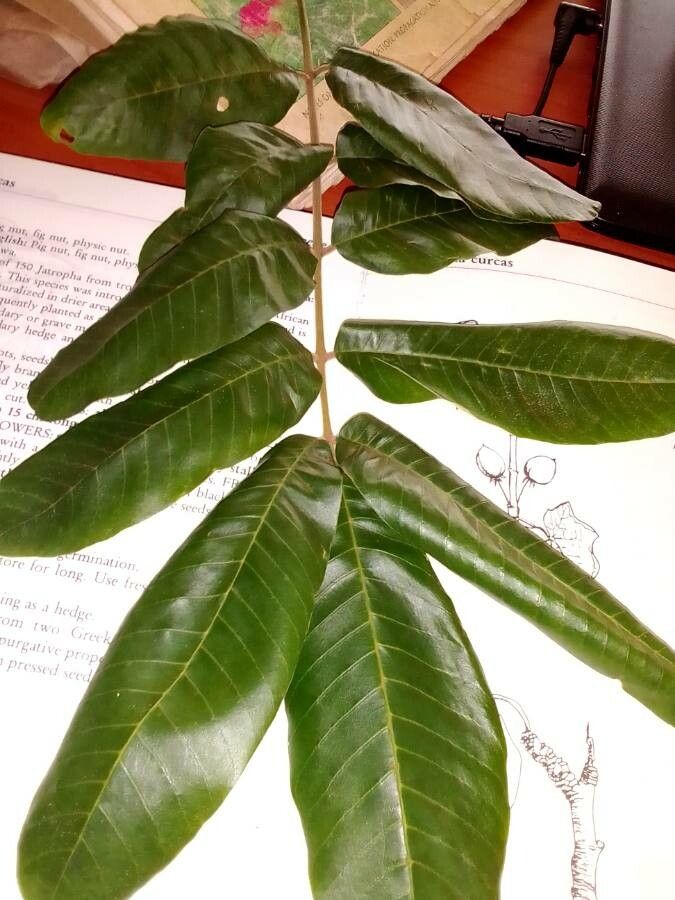
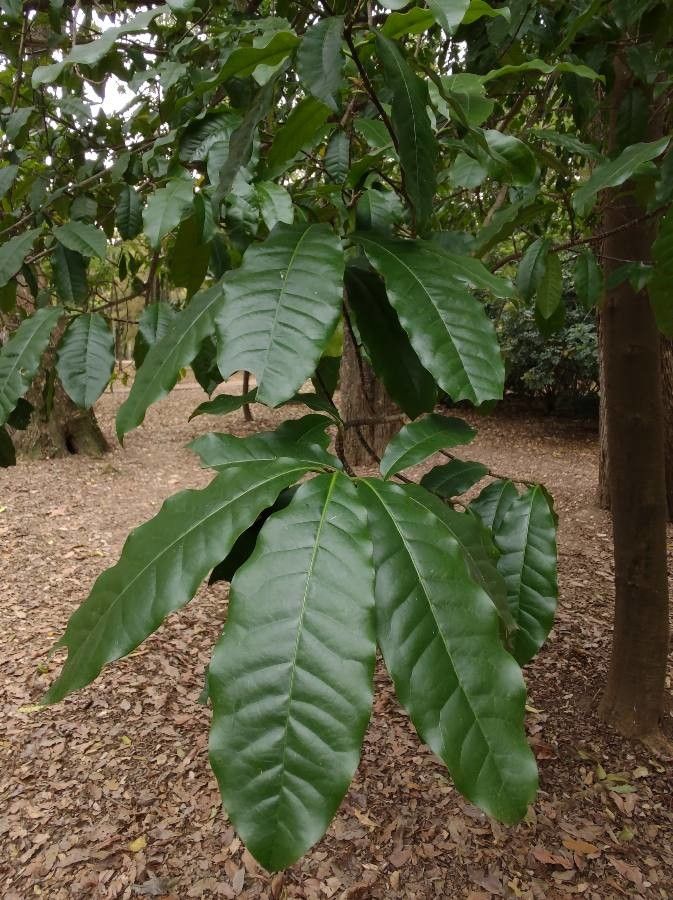
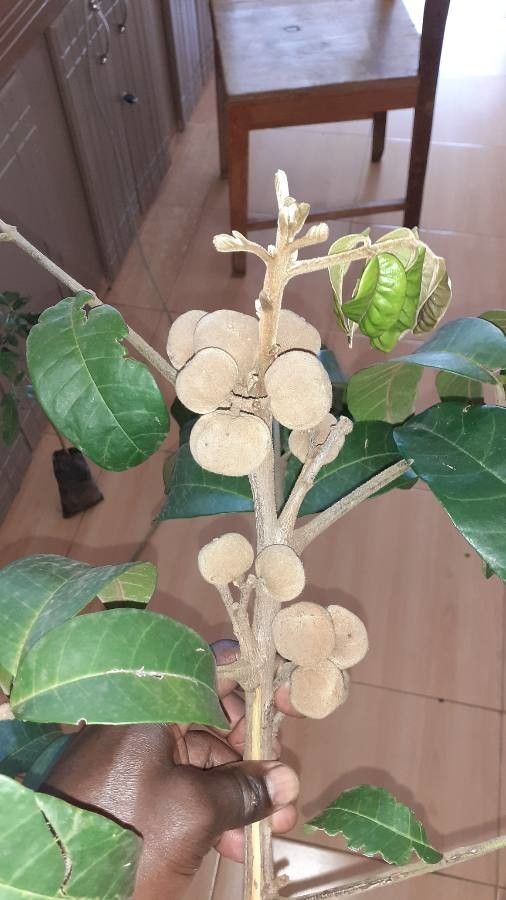
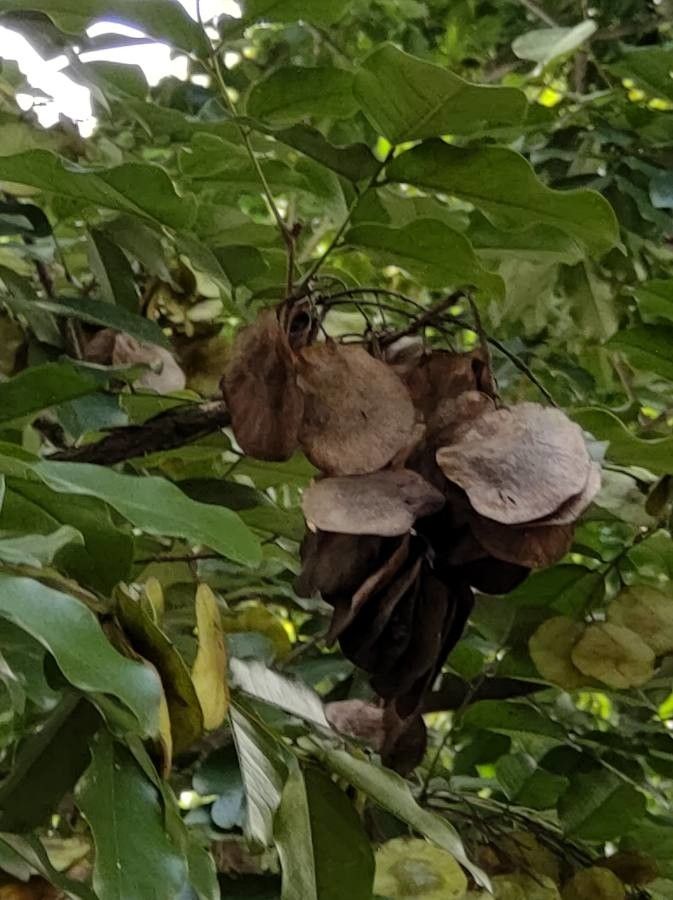
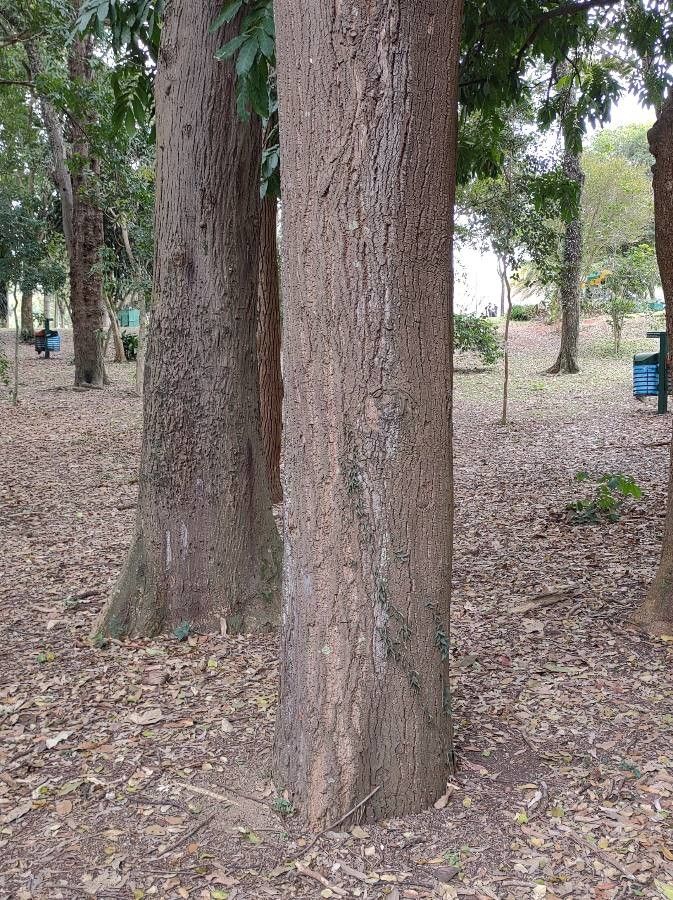
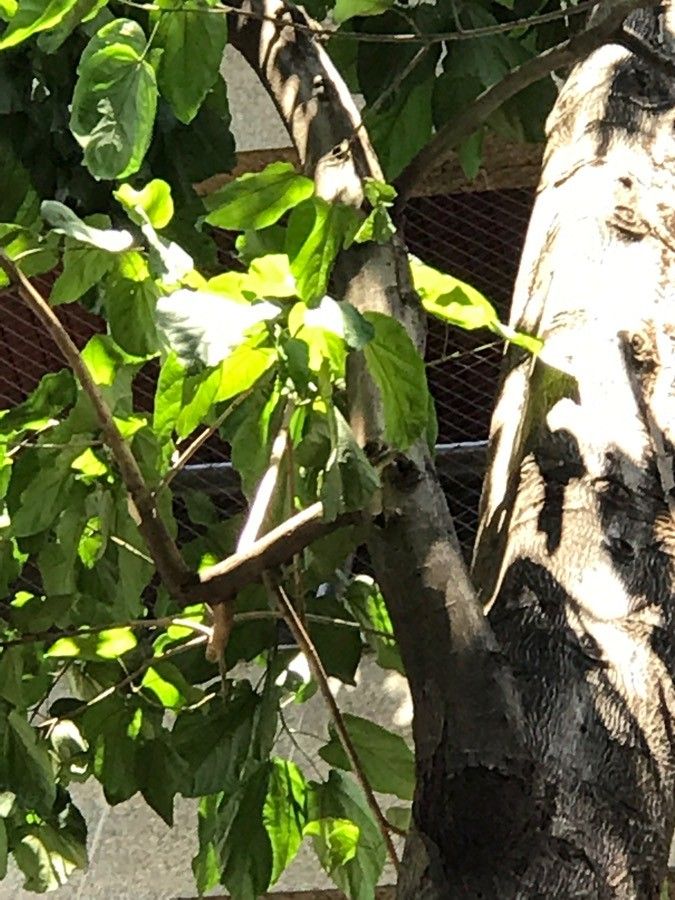
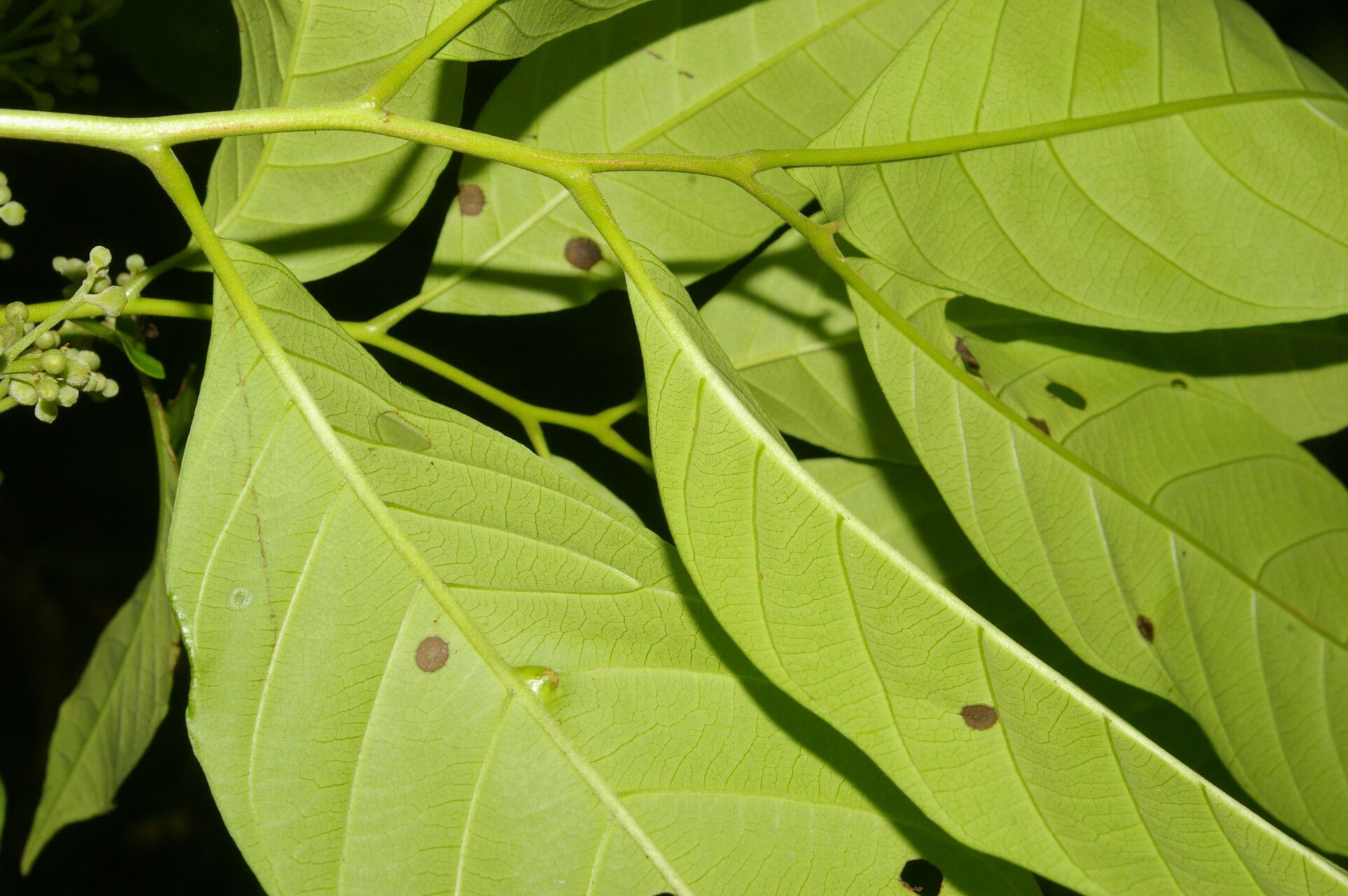
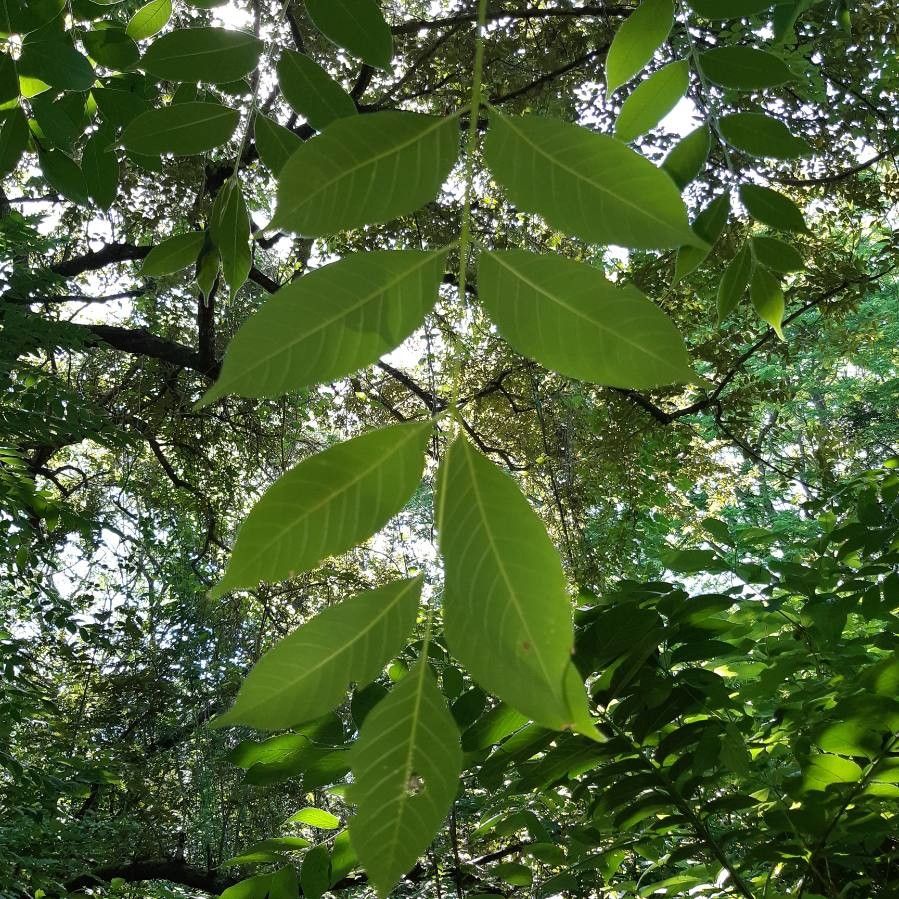
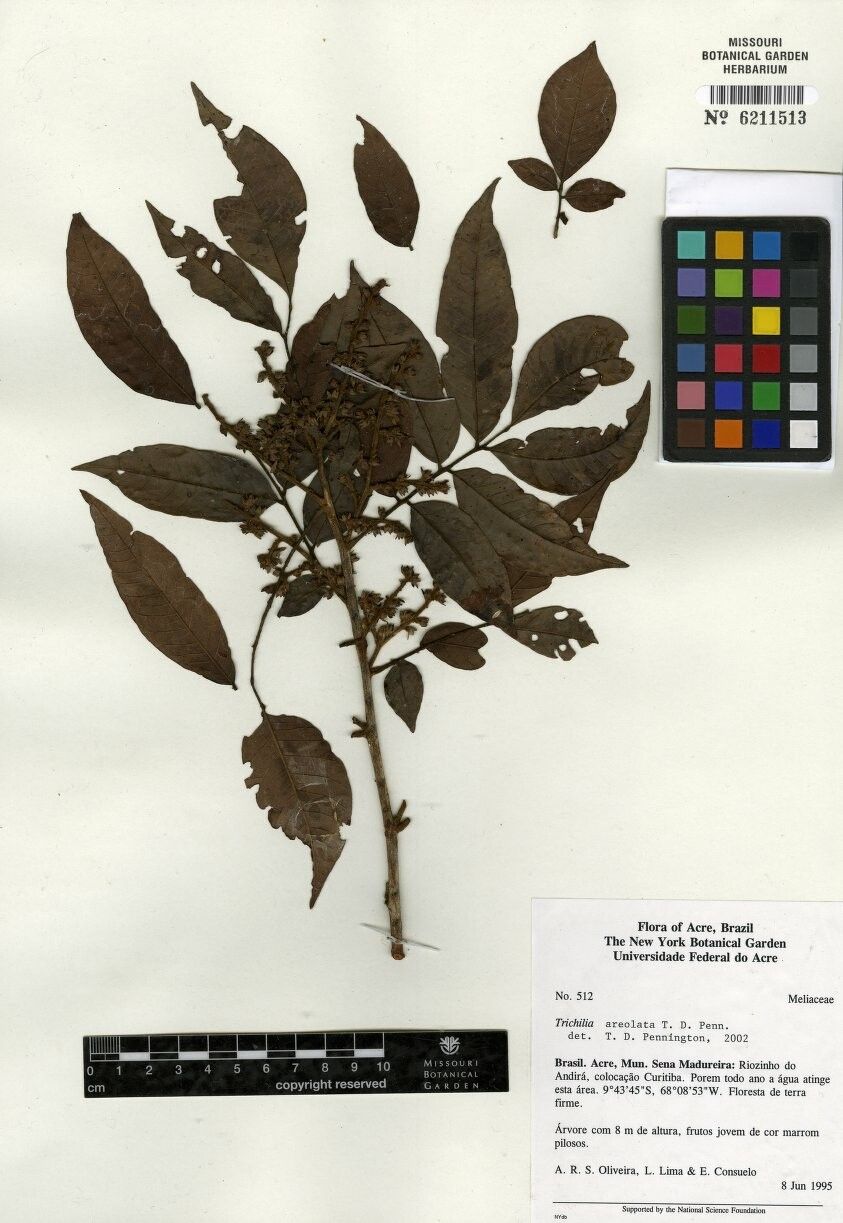
Trichilia dregeana, commonly known as the forest natal-mahogany, is a tree in the family Meliaceae. These trees are found in forest areas from the Eastern Cape of South Africa to Tropical Africa.
Christmas-bells is resistant to disease and is typically not susceptible to illnesses. As for care, this plant is fairly low-maintenance. When grown outdoors it needs only minimal watering, and larger specimens usually do not require pruning. Smaller plants, however, should be trimmed after they finish blooming. Christmas-bellst is appropriate for anyone with an outdoor space, such as a garden or deck, and does not need much prior care experience.
How to keep Trichilia Dregeana.
Light
Christmas-bells favours situations where it is fully exposed to the sun, although it can also tolerate areas ranging from a little shade to complete shade. Places with all-day sun exposure promote its optimal health. Overexposure or underexposure to light can adversely affect its robust growth.
Water
Christmas-bells are moderately drought tolerant, needing to be watered every 2-3 weeks, while allowing the soil to dry out slightly between waterings. They thrive indoors and benefit from humidity levels similar to their subtropical origins, which helps maintain leaf turgor and supports their growth cycles.
Humidity
This plant needs special care because it loves high humidity levels of 60-80% or more. The best way to achieve this is by placing a humidifier near the plant. Daily misting is also essential! Make sure the room has good ventilation.
Temperature
Christmas-bells is naturally adapted to temperate conditions and prefers temperatures from 68 to 100.4 °F (20 to 38 ℃). Successful cultivation of Christmas-bells may call for temperature adjustments according to the season.
Fertilizer
The best time to fertilize a Christmas-bells is in early spring, as it breaks dormancy. This encourages overall growth and flower development. Fertilizing improves the foliage, stems, and branches, and promotes flowers that are large, bright, and long-lasting. It helps transport nutrients from the roots to the blooms and enhances the plant’s health and resistance to disease.
Pruning
For optimal shape and health, Christmas Bells benefit from regular pruning, ideally carried out between early to late spring. During pruning, concentrate on removing dead or diseased branches, reducing overcrowding, and shaping the plant to improve air circulation. Using clean, sharp tools is important, as it helps prevent damage and encourages vigorous new growth, enhancing the plant's overall vitality.
Botanical profile.
- Plant Type
- Tree
- Life Cycle
- Perennial
- Genus
- Trichilia
- Family
- Meliaceae
- Hardiness Zone
- 9-11
- Mature Height
- 7.62 m to 27.43 m
- Mature Spread
- 3.96 m to 29.87 m
- Leaf Color
- Green, Blue
- Leaf Type
- Evergreen
- Flower Color
- White, Green
- Flower Size
- 2.54 cm
- Bloom Time
- Late spring, Early summer, Mid summer
- Planting Time
- Spring, Autumn
- Harvest Time
- Late summer, Early fall, Mid fall
- Native Area
- Malawi, Angola, South Africa, Zambia, Sudan, Rwanda, Nigeria, Congo, Guinea, Kenya, Uganda, Tanzania, Zimbabwe, Sierra Leone, Cameroon, Liberia, Mozambique, Côte d'Ivoire, Ethiopia, Congo (DRC), Central African Republic
Other names.
Reader questions.
How should I water my Christmas-bells?
To water your Christmas-bells, you have a lot of flexibility in terms of the watering tool you use. Whether it's a watering can, hose, or even a cup, any common tool will do the job. It's important to water the soil directly, making sure that all areas are evenly moistened. If possible, using filtered water is beneficial as tap water may contain harmful particles. Additionally, it's best to use water that is at or slightly above room temperature to avoid shocking the plant. However, the Christmas-bells usually responds well to any type of water you give it.
Why is it important to put fertilizer on my Christmas-bells?
Fertilization plays a crucial role in the overall health and well-being of your Christmas-bells. Providing the correct amount of energy and nutrients results in the development of healthy foliage, as well as strong stems and branches. The flowers of the Christmas-bells are particularly valuable to gardeners, and luckily, fertilization also enhances their growth. By using the proper fertilizer, the plant will find it easier to transfer fuel from the roots to the flowers through the stems. Additionally, proper fertilization helps to maintain the plant's overall health, boosting its ability to resist diseases.
What are the sunlight requirements for Christmas-bells?
Christmas-bells thrive best in locations that receive full sun exposure, defined as above 6 hours of sunlight daily. They can also tolerate conditions of partial sun to full shade, which is about 3-6 hours of sunlight. It's essential to observe how sunlight moves through your garden and choose spots that offer a balanced exposure of light and shade, ensuring the optimal growth and happiness of your plants.
What is the ideal temperature range for cultivating Christmas-bells?
Christmas-bells, scientifically known as Trichilia dregeana, thrives in a temperate environment with a preferred temperature range of 68 to 100.4 °F (20 to 38 °C). This heat-loving plant requires careful temperature monitoring to ensure successful cultivation. During colder months, it's advisable to move outdoor plants indoors, placing them near a bright window but away from direct heat sources to maintain optimal growth conditions. Ensuring the temperature remains above 20°C during winter is crucial as exposure to cold can harm the plant.
What should I do if I give my Christmas-bells too much or too little water?
It's important to water outdoor plants, especially newly planted ones or seedlings, to ensure they don't dry out. For the first few months, make sure you water the tree enough because once the roots are established, they can rely on rainwater. When you have Christmas-bells planted in pots, be careful not to overwater them. If you accidentally overwater, you should take immediate action to prevent further damage. Stop watering the plant right away to minimize the effects of overwatering. Then, remove the Christmas-bells from its pot and check its roots. If there are no signs of root rot, you can return the plant to its container. However, if you do find signs of root rot, trim away the affected roots and consider applying a fungicide. Repot the Christmas-bells in well-draining soil. In the case of underwatering, simply water the Christmas-bells more frequently. If you notice the leaves drooping, drying out, or falling off, it's a sign of underwatering. Correcting the watering frequency as soon as possible will help the leaves regain fullness.
When should I fertilize my Christmas-bells?
To help your Christmas-bells plant thrive, the best time to fertilize it is in early spring when it's awakening from dormancy and preparing to bloom. This will provide energy for growth and flower development. However, it's not the only time to feed the plant. A smaller feeding in the fall can also be beneficial. Some gardeners prefer to fertilize while planting, but it's not always necessary.
How should Christmas-bells be cared for in terms of sunlight exposure?
Christmas-bells favor conditions where they are fully exposed to the sun but can also grow in areas with partial to complete shade. Places with consistent all-day sun exposure promote their health best. However, both overexposure and underexposure to light can hinder their robust growth, making it crucial to find the right balance of sunlight exposure.
How do I care for Christmas-bells in low temperatures?
Christmas-bells prefer warm conditions and struggle in low temperatures, thriving best when the temperature is above 20°C. In winter, it is essential to keep the plant above 0°C to prevent adverse effects. Exposure to temperatures below -5°C can lead to leaf discoloration, turning brown or black over time, alongside wilting and drooping. To mitigate frost damage, trim off affected parts and move the plant to a warm, brightly lit spot indoors, away from direct heat sources, to ensure the plant's recovery and health.
How often do I need to water my Christmas-bells?
Most outdoor plants can grow well with natural rainfall. However, if your area doesn't receive enough rain, you should water your plants adequately every 2 weeks in the spring and fall. In the summer, you will need to water them more frequently. On the other hand, in winter when plant growth slows down and water needs decrease, you should water your plants sparingly. You may not need to water them at all during the winter. If your Christmas-bells plant is young or newly planted, it will require more frequent watering to help it establish and grow. This will result in more adaptable and drought-tolerant plants as they mature. For potted plants, there are two ways to determine how often to water your Christmas-bells. The first is to follow a set schedule, watering once a week or once every other week. However, this may not work well as it doesn't consider the specific conditions your Christmas-bells is growing in. Alternatively, you can adjust your watering frequency based on soil moisture. It's best to wait until the top few inches of soil, around ⅓ to ½ the depth of the pots, have completely dried out before watering again. This method takes into account the plant's current moisture needs and is especially important during the summer when it requires more water.
When is it a bad idea to put fertilizer on my Christmas-bells plant?
During the winter, you do not need to fertilize your Christmas-bells. This plant goes into a dormant phase during this time, so it doesn't require much energy from the soil for new growth. Fertilizing in winter increases the risk of overfertilization. The best times to feed a Christmas-bells are in early spring and fall. This means that in most of the spring and summer, the plant doesn't need fertilizer. It's also a good idea to avoid feeding it if the plant is subjected to excessively hot or dry conditions.
What is the role of artificial lighting for indoor Christmas-bells?
For indoor Christmas-bells, especially when natural sunlight is insufficient, artificial lighting becomes essential. Adequate lighting supports optimal growth, particularly in winter or less sunny spaces. LED lights are a popular choice because they can be tailored to provide the specific wavelengths needed by plants. Depending on the plant's sunlight needs, artificial light intensity should range from 10-50W/sq ft, with the light source placed 12-36 inches above the plant for 8-12 hours per day to mimic natural daylight.
What should I do if my Christmas-bells experiences high temperatures?
During the summer, it's important to keep Christmas-bells below 38°C to avoid heat stress. Temperatures above 43°C can cause the leaves to lighten in color and increase susceptibility to sunburn. To care for a plant affected by high temperature, trim away sunburnt and dried portions, and relocate the plant to a shaded area, especially during the peak sun of midday and afternoon. Providing water in the morning and evening will help keep the soil moist and assist in the plant's recovery from heat stress.