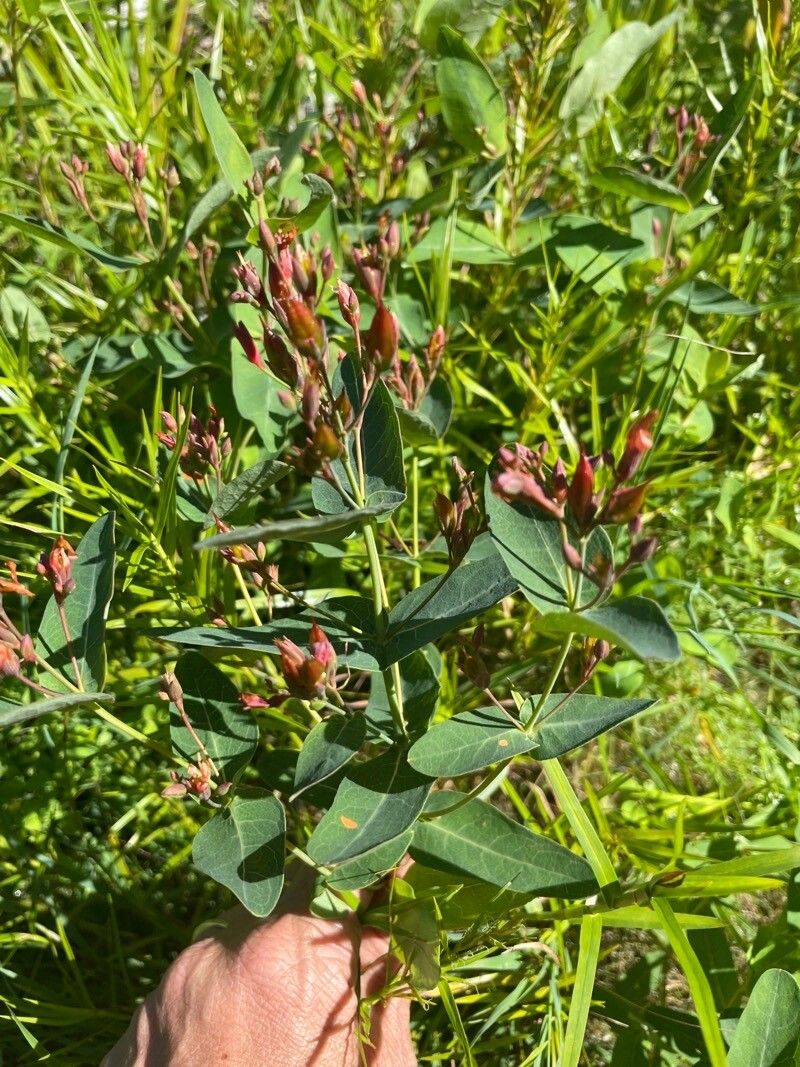
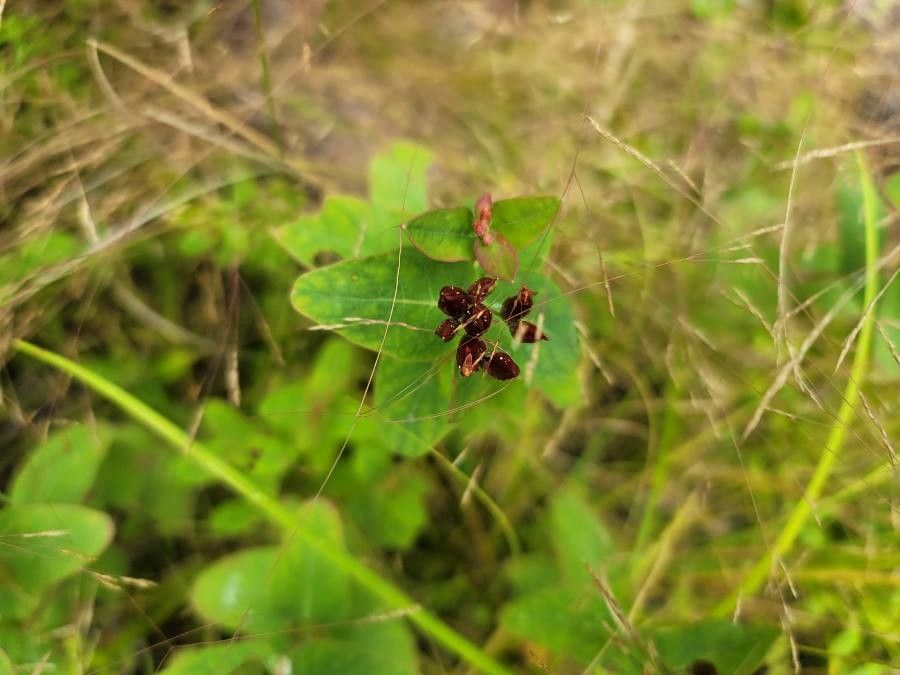
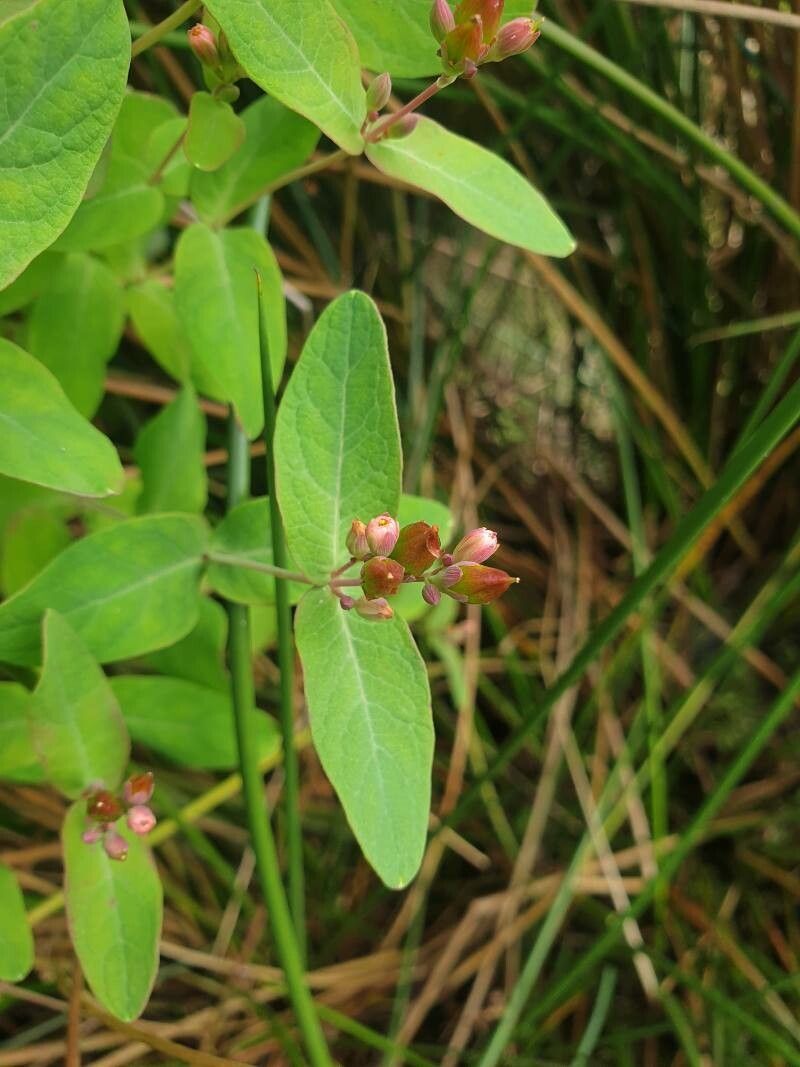
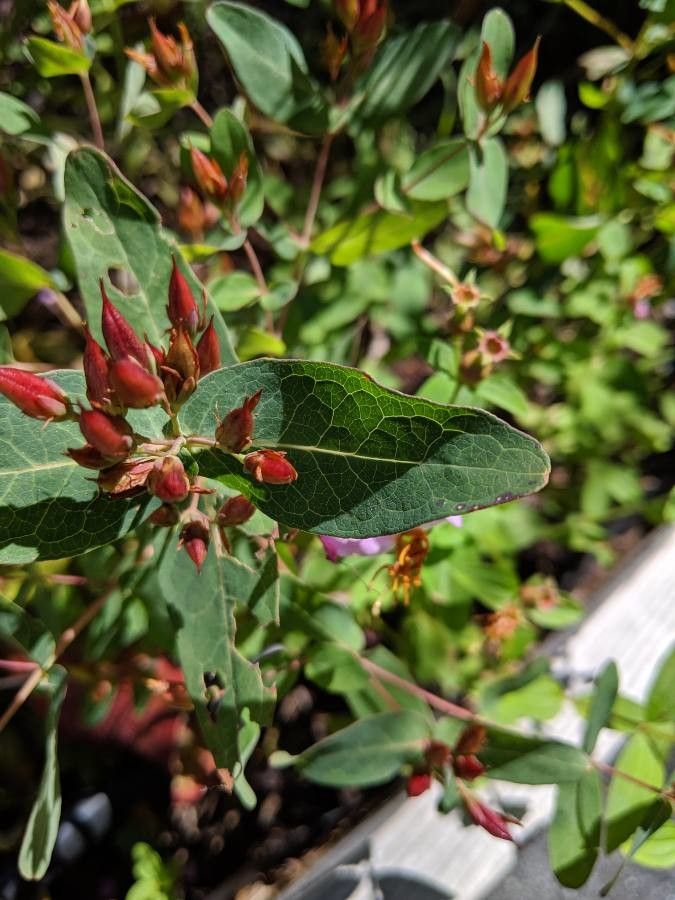
Triadenum fraseri, commonly known as Fraser's St. John's Wort, is a perennial herb recognized for its association with the Hypericaceae family. Native to the eastern United States, this plant thrives in wetlands, bogs, and swamps.
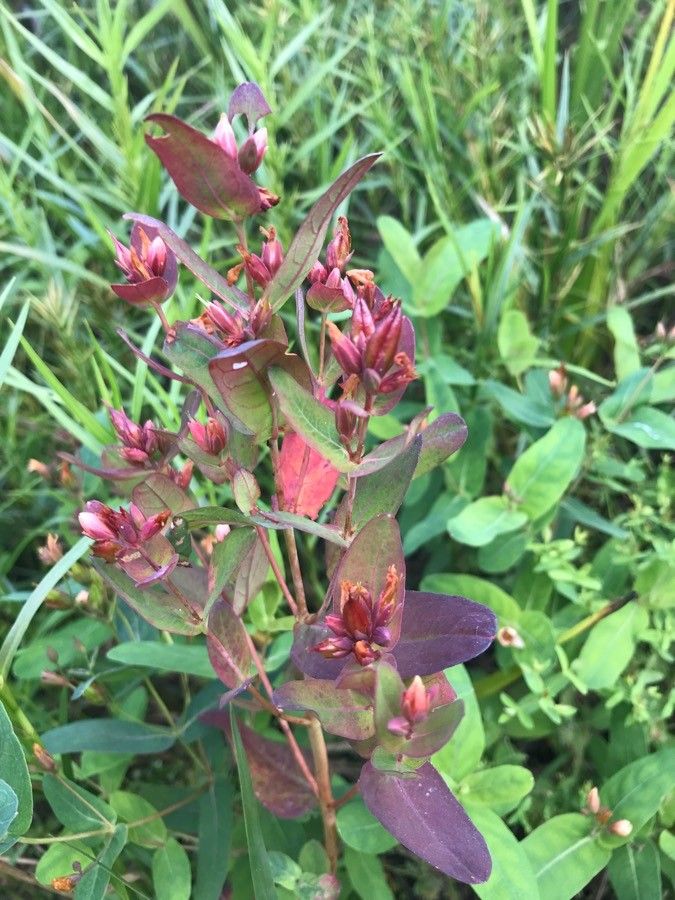
Typically reaching heights of up to 2 feet, the plant exhibits a bushy appearance with numerous branches. Its small, oval-shaped leaves are a glossy green, turning reddish-purple in the fall.
From mid-summer to early fall, Triadenum fraseri produces small yellow flowers, approximately 1 inch in diameter. These flowers feature five petals and numerous stamens arranged around a central disk.
Preferring moist soil conditions, the plant can tolerate some drought once established. It is an excellent choice for wetland restoration projects or as an ornamental addition to water gardens and bog gardens.
Historically, Native Americans have used Triadenum fraseri for medicinal purposes due to its anti-inflammatory properties. However, it contains hypericin, which can cause skin sensitivity when exposed to sunlight.
Overall, Triadenum fraseri is an attractive native plant species that offers ecological benefits while adding beauty and interest to garden landscapes and natural areas alike.
Fraser's marsh St. John's wort is generally resistant to disease and not highly prone to illness. However, it can be vulnerable to pests and diseases present in its environment. These problems are usually mild. In terms of care, the plant requires moderate maintenance. It should be pruned regularly to maintain a neat appearance and support healthy growth. Fertilizing can also encourage flowering. Fraser's marsh St. John's wort is appropriate for anyone with outdoor space, such as a garden or patio, and does not demand extensive gardening experience. It may need more care when grown indoors.
How to keep Triadenum Fraseri.
Light
Fraser's marsh St. John's wort is native to habitats like forest understories or rocky sites, where it grows in natural shade. It prefers partial sun but can tolerate full sun or full shade, showing its versatile and hardy nature.
Water
Fraser's marsh St. John's wort thrives in wetland habitats, preferring consistently moist conditions with weekly watering. While it can tolerate brief periods of dryness, it requires well-drained yet damp soil. As an herbaceous perennial, proper irrigation is crucial during its active growth phase to support its water-dependent cycles.
Temperature
Fraser's marsh St. John's wort can tolerate a wide range of temperatures, though its distribution may still be restricted by different combinations of moisture and heat. It does best in warm summer conditions with adequate rainfall or irrigation. Extended periods of cloudy, rainy weather, as well as sustained high temperatures, increase the chance of Fraser's marsh St. John's wort dying. In winter, protecting the plant from cold can improve its survival rate.
Fertilizer
The best time to fertilize Fraser's marsh St. John's wort is in early spring, as it comes out of dormancy and starts active growth. Fertilizing supplies essential nutrients for healthy development. Although Fraser's marsh St. John's wort needs relatively little fertilizer, an annual application can improve its survival and encourage better, longer-lasting flowers.
Pruning
Fraser's Marsh St. John's Wort is a herbaceous perennial that thrives in wet environments. To maintain its health, prune it between early and late spring to remove any damaged stems. Making clean cuts encourages bushier growth, improves air circulation, and reduces the risk of disease. Always use sterilized tools for pruning, and fertilize the plant afterward for optimal recovery.
Botanical profile.
- Plant Type
- Herb
- Life Cycle
- Perennial
- Genus
- Triadenum
- Family
- Hypericaceae
- Hardiness Zone
- 4-9
- Mature Height
- 30 cm to 61 cm
- Mature Spread
- 20 cm to 30 cm
- Leaf Color
- Green, Blue
- Leaf Type
- Deciduous
- Flower Color
- Yellow
- Flower Size
- 1.02 cm to 1.52 cm
- Bloom Time
- Mid summer, Late summer
- Planting Time
- Spring, Summer, Autumn
- Harvest Time
- Early fall, Mid fall
Other names.