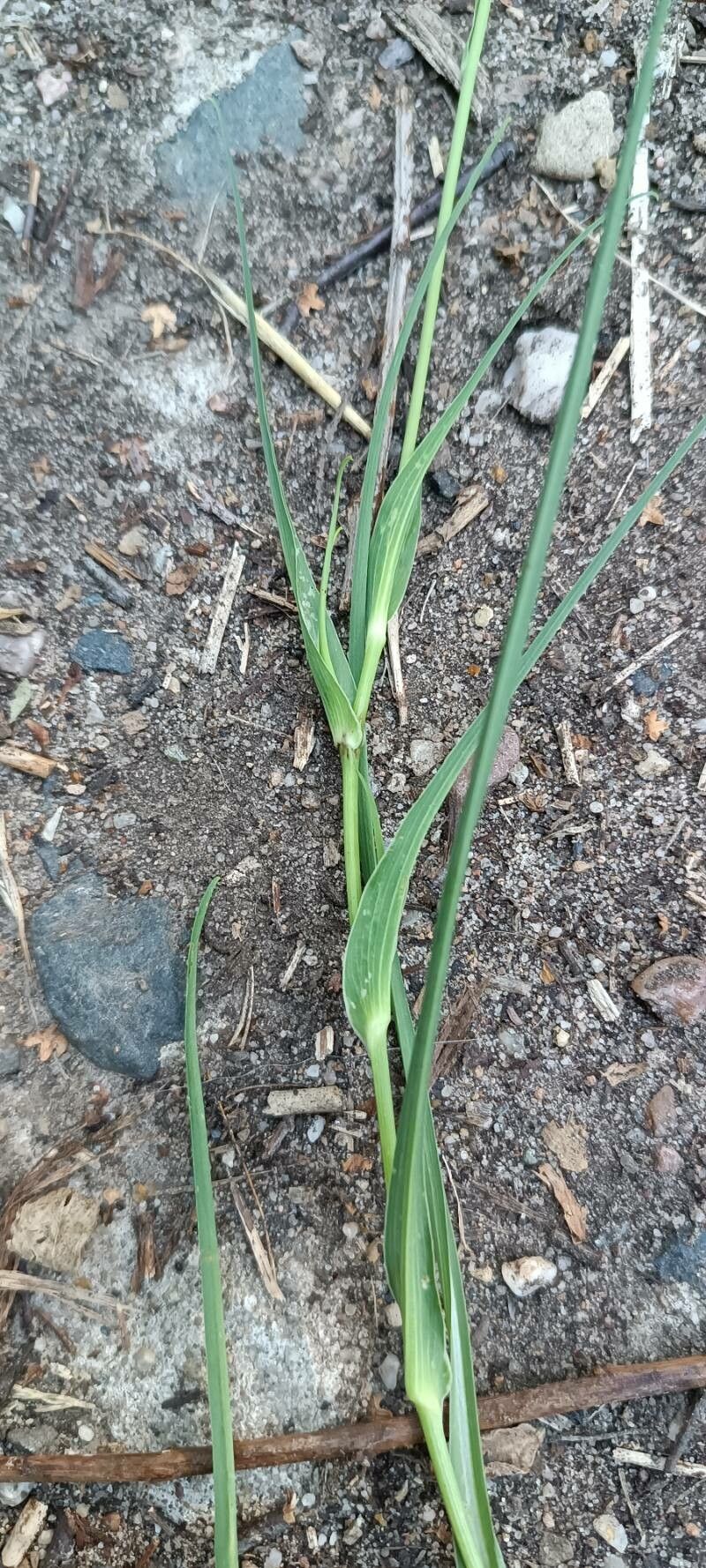
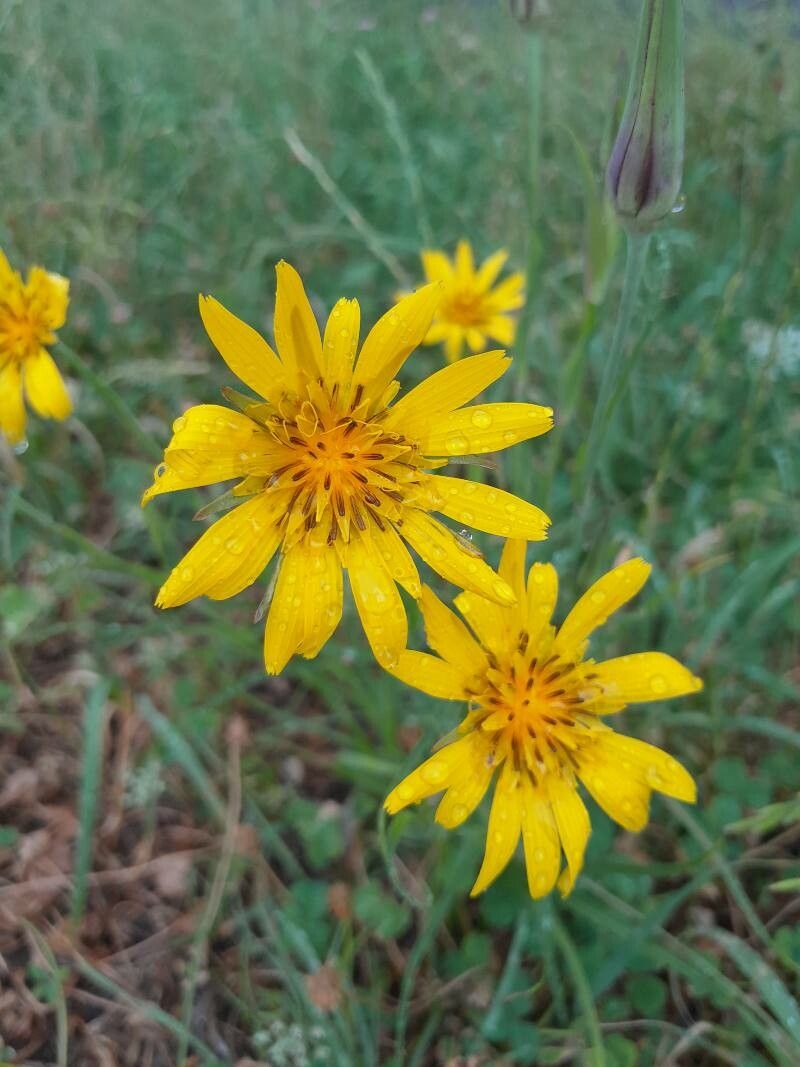
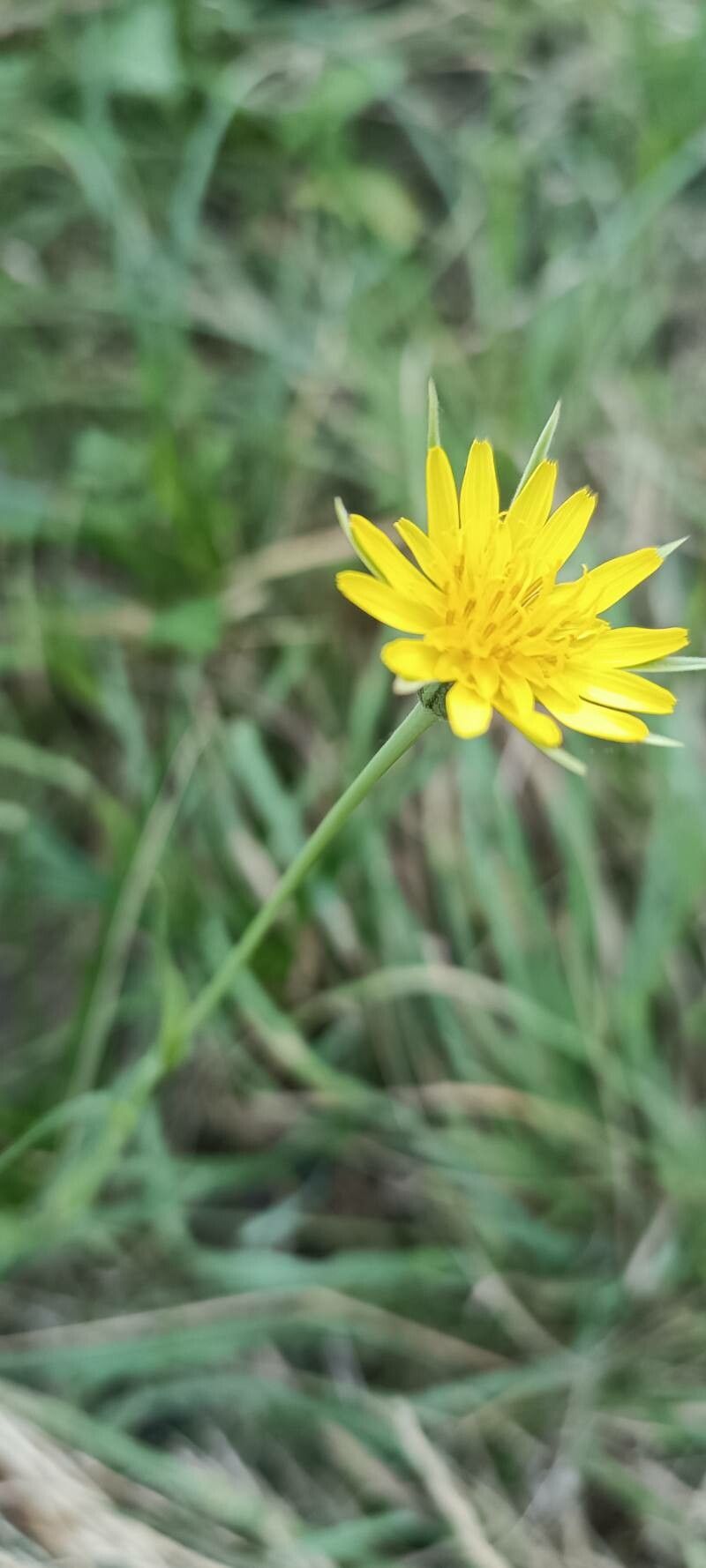
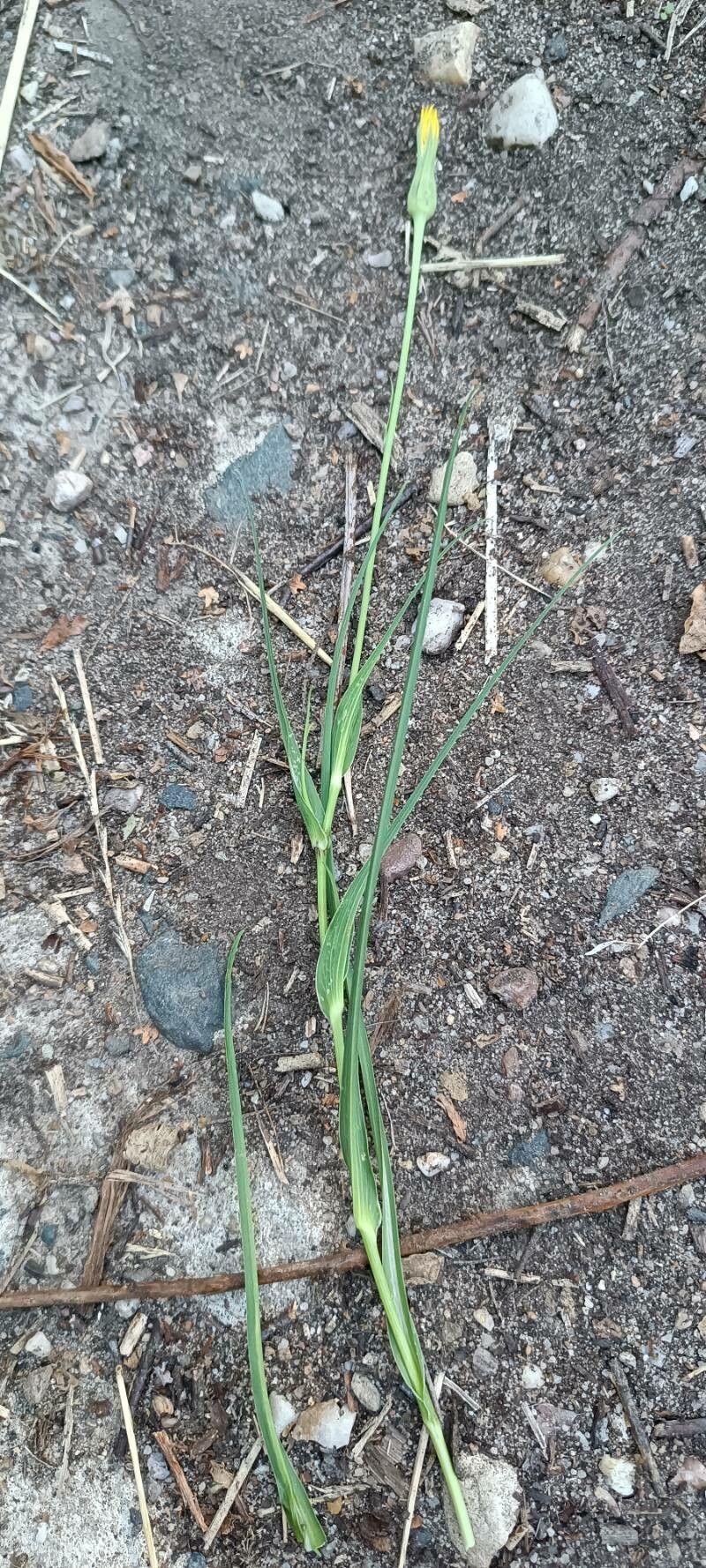
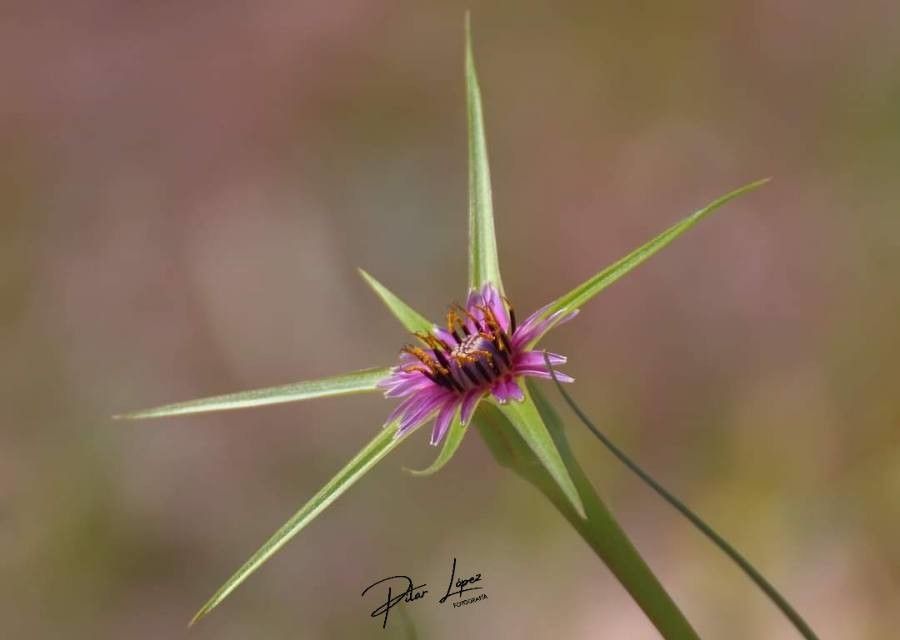
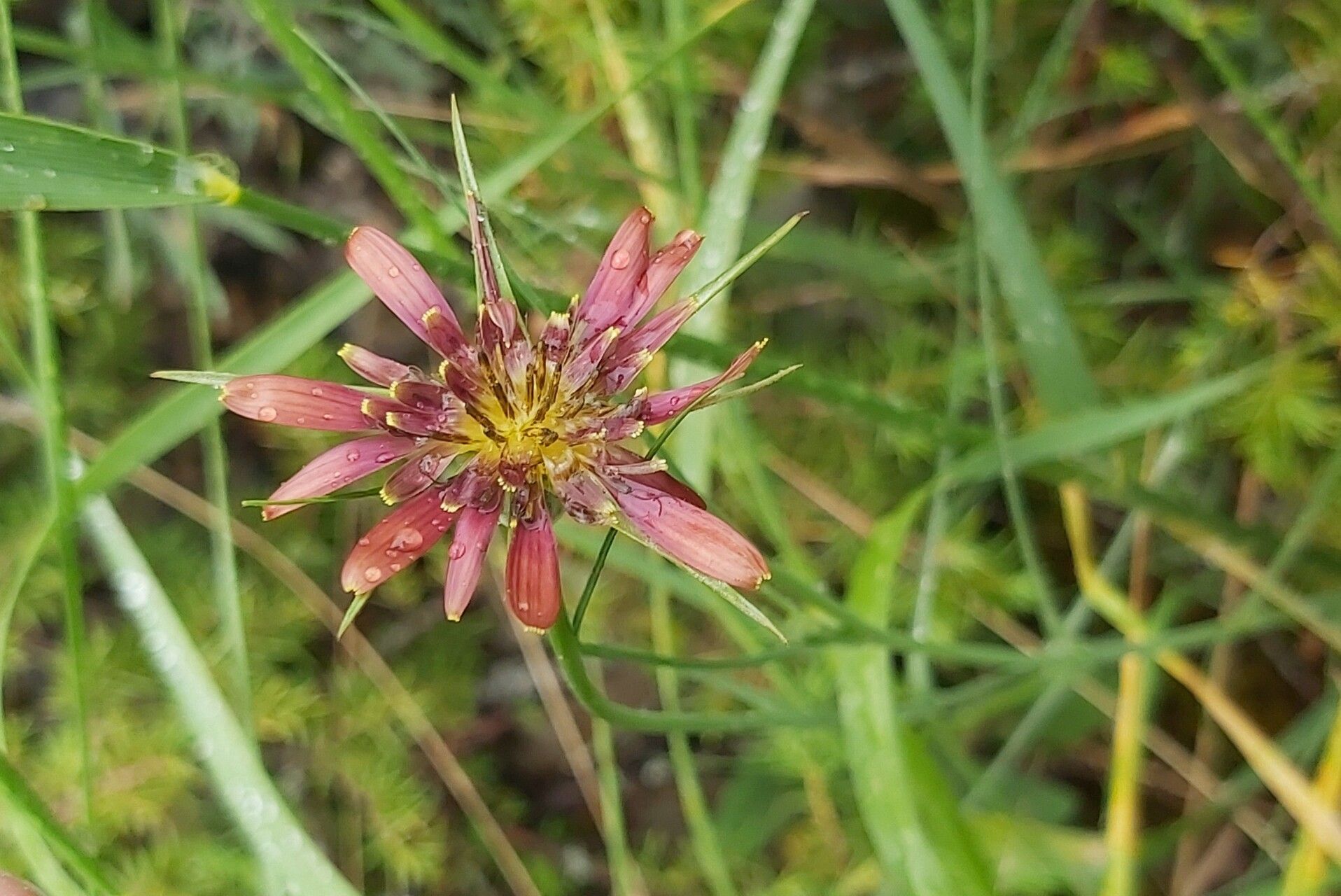
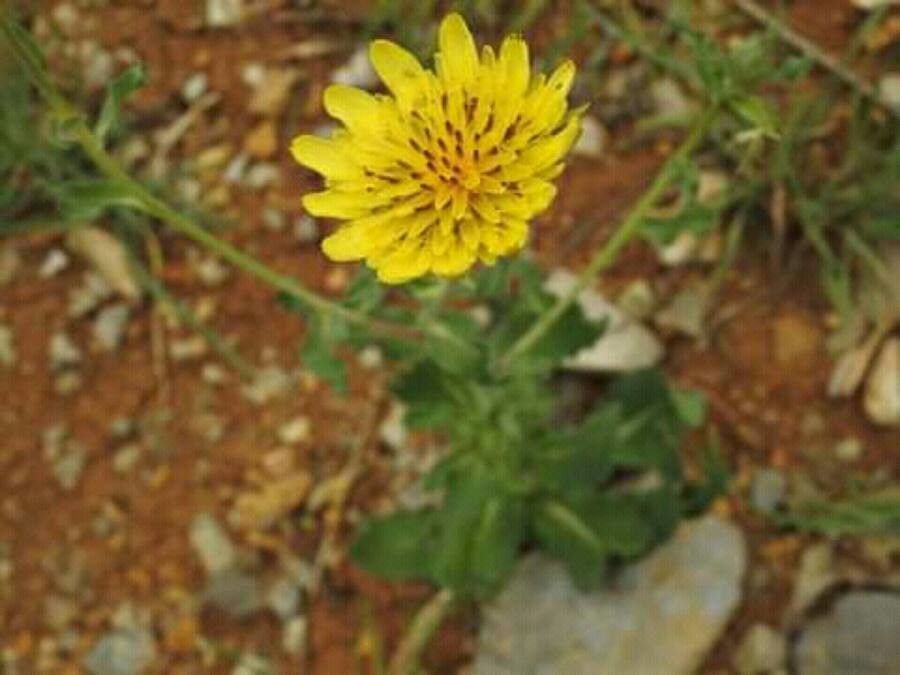
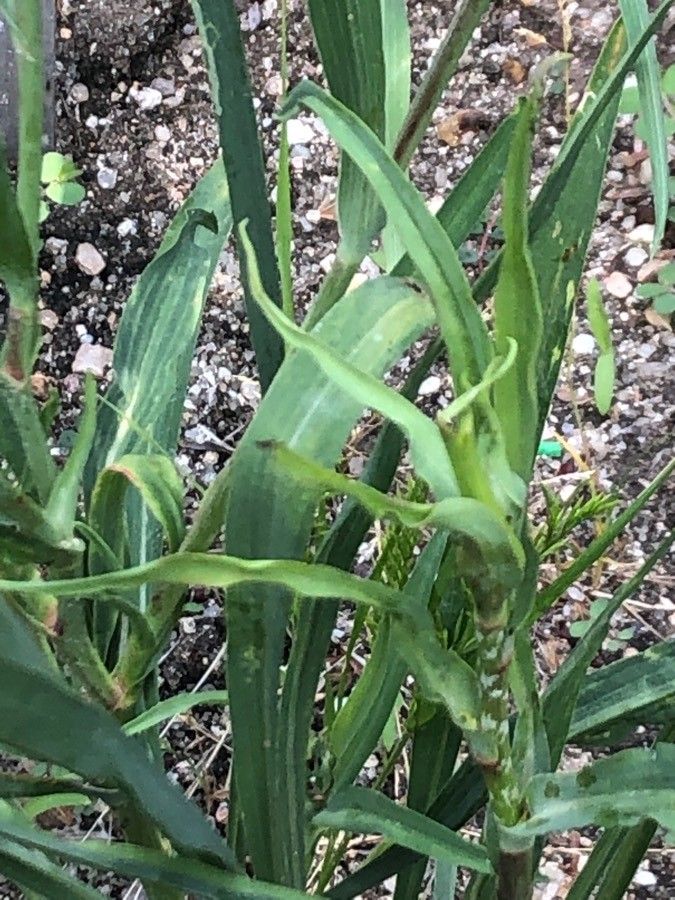
Tragopogon orientalis, common name Oriental goat's beard, is a hemicryptophyte herbaceous annual plant in the family Asteraceae.
Eastern goat's-beard demonstrates strong resistance to disease and is generally not highly susceptible. Still, it can be affected by pests and diseases found nearby. When infections do occur, they are typically mild. Care-wise, the plant is moderately demanding. It should be pruned on a regular basis to preserve an attractive appearance and healthy growth. Applying fertilizer can also encourage better flowering. Eastern goat's-beard is a good choice for anyone with an outdoor area, like a garden or patio, and does not need extensive gardening experience. It may need extra attention if cultivated indoors.
How to keep Tragopogon Orientalis.
Light
For best growth, eastern goat's-beard needs abundant sunlight and will do well in places that receive sun for most of the day. It can also tolerate locations that get some sunlight each day. Too much shade or insufficient light can limit its growth, while plentiful sun does not harm it.
Water
Eastern goat's-beard flourishes in moist environments similar to its natural habitat, requiring regular watering. For the best results, water it once a week. As an herbaceous perennial, it grows well outdoors, where it can receive natural rainfall during the growing season to fulfill its water requirements.
Temperature
Eastern goat's-beard is a plant suited to temperate regions, preferring temperatures of 68 to 95 °F (20 to 35 ℃). It adjusts naturally to seasonal temperature shifts. To promote optimal growth, keep the temperature within its preferred range.
Fertilizer
Eastern goat's-beard requires regular fertilization to encourage flowering but does not tolerate excessive amounts. It needs small, frequent doses of fertilizer throughout its life cycle, especially during the peak active growth period and while it is flowering. You will feed your Eastern goat's-beard until it stops blooming.
Pruning
Eastern goat's-beard features tall flower spikes and grass-like leaves. To encourage new growth and prevent disease, prune the plant in early spring by removing faded flowers and dead leaves. Use clean, sharp tools to make cuts just above a healthy leaf node. This will help maintain the plant's health and enhance its visual appeal.
Botanical profile.
- Plant Type
- Herb
- Life Cycle
- Biennial, Perennial
- Genus
- Tragopogon
- Family
- Asteraceae
- Hardiness Zone
- 7-10
- Mature Height
- 30 cm to 91 cm
- Mature Spread
- 8 cm
- Leaf Color
- Green
- Leaf Type
- Semi-evergreen
- Flower Color
- Yellow
- Flower Size
- 5.08 cm to 6.35 cm
- Bloom Time
- Mid spring, Late spring, Early summer
- Planting Time
- Spring, Summer
- Harvest Time
- Summer
Reader questions.
What are the sunlight requirements for Eastern goat's-beard?
Eastern goat's-beard needs to receive a significant amount of sunlight to ensure its optimal growth. It thrives the best when exposed to full sun, meaning it requires more than 6 hours of sunlight daily. However, it can also grow well in partial sun, necessitating about 3-6 hours of sunlight. Ensuring your garden provides the right balance of light and shade is crucial for the plant's happiness and health.
What is the preferred temperature range for Eastern goat's-beard?
Eastern goat's-beard thrives in temperate climates with a preferred temperature range of 68 to 95 °F (20 to 35 °C). It adapts well to seasonal temperature fluctuations. For optimal growth, it's important to maintain the temperature within this range. Though the plant has strong cold resistance, special frost protection measures are not typically required unless winter temperatures are expected to drop below -15°C.
How can artificial lighting benefit indoor Eastern goat's-beard plants?
For indoor Eastern goat's-beard plants, when natural sunlight is insufficient, particularly in less sunny spaces or during winter, artificial lighting can be a significant aid for their growth. LED lights are especially beneficial as they can be adjusted to provide specific wavelengths needed by plants. The requirement for artificial light varies by plant type; full sun plants need 30-50W per square foot, partial sun plants require 20-30W per square foot, and full shade plants need 10-20W per square foot. The light should be placed 12-36 inches above the plant to mimic natural sunlight conditions and should be on for about 8-12 hours per day depending on the plant's needs.
How should Eastern goat's-beard be protected during winter?
Eastern goat's-beard has strong cold resistance but requires protection if temperatures are expected to drop below -15°C. Protection can be achieved by covering the plant with soil or straw. Additionally, it's recommended to water the plant abundantly before the first freeze in autumn to ensure the soil remains moist and enters into a frozen state. This helps prevent drought and water scarcity for the plant during the winter and early spring.
What are the symptoms of insufficient light in Eastern goat's-beard?
When Eastern goat's-beard is not getting enough light, it may exhibit several symptoms indicating stress due to light deficiency. These include the development of smaller than usual new leaves, leggy or sparse growth where the space between leaves or stems becomes longer, faster leaf drop as the plant tries to conserve resources, slower or completely halted new growth, and development of lighter colored or irregularly patterned new leaves due to lack of chlorophyll.
What should you do if Eastern goat's-beard doesn't sprout due to low temperatures?
If Eastern goat's-beard experiences temperatures below -15°C and shows no noticeable changes during winter or a decrease in sprouting during spring, it may be necessary to remove any parts that have failed to sprout. This care step helps in the maintenance and health of the plant under cold conditions.
What are the symptoms of excessive light in Eastern goat's-beard?
Excessive sunlight can also stress Eastern goat's-beard, leading to symptoms such as chlorosis, where leaves lose their green color and turn yellow due to the breakdown of chlorophyll, sunscald manifesting as pale, bleached, or necrotic spots on leaves or stems, leaf curling as a defense mechanism against too much sun, wilting from increased water loss, and leaf scorching characterized by brown, dry edges or patches on leaves.
How does high temperature affect Eastern goat's-beard and what are the solutions?
During the summer, it's crucial to keep the temperature below 35°C for Eastern goat's-beard. If temperatures exceed 41°C, it may cause the leaves to lighten in color, become prone to curling, susceptible to sunburn, and in severe cases, the entire plant may wilt and dry. To combat this, trim away sunburned and dried-up parts, move the plant to a shaded location, or use a shade cloth to protect it from the midday and afternoon sun. Additionally, watering the plant in the morning and evening helps keep the soil moist, providing relief from the heat.
What solutions can help manage light conditions for Eastern goat's-beard?
To manage light conditions for Eastern goat's-beard, gradually move the plant to a sunnier spot each week if outdoors, ensuring it eventually gets at least 6 hours of direct sunlight. Use south-facing windows and keep curtains open for indoor plants. Consider artificial light sources if the plant is large or not easily moved, keeping them on for at least 8 hours daily. It's crucial to make these adjustments gradually to avoid sunburn. Remember, parts of the plant damaged by insufficient light may not recover, but increasing light exposure can ensure new growth is healthy. Additionally, minimizing obstructions like pruning trees or transplanting to sunnier areas can improve light access.