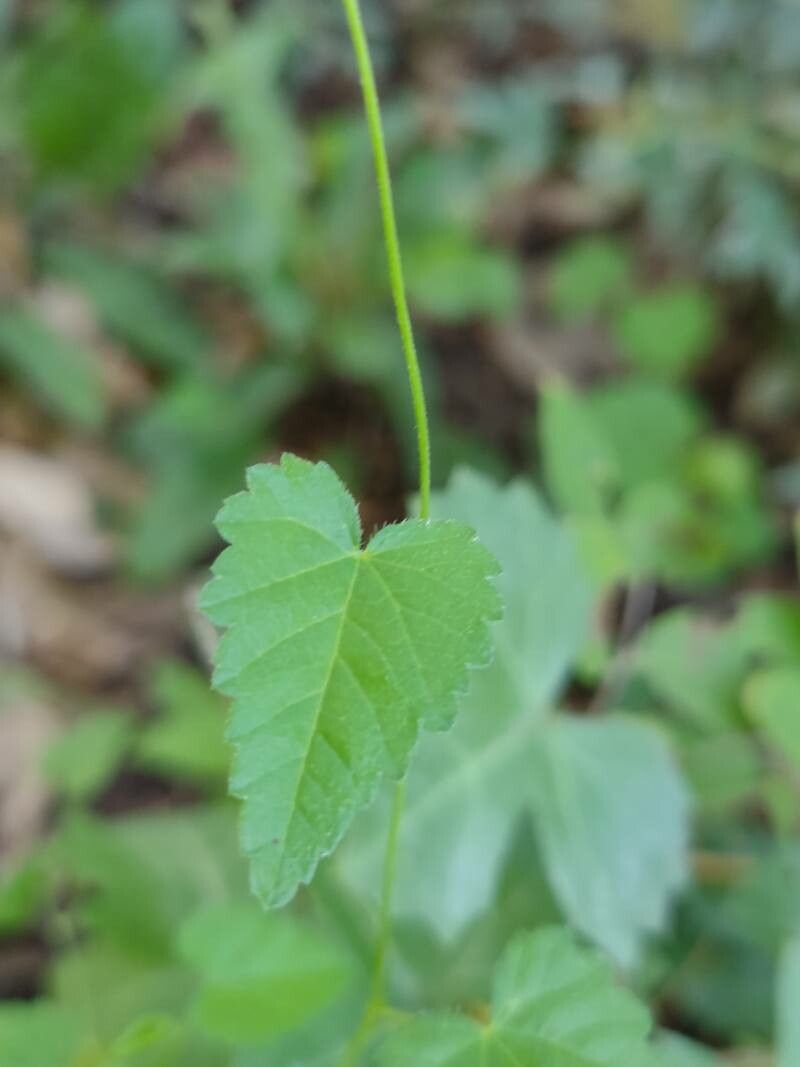
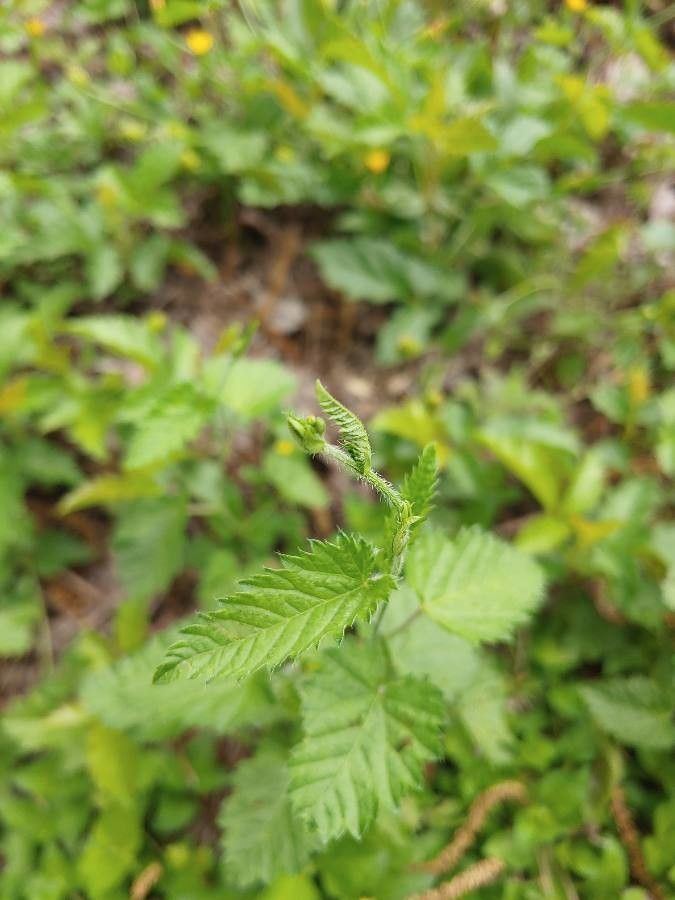
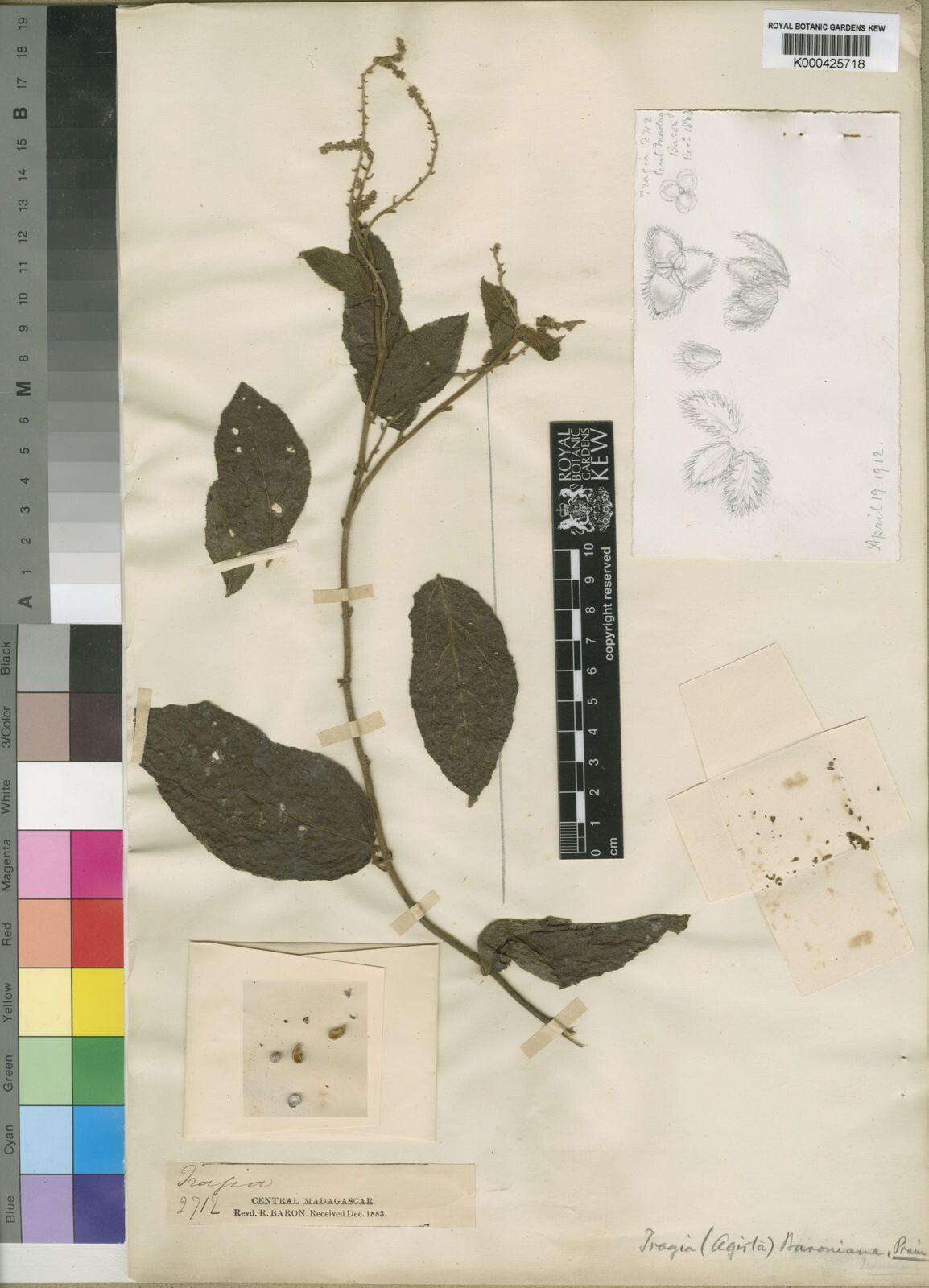
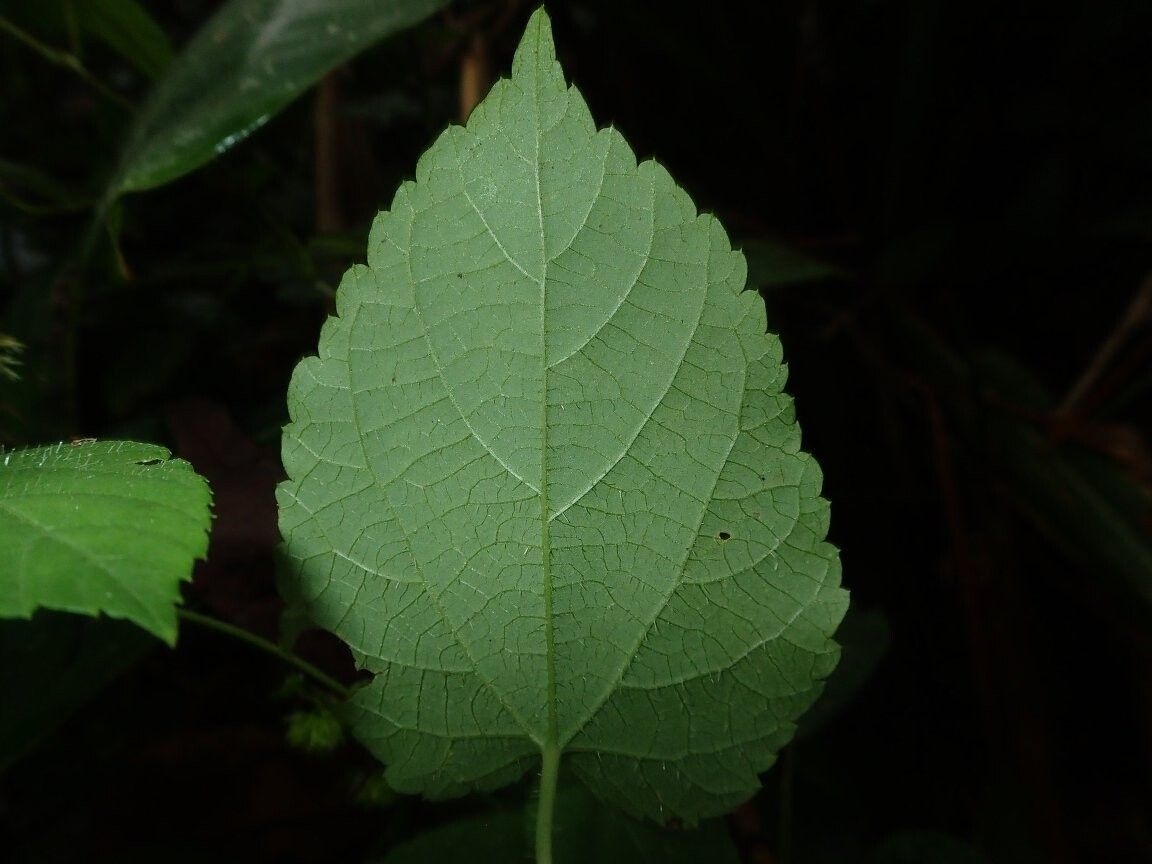
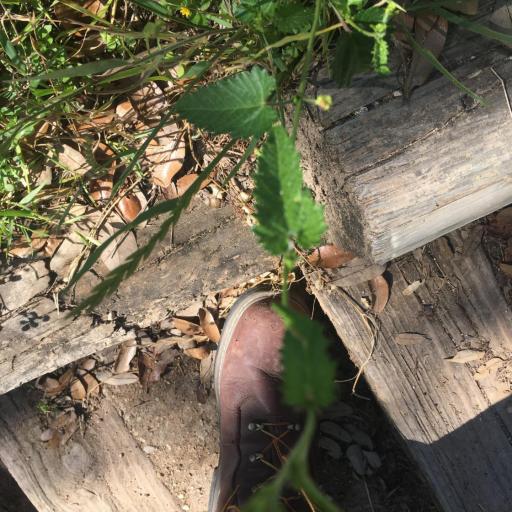
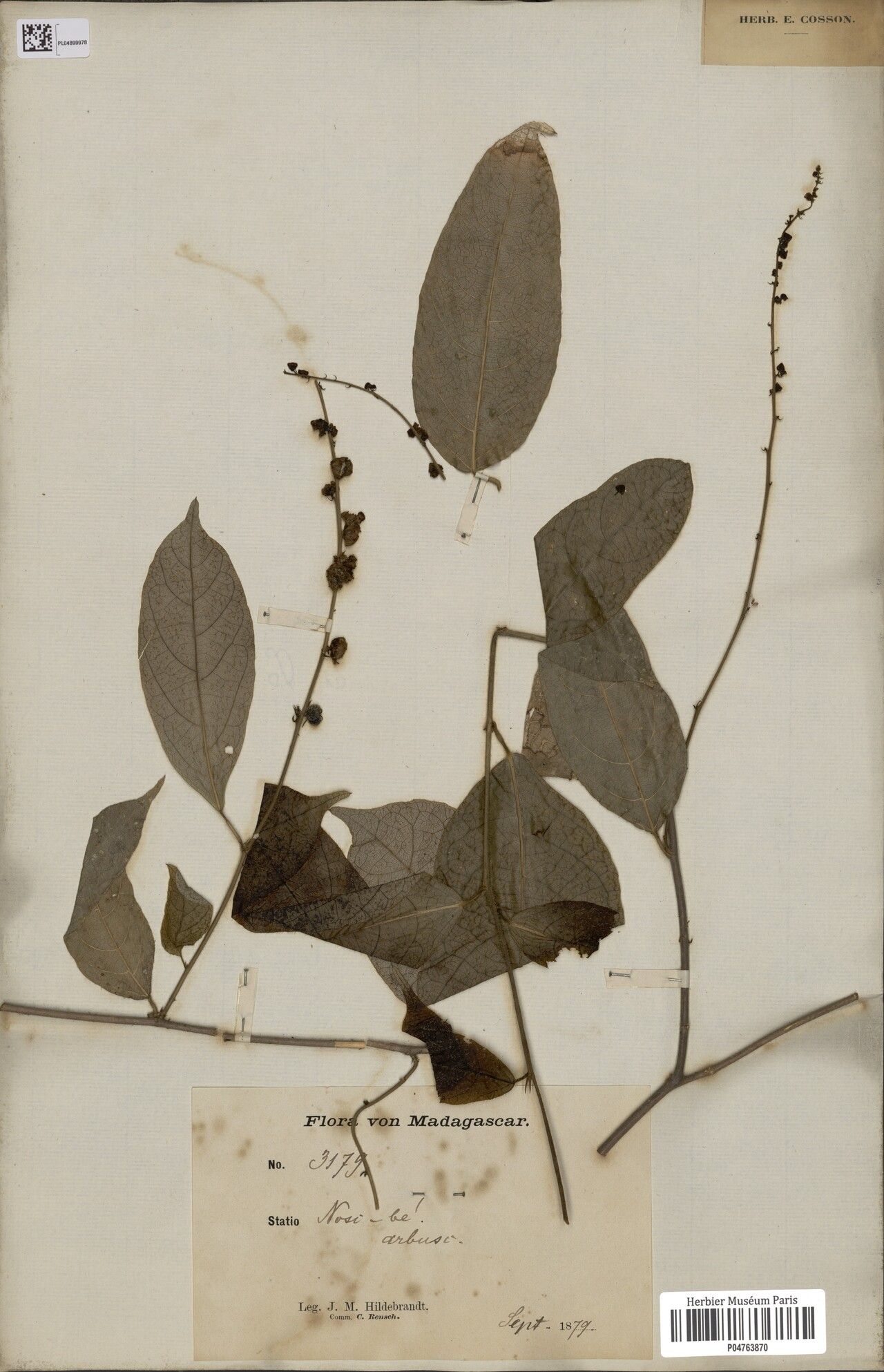
Tragia urticifolia, commonly called nettleleaf noseburn, is a species of flowering plant in the spurge family (Euphorbiaceae). It is native eastern to North America, where it is found in the southeastern United States. Its typical natural habitat is in rocky or sandy dry woodlands, over calcareous or mafic substrates.Tragia urticifolia is an erect perennial herb or subshrub. Its leaves are triangular-lanceolate, truncate to cordate at the base, with an acute to acuminate tip. Its petioles are around 3–15 mm. It produces small yellow flowers from late spring through summer. Tragia urticifolia can be distinguished from the similar looking Tragia betonicifolia by its longer pedicels on staminate flowers (1.5–2 mm), which are more evenly distributed in the raceme.This species is notable for having stinging hairs that are very painful upon contact with skin.
Nettleleaf noseburn has strong resistance to disease and is generally not prone to illnesses. Nonetheless, it can be affected by pests and diseases present in its environment. These outbreaks are typically mild. Regarding care, this plant needs moderate maintenance. It should be pruned regularly to preserve a neat appearance and support healthy growth. Applying fertilizer can also encourage blooming. Nettleleaf noseburn is appropriate for anyone with an outdoor area, such as a garden or patio, and does not demand extensive gardening experience. It may need extra attention if cultivated indoors.
How to keep Tragia Urticifolia.
Light
Nettleleaf noseburn is native to habitats like forest understories and rocky sites, where it grows in natural shade. It prefers partial sun but can tolerate both full sun and full shade, reflecting its hardy, adaptable nature.
Temperature
Nettleleaf noseburn comes from tropical areas, where the climate is generally warm and humid. Consequently, it is well adapted to high temperatures and humidity. It does not tolerate sudden temperature changes and prefers a stable thermal environment, so avoiding indoor temperature fluctuations is important. It typically cannot withstand cold and needs warmer conditions to grow. If the surrounding temperature falls too low, the plant may stop growing or even die.
Fertilizer
Nettleleaf noseburn needs the most fertilizer during its active growth period, which occurs mainly in spring, summer, and early fall. Fertilization is required to supply essential nutrients that may be deficient in the soil, encouraging healthy root and stem growth and attractive foliage, a key characteristic of this plant.
Pruning
To promote bushier growth and improve the appearance and health of nettleleaf noseburn, prune the plant in early spring. Trim just above the main stems, removing any dead branches. Doing so enhances air circulation and reduces the risk of disease, aligning with the plant's natural growth cycle for optimal vitality.
Botanical profile.
- Plant Type
- Herb, Vine
- Life Cycle
- Perennial
- Genus
- Tragia
- Family
- Euphorbiaceae
- Hardiness Zone
- 9-11
- Mature Height
- 30 cm to 61 cm
- Mature Spread
- 20 cm to 40 cm
- Leaf Color
- Green
- Leaf Type
- Deciduous
- Flower Size
- 0.20 cm to 0.25 cm
- Bloom Time
- Late spring, Summer, Early fall
- Planting Time
- Spring, Summer, Autumn
- Harvest Time
- Mid summer, Late summer, Fall
Other names.
Reader questions.
What is Nettleleaf noseburn?
Nettleleaf noseburn, scientifically known as Tragia urticifolia, is a plant species recognized by its unique characteristics. Although specific details on its essentials or symptoms were not provided, the name itself suggests it might be noted for its potential irritating properties, akin to the stinging sensation caused by some nettle species. However, for precise information on its uses, habitat, or any precautionary advice, consulting detailed botanical sources would be beneficial.